A Quarterly Publication: Summer Issue 2026 | |
America's Falconry Monument
The tangled history of Central Park and its unlikely symbol of endurance
| | |
“A statue called The Falconer had been in storage for as long as park users could remember. The nine-foot-high statue depicted a figure who could have stepped from an Elizabethan play; tunic and skin-tight pants, soft leather boots and toes which curled up at the end, and a noble falcon, stylized in an aura of romanticism, larger and fiercer and bolder than any falcon would appear in the wild.”
—Donald Knowler, The Falconer of Central Park (1984, Karz-Cohl Publishers)
| | |
NOTE: Central Park in New York City is one of the most famous and well-documented public spaces in the world. Volumes exist on its history, design, current use, and many other aspects. Most of the information about the park in this article comes courtesy online publications of The Central Park Conservancy, a nonprofit established in 1980 as institutional caretaker, and the New York City Department of Parks and Recreation (est. 1870). Information about sculptor George Blackall Simonds comes largely from the writing of Paul K. Beecroft and Peter B. Devers in their book We Were Falconers and in personal communication. The free FamilySearch.org website provided background on businessman George Kemp. ArtUK.org gave additional information about The Falconer’s history and its several iterations. Details of Central Park’s period of decay (c. 1960s-1980s) and ardent birding culture come from Donald Knowler’s enjoyable book, The Falconer of Central Park, with additional details from a seminal case study by Columbia University. Biography and insight on sculptor Joel Rudnick come from interviews with Emiliano De Laurentiis, manager of the late Rudnick’s estate, and from Rudnick’s autobiography Metamorphosis. Matthias Roeckl took the wonderful contemporary images of The Falconer featured in this article (all others sourced as attributed). The imaginative bits, sketchy conclusions, and mistakes are my own.
—Matt Mullenix, Editor
| | |
Like many falconers, I am at loose ends in a large city. These big built environments both over- and underwhelm me, being at once too much and too little of everything I need.
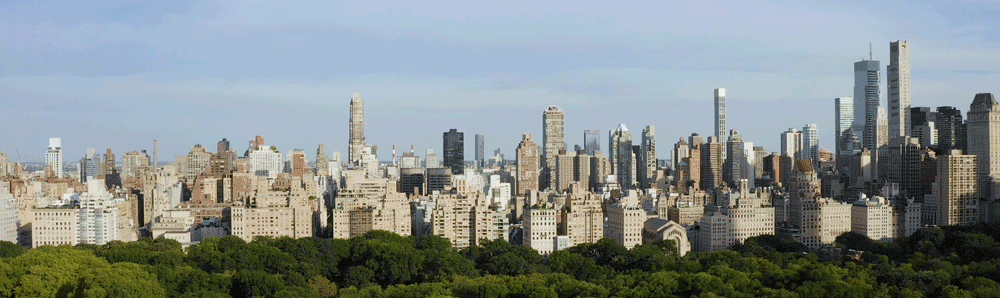
So have I imagined New York City—Gotham!—one of America’s greatest expressions of cosmopolitan life, home to seven thousand high-rise buildings and nearly nine million people, to be whatever is the opposite of a falconer’s natural habitat.
| | "Gotham" (New York City's skyline rising above Central Park) | | |
And yet peregrine falcons breed here, hunting and raising young above the artificial box canyons. Red-tailed hawks nest on fire escapes, and American kestrels and great horned owls are permanent residents. More than four hundred species of birds live in or pass through New York City each year, eagerly sought and counted by a cadre of amateur naturalists, no less enamored of them than any falconer.
Much of the city’s birdlife centers around Central Park, the nation’s oldest and perhaps most famous urban greenspace, a carefully curated mix of lawns and waters, woods and walking trails, host to a hundred thousand people every day.
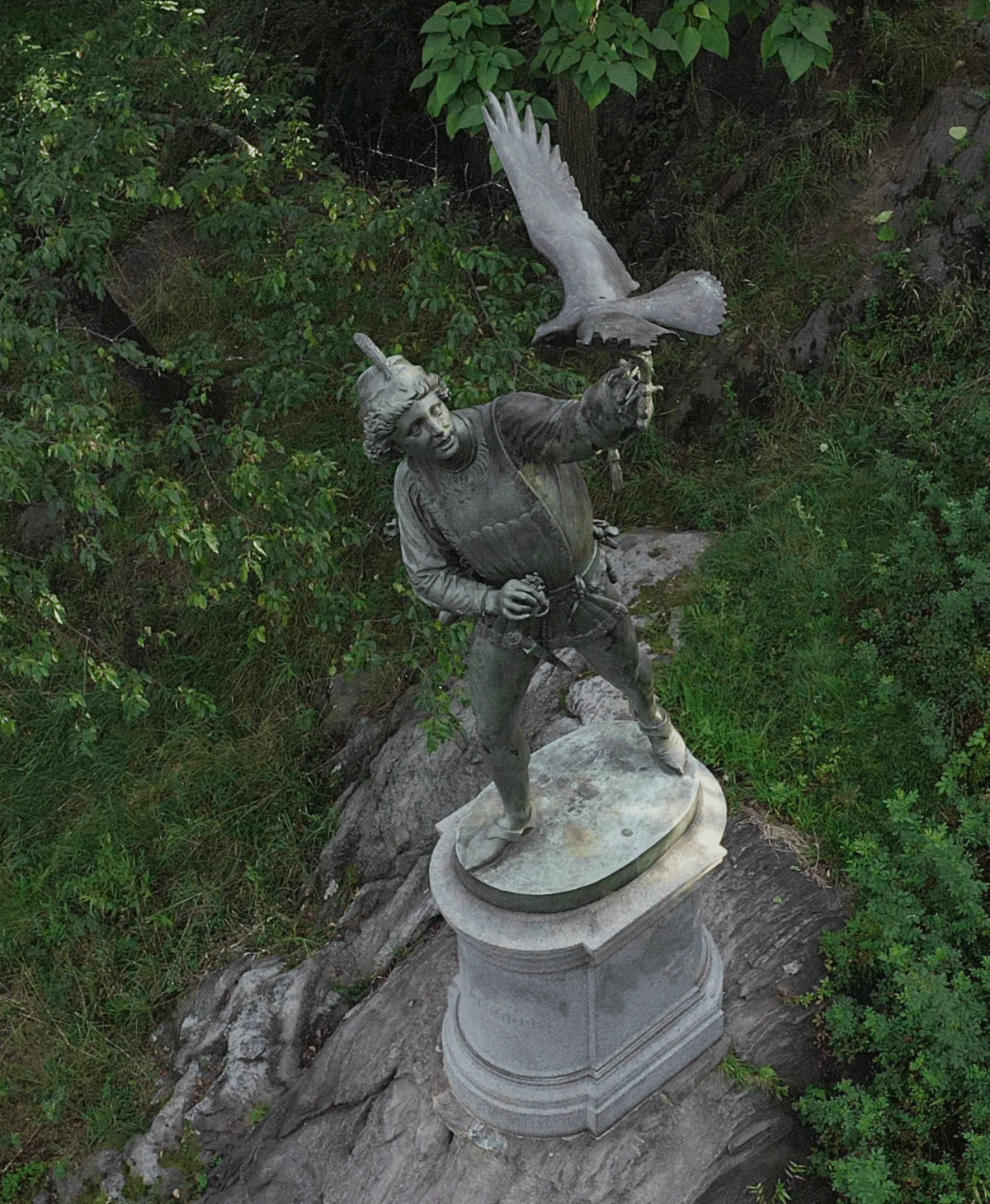
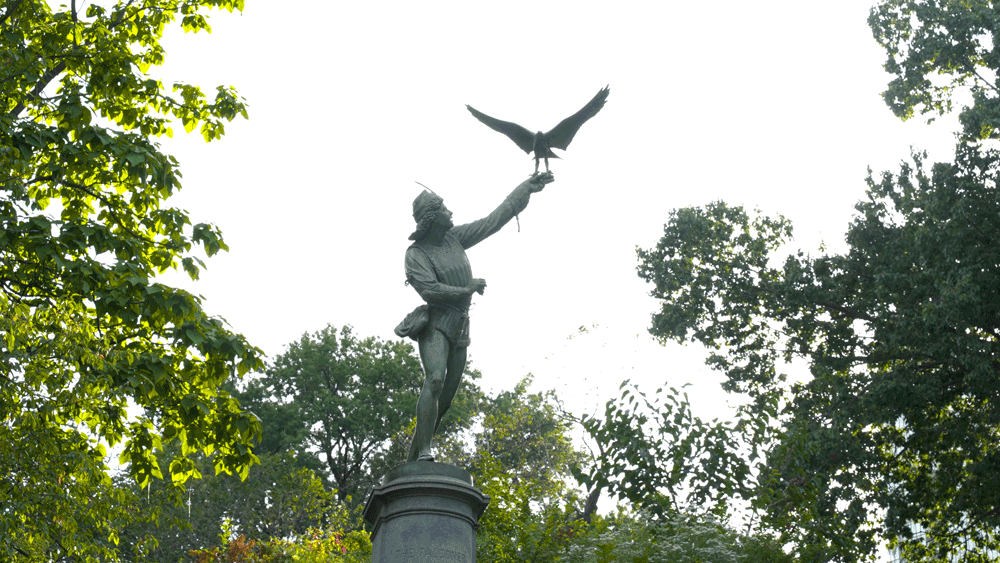
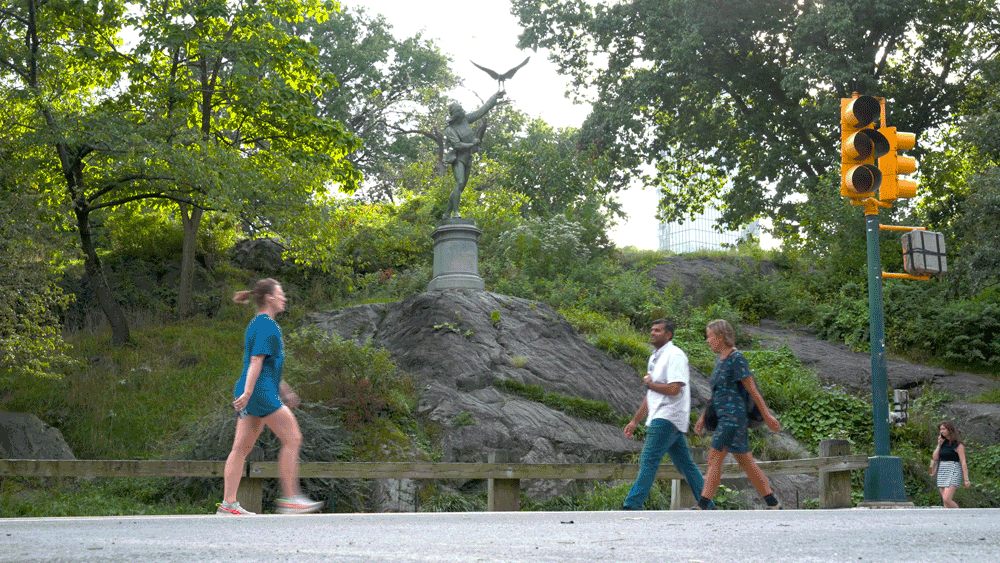
While it’s true that no hawking is allowed in this (or any) New York city park, there is nonetheless a native “falconer,” a striking bronze statue, standing since 1875 atop a natural mound of Manhattan schist in the park’s southern quarter, his hunting hawk poised forever at the moment of flight.
| | |
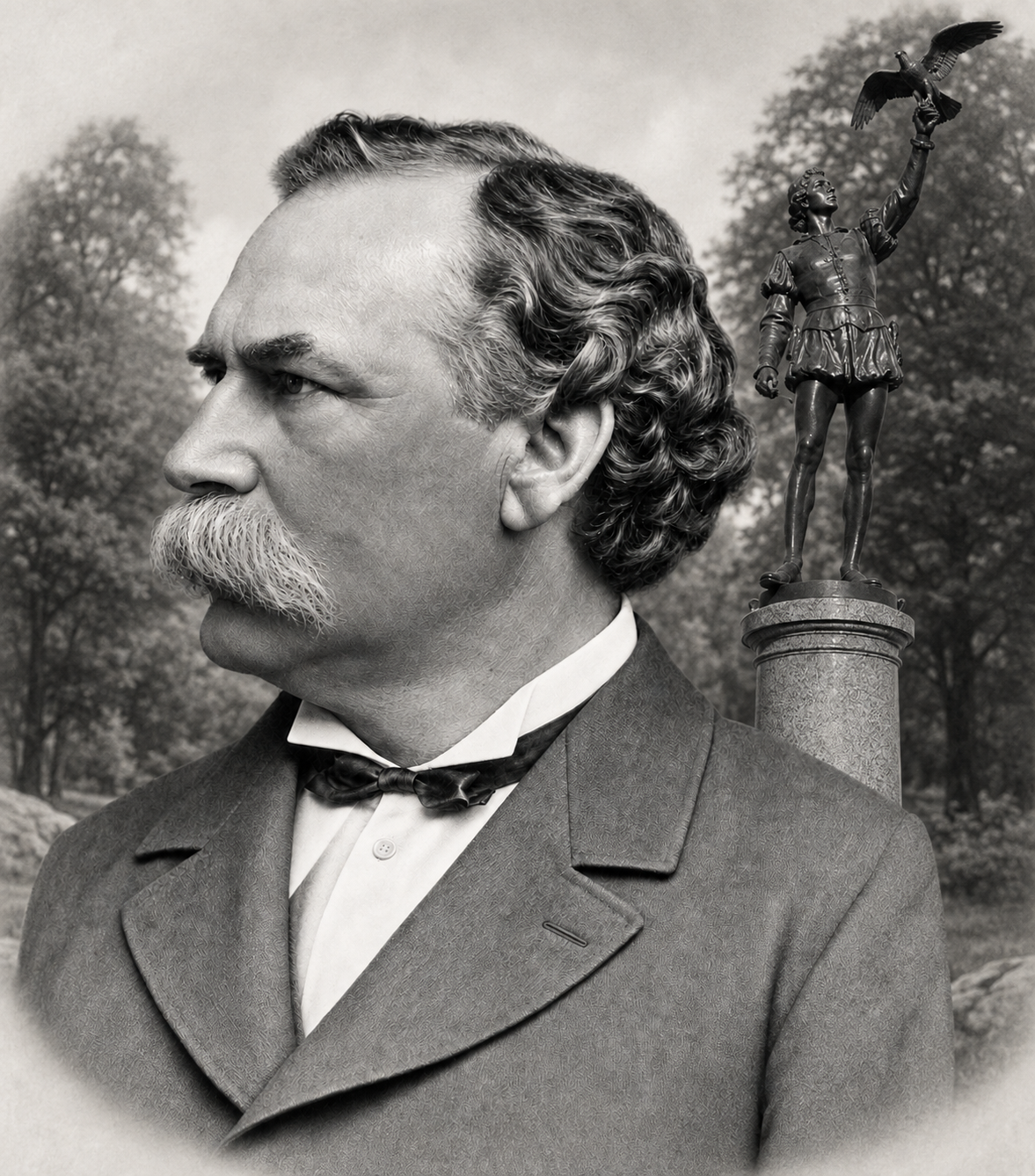
The Falconer, as originally cast, is the creation of Englishman George Blackall Simonds (1844 – 1929), who was not only a master sculptor but one of his generation’s most accomplished falconers, a contemporary and friend of E.B. Michell and Gilbert Blaine, and Founder of the British Falconers’ Club.
The story of Simonds’s most familiar sculpture is inextricable from that of its Central Park home, where it was erected, vandalized, removed, and reconstructed several times in the last 150 years. The story contains more mystery than might be imagined; for example: Who stole The Falconer’s falcon—twice—and what sort of raptor does it hold today? And its a history of special significance, to us, as America’s most prominent monument to the spirit of our sport resides in the heart of our most American city.
| | The Falconer by George Blackall Simonds in Central Park, New York City | | Before New York’s Central Park would be home to The Falconer, it was home to the free Black citizens of Seneca Village, some two hundred settlers who purchased the land in 1825 and would build homes, churches, a school, and eventually rent parcels within the future park to a burgeoning population of European immigrants. Nearly 1,600 of these early New Yorkers, along with their livestock and livelihoods, would be bought out or evicted by the city by 1858, when the construction of Central Park began. | | |
Map of the former Seneca Village from Egbert Ludovicus Viele's survey for Central Park.
Source: WikiMedia Commons
| | It was a whole-cloth creation on 843 acres: Millions of yards of topsoil would be carted in, water features dug, dozens of bridges and arches built, and half a million trees planted according to the designs of pioneering landscape architects, Fredrick Law Olmstead and Calvert Vaux. Their masterpiece “Greensward Plan” would win the city’s competition for proposals and was from the outset intended to create a natural respite from city life; or, as Vaux would describe the pair’s design priorities, “Nature first, second, and third—architecture after a while.” | | |
The contest-winning "Greensward Plan" for Central Park by Fredrick Law Olmstead and Calvert Vaux.
Source: WikiMedia Commons
| | NOTICE! EMAIL CLIPPING: Your email server may clip this issue to save space in your inbox. Be sure to check for a link at the bottom of this issue to view the complete story! | | 3. The Falconer & Its Patron | | |
Public art and statuary were never part of the plan. Outside the ornate Bethesda Terrace and Fountain, featuring the sculpture “Angel of the Waters,” the Greensward Plan called only for natural and functional features. But as the Civil War concluded (in 1865) and the park’s popularity grew, so did public interest in commemorative works. Various bronze and granite figures began to appear. The many calls for statuary tributes would prompt the creation of a City Art Commission in 1898 to evaluate each new proposal and ultimately limit the total number of permanent monuments to 141, where it has remained since 1965.
The Falconer was among this initial flurry of commissioned and donated monuments erected in the park.
| | |
In 1834, an Irish immigrant to New York, Mr. George Kemp (1826 – 1893), came with his widowed mother and five siblings among a wave of new Americans, millions in the space of decades. He would thrive in his new home, build a small empire in wholesale pharmaceuticals (“materia medica”) and later invest in real estate, including prime parcels adjacent to Central Park.
Kemp, worldly and well-to-do at 44, first saw The Falconer while traveling in Rome, Italy, as a plaster model depicting one of several full-sized versions of the sculpture Simonds intended to cast and carve. Perhaps eager to secure his place among the new patrons of Central Park, and to corner a bit of real estate within it, Kemp commissioned from the 27-year-old Simonds a colossal nine-foot bronze of the charismatic Falconer and its ultimately ill-fated falcon.
| | Successful New York businessman, Mr. George Kemp, shown with an alternative version of The Falconer. Photo courtesy Peter Devers | | 4. George Blackall Simonds | | |
We are accustomed to near misses, as falconers. Media often misrepresent our sport and its followers in both factual reporting and artistic representation. Even our closest friends and family don’t always get it right.
But in English sculptor George Blackall Simonds, we find a talented artist who was also a falconer’s falconer—the genuine article—accomplished in his practice of the sport, objectively impactful in its national organization and admired by his fellows, who were themselves admirable fellows.
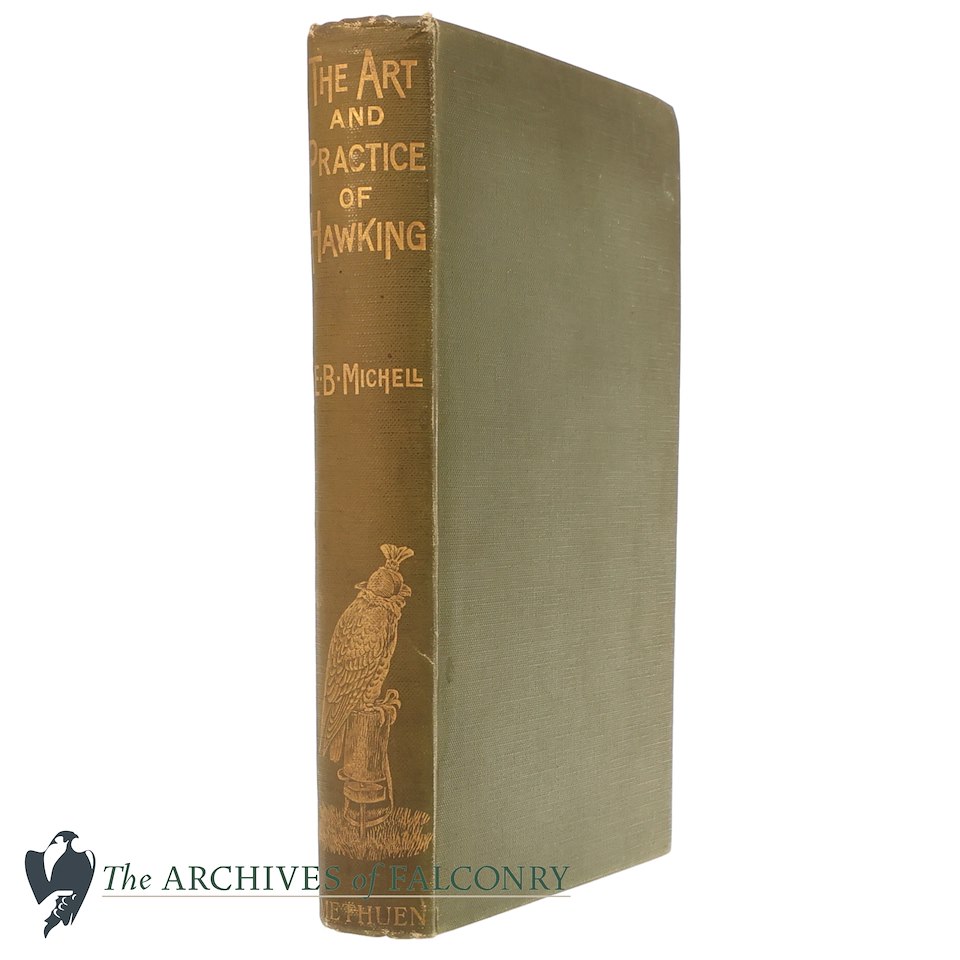
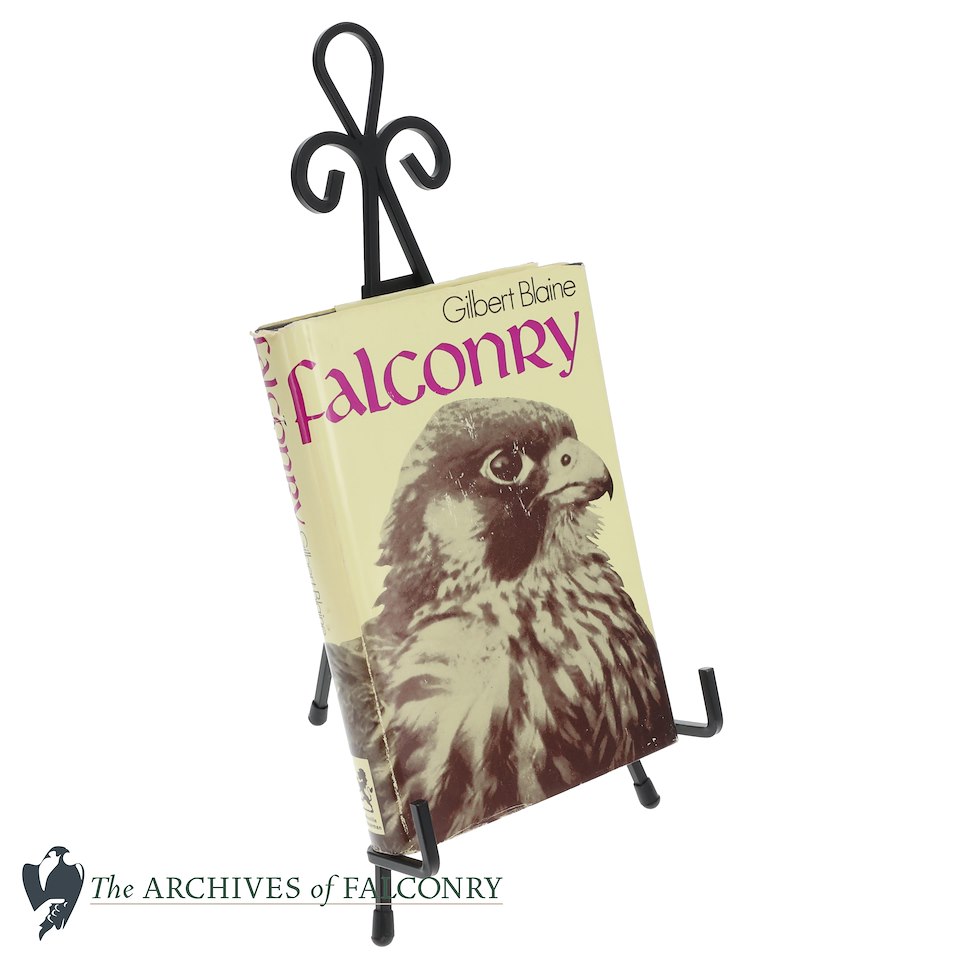
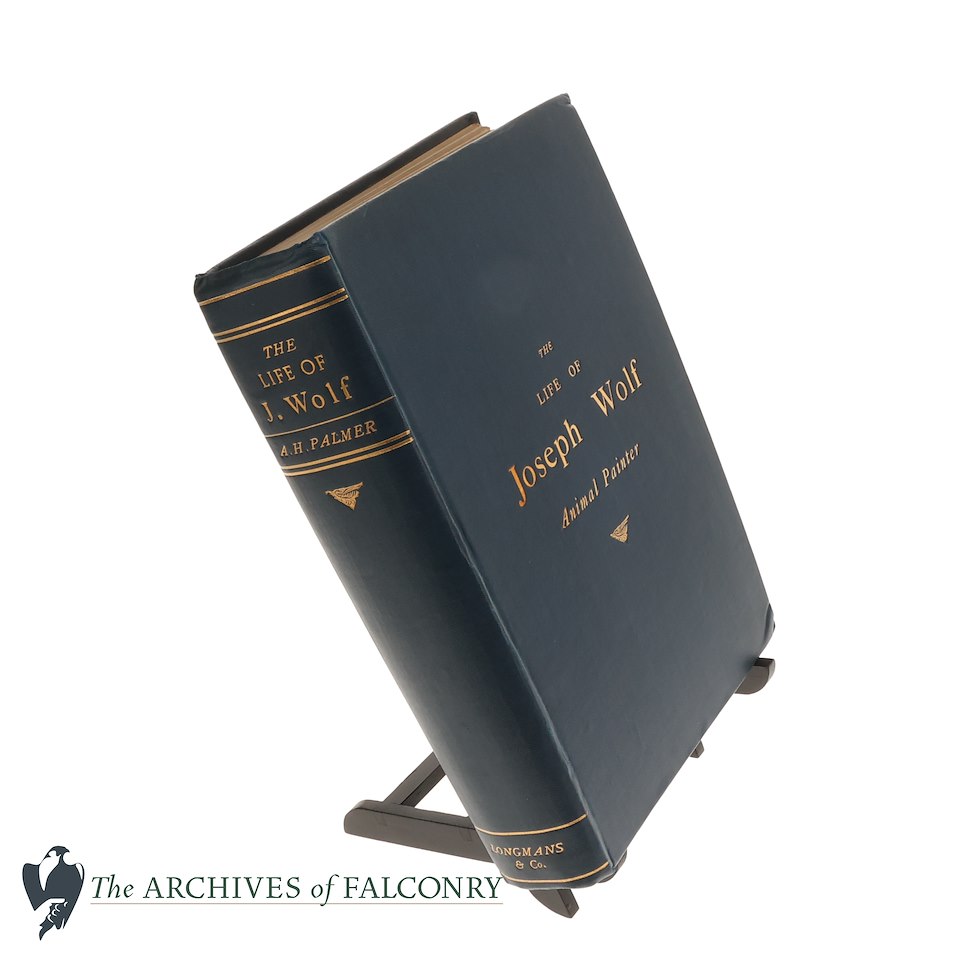
Simonds’s contemporaries included Edward Blair Michell, author of the modern classic The Art and Practice of Hawking; Gilbert Blaine, “one of the most experienced and successful falconers in England” whose book Falconry would fuel the sport’s emergence in America; and Alfred Herbert Palmer, who penned The Life of Joseph Wolf, describing one of the most significant ornithological artists of their day.
| | From the TAF Collection... | | |
The Art and Practice of Hawking by E.B. Michell
"A masterful volume considered one of the best falconry books ever written. Author Edward Blair Michell was one of the most acclaimed English falconers during the late 19th and early 20th centuries..."
| | |
Falconry by Gilbert Blaine
"Blaine, one of the most experienced and successful falconers in England, having practiced the sport intensely for over forty years..."
| | |
The Life of Joseph Wolf by A.H. Palmer
"As its name indicates, this is a biography of one of the most significant ornithological artists of the 19th (or any) century. "
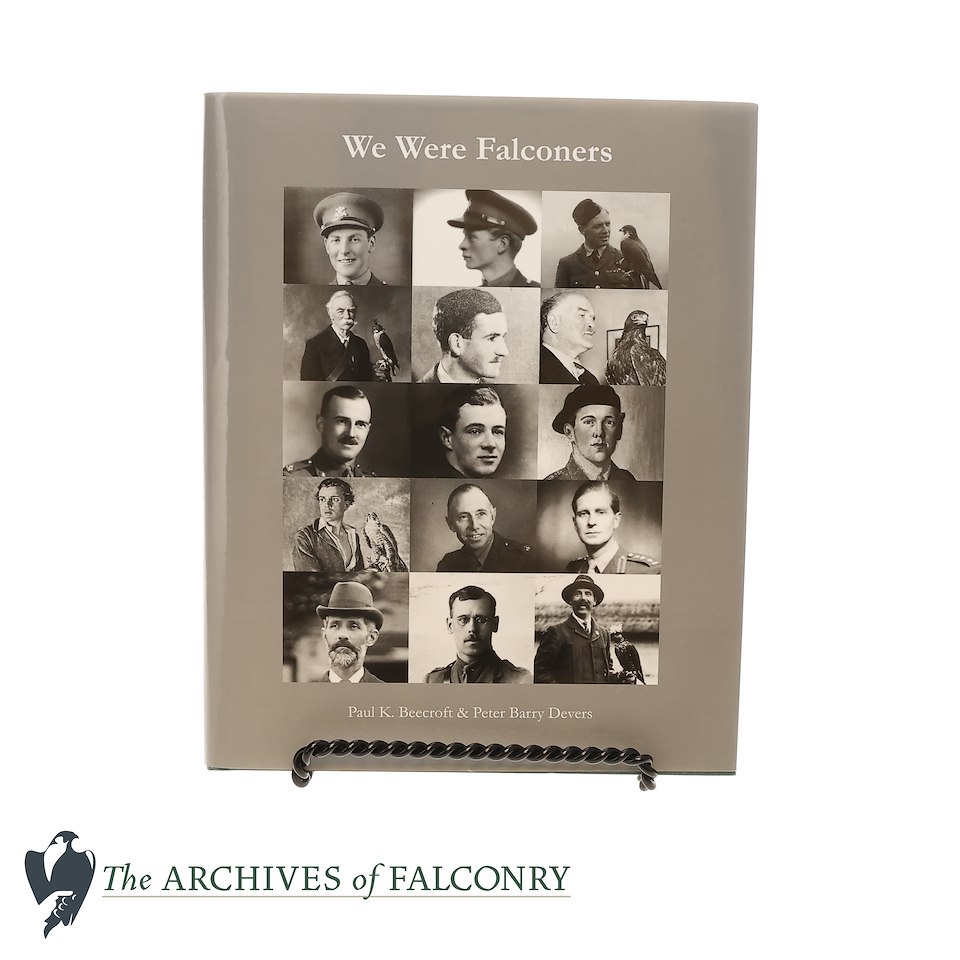
| | That Simonds is not so familiar to American falconers as some of his contemporaries is an oversight overdue for correction. It may simply be that the medium of sculpture narrows our potential for exposure to his work compared to the written word. If so, authors Peter Devers and Paul Beecroft have helped right the record with their biography of Simonds in We Were Falconers. | | They begin their look at the sculptor with a retelling of a night in November, 1927, when Simonds and his notable friends gathered for an annual “Falconer’s Feast,” a tradition begun years before by Michell. It was there that Simonds, who had already founded the Art Workers Guild in London, proposed the formation of what would become The British Falconer’s Club (today, the U.K.’s premier hawking association); and with a hearty toast “to Hood, Leash and Lure!”* Simonds accepted their nomination as the BFC's first President. | | |
We Were Falconers, by
Paul K. Beecroft and Peter Barry Devers
| | |
Born in the Victorian Era prior to the advent of compulsory education in Great Britain, Simonds was an artistic prodigy and one of the first students to attend what would become Bradfield College, just west of his home in Reading. Simonds was only 15 when his promising sculpture work would take him to posts in Germany and Belgium for further training, and finally to Rome, the seat of his artistic ambitions, where he would spend a dozen years perfecting his craft.
Still a young man, Simonds became an expert in lost-wax bronze casting (he would later author articles on the topic in the influential Jesuit weekly “America,” established in New York City, 1909). He flew sparrowhawks throughout his Roman residency, and according to falconer Hugh Knight (brother of Charles William Robert Knight, aka Captain Knight) Simonds “always” kept multiple trained hawks in his studio: “…any that were brought to him by bird catchers and others always found sanctuary with him,” wrote Knight in a 1929 eulogy published in The Field.
| | |
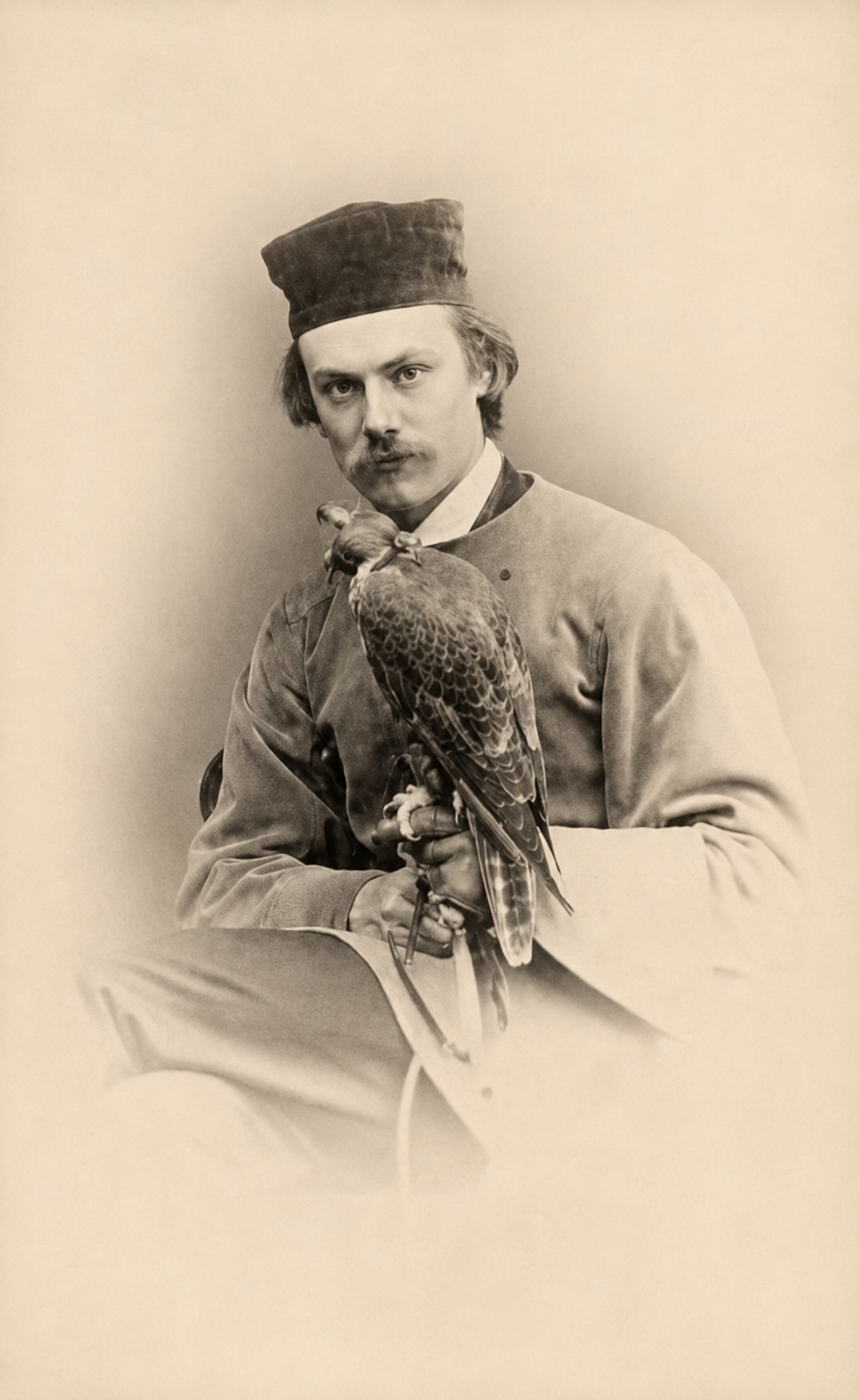
George Simonds ("Blackall" was his brother's name, which after Blackall's death, George added to his own in respect) shown here at about the age The Falconer would be cast.
Photo courtesy Peter Devers
| | |
Simonds’s passion for falconry and mastery of sculpture finally united in The Falconer. Devers and Beecroft describe the celebrated work, which would see several versions cast in bronze in the early 1870s and one carved in marble, as “undoubtedly Simonds’s most famous piece.” In addition to the one commissioned by Kemp in 1871, various iterations of the evocative sculpture would be exhibited in European capitals. One was also purchased by the City of Trieste, Italy, famous for its dedication to public art.
Wrote Devers and Beecroft: “The Falconer . . . lives and breathes the romance of the sport. The statue is one of great drama and movement, depicting the moment when a youthful falconer of the 14th or 15th century casts his falcon to the winds."
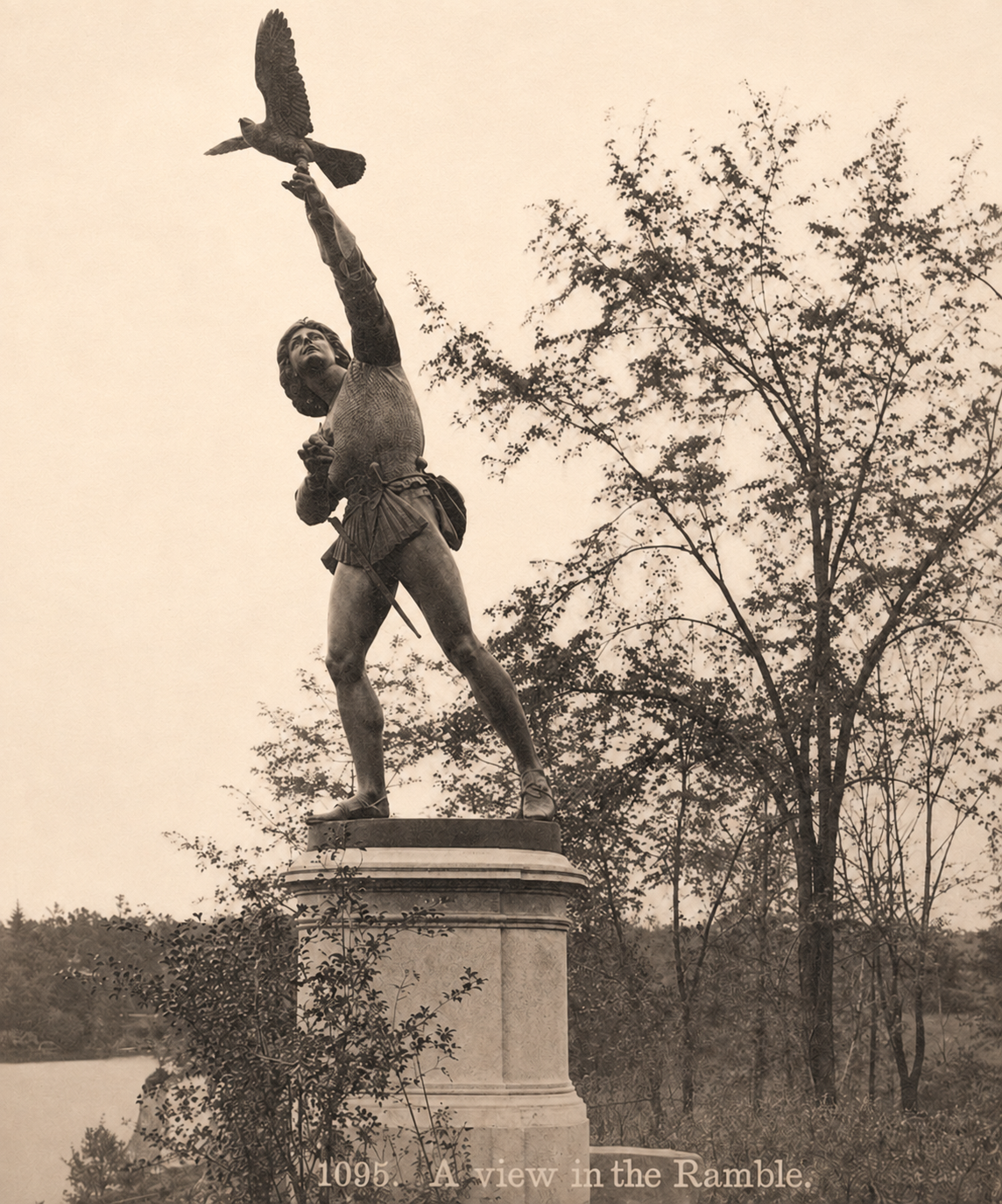
| | The Falconer a few years after its installation in Central Park. Photo courtesy P. Devers | | |
On the last day of May, 1875, visitors to Central Park would get their first glimpse of The Falconer, perched high atop a natural rocky outcrop along the park’s 72nd Street terrace drive and facing The Lake, one of Olmstead and Vaux’s many designed water features. While it seems no public ceremony marked the installation, its addition to the park's growing collection of statuary was noted by The New York Times.
According to art historian Dianne L. Durante, The Times praised The Falconer as “one of the few really artistic statues that have been placed in Central Park."
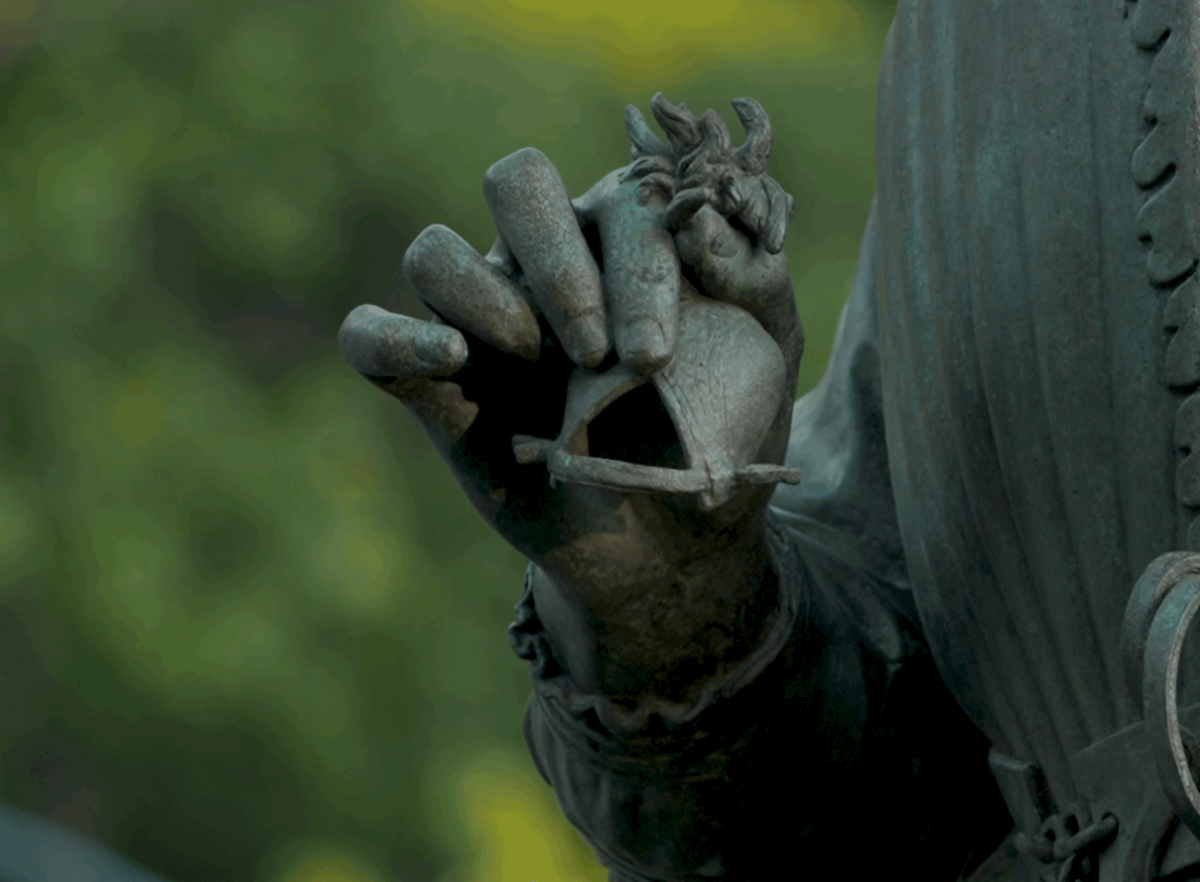
| | Close-up of The Falconer's finely rendered Dutch-style hood, complete with braces and ornamental details, demonstrating Simonds's mastery of both sculpture and falconry techniques | | |
The paper also noted, perhaps in editorial vein, that The Falconer “should most certainly have been placed at least fifteen feet lower than it is.”
That year in Central Park, the trees would have been young and the statue’s lofty position all the more impressive to viewers below. This might have pleased its patron George Kemp, the “merchant prince” and proud immigrant New Yorker, whose name was carved deep and wide into The Falconer’s polished granite base.
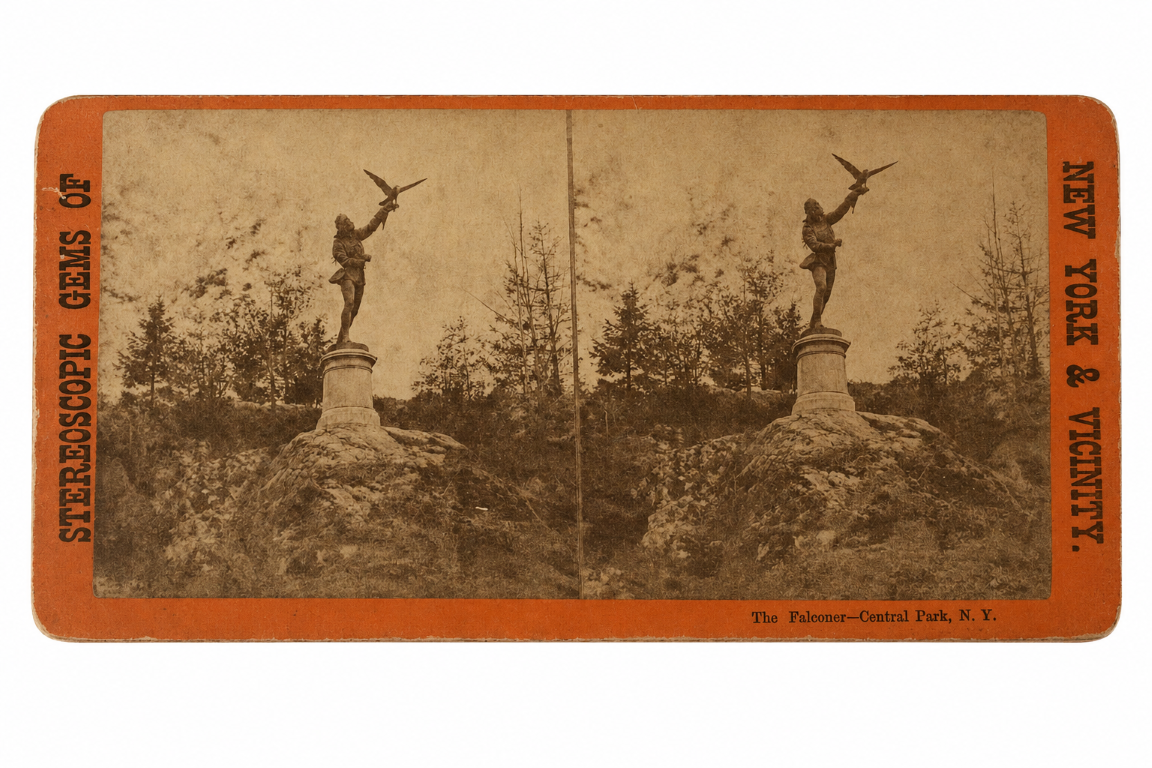
| | A stereoscope image of The Falconer (from about 1880), a popular medium in the day that would produce a three dimensional image for the viewer | | America's Falconry Monument | | |
The Archives of Falconry is pleased to feature this short film showcasing "The Falconer," a sculpture created by George Blackall Simonds and erected in 1875 in New York City's Central Park.
Filmed and edited by Matthias Roeckl
| | |
Over the next eighty years, Central Park’s trees would grow to tower over Kemp’s legacy. This was, in part, the purpose of the Greensward Plan—to create a cultivated wilderness in the middle of Manhattan. But the history of the country would catch up with the city and its idyllic retreat: The Great Depression (throughout the 1930s) sparked rumors of stockbrokers leaping from windows on Wall Street, and the reality was not less dire. Nearly a third of New Yorkers were unemployed. Central Park became home to makeshift communities, with extensive “shanty towns” built from salvaged materials on the Great Lawn.
In 1937, The Falconer had to be rescued by the New York City Department of Parks and Recreation, (then under new management by Robert Moses), having nearly toppled over from its base. Twenty years later, vandals would damage its original bronze falcon in the first of a series of secretive affronts to the sculpture. The parks department commissioned and installed a new falcon in 1957, but the serial attacks would continue; and sometime within the next few years (the history is unclear), The Falconer’s entire left arm was sawed off and stolen, no culprits found.
In 1977, what remained of the statue would be removed from public view and secured in a nearby Washington Heights basement for its own protection.
| | |
This period marked a sad nadir for Central Park.* According to Ted Smalley Bowen and Adam Stepan of the School of International Studies and Public Affairs at Columbia University, by 1975 the Park was virtually unrecognizable: “The elegant mall, carefully composed naturalistic landscapes and charming secluded areas had degenerated into untended, ugly and dangerous places. Its public events were chaotic; its fields strewn with trash. While intended as a recreational space, the park’s reputation for drug abuse and crime, particularly at night, drove citizens and tourists away.”
When British journalist Donald Knowler spent a year in the early 1980s living near Central Park, not much had changed.
| | Central Park's "Great Lawn," 1970 prior to reforms, in a state of widespread neglect stemming from general economic decline in New York and the nation. Source: Wikipedia | | Knowler begins his chronicle (which would become the well-regarded memoir The Falconer of Central Park) with his witness of a resident American kestrel catching a passerine unaware. Days later, he would find himself in a similar position, while his focus was in the trees: | | |
“I did not notice my own predators. I felt something sharp between my shoulder blades, and I turned wildly, like the chickadee when it realized the kestrel was upon it. A man stood with a knife. ‘Give,’ he said . . .There was no one else in sight, no rescuer and no point in delaying surrender of my wallet, so I held it out, and the mugger wearing the felt hat snatched it and ran.”
| | | | *Fast Forward: New York City would famously recover and revitalize, beginning with reforms by the incoming 1978 administration of Mayor Ed Koch and the creation, two years later, of The Central Park Conservancy (CPC), a nonprofit enterprise tasked with funding and performing all aspects of park maintenance. | | | |
Today, the CPC employs some 350 professionals who, along with city workers and thousands of volunteers, have reversed decades of decay. The Falconer’s 1982 return to its former pride of place above the 72nd Street traverse was an early testament to the Conservancy’s success in restoring Central Park’s original purpose and grandeur.
| | |
"There's a huge craftsmanship aspect of our work that you're not going to see in [a museum]. You're using a blowtorch or a heavy-duty pressure washer. It's a different experience compared to museum-type conservation," said CPC conservation manager Matt Reiley, in a 2024 feature by Amileah Sutliff in the Conservancy’s online magazine. This hands-on work is necessary for the repair and preservation of outdoor sculptures, given their exposure to the caustic city atmosphere, extremes of weather, and the depredations of vandals.
In light of The Falconer’s unique design and drastic condition of disrepair, more than a blow-torch was needed to make it whole. Following its last defacing, two talented sculptors, both from New York’s Brooklyn borough, were tapped by the Department of Parks and Recreation to assist in its remaking. The well-established artisan Domenico Facci (1916 - 1994), renowned for his portraits of eminent figures and numerous public sculptures, would craft the monument’s missing arm and gauntlet.
But the Parks Department would look to one of its own employees to attempt the falcon’s return, the artist Joel Rudnick (1936 – 2025), then just thirty years old and a relative unknown, working for the city to support his art. Rudnick would use this opportunity to sculpt a startling and original interpretation of The Falconer’s bird, a contribution that would not be seen for more than a decade after its creation* nor credited to him until after his death.
| | *Neither Rudnick’s nor Facci’s molds would be cast in bronze and mounted until the early 1980s, after the Central Park Conservancy emerged to raise funds for the work. | | |
Rudnick mentions the falcon project in Metamorphosis (pg. 40):
“In 1966 while working for the New York City Parks Department, I was asked to design the falcon for The Falconer, a piece by English sculptor George Blackall Simonds.
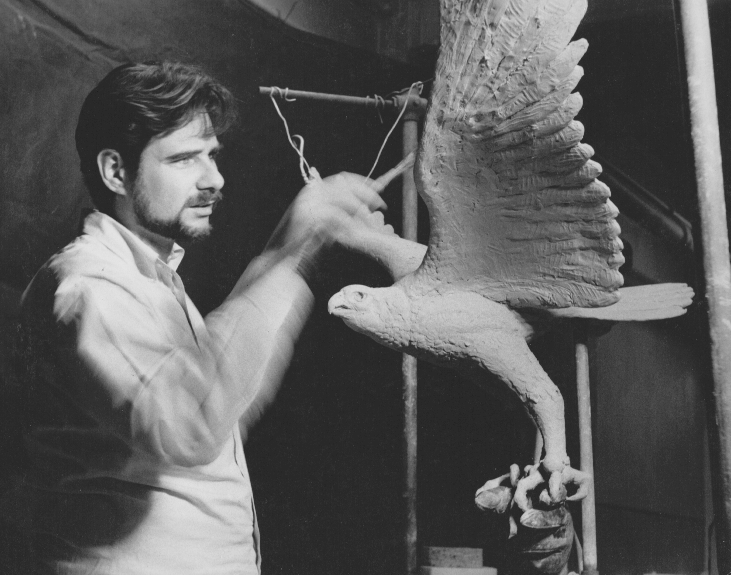
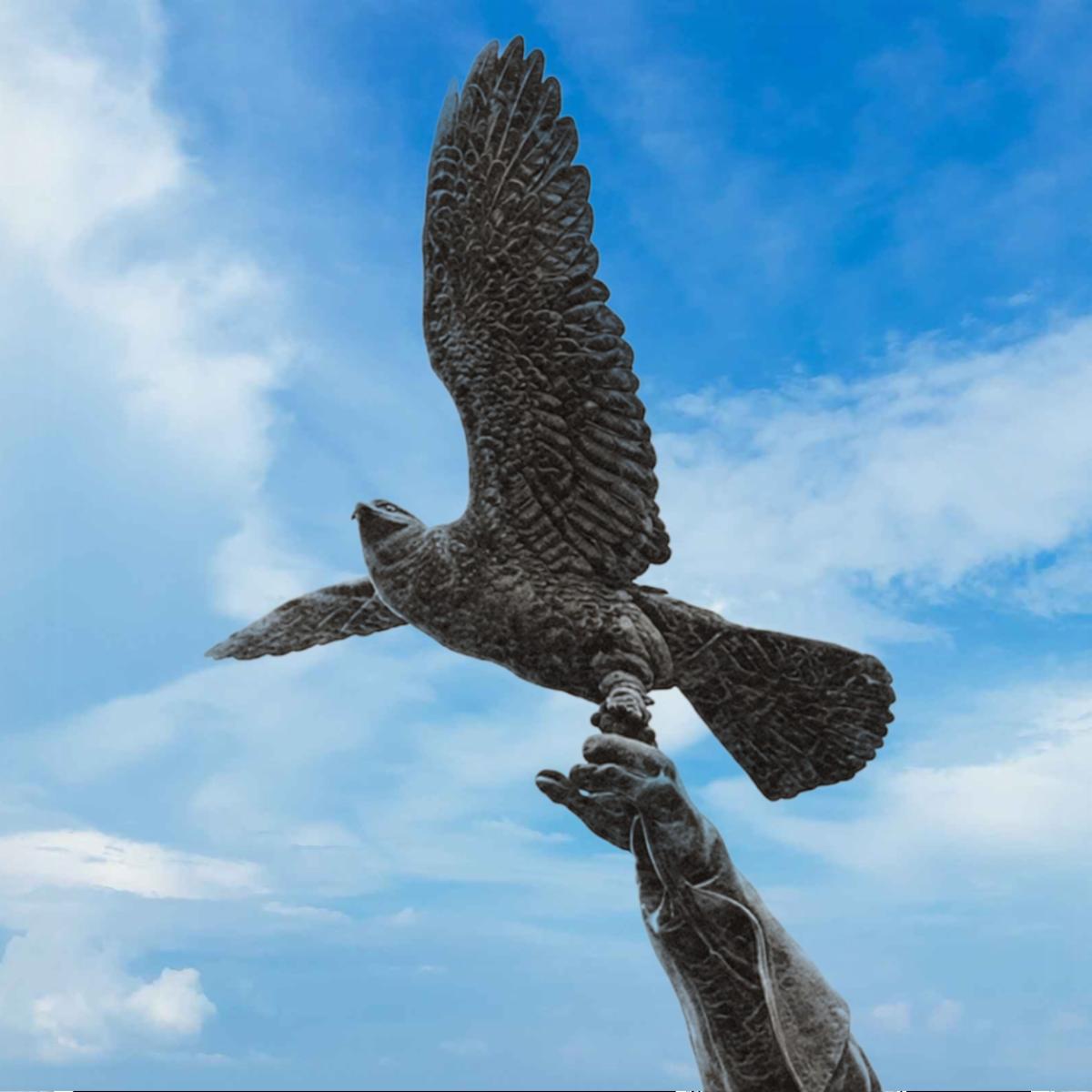
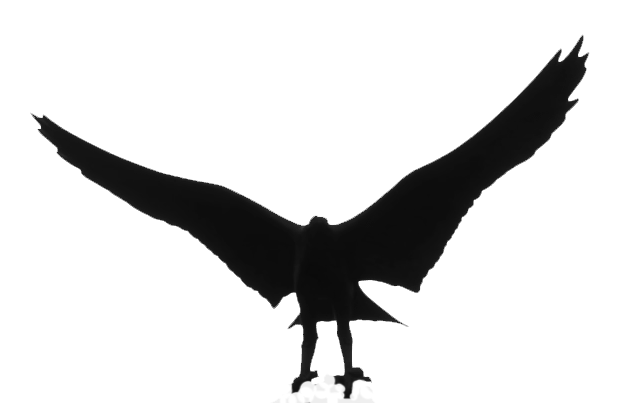
“The original falcon had been stolen. I had a small photograph to work from but I decided to redesign a completely new bird, ignoring the photograph. The new falcon had a five foot wingspan. The original bird was standing on end with its wings out. I gave the bird a sense of flight launched from the man's hands.”
| | Rudnick at thirty years of age working in his studio on his interpretation of The Falconer's raptor. "A completely new bird," with a five foot wingspan, powerful feet and more aquiline wing shape. | | |
Emiliano De Laurentiis, Rudnick’s friend and now the trustee of his estate, provided context on the new falcon’s design. “Joel said that it needed more,” remembered De Laurentiis. “That the bird needed to have more presence and be more dynamic, so he did it completely differently.”
Having studied under fellow Brooklyn native Sheldon “Shelly” Fink (1925 – 2002), Rudnick was introduced to the masterpieces of Rembrandt, who Fink admired and whose influence can be seen in Rudnick’s early portrait work.
“I am trying to build on what I believe the early Renaissance was about,” wrote Rudnick. “Adding what awareness I have about psychology, yet keeping in mind that a work of art amounts to nothing if it doesn’t excite the viewer initially by its beauty and invite him or her to look closer for its message.”
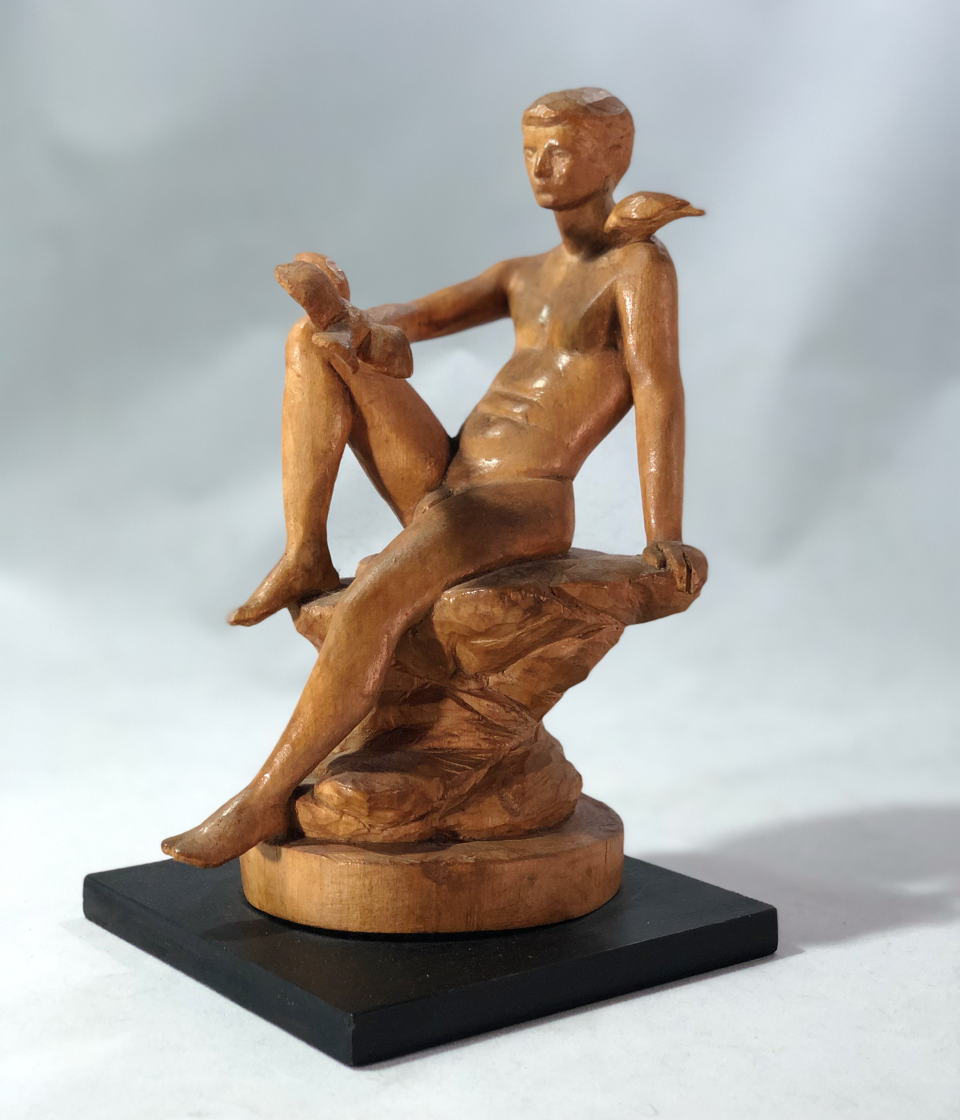
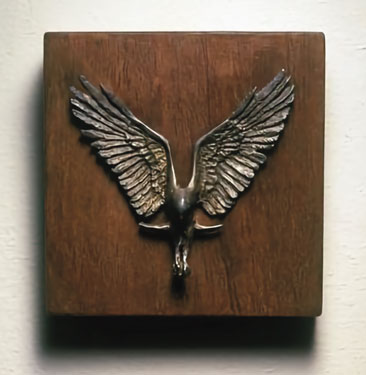
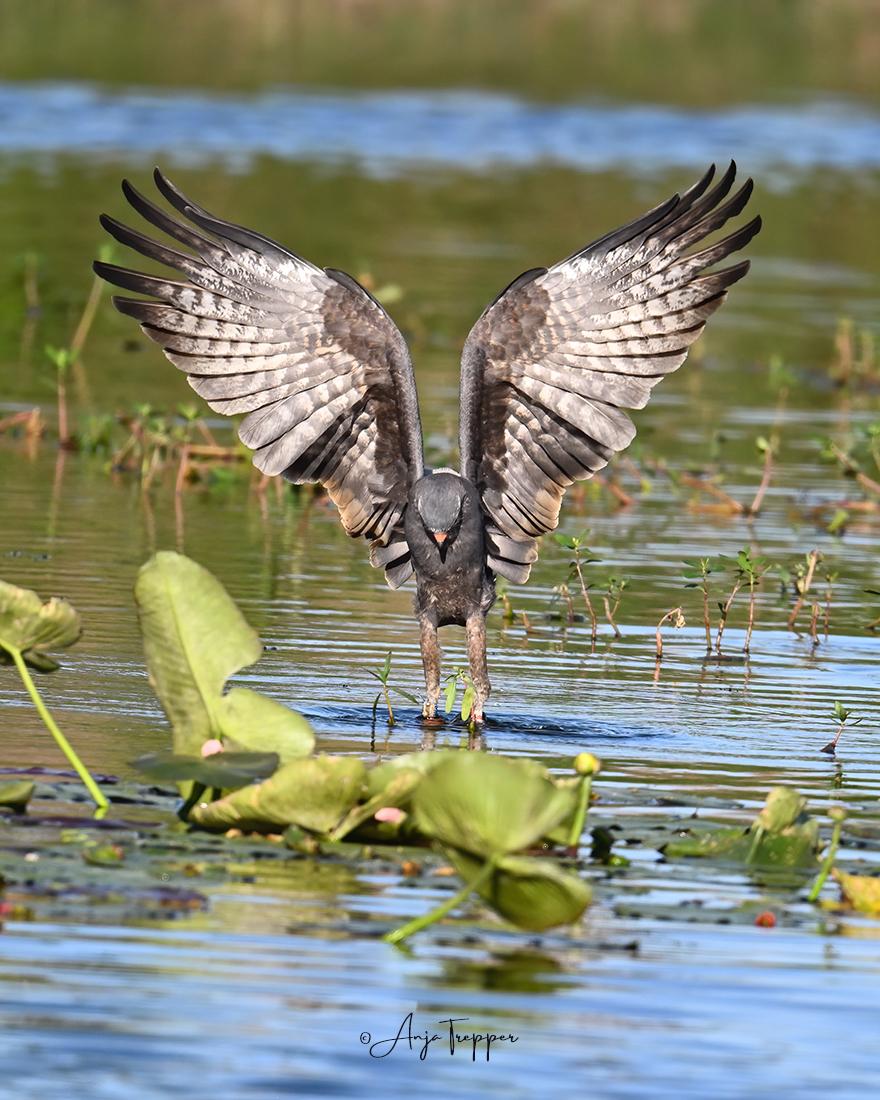
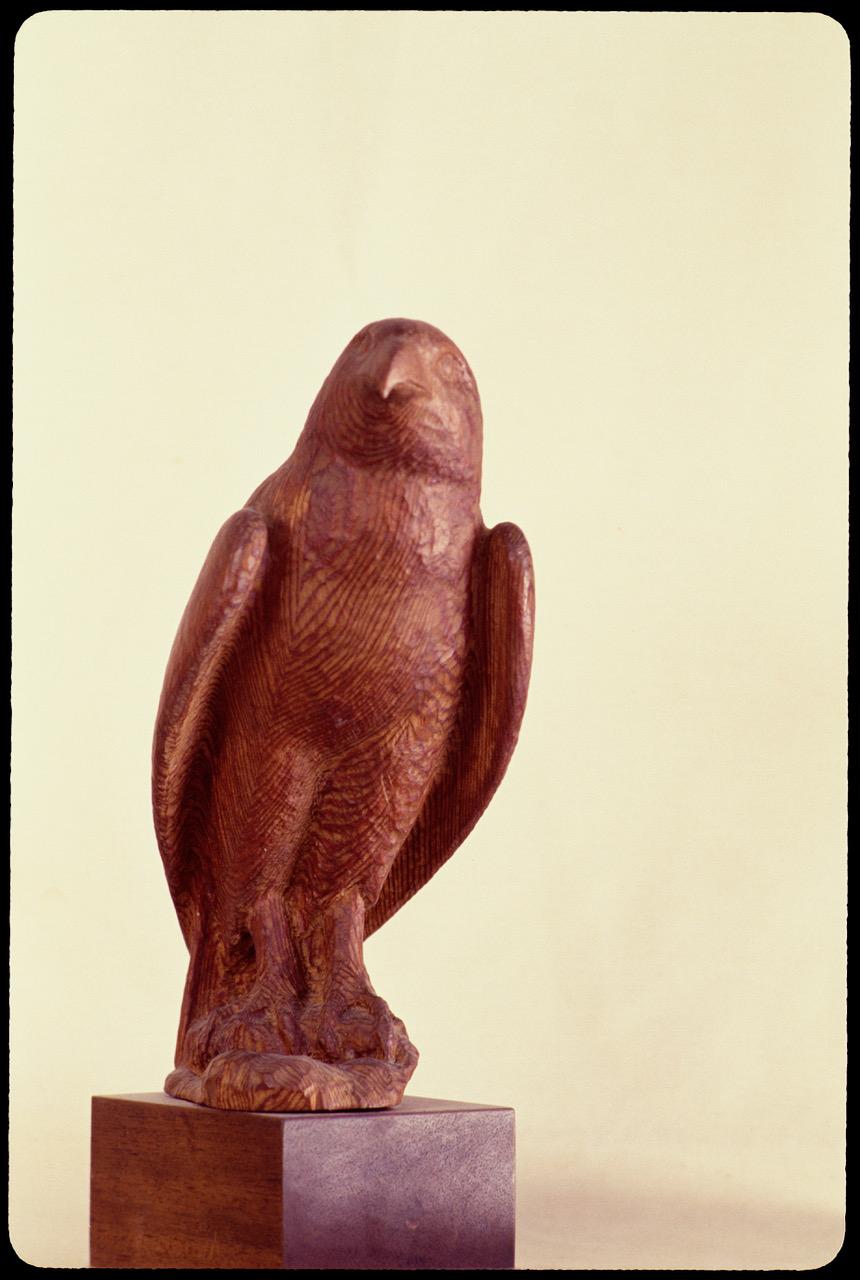
Rudnick’s body of work includes hints of his inspiration for the Central Park falcon: a wooden carving of St. Francis with birds; a small metallic ornament of a snail kite; and one clearly recognizable carving of a falcon, which helps illustrate that the distinctive, almost aquiline shape of the bird he created for The Falconer was an intentional departure.
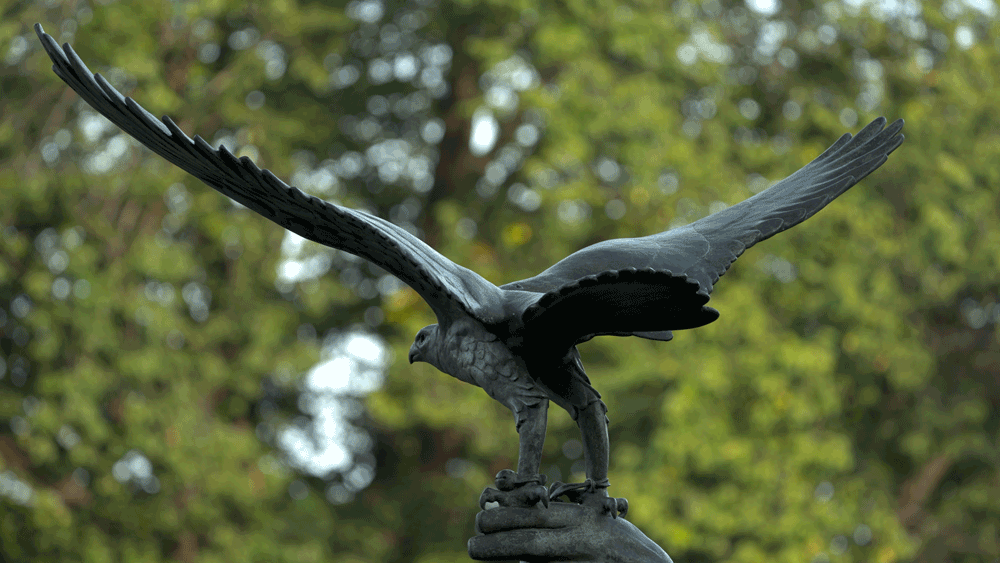
| | Joel Rudnick's eye for natural form is evident in his representational art. Note the accuracy of his "Snail Hawk" (above) to a live bird. Art images courtesy Emiliano De Laurentiis. Snail Kite photo used with permission from Anja Trepper (anjatrepper.com) | | George Simonds almost certainly had a peregrine falcon in mind for the original sculpture. Simonds flew peregrines himself, and was a well-regarded rook hawker on his home grounds. While iterations of the original falcon still exist in other castings of The Falconer (one is in Massachusetts; one at the Shipley Art Gallery, U.K.; and several remain with the artist’s family), it is Joel Rudnick’s 20th century vision of a raptor that now graces the fist of Simonds’s 15th century falconer in Central Park. | | Simonds's original falcon design. Image rendered with digital background, courtesy P. Devers. | | "I gave the bird a sense of flight..." Sculptor Joel Rudnick's vision for The Falconer | | |
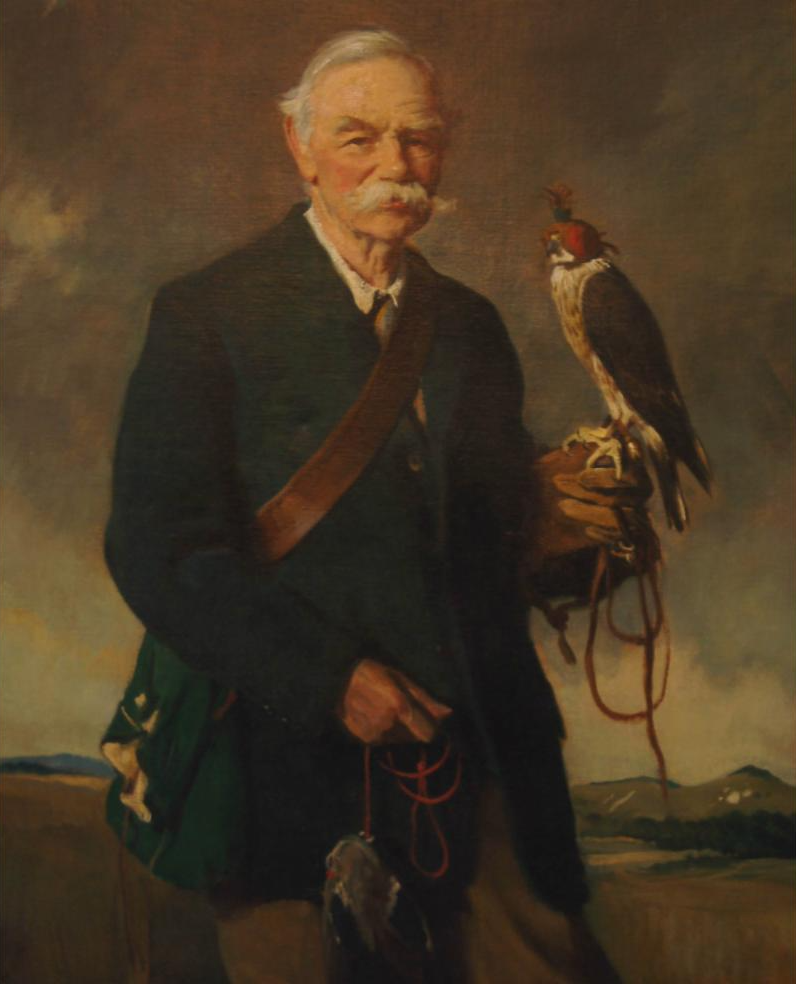
George Blackall Simonds lived a life that any of us might envy. After receiving multiple commissions for casts of The Falconer, Simonds would marry American Emily Gertrude Prescott (who became a successful falconer herself) and enjoy decades of productive work in public art before his shift at age 60 to chair the board of his family’s brewery, go hawking with famous friends and Indian princes; and report in a letter, just weeks before his death at 86, that his “old falcon is almost clean molted . . . and handsome as paint.”
Joel Rudnick would leave New York for the Berkshires in Massachusetts in 1976 to become a part of its vibrant art scene for the next fifty years.
| | Simonds in 1926 with peregrine on Salisbury Plain, by Sir Oswald Birley. The portrait was originally hung in the H&G Simonds boardroom where he served as Chair from 1910 until his death in 1929. Image used according to conditions of The Reading Museum | | |
His work would win numerous awards, including the Louis Bennett Prize from the National Sculpture Society and the Harriet Whitney Frismuth Prize from the National Academy School of Fine Arts.
The Falconer remains in Central Park, having adapted over time as anything must that endures. He is admired and ignored a thousand times a day, stands tall in all weathers, but never for a moment does his gaze shift or thoughts leave his bird as it flies.
| | |
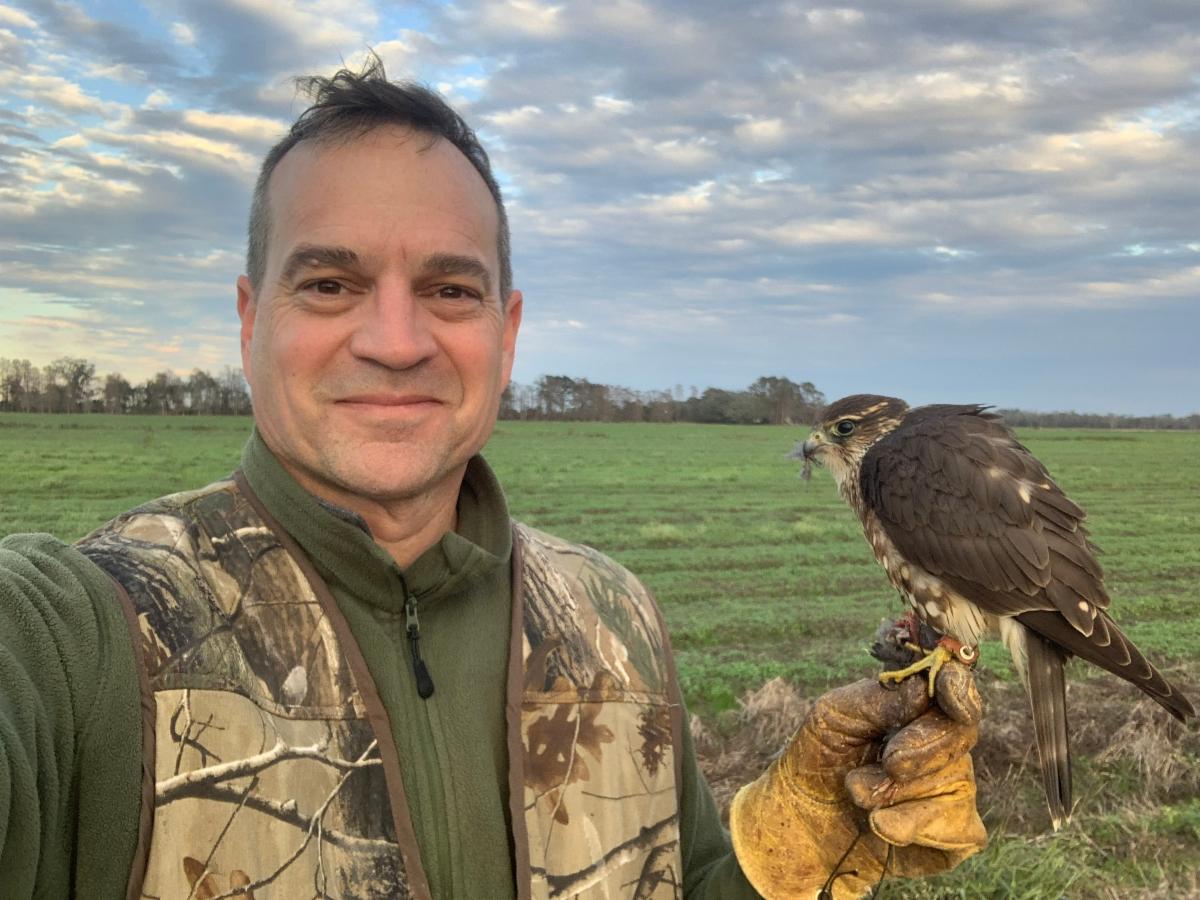
Matt Mullenix is Communications Director for The Archives of Falconry.
A longtime communications and public relations professional, and an enthusiastic falconer since 1984, Matt is author of three well-reviewed books on the sport.
He lives with his family in Baton Rouge, Louisiana.
| | Matt Mullenix with merlin | |
Thank you for being a member and key supporter of The Archives of Falconry!
We are grateful for all of our supporters and are thrilled to recognize our Collection’s Conservators, Curator’s Benefactors, and Leadership members on our website.
THIS SPECIAL ISSUE OF THE COLLECTIONS JOURNAL QUARTERLY IS BEING SHARED WITH ALL ARCHIVES SUBSCRIBERS. WE ENCOURAGE YOU TO SUPPORT THE ARCHIVES OF FALCONRY THROUGH YOUR TAX DEDUCTIBLE DONATIONS AND ANNUAL MEMBERSHIP!
| | | | |