October 24, 2025

Thank you for reading our First Connect Newsletter! If you have an area of interest where you'd like to contribute, please don't hesitate to reach out to Eric Robinson.


This Sunday at a Glance

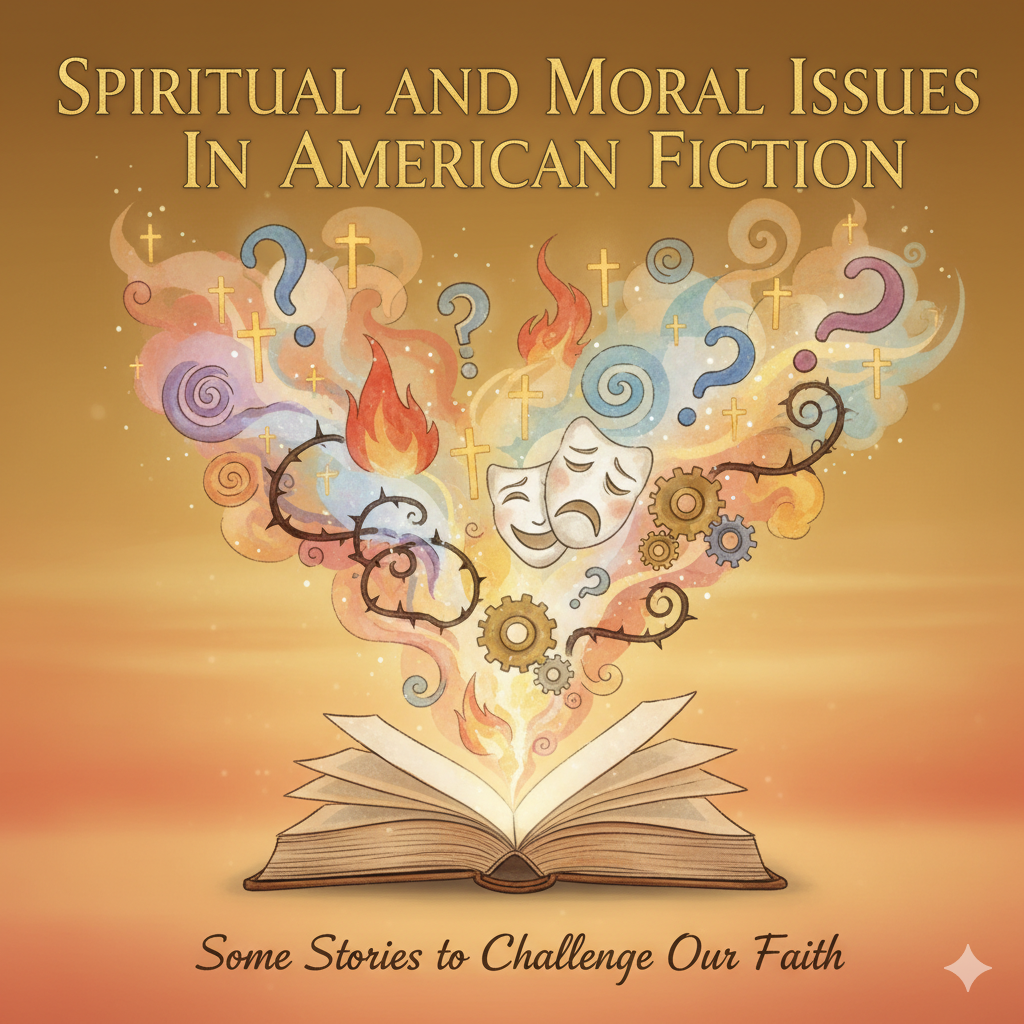
Short Stories and Faith | 10:05-10:55 AM | Room 203

The Final Word: Unpacking Revelation's Mysteries |10:05-10:55 AM | The Library


The world around us is changing rapidly. Sometimes, we may not know what to do or how to respond, or even what to feel. Our Sunday morning classes are a chance to talk openly and honestly, to hear from others, all grounded in the truth of God's Word.


Don't forget to visit our FPC First Connect Digital Resource Library.


We look forward to seeing you!

First Class Recap

 There were about 15 adults who came to the first class on Tillie Olsen’s short story “I Stand Here Ironing.” The class appreciated the depth and sensitivity of the story about a mother seeking some assurance about her daughter’s future. It opens up questions about what shapes people’s lives. 


Can we be optimistic or doubtful about the future these days? What matters in assessing our lives and those of our children?


The mother struggles with guilt and uncertainty about her daughter’s future. Are we all children of our age? Olsen’s story ends in a prayer about hoping that her daughter’s future will go well. The story invites readers to ponder the shaping features of our age and time. And to reflect on how our faith can help us to steer our lives. 


How would such a story be told today? Do we owe any apology to our children? And why or why not? 


We appreciate how Olsen’s story invited us to ponder how our lives are shaped and directed. 


Coming This Sunday

Join us as we dive into our second story, "Cathedral." Prepare for a thought-provoking discussion!


Dates: October 12, 19, 26

Leader: John Parks

Location: Room 203 (Email Eric Robinson if you are interested in joining over Zoom)

Materials: You can access the stories in this class in the Narthex or Fellowship Hall on Sunday morning, or digitally in THIS FOLDER.

Looking Ahead: Our Next Session

We continue our discussion about the 7 Churches of Revelation. We'll explore their historical context, the deeper meaning of John's commendations and rebukes, and how these might speak to our experience as the church today.


This 7 Churches of Revelation Booklet will serve as the starting point for our discussions.


A Recap from this Sunday

Our recent class session was a fascinating dive into the challenging symbolism of Revelation. We explored how "apocalyptic" literature isn't meant to be a scare tactic, but a way to reveal heavenly realities and give believers courage. We even decoded the famous "666," seeing it not as a literal monster, but as a likely coded reference to Caesar—a powerful metaphor for human systems that stand against the way of Christ.


The heart of our discussion was the "report card" for the church in Ephesus. They were doing so much right—working hard, enduring patiently, and calling out false teachers. Yet, despite these commendable works, they received a devastating warning: they had abandoned the love they had at first. They were in danger of letting their work for God replace their relationship with God. The consequence was profound: the potential removal of their "lampstand," symbolizing the very end of their church. It left us with a powerful question for our own lives:


Are we passionately pursuing our "first love," or just faithfully going through the motions?


Dates: Ongoing, 10:05-10:55

Facilitators: Eric Robinson, Doug DeCelle, Paul Urbanick, Richard Cole, and others

Location: The Library

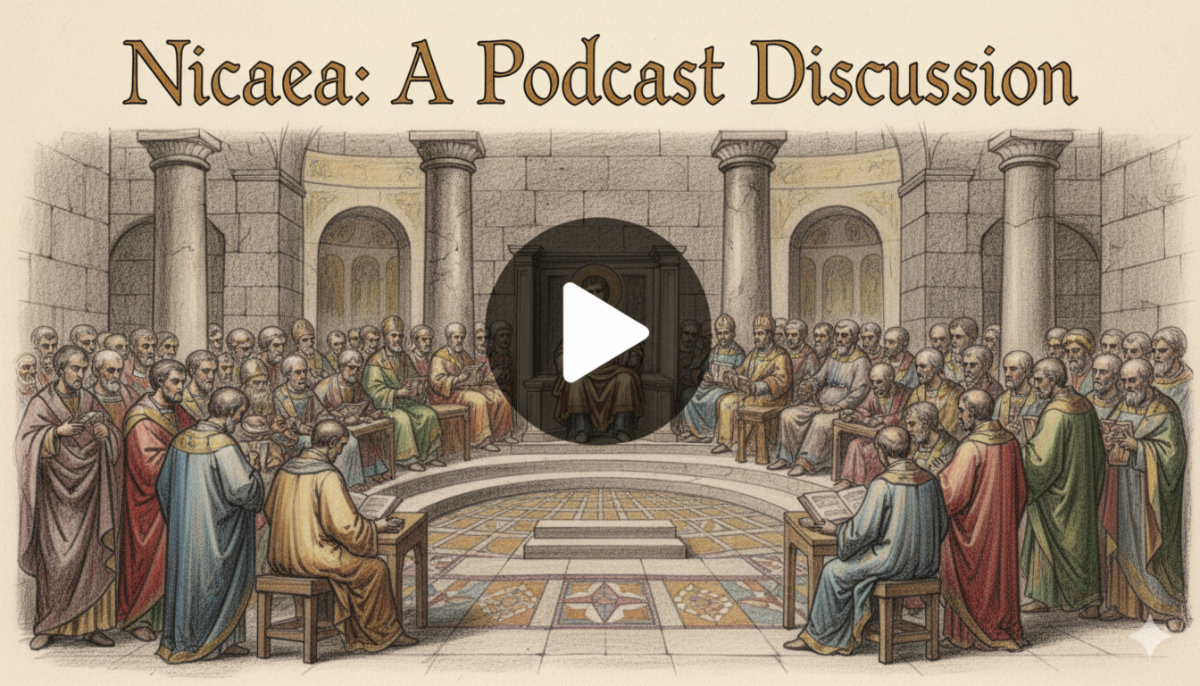
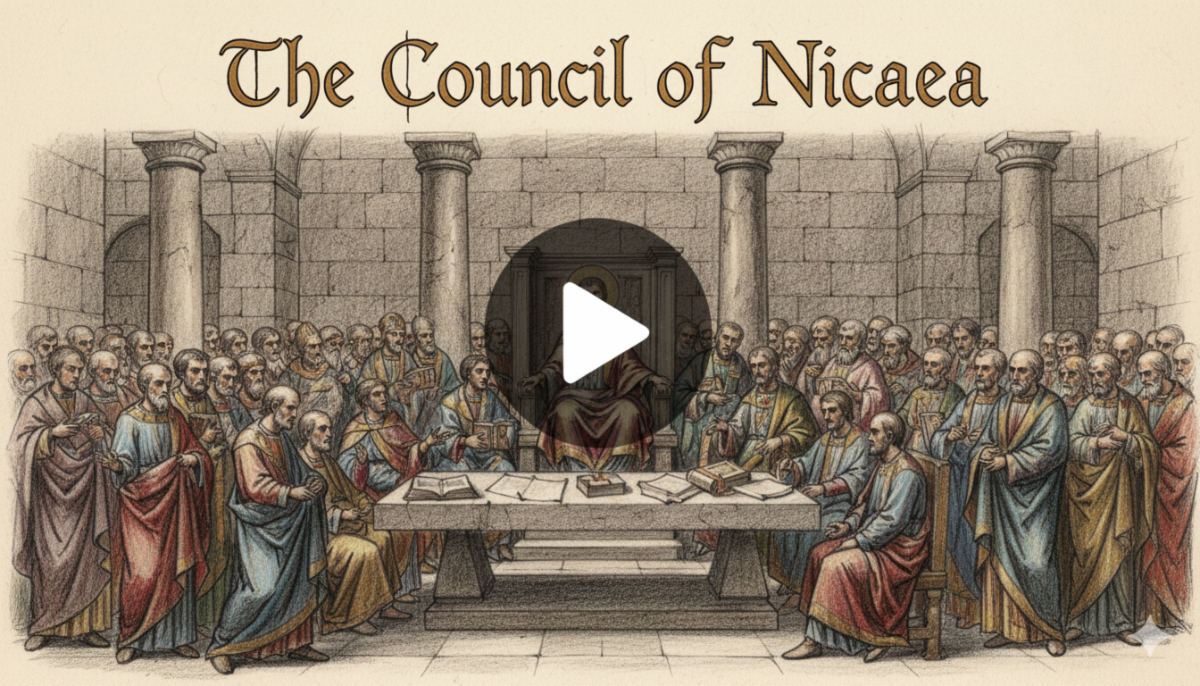
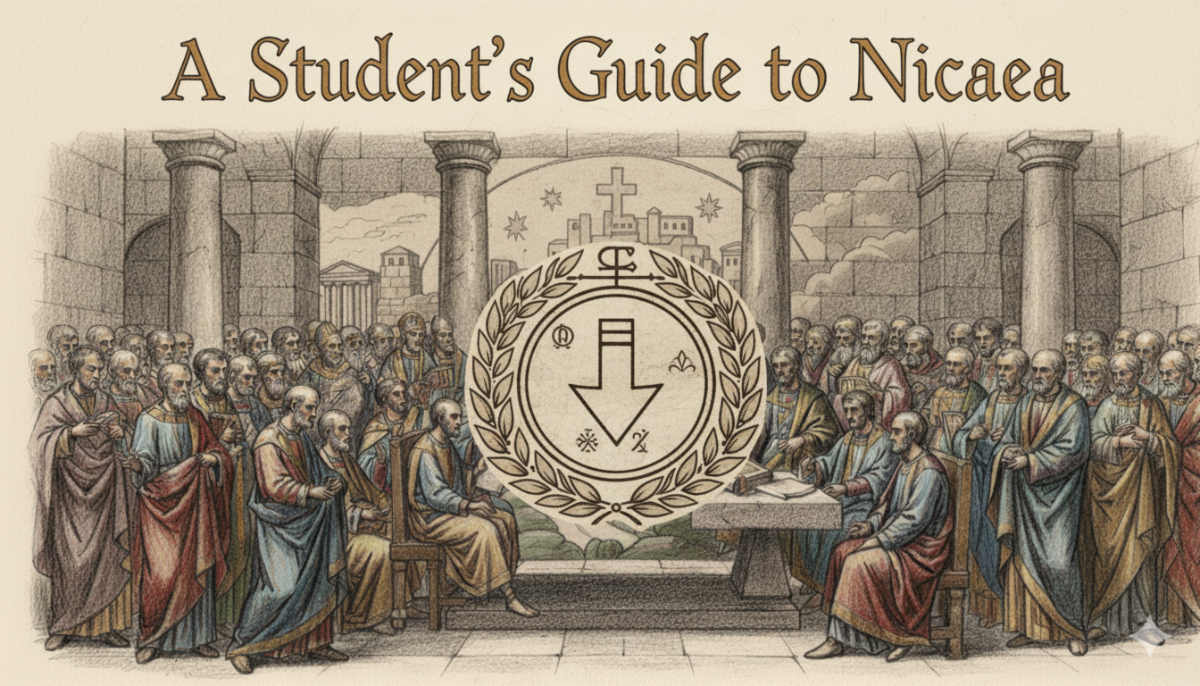
Our new deep dive is one that should capture your attention: A charismatic priest whose ideas spread like wildfire, a tenacious young deacon who became the fiercest defender of orthodoxy, and a politically savvy emperor who demanded unity at any cost collided in 325 AD. Their struggle over the true nature of Jesus was a battle for the very soul of Christianity. Uncover how these powerful figures shaped a creed that millions still confess today and forever changed the course of world history.


This week, explore this critical juncture in Christian history through a video overview, a "student's guide to Nicaea," and a podcast discussion. All of our Nicaea resources are also available here.

Exploring Revelation: Resources to Dig Deeper

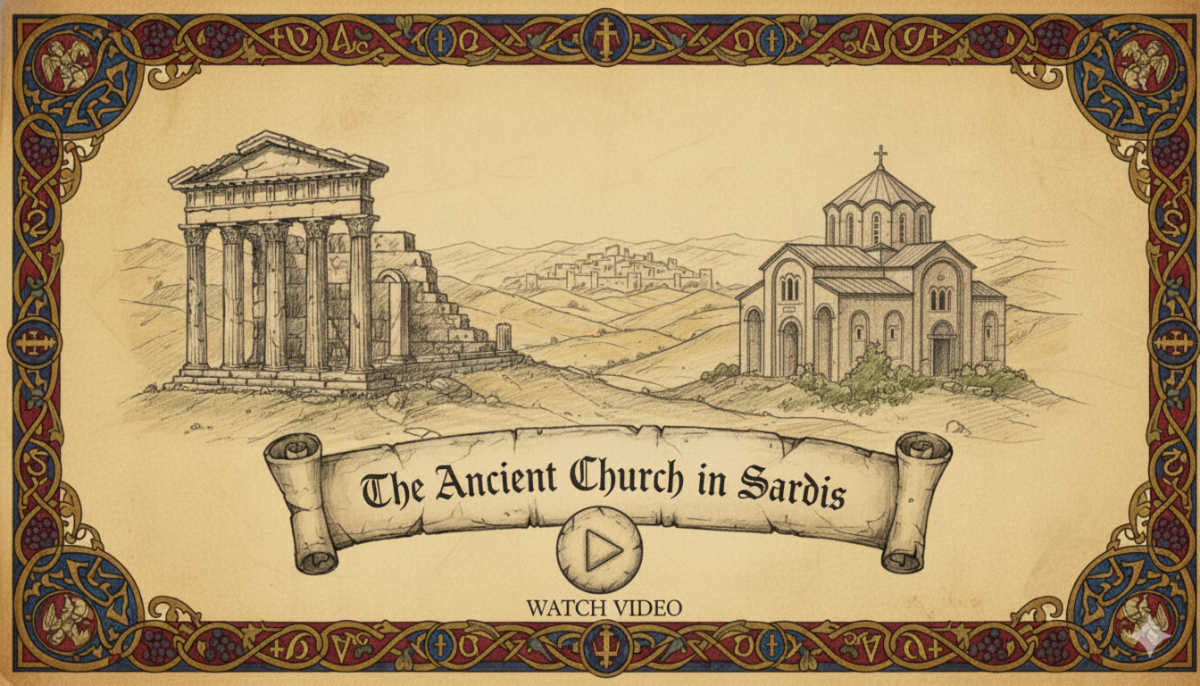
Watch a deep dive into the history of the ancient church in Sardis.

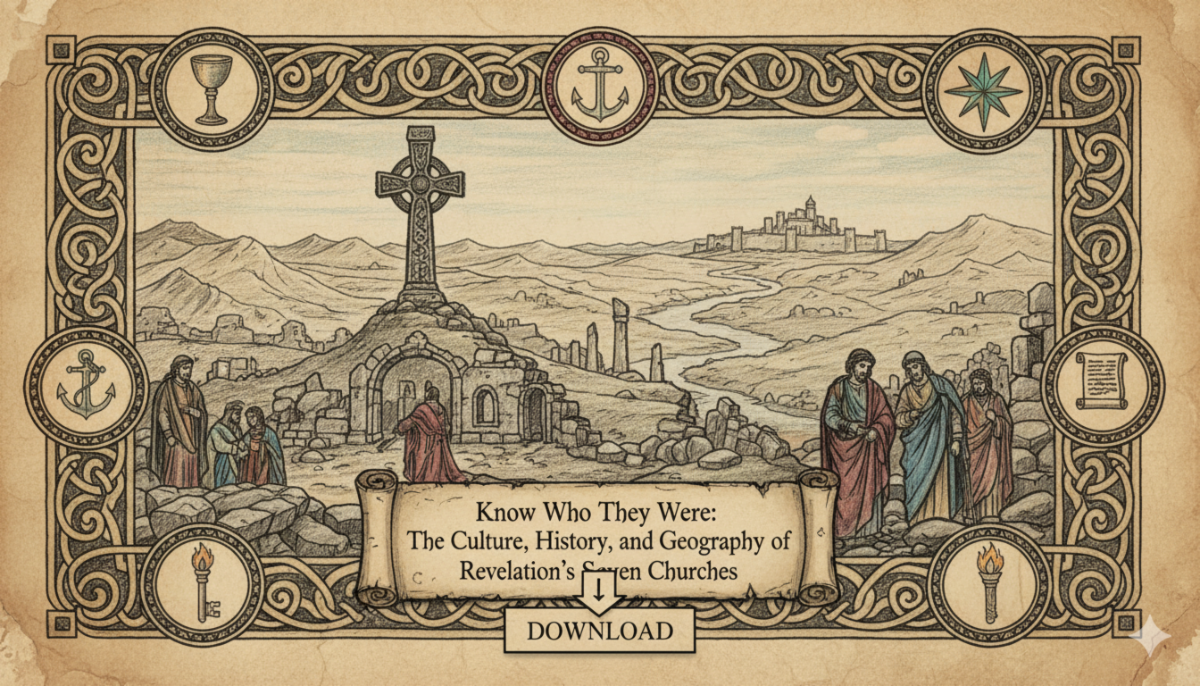
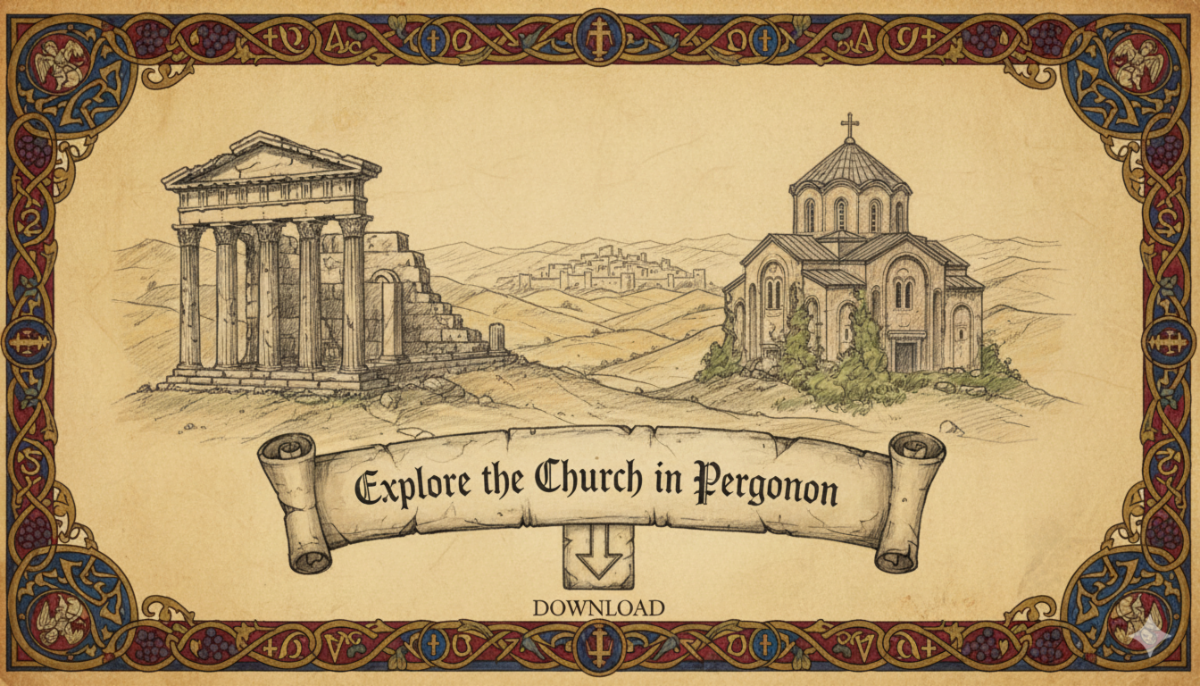
Read 2 engaging booklets. The first offers an overview of the geography, history, and culture of the 7 churches. The second gives a more in-depth window into the church in Pyrgamum.

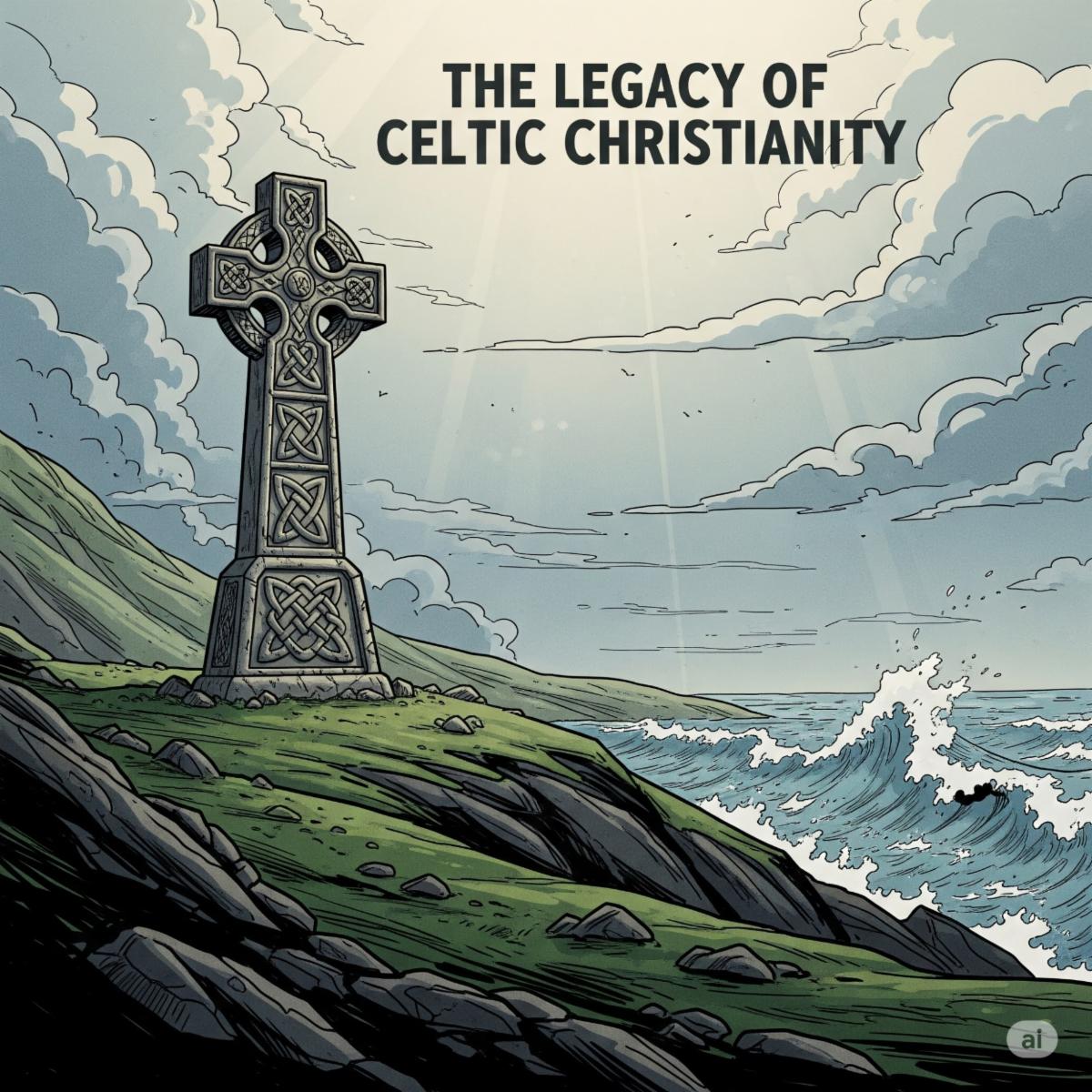
The Legacy of Celtic Christianity What comes to mind when you hear the word Celtic? For some, perhaps our own FPC Celtic Christmas celebration. For others, maybe a Boston basketball team, for others, Irish dancing, and maybe even international soccer.


Celtic also refers to an ancient form of Christianity that flourished for centuries on the frontiers of the Roman Empire in Ireland, Brittan, Scotland, and northern Europe. The church in the Celtic regions, marked by different customs, languages, and beliefs, thrived even as the Roman Empire disintegrated.


Saintly leaders like Patrick, Columba, and Brigid emerged from this tradition, as well as incredible legacies of art and literature. Parts of that story are recorded in Thomas Cahill's How the Irish Saved Civilization. Remnants can be found today in hymns such as “Be Thou My Vision.” Celtic Christianity embodies a vision for faithful living in difficult times. It has much to say to us, offering opportunities to see our lives, our world, and our faith from a different perspective.