|
OVERVIEW PROGRAM DESCRIPTION
Since 2012, HotHouse has been creating long-form instigations that blend social justice activism, historical research (and excavations), first - voice narratives and multi-disciplinary public events that encourage participation from marginalized populations.
In this particular project, HotHouse has developed a rich series of programming that shines a spotlight on artists that took great risk to speak out against the prevailing and dominant STATE forces – often constituted in dictatorships brutally repressing political (and artistic) opposition or otherwise antagonistic to human rights.
The inspiration for the work came from observing the turn to dismantling U.S. institutions that supported the broad range of humanities elucidation, and the increased agency previously disenfranchised people achieved that particularly came of age after W.W. II.
The wholesale attack on all sources of intellectual and creative production - from libraries and museums to public media, to non-profit arts presenting to citadels of education has made it imperative that we continue to assert evidence of empowerment, that in this case we show through material culture.
In “Culture is our Weapon/ Voices of Resistance” HotHouse has invited collaborating partners to co-curate and co-present affiliated programs related to the theme. Juxtaposing historical voices with contemporary actions, the multi-disciplinary series will re-assert our mutual commitment to “presence” and an affirmation to progressive culture. “We will not go back” and we will not accept the re- writing of our experiences through the lens of neo-colonial impositions. Culture is our Weapon!
In addition to the public events that are part of this series CULTURE IS OUR WEAPON/ VOICES OF RESISTANCE brings to you more than 50 hyper links to additional content as part of our commitment to POPULAR EDUCATION. We hope you might bookmark these links for future enjoyment, share with friends, incorporate in your own tool kit for liberation and remember our ancestors gave us many gifts to stay light on the path.
| Our series of programs will be rolled out over the next three months in newsletters that include exclusive online content | First Act: September 6 and 7 | | |
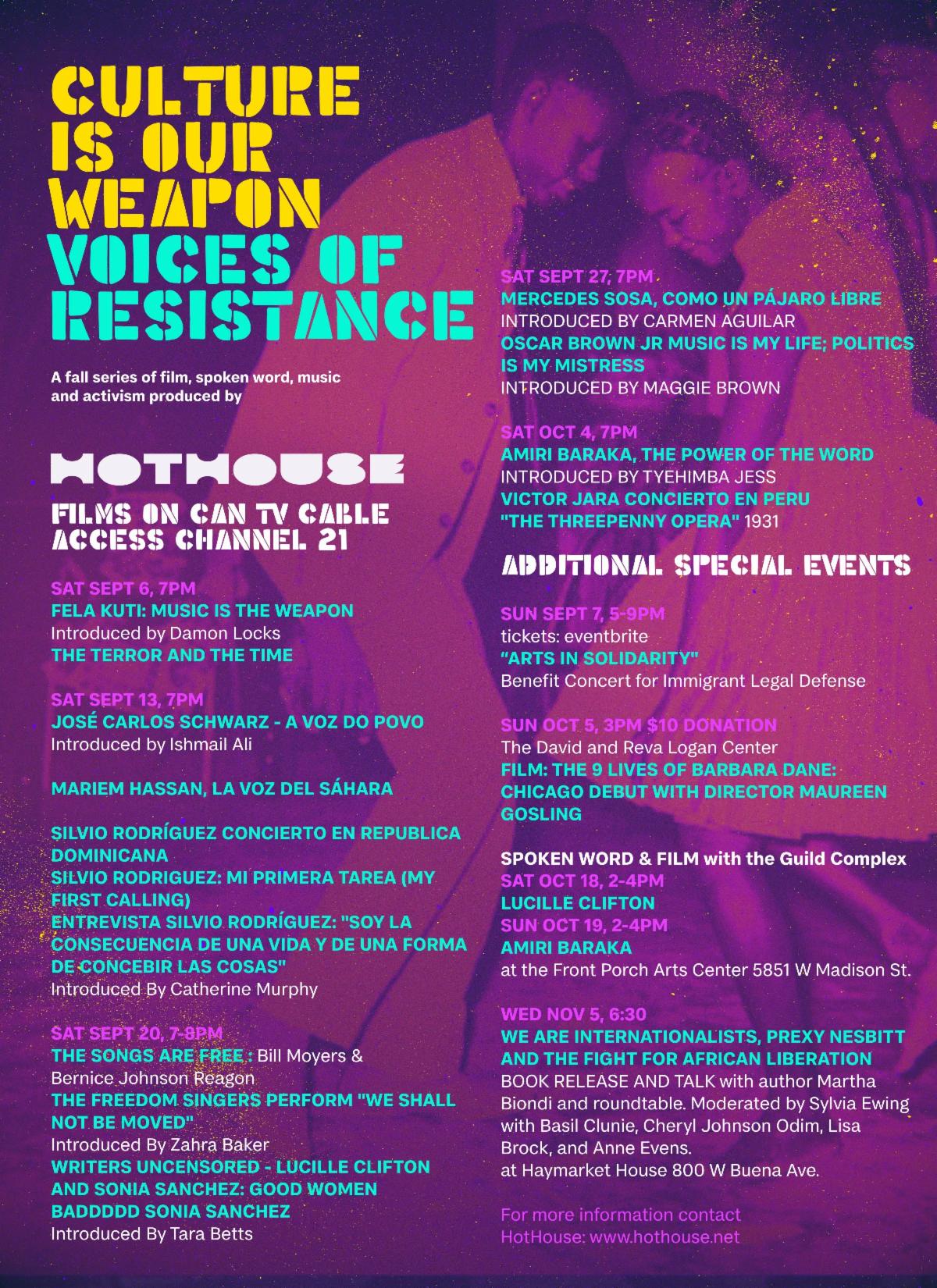
SEPTEMBER 6 AT 7PM ON CAN TV
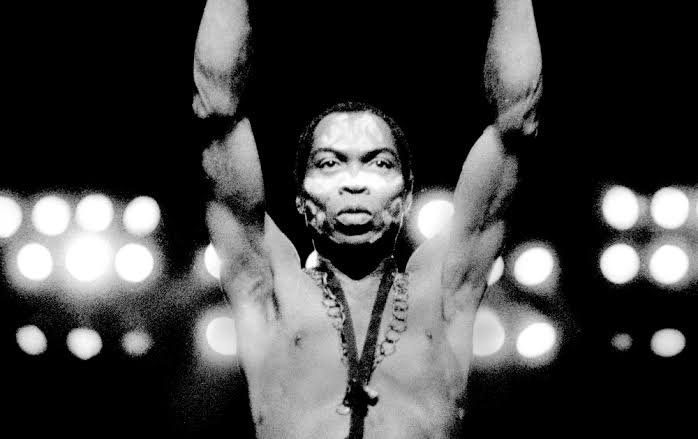
FELA KUTI: MUSIC IS THE WEAPON
Directors Stephen Tchal-Gadjieff & Jean Jacques Flori. 1982. 52min
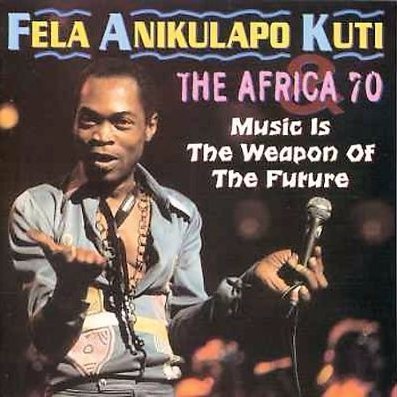
Fela Kuti is to African music what Bob Marley is to reggae: its prophet. All contemporary forms of black music, from funk to electronic, owe something to the irresistible groove of the Afrobeat sound that he created. He recorded more than 60 albums and spent a lifetime fighting against political corruption in his homeland of Nigeria, where the people affectionately called him their "Black President."
Shot in Lagos at the peak of his career in 1982, this documentary contains interviews with Fela detailing his thoughts on politics, Pan-Africanism, music and religion, alongside unpublished versions of songs like ITT, Army Arrangement and Power Show. For all who wish to know more about an artist at the heart of African musical history, Fela Kuti: Music is the Weapon is an essential film.
Introduced by Damon Locks
Damon Locks is a Chicago-based visual artist, educator, vocalist/musician.
He had his third solo visual art show at Goldfinch Gallery this spring. He leads the musical project, Black Monument Ensemble, is a member of New Future City Radio, Exploding Star Orchestra and co-founded the band The Eternals.
| |
SEPTEMBER 6 AT 8PM
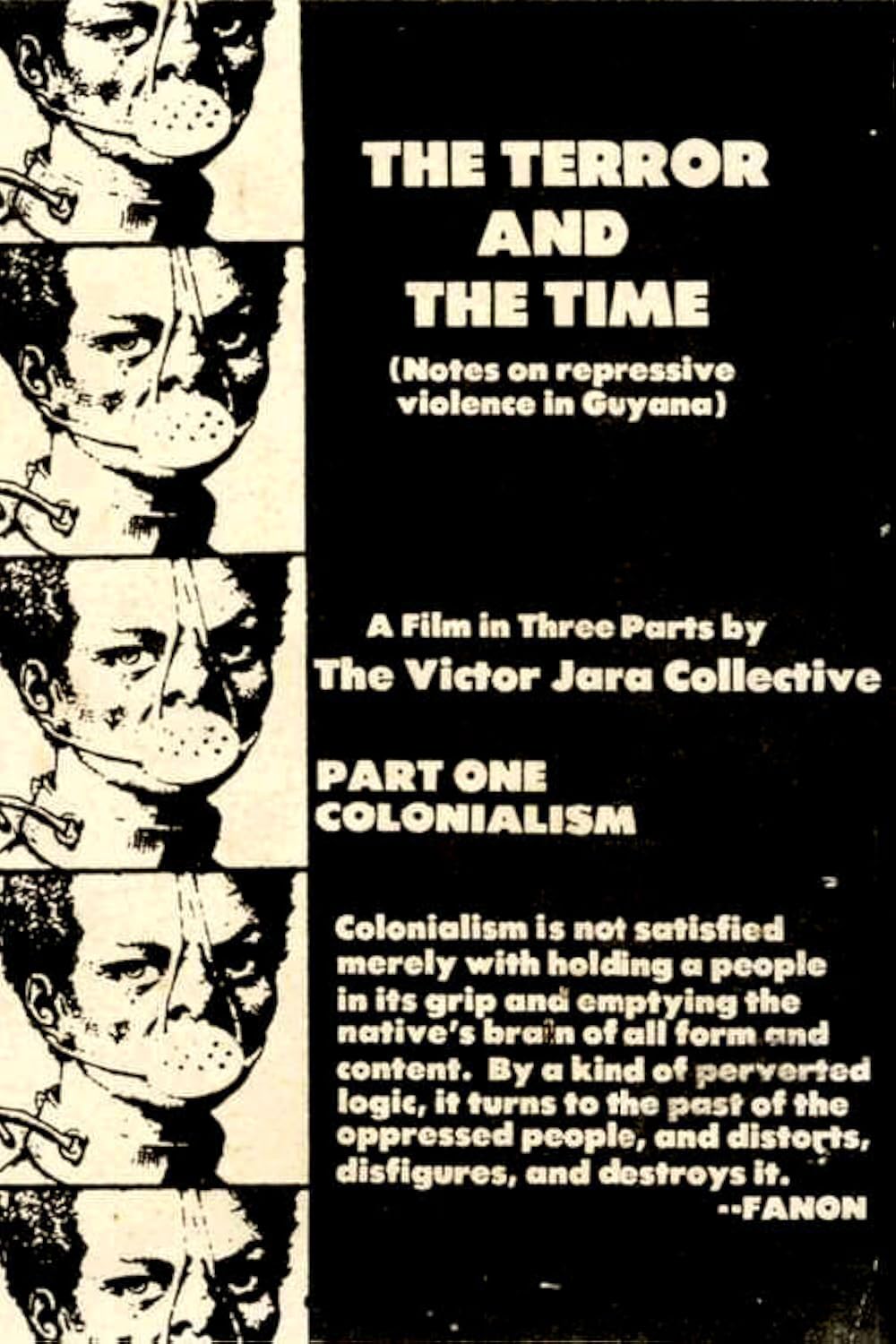
THE TERROR AND THE TIME
Directed By Rupert Roopnaraine Guyana, United States, 1976
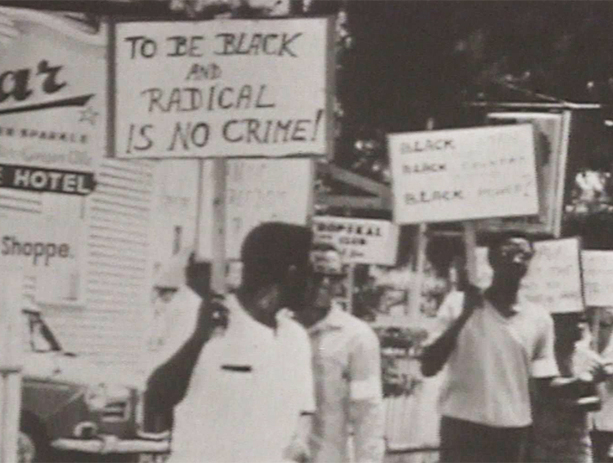
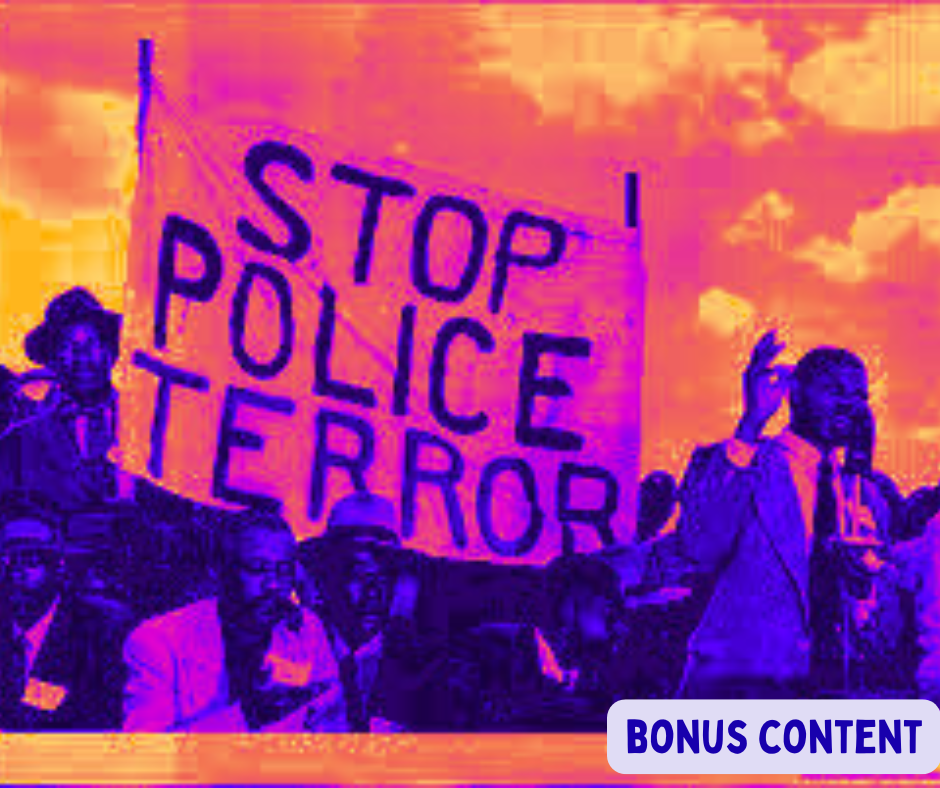
A feature length documentary film made in the late 1970s in Guyana (formerly British Guiana) by 'The Victor Jara Collective' (including writer/director Rupert Roopnaraine and cinematographer/editors Susumu Tokunow and Ray Kril), and focusing on the history of Guyana in colonial times, and in particular the events of 1953, when the 'People's Progressive Party' won the countries first real democratic election, and were then overthrown by British colonial forces. But this documentary - subtitled 'Part 1 Colonialism' - is a documentary to feel, as well as to think about, being evocative visually, emotive and psychological, with its subjects and themes being evinced through the reading of 'Poems of Resistance' by its author, poet Martin Carter. This is the poetry of suffering under the violence and repression of a colonial power, as we see plenty of signs of the grinding poverty of the people of Guyana. This is accompanied by (and sometimes contrasted with) flashing newspaper headlines, photos, songs, and comparisons with other struggles against colonial powers in places like Kenya, Cuba, and a rapid montage of combat scenes from Vietnam. We have a deep regret that the other two planned documentary films - 'Part II Neo-Colonialism' and Part III Organizing Notes for Liberation' - couldn't be completed.
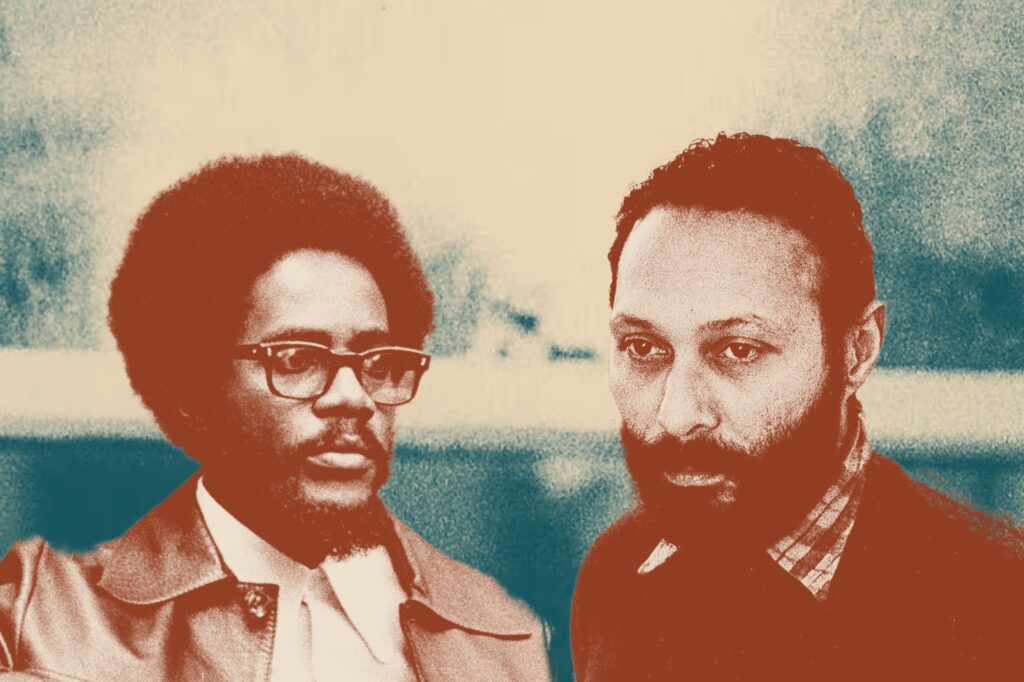
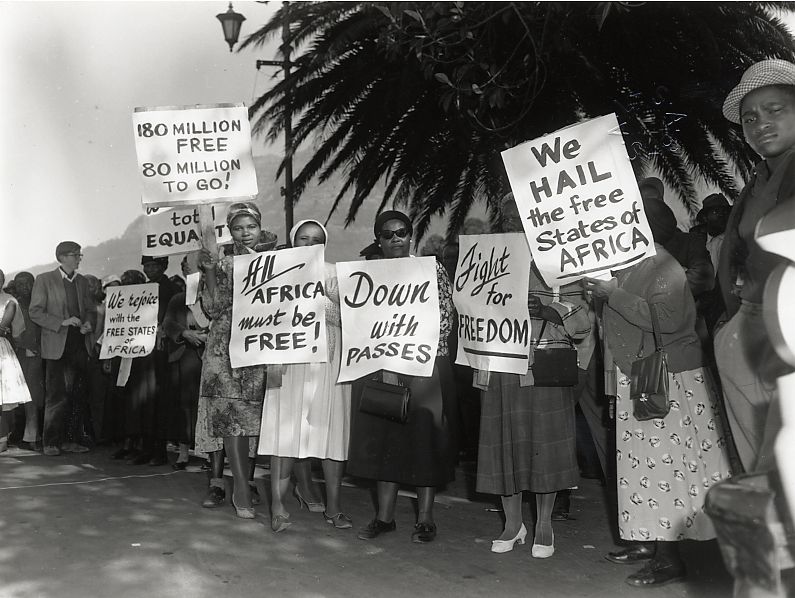
| | Additional Content: Remembering Walter Rodney | | The “Reinstate Walter Rodney Now!” protest in London was just one episode in a global solidarity movement that erupted in support of Rodney, who by that point had established an international reputation following the publication of The Groundings with My Brothers (1969) and How Europe Underdeveloped Africa (1972). | Focus on Culture as a Weapon in the fight against apartheid in South Africa | | |
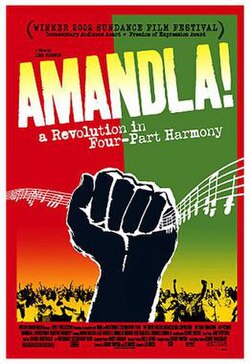
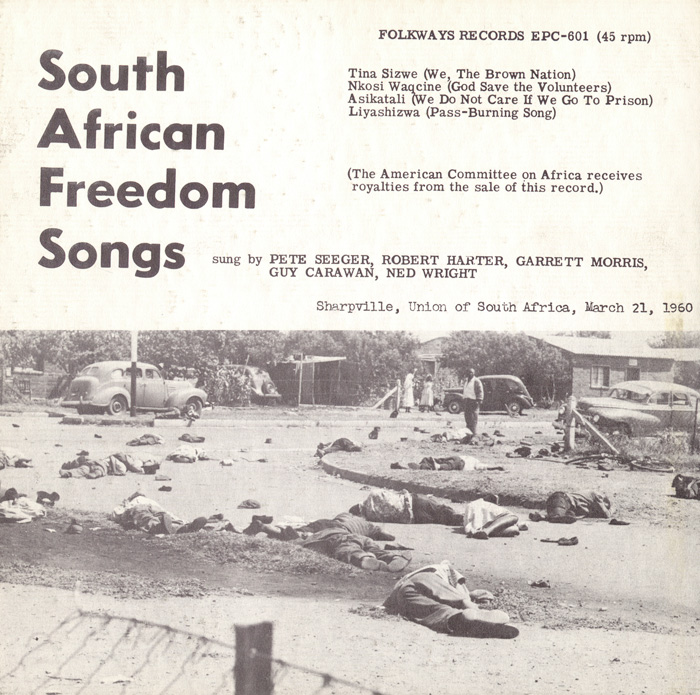
"Amandla! A Revolution In Four-Part Harmony" is a soul-stirring documentary that uses exclusive interviews and rare, never-before-seen film footage to document the vital role that music played in the nearly half-century struggle against apartheid in South Africa. This inspirational documentary, which took nine years to make, is a testimony to the power of song and its ability to fuel the struggle for freedom.
Director Lee Hirsch
2003
| |
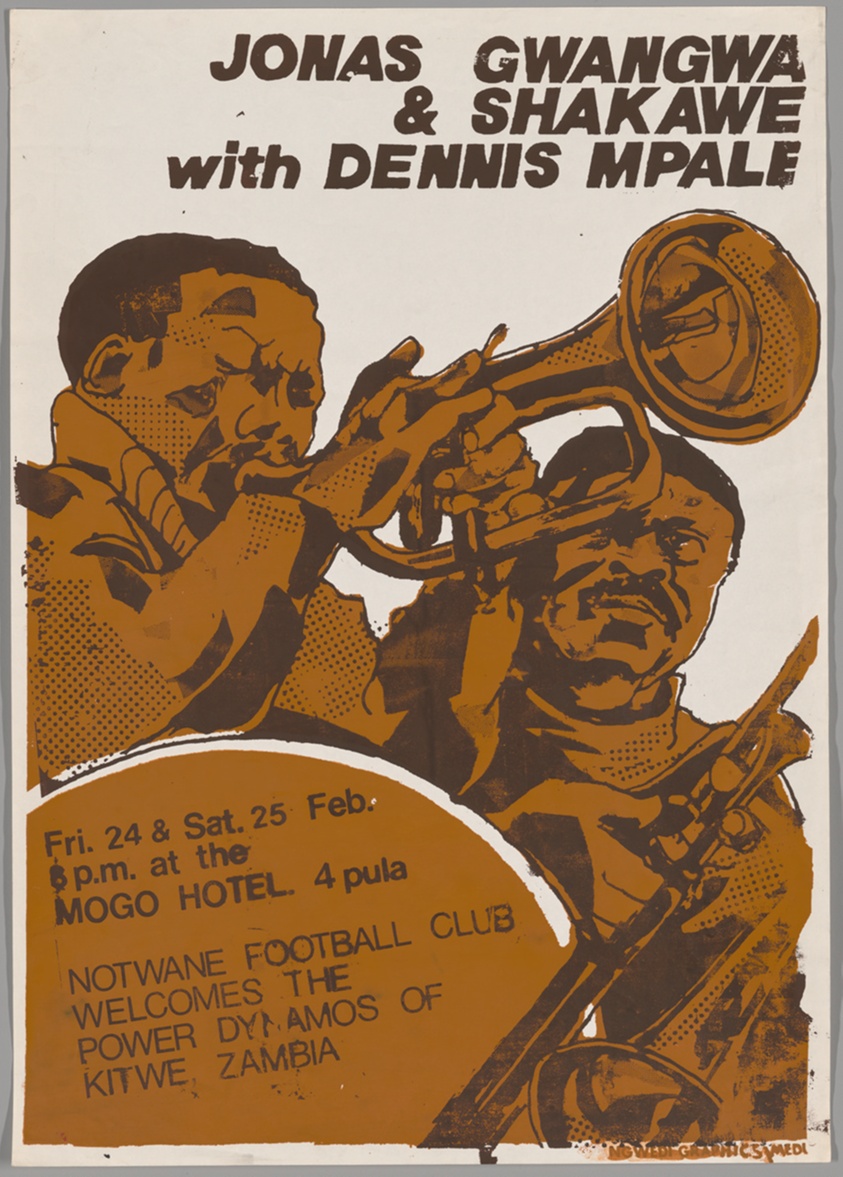
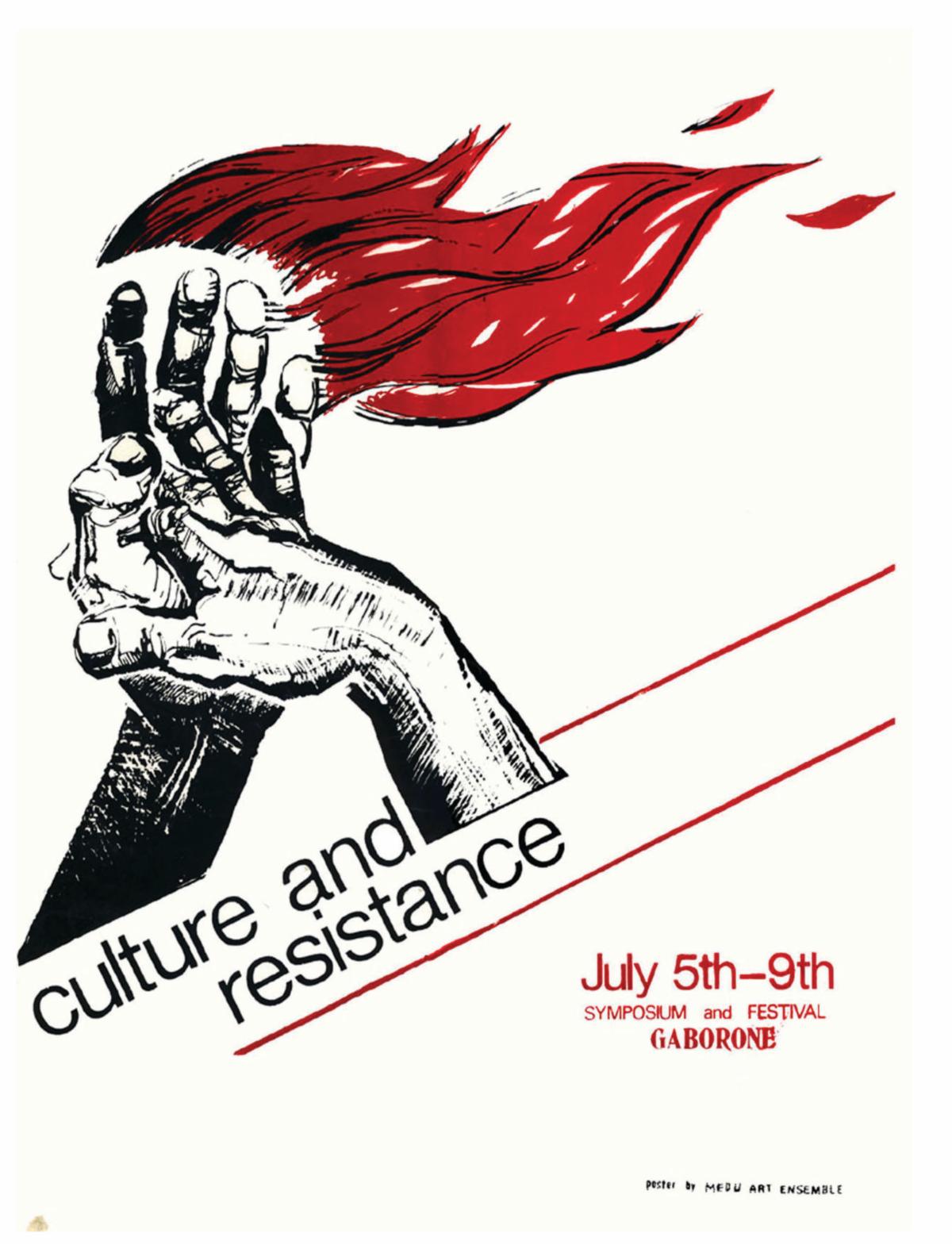
Poster: Medu Art Ensemble
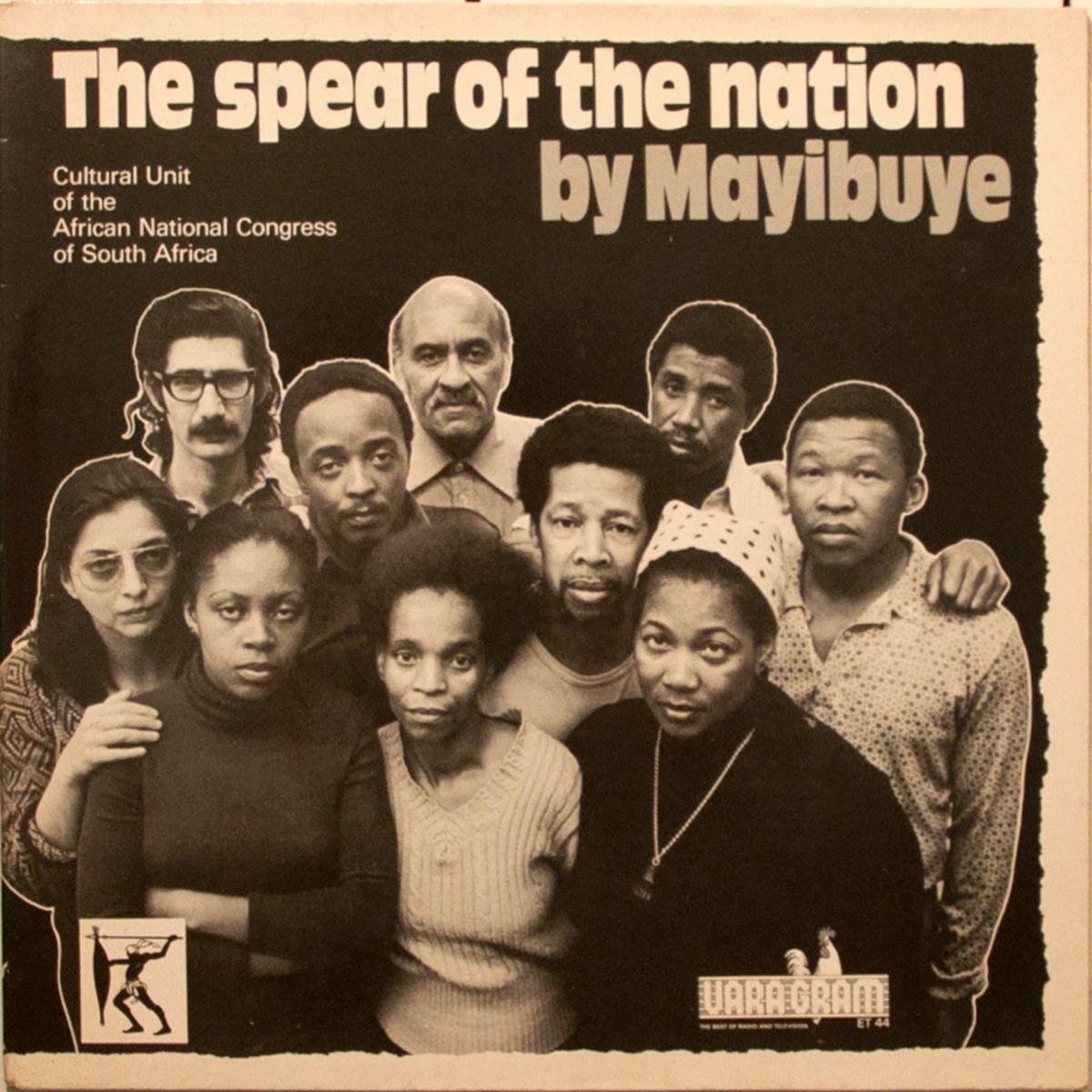
Medu Art Ensemble, a collective formed in 1978 in Gaborone, Botswana (in Sesotho, “medu” means “roots”), was “comprised of more than 60 visual artists, performers and writers, mainly South African exiles but with members from Botswana, Canada, Cuba, Sweden and North America.”1 One of Medu’s notable legacies was organizing the Culture and Resistance Symposium and Festival of the Artsheld at the University of Botswana in Gaborone in 1982. More than nine hundred people from Europe, the United States, and Southern Africa attended.2 The purpose of the symposium was to chart a way forward for the role of arts and culture in a new and free democratic South Africa. Medu was active from 1979 until June 14, 1985, when the South African Defence Force (SADF) launched a cross-border raid on African National Congress (ANC) targets in Gaborone, including several Medu members. Medu disbanded after the raid.
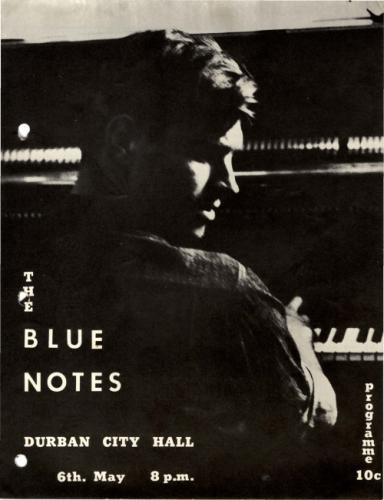
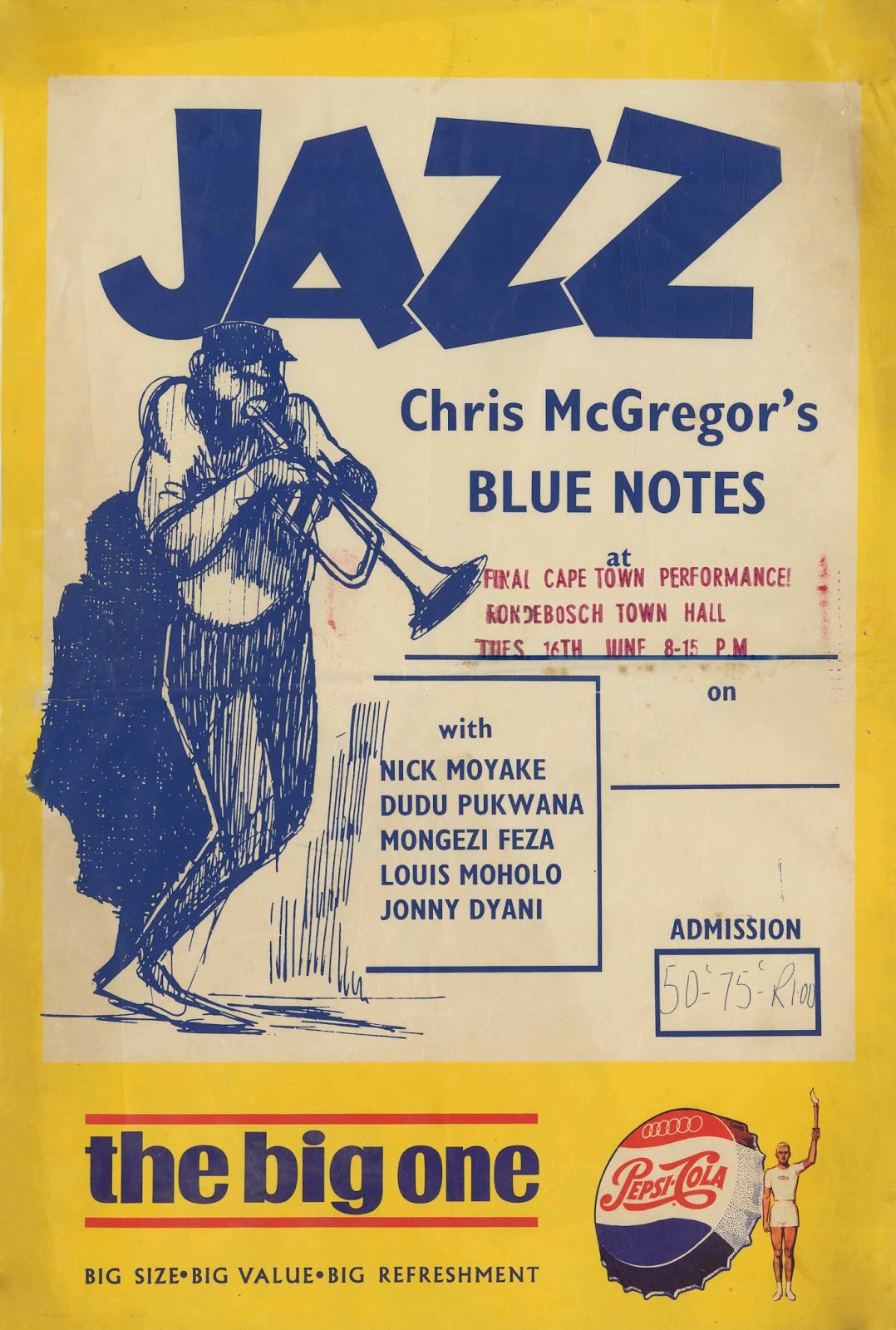
| The Blues Notes in France 1964 | |  | |
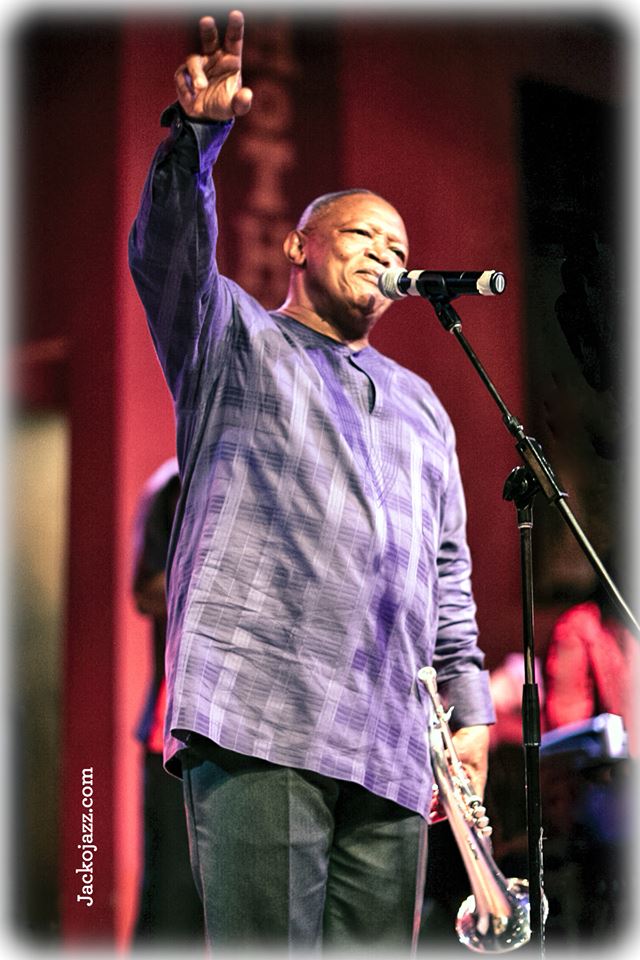
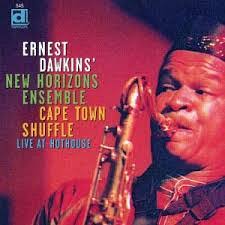
HotHouse was honored to have presented so many of the great legends of the movement for freedoms in South Africa live in our club on Balbo
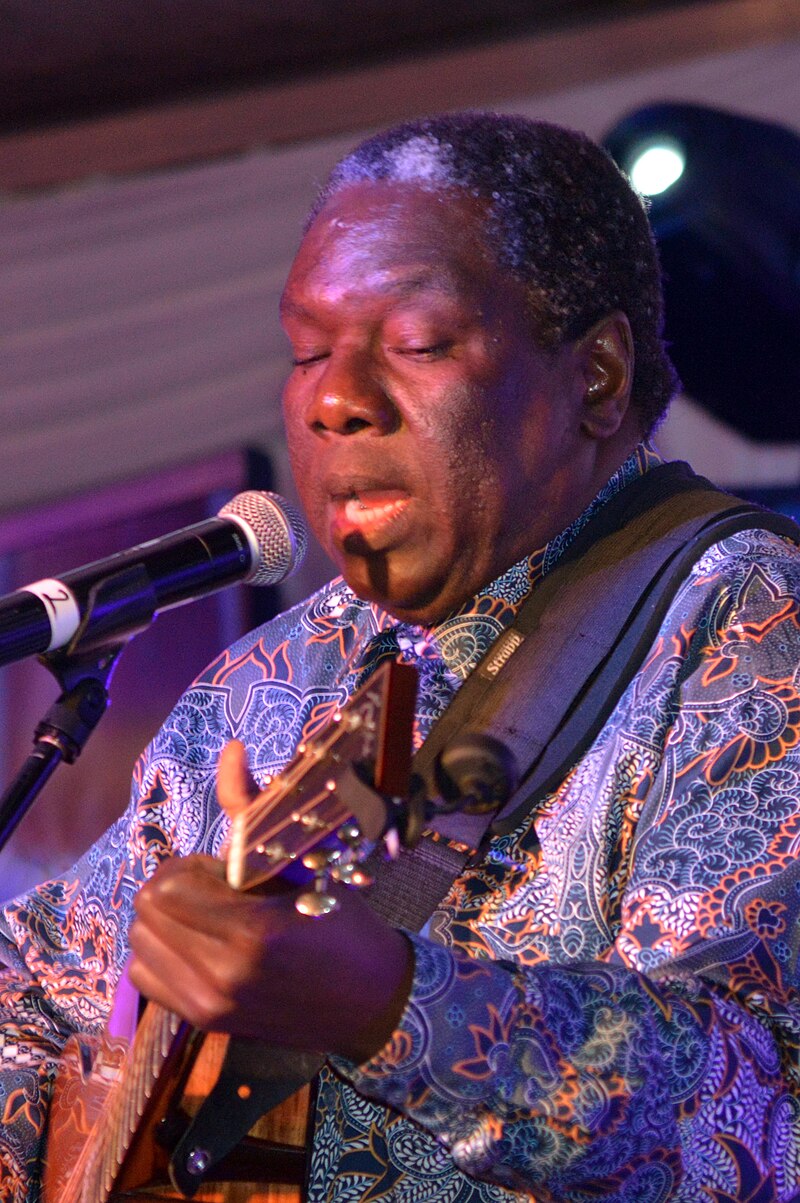
Hugh Masakela, Zim Ngqawana, Jonas Gwangwa, Vusi Mahlasela, Lulu Gontsana,Moses Molelekwa as well as the Chicago-South African Jazz Initiative in the year 2000
click on images for more content
Jonas Gwanga a life in Exile
| “If you listen carefully to all South African music, that cry is there. I don’t care whether you raise the tempo … You could raise the tempo but when it starts playing, that lament is there. Lament … I hear it. I hear it.” — Jonas Gwangwa | The Tricontinental dossier on Medu | Listen to the interview with Louis Maholo | | | |
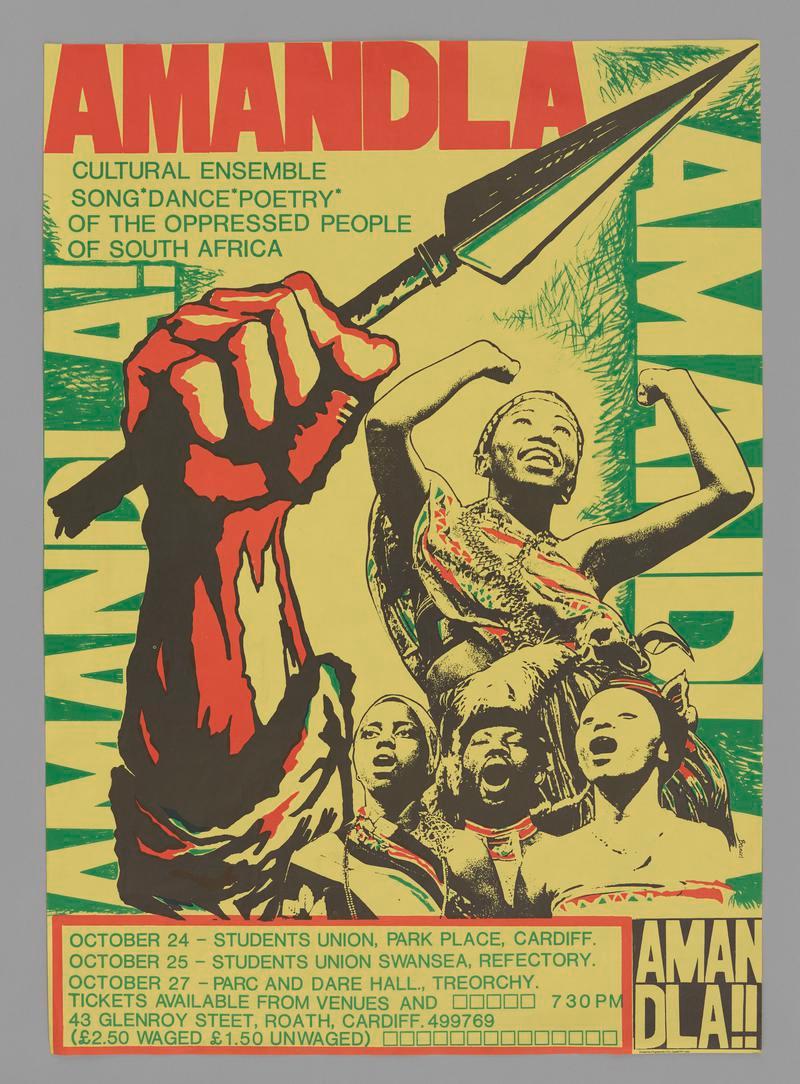
Amandla Cultural Ensemble
In September 1978, the International Festival of Youth and Students took place in Havana, Cuba. South Africa was represented by a group of youths who were members of the African National Congress (ANC) studying in various countries in Europe, Africa and America. They also included members of Umkhonto we Sizwe (MK) based in Angola. These groups had to combine and perform as one united group of the ANC.
The success of their performances so reverberated throughout the world that the BBC had to remark ever favorably about the beautiful performance of the South African delegation. The leadership of the ANC, taking the cue from the Cuban successes, took a decision to have a permanent cultural group whose center was the band component of the group.
The leadership also took a decision that the membership of the group should be members of MK because of the military discipline factor. The group started with those seven members of the band and a recruitment drive was conducted to increase the group to about 40 members. All members had to multitask as musicians, dancers, and actors.
South Africa’s struggle for liberation rested on four pillars, with international mobilization ranking among the most important. In this regard, Amandla’s main tasks were:
• The mobilization of the international community. ANC President Oliver Reginald Tambo, after seeing an Amandla show in London, said that it took him 20 years to do what Amandla did in two hours – to promote South Africa and the struggle for freedom.
• The Amandla group was a powerful instrument to showcase cultural heritage and its diversity after a long period of colonial oppression which was accompanied by cultural oppression to destroy national pride.
The show of Amandla was a chronology of important events starting with a peaceful era before the colonizers came to our country. It continued with colonization and subsequent industrialization of our country down to the formation and conscientization of the working-class population.
Amandla travelled to more than 60 countries, educating people all over the world about our country and was invited repeatedly in certain countries. Countries like Holland and those in the Scandinavian region invited the group over and over, with some people in Europe following the group from city to city and country to country.
Plans to relocate Amandla in an organized way after the advent of democracy never bore any fruits, although the group managed to converge and did a few performances. All other efforts of trying to revive the group have not been successful.
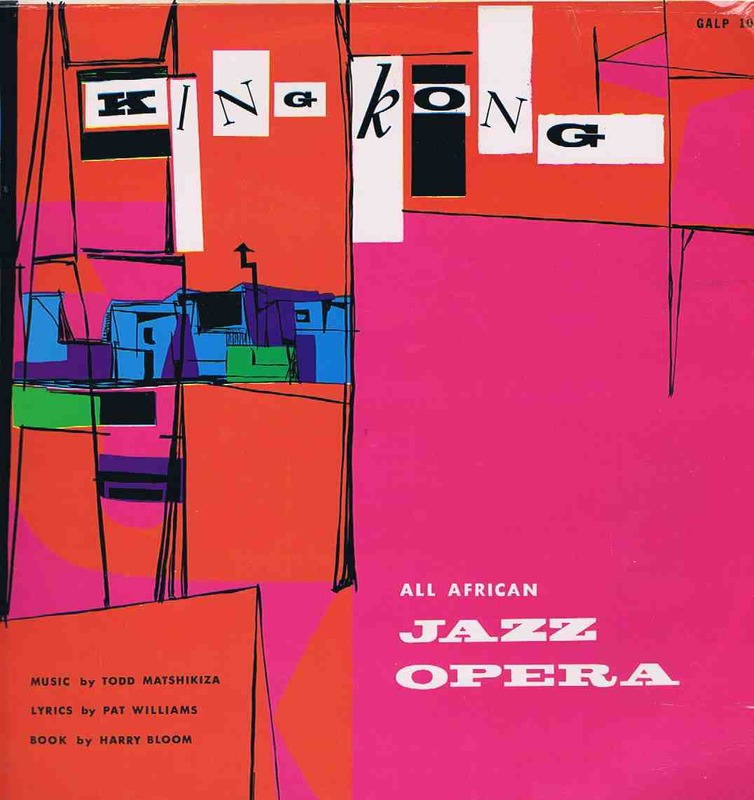
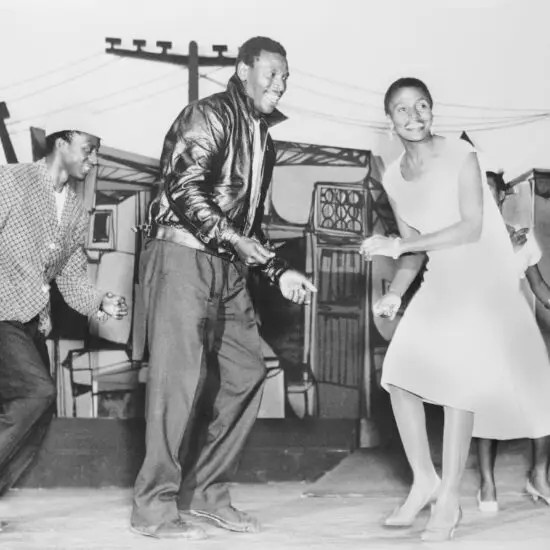
| | click on each image for additional bonus content | | The cast was a who’s who of black South African musicians and performers. Members of the Manhattan Brothers played different roles, including the title role by Nathan Dambuza Mdlele. Miriam Makeba played King Kong’s girlfriend. Luminaries of South Africa’s jazz scene were in the pit: trumpeter Hugh Masekela, trombonist Jonas Gwangwa, pianist Sol Klaatse, and saxophonist Kippie Moeketsi, among others | | | |
King Kong (1959) was a landmark South African jazz-influenced musical, billed at the time as an "all-African jazz opera".
It has been called "an extraordinary musical collaboration that took place in apartheid-torn South Africa.... a model of fruitful co-operation between black and white South Africans in the international entertainment field, and a direct challenge to apartheid."
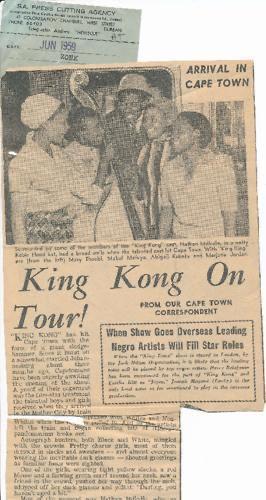
Opening in Johannesburg on 2 February 1959 at Witwatersrand University Great Hall, the musical, based on the life of Ezekiel Dhlamini was an immediate success, with The Star newspaper calling it "the greatest thrill in 20 years of South African theatre-going".
It "swept South Africa like a storm" according to one report touring the country for two years and playing to record-breaking multi-racial audiences, before being booked for a London production in 1961, by which time it had been seen by some 200,000 South Africans.
| listen to Jonas Gwanga on last fm | | | |
NEXT IN SERIES
SEPTEMBER 13
Focus on nueva canción
JOSÉ CARLOS SCHWARZ - A VOZ DO POVO
Introduced by Ishmail Ali
MARIEM HASSAN, LA VOZ DEL SÁHARA
SILVIO RODRÍGUEZ CONCIERTO EN REPUBLICA DOMINICANA
SILVIO RODRIGUEZ: MI PRIMERA TAREA (MY FIRST CALLING)
ENTREVISTA SILVIO RODRÍGUEZ: "SOY LA CONSECUENCIA DE UNA VIDA Y DE UNA FORMA DE CONCEBIR LAS COSAS"
Introduced By Catherine Murphy
| | |
HotHouse receives a small amount of funding from foundations and public arts agencies
Your contributions help us to continue to provide high quality cultural content and stretch our resources for free to many people
Please support our work with a tax deductible contribution today
checks can be mailed to: HotHouse 5555 N. Sheridan Chicago 60640
or Zelle to: hothouse3.0 at gmail dot com
or Text HotHouse to 44-321
| | |
For the last several years, HotHouse has presented countless free programs and online content -
We have now amassed a great archive of radical film and rich supporting content - great for educators, learning circles and for your own library.
This is a valuable archive of curated content
If you have enjoyed any of the past series ....Paulo Friere's Centennial, "On Whose Shoulders", "Unconventional", Election Day Film Series, & more - please consider making a gift of $100 and we will send you the links. While most of the content is free, the research and curation is golden.
| | | | |