SciComm Spotlight
September 2026 Edition
| Welcome to the SciComm Spotlight! | |
Dear Science Communicators,
In this month’s edition, Darío Sánchez Martín, co-founder of Helixa Communications, writes about the challenges around communicating scientific uncertainty in the age of AI, sharing some of his experiences with clients and family members. One of our program alums, Daniela Benites, communications manager at the A. James Clark School of Engineering at the University of Maryland, College Park, shares her path towards becoming a science communicator (SciCommer). And last but not least, learn about the video/podcast project "Facetime with Scientists," a recent report by the National Center for Science and Engineering Statistics, and opportunities to connect with us and other SciCommers.
| |
Science is full of uncertainty, but communicating science with public audiences can often push us toward simple answers. In this month’s SciComm Close-Up, Darío Sánchez Martín explores how that tension is becoming even more complicated in the age of AI, when large language models tend to favor authoritative-sounding answers over “maybe.”
Drawing on experiences communicating with public audiences, scientists, and AI-driven platforms, he asks how science communicators can make science understandable without losing the uncertainty and complexity that are fundamental to how science works.
|
SciComm Voices
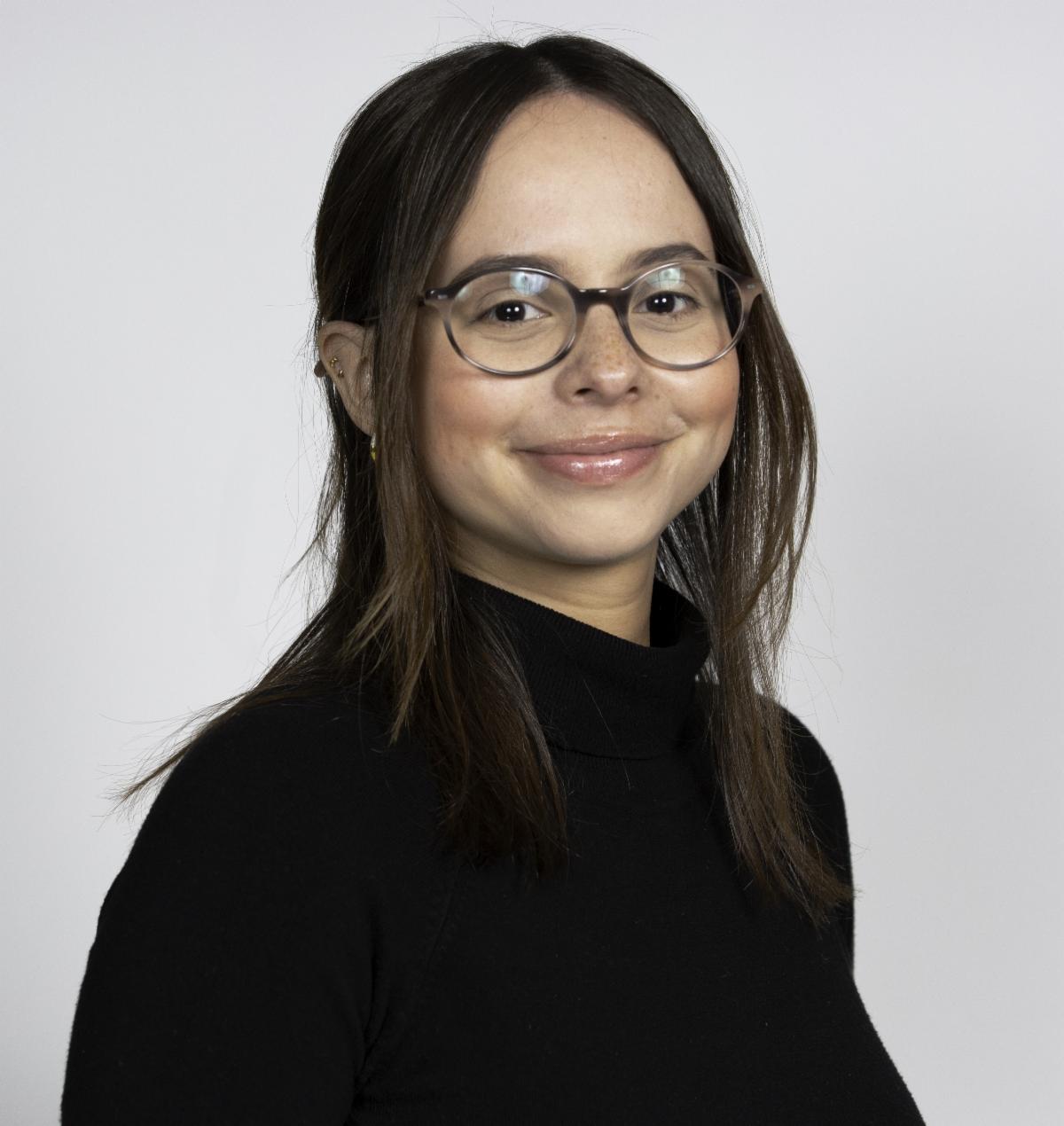
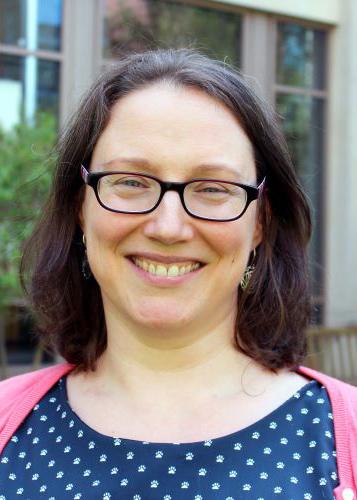
This month’s SciComm Voices features Daniela Benites, MPS. Daniela is a communications strategist who coordinates the communications for the Chemical and Biomolecular Engineering, Fire Protection Engineering, and Materials Science and Engineering departments in the A. James Clark School of Engineering at the University of Maryland, College Park.
Daniela is an alumna of the University of Maryland School of Graduate Studies Science Communication certificate program (class of 2025) and serves as the Vice President of the D.C. Science Writers Association (DCSWA).
|
SciComm Resource
NSB Report: Science and Technology: Public Perceptions, Awareness, and Information Sources
What do people think about science, and where do they get information about science? This National Science Board (NSB) report, published by the National Center for Science and Engineering Statistics, explores public perceptions of science and scientists, understanding of scientific processes, and the sources people use for science information.
For us SciCommers, the findings offer useful insight into the audiences we communicate with and remind us that effective science communication starts with understanding people’s existing relationships with science, not simply what they do or don’t know. For example, my students and I read selections of the report our introductory SciComm course this fall and were struck by how the data so clearly shows the significant role that social media plays in how we (in the US at least) are exposed to science.
|
SciComm Socials
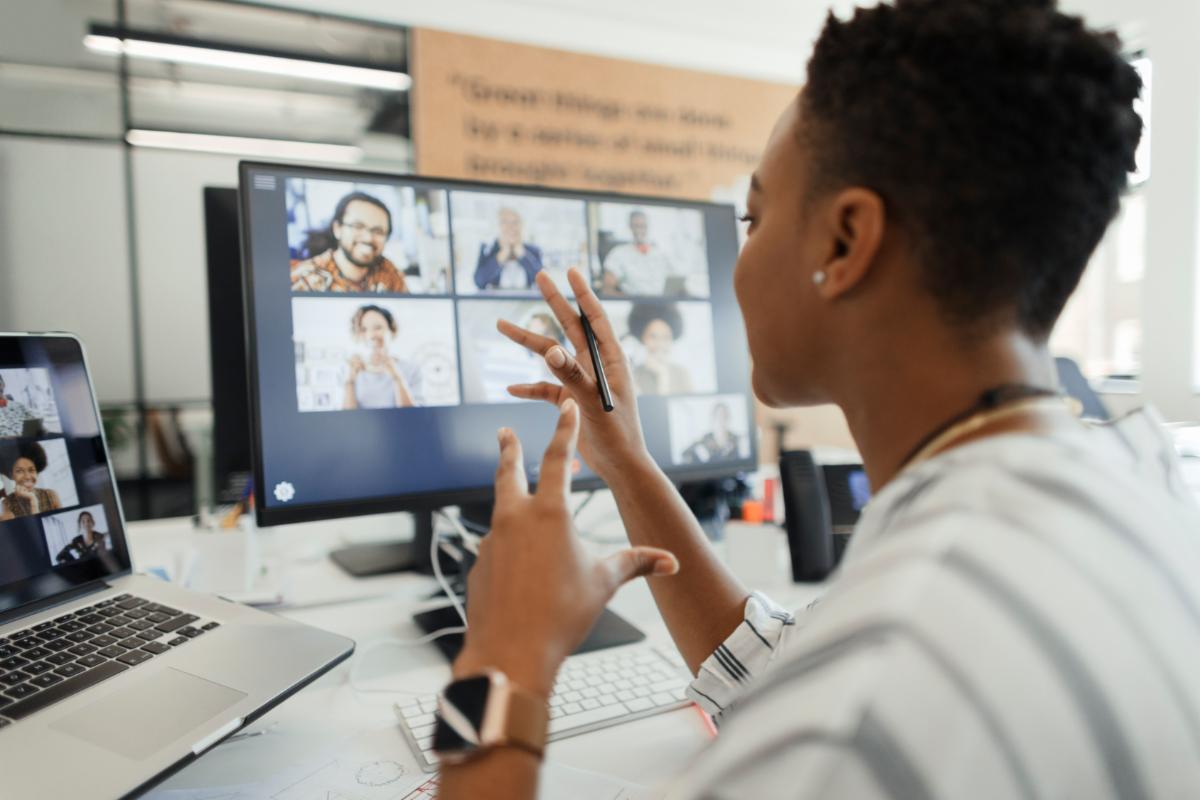
What does science look like when we meet scientists where their work happens? In Facetime with Scientists, science communicator Paige Jarreau takes viewers behind the scenes through conversations with researchers and science artists in labs, in the field, and other spaces where they do their work.
From growing mini spinal cords to studying the brains of flies and exploring the deep ocean, the channel makes both the people and the processes behind science part of the story. For SciCommers, it’s a great example of how videos can make science more personal, visible, and connected to the people doing it.
|
SciComm LinkedIn Group
Join the UMSGS SciComm LinkedIn Community to network with faculty, students and alums of the Science Communication Certificate Program at the University of Maryland School of Graduate Studies. Anyone interested in science communication is welcome.
|
SciComm Events
-
Workshop: Animal Research for Science Communicators, September 29, 2026, 9 am-12 pm EDT, delivered by the European Animal Research Association
-
Conference: Science Writers 2026, September 25-28, Corvallis, OR (USA), hosted by the Council for the Advancement of Science Writing (CASW) and the National Association of Science Writers (NASW) (NOTE: a virtual conference will follow October 14-16, 2026)
-
PhD Academy: Science Communication in Museums, Exhibitions and Science Centres, open to doctoral students, post-docs, and early-career folks, Applications due Dec. 1, 2026, at Venice International University, Venice, Italy, from
|
SciComm Chats
These monthly virtual conversations are designed to bring together students, professionals, educators, and science enthusiasts interested in science storytelling and public engagement. Here are the upcoming chats (with registration links):
Exchange ideas, ask questions, and connect with others interested in building stronger science communication practices.
|
SciComm Info Sessions
Learn more about the SciComm Certificate Program at the University of Maryland School of Graduate Studies from our faculty.
|
Want to Contribute to the Newsletter?
Are you interested in writing something for SciComm Spotlight, have a great SciComm resource that you want to share, or have additional suggestions for what else to include in the newsletter? We would love to hear from you.
You can use this survey to indicate your interest. Contributions to SciComm Spotlight are unpaid. You retain copyright to your work and grant permission for publication in this newsletter.
| |
We hope to see you at one of our upcoming SciComm Chats, an information session, or in a future cohort. If you have questions about whether the program may be a good fit for you, feel free to reach out to Isabell May at imay@umaryland.edu.
Until next month — stay curious, stay connected, and keep sci‑comming.
| |
Isabell May, PhD
Program Director, Science Communication Certificate Program
University of Maryland School of Graduate Studies
Source material adapted from user-provided SciComm newsletter content.
| | | | |