New Pacific Institute Report Finds Huge Potential to Save Water Across the U.S. Through Efficiency | | |
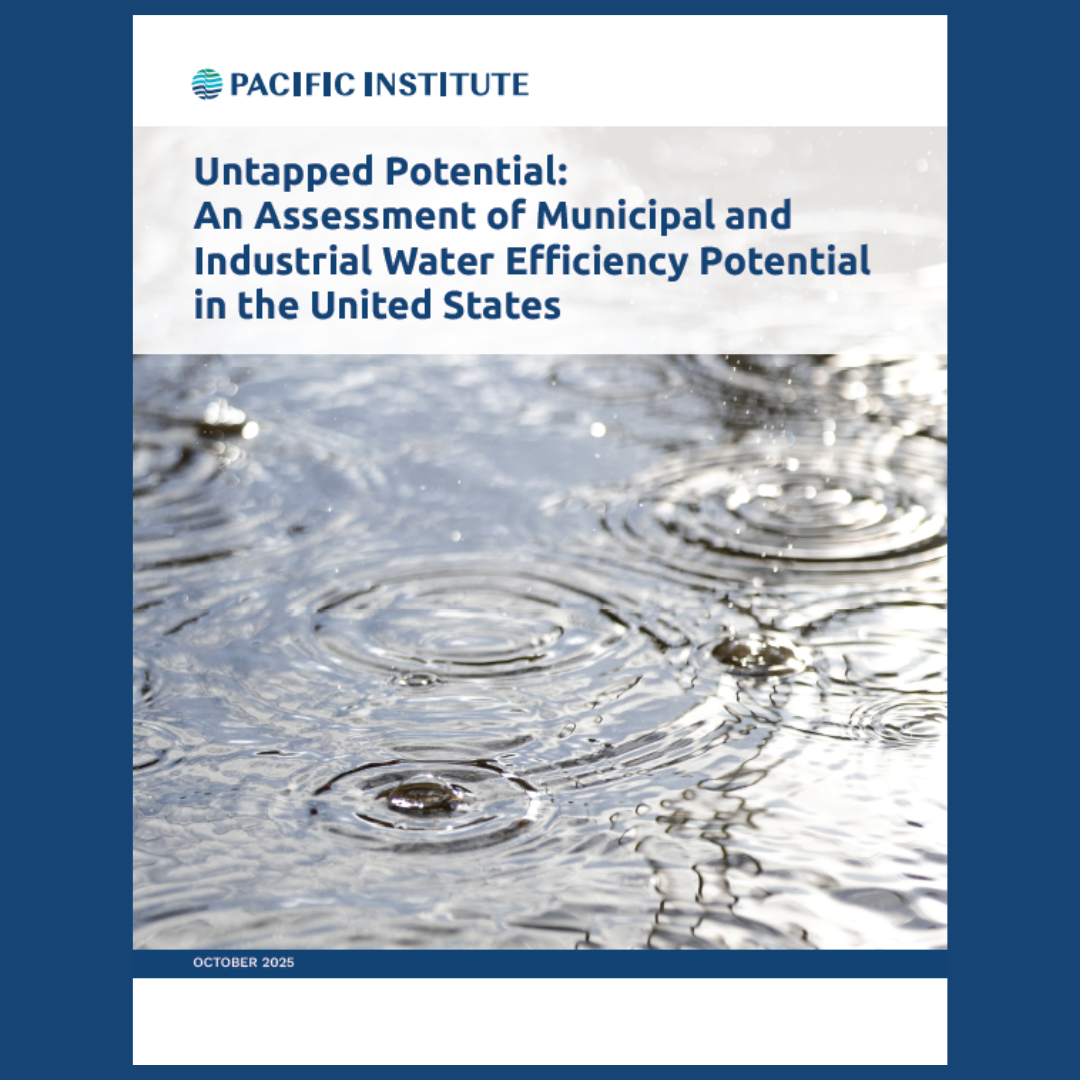
A new first-of-its-kind study from the Pacific Institute finds that improving water efficiency in U.S. homes, businesses, institutions, and reducing leakage in water distribution systems, can save 14.0 to 34.1 million acre-feet of water per year (12.5 to 30.4 billion gallons per day). The study finds that even basic upgrades to meet existing standards and eliminating water waste could cut water use by one-quarter nationwide. The most ambitious efforts, adopting technologies and strategies available today, could drive reductions up to 60%, returning water demands to levels last seen in the 1960s.
Join experts from the Pacific Institute and San Antonio Water System for an interactive webinar on Thursday, December 4 at 11 AM PT.
| | Latest Update to the Water Conflict Chronology Finds Record Surge Levels in Water-Related Violence | | |
The latest update to the Pacific Institute Water Conflict Chronology reveals a record 420 incidents in 2024, marking a 20% increase from 2023 and a 78% increase from 2022. With more than 2,750 cases now documented, the Chronology offers important insights into how water is increasingly becoming a trigger, weapon, and casualty of conflict.
| | |
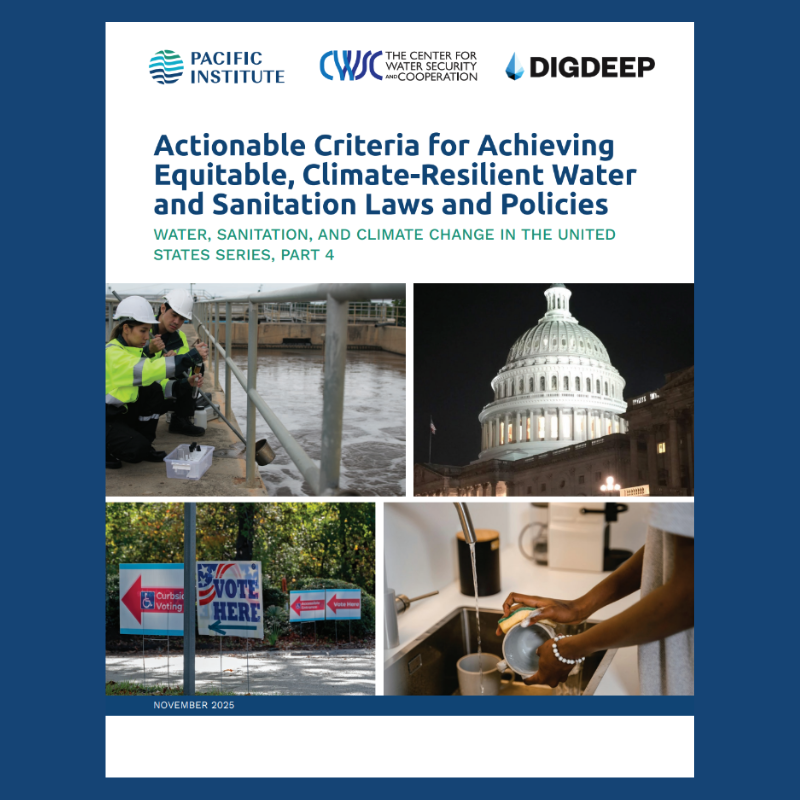
New report from the Pacific Institute and the Center for Water Security and Cooperation (CWSC): “Actionable Criteria for Achieving Equitable, Climate-Resilient Water and Sanitation Laws and Policies.” This report lays out a bold framework for building equitable, resilient water laws and policies in a changing climate.
This report offers six legal attributes, 19 criteria, and 60+ strategies designed to help frontline communities, utilities, law and policy makers, and advocates assess whether current federal, Tribal, state, or local laws support or hinder climate change preparedness and response for water and sanitation systems.
| | Dr. Peter Gleick Co-Authors “2025 State of the Climate Report” | | |
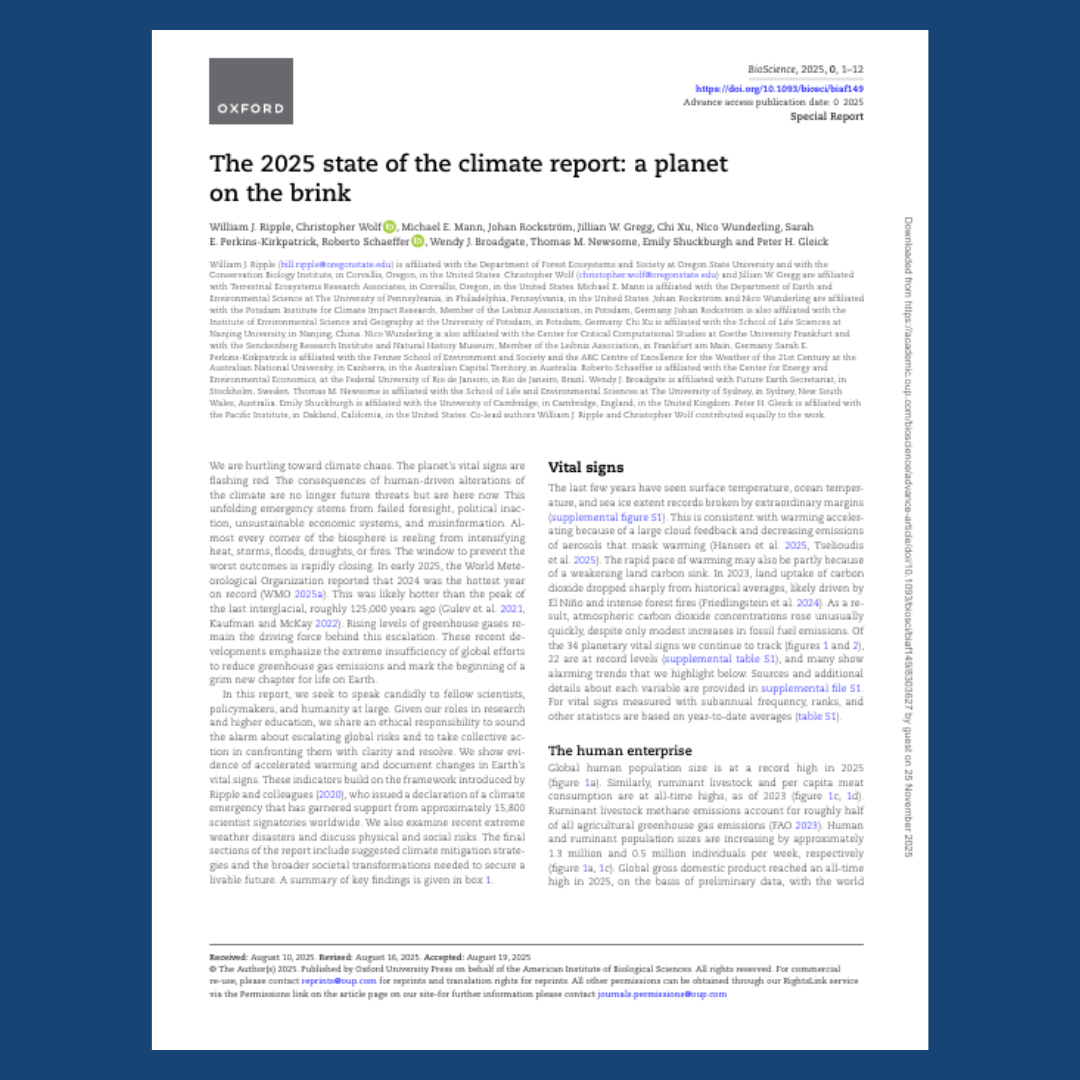
Pacific Institute Senior Fellow Dr. Peter Gleick co-authored the "2025 State of the Climate Report," published in BioScience. The report issued an urgent warning about accelerating climate impacts, documenting record-breaking global temperatures, rising greenhouse gas concentrations, and increasing extreme weather events across the planet.
The authors outlined the physical and societal risks of continued inaction and highlighted the need for transformative climate mitigation strategies to secure a livable future.
| | Michael Cohen Authors Article for Desert Health | | |
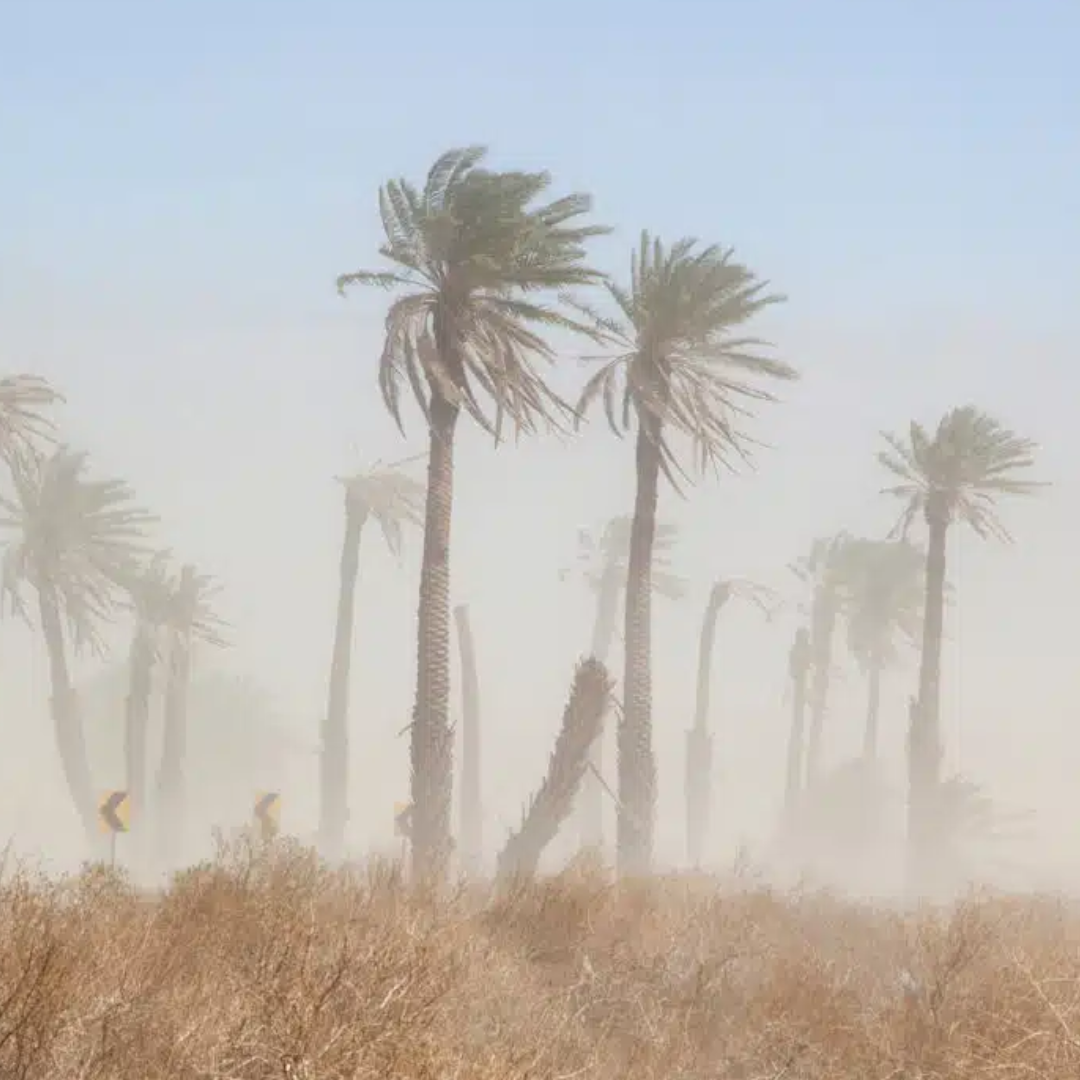
Pacific Institute Senior Researcher Michael Cohen authored a feature article in Desert Health on growing air quality threats in the Coachella Valley. Drawing from the Institute’s report “Breathing Hazard: Air Pollution in the Salton Sea Region,” he described how the shrinking Salton Sea has exposed vast areas of playa, contributing to dangerous dust levels in a region already facing some of California’s highest respiratory hospitalization rates.
The article underscored the urgent need for coordinated action to protect public health and address worsening air quality conditions in the region.
| | Basin Monitoring and Impact Tracking Platform Announced | | |
The Pacific Institute and the Water Resilience Coalition (WRC) have advanced the development of a new Basin Monitoring and Impact Tracking Platform designed to accelerate collective action in the world’s 100 priority basins. Building on basin assessments first conducted in 2022, the platform was developed to help understand future gaps in water quantity, quality, and WASH access, monitor basin health through satellite data, and provide a shared reporting system to track impact over time.
The platform aims to help partners identify priority interventions, coordinate action, and measure basin-scale impact and changes in conditions to drive meaningful water resilience outcomes.
| | Leaders Convened at 3rd Annual California Water Resilience Forum | | |
More than 100 leaders from business, government, philanthropy, and civil society convened last month for the 3rd Annual California Water Resilience Forum, hosted by the California Water Resilience Initiative (CWRI). The gathering underscored the urgency of California’s water challenges and the importance of private-sector engagement in driving scalable solutions.
“The future of water resilience in California depends on accelerated, coordinated action,” said Cora Snyder, Program Manager at the Pacific Institute and coordinator of CWRI. Read more in a new blog recapping key insights and momentum from the event.
| | Pacific Institute Launched Research on Equitable Outcomes in Water Reuse | | |
The Pacific Institute kicked off new research on “Integrating Equitable Outcomes into Water Reuse Projects,” a project funded by the Water Research Foundation (WRF). The initiative aims to advance the practice of centering equity in water reuse across North America through a co-produced framework and metrics, informed by a community advisory committee and real-world case studies.
The project team—including partners from One Water Econ, advisors Greg Pierce and Khalid Osman, and utility collaborators nationwide—are working to ensure the framework’s practical application and relevance.
| | |
Thank you for being a part of the Pacific Institute community. Whether you are a nonprofit partner, corporate member, or donor, you make science-based water research happen. If you are interested in supporting the Pacific Institute with a gift this November, you can do so here.
Your gift today invests in solutions for lasting, positive change in global water security.
| | |
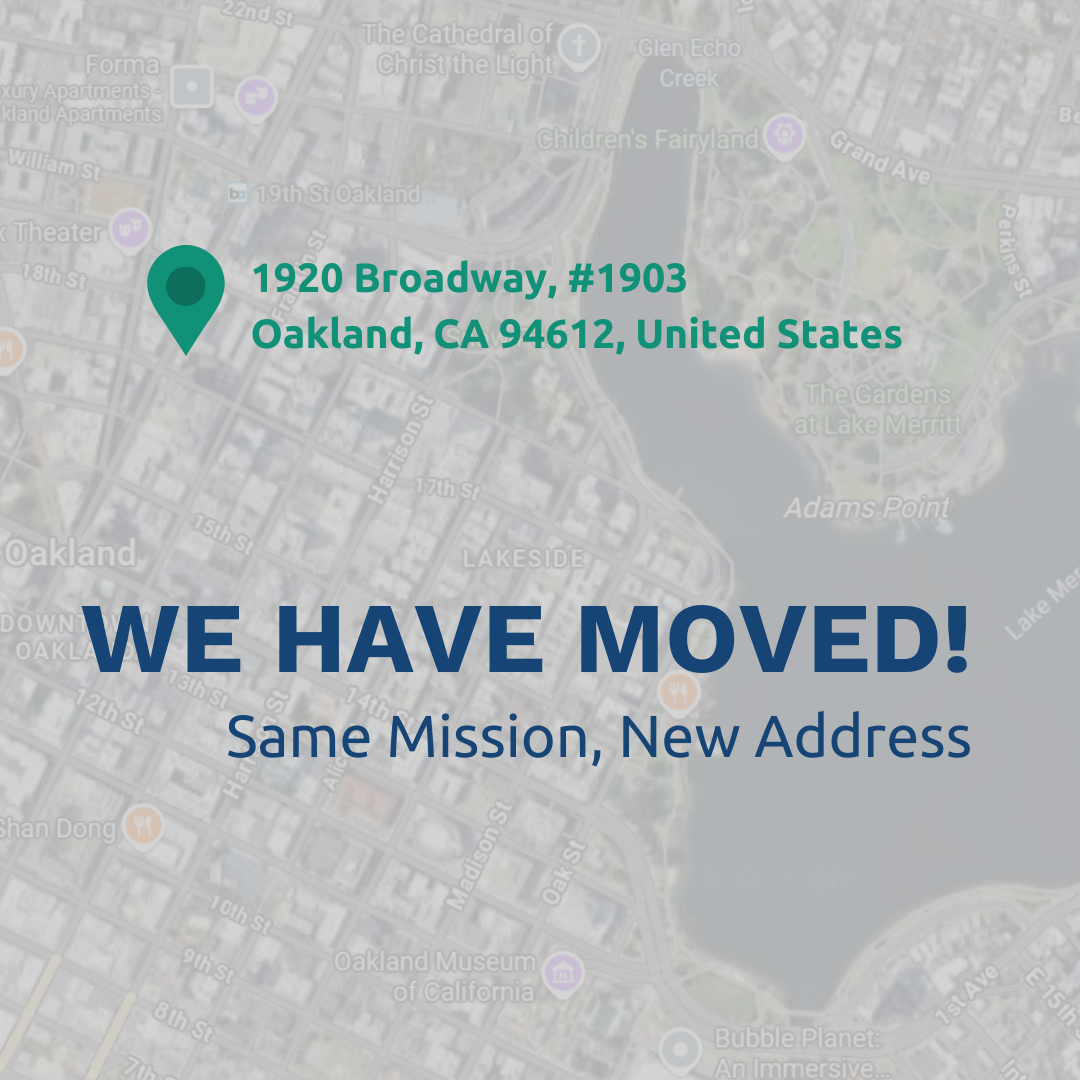
The Pacific Institute has a new home in the heart of downtown Oakland! While our address has changed, our mission remains the same — creating and advancing solutions to the world’s most pressing water challenges.
New Address:
Pacific Institute
1920 Broadway, #1903
Oakland, CA 94612, US
| | Dr. Shannon McNeeley and Morgan Shimabuku Featured at UNC Water and Health Conference | | |
Pacific Institute Associate Director for Water and Climate Equity Dr. Shannon McNeeley and Senior Research Specialist Morgan Shimabuku were featured at the UNC Water and Health Conference on October 30. Their session, “How Laws and Policies Help Anticipate and Manage Climate Change Impacts on WASH Infrastructure and Services in High-Income Countries,” examined how policy and governance frameworks can strengthen climate-resilient WASH systems.
The annual conference convened global policymakers, practitioners, and researchers to advance safe, affordable, and sustainable WASH services that protect public health and build climate resilience.
| | Morgan Shimabuku and Shannon Spurlock Featured in Webinar on Rainwater Harvesting | | Dr. Gregg Brill Featured in Webinar Hosted by the Arbor Day Foundation | | |
Pacific Institute Associate Director of Accounting for Nature Dr. Gregg Brill was featured in the November 4 webinar “Mapping Water’s Forest Connection.”
Hosted by the Arbor Day Foundation and 52impact, the event launched an innovative approach for evaluating and visualizing the global water benefits provided by trees.
| | Shannon Spurlock and Dr. Sonali Abraham Featured at State Water Resources Control Board Workshop | | |
Pacific Institute Senior Engagement Specialist Shannon Spurlock and Senior Research Specialist Dr. Sonali Abraham were featured at the California State Water Resources Control Board Workshop on November 18.
Their session, “Stormwater Capture and Use: Turning Local Stormwater Successes into Solutions for California’s Water Future,” highlighted strategies for improving California’s ability to capture and beneficially use urban stormwater.
| | Support the Pacific Institute | | | | |