|
Living Jesus:
Signal vs. Static
by Fr. Michael S. Murray, OSFS
| |
During a podcast in July of 2025, Kevin O’Leary (aka, “Mr. Wonderful” from the long running television show Shark Tank), shared a simple but powerful lesson he learned directly from Apple CEO Steve Jobs:
“Focus on the signal. Ignore the noise (static). That’s it.”
Signal refers to information or data that really matters; noise (static) is unwanted noise or interference that disrupts, obscures or distracts from the signal.
In Jesus’ day there were over six hundred laws and precepts in Judaism, all of which were purported by Pharisees, Sadducees and scribes to be of equal value or weight, a system which — however well-intentioned — created a lot of noise, static, or confusion in lots of peoples’ lives. Prompted by a question from a scribe in the Gospel of Mark (12:28-34), Jesus cuts through the static and succinctly speaks to signal by stating that the most important laws come down to two: love of God and love of neighbor.
Period. Talk about signal!
| |  | |
Growing in our love for God and one another is challenging enough on its own without getting distracted by the noise — be it the static around us or the static inside us — of everyday life, especially in our day and age when so many things vie for our energy and attention.
As we see in the life of Jesus himself, sticking with signal requires vision, discipline, and courage. It requires the courage to stay anchored in your core values when other people, things, and events attempt to monopolize your attention or distract from what really matters. Every time we say “yes” to the signal of “Living Jesus” and “no” to noise, we become more of the people we were created to be: children of God, disciples of Jesus, and temples of the Holy Spirit.
How might we say “yes” to the signal of the love of God and neighbor today?
| | |
Reflections on the Holy Spirit in my Life
by Jean Lupinacci
The Holy Spirit has led me down surprising paths in my lifetime – she certainly has a sense of humor! By my teenage years I had decided to become a businesswoman without any thoughts of marriage or children or for that matter working for the Church! After graduating from the UVA School of Commerce, I spent my 20s working for a national nonprofit which included 50% travel. This was a great life I thought – my dreams and plans had come true, however, I wondered if this was truly my purpose in life - something was missing.
Then an unexpected move by the Holy Spirit – I was introduced to Bill Lupinacci by a Catholic couple who worked at the same nonprofit as Bill and me. The couple thought that since we were both single and were both Catholic that we should meet each other and get married. We were engaged within 6 months and married within the year.
After marrying Bill, my desire for children and building a family was very strong and we had our first child within the first year of our marriage. Being armed with a Certified Public Accountant (CPA) and Certified Fraud Examiner (CFE) license, I thought I would work from home. After my first child was born, I discerned in prayer that I should be a full-time mother at home. My husband told his Catholic friends that he had been praying, too, and the Holy Spirit was telling him something different! That divine sense of humor again.
I spent my 30s as a stay-at-home mom of 4 children. I was an active volunteer at St. Mark Church and school. How did this happen? This was not my plan, but we had a great life, and Bill and I were both home with the children. As I was about to take on a board position in our community, Bill said since I had extra time that I should help in his business.
In my 40s, I continued to raise my children with Bill as my partner both at home and at work. This was a great life with both of us working from home and able to be flexible with the children’s needs and schedules. But there was a whisper in my ear at that time that I kept brushing away. In my 50s I listened to the Holy Spirit’s whisper and started graduate school earning a master’s degree in Pastoral Studies. At that time two of my children were working on their undergraduate degrees with two more close behind. I was thinking of getting a paid job and mentioned it to a staff member at St. Mark. I was in an interview that week and started the following week as Parish Secretary. I kept thinking, “What the heck! I don’t want to be a Secretary ,and I doubt I would be any good at it.” When I completed my studies, I became the Director of Religious Education at St. Mark and started full-time ministry in the Church.
| |
In my 60s I started working on a Doctorate in Ministry thinking that I would be working in the Church for many more years, and I should earn a terminal degree. When my Pastor at St. Mark announced he was retiring, I came to St. John Neumann as the Director of Faith Formation in 2022. This was my dream job, and I had a fantastic staff in the Faith Formation Office. We were doing ministry together in a way that I had never done before. We complimented and encouraged each other in our ministries and our lives. This was a great life. In my 60s, I desperately prayed for grandchildren.
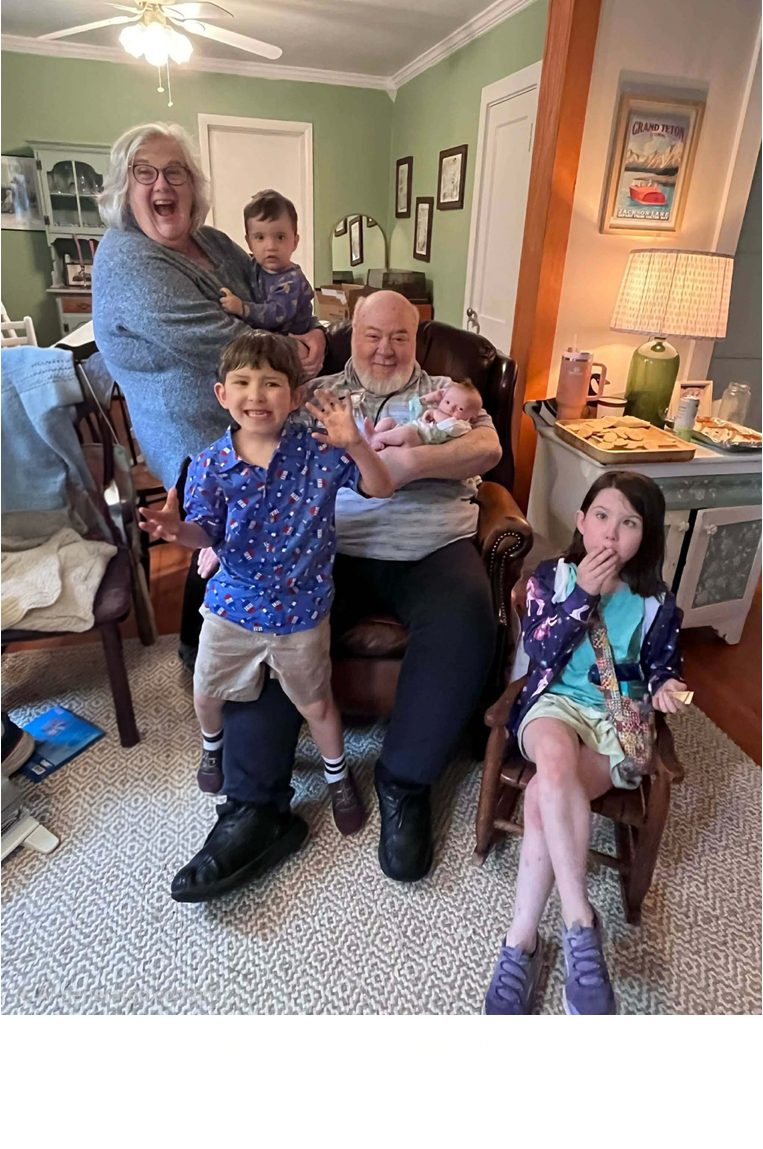
The Holy Spirit had plans for me. My daughter and her husband had foster siblings placed in their home in 2023 with the intention of adopting. The children (then 3 and 5) had a lot of trauma in their young lives and my daughter and son-in-law needed respite on a regular basis. Now, my son and daughter-in-law have two children, age 2 and 6 weeks old. I started praying again as they also needed me because their medical professional job shifts sometimes overlapped. Working full-time while supporting my children and grandchildren became challenging.
In January 2026, I decided that I should retire on June 30 so that I could spend more time being Nana to my four grandchildren. As I look back on my life, I see that no matter what plans I had the Holy Spirit was hard at work leading me in a different direction through all the phases of my life. I am very grateful for all the opportunities I have had. I know that retiring is the right thing to do because every time I prayed about my future, I saw the little faces of my grandchildren. The Holy Spirit is not done with me yet — I wonder what she has in mind for me next!
| | |
St. Anthony of Padua Parish
Fr. Michael S. Murray, OSFS
| | |
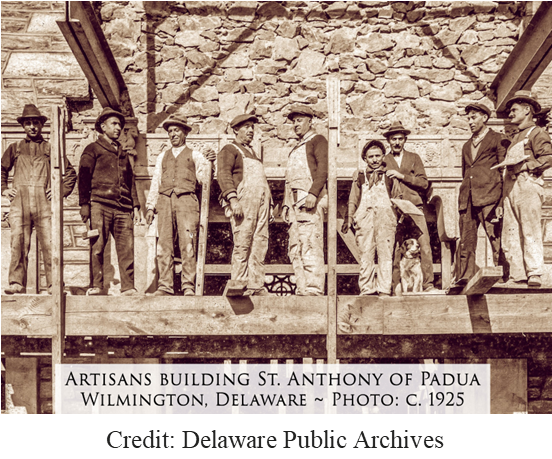
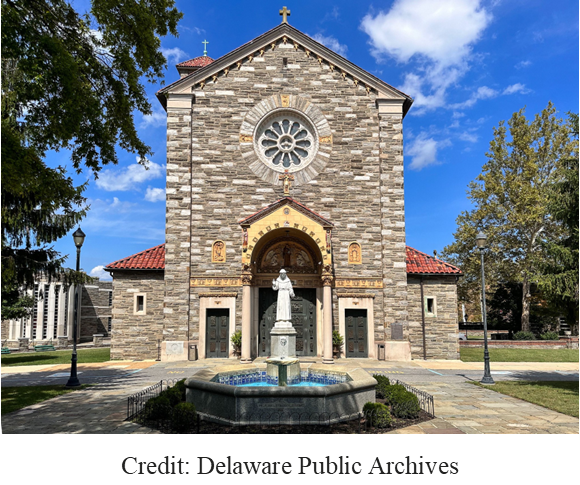
In 1925, Rev. J. Francis Tucker, OSFS laid the cornerstone of St. Anthony of Padua Roman Catholic Church at the corner of Ninth and DuPont streets in Wilmington, DE, marking the official start of construction of a parish for the Italian immigrants in the city’s Little Italy neighborhood. A century later, St. Anthony’s parish is a hub of activity for its parishioners, students, and families of St. Anthony of Padua Grade School and Padua Academy, legacy families, and the community at large.
The 1880s marked the beginning of a significant arrival of Italian immigrants to Wilmington, many settling in “Little Italy” on the west side of the city. According to A Labor of Love by Cari DeSantis, “Primarily Catholic, these new Americans wanted a place to worship that understood their cultural and religious traditions. They wanted a church of their own.” This need led then-Bishop John Monaghan to appoint Fr. Tucker, a graduate of Salesianum School and the first American-born Oblate of St. Francis de Sales, to establish a parish for the community in 1924. He was chosen because he was uniquely qualified for the job.
“They made him pastor of St. Anthony’s because, having studied in Rome, he could speak Italian, even though he was Irish American,” says Rev. Jack Kolodziej, provincial of the Wilmington-Philadelphia Province of the Oblates of St. Francis de Sales.
| | | |
St. Anthony’s was also founded as a national parish, meaning it is defined by its Italian culture, not by neighborhood boundaries. And it celebrates three religious patrons, not just one. Because of the involvement of the Oblates and the Franciscan sisters in both the church and the school, the parish celebrates St. Anthony of Padua, St. Francis de Sales, and St. Francis of Assisi (for whom St. Francis de Sales was named by his mother).
A century following the laying of that cornerstone in 1925, eleven Oblates pastors have built upon the pioneering work of Fr. J. Francis Tucker, OSFS. The present pastor, Fr. Vincent Kumar, OSFS, hails from the India Region. In many ways, Fr. Kumar is yet the latest example of the changes that have been a constant throughout the rich history of the parish, from the shifting demographics of the neighborhood to the needs of the community as a whole. And through it all, its Salesian character remains as strong as ever.
| |
For the full story, see A Century of Community - Out & About Magazine
The feast day of St. Anthony of Padua is celebrated on June 13. On May 30, Fr. Jonathan Dick, OSFS was ordained at St. Anthony of Padua in Wilmington.
| | |
Encountering God in the Garden
by Elizabeth Connell Wright
| | |
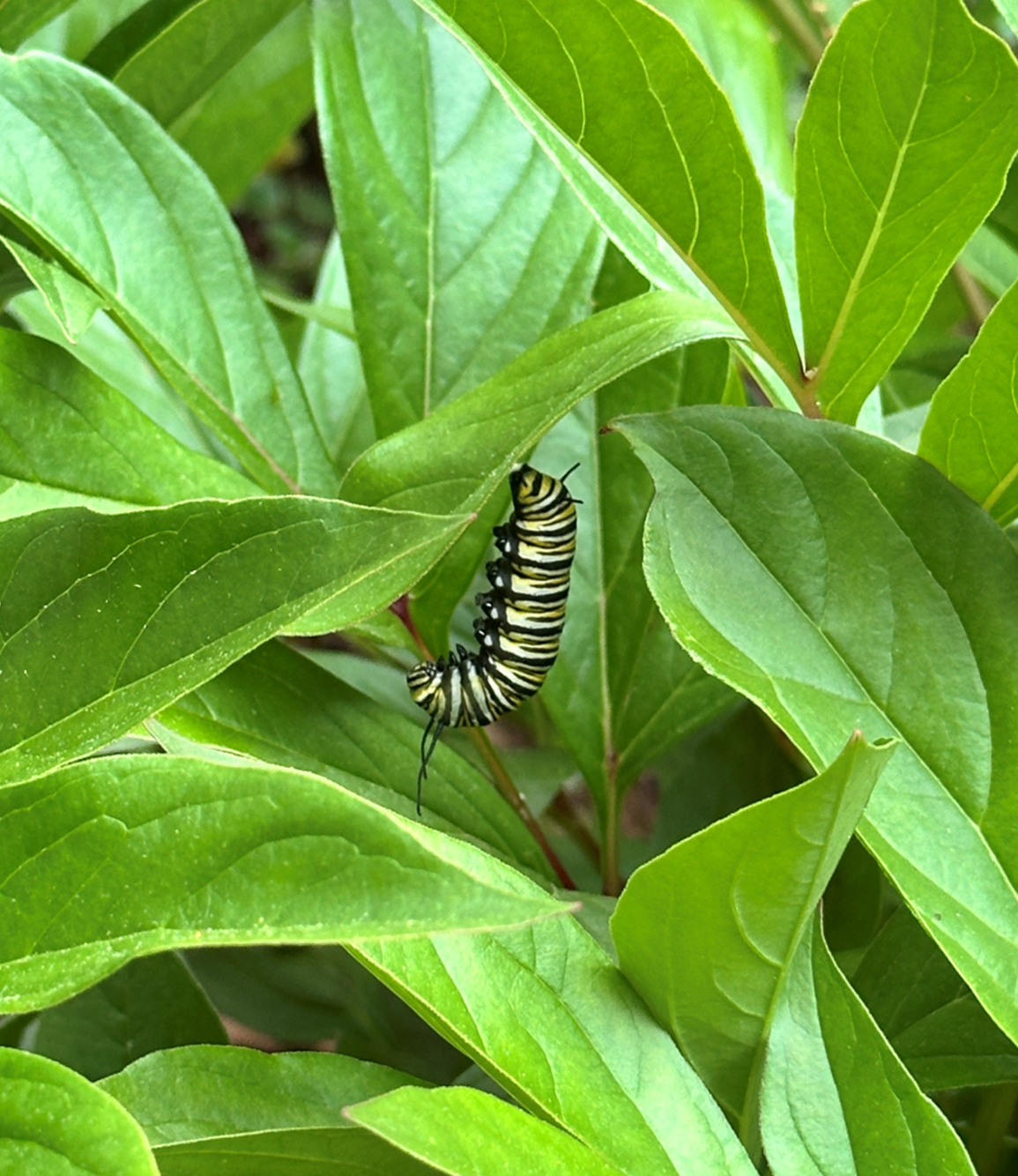
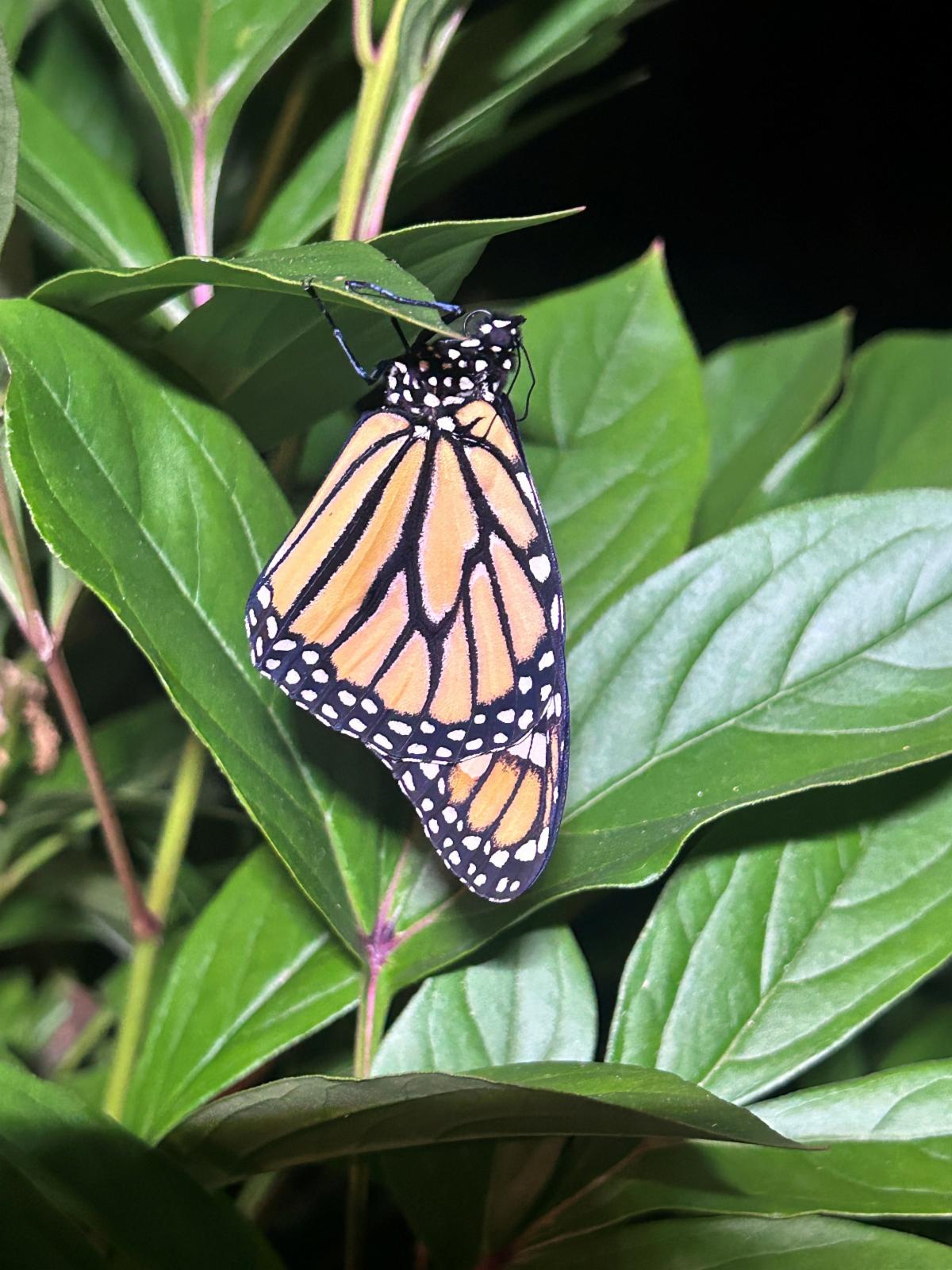
In 2022, we moved to Reston and bought a house. While our backyard is clustered with mature trees, our front yard has the sun that pollinators love, so I began to fill it with flowers. This spring, I had the most unexpected encounter with God in the form of a very hungry caterpillar.
While I continue to be quite an amateur gardener, I am striving to learn about gardening in Virginia, native plants, and how to support pollinators. Caring for God's Creation is one of the seven tenets of Catholic Social Teaching, and I strived to remember that we are God's caretakers for His creation.
As a child, I remember discovering monarch chrysalises while playing, and as an adult, I knew that these beautiful creatures were losing the milkweed habitat necessary for their survival. Though I was running out of space to plant more sun-loving flora, last fall, I decided to remove some of our grass lawn to add a milkweed garden. Milkweed is the only plant that sustains monarch butterflies. I planted several plants last fall, and this spring, I planted a handful more from the Reston Association Native Plant Sales.
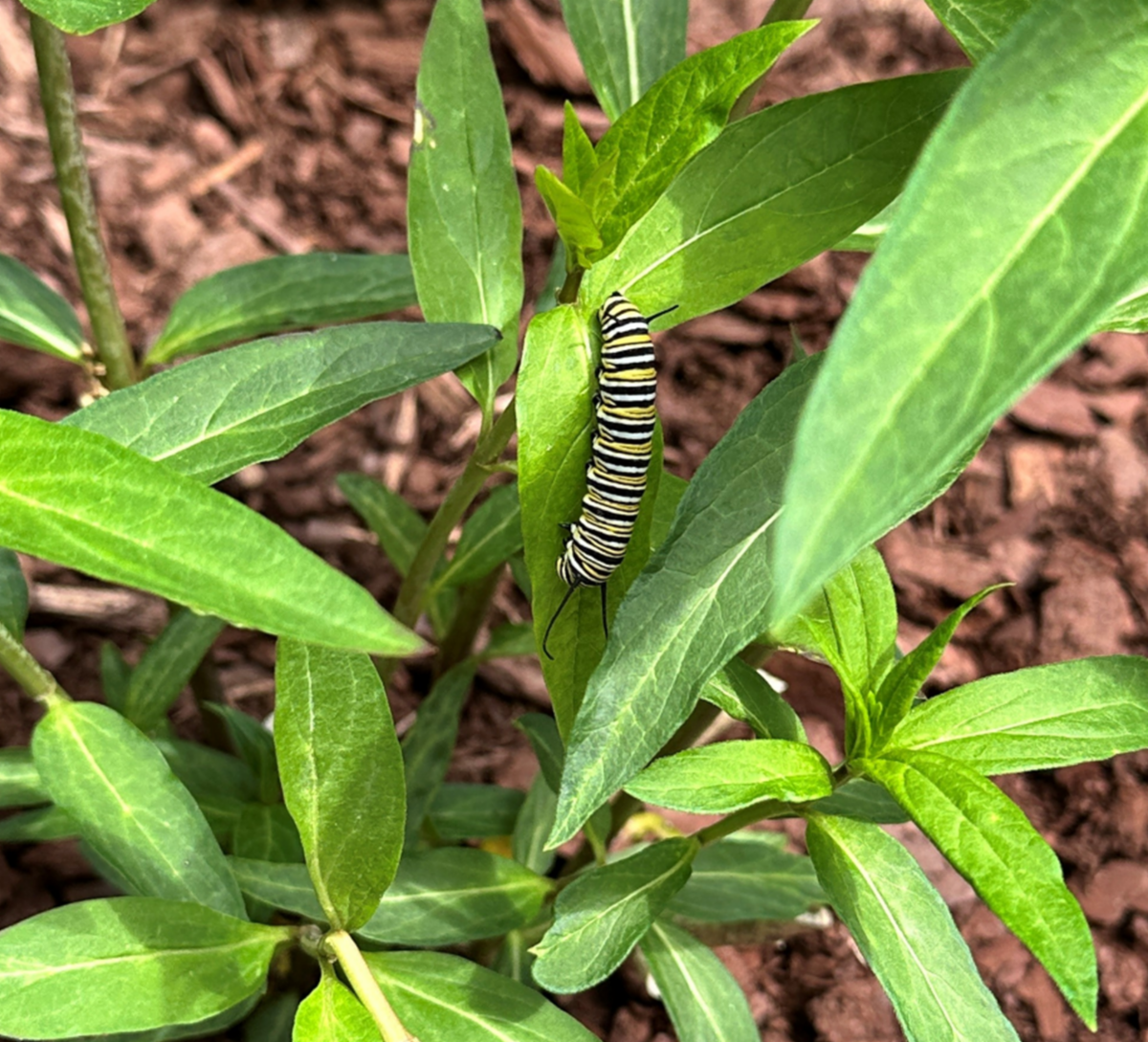
On May 9, I was walking in my front door, when I spotted the distinct black and yellow stripes of the monarch caterpillar vigorously eating milkweed leaves. My children might say I was unreasonably excited, but I wouldn't -- I hadn't known what to expect when I planted, but I was delighted to find the milkweed was doing exactly what it was supposed to do!
Over the following days, we watched as the ravished caterpillar stripped an entire stalk of milkweed with jaws that were visibly chomping. The caterpillar quickly became the star of our family group chat, as we shared updates and facts as we learned more about what to expect from this visitor — while most of this was on my end, my family did support my enthusiasm!
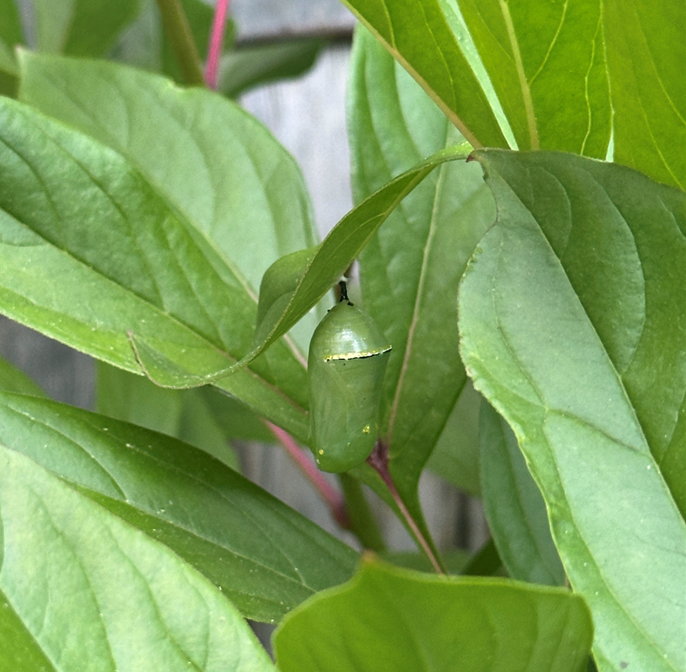
When the caterpillar was about to burst, she somehow managed to haul her overstuffed body to the peony bush at the edge of the milkweed garden. From our crash course on monarchs, we knew we were waiting for her to hang from her bottom, relax her antennae, and make a "J" shape. Her stuffed body may have made this a bit difficult, but she did her best. By the next day, she had a half-formed chrysalis, which she soon completed with brilliant accents of gold.
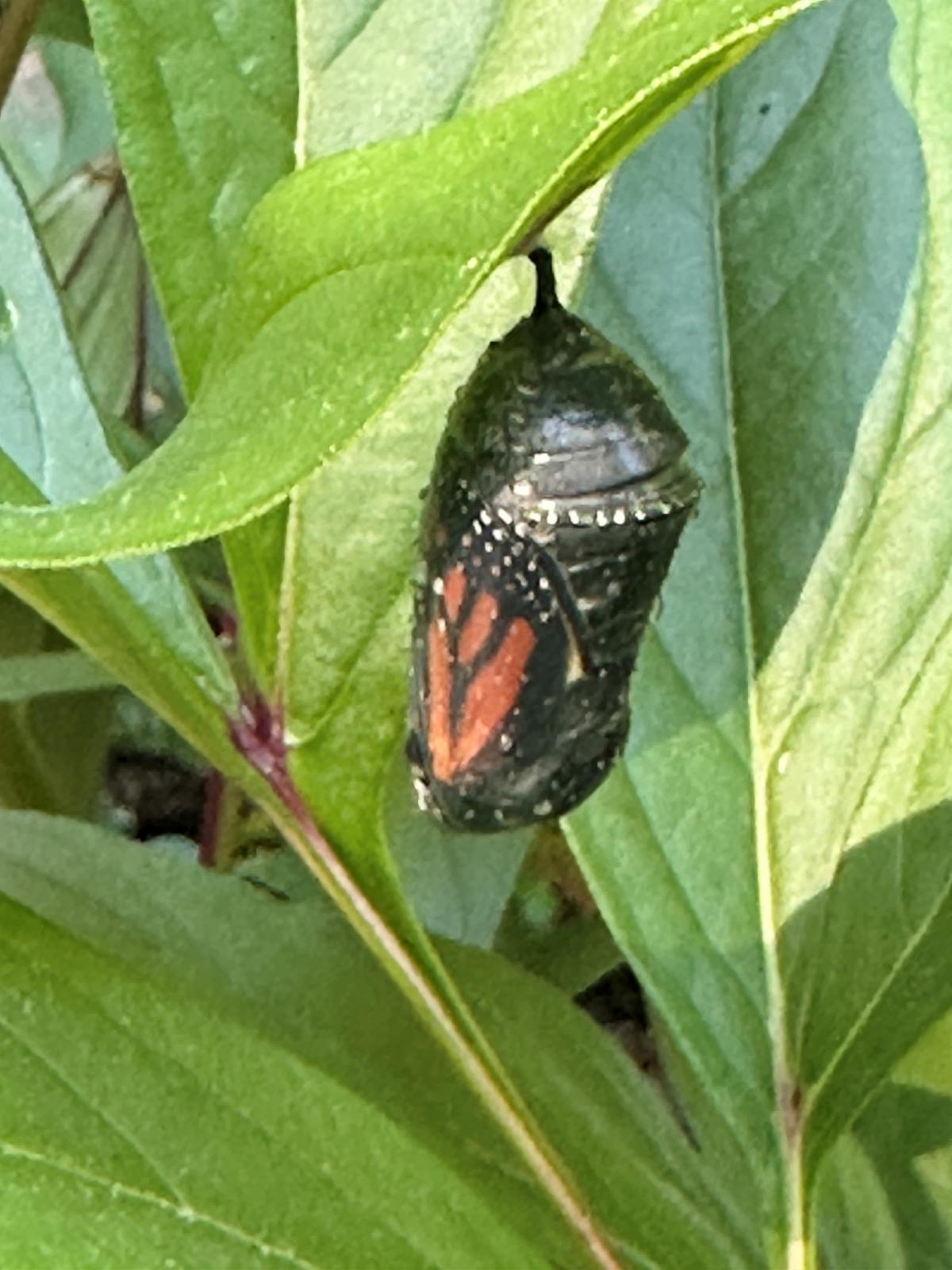
As the weather bounced from 90s to 50s before settling in the pleasant 70s after days of rain, we fretted and checked on her each time we entered or exited our front door to walk the dogs. As the chrysalis approached two weeks, we slowly started to notice subtle changes -- did we see a shadow of a pattern through the frog-green chrysalis or were we imagining it?
By May 30, we definitely were seeing an orange and black wing, and within hours, the once-bright chrysalis became translucent in the front. I had read that they often emerge in the early morning hours, so I set my alarm for 5 a.m. on Sunday, but the chrysalis remained unchanged.
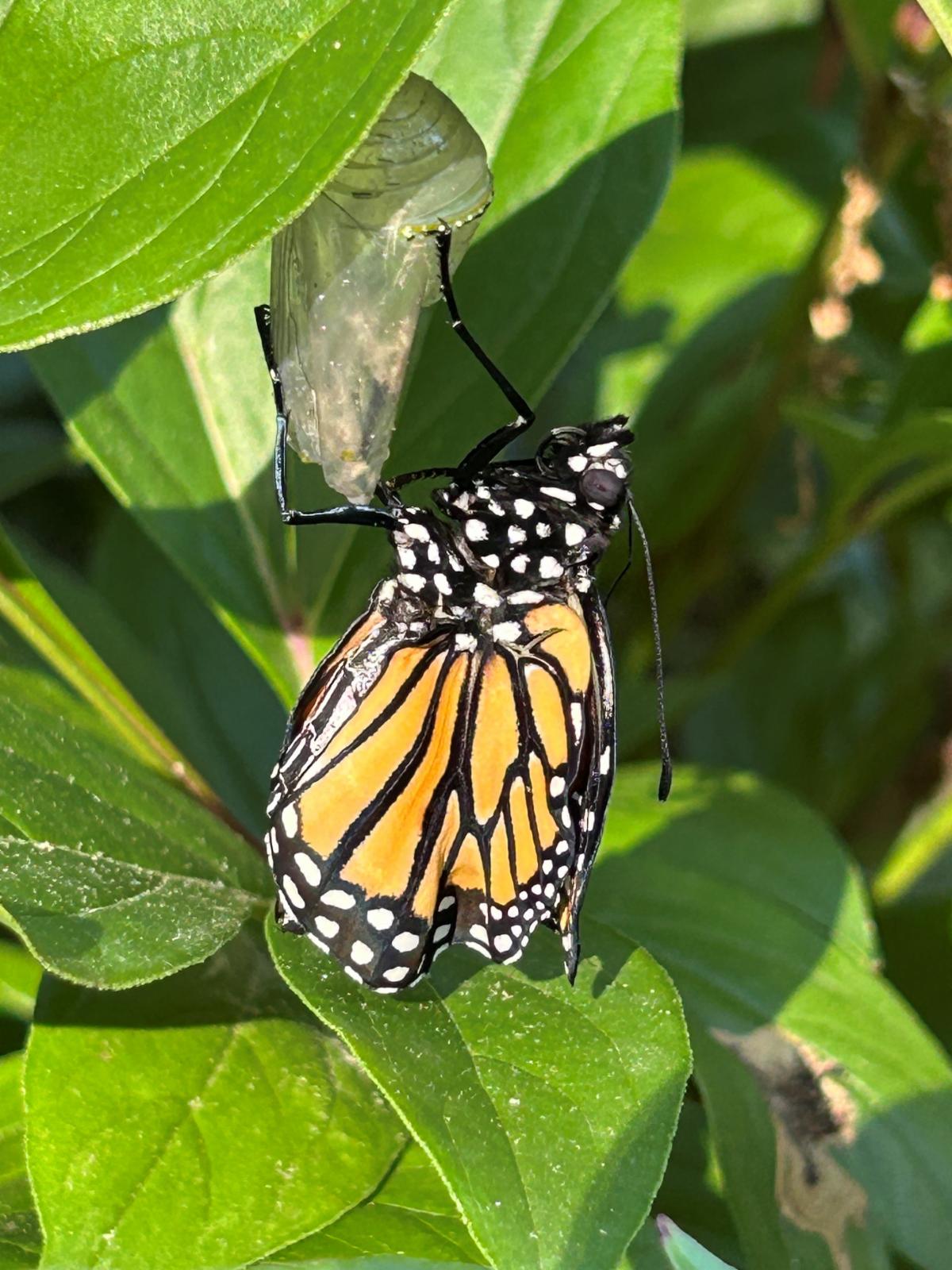
After returning from Mass, I continued to regularly check the chrysalis. At 4:30 p.m., the chrysalis was completely translucent and had a small crack. Twenty minutes later a crinkled butterfly crawled from the delicate chrysalis shell and slowly began to unfold her wings. After several hours of drying and stretching her wings, she moved to another peony leaf to stay the night. During the next morning, she took her flight.
Perhaps you have seen this whole process of metamorphosis before — in a classroom, as a child, or in your own garden. As my husband and I pulled up a lawn chair to watch her gain her strength after her emergence, I marveled at all I had witnessed -- all that God orchestrated in His creation.
This creature I watched was profoundly different than the caterpillar I had spotted as I came home less than three weeks before. Beyond trading in stripes for polka dots, she had grown four wings to take her places the caterpillar never imagined. Her perfectly planned instincts knew exactly what to do and when to do it — because that is how God made her.
In this experience, I felt a harmonious presence of God as our Creator. While I had grown up on a farm watching nature grow and change, I had not taken the time to quite intentionally witness life transforming in such a vulnerable situation — a small, yet significant part of our ecosystem. I am grateful for this miraculous encounter with God.
During this process, I also learned that Fairfax County is on the eastern North American migratory path of monarch butterflies, making it particularly important to provide a habitat for them. Click here to learn how to make your yard a monarch habitat and certified Waystation.
| |
| |
Catholics Paving the Way for Freedom
by Elizabeth Connell Wright
This summer, Americans will celebrate the 250th anniversary of the signing of the Declaration of Independence. As I checked out the America 250 website, one of the first things I noticed on the homepage is the sponsor list, and I was reminded that even in this celebration of 250 years, America is still healing from a foundation marred by slavery. Two sponsors of the celebration are Domino Sugar and Florida Crystals — representative of one of the primary industries that fueled chattel slavery (The Barbaric History of Sugar in America, The New York Times, August 14, 2019). We continue to struggle to resolve our past and understand the remaining implications that keep racism alive yet today.
One small way everyone can be a part of the solution is learning about our past and celebrating not only the Fourth of July, but also America’s Second Independence Day, Juneteenth (June 19). In June 2025, Bishop Erik Pohlmeier of the Diocese of St. Augustine wrote in a Juneteenth reflection: “As Catholics, we must uphold the right of all people — especially our youth — to learn the full story of our nation’s journey, including the sin of slavery and the long road toward freedom. Truth leads to repentance, and repentance leads to renewal.”
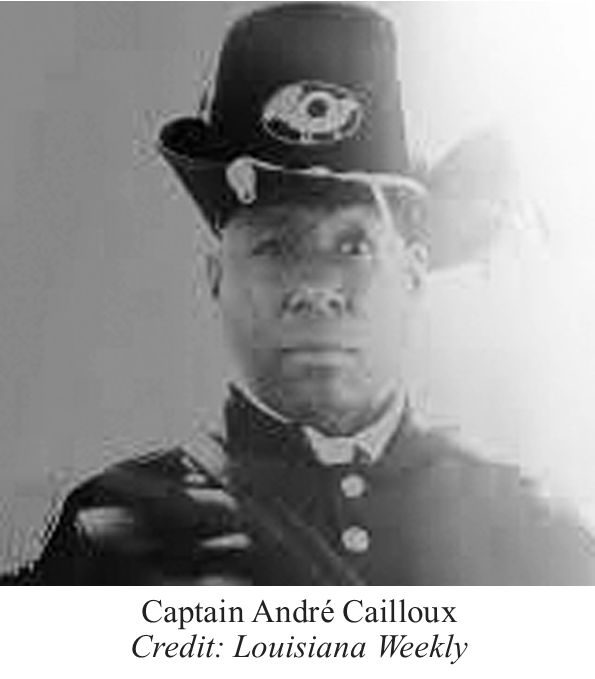
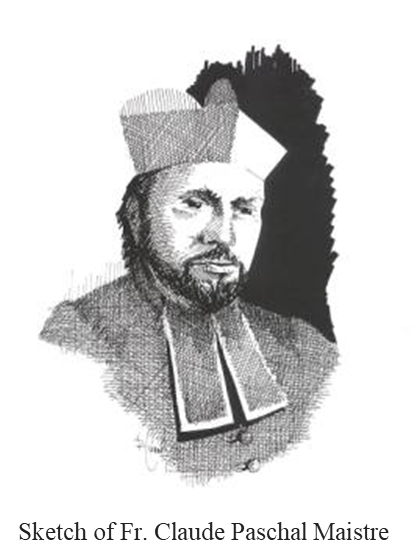
As part of this effort to ensure we recognize our history, I want to share with you the story of André Cailloux, a Black Catholic soldier in the Civil War, and Fr. Claude Paschal Maistre, a white Catholic priest — both deeply guided by their faith.
|
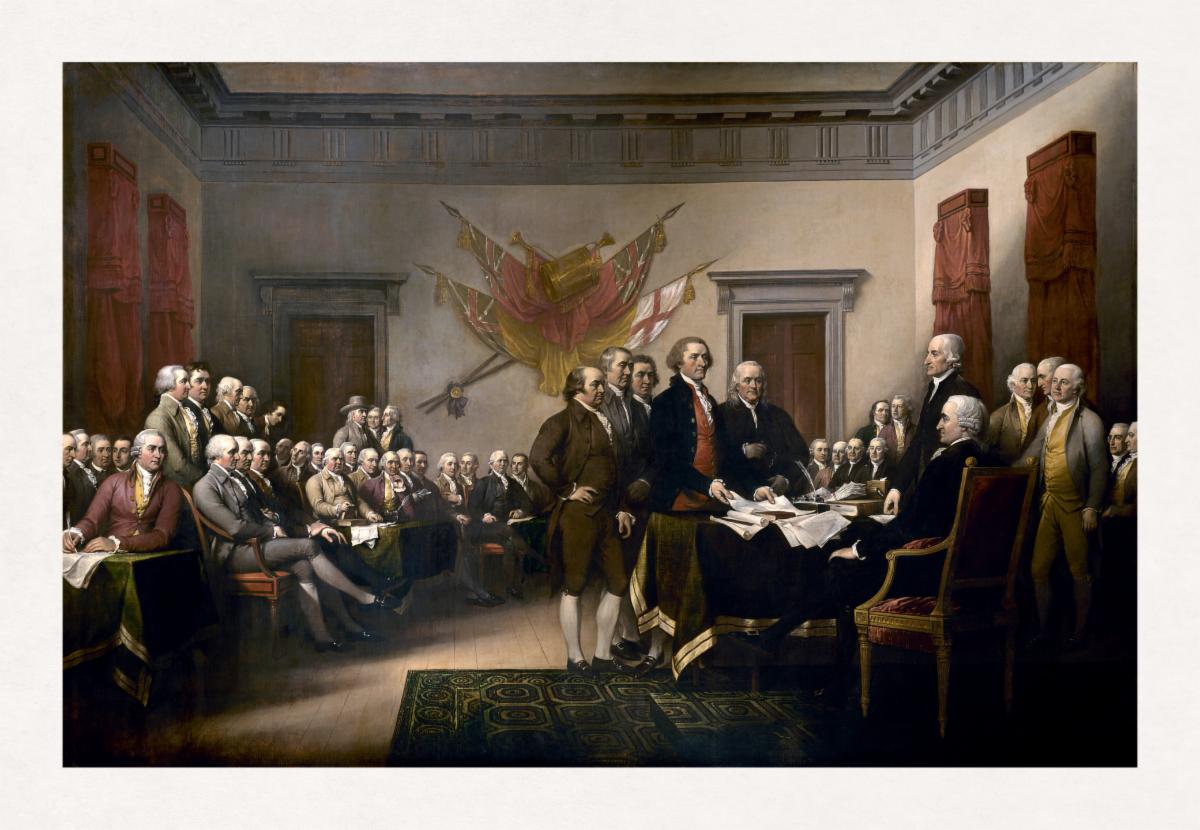
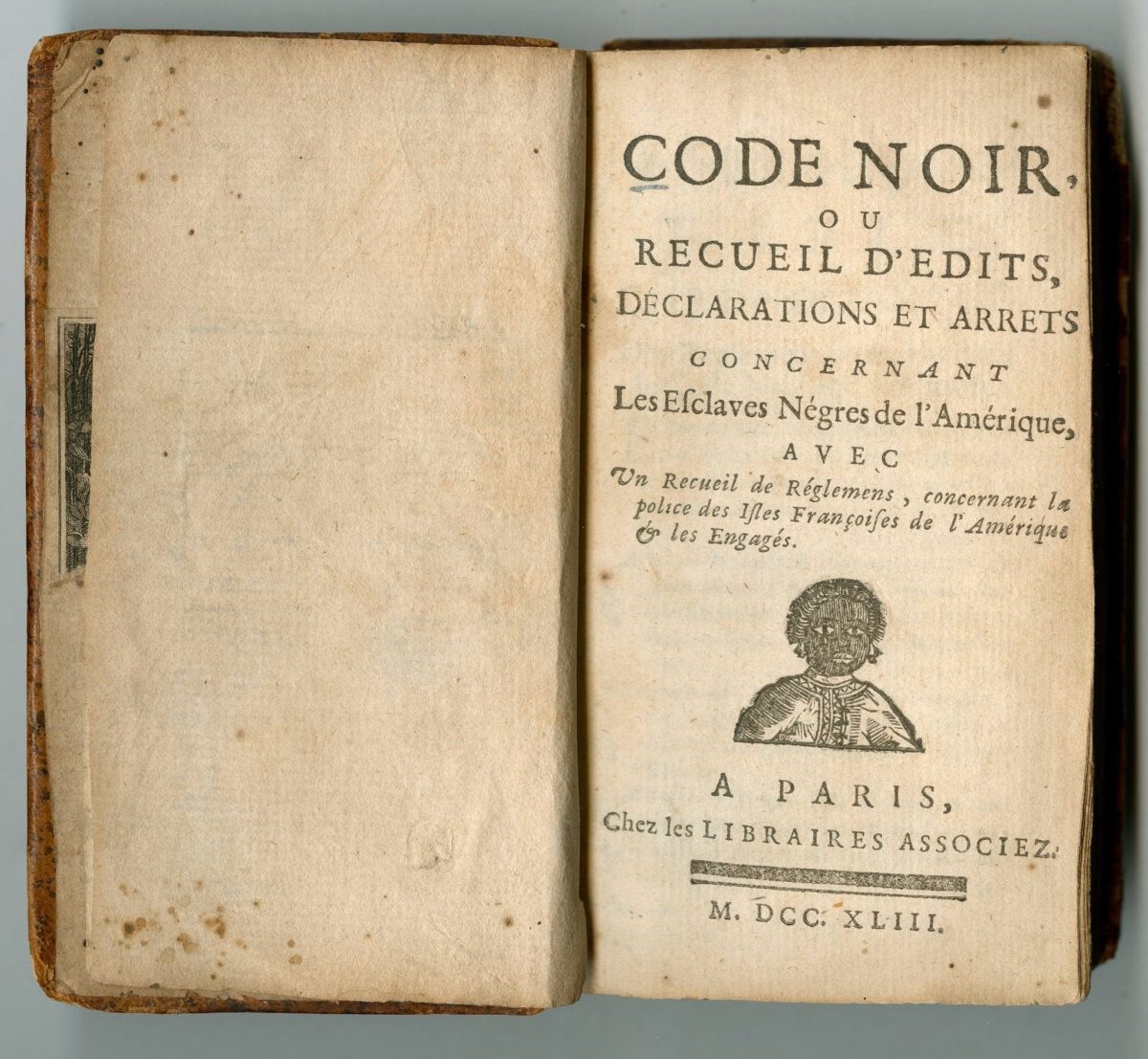
 | | Black Catholics were laying the foundation for Catholicism in America well before the Declaration of Independence was laid out for signatures on a desk in the Pennsylvania State House. They were building the Church — spiritually and literally —through their enslavement. As the U.S. approached Civil War, the Catholic Church was not on a higher moral ground than many other Americans, especially in the South. As a French territory, the treatment of enslaved persons in Louisiana was heavily influenced by the Code Noir (Black Code), first implemented in 1687. Article II of the Code Noir states: “All slaves that shall be in our islands shall be baptized and instructed in the Roman, Catholic, and Apostolic Faith. We enjoin the inhabitants who shall purchase newly arrived Negroes to inform the Governor and Intendant of said islands of this fact within no more that [sic] eight days, or risk being fined an arbitrary amount. They shall give the necessary orders to have them instructed and baptized within a suitable amount of time.”
Born enslaved in Plaquemines Parish, Louisiana, on August 15, 1825, to André and Josephine Cailloux, the younger André was baptized Catholic in St. Louis Cathedral on July 15, 1827. Catholicism played a key role in fostering a sense of identity and community among slaves and free people of color in Louisiana. Catholic baptism also provided a recorded family lineage for slaves and free people of color — recording the name of their mother only. In the 1800s, the majority of New Orleans’ Catholics were free people of color and people who were enslaved.
After the death of their slave owner, Joseph Duvernay, in 1828, André and his parents became the property of Joseph’s sister who lived in New Orleans. In 1846, André petitioned for manumission and gained his freedom at the age of 21. Within the year, he married, Félicie Coulon, who was a freed Creole, at St. Mary Assumption Church.
| |
Cailloux set about becoming a respected pillar in the economic, social, and religious community. He trained as an artisan to be a cigar maker and was admired for his athleticism, recognized as one of the best boxers in New Orleans. He learned to read and write and became fluent in French and English. The Cailloux family were also active supporters of the Institute Catholique, where their three children were educated and where Félicie cared for orphaned Black children.
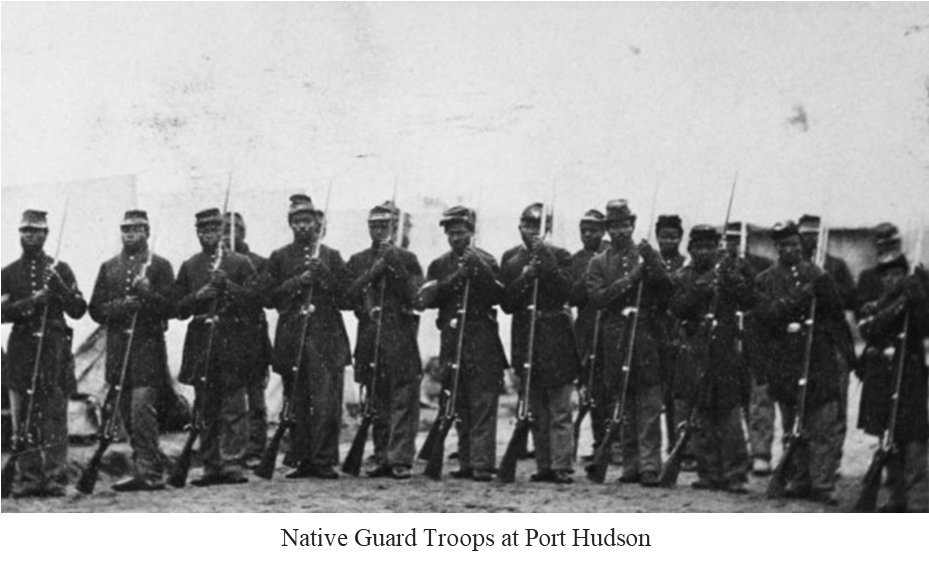
| By 1860, there were 10,000 free persons of color in New Orleans, and Cailloux was recognized for his character and respected in the community. He won election as secretary of “Friends of Order,” a mutual benefit and benevolent society. In 1861, Civil War broke out and Louisiana authorized the formation of a militia regiment of free people of color known as the Native Guard to protect New Orleans. Cailloux immediately signed up, but when New Orleans was captured by the Union Army in 1862, the Native Guard was disbanded. | |
Union General Benjamin Butler then established headquarters in New Orleans, and after repeated requests for additional Union troops fell on deaf ears, he wrote Secretary of War Edwin Stanton, “If you will not send me reinforcement, then I will call upon Africa to do so.” Butler drew up the 1st Louisiana Native Guard comprised of a mix of free people of color and former enslaved men. André Cailloux was one of the first men to join as a commissioned captain of E Company. Most of his company were Catholic free men eager to prove themselves through the honor of military valor and hopeful for greater equality.
In late 1862, General Nathaniel P. Banks replaced General Butler and set about trying to rid the Union Army of Black troops. White hostility to the Black troops was rampant. They were insulted and spat on in the streets, their families were harassed, and they didn’t receive the equal pay to their white counterparts and rations that were promised to their families. Within the Union Army, white soldiers refused to salute Black officers, and supplies for their units were difficult to procure. Georgia governor, Joseph Brown, warned that proof of African American military fitness would “destroy our whole theory that they're unfit to be free.” Within the Church, priests also made clear their opposition to Black enlistment in federal forces.
|
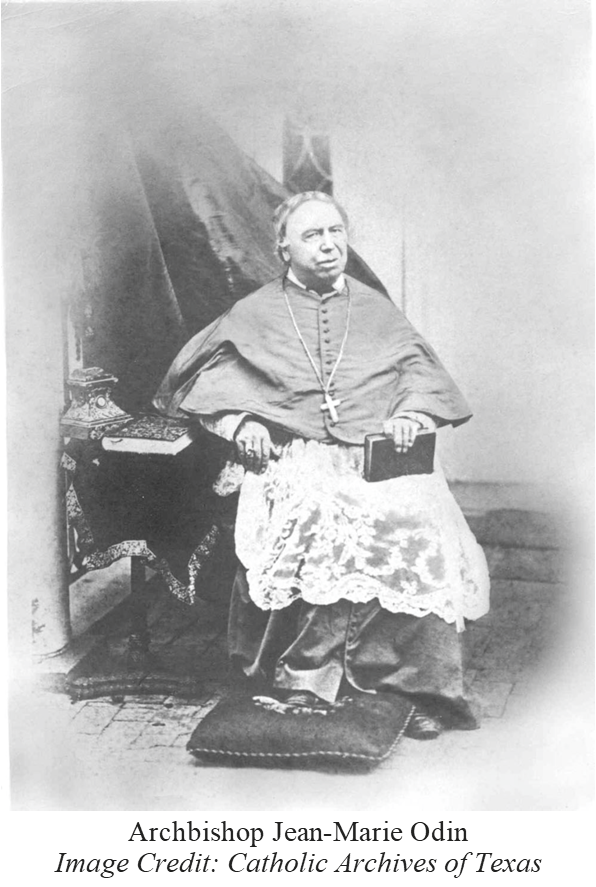
| | | One shining light was French-born Fr. Claude Paschal Maistre. Though he had already been dismissed from two dioceses, he received an appointment to New Orleans’ St. Rose of Lima Church in 1857. He immediately began to upset parishioners as well as clergy, many who complained that he was an outspoken abolitionist. He served as the unofficial chaplain to the three Native Guard Regiments that trained on the outskirts of the city. When other priests rejected them, Maistre befriended the families of Black troops, in spite of physical threats, including one by his own parishioners to hang him by his stole. In April 1863, Archbishop Jean-Marie Odin heard accusations from other clergy in the diocese that Fr. Maistre had “incited the Negroes against the whites.” He reported to Rome that Fr. Maistre was offending white Catholics by preaching “the love of liberty and independence” to enslaved persons. He suspended Maistre demanding that he report to a monastery for penance. Maistre refused to return the keys of St. Rose of Lima and continued his ministry.
| |
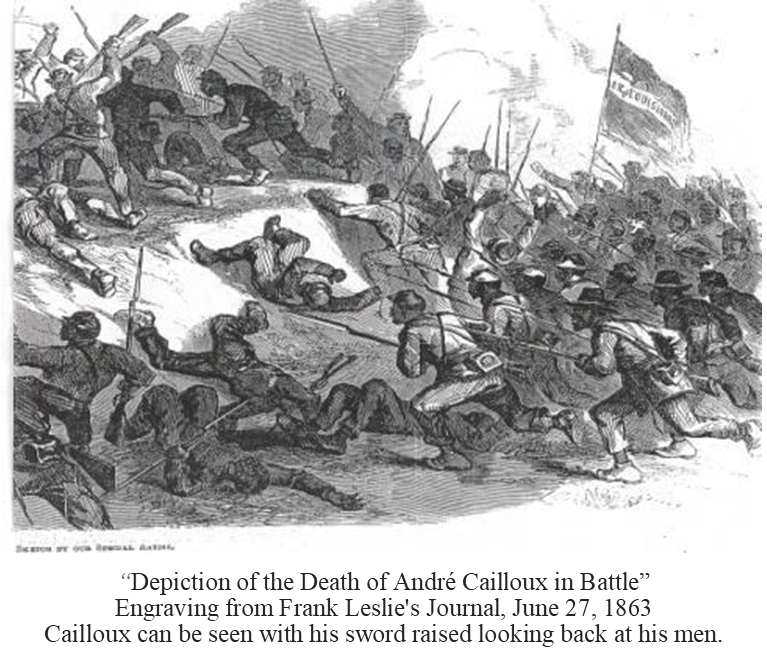
In spring 1863, despite all the efforts to eliminate the Black troops, CPT Cailloux remained at the head of his company, yearning for an opportunity to demonstrate his valor. In May, that opportunity came at Port Hudson, Louisiana. The Confederate Army had a stronghold there, stretching along the Mississippi River northward to Vicksburg, Mississippi. On the morning of May 27, the First and Third Regiment of the Native Guard — each about 540 men strong — were tasked with spearheading an assault. It was practically a suicide mission, poorly planned by General Banks, lacking serious concern for the lives of these men. Cailloux led 100 men on the assault with his sword raised high. Even after being shot in the arm, deeming it useless as it dangled from his body, he continued to lead, shouting encouragement to his men in English and French until he succumbed to a second shot.
Confederate General Gardner asked for a truce to allow the Union recovery of the bodies of the Native Guard slain troops, but General Banks responded, “I have no casualties in that area.” Therefore, Cailloux’s body laid in the hot sun for 40 days until the Confederate surrender on July 8, 1863. When recovered, he was identifiable solely by a “Friends of the Order” ring he wore.
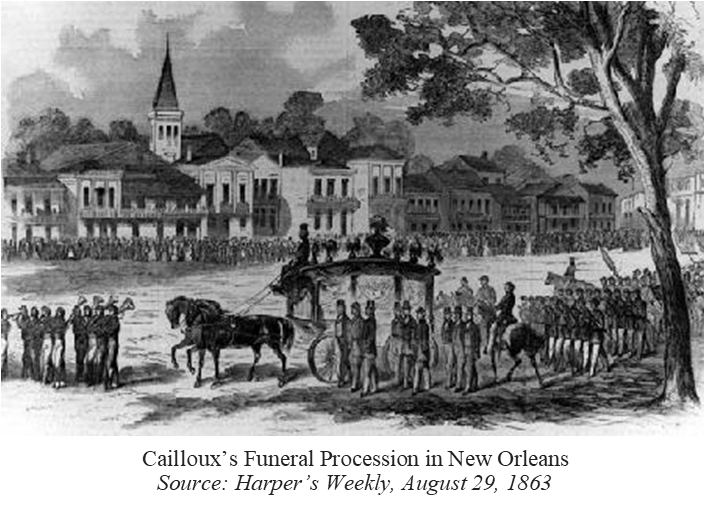
When Captain André Cailloux’s body was returned to New Orleans for a Catholic burial, Archbishop Odin forbid Catholics, under the pain of mortal sin, to attend the funeral or any Catholic service honoring him. Despite the threat, Fr. Maistre presided over a Catholic funeral Mass attended by crowds of Black Catholics, free and enslaved. Maistre eulogized Cailloux as a martyr for the cause of freedom and reports of the funeral were covered by newspapers throughout the North. Cailloux was laid to rest in St. Louis Cemetery #2, interred with full military honors.
| |
| | | On January 14, 1864, General Banks, attempting to appease the white citizens of New Orleans, used military enforcement to restore control of St. Rose of Lima to the archbishop. Maistre had sensed this coming and had already started the construction of a new church, Holy Name of Jesus, to continue his ministry. Though committed to his ministry, Fr. Maistre did continue to attempt to repair the schism. Archbishop Odin refused to end the impasses short of Maistre’s expulsion. The standoff only ended in 1870 when Odin passed and was replaced with a new archbishop. By that time, Fr. Maistre was happy with the progress that had been made: Slavery had ended, Blacks had been granted both citizenship and suffrage in 1868, and Straight University was opened in New Orleans to educate Blacks who were freed. Fr. Maistre’s mission to spur the Church to greater inclusion and advocacy on behalf of Blacks was making some progress. He closed the doors to Holy Name of Jesus and spent the remaining years of his life at St. Lawrence Parish in Chacahoula, Louisiana. When he passed in January 1875, he was laid to rest in the same cemetery as Captain André Cailloux, a place normally designated only for Blacks.
| | |
In October 1864, the National Negro Convention, presided by Frederick Douglass, met in Syracuse, NY, where they honored Cailloux by taking up his standard. Cailloux’s legacy continued to inspire those fighting for equality and civil rights in the twentieth century. In 1957, at the height of the crisis over the desegregation in Little Rock, Civil Rights leader and historian, Marcus Christian, invoked the memory of Andre Cailloux to inspire perseverance in the face of relentless opposition. Captain Cailloux, at the cost of his life, inspired a fight for equality that has continued — A fight for all God’s people to be seen and treated with dignity. As Catholics, it is important to know our history and to celebrate the heroes like Cailloux and Maistre who came before us.
In paragraph 176 of Pope Leo’s recently released encyclical, Magnifica Humanitas, he writes, “It was only in the nineteenth century that a formal, absolute and universal condemnation of slavery was clearly articulated, notably under Pope Leo XIII. This development offers a clear example of the Church’s growth in understanding the perennial truths of Revelation that she safeguards. Although there was not always consistency in practice — given that slavery was long tolerated before being unequivocally condemned — there has been a continuous affirmation throughout history of the dignity of every human being, created in the image of God, even if it took eighteen centuries for its full incompatibility with slavery to be explicitly recognized. This constitutes a wound in Christian memory, one from which we cannot consider ourselves detached.”
Fr. Bryan Massingale, professor of theological and social ethics at Fordham University recently commented in response, “We cannot get beyond our racial, tragic past without a confrontation with our history. We can't get over something that we've never acknowledged.” This summer as we celebrate America’s 250th, remember that there is challenging history that we need to know and teach. A great way to begin this journey is by joining us for a celebration of Juneteenth, sponsored by SJN’s Racial Justice Ministry, on Friday, June 12 from 5-8 p.m. in the Brown-McCarthy Auditorium. There will be a dinner honoring Juneteenth tradition, activities for kids, door prizes, education, and an amazing speaker, Sophia A. Banks, author of the recently published book, “Redefining America.” We hope you will join us and continue to be inspired by history and Catholics like Captain Cailloux and Fr. Claude Maistre, who dedicated their lives to equal rights and human dignity.
| | |
The Sending of Isaiah: In the year King Uzziah died, I saw the Lord seated on a high and lofty throne, with the train of his garment filling the temple. Seraphim were stationed about; each of them had six wings: with two they covered their faces, with two they covered their feet, and two they hovered. On cried out to the other: “Holy, holy, holy is the Lord of hosts! All the earth is filled with his glory!" At the sound of that cry, the frame of the door shook and the house was filled with smoke. Than I said, “Woe is me, I am doomed! For I am a man of unclean lips, living among a people of unclean lips, and my eyes have seen the King, the Lord of hosts!” Then one of the seraphim flew to me, holding an ember which he had taken with tongs from the altar. He touched my mouth with it. “See,” he said, “now that this has touched your lips, your wickedness is removed, your sin purged.” Then I heard the voice of the Lord saying, “Whom shall I send? Who will go for us?”
“Here I am,” I said; “send me!” (Isaiah 6:1-8)
| | |
Many characters in the Bible who seem the most unlikely for ministry become the greatest proclaimers of God’s Word. For instance, St. Paul, a Pharisee who persecuted God’s chosen people, became one of the most prolific writers of the New Testament. St. Peter and countless other saints are prime examples of people ill equipped to lead others in faith who, upon discovering Christ’s love, achieve greatness through evangelization. The Old Testament has many similar misfit characters called by God to great things, such as Noah, Moses, and many of the prophets, including Isaiah. What makes Isaiah’s story unique is the manner in which he was called to serve: in the context of liturgy.
Catholic liturgy presents an invitation to renewal. Going to Mass, one enters God’s house singing songs of praise, repents for sins, and is healed through forgiveness much like Isaiah is in the above passage. The assembly hears the Word proclaimed and responds by singing psalms and acclamations that directly and intentionally correspond with what they have heard. The most renewing aspect of Mass is found in the liturgy of the Eucharist. The assembled remember Jesus’ death and resurrection as well as those who have come before marked with the sign of faith, celebrates the Paschal sacrifice in conjunction with all Masses scattered across space and time, and anticipates the second coming of Christ. Mass should feel like an organic and obvious spiritual renewal that sends the community out to be people of God in daily living outside of the church.
Regrettably, for many Catholics, Mass lacks the sense of renewal. If one’s attitude is to come to church and sit passively through Mass just to get our weekly communion wafer, spiritual transformation rarely take place. One document from Second Vatican Council, Musicam Sacram, written on 5 March 1967, states: “The faithful fulfill their liturgical role by making that full, conscious and active participation which is demanded by the nature of the liturgy itself and which is, by reason of baptism, the right and duty of the Christian people.” The council describes how one’s inner spirituality is transformed via external, communal artistic expression in the church through music. One not engaging in the prayers, responses, and songs of liturgy misses opportunities for spiritual fulfillment.
| | |
For tens of thousands of years, humans have relied on music as a tool for social bonding and spirituality (“Earliest Music Instruments Found,” BBC, 25 May 2012). It is common knowledge that music engages the whole brain, not just the right side or left side in isolation. When people breathe together and sing and move musically, there is a higher likelihood for spiritual experience (“The Power of Ritual,” Casper ter Kuile, 2018). Singing texts also reinforces the meanings of words; this concept is best illustrated in music education as young children learn language by singing. The Second Vatican Council recognized these phenomena while acknowledging its rich musical history of chant and renaissance polyphony in the 1960s by introducing communal singing of hymns and Mass parts to the Church.
When it comes to singing in church, Isaiah might be a relatable character for us. When Isaiah goes to the temple, he feels uncomfortable, unworthy, and simply out of place. Sometimes, Mass goers o feel this way, especially around singing. It is normal to feel self-conscious about one’s voice, musical ability, and the fear of standing out. Often, members of the assembly don’t feel like singing maybe due to insufficient caffeination before Sunday morning Mass or maybe just sloth. Furthermore, in my experience, just about every Catholic Mass also has at least one attendee who feels out of place in the Catholic Church for one reason or another, bearing sentiments of guilt, shame, or grief. In short, liturgy can feel overstimulating and overwhelming, especially when it comes to singing fully with others.
Lest one forgets, however: God is calling the most unlikely and ill-equipped of his children to be proclaimers of the Word! The USCCB publication, “Sing to the Lord: Music in Divine Worship,” states in Chapter 1, Section 14:
“Our participation in the Liturgy is challenging. Sometimes, our voices do not correspond to the convictions of our hearts. At other times, we are distracted or preoccupied by the cares of the world. Christ always invites us, however, to enter into song, to rise above our own preoccupations, and to give our entire selves to the hymn of his Paschal Sacrifice for the honor and glory of the Most Blessed Trinity.”
| | |
Liturgy is chance for us to experience great awe and wonder in a communal environment. Every liturgy is a call for God’s people to experience an inward transformation through participation. It is normal to not always feel like singing. However, God is relentlessly inviting His people again and again to participate fully in liturgy to experience inward transformation and to be sent out into the world as people of faith. For those trying to find God’s voice in their lives, know that God is first seeking your voice with infinitely more fervor and love.
Catholics are called to be witnesses just as Isaiah was. Before one witnesses to others outside the walls of the church, one is called to be witnesses in the house of God. The celebration of the Eucharist, central to Catholicism, demands our full participation. When asked, “Whom shall we send, and who will go for us,” one’s answer must be, “Here I am, Lord, send me.”
| | Have a relaxing and safe summer!
The next edition of the SJN Newsletter will be September 5, 2026. | | |
The Pope's Intention for
Prayer and Action for June:
For the values of sport.
Let us pray that sport be an instrument of peace, of encounter, and lead to dialogue among cultures and nations so that they promote values such as respect, solidarity, and personal growth.
| | | |
Current Mass Times
Saturday: 5 p.m.
Sunday: 7:30 a.m., 9:30 a.m., 11:30 a.m., 2 p.m. (Spanish), 5 p.m.
Monday-Friday: 9 a.m.
Watch a livestreamed or recorded Mass
Confession
Saturday: 10 a.m.-10:30 a.m. (English)
Sunday: 3 p.m.- 4 p.m. (Spanish)
| | | Elizabeth Connell Wright, Communications Director, is the editor of SJN's monthly newsletter. If you are interested in submitting an article to the newsletter or have a topic that you would love to see an article written about, please email ewright@saintjn.org. Thank you for reading our monthly newsletter! | | | | |