The STARR News: October 2023 |
|
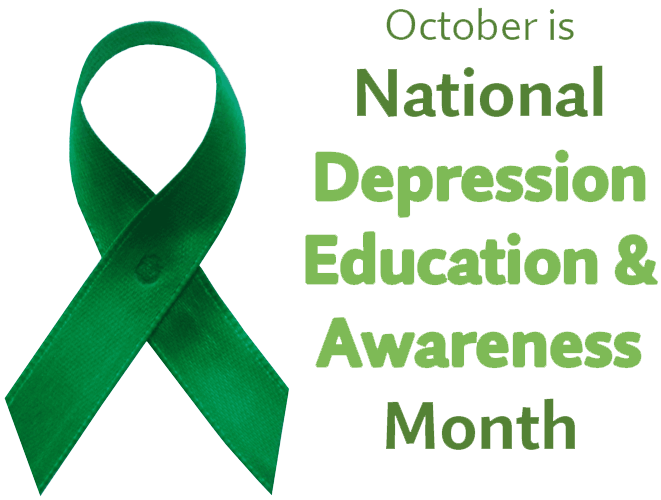
October is National Depression Education & Awareness Month, a time to spread awareness and education of the signs, symptoms, and treatment options for depression.
According to the Depression and Bipolar Support Alliance, about 14.8 million adults in the U.S. are affected by Depression, which is one of the reasons that suicide is the third leading cause of death for people ages 15-24, and those numbers are on the rise.
Depression makes its victims feel hopeless, distressed, worthless, and anxious, and, perhaps the most difficult part is that those who suffer from depression rarely see a light at the end of the tunnel. This is why it's important to get the conversation going, even if it's uncomfortable at first. It will save lives.
October isn't just Depression Awareness Month -- the entire month of October is filled with awareness events, sharing of information and education on mental health illnesses, screenings, and prevention. The following are observed throughout October:
- National Depression Education & Awareness Month
- Mental Health Screening Month
- Health Literacy Month
- ADHD Awareness Month
- Bullying Prevention Month
Observed focus weeks throughout October are:
-
Mental Illness Awareness Week (MIAW) (First week of October - see below)
-
OCD Awareness Week (Second week of October)
-
National Health Education Week (Third week of October)
|
|
Observed focus days include:
-
National Depression Screening Day (October 6)
-
World Mental Health Day (October 10)
Each year, millions of Americans face the reality of living with a mental health condition. However, mental illness affects everyone directly or indirectly through family, friends or coworkers. That is why each year, during the first week of October, advocacy groups and individuals across the country raise awareness of mental illness, fight discrimination, and provide support through Mental Illness Awareness Week (MIAW).
MIAW 2023
NAMI has developed a series of graphics for everyone to share on social media that educate and bring awareness to mental illness. Even though we are nearing the end of the week, there is still time to share some info -- check it out here.
Find more information and resources HERE and HERE. ❤
|
|
October Spotlight Podcast:
Scott Fisher, M.D.
Lead Facilitator
Segal Trials' Center for Psychedelic
and Cannabis Research
In honor of National Depression Education and Awareness Month, Mallory speaks with Dr. Scott Fisher, lead psychiatrist and facilitator at the Center for Psychedelic and Cannabis Research for October's Spotlight Podcast.
Kicking off with a brief overview of the complexities of depression and depression treatments, Dr. Fisher then goes into detail on his area of expertise: research into psilocybin-facilitated and MDMA-facilitated psychotherapy as novel tools for treating depression, anxiety, PTSD, and other disorders.
With the exponential increase in interest in psychedelics, Dr. Fisher explains the importance of the patient's mindset and the actual setting ('set and setting') on the efficacy of the therapeutic as well as on the patient's positive experience when leading the psychedelic dosing sessions. Finally, he talks about what is involved in conducting psychedelic studies -- from establishing appropriate dosing room settings, to the added regulatory considerations, to the psychedelic therapeutic expertise of the primary and support staff at the site.
Be sure to check out Dr. Fisher's podcast HERE!
|
|
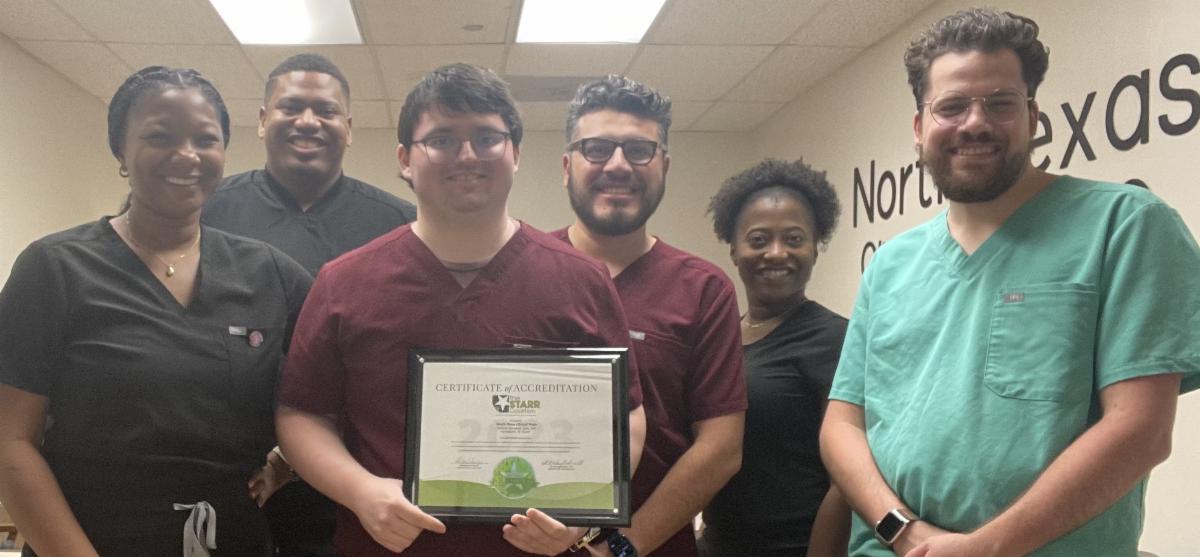
North Texas Clinical Trials (NTXCT) was proud to receive their 2023 STARR Certification plaque! NTXCT is actively engaged in the Dallas/Fort Worth community and is particularly active in the Research Ambassador program!
We are proud to have NTXCT as part of the STARR Coalition! ❤
|
|
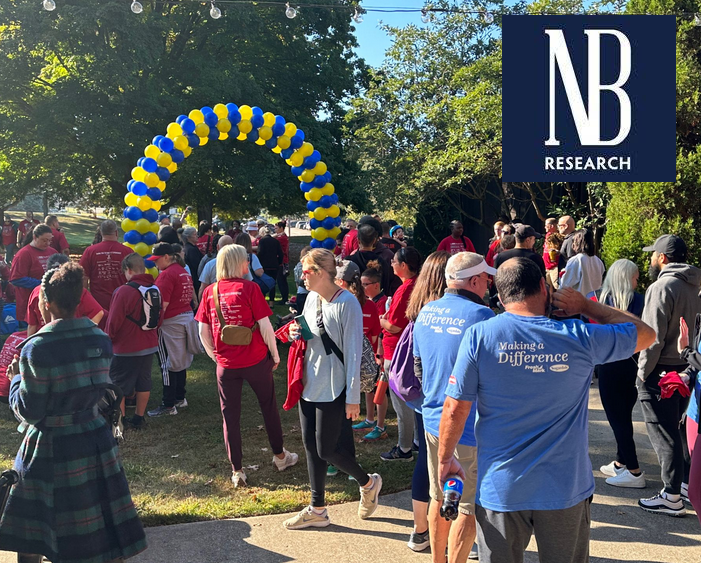
Neuro-Behavioral Clinical Research and the Ohio Center for Hope were proud to sponsor the Stark County #NAMI walk! The NAMI Stark County Annual Moving Forward for Mental Health Walk helps fund free support, education and advocacy programs offered by NAMI Stark County.
Kudos to the team at Neuro-Behavioral Clinical Research for walking the Walk!
|
|
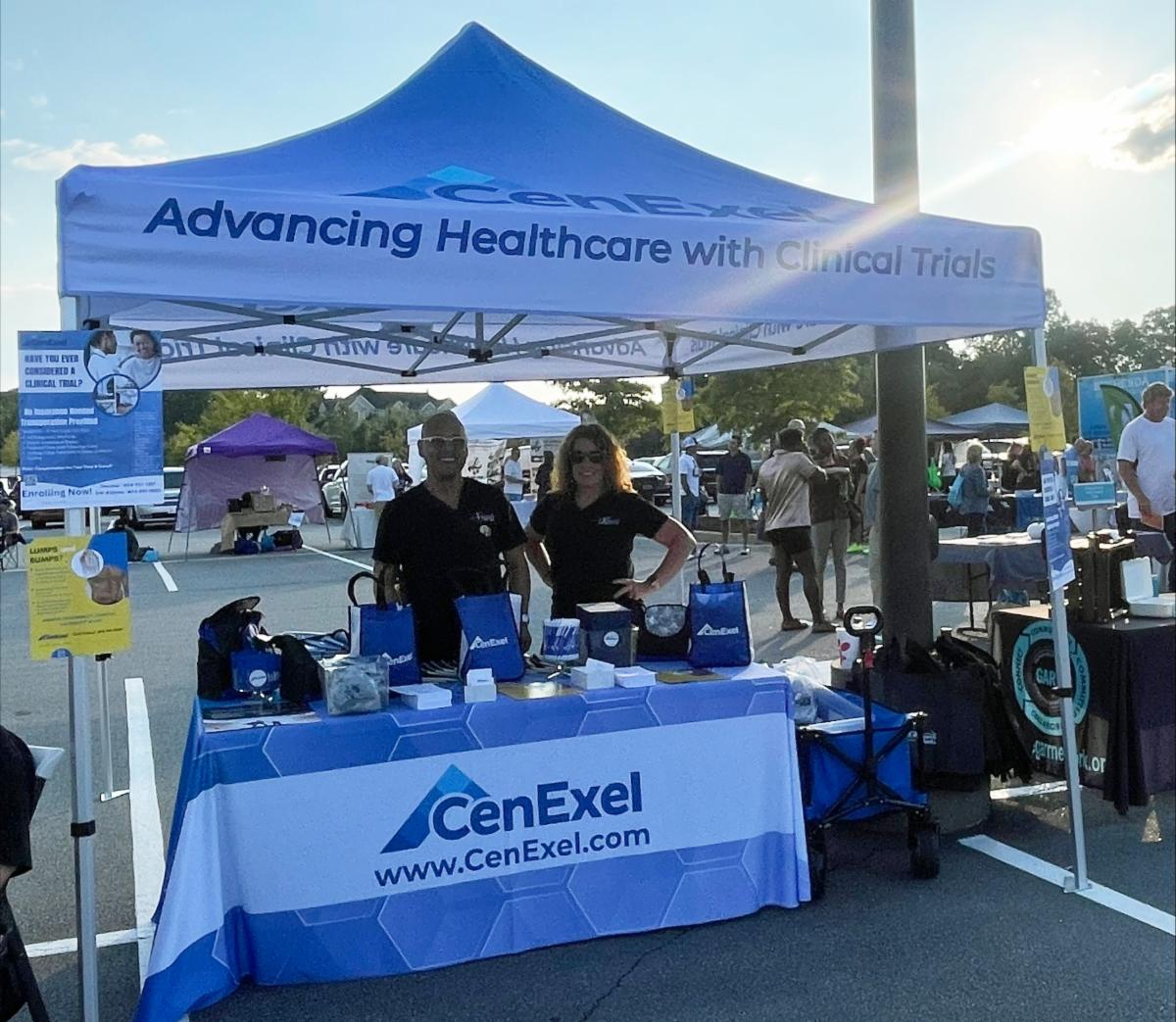
CenExel iResearch was thrilled to participate at a local “Mobilize Recovery” event in Cherokee County, Georgia in recognition of National Recovery Month. The phenomenal CenExel iResearch team connected with local recovery organizations, peer support groups, mental health advocates, and community members to offer support and education around mental health research.
|
|
Pillar Clinical Research proudly supports the American Foundation for Suicide Prevention (AFSP), which hosts Out of the Darkness Community Walks nationwide. The Out of the Darkness Community Walk is a remembrance, hope, and support journey. It unites our communities and provides an opportunity to acknowledge the ways in which suicide and mental health conditions have affected our lives and the lives of those we love and care about.
Pillar Clinical Research will be there; we hope you will be too! Learn how to support the walks in your community here.
|
|
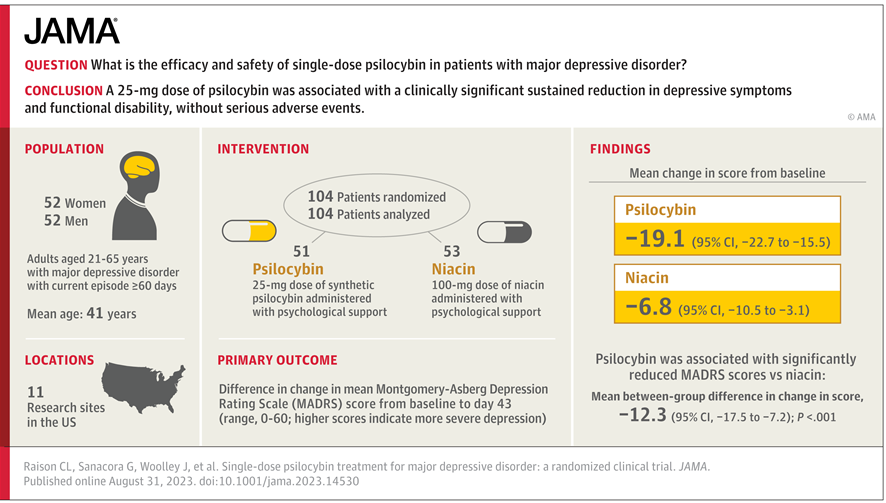
Segal Trials' Chief Scientific Officer and Medical Director, Dr. Rishi Kakar co-authored a publication in JAMA. The article, Single-Dose Psilocybin Treatment for Major Depressive DisorderA Randomized Clinical Trial, presented the findings showing Psilocybin treatment was associated with significantly reduced MADRS scores compared with niacin from baseline to day 43.
|
|
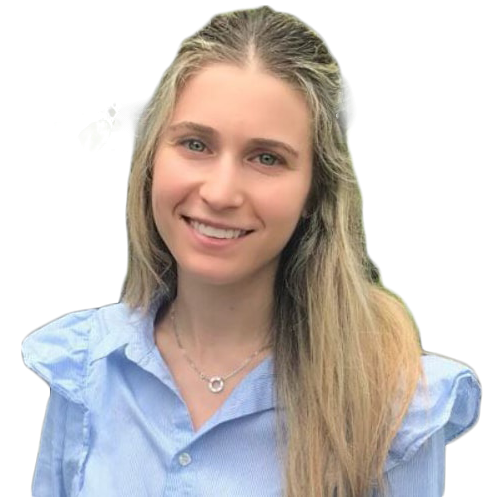
And in other Segal Trials news, Courtney Talbert, Clinical Rater Manager & Clinical Operations Analyst, has had her abstract accepted by CNS. Ms. Talbert will present her findings at the CNS Summit in Boston in November. The poster delineates the demographic differences between subjects who participate in psychedelics research studies in contrast to participants who choose other types of clinical studies.
|
|
CenExel's Chief Commercial Officer, Casey Orvin, spoke on the impact of mobile and digital technologies on sites at the Mobile Tech in Clinical Trials conference in Boston. The panel, moderated by Bert Hartog of Janssen addressed the current challenges sites are experiencing and what they need in order to help reduce the burden on investigators, coordinators, and patients. Panelists include; Joanne Monaghan, RN, CCRC, Boston Clinical Trials, Debra Weinstein, Science 37, Shafaat Ali Khan, Eli Lilly and Company, and Tyler Bye, WCG.
|
|
Advocacy Spotlight:
Depression & Bipolar Support Alliance
This Depression Awareness Month, The STARR Coalition is honoring all who live with a diagnosis of depression and the journeys they have been on to overcome their illness. One organization that has made an immeasurable impact on individuals living with depression is the Depression and Bipolar Support Alliance, or DBSA. Our friends at DBSA are integral members of The STARR Coalition and have been for many years now. The mission of DBSA is to “provide hope, help, support, and education to improve the lives of people who have mood disorders.”
|
|
We wanted to highlight not only DBSA this Depression Awareness Month, but also an individual within the organization that has lived experience with mental health struggles and triumph. Douglas Hulst, Peer Recovery Workforce Development Senior Program Manager, has lived with depression, anxiety, trauma, and substance disorder.
Throughout Douglas’ own life experiences, he has been a beacon of hope to those he interacts with. Whether he was working for youth nonprofits in the Amazon rainforest, working in corporate America, attending intensive outpatient treatment and relapse prevention, working at a Recovery Community Organization to build support groups, or working at DBSA with peer specialists, Douglas’ goal was to help improve the lives of others by candidly sharing his own experiences and ensuring that others felt supported in their own journeys.
Since being at DBSA, Douglas has assisted in piloting a Peer Specialist program to demonstrate reducing PHQ-9 depression screening scores for senior citizens working with Peer Specialists in Los Angeles. He also assisted in restarting DBSA’s Peer Specialist Training Program to create a comprehensive, skill building, 4-week experience. To be a Peer Specialist, you must have experience in mood disorders, and/or substance disorders, and/or trauma and be willing to speak about your experiences publicly to help others navigate their own journey.
Douglas said, “I feel a deep sense of obligation to share for the voices that may not be willing to share; to let them know they're not alone.” Peer Specialists are meant to stand in the care gaps, not to provide therapy services, but to support individuals in their journeys and educate them on ways to best live with their experiences. Their services are therapeutic but not therapy.
If you are interested in having Peer Training done within your organization or for yourself, you can contact Training@DBSAlliance.org. You can also visit dbsalliance.org to find a support group near you.
|
|
Mapping Psychosis Reveals The Brain’s Epicenter of Schizophrenia - The study pinpointed the hippocampus, vital for memory, as an early site for brain alterations in psychosis. The progression of psychosis, characterized by grey matter changes, seems to originate in the hippocampus, spreading through the brain’s axonal connections.
The research method was able to separate brain changes due to antipsychotic medication from those directly resulting from the illness itself.
Large-scale study confirms cognitive visuospatial game - Tetris! - effectiveness for PTSD prevention - Playing Tetris for fifteen minutes can prevent psychological trauma in mothers after a difficult birth. These are the conclusions of a large-scale study conducted at Lausanne University Hospital (CHUV) and Hôpitaux universitaires de Genève (HUG) and published in Molecular Psychiatry. The study's findings pave the way for a routine intervention to prevent the development of post-traumatic stress symptoms linked to childbirth.
Scientists developed a mouse model that carries a genetic mutation linked to an increased risk of schizophrenia. By studying the Grin2a gene, they found significant changes in gene expression, brain cell activity, and neurotransmitter signaling. This model has provided strong experimental evidence supporting the role of glutamate and dopamine in schizophrenia. The new mouse model opens doors to new therapeutic avenues and deeper insights into this debilitating mental disorder. The mouse model was designed to lack the Grin2a gene, closely mimicking a rare genetic mutation that increases the risk of schizophrenia in humans. The study provides experimental evidence that supports long-standing hypotheses: schizophrenia’s symptoms arise from altered signaling by the neurotransmitters glutamate and dopamine. This animal model’s findings also align with observed neurophysiological features in human schizophrenia patients, including abnormal brain oscillations.
Predicting PTSD: Brain Scans Unravel Trauma’s Long-term Effects - Researchers employed brain scans on 104 trauma survivors to determine which ones were more susceptible to PTSD. The finding emphasize that activation in the right inferior frontal gyrus indicates better PTSD recovery potential. Recognizing these brain patterns could spearhead effective early interventions.
Researchers identified a unique pattern of brain activity, a “biomarker,” that can detect a patent’s response to deep-brain stimulation (DBS) for treating severe depression. A team of NIH-supported scientists aimed to find a more quantitative way to measure DBS treatment success and tested a new brain-stimulating device that can also record nearby electrical activity in patients’ brains. They hoped to identify electrical activity that might serve as a biomarker of recovery. The pilot study enrolled 10 adults, from 28 to 67 years old, with treatment-resistant depression. All received DBS with the new device for six months. By the end of the study, nine of the ten patients had significant improvement in depression symptoms. Seven were in remission, or no longer depressed. With this high response rate, researchers were able to look back and examine each brain’s differing reactions to DBS over time.
Improving mental health by training the suppression of unwanted thoughts - More than a century ago, Sigmund Freud enshrined the belief that suppressing negative thoughts is maladaptive and bad. Forgetting trauma, he held, simply causes it to resurface, cropping up in our unconscious minds, lingering in our dreams, and leading to classic psychiatric symptoms like anxiety, post-traumatic stress, and depression. Was Freud wrong? A new study from Cambridge University in England challenges his wisdom. Training 120 adults from 16 countries on techniques for suppressing fearful thoughts, researchers found, rendered those thoughts less vivid and less likely to provoke anxiety. People who had the most anxiety and stress benefited the most from the training, which suggests a valid approach to improving mental health could be, as the late, great Jim Morrison sang: Learn to forget. Credit: Proto Life Dispatches
Dr. Patricia A. Areán Named New Director of NIMH’s Division of Services and Intervention Research - Patricia A. Areán, Ph.D., has been selected as the new director of the National Institute of Mental Health’s (NIMH) Division of Services and Intervention Research (DSIR). As director of DSIR, Dr. Areán leads the funding of major national scientific research programs and ensures the coordination of scientific substance, policy, and procedural issues across NIMH’s extramural intervention and services research programs. Dr. Areán comes to NIMH from the University of Washington, where she served as the director of the NIMH-funded Advanced Laboratories for Accelerating the Reach and Impact of Treatments for Youth and Adults with Mental Illness (ALACRITY) Research Center.
|
|
KarXT, a dual M1/M4 muscarinic agonist, represents the first new mechanism of action to treat schizophrenia in several decades, if approved. The submission is supported by data from three positive registrational trials demonstrating consistent and robust reductions of schizophrenia symptoms. The NDA submission is also a defining moment for Karuna Therapeutics. It represents the culmination of years of pre-clinical and clinical development, and a great deal of skill and hard work by our R&D organization.
Join us in congratulating Karuna Therapeutics and all those whose lives will be improved as we draw a step closer to access to a truly new treatment!
|
|
On Wednesday, September 20, 2023, the Congressional Neuroscience Caucus (CNC), in cooperation with the American
health ever conducted in the United States. The briefing described how scientists are researching the potentially beneficial and harmful effects of social media on adolescents’ social, education, psychological, and neurological development.
Click on the video graphic to watch the presentation OR download the report HERE.
|
|
There’s a mental health emergency in rural America: according to the latest research from the CDC, suicide rates among people living in rural areas are 64% to 68% higher compared to people living in large urban areas. Farmers and ranchers are nearly twice as likely to die by suicide compared to other occupations. Youth living in rural areas are at higher risk of suicide compared to those living in urban areas. Suicide rates are growing at a faster pace among rural youth, according to the NIH.
To help confront the rural mental health emergency, our friends at Rural Minds present this webinar, providing suicide awareness and prevention training from Becky Wiseman, LCSW-R, a mental health professional with an approach that’s relevant to people living in rural communities. Check out the full webinar HERE and please feel free to share it!
|
|
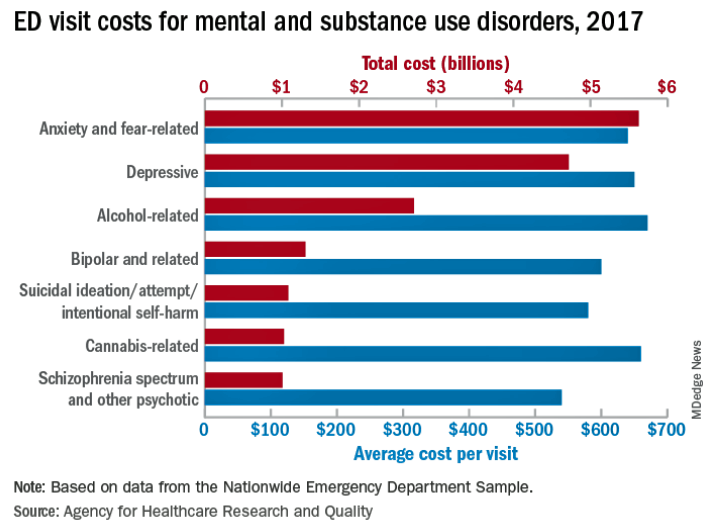
Patients experiencing a mental or behavioral health crisis account for one in eight emergency department visits in the US, with approximately 40% of those visits resulting in inpatient hospital admission. It 2017, the costs for ED services for mental or behavioral health visits cost over $5.6 billion, which represented more than 7% of the $76.3 billion total ED visit costs.
Those are staggering statistics, impacting patients, hospital staff, and taxpayers. And given that mental illness seems to be on the rise and more people are reaching out for help, new care options need to be made available. An option that is gaining traction in several states are peer-supported or peer-run mental health or respite facilities.
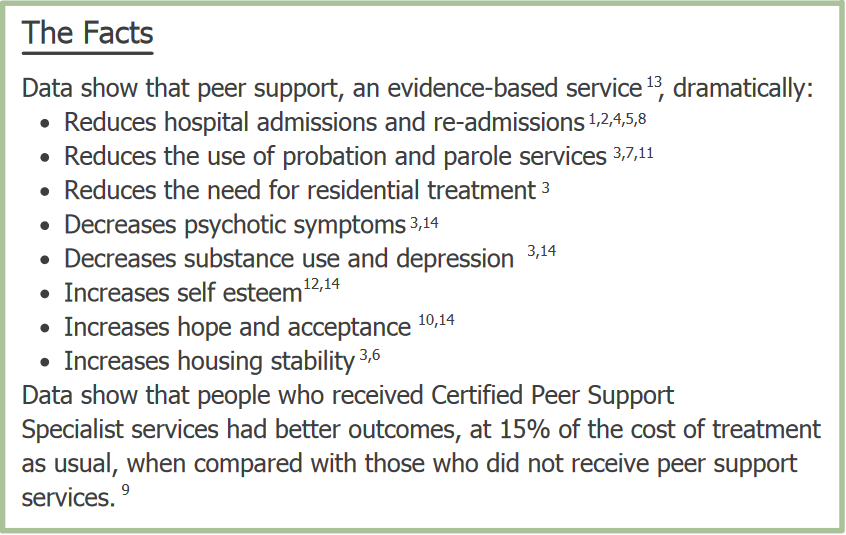
Several studies have addressed the effect of peer-provided services on hospitalizations and ED visits and have found that the use of peers was associated with reductions in hospital stays, inpatient days, or emergency services. Peer-supported residential alternatives to psychiatric hospitalization have demonstrated promising results, as have crisis respite programs staffed with peers trained in intentional peer support.
Peer respite facilities have been cropping up nationwide over the past 20 years, offering short-term, homelike, nurturing environments for people who are experiencing a mental health crisis but don't necessarily need immediate medical attention. At respites, patients are treated like guests, proponents say, and can feel heard and keep their dignity without having to relinquish their clothes and other belongings. A 2015 study published online in the journal Psychiatric Services found that people who sought respite were 70% less likely to use inpatient emergency services than non-respite users.
Another study showed that in the first year following crisis respite services, clients experienced fewer hospitalizations and had lower total Medicaid expenditures compared with individuals with similar characteristics who received inpatient treatment for a psychiatric crisis during the same time period.
Other studies have shown that peer services can reduce client depression and increase hope compared with typical care. They also have shown that peer supports increase rates of engagement in care. This particular study extends that literature by using a well-matched comparison group and rigorous methods to quantify the potential impact of peer-staffed crisis respite services on hospitalizations and total Medicaid
expenditures.
As more data is compiled supporting peer services, peer respites and support services are proving to be an excellent alternative to emergency visits and/or hospitalization for individuals experiencing mental or behavioral health crises.
References:
|
|
An update from our friends at the ABC:
On Saturday, Congress approved a continuing resolution (CR) to ensure the government’s continued operation until November 17. In a change of course, Speaker Kevin McCarthy (R-CA) brought this “clean” CR to the House floor on Saturday afternoon before the end of the fiscal year—averting an expected government shutdown. The House passed the CR by a bipartisan vote of 335-91 with 90 Republicans voting against the measure. The Senate went on to pass the CR by a bipartisan vote of 88-9 and it was signed by the President late Saturday. The CR funds federal programs, including NIH research and other health programs, at current levels and did not gain the support of conservative members who were calling for up to 30% cuts to discretionary programs. The passing of this CR also averted potential cuts to Community Health Centers and safety-net hospitals, whose authorization was set to expire as well.
Looking ahead, Congress will need to reach a comprehensive funding agreement or enact another CR before funding expires on November 17. While a government shutdown was averted this time, one is still possible in the coming months. The House majority is committed to voting on individual appropriations bills, but it remains uncertain whether the Labor, HHS, and Education (LHHS) or Commerce, Justice, and Science (CJS) bills will be addressed before the new deadline. The Senate may move its own appropriations package(s) to the floor as well. Notably, border security and funding for Ukraine, which were not included in the CR, continue to be major points of contention between the two parties. Also, Republican leadership may be in flux as McCarthy faces calls for his removal as Speaker as a result of his move to pass the CR with Democratic support.
|
|
The Site Solutions Summit is being held October 6-8, 2023 in Hollywood, Florida. Organized by the Society for Clinical Research Site (SCRS), the Site Solutions Summit provides a unique hub where sites, sponsors, CRO executives, and regulators come together to discuss best practices and ideas while developing strategic partnerships through ideation sessions, workshops, and focus groups. Learn more here.
|
|
The 2023 Mental Health Services Conference, October 12-14, in Washington, D.C., brings together everyone caring for those with mental illness, including psychiatrists, nurse practitioners, primary care physicians, social workers, and more, to collaborate on practical advice to influence systems-level change for their patients. Learn more here.
6th Edition of International Conference on Neurology and Brain Disorders Conference (INBC2023) will be held in Boston, October 19-21, 2023. More information here.
|
|
|
|
People USA invites you to their Annual Breakfast featuring a
networking breakfast, awards ceremony, and live theater: "Shifting the Paradigm of Behavior Health Response"
along with an open discussion with community providers on Thursday, October 26th.
This event is open to all.
|
|
The 2023 Global Mental Health Research Without Borders Conference brings together researchers, innovators, and other scholars from around the globe to highlight findings from cutting-edge science and explore new opportunities for groundbreaking research. Join in person Oct 30th through Nov 1st at the NIH Campus, Natcher Auditorium, Bethesda, Maryland. Learn more here.
|
|
CNS Summit 2023 will be held Nov 8-11 at the Encore Boston Harbor. The CNS Summit brings together a curated group of decision makers from pharma, biotech, CROs, investigator sites, patient advocacy groups, investors and other stakeholders. Click here for more information and to register.
|
|
Wonderland 2023, held Nov. 9-11 in Miami, Fl, is an immersive event that unites industry leaders, groundbreaking researchers, and passionate enthusiasts to discover the untapped potential of psychedelic medicine, longevity, and mental health. Join thousands of attendees as we unlock the secrets to a brighter future. For more information at to register, click here!
|
|
The American Brain Coalition (ABC) is hosting their Annual Membership Meeting on Nov. 13th, from 2pm to 4pm at the Westin Washington DC Downtown Hotel. The ABC is a nonprofit organization comprised of the United States’ leading professional neurological, psychological, and psychiatric associations and patient organizations. Together, we seek to advance the understanding of the functions of the brain, and to reduce the burden of brain disorders through public education and advocacy. On behalf of all who live with neurological and psychiatric disorders, we invite organizations that share our concerns and goals to join us at our Annual Membership Meeting. Learn more here.
|
|
Psychiatry Update Winter 2023, held Dec. 3-5 in Las Vegas, will explore the latest advances in the treatment and management of psychiatric disorders, as well as new developments in this field. The 2.5 day meeting provides sessions on the most up-to-date, clinically relevant information for the treatment of Major Depressive Disorder, ADHD, Schizophrenia, and Bipolar Disorder, along with interactive presentations, and networking opportunities. Learn more here.
Submit your abstract to present at BIO International Convention 2024. Their Call for Sessions platform is now open, so this is the perfect time to start thinking about your areas of expertise and how to share your unique insights at our industry's largest event. Learn more. The deadline to submit is October 20th.
|
|
Cutting Peer Support will Cost More Money than it will Save |
|
The National Association of State Mental Health Program Directors (NASMHPD), a member organization representing state executives responsible for the public mental health service delivery system, works with state and federal partners, and other stakeholders to promote wellness, recovery, and resiliency for individuals with mental health conditions or co-occurring mental health and substance related disorders across all ages and cultural groups, including: youth, older persons, veterans and their families, and people under the jurisdiction of the court. |
|
NASMHPD has always prioritized the need for expertise and guidance from those with lived-experience. They continue to ensure that the voices of those with lived-experience are promoted, heard, and considered in policy, planning and practice development.
Part of this includes advocating for Peer Support Workers and Specialists.
It is with this in mind that the NASMHPD produced a brochure on the financial impacts of peer support.
|
|
Thank you for reading!
If you have questions, comments, or would like to submit an item to be included in an upcoming newsletter, please email erica@thestarr.org.
|
|
The STARR Coalition is a 501(c)(3) nonprofit organization, our Tax ID # is 47-4634007.
|
|
Everything The STARR Coalition does comes from our stakeholders looking to make positive change.
The STARR Coalition | phone: 501-725-8890 | www.thestarr.org
|
|
SHARE, CARE, AND BE KIND. |
|
|
|
|
|
|