We may not be doing much traveling in the era of COVID-19, but our food is. Something that may not cross your mind when looking for the freshest produce is where it comes from. “Food Miles” is a term coined in the early 1990s in the UK by Professor Tim Lang. Food Miles have always existed but are just coming to light for the average person. Here’s everything you need to know about them.
Food Miles are defined as the distance between where the food is grown or made and where it is consumed. Why are Food Miles such a problem? Transportation of food over long distances creates massive amounts of CO2 from all the vehicles involved, including ships, trucks, trains, and even planes. Food Miles are also a "CO2 black hole” in that they create CO2 but don’t do anything to offset it, increasing greenhouse gas emissions. Food in chain grocery stores such as Safeway typically comes from all over the world. Even if a food says “Freshly Prepared in Store” or “Cut Fresh Daily,” it’s usually not from local farmers or butchers. A manipulative tactic many stores use is giving you the impression that you're buying local when it actually comes from up to 1500 miles away! Some deceptive phrases to watch for are: “Prepared in-store,” “Fresh Daily,” and similar phrases.
Where are the items in my cart coming from?
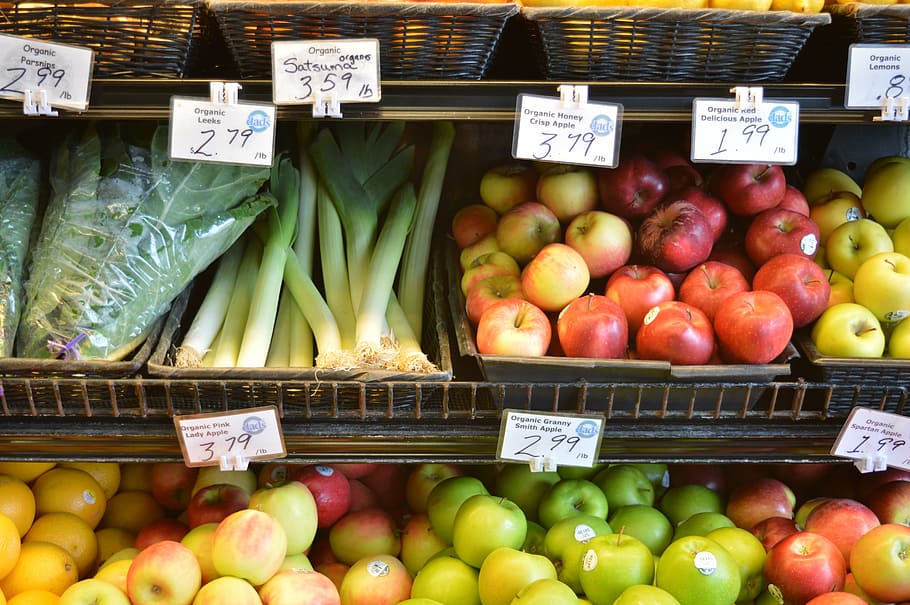
Some staple foods in the U.S. are apples, yogurt, eggs, milk, beef, chicken, and prepared/processed foods (cereals, frozen pizza, etc). Apples consumed in California can come from approximately 668 to 6,687 miles away...