News and information to help journalists serve the public and stay safe.
|
|
When community leaders appealed to The Philadelphia Inquirer last week
to change how it covered the city’s diverse population
, they proposed an advisory board to help develop crime coverage policies, including ways for people named in crime stories to have the stories removed from the Inquirer website.
The idea — often called
the right to be forgotten
— has been part of a larger debate over how false, dated or damaging information can be removed from search engines. As newsrooms look inward and re-examine their coverage of underrepresented communities, the fact that a minor long-ago crime is just a Google search away is now being seen through a social justice lens.
To some news organizations, however, this is nothing new. The Cleveland Plain Dealer’s online site, Cleveland.com, has been
removing names and stories from its archives
for more than two years. Its experience could be a model for other newsrooms during this time of reckoning.
People submit requests that are reviewed by a team of Cleveland.com editors. The policy does not apply to elected officials, celebrities and public officials. Cases of corruption, sex crimes or violent crimes are not eligible for removal.
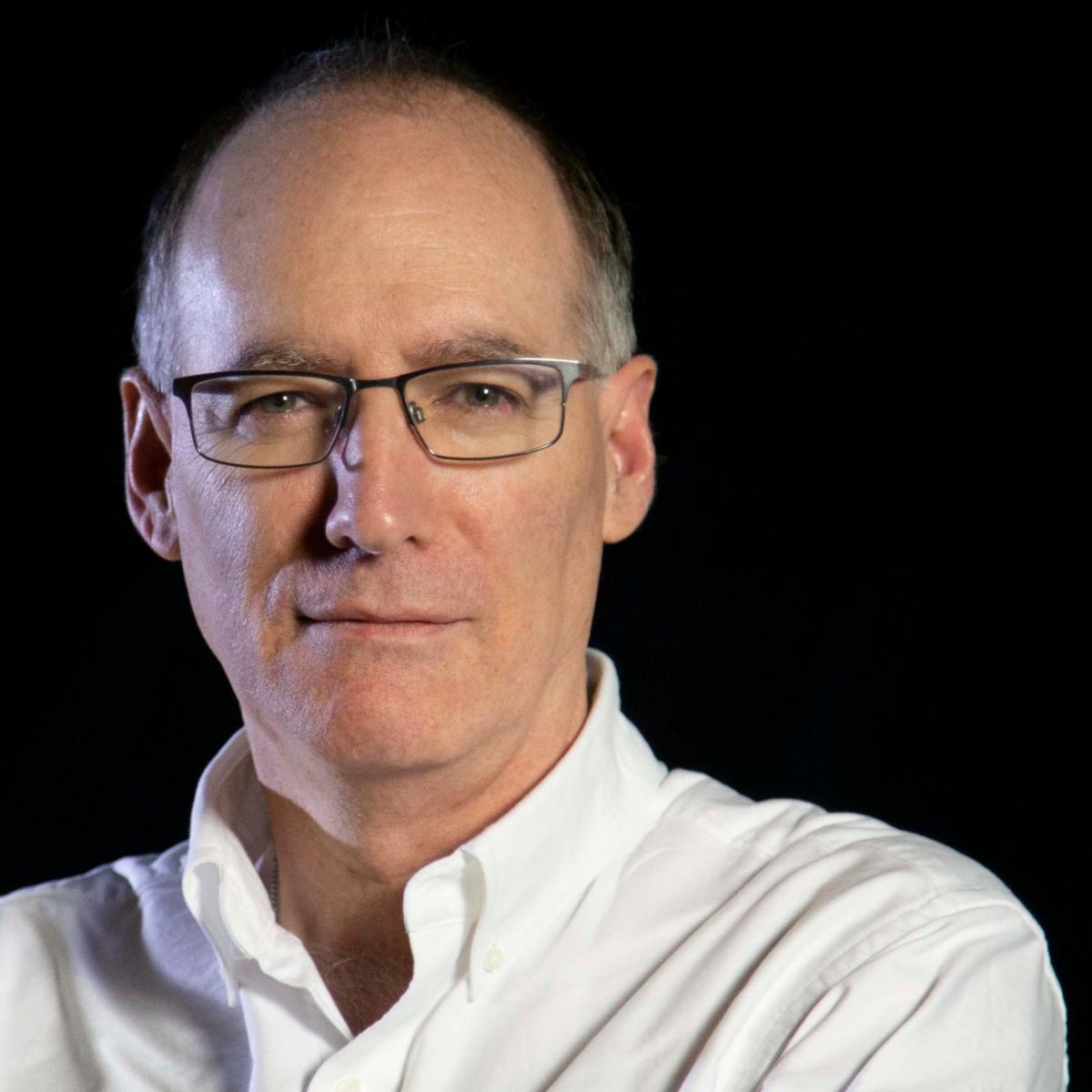
We emailed Cleveland.com/Plain Dealer editor
Chris Quinn
(pictured) to learn how the policy works and how the community has responded to it.
What prompted this policy?
Quinn
: We started this a few years ago after debating it in our newsroom for two or three years. We did it because of the increasing number of people who sent us notes saying they had made mistakes, atoned and tried to move on, only to be hindered by our stories popping up first in internet searches. Unlike stories in print editions, which faded from view almost as soon as they appeared, our stories stayed front and center, in part because of our powerful SEO. Thus, we were the source of their suffering. The value to these people of having the pieces fall out of search engines greatly exceeded the remaining news value they had.
How many requests have you received in the past year and how many have resulted in the removal of a name or story?
Quinn
: We get anywhere from six to 15 requests a month. It has slowed down during the pandemic. We approve 70 to 80% of them. The question always comes down to, is the value of keeping the story up greater than the value to the requesting person. Usually, it's an easy answer.
|
|
|
The coronavirus pandemic has forced journalists to collect their stories from afar. Conducting an in-person interview is near impossible. On the telephone or on a video call, the ability to pay attention is crucial. Do you listen, or do you wait to ask? The National Press Club Journalism Institute has invited two of the best interviewers in journalism —
Terry Gross
and
Michael Barbaro
— for a discussion about the challenges and opportunities of interviewing now.
|
|
We reached out to
journalism schools
for their advice on how interviewees at any stage in their careers can shine remotely.
Treat video job interviews the same as you would in person
.
“
You still have to be prepared, research the company and effectively communicate how you can best fit into and contribute to the organization,” said
Michael Wong
, director of career services at the Walter Cronkite School of Journalism and Mass Communication
. “Be well groomed and bring a positive vibe to the interview.
“
Dress professionally, and practice beforehand with a friend or family member,” said
Suzanne Alcantara
, assistant dean of student affairs at USC Annenberg School for Communication and Journalism. “Smile and make eye contact, remembering that nonverbal communication is an important aspect of the interview process.”
Do your homework
. “Google the most often asked interview questions and be prepared with a succinct answer to each,” said
Lynda Kraxberger
, associate dean for undergraduate studies at the Missouri School of Journalism. “If you don’t know what to say about yourself, ask your three closest friends what makes you stand out in a professional setting.”
“Traditional advice holds true,” said
American University Professor
Jeremiah Patterson
, incoming director of the School of Communication weekend MA program in journalism and digital storytelling.
“Research the job and company, frame yourself as a solution to their employment needs.”
Think like a journalist
. “
When they ask you to tell them about yourself, don’t start with an encyclopedia entry. Instead, imagine the STORY you want them to remember,” Kraxberger said. “If you say, ‘I’m an incredibly hard worker,’ think of an example in which your hard work was significant.”
“Hiring managers want a sense of your personality, so be yourself, try to be relaxed and authentic,” said Alcantara.
Minimize distractions by finding a clean, quiet location
.
“Frame your shot and remove anything in the background or foreground that might be questionable,” said Wong.
“
Try to find a spot where the lighting is good, either by adding a table lamp or positioning yourself near a window,” said
Alison Young
, Curtis B. Hurley chair in public affairs journalism and Washington Program director at the Missouri School of Journalism. “Before the interview, put pets in another room, silence your phone. Make sure family or roommates know not to interrupt your meeting.”
Understand the technology before the interview
. “
Make sure you have a good internet connection
and enough bandwidth to avoid
technical glitches during the interview,” Wong said.
“Place the camera (laptop) at eye level, rather than looking up at your chin,” said Patterson.
“Maintain ‘eye contact’ with the camera while you're speaking — don't get distracted by the image of yourself. Know how to toggle the mute button efficiently.”
|
|
Are you a newsroom leader or manager conducting virtual job interviews during the pandemic?
Email us
to share what works — and what hasn’t —from your experience with virtual interviews.
|
|
The National Press Club Journalism Institute is spotlighting
the next generation of journalists
, students who graduated from college or Master’s programs this spring into
a challenging job market
. We hope they’ll meet future bosses and colleagues here, who will reach out and support them in building journalism’s future together.
School
:
Northwestern University
Location
:
Evanston, IL
What's been your best moment in journalism?
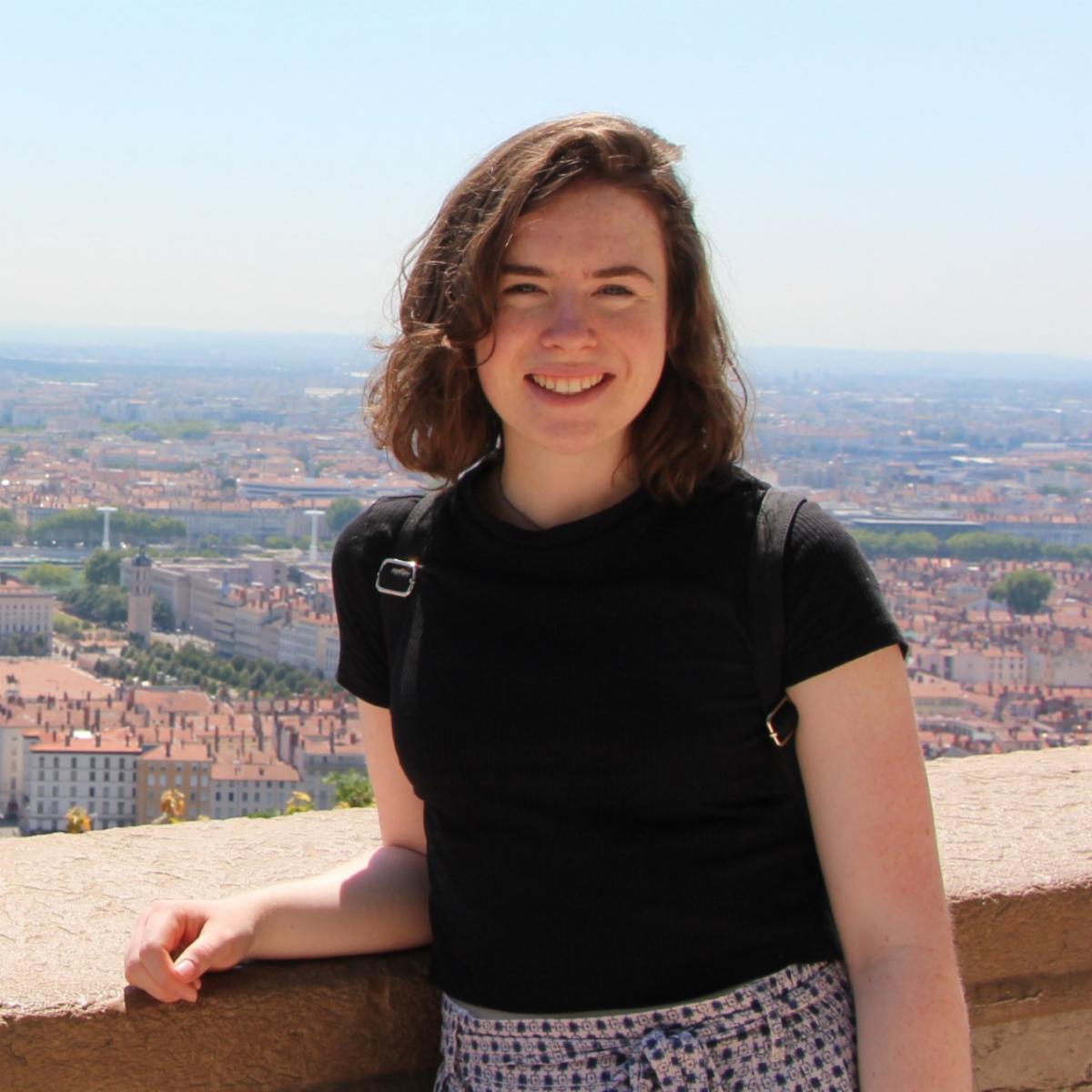
Bugos
:
During my internship at Smithsonian Magazine, a colleague and I were given press passes to attend the
National Portrait Gallery Gala
. There, I interviewed Lin-Manuel Miranda, Jeff Bezos, Frances Arnold, Amy Sherald and Earth, Wind & Fire. It was absolutely incredible to speak to these and other awardees and attendees about their work. I quickly learned, however, that just because some honored guests were happy to chat during the media hour, the cocktail hour was a whole different beast. For perhaps 20 minutes, I attempted to breach a circle of guests which included Anna Wintour, James Corden and Annie Leibovitz. My mission was terribly unsuccessful. But in a last-ditch effort to get in another word with one of the many accomplished women at the event, I tapped Gayle King on the shoulder and nervously posed a soft-ball question. Before I knew it, she was holding my hand singing "Clair" by Gilbert O'Sullivan and asking me about my own life and work. Her warmth in what was a very exciting but overwhelming setting reminded me that the most effective journalists are skilled at making strangers like me feel comfortable and heard.
What's the wackiest story you've worked on?
Bugos
:
One of my favorite stories is the one I wrote about the
last geography professor at Northwestern
. For weeks, I spent time hanging out in his office and classroom, chatting about his interests and pouring through old maps together. Now in his 53rd year of teaching, Hudson has been at the university longer than any other professor. In that time, he fought for the survival of the geography department and has been the sole professor for years.
He still works with an antiquated, boxy Dell computer and writes lecture notes on a blackboard with chalk. He knows the names of every one of his students and grades each their papers by hand. His eyes light up when asked about historical changes in the Iowan corn industry. Though he has been teaching an economic geography course for decades, he still writes out each lecture the night before.
Hudson is among the quirkiest and kindest subjects I’ve had the opportunity to profile, and it was a joy to try and bring his essence to life on the page.
|
|
|
Filing copy on deadline may be part of a journalist’s day, but filing important financial paperwork on deadline can
cause harmful stress
. So here is a friendly reminder: Federal tax filing and payment are due July 15.
Here are some tips for facing filing, if you haven’t already checked it off your list:
- Don’t put off filing any longer; it’s better to know what you owe or, even better, what you’ll be refunded.
- Break the job into smaller tasks to avoid feeling overwhelmed.
- Budget research time, especially if you’ve moved states or transitioned from a newsroom to freelance work.
- Hire a professional or use a guided software program if your situation is complicated or you want advice you can’t find from a reputable source.
- File for an extension — but don’t prolong the stress that could come with it.
|
|
This newsletter is written & edited by the National Press Club Journalism Institute staff: Beth Francesco, Holly Butcher Grant, Jim Kuhnhenn, and Julie Moos.
Send us your questions and suggestions
for topics to cover.
|
|
|
|
|
|
|