The Georgia General Assembly reconvened under the Gold Dome on Monday, March 31, 2025, for the 12th and final week of the 2025 legislative session. Throughout the week, we worked late into the evenings, voting on key measures to secure their final passage by the time the final gavel fell on Sine Die. By the end of the week, the House passed a number of bills and resolutions, several of which will now be sent to Governor Brian Kemp’s desk for him to sign into law or veto. Below, I have highlight several bills that we voted on in our final days, as well as some significant legislation that received final passage in the Georgia General Assembly. 


Following the end of the 2025 legislative session, Governor Kemp now has 40 days to either sign or veto any legislation that received final passage by the General Assembly. Depending on the bill, some will become law upon the governor’s signature, while others may take effect on a specified enactment date. Any bills not signed or vetoed within the 40-day period after Sine Die will automatically take effect in Georgia. Any House and Senate bills that did not receive final passage this session may still be eligible for consideration during next year’s legislative session.

To stay informed about the bills the governor signs into law, please click here.


School Safety & Student Well-Being


Ensuring the safety and well-being of Georgia’s students, teachers and school communities is a top priority of the Georgia House.


During the final week of the legislative session, my colleagues and I gave final passage to House Bill 268. HB 268 will enact Ricky and Alyssa’s Law, originally outlined in Senate Bill 17, which also received passage in the House during the final week with bipartisan support. SB 17 would require local school systems to implement a mobile panic alert system capable of connecting emergency services technologies. This would allow for real-time coordination between state and local first responder agencies during school security incidents. Additionally, HB 268 would require that schools procure mapping data by July 1, 2026, to be shared with state and local agencies. This would ensure that, in the event of a credible threat to a school system, all relevant agencies are included in the communication, thereby enhancing their coordinated emergency response efforts. The bill would also mandate the timely transfer of student records when a child in state custody is enrolled in a new school, requiring that all relevant educational and behavioral history be shared within five school days. This could include information like whether a student has been adjudicated for a felony or is currently serving a suspension. In addition to improving school safety, HB 268 would address mental health concerns and student discipline. It would require that all schools serving students in grades six through 12 provide one hour of suicide awareness and prevention training and one hour of youth violence prevention training each school year, beginning in the 2026-2027 school year. The bill would also mandate that school safety plans include provisions for addressing the behavioral health needs of both students and staff. By January 1, 2027, each safety plan would need to include a behavioral threat assessment management (BTAM) process to identify and mitigate potential threats. Furthermore, local school systems would be required to implement progressive discipline systems, which may include transitioning students to remote learning when there is a credible threat of violence. HB 268 is now headed to the governor’s desk for final approval and, if signed into law, would provide important tools and protections for our schools and communities. 


House Bill 68 - Fiscal Year (FY) 2026 Budget


The final version of HB 68 allocates funding for the upcoming fiscal year, which spans from July 1, 2025, to June 30, 2026. The FY 2026 budget, set to take effect on July 1st, is based on a revenue estimate of $37.8 billion, marking an increase of $1.6 billion—or 4.4 percent—over the original FY 2025 budget. Highlights of the budget include public safety, education, healthcare, the judicial system and numerous other areas of state funding, ensuring that the state’s resources are allocated to meet the evolving needs of its citizens. HB 68 now awaits the governor’s signature, enacting it into law. For more information on the highlights of the FY 2026 budget, please visit here.


Additional Legislation Headed to Governor Kemp For Review & Signature:


  • Senate Bill 5 - Outlines requirements for insurers regarding prior authorization programs, mandating that they lower prior authorization requirements for high-performing providers.
  • Senate Bill 170 - Creates a grant program to acquire and install backup generators for certain rural hospitals.
  • Senate Bill 131 - Mirrors a previously passed measure – House Bill 612 - and adds the insurance commissioner to the Behavioral Health Coordinating Council and establishes a parity compliance review panel within the council.
  • Senate Bill 101 - Requires that certain health benefits policies renewed on or after January 1, 2026, include coverage for medically necessary orthotic and prosthetic devices.
  • House Bill 307 - Amends the Georgia Early Literacy Act to include dyslexia, renaming it the Georgia Early Literacy and Dyslexia Act.
  • House Bill 216 - Named in memory of former State Representative and House Rules Chairman Richard Smith, establishes the Richard H. Smith Georgia CHIPS Advancement in Research and Development Act and would create funds to provide grants and loans to attract semiconductor companies to Georgia, as well as support workforce education and training in high-demand semiconductor and microelectronics careers.
  • House Bill 266 - Supports Georgia’s military veterans, by increasing the income exclusion for military retirement benefits to $65,000 for retired military members under the age of 65.
  •  House Bill 136 - Allows parents of children age five and under to claim a $250 state income tax credit, which would expand the state income tax credit for child care expenses. 

Study Committees


As we head into the interim, the time between legislative sessions, my colleagues and I will begin the study committee process later this year. These committees will take a deep dive into specific issues currently impacting Georgia, with the goal of gathering valuable insights that will help shape the legislation we introduce during next year’s session. The following study committees were approved this session: 


  • House Study Committee on Reinsurance for Essential Industries, created by House Resolution 40
  • House Study Committee on Cancer Access, created by House Resolution 72
  • House Study Committee on the Costs and Effects of Smoking, created by House Resolution 304
  • House Study Committee on Funding for Next Generation 9-1-1, created by House Resolution 429
  • House Study Committee on Georgia’s Investment Funds, created by House Resolution 557
  • House Study Committee on the State Board of Registration of Used Motor Dealers and Used Motor Vehicle Parts Dealers, created by House Resolution 558
  • House Study Committee on Abandoned Child Placement Following Hospital Discharge, created by House Resolution 611
  • House Study Committee on Student Attendance in Pre-K-12 Education, created by House Resolution 711
  • House Study Committee on Improving Access to Internal Medicine in Rural Areas, created by House Resolution 753
  • House Study Committee on Evaluating Funding for Public Health, created by House Resolution 847
  • House Study Committee on Election Procedures, created by House Resolution 885
  • House Study Committee on Reducing and Prioritizing Mandates for Public School Administration, created by House Resolution 887.

The Georgia General Assembly passed and Governor Brian Kemp signed into law - the "Georgia Religious Freedom Restoration Act". Click here to see my comments on SB 36 from the House Floor.

Visitors at The Capitol!!

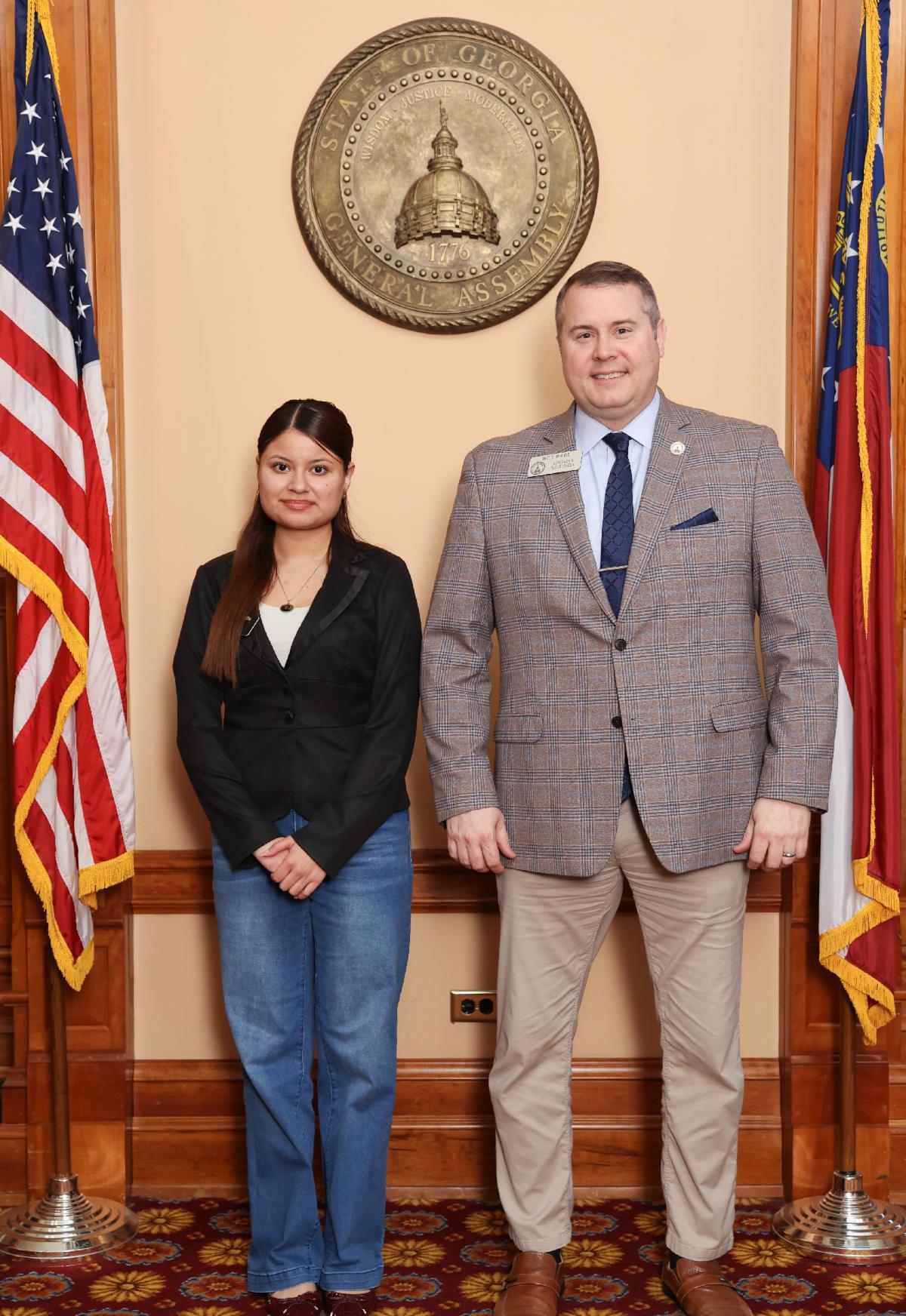
Rep.Will Wade pictured with Nahomy Limon, Legislative Intern for the House Floor Leader's Office.

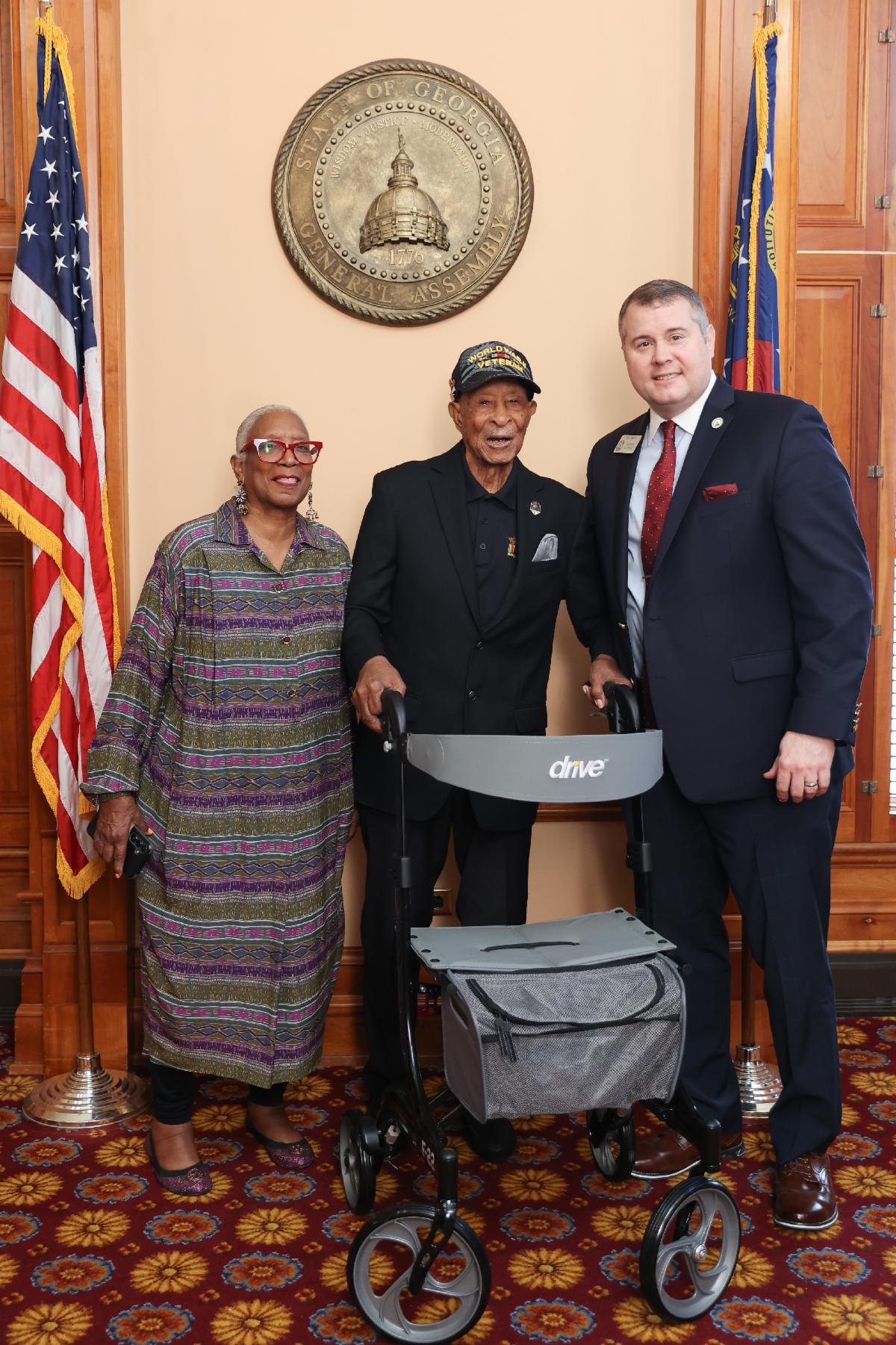
Rep. Will Wade pictured with Mr. James L. Davis. Mr. Davis turned 102 years old on March 31, 2025 and he is also a WWII Veteran.

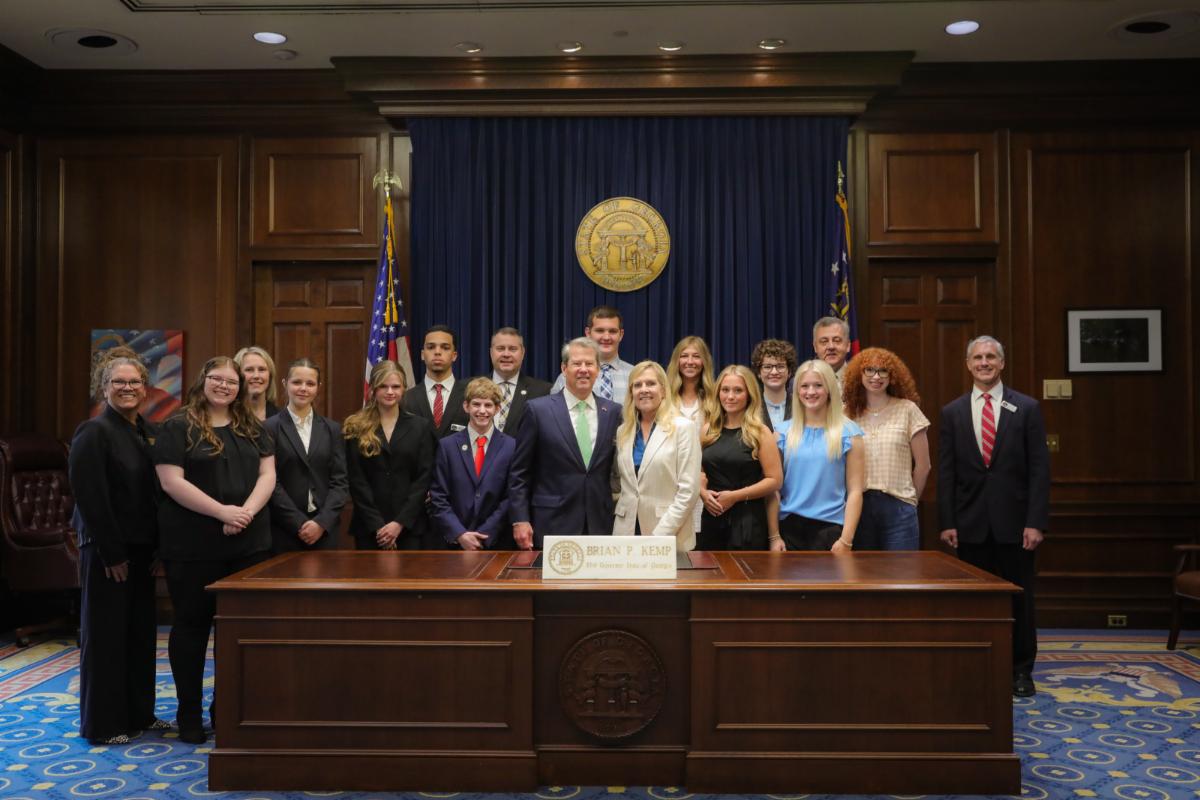
Rep. Will Wade pictured with the Dahlonega-Lumpkin Chamber Youth Leadership Class of 2026. The group met with Governor Brian Kemp and First Lady Marty Kemp at the State Capitol.

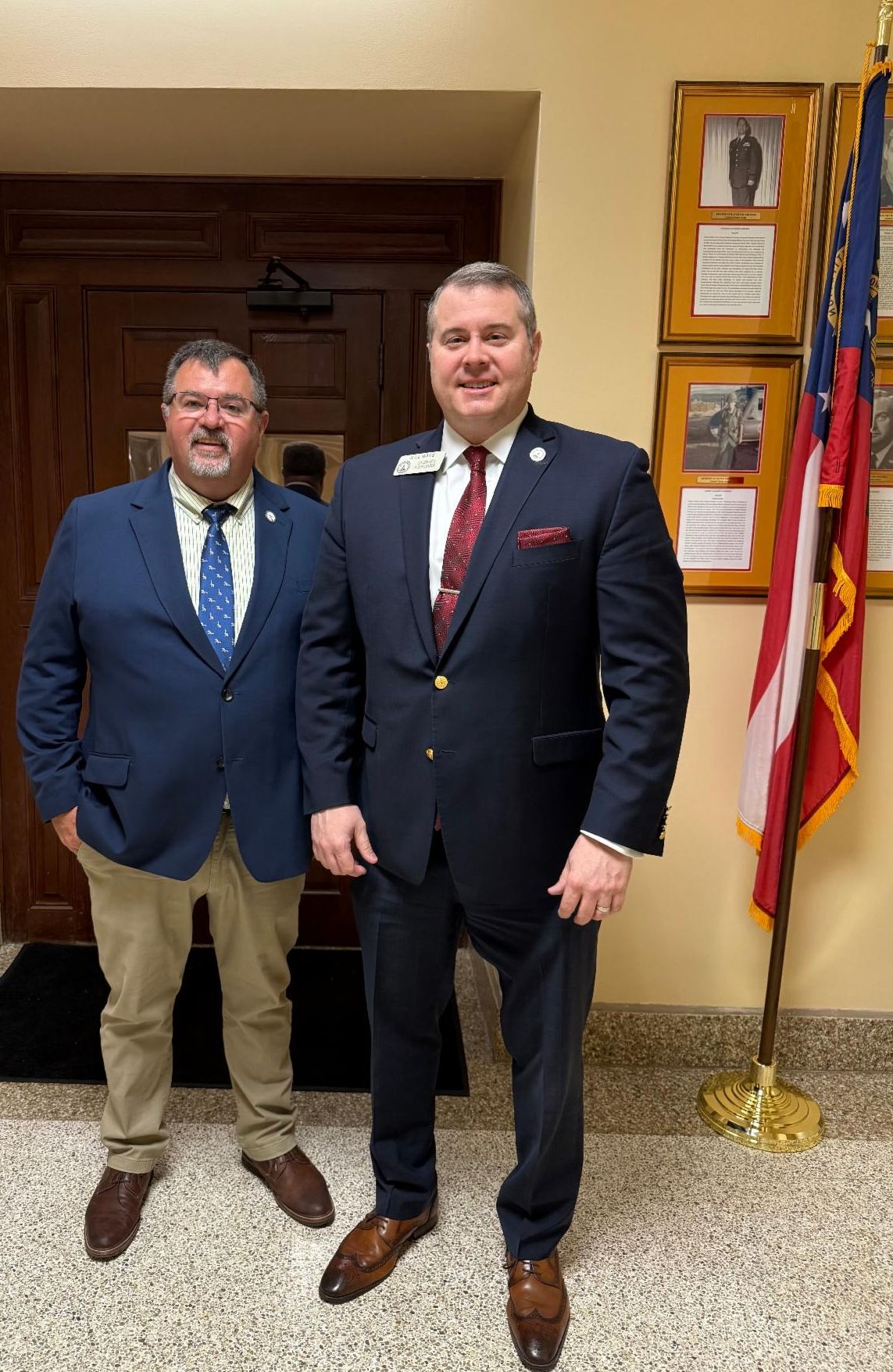
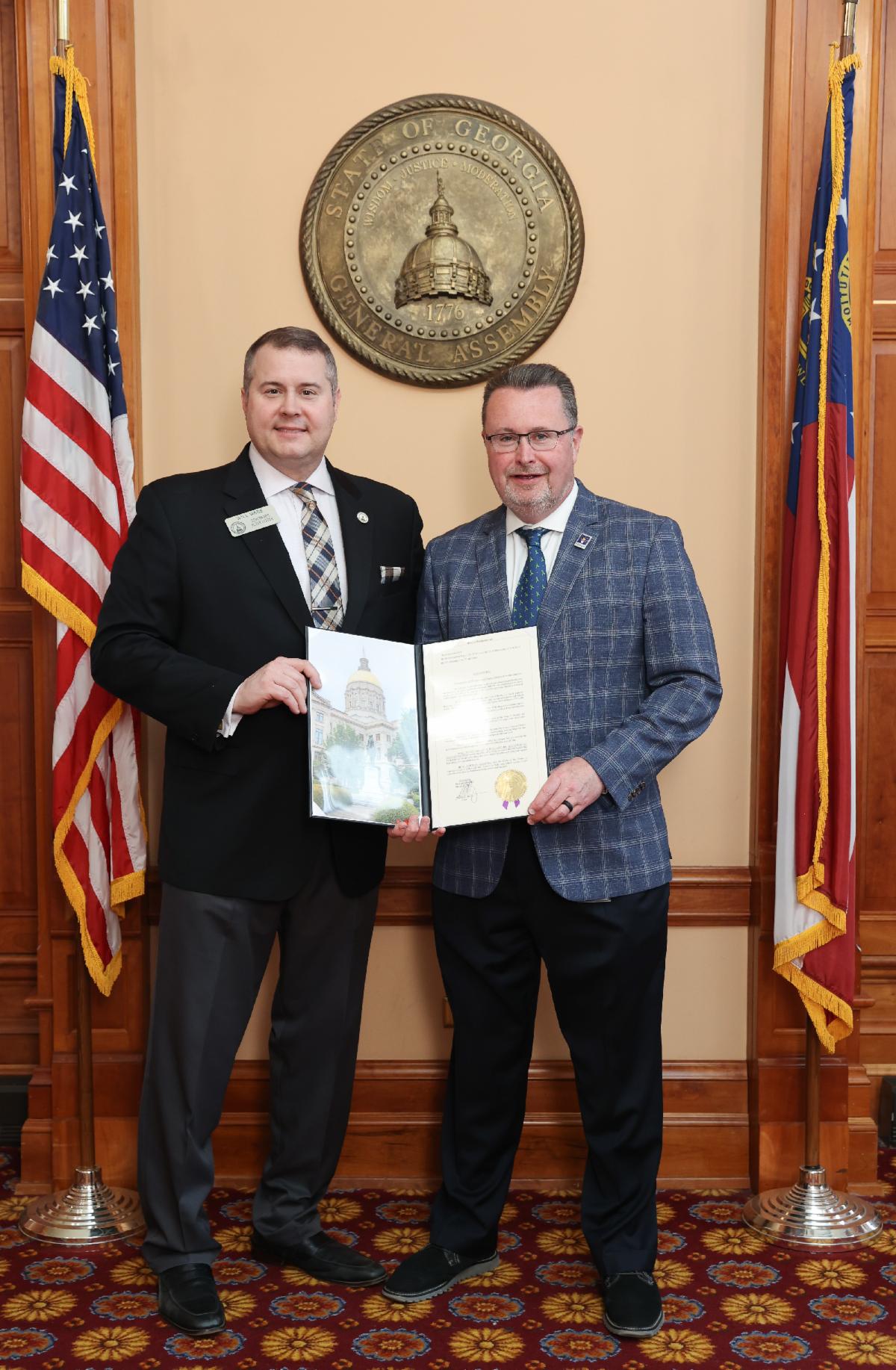
Rep. Will Wade pictured with Lumpkin County Commissioner Chris Dockery.

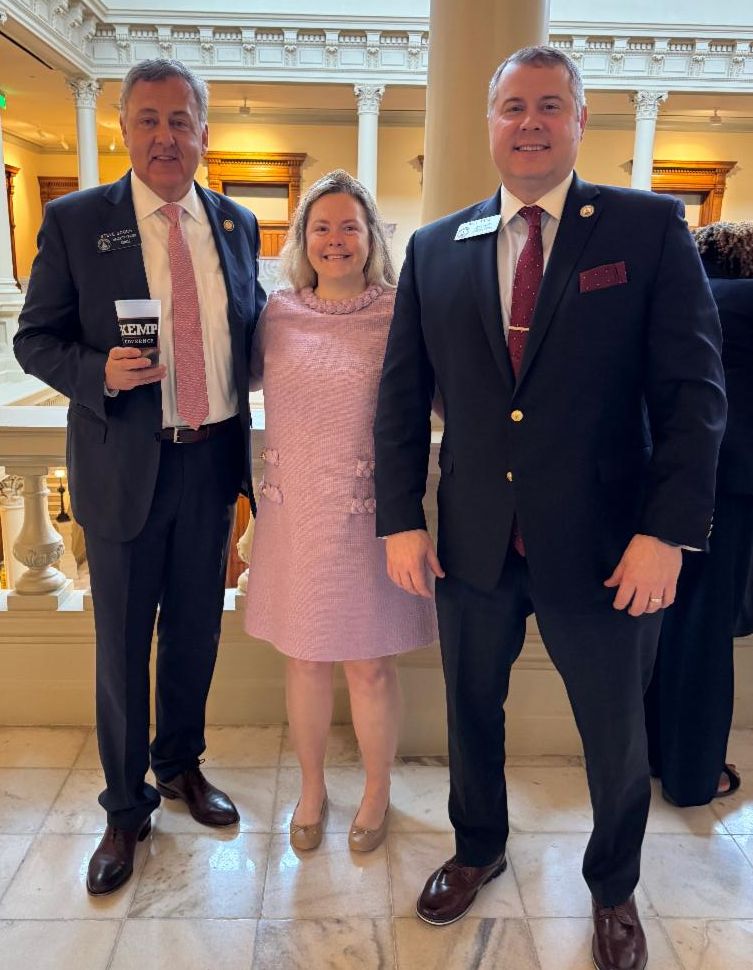
Rep. Will Wade pictured with Senator Steve Gooch and Jordan Rowland, UNG Director of Government Affairs.

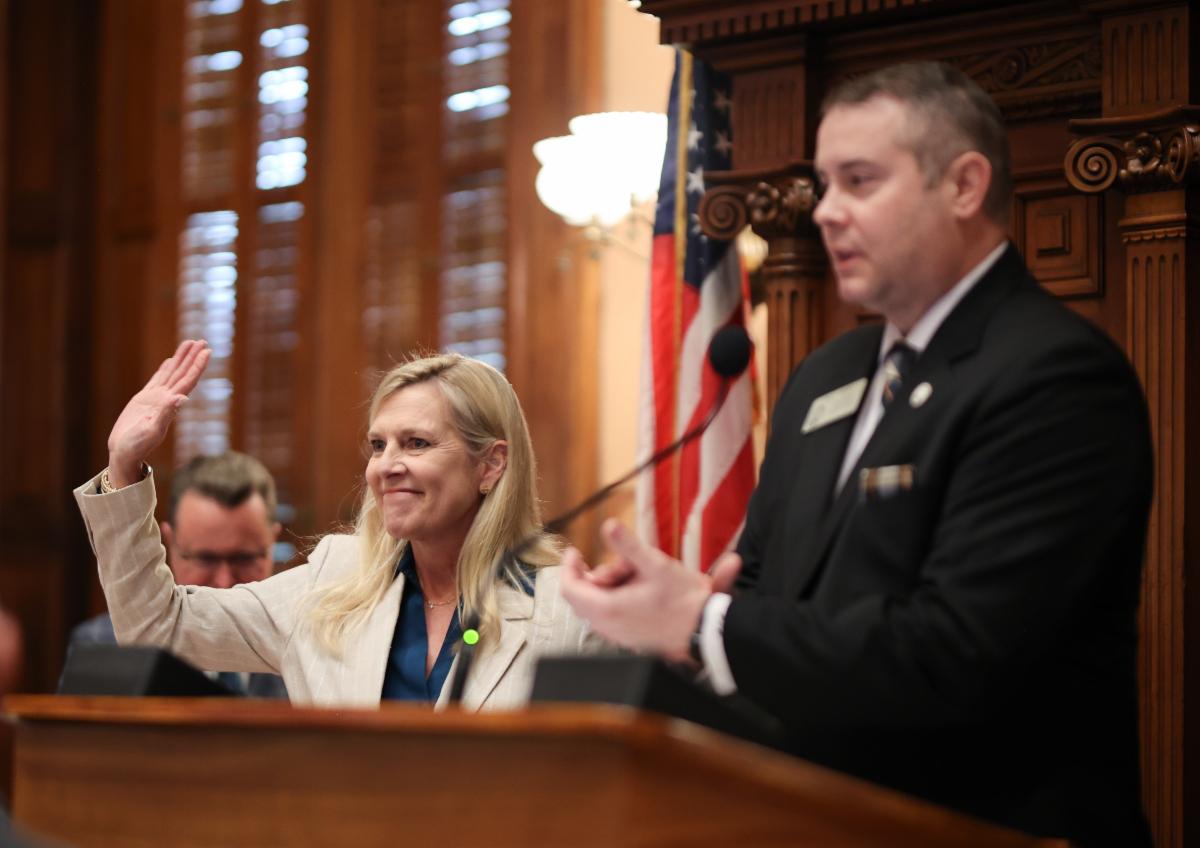
Above - Rep. Will Wade pictured with Commissioner Kevin Tanner, FIrst Lady Marty Kemp and Speaker Jon Burns. First Lady Kemp addressed the House Chamber and Commissioner Kevin Tanner with a Resolution recognizing and commemorating the "988 Suicide & Crisis Lifeline Initiative".

Click here to see a video of the presentation.

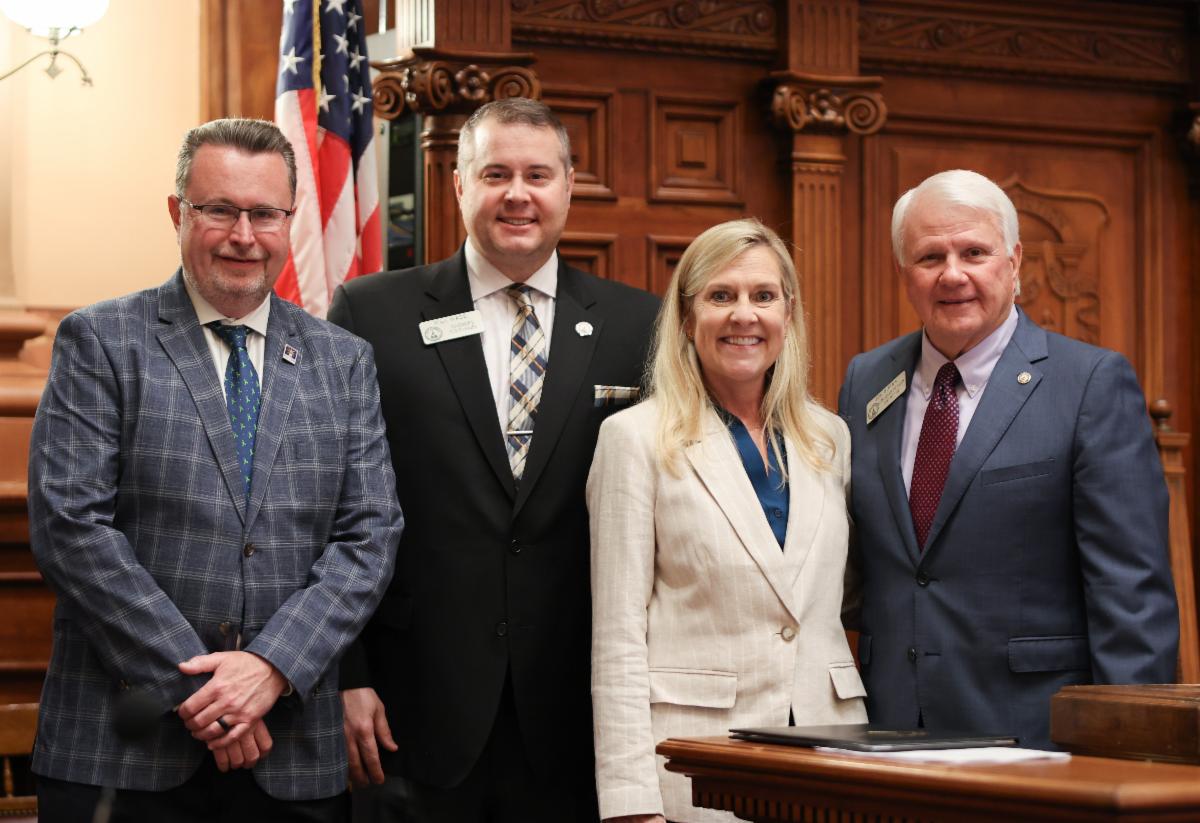
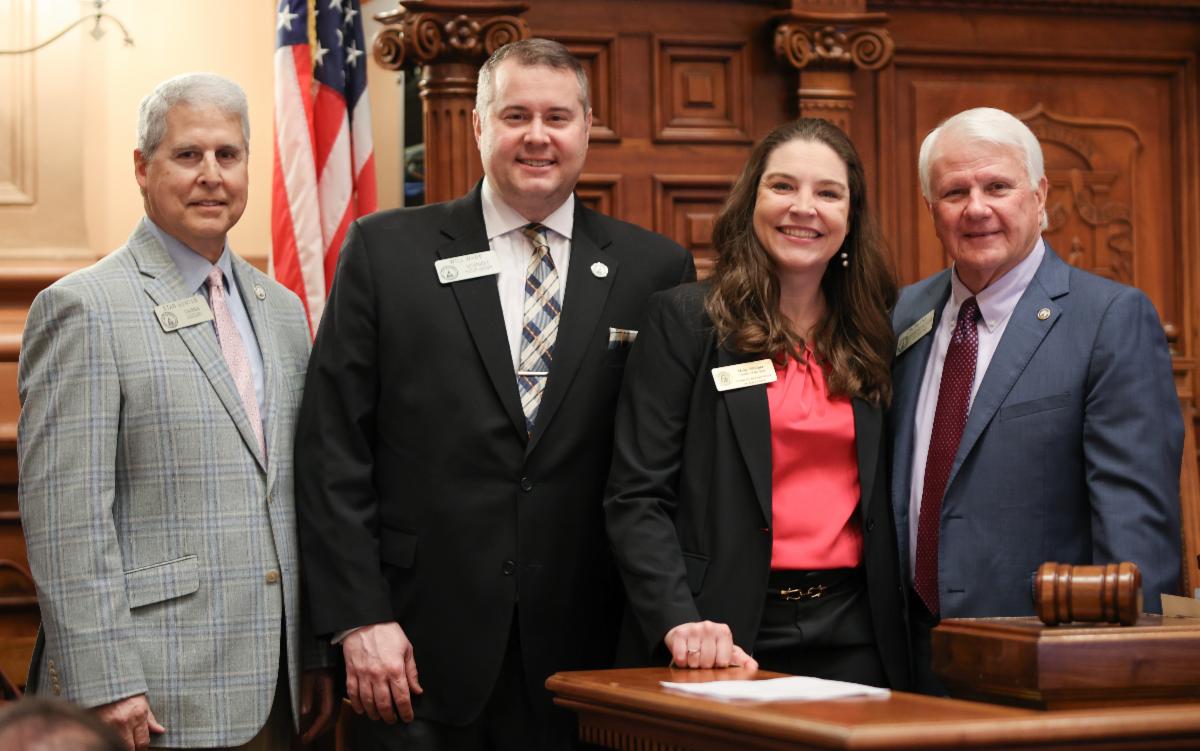
Rep. Will Wade pictured with Rep. Stan Gunter, Holly Witcher and Speaker Jon Burns. Holly Witcher (White County Schools) received recognition on the House Floor for being named the Georgia Teacher of the Year 2024-2025.

Click here to see a video of the House Resolution honoring Holly Witcher.

Although this legislative session has ended, I encourage you to share your thoughts on how I can best support our district and what matters most to you and your family. During the interim, I will continue to work diligently on behalf our district and the state.


Will Wade

Representative, District 9

Cell: (678) 776-5395

Office: (404) 651-7737

will@votewillwade.com


Committee Assignments:

Governor Kemp's Floor Leader

Appropriations - Vice-Chairman of Subcommittee

Banks & Banking - Vice-Chairman

Judiciary Juvenile

State Planning & Community Affairs

Transportation


Follow on social media at the links below!

 
Facebook  Twitter  Web
Paid for by Friends of Will Wade.