|
November 2026 Lake Matters
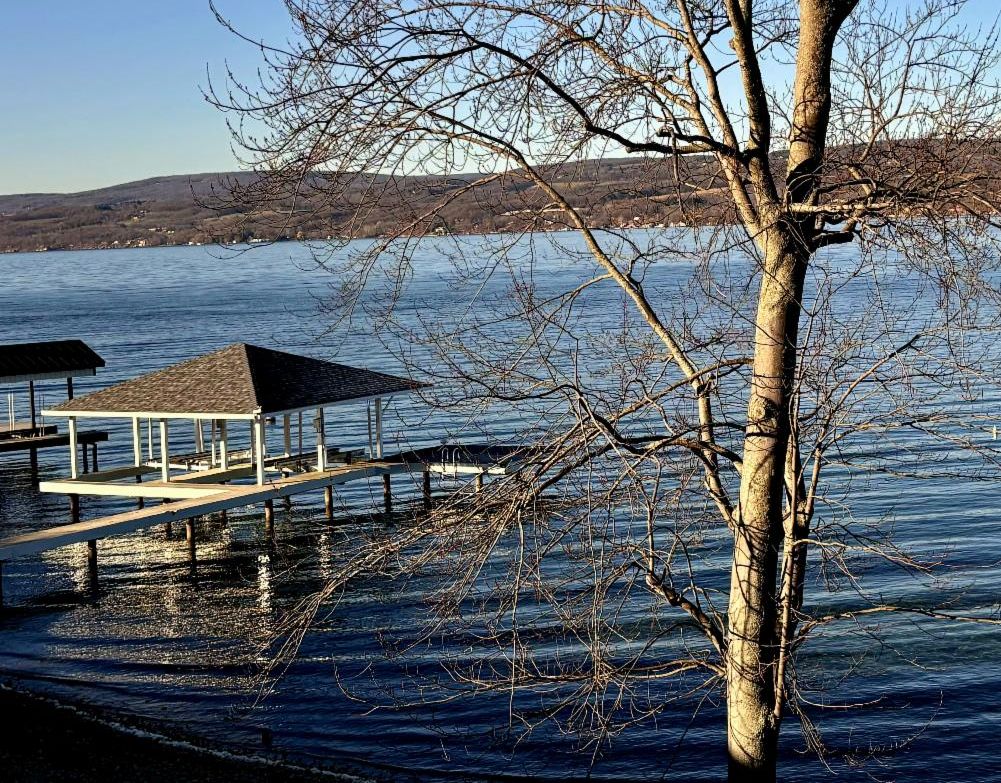
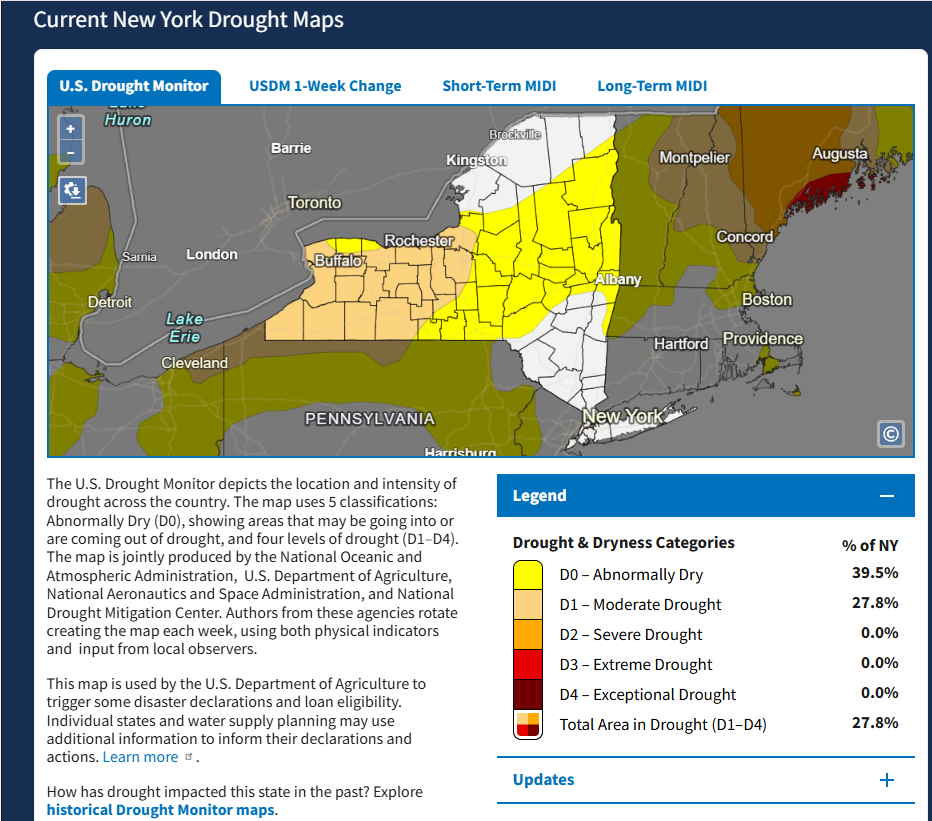
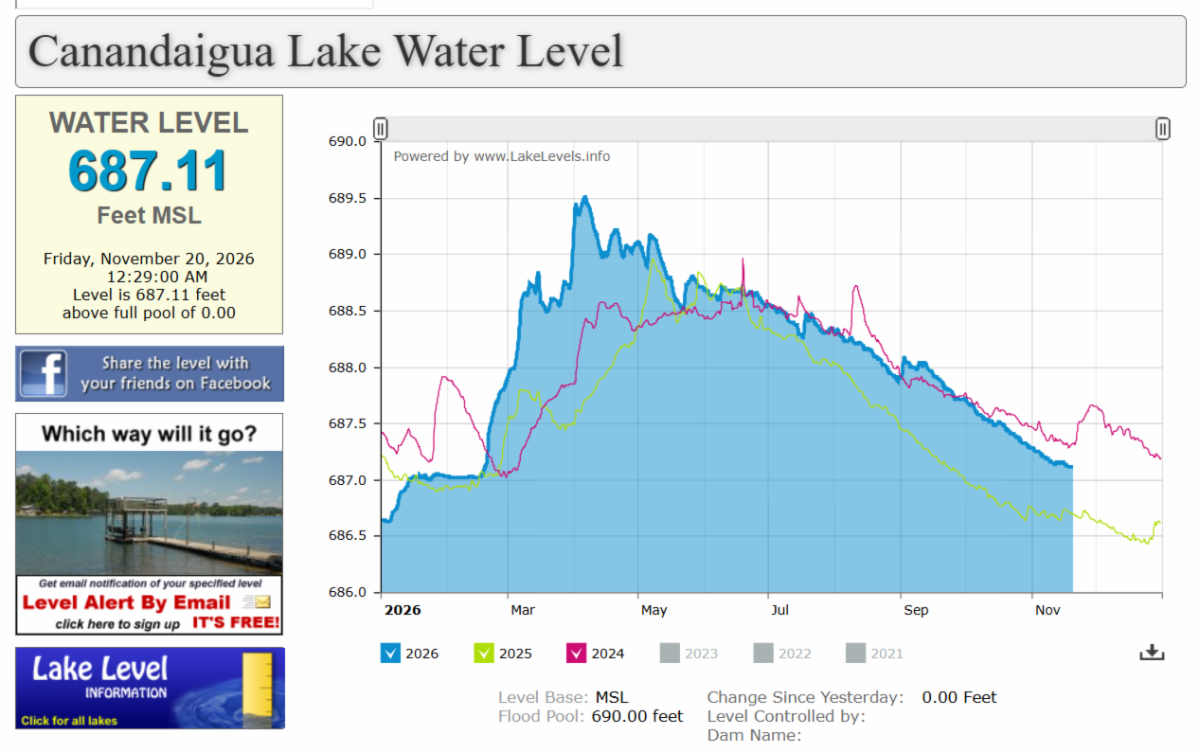
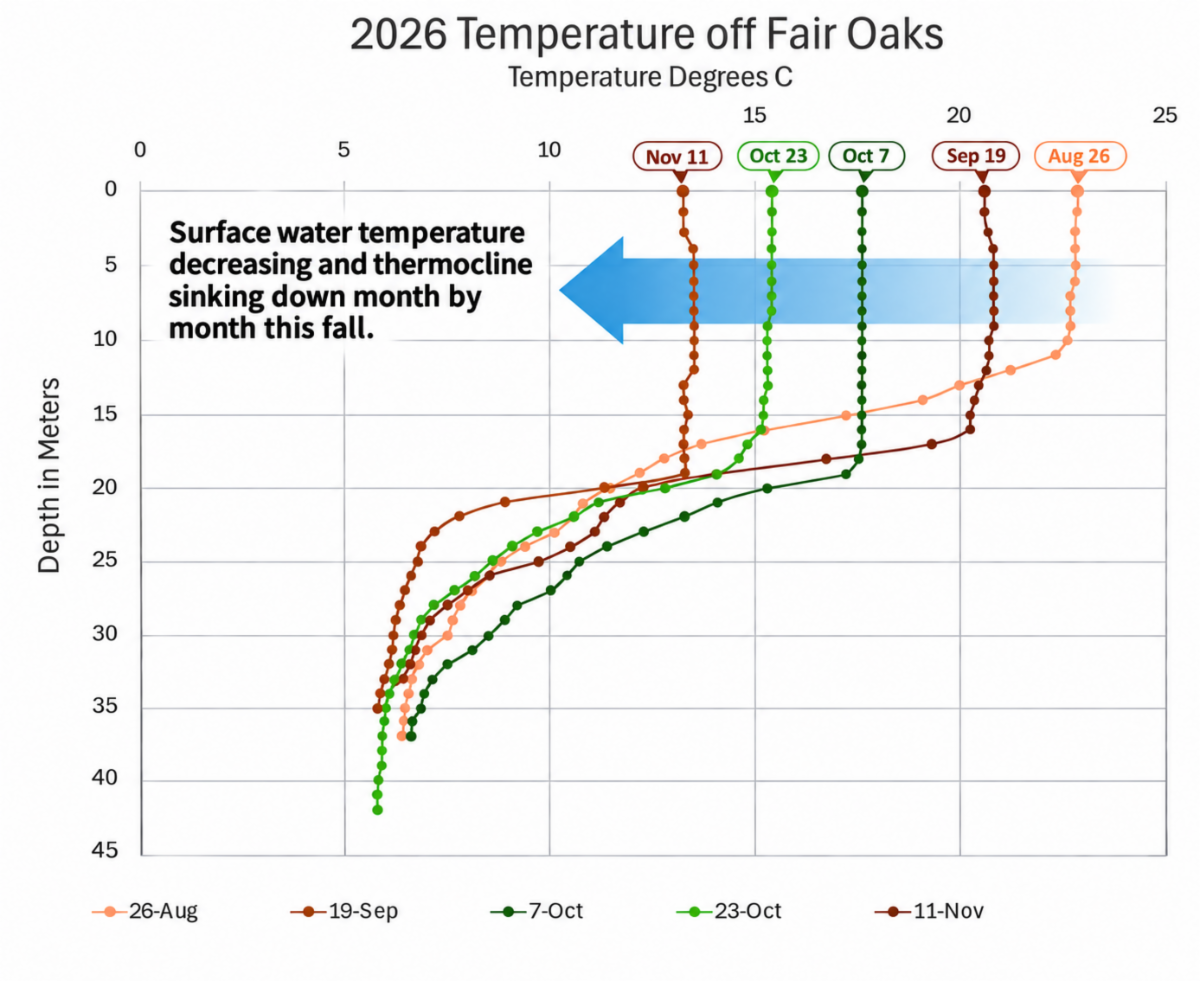
| | The leaves may be gone from the trees - but we've still go blue skies and sunshine this week and through the weekend. | | Wow. What a beautiful week we have been having. Get outside this weekend and enjoy the weather - because it looks like winter is arriving in a hurry next week! In this month's e-news, we have updates for you about our CLWA programs this past month, lake friendly tips for this time of year, updates on statewide efforts to limit PFAS environmental impacts, and more. We are still finalizing our harmful algae bloom (HAB) numbers from the season and hope to have final numbers to share next month. | | We are officially in a 'moderate drought'. Go to Drought.Gov to view the interactive map. | | We may be in an official drought and have low lake levels - but we are still in much better shape than we were last year at this time. | | As fall temperatures drop, Canandaigua Lake’s surface water cools, and the thermocline—the boundary between warm surface water and colder deep water—begins to weaken and sink deeper. Eventually, the thermocline disappears, allowing the lake to mix from top to bottom in a process known as fall turnover. The above chart shows some recent measurements tracking these changes from citizen science volunteer Joel P. | | |
In this issue:
- NYS DEC "Water Connects Us All" Poster Contest (Grades 6-8)
- Aquatic Native Plants - Not Just "Lake Weeds"
- Support CLWA: Donate to our Annual Appeal
- Oak Wilt Presentation
- CLWA Education Program Updates
- Lake Friendly Living Tips
- Pre-order your 2027 CLWA Calendar Today!
- PFAS News - Keeping PFAS out of our Environment
| | |
"Water Connects Us All" - Poster Contest for Grades 6-8
From the NYSDEC and the New York Water Environment Association (NYWEA):
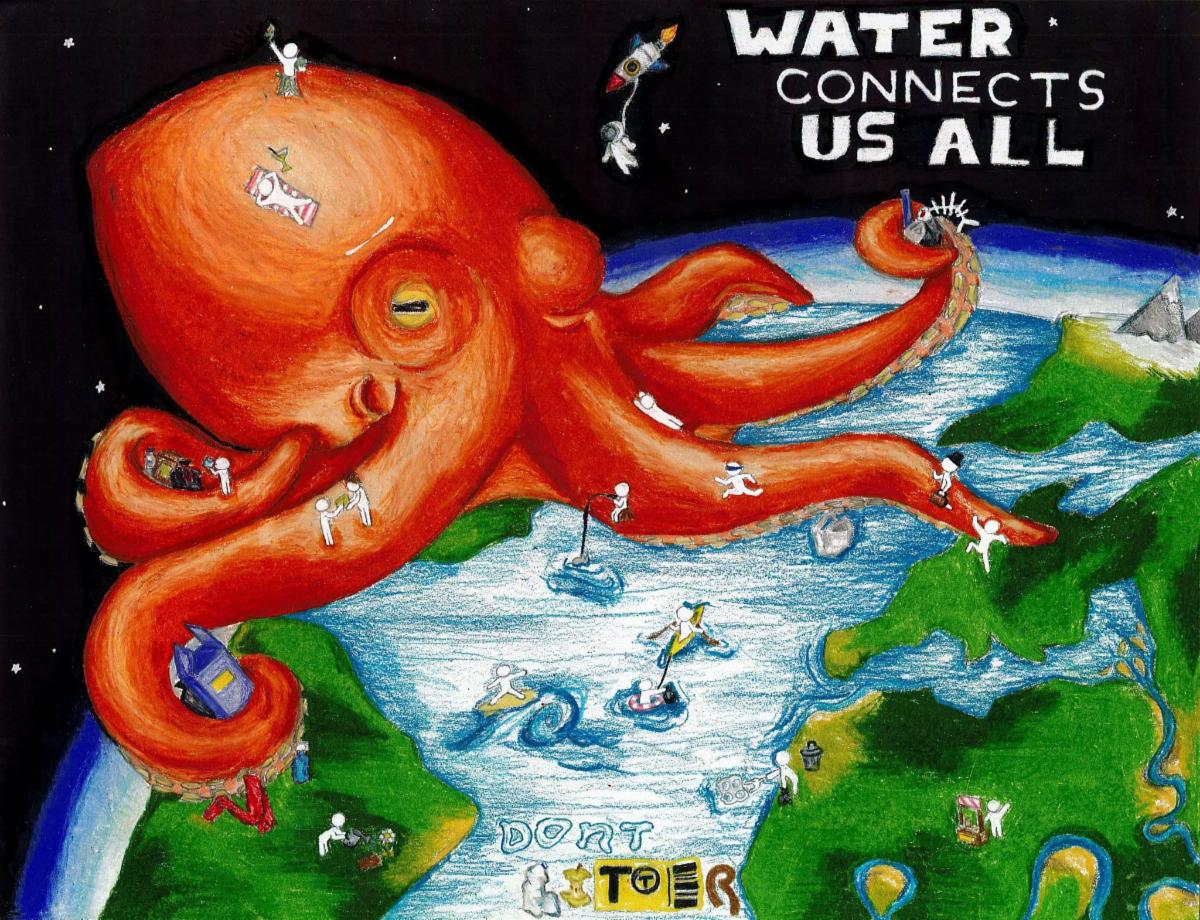
"NYSDEC and NYWEA are sponsoring a "Water Connects Us All" poster contest open to all middle school students (grades 6 - 8). Fourteen winners will have the honor of having their artwork in a 2028 calendar distributed across New York State! The deadline for submitting posters is Friday, January 8, 2027."
Click here for more information, as well as instructions for submitting artwork.
Below image: One of last year's winning posters, created by Adelaide Janiak, Carrie P. Weber Middle School in Port Washington, NY.
| Native Aquatic Plants - Not Just Lake Weeds! | | |
If you've ever jumped in the lake and come up with a weed stuck to your arm, you may have encountered one of the "champions" of our watershed.
Not just "lake weeds," native aquatic plants are the foundation of a healthy watershed. Rooted in the shallows and the lakebed of lakes, rivers, and wetlands, their extensive root systems anchor sediments -- preventing erosion -- while naturally filtering out excess nutrients and pollutants from stormwater runoff. At the same time, these plants act as the primary producers of aquatic food webs, generating critical dissolved oxygen and offering shelter, spawning areas, and shade for fish, waterfowl, and invertebrates. Preserving a diverse community of native vegetation also helps resist the spread of aggressive invasive species, making them indispensable guardians of long-term water quality. Some of our native plants in the Canandaigua watershed include American eelgrass and coontail.
While most aquatic plants are beneficial, "invasive" (non-native) aquatic plants can damage a watershed by forming dense, monotypic surface mats that block sunlight, starve native species of oxygen, alter water chemistry, and disrupt natural water flow. When invasive aquatic plants proliferate, they can impact boaters and swimmers, and infested waterways can impact fisheries, decrease property values, and hurt tourism. Some of the invasive species in Canandaigua Lake include curly leaf pondweed and Eurasian watermilfoil.
Get to know your aquatic plants!
There are many online resources to identify aquatic plants - both native and invasive - in the Finger Lakes and New York state. Here are a few:
Related Events:
Keep an eye on CLWA's event page in the Spring/Summer. Events like CLWA's plant paddle (see photo below from June's paddle) and invasive species pull in July (with PRISM, one of CLWA's partners) help the watershed community get to know our watershed and its aquatic plants.
NPR recently did a piece on native aquatic plants here.
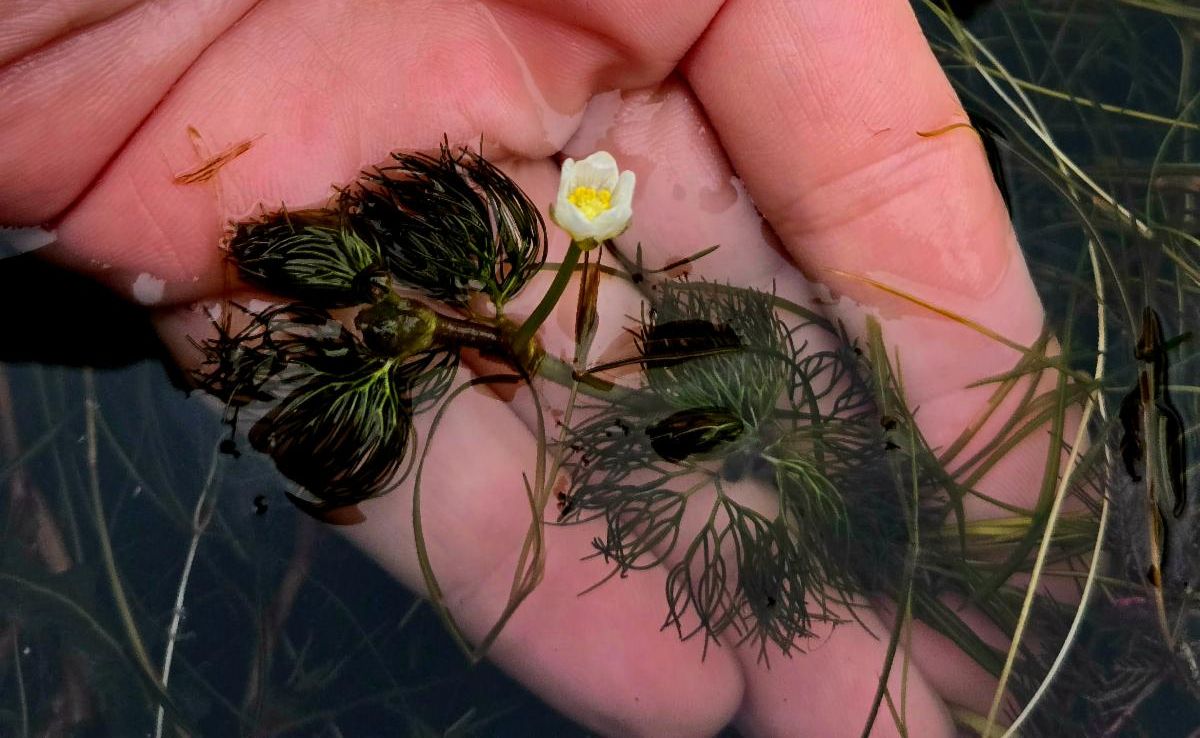
| | White water buttercup - a native aquatic plant - found in Canandaigua Lake. Participants at our June plant paddle learned about both native and invasive plants we found in the lake that day. | |
2026 Annual Appeal - Donate Today! | Act now to protect Canandaigua Lake for future generations. | |
What does Canandaigua Lake mean to you? Maybe it’s where your family gathers, where your children learned to swim, or where you find peace while watching the sunset. Whatever your connection, we share a love for this extraordinary lake—and a desire to protect it.
Harmful algal blooms, stormwater runoff, invasive species, and other pressures remind us that the lake we love cannot be taken for granted. Protecting the lake takes all of us.
As an independent, member-supported nonprofit, the Canandaigua Lake Watershed Association (CLWA) gives our community a voice in protecting the lake we love. Working alongside local governments and watershed partners, CLWA turns that voice into meaningful action through citizen science, education, stewardship, and advocacy.
| |
Here’s what people like you helped make possible in 2026:
- 74 volunteers tracked 83+ harmful algal blooms, gathering critical data on lake conditions and water quality threats.
- Expanded stream monitoring in Deep Run and Gage Gully provided valuable insights into how nutrients and runoff affect the lake.
- More than 3,400 students learned about the watershed, discovering how their everyday actions can protect the lake.
- Hands-on community programs promoted lake-friendly practices, helping residents protect the watershed through rain gardens and native plantings and invasive species removal.
Your donation today will help sustain critical programs for the coming year.
There’s more to do–and we need you. Your year-end gift will enable CLWA to expand lake and stream monitoring and bring hands-on education to more residents, empowering our community to live lake-friendly and further protect Canandaigua Lake.
Will you help protect the lake that we love? If you've already donated, thank you! Together, we can preserve the clean water, natural beauty, and cherished experiences that make Canandaigua Lake so important in our lives.
Make your tax-deductible gift today! Thank you for safeguarding the future of our lake for generations to come.
Together, we can make a lasting difference in preserving the health of Canandaigua Lake.
| Oak Wilt Zoom Presentation Recording by DEC on 11/2/26 | |
If you missed the Oak Wilt presentation by the DEC at the beginning of November with the CLWA and FLCC, you can find the presentation linked below on our youtube page or on our Lake Friendly Living page.
In this presentation by Austin Shay of the Department of Environmental Conservation (DEC), you will learn about oak wilt, a fungal infection that is now affecting red and white oaks in our watershed and in the Finger Lakes region. Oak wilt blocks the flow of water and nutrients to the crown of oaks. Red oaks are most susceptible and can die in as little as a few weeks and white oaks can take years. Learn more about how this infection is spread, the symptoms, and about the regulations and management practices in place to control the spread of the fungal infection. You will also learn about the importance of oaks to our environment and our local economy and why its so imporant to protect our oaks.
| Lake Friendly Living Tip - Stop Invasive Seed Hitchhikers! | |
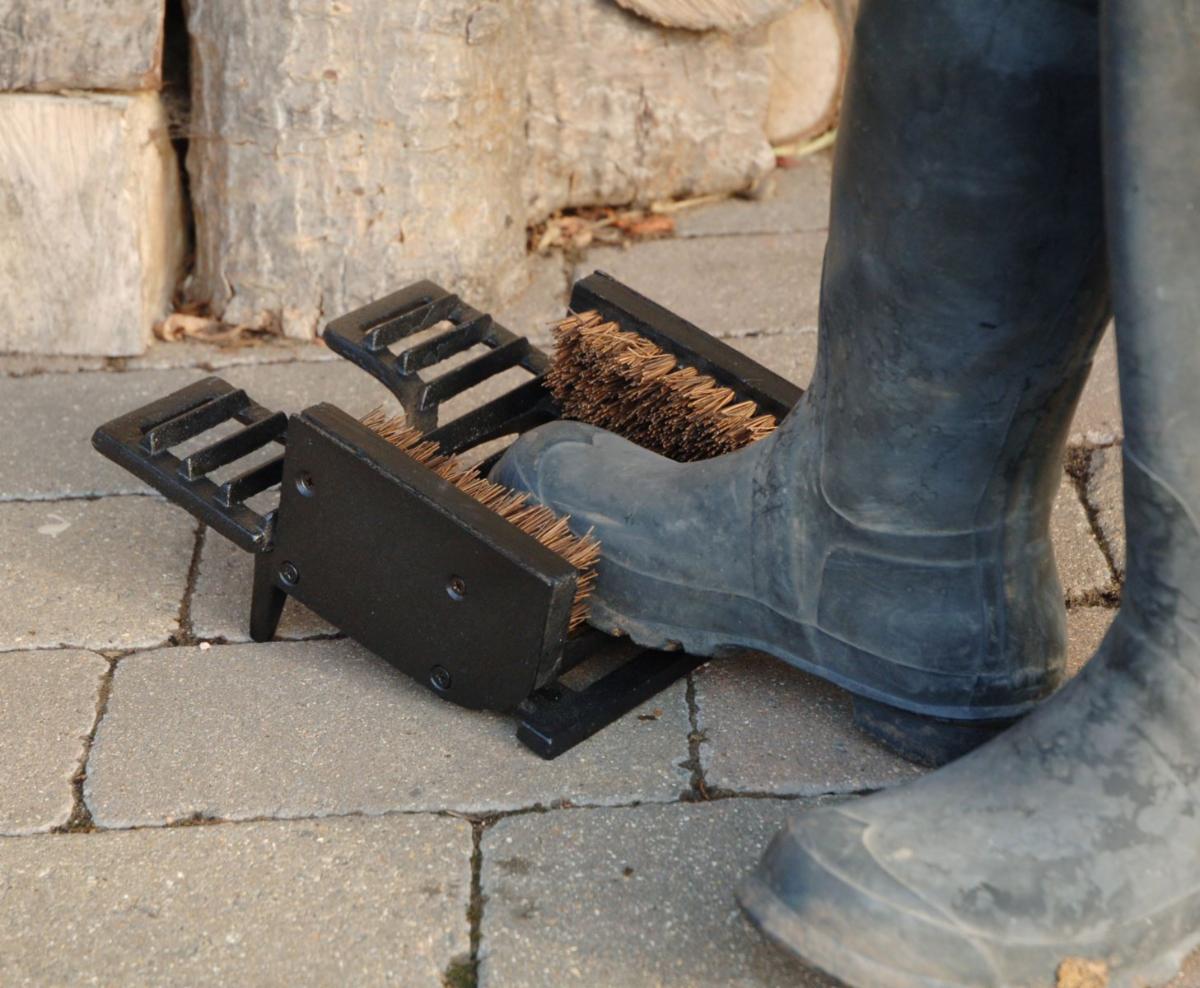
As you enjoy the outdoors this fall, remember that you may unknowingly be helping invasive plants spread. Many plants produce seeds with tiny hooks or barbs that easily attach to clothing, shoes, outdoor gear, and even pet fur. Seeds can also become trapped in the mud and grooves of hiking boots, allowing invasive species to travel to new locations and negatively impact local ecosystems.
Help protect New York’s natural spaces by taking a few simple precautions before and after your outdoor adventures.
- Brush off your boots
- Check clothing and gear for seeds
- And inspect your pets for any hitchhikers.
Using a boot brush station and cleaning off seeds and soil before leaving a trail can help prevent the spread of invasive species and keep our local ecosystems healthy! For more information on boot brushing linked here.
*Information provided by the Department of Environmental Conservation (DEC) Invasive Species newsletter called DEC Delivers*
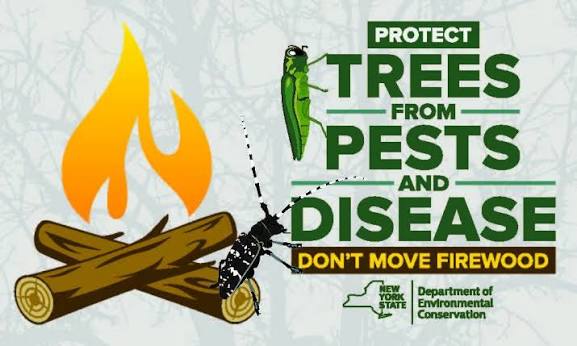
| Lake Friendly Living Tip - Help Protect Our Forests: Know Before You Move Firewood | |
As the cooler weather arrives and the burning of firewood becomes more frequent, it’s important to remember that moving firewood can spread invasive insects and diseases that threaten New York’s forests. To help prevent the spread of these harmful pests, New York State has regulations in place governing the transportation of firewood.
- Untreated firewood cannot be brought into New York from another state or country, and New York-grown untreated firewood must stay within 50 miles of its source.
- Transporting untreated firewood within that distance requires a Self-Issued Certificate of Origin or proof of purchase identifying its source.
- Heat-treated firewood, labeled “New York Approved Heat-Treated Firewood/Pest-Free,” can be transported anywhere within the state.
By following these guidelines and buying firewood locally, you can help protect our forests and prevent the spread of invasive pests. For more information on this topic, please visit the DEC's webpage here.
*Information provided by the Department of Environmental Conservation (DEC) Invasive Species newsletter called DEC Delivers*
| | Fall Programs with the Watershed Education Program (WEP) | | |
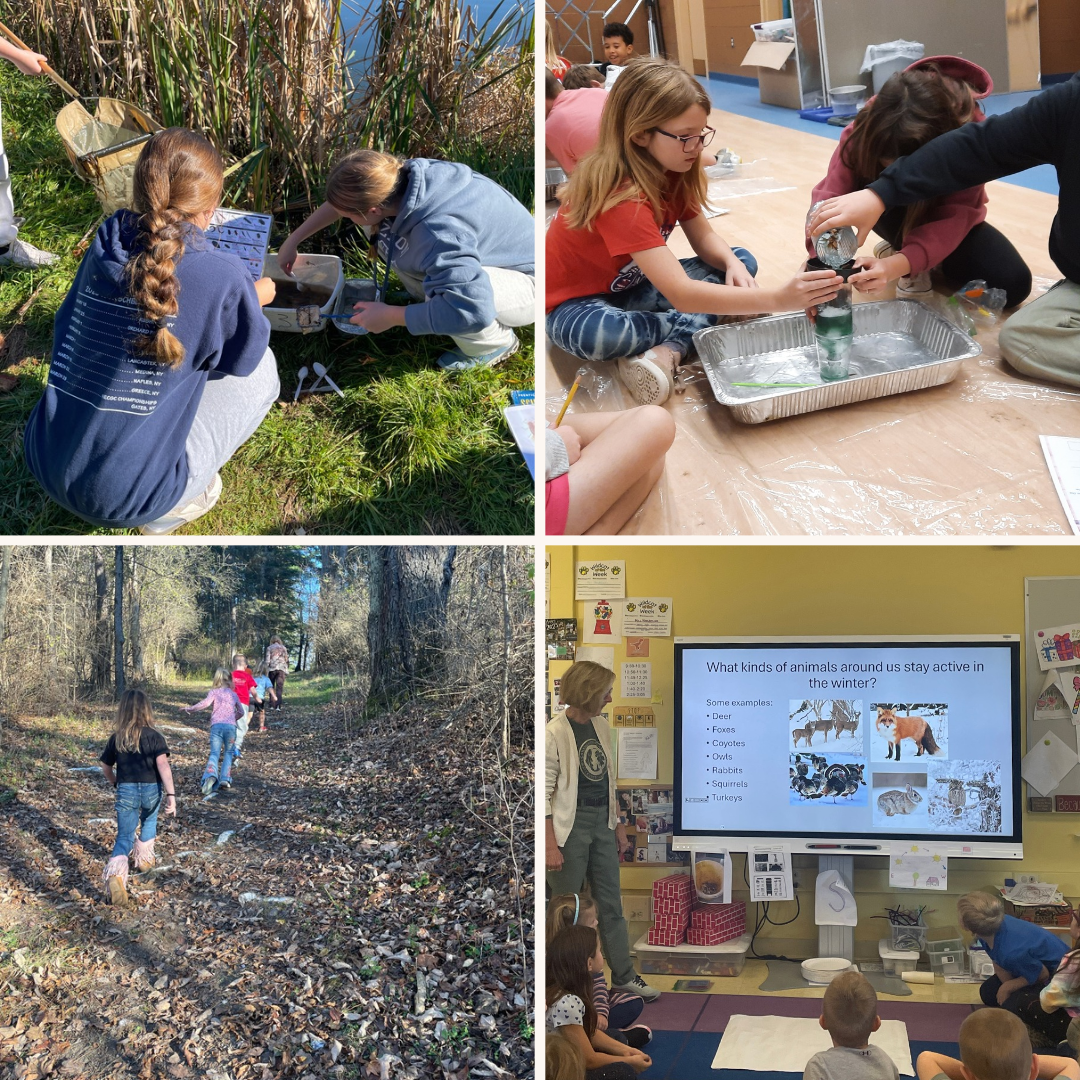
The Watershed Education Program (WEP) had a few more adventures this fall including another field experience pond dipping, classroom experiences at Marcus Whitman and a fun Halloween tabling event with the Town of Canandaigua! These are the activities we did this fall:
- We went pond dipping for aquatic macroinvertebrates with high school students at Marcus Whitman at their property, Beet Ponds on Townline Road
- We visited Marcus Whitman's 6th grade classes completing our aquatic marcroinvertebrate 2 day lesson
- We participated in the Town of Canandaigua's Halloween Trunk of Treat event at Outhouse Park at the end of October were kids and their families got to create creepy crawly macros out of clay and see them live as well
- We visited Marcus Whitman 5th graders and taught them all about water filtration
- We also visited the Marcus Whitman STEAM classes this week teaching grades K-2 on lessons ranging from winter animals, confiers and erosion
We had so much fun with all the students and teachers this fall. We look forward to more adventures in the upcoming year!
| | Calendar and Notecard Sales | | |
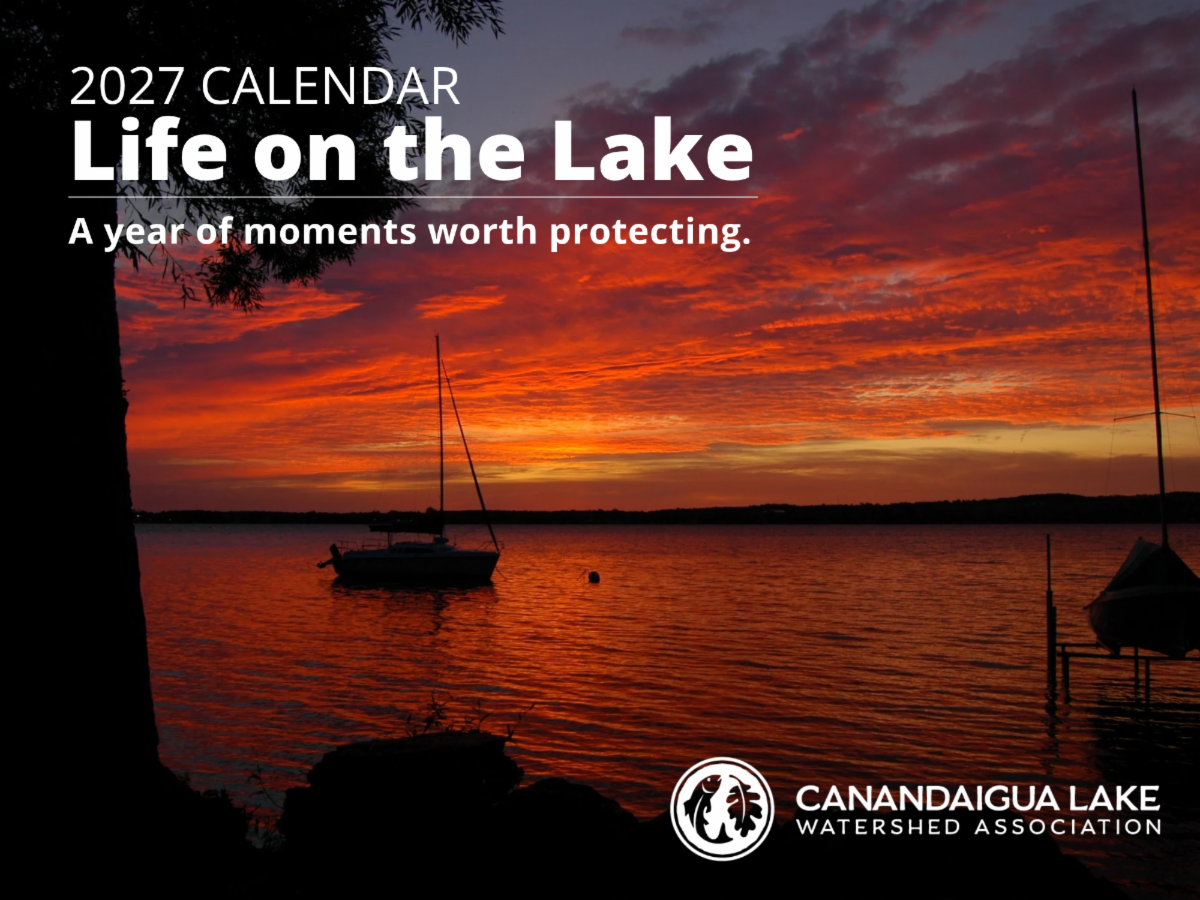
Experience the beauty of Canandaigua Lake all year round from gorgeous photos captured by talented local photographers who participated in our annual 2026 photo contest!
Why you want to order your 2027 calendar today:
Stunning Photography:
Each month showcases a captivating image of the Canandaigua Lake watershed — from its serene, glassy waters to the breathtaking landscapes that surround it.
A Thoughtful Gift:
This calendar makes a wonderful gift for anyone who cherishes the beauty of our region and wants to keep the spirit of Canandaigua Lake close all year long.
Organized and Inspired:
Stay on top of important dates while adding a touch of local beauty to your home or office. The calendar also highlights holidays and lake friendly living tips.
Simple Ordering:
Place your order by clicking the link below — select your quantity and choose delivery or local pickup. To pay by check or cash, please call our office at 585-394-5030 to place your order and arrange for pickup once calendars arrive.
If you would like to pay by check or cash, please call the office at 585-394-5030 to order your calendar or notecards and to arrange for pick-up once they arrive. Do not fill out the form if you choose to pay with check or cash. Also, please note that there are separate order forms for calendars and notecards. Thank you so much for your interest in a 2027 calendar and/or notecards, and for your support toward watershed protection efforts!
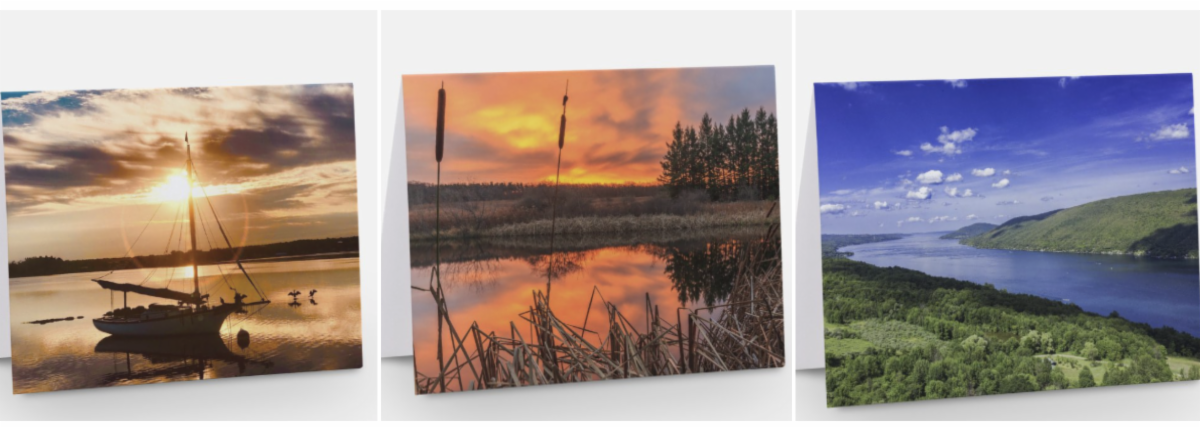
| We are selling 4 x 6 notecards with envelopes again this year, featuring two notecards of the three 2025 photo contest winners. Check out all the amazing images at the link below and order yours today! | | Keeping PFAS Out of our Environment | | |
What are PFAS?
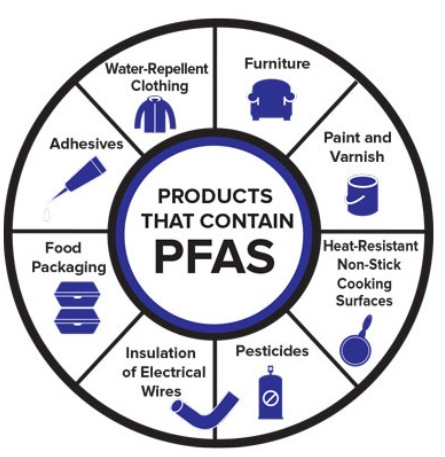
PFAS (per- and polyfluoroalkyl substances) are a group of synthetic chemicals used to make products resistant to heat, water, grease, and stains. Often called "forever chemicals" because their strong carbon-fluorine bonds prevent them from breaking down easily, they accumulate over time in soil, water, wildlife, and the human body. Exposure to PFAS through contaminated drinking water, food, and common consumer products has been linked to serious health risks.
There are two new NY State Initiatives that will help keep PFAS out of the environment:
PFAS-Free Carpeting
Effective December 31, 2026, no carpet sold or offered for sale in New York State shall contain or be treated with PFAS substances for any purpose. These regulations will bring safer alternatives to the market and create a process for carpet recycling. Retailers may not sell or offer for sale carpet in the state unless the producer of the carpet is participating in a carpet collection program. Retailers may also voluntarily participate as a designated collection site in a carpet collection program. More information.
NY First State to Treat Leachate in Landfills
NY DEC has proposed rules that would make NY the first state in the U.S. to require active landfills to treat leachate for PFAS, 1,4‑dioxane, and other harmful contaminants before discharge. Leachate is a liquid that forms when water filters through landfill waste and dissolves soluble contaminants, creating a potentially hazardous mixture of organic and inorganic pollutants. If leachate is not properly managed, it can contaminate groundwater. More information.
PFAS Resources and News:
| | Graphic: NYS Department of Health | | The Canandaigua Lake Watershed Association, Inc. is a 501 (c) (3) not-for-profit organization. Our Tax ID is 16-1071349. | | | | |