In this issue:
- A Year in Review
- December Days
- Maple Sugaring is back
- What's new at the EIC?
|
|
As we count down the last two weeks of 2022, I would like to share the following highlights: Despite a slow start in 2022 (the EIC reopened in May after a two-year shutdown), we have welcomed over 1600 participants to programs at the EIC, reached another 250+ learners with off-site programs and are regularly interacting with over 100 participants in the year-round programs for homeschooled elementary and high school students, and the Young Naturalist program. We were also able to resume the children’s garden program in the summer and in July, we offered a summer science camp for middle schoolers in collaboration with the Detroit Hispanic Development Corporation (see photo). |
|
Student interpreters (both current students and recent graduates) keep playing an integral role in leading educational programs. EIC student interns and fellows help keep the Center running smoothly while they learn about environmental education and sustainability. They were instrumental in the restoration of the EIC rain gardens, expanding the groundwater monitoring network, and re-establishing an in-house composting program. |
|
Three student staff members moved on to the next stage in their careers: Griffin Bray, Kaitlyn Tatro, and Courtney Wagner. This semester, we send our congratulations to two EIC student staff members who are graduating with UM degrees: Parkhurst Fellow Mike Solomon and student interpreter Allie Jones! |
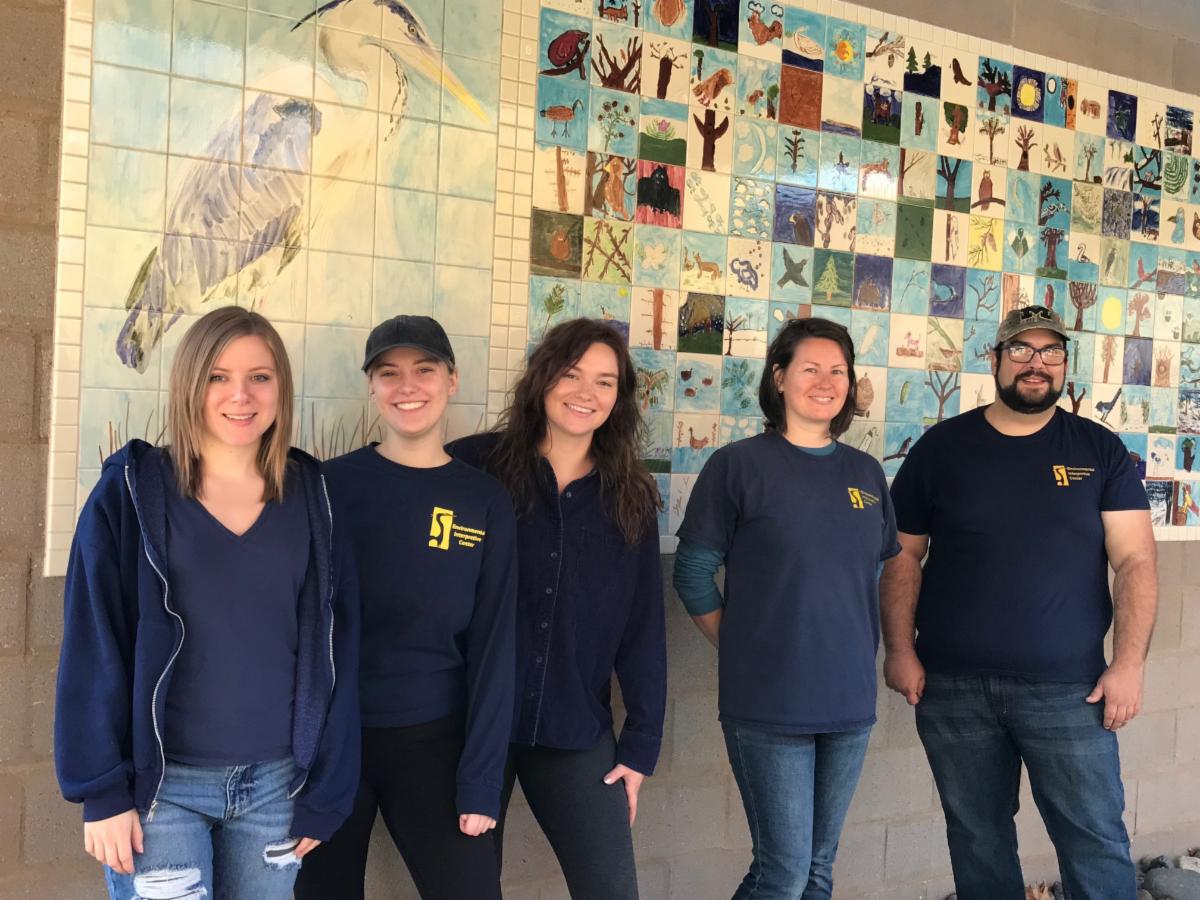
Fall 2023 Graduates Mike Solomon (right) and Allie Jones (middle) |
|
We are grateful for the help of numerous volunteers who contributed hundreds of hours helping maintain the gardens, the Environmental Study Area, the Children’s Discovery Corner and, most recently, as members of the newly formed EIC Advisory Committee. Your help is most appreciated, be it a one-time visit or regular assistance, e.g., on Stewardship Saturday. I would also like to acknowledge the support by faculty members who send student volunteers to the EIC (like Ahmed Sebai, Sophia Hawkins, and Lesly Nunez from Sheryl Edwards FNDS class). |
|
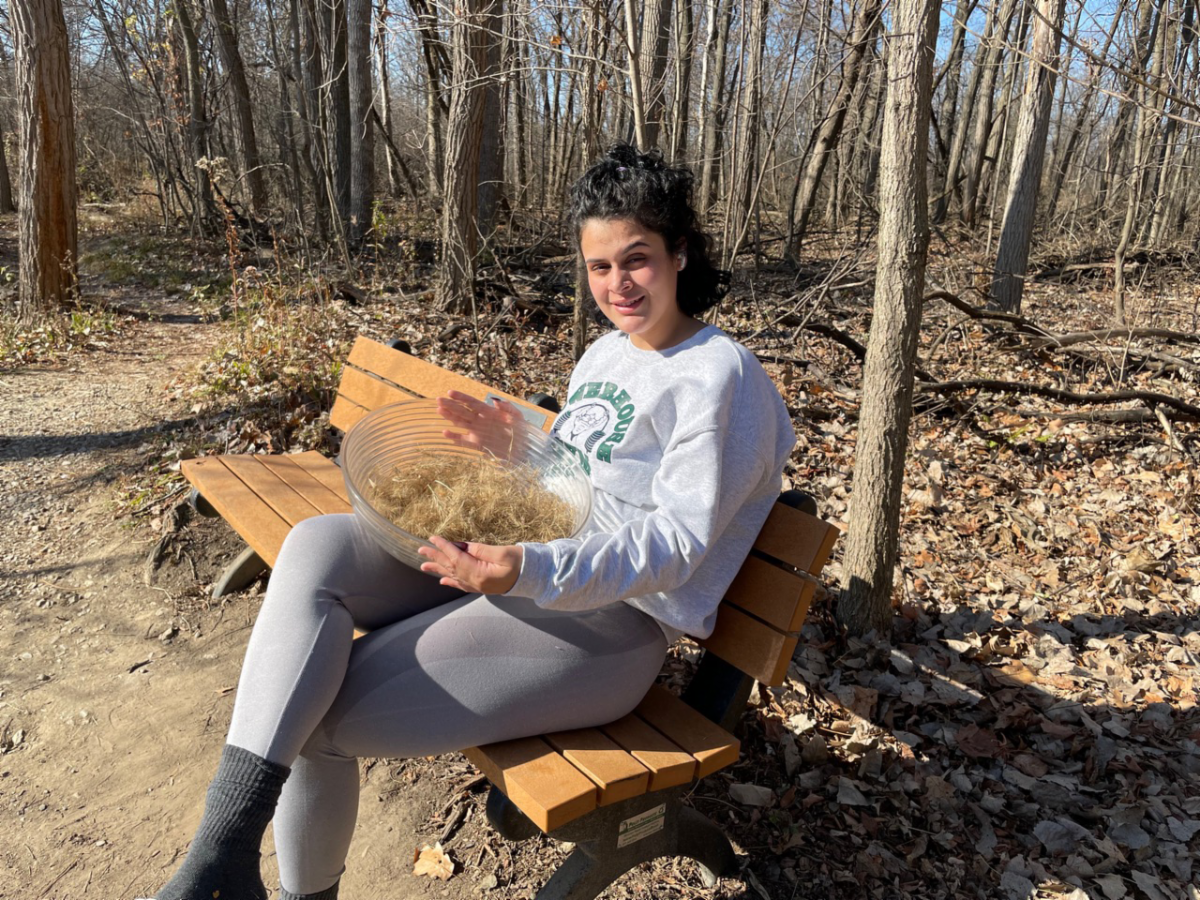
Student volunteer Lesly Nunez with wild rye she collected for reseeding. |
|
I am happy to report on other collaborations. Members of the Dearborn Garden Club have taken over the care for the Enabling and Pollinator Garden along the Gateway Trail by the Community Organic Garden. Students and faculty from the College of Engineering and Computer Science have been working on a number of projects to support our educational mission. Prof. Chris Pannier has spent countless hours with his students getting the EIC watershed display in the exhibit area up and running again. Mechanical engineering student teams under the direction of Alan Argento, Eric Ratts, and Dewey Jung have been designing and building a solar-powered aerator for the rose garden pond (see more below) and a solar-powered waterfall in the sensory garden. We look forward to continuing these collaborations! The EIC also recently installed an air quality monitor that will be used for an air quality study conducted by Henry Ford Hospital in collaboration with the Ecology Center. |
|
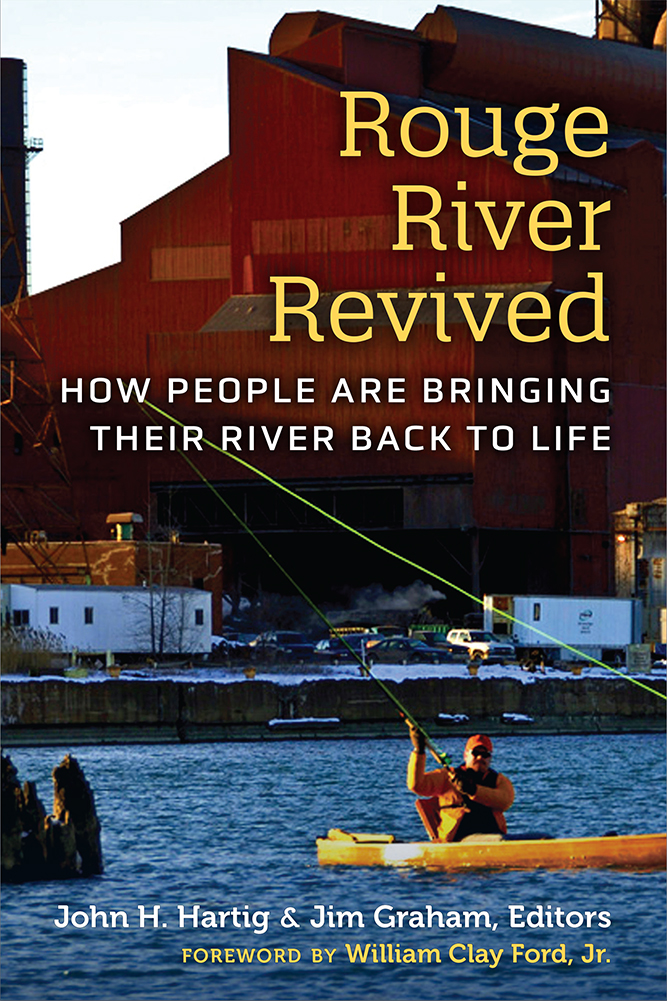
We are continuing our educational efforts related to the health of the Rouge River Watershed. In November, the EIC in collaboration with the Friends of the Rouge hosted a panel discussion highlighting the book release of Rouge River Revived. Panelists John Hartig, Sally Petrella, Cyndi Ross and Orin Gelderloos shed light on the history of the river, monitoring and restoration efforts and larger questions of how we view our natural resources. If you had to miss the panel discussion, you can find the link to the recording on the EIC homepage.
Looking forward, the EIC is embarking on a number of exciting initiatives in 2023. We have started working on a strategic plan for the EIC. We are also planning an exhibit of artwork by students in Madeleine Barkey’s Scientific Illustrations class. From May - October 2023, the EIC will be offering the next class of the Michigan Master Naturalist Program for the Rouge River Region, coordinated by Dorothy McLeer.
And, last but not least, please mark your calendars. On Friday, April 14, 2023 from 6-9 pm, we look forward to welcoming friends and supporters at a fundraising dinner for the EIC at the Henry Ford Estate. The Henry Ford Estate has been closed for a number of years for renovations, but you will be able to stroll through the newly renovated rooms on the first floor and learn about the history of the Estate and the ongoing use of the Estate grounds as an environmental classroom.
The many accomplishments this year would not have been possible without the help and support of many volunteers, supporters, collaborators, donors, and friends of the EIC. On behalf of the entire EIC staff, I would like to extend a heartfelt Thank You. We look forward to continuing this important work with your support in the new year.
We wish you and your loved ones Happy Holidays and a Blessed New Year!
-- Claudia K. Walters, EIC Director
|
|
|
|
Winter has settled in with its gray days and chilly winds. It came in fits and starts, but recent weather has met the criteria and the calendar will confirm it later this week. If you are one who does not commonly find beauty or joy during these months, research shows that watching wildlife can improve your frame of mind.
(Photo of Brown Creeper by Jim Simek)
|
|
Some of the most accessible wildlife are birds, which can be seen in rural, residential, and urban areas, with or without binoculars. “Birds are ‘accessible and equitable, because they’re everywhere in every habitat,’ said Holly Merker, a guide for the National Audubon Society and co-author of the book, "Ornitherapy.” |
|
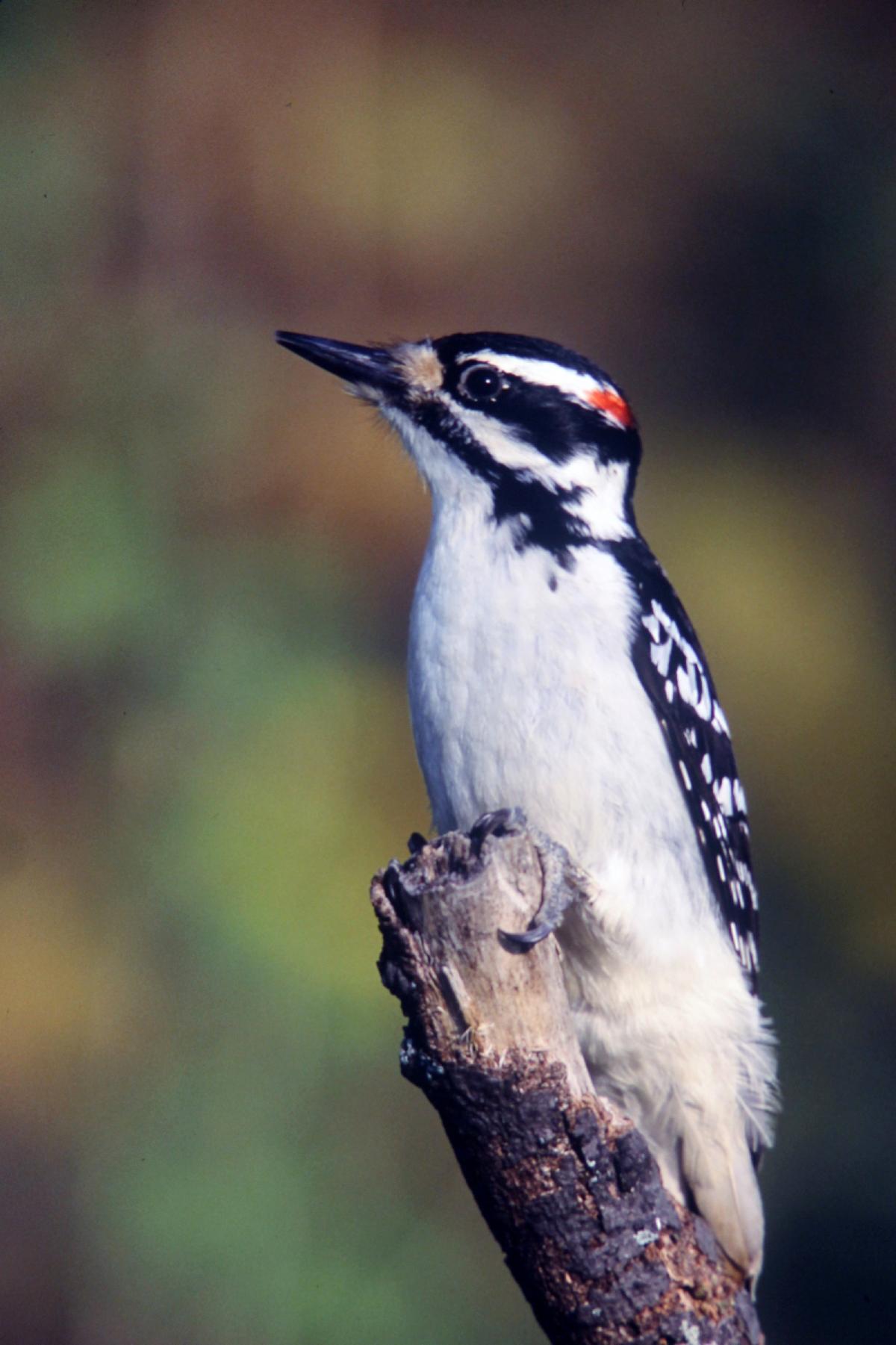
Just seeing or hearing birds may spark an improvement in mental well-being that can last up to eight hours, British researchers report. This improvement in well-being is seen even in people with a diagnosis of depression, which “highlights the importance of our connection with the natural world for our mental health,” said the study’s lead author, Ryan Hammoud, a PhD candidate and a research assistant at the institute of psychiatry and psychology and neuroscience at King’s College London. (Hairy Woodpecker photo by Jim Simek)
Former Manhattan business analyst Layla Adanero discovered bird watching after being furloughed from her job in April 2020, during the covid pandemic. She reflects, “Bird watching has been a respite from the faster-paced life she left behind,” when she moved back home to London. “It’s quite meditative to watch another life form go about its day. It’s like another way of practicing mindfulness.” Now the chirps and coos in her backyard, once ignored as background noise, have become clues to understanding an entire ecosystem.
|
|
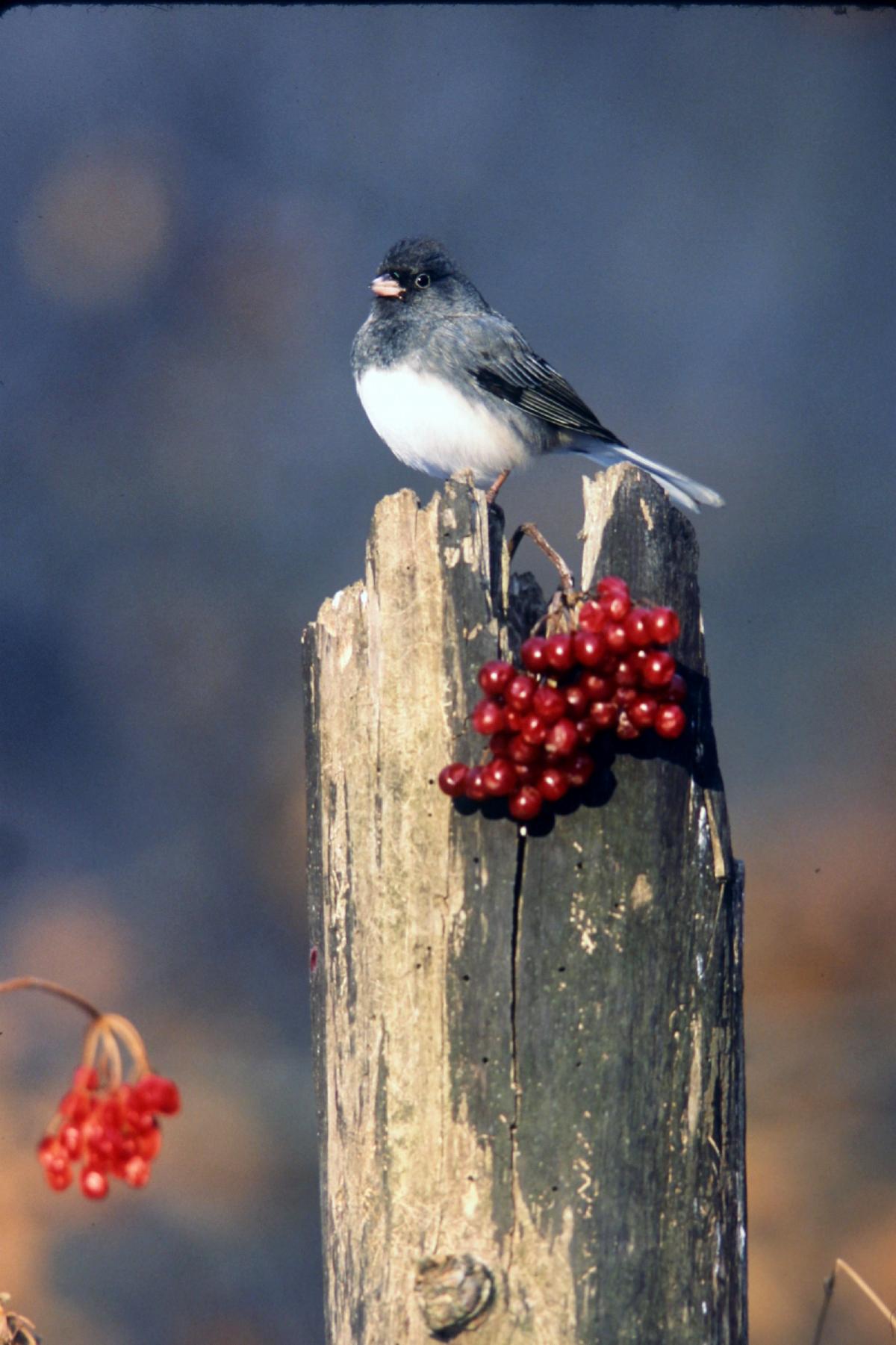
A sudden rise in bird watching around the world was one of the rare heartening consequences of pandemic lockdowns last year. The National Audubon Society, a non-profit dedicated to conservation, was booking popular celebrities for webinars. And while many young children sharpened their nature drawing skills, at least one five-year-old taught himself to read so he could take in more details about blue jays, cardinals, dark-eyed juncos, and company.
(Dark-eyed junco photo by Jim Simek)
Bird watching has been mainly associated with social/economic privilege. Historically, children of color have not experienced the same opportunities to enjoy the natural world. However, the number of BIPOC (Black, Indigenous, and People of Color) birders has been steadily growing.
Following the 2020 racially motivated confrontation in New York City’s Central Park between a white woman and Black birder, they’ve sought to engage the birding community in conversations about the importance of supporting diversity—which can also broaden support for conservation measures.
|
|
If there is any “silver lining” to the covid cloud, perhaps it just could be that more people have developed a passion for birds in the US – leading to greater awareness of conservation and wildlife generally.
|
|
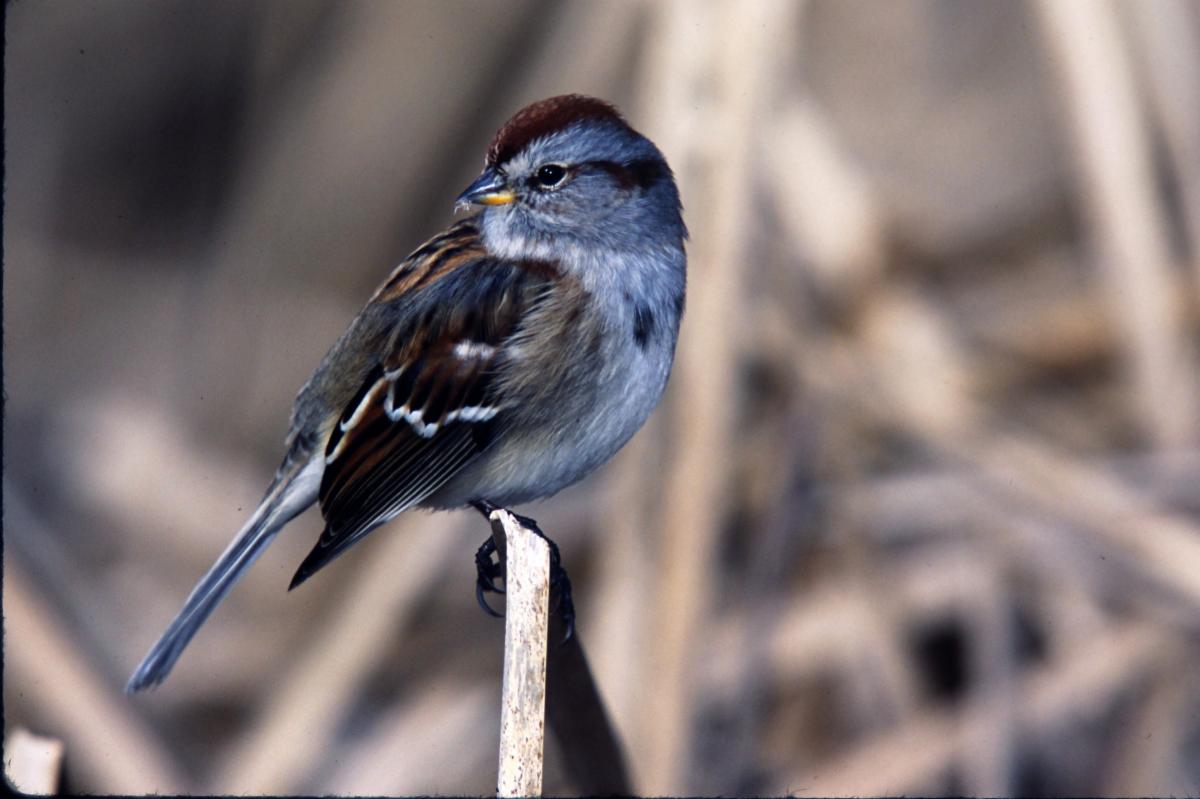
Spotting sparrows or tracking hawks is technically free, except maybe investing in a pair of binoculars, is continually variable and never boring, and can be enjoyed in solitude or with companions. The soaring popularity of bird watching has led to increased calls for birders to help protect the wildlife they love watching and their habitats.
(American Tree Sparrow Photo by Jim Simek)
|
|
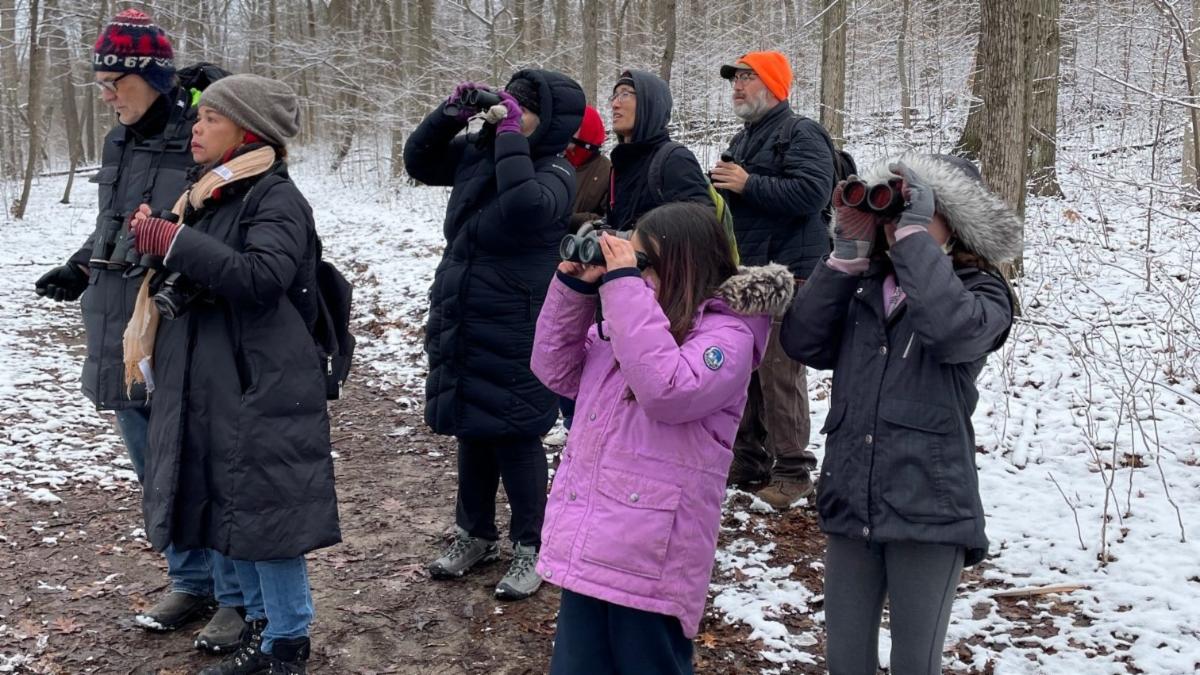
The New York Times reports, “Spending time outdoors with a pair of binoculars is good for your body and soul. The upcoming Audubon Christmas Bird Count (CBC) is the perfect excuse to start. Spending time outdoors with a pair of binoculars.”
(Photo courtesy Washtenaw Audubon Society)
The annual CBC is now in its 123rd year and is the nation’s longest running community science project to “protect birds and the places they live.” There are more than 450 local Audubon chapters throughout the United States (including Detroit Audubon). Maybe you, too, can contribute as a community scientist for your own health—and the health of local and global bird communities!
|
|
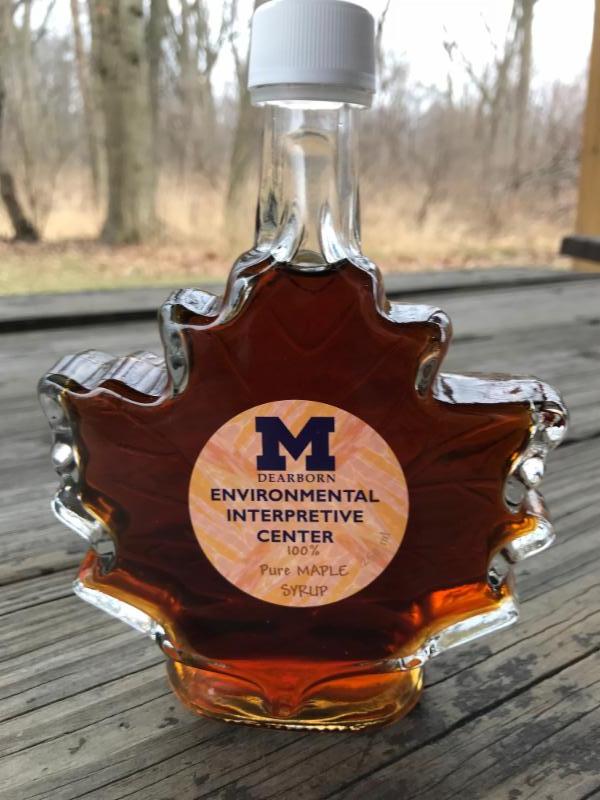
Maple Sugaring Programs are Back! |
|
Let's Tap Some Trees!!
Saturday, February 18, 1:00-3:00
Before we can make maple syrup, we need to tap the maple trees. We’ll use hand-powered augers to drill tap holes into the maple trees, and then hang sap collection buckets from the metal tubes we put into the holes. This is a nice hands-on experience for all ages. You’ll also learn how to use the “3 b's” (bark, buds, and branches) on trees as clues to finding the proper trees for tapping. Dress appropriately for possible muddy or icy conditions.
|
|
WOW (Windows on Wildlife) |
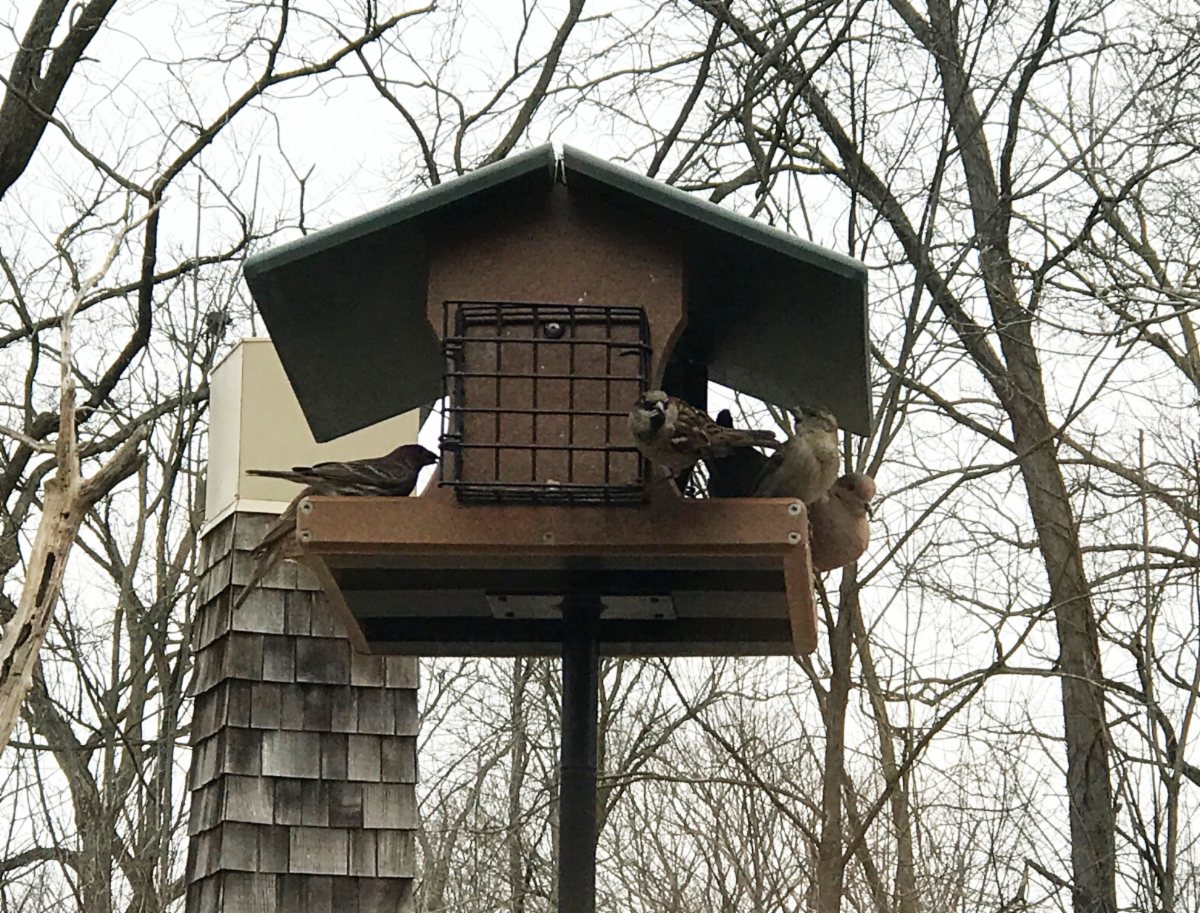
The next time you visit the EIC, wander into the "Windows on Wildlife" (WOW) Room. Our feeding stations are active, our cameras are capturing the action, and the outdoor microphones are broadcasting the conversations between the wildlife into the window-covered room! You never know what you'll see or hear outside those windows as you're snug and warm inside... |
|
A Pond Rejuvenation Project |
|
Pond life in the Environmental Study Area is getting a real boost—of oxygen! For their senior design project, a group of UM-Dearborn Mechanical Engineering students Aaron Hawksley, Vincent Hunton, Brandon Martell, Dylon Regling, and Weida Zhou, led by faculty member Dr. Eric Ratts, recently planned, constructed, and installed a solar-powered aerator in the Rose Garden Pond.
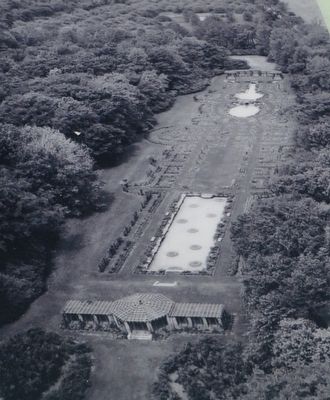
This large rectangular pond (pictured right in the 1920s), once a reflecting pool within Clara Ford’s large rose garden, now serves as a wonderful teaching and learning site. Starting in the early 1960s, when it became part of the UM-D campus, a host of aquatic insects and other macroinvertebrates along with frogs, tadpoles and turtles settled in and made it their home. That made it a perfect place for schoolchildren to discover pond life as part of the UM-D environmental education programming.
|
|
Since its inception in the 1980s, the Pond Explorations program has hosted around 90,000 schoolchildren for a hands-on, science-oriented learning experience. It’s a real favorite for the many teachers who bring out their classes for EIC field trips.
Several years ago, it became evident that the amount of dissolved oxygen in the pond water was getting depleted from many years of plant decomposition. The abundance and diversity of pond life dropped significantly. The schoolchildren were finding fewer tadpoles and other creatures in their aquatic dip nets. Thanks to the new aerator, we anticipate a healthy and robust return of more species abundance and diversity to the pond.
|
|
In addition to “breathing” more life into the pond, the aerator will itself become an educational feature to highlight during the EIC’s Pond Explorations program.
If you happen to visit the Environmental Study Area, perhaps take some time to check out the aerator.
|
|
|
In this unusual time, venturing outdoors and encountering nature is even more important. Our trails are accessible, so please visit our Environmental Study Area. Check out our Remote Learning Activities & Resources page for ideas to create a “Neighborhood Nature Journal” and “Family Nature Walk” activities! |
|
|
Please stay safe, stay tuned, and stay engaged in learning activities while we eagerly wait for the opportunities to share experiences together. In the meantime, watch for our new online activities to satisfy your curiosity about the natural world. |
|
Please remember...
The EIC Environmental Study Area is open daily from sunrise to sunset. We would like to remind nature-goers that fishing on site is prohibited and to leave bikes and dogs at home because they cause disruption and stress to the EIC wildlife.
|
|
|
|
|
|
|
|