Message from Mayor Lisa Brown

One of the first actions I took when I became mayor was authorizing an audit of Spokane's homeless shelter system. At the recommendation of my transition committees, this audit included shelter tours, feedback from providers, the community and those with lived experience, as well as community and neighborhood council surveys.


What was clear from our findings was the need to move away from a model that was reliant on large congregate shelters and instead develop a relationship-based system with smaller facilities focused on assisting individuals toward their specific needs. In the past year, we have made significant progress in overhauling a system that was not providing good outcomes to those utilizing it. Now, we are moving steadily in a new direction with the launch of a navigation center and scattered site model.

A New Approach

Understanding the Navigation Center-Scattered Site Model

During the 2024 Legislative Session, I traveled to Olympia and secured $4 million to launch a pilot navigation center and scattered site shelter model here in Spokane. It's a model that has been successful in other communities and is already showing progress here locally.


So - what is a navigation center? It's a specialized facility designed to provide temporary housing and comprehensive support services to those experiencing homelessness. The site, now housed in the Cannon Street facility, supports 20-30 people at a time and accepts clients through a referral system. They are assessed, provided resources, and spend their stay working with case managers to identify their path toward stability.


In the few months the navigation center has been open, we have served 85 people, exited 8 to temporary housing, and connected 24 people to permanent housing.

In addition to the navigation center, the City has also partnered with providers and members of the faith community to stand up what we call "scattered sites." These are small shelters that similarly hold 20-30 people and are centered on the needs of specific communities. So far, we have opened sites for families with young children, people in recovery, as well as a medical respite facility for unhoused people with chronic and acute ailments.


This model helps alleviate having a single large shelter in one neighborhood, is more cost-effective through utilizing existing spaces (like churches) to serve these populations, and is already proving to be more successful in connecting vulnerable people in our community to treatment and permanent housing.


We have opened half a dozen sites already, with more set to open soon.

A Comprehensive Approach

Targeted outreach through emergency shelter is just one part of my Administration's approach to homelessness. We are committed to addressing the many contributing causes of homelessness: lack of affordable housing, evictions, domestic violence, and hurdles to employment, among others.


Over the past year, we have:

  • Increased inclement weather bed funding by more than 400 percent
  • Secured $1 million in funding for street medicine outreach
  • Secured new designations within the Right of Way Encampment Resolution Program
  • Initiated the first meaningful deployment of 1590 affordable housing and opioid settlement dollars
  • Increased behavioral health response through expansion of co-responder teams
  • Integrated providers into the Homeless Outreach Team
  • Partnered with Spokane County on a federal request to expand the crisis stabilization center
  • Made co-investments with Spokane County in the Spokane Fire Department's CARES Team
  • Partnered with the City of Spokane Valley, Spokane County, and the Spokane Regional Health District to launch a data dashboard to increase understanding of the homelessness system.

What I'm Working On

After my Administration raised concerns over its board structure and financial management, Spokane Regional Emergency Communications (SREC) voted to remove the City of Spokane Fire Department from its regional model. Now, the City of Spokane is developing its own emergency communications system to ensure responsive and effective 911 services. Please join me in supporting House Bill 1258, which ensures that 911 excise tax revenue generated by Spokane residents for the purpose of emergency response, is properly apportioned to the municipal system performing that response.

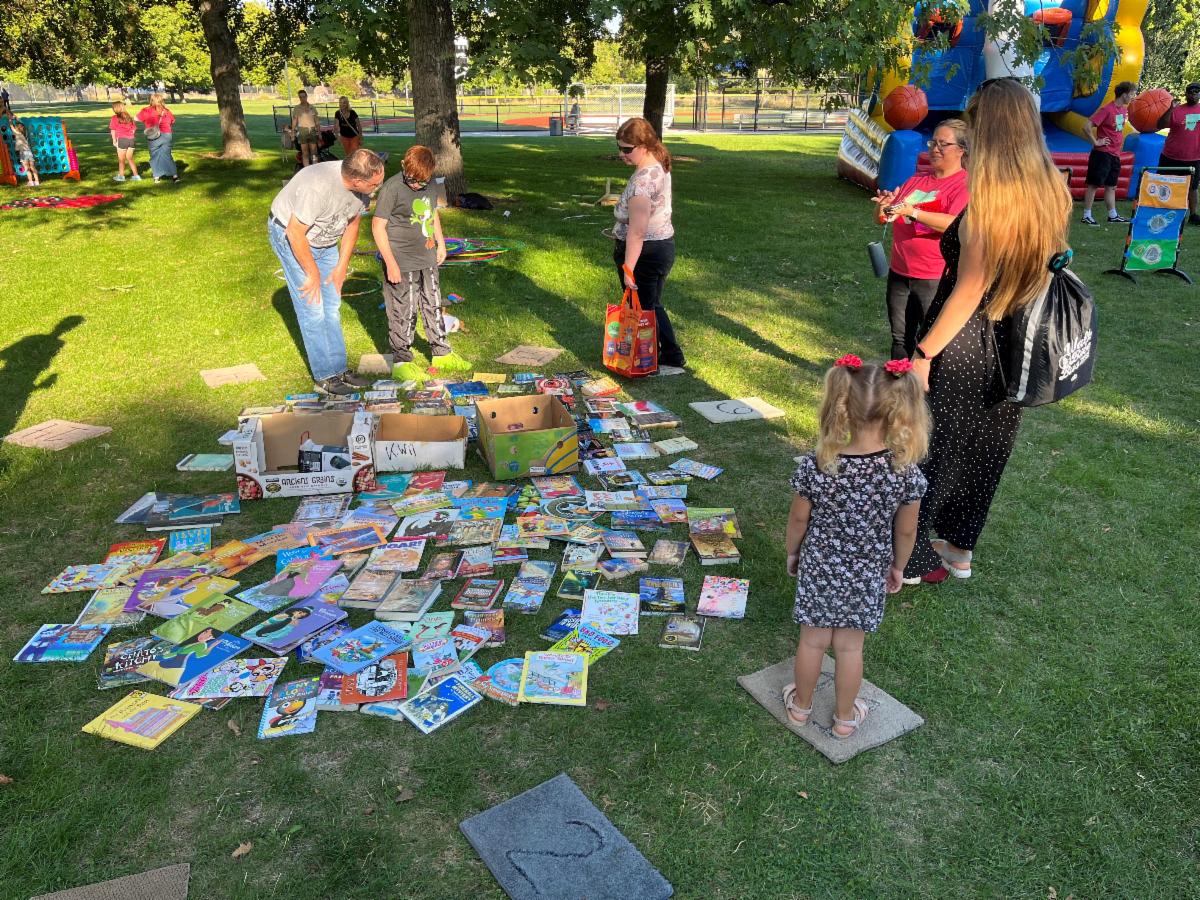
Hosting a neighborhood block party or a special event should not be difficult. That's why I signed an executive order to strengthen community events by reducing costs for both organizers and the City, and tasking staff with eliminating barriers to establishing new cultural events and growing existing ones. LEARN MORE

Good News

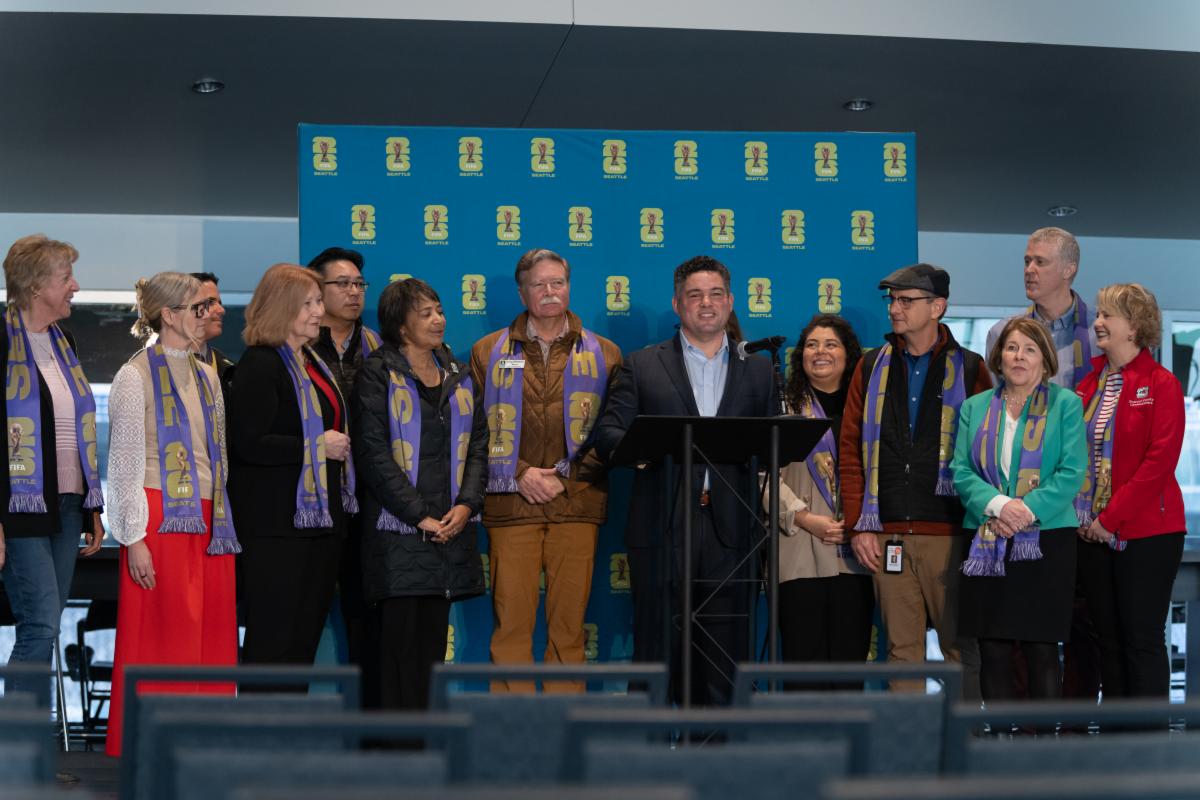
Spokane has been named one of nine designated fan zones by the Seattle FIFA World Cup Local Organizing Committee!


This means Spokane will get to play host to events and community gatherings so people from across the region can participate in the World Cup from right here in the Inland Northwest. Planning is underway and we are looking forward to showcasing Spokane's passion for soccer!

Get Involved

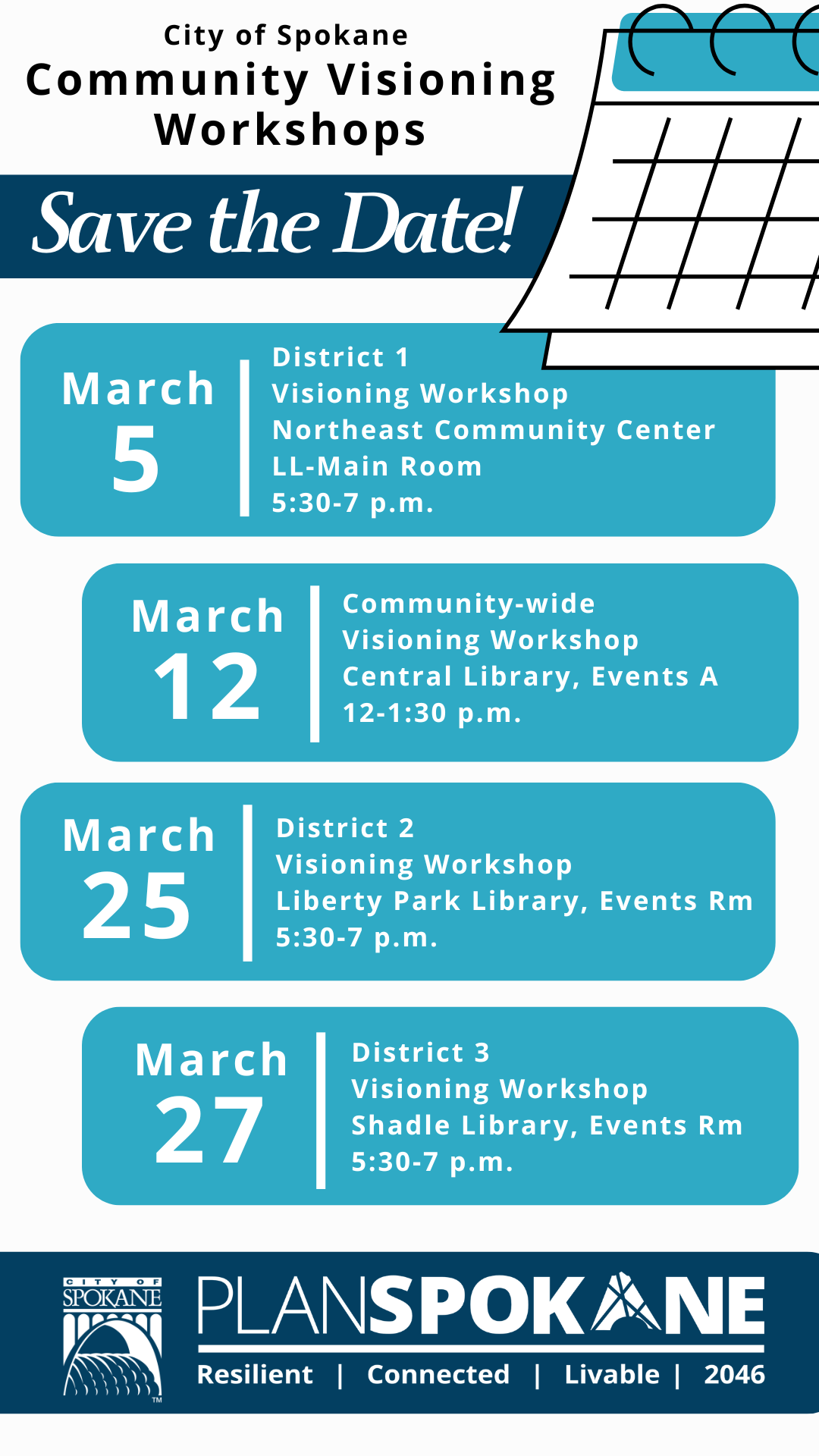
Share your vision!


Join the City of Spokane for a series of a community workshops where you can share your ideas and shape the future of our city! As we conduct the Periodic Update to the Comprehensive Plan, your voice is essential in guiding decisions on housing, transportation, parks and more. These workshops are an opportunity to discuss priorities and possibilities, and ensure our city reflects the needs of all residents. We look forward to hearing your vision!