PFAS Bill Is Now Law! 🙌🏽

Governor Newsom has signed AB 1603 (Shultz) into law— a meaningful step toward greater transparency about PFAS "forever chemicals" released into California's environment.


Thank you to everyone who took action to help pass this important bill.


AB 1603 requires the California Department of Pesticide Regulation (DPR) to track and publicly disclose the use of PFAS-containing pesticides. These extremely persistent chemicals can remain in the environment and living organisms for years, threatening human health, other species, and ecosystems.


The law's passage comes a couple weeks after an Inside Climate News investigation revealed that the chemical and agricultural interests spent nearly a $900,000 dollars in the first 6 months of 2026 lobbying California officials on AB 1603 and other issues. The bill originally included stronger restrictions and a phaseout of PFAS pesticides; industry pressure narrowed it to tracking and disclosure requirements.


We are deeply thankful to Assemblymember Nick Shultz for championing AB 1603, and to our co-sponsors the Environmental Working Group, Pesticide Action & Agroecology Network, and the Center for Environmental Health for their tremendous partnership and advocacy.

Join the Next EJAC Meeting on October 9 in Bakersfield

We're looking forward to the next DPR Environmental Justice Advisory Committee (EJAC) Meeting happening next week in Bakersfield.


Friday, October 9, 2026

4:00 pm - 8:00 pm

California State University, Bakersfield

Student Union - Multipurpose Room (MPR)

9001 Stockdale Highway, Bakersfield, CA 93311


Register to participate over zoom

Passcode: 784141


There will be two opportunities for public comment. Don't miss it! ✊🏾

📢 Tell DPR: Enough — Ban Fumigants Now!

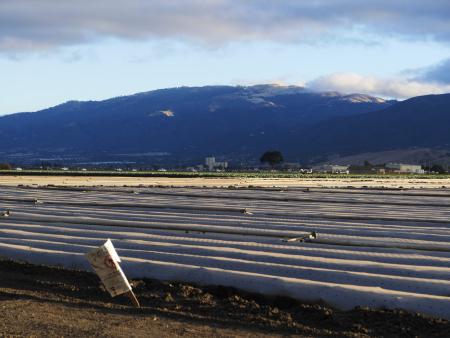
Soil fumigants are highly drift-prone toxic pesticides injected into the soil before planting. Exposure can severely irritate eyes, skin, and respiratory system, and some cause cancer. They are known to drift for miles.


Yet these chemicals remain widely used in California, placing farmworkers and nearby residents — disproportionately Latino communities — at risk.


Here are 3 reasons why you should call on DPR to phase out fumigants now!


1..Chloropicrin: 25 Years of "Reevaluation"

This month marks 25 years since DPR began reevaluation of the highly toxic fumigant chloropicrin.


Thankfully, in 2024, the legislature passed a bill requiring DPR to set a timeline for completion of reevaluations. Its current timeline anticipates completing its review of required manufacturer studies in 2027, with any needed rulemaking or mitigation delayed until 2029.


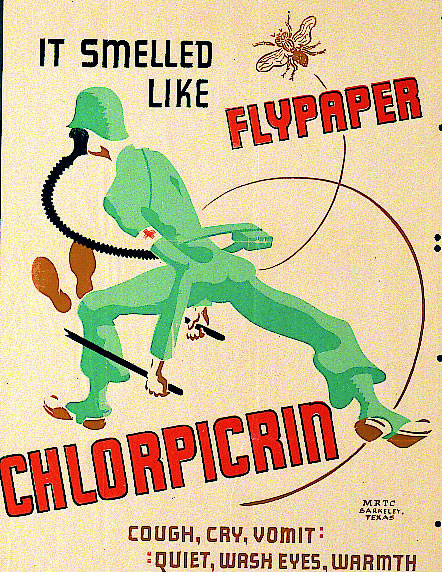
Chloropicrin was developed during World War I and has been used as a choking agent in chemical warfare.


Despite its toxicity, in 2023 it was the fourth most used pesticide overall in California, with more than 8 million pounds applied.


Forty-three countries have already banned this chemical.


There is already sufficient evidence of harm. Extending this reevaluation prolongs exposure for communities living and working near treated fields.


2. Rising 1,3-D Air Concentrations, Delayed Answers

DPR's 2024 1,3-D non-occupational bystander regulation puts new limits on emissions methods and requires annual evaluations of use and air-monitoring data in high-use townships to better understand whether the new regulation reduces 1,3-D air concentrations for rural communities. DPR must also assess whether elevated concentrations show that additional protections are effective or additional measures are needed.


However, DPR's first annual 1,3-D Report shows average 1,3-D concentrations actually rose in 2024 compared with 2023 at half of its air monitors, those in Delhi, Parlier, and Santa Maria — even with the new lower-emission fumigation methods. DPR says that one year alone cannot establish a trend.


Rural communities should not endure years of harmful exposure while DPR keeps experimenting.


3. Inaccurate Air Monitoring and Unreliable Protections


The California Department of Food and Agriculture (CDFA), in charge of analyzing DPR's air-monitoring samples, has recalled and voided all 1,3-D and methyl bromide results analyzed from October 24, 2025 through June 30, 2026. Problems with expired lab materials caused the reported concentrations to appear inaccurately elevated, making the results unusable. DPR says it will fill the resulting gaps in the data through modeling.


But it's not the first failure. In 2025, CDFA disclosed a separate error affecting the lab analyses in the samples of these two fumigants collected over more than 13 years.


Methyl bromide remains in widespread use despite its harmful effects and international phaseout under the Montreal Protocol in 2005.


Communities are being exposed to dangerous fumigants while DPR cannot even reliably measure the air they breathe.


TAKE ACTION


✍🏽 Write to DPR regulators and copy your state legislators.


Madison Le, Deputy Director for Monitoring and Mitigation, Madison.Le@cdpr.ca.gov

Celia Pazos, Deputy Director for Environmental Justice, Celia.Pazos@cdpr.ca.gov,


Find your legislator here.


Demand that DPR:

  • Phase out soil fumigants on an enforceable timeline by 2030.
  • Immediately enforce the 21-year-old global ban on agricultural use of methyl bromide.
  • Invest in and support growers’ transition to safer and more sustainable non-fumigant alternatives.
  • Expand air monitoring in communities with the greatest fumigant use and exposure risk.
  • Release transparent, timely data and act promptly when monitoring or modeling identifies unacceptable exposures.


DPR Tries to Take Away PREC’s Legal Duty to Consult

For five years, CPR has urged DPR to bring to the Pesticide Registration and Evaluation Committee (PREC) meaningful updates on risk assessments, pesticide reevaluations, and actions to reduce health risks that DPR has already found excessive. Most recently, CPR requested a presentation for the September 18, 2026 PREC meeting on the status of these assessments and needed mitigation measures.


Instead, DPR wrote that the PREC will receive updates only, while the Scientific Prioritization and Review Committee (SPARC) will provide recommendations to DPR on where to prioritize their work. This troubling shift not only limits PREC's ability to fulfill its role, but is also unlawful.


CPR continues to believe, and the law states, that the PREC should play an active role in reviewing DPR’s progress and future plans.


PREC is composed of representatives from various state agencies and was created in regulation “to advise DPR on its regulatory actions and other pesticide decisions".


SPARC, by contrast, is formed by members of the public including growers and pesticide registrants. As an advisory committee, SPARC does not hold decision-making authority.


DPR must respect the PREC's legal duty to consult and ensure meaningful oversight of pesticide risks and protections.

pesticidereform.org

Email  Facebook  Bluesky