|
EDITOR’S NOTE — Thankful for the break
We’re thankful for you—and for a little time to recharge. LHF’s staff will be off next week for Thanksgiving, and our newsletter returns November 30.
The Labor Heritage Power Hour will also take a holiday break from WPFW on November 26, but we’ll release a special holiday music edition on our podcast feed, courtesy of our colleagues at the Heartland Labor Forum.
Meanwhile, enjoy today’s edition, with extra helpings of labor arts!
—Chris, Harold, Patrick, Jenn, Elinor and Tony
Know someone who would enjoy this newsletter? Invite them to subscribe for free!
| |
|
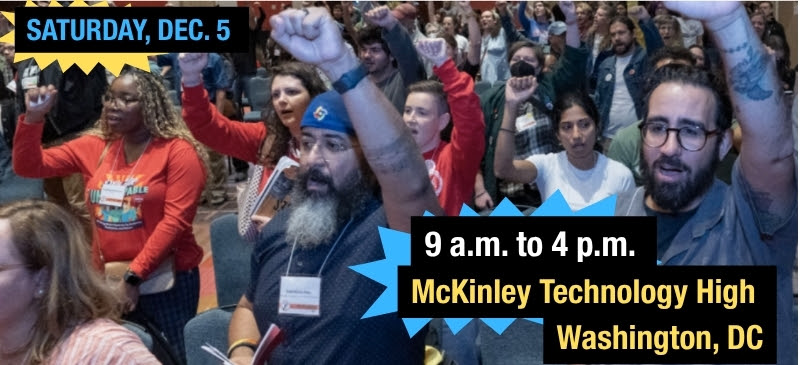
Get Creative at D.C.’s Troublemakers School Dec. 5
Build your organizing skills at the Labor Notes Troublemakers School, with workshops including Rockin’ Your Rally/Picket Line and Creative Tactics and Strategic Mischief. Join fellow union members for practical sessions on building leadership, handling grievances and overcoming divisions, plus stories from teachers, home care workers and federal workers organizing for change.
Saturday, Dec. 5, 9 a.m.–4 p.m.
McKinley Technology High School, 151 T St. NE, Washington, D.C.
$40 regular registration, $20 low-income/hardship. Lunch included.
Bring your co-workers! Register here.
| | | | |
THIS WEEK’S LABOR HERITAGE POWER HOUR
Illustrating Legacies of Resistance
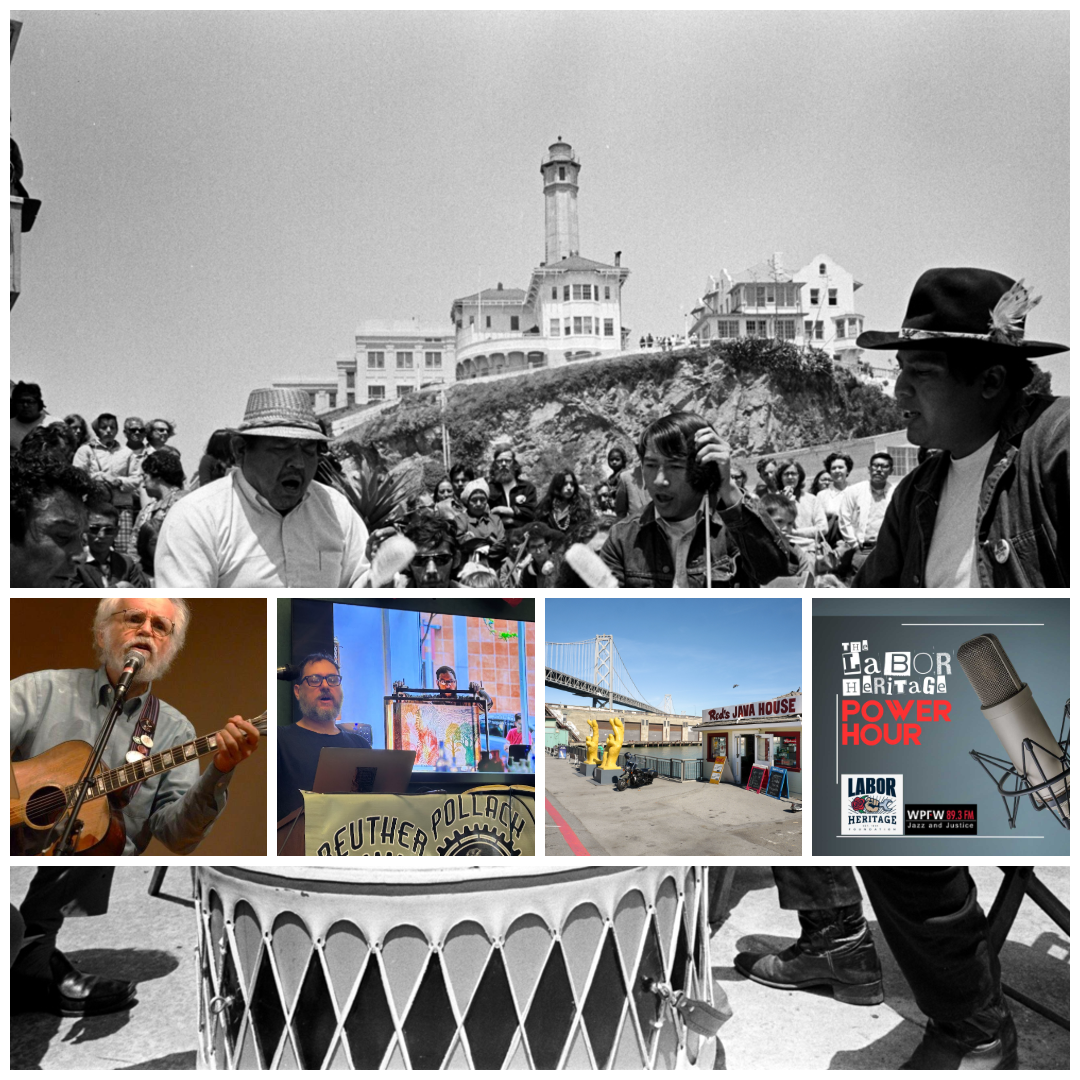
Artist Eric Ruin explores how paper cuts, prints and collective creativity carry stories of resistance. Historian Peter Cole joins producer Tony Dominiczak to reveal how dockworkers helped sustain the 1969 Indigenous occupation of Alcatraz. Plus, Paul Robeson and Joan Baez sing “Joe Hill,” Charlie King shares the story behind “Our Life Is More Than Our Work,” Harold Phillips delivers Labor Arts News Briefs, and Labor History in 2:00 revisits the mysterious deaths of two Canadian labor organizers.
Listen to this week’s show
Plus, see the art! Click below to watch Eric Ruin’s complete talk, excerpted on this week’s show, for a closer look at his prints, paper cuts and other work.
| | |
LABOR ARTS NEWS BRIEFS
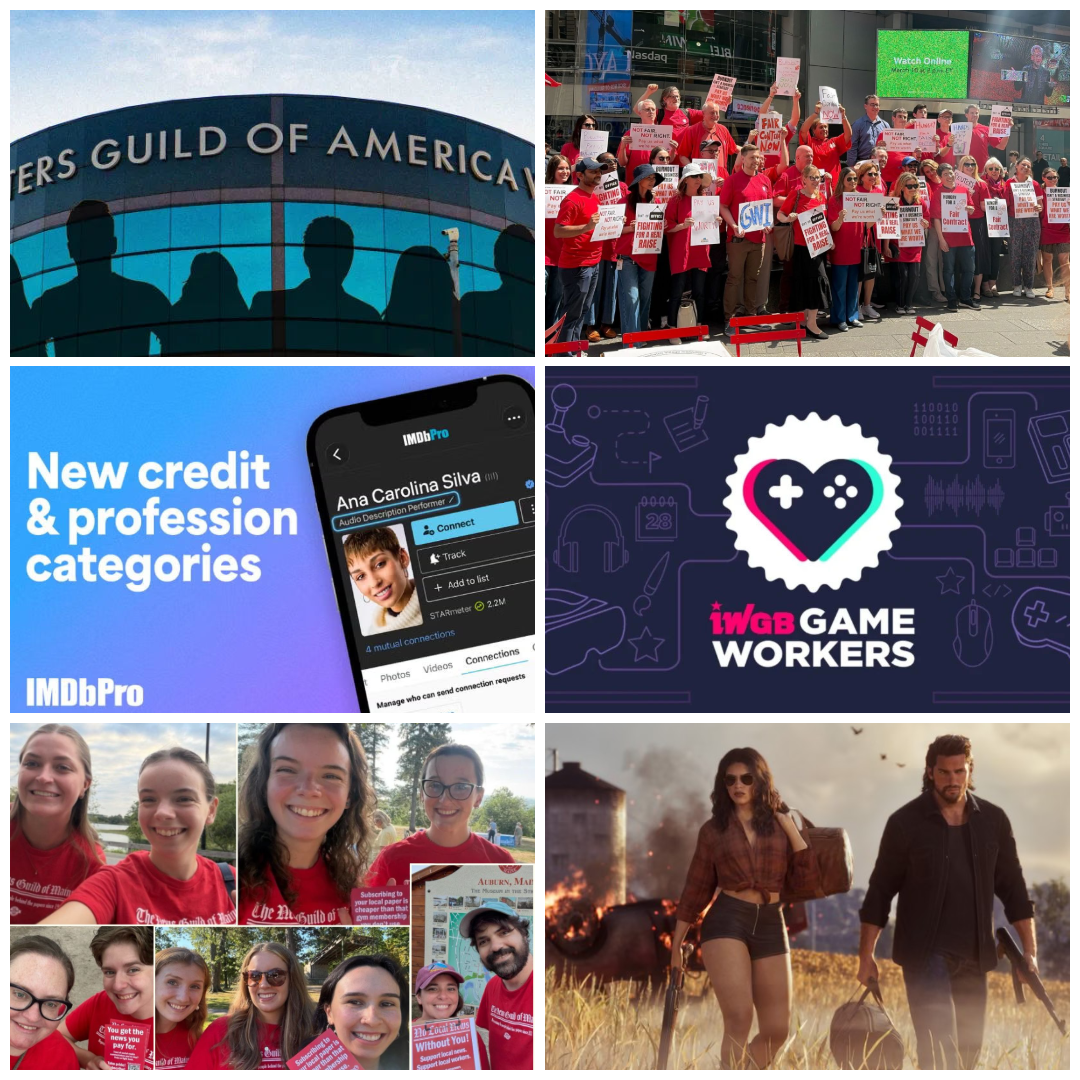
Unionized Journalists at Reuters Overwhelmingly Authorize Strike
Reuters Guild members voted 94% in favor of authorizing a strike. Read more.
News Guild of Maine Ratifies Historic, Expanded Contract
A single collective bargaining agreement now covers nearly 200 workers across the Maine Trust. Read more.
Microdrama Writers at DramaWave Unionize With WGA West
The writers organized to bargain over compensation, job security and guardrails on the use of AI in writing. Read more.
Video Game Union Manifesto Calls on Consumers to “Support Games Made Without GenAI”
The manifesto outlines ways workers and consumers can push back against AI-assisted video game development. Read more.
Spokesman-Review Workers Applaud Removal of Editor
The Spokane Editorial Society’s president said the editor had a commendable vision but created a “hostile work environment” for employees. Read more.
IMDb Adds Four New Credit Categories, Expanding Visibility for Performers
Many of these credits previously appeared under “Additional Crew,” where they were harder to find. Read more.
What we’re reading: We Made GTA 6, the World’s Biggest Video Game—We Should Have Working Conditions to Match
| | |
LABOR VIDEOS OF THE WEEK
The Crowd at Troy Jackson’s Victory Party Sings “Solidarity Forever”
Supporters celebrated Troy Jackson’s U.S. Senate victory with a rousing rendition of “Solidarity Forever.” Jackson belongs to multiple unions and received endorsements from Maine unions and the AFL-CIO.
(Below) “All You Fascists Bound to Lose”—Resistance Revival Chorus With Rhiannon Giddens
| |
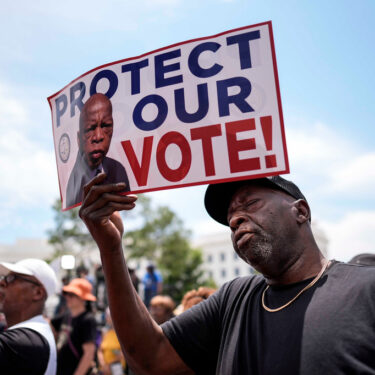
PICKET SIGNS OF THE WEEK
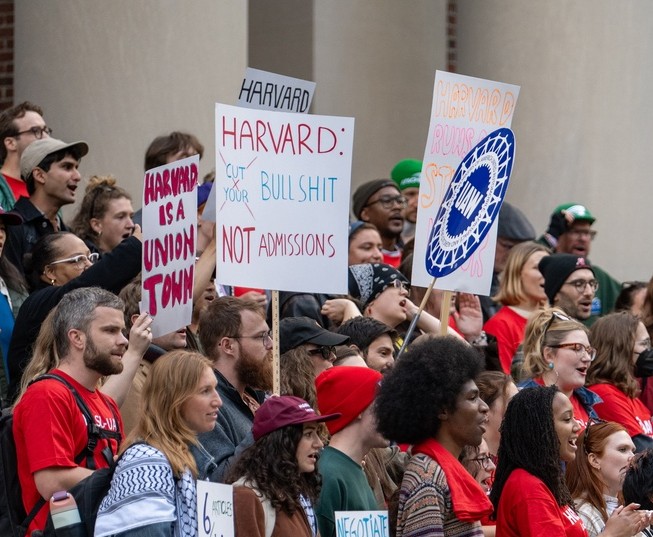
(Above) Harvard’s academic workers and graduate student unions rally on Widener Steps in October. Harvard Academic Workers ended a weeklong strike on Tuesday after the university doubled its proposed wage increase, without a finalized contract. Photo by Pavan V. Thakkar.
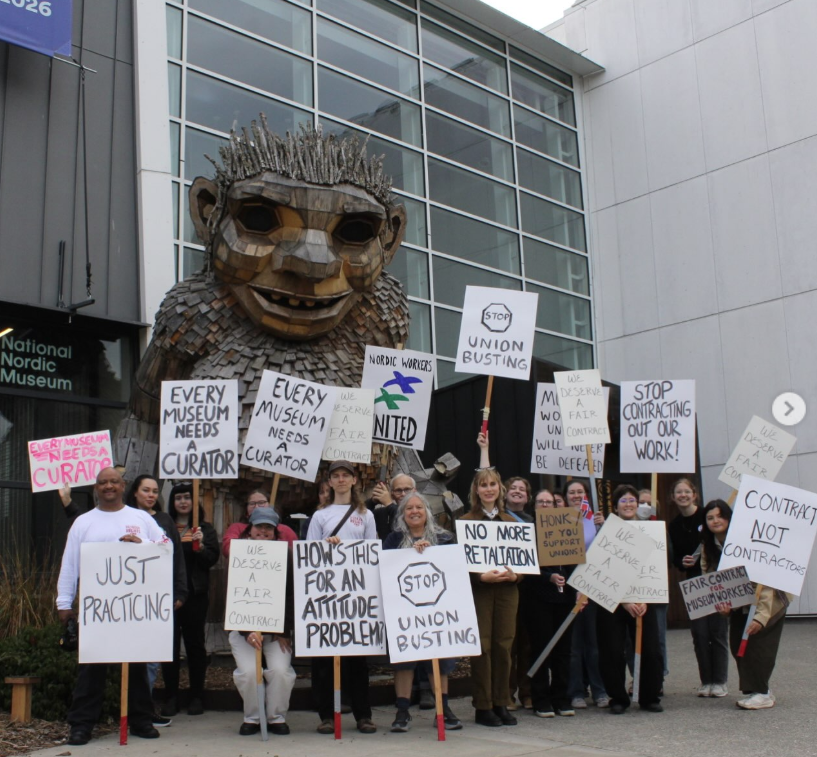
(Below) Union workers -- and a very large friend -- picket at Seattle, Washington’s National Nordic Museum. Read more.
Got a creative picket sign to share? email us at info@laborheritage.org
| |
LABOR SONG OF THE WEEK: “Joe Hill”—Paul Robeson
Labor leader and songwriter Joe Hill was executed in Utah on November 19, 1915, on a murder charge widely regarded as a frame-up.
Read more about Joe Hill, and explore LHF’s Labor Arts & Culture Database for more labor songs.
Got a Labor song? Email us: info@laborheritage.org
| | |
LABOR ART OF THE WEEK
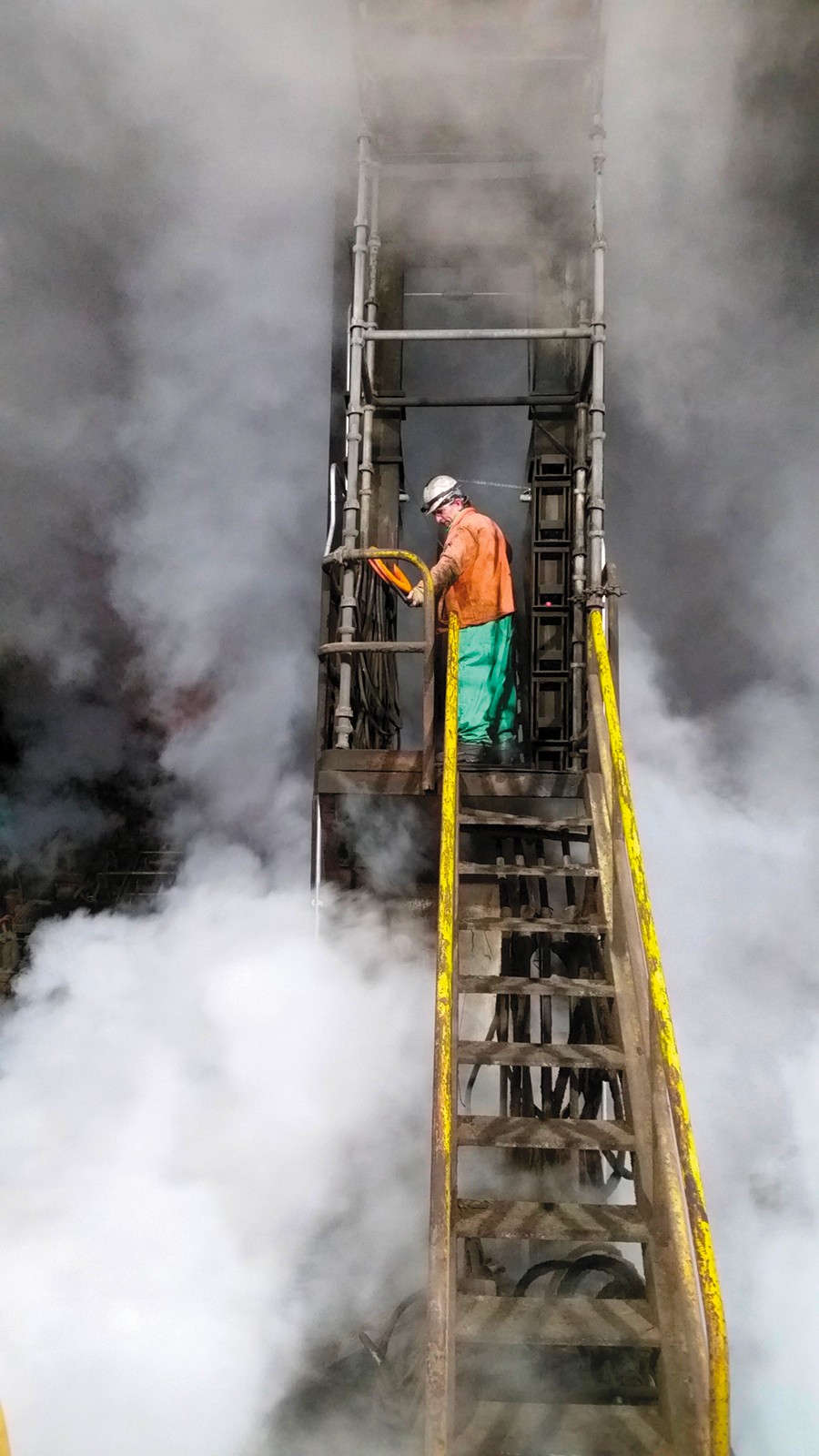
David Pardo of Detroit IBEW Local 58 took second place in the union’s 2025 Photo Contest with this shot. The deadline for the 2026 contest has been extended to November 30. Enter here.
Got labor art? Email info@laborheritage.org.
| | |
LABOR QUOTE OF THE WEEK
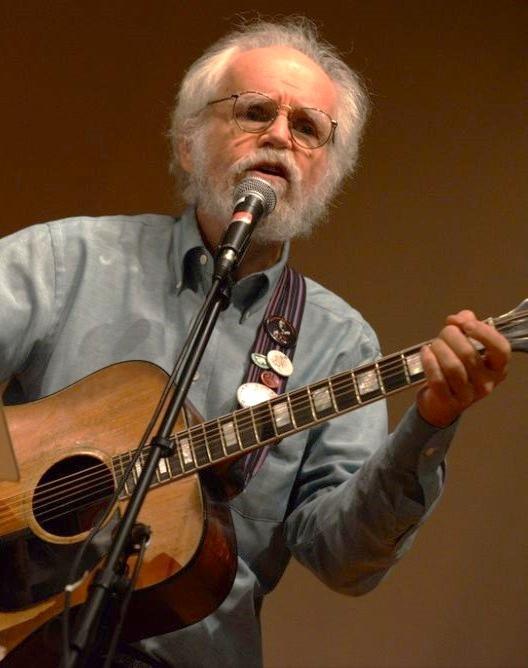
“Most of the songs that I write take weeks and months, sometimes years to finish. They're very, uh, crafty, you know. But this one was just spontaneous. It just came out of my heart, in the spirit of the day, in the spirit of my emotional celebration of life.”
Storyteller and singer Charlie King, on his song “Our Life Is More Than Our Work,” on this week’s Labor Heritage Power Hour. Listen here.
Check out LHF’s Labor Arts and Culture Database for more labor quotes like this!
| | |
LABOR LANDMARKS OF THE WEEK
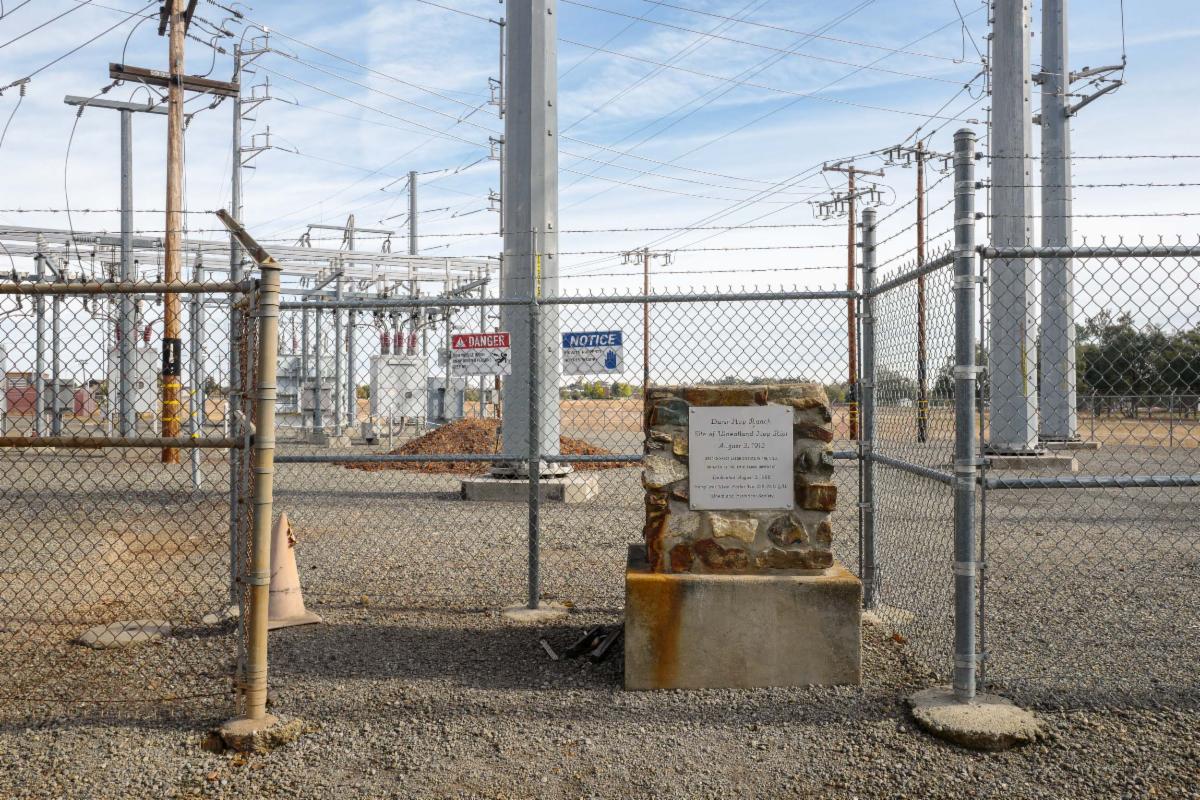
(Above) 1913 Wheatland Hop Riot
Thousands of hop pickers at California’s Durst Ranch faced low wages, long hours and poor living conditions. Workers organized through the Industrial Workers of the World to demand improvements. A confrontation with law enforcement escalated into gunfire, killing four people and injuring others. Strike leaders Richard “Blackie” Ford and Herman Suhr were convicted of second-degree murder. The conflict drew attention to farmworkers’ conditions and helped spur investigations and labor-camp inspections.
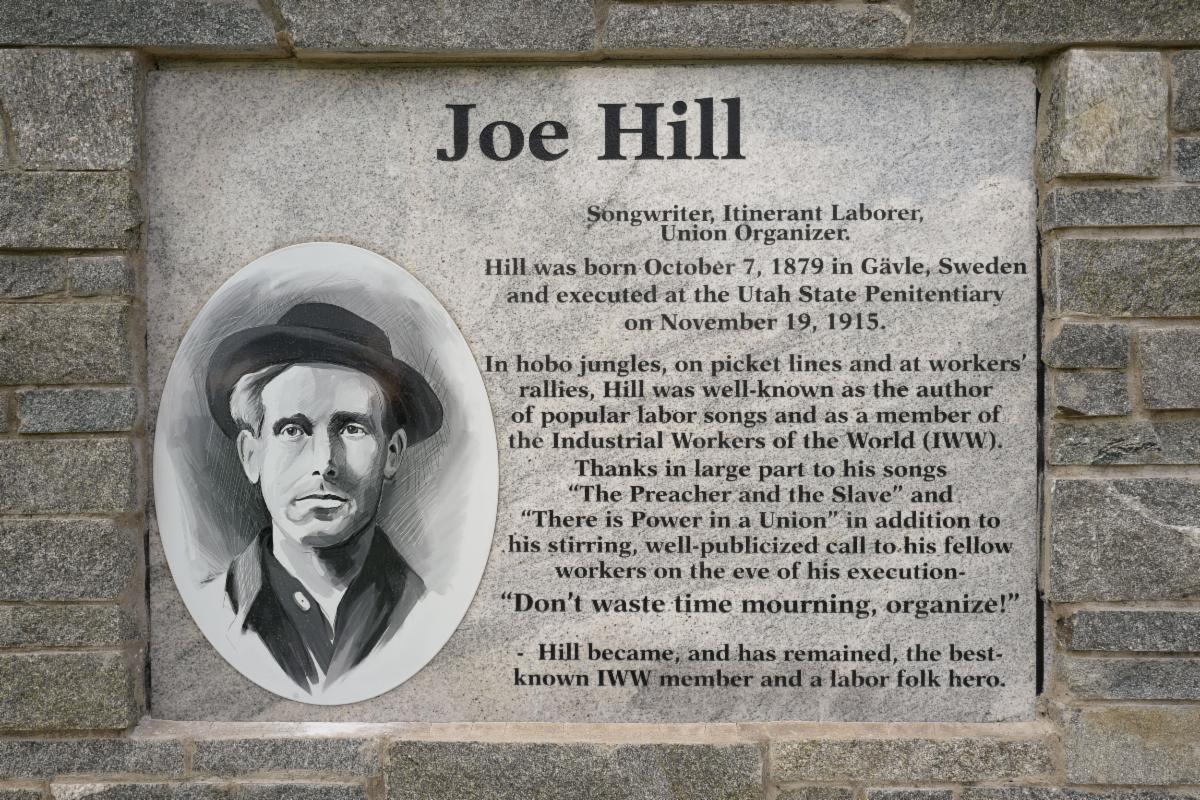
(Below) Joe Hill Monument
Joe Hill was executed at the Utah State Penitentiary on November 19, 1915, near the site where a monument honoring him now stands. Dedicated in 2023 at Sugar House Park, the monument recognizes his legacy as an IWW songwriter and labor organizer. His final message to fellow workers was, “Don’t waste time mourning, organize!” The monument honors workers past, present and future in the union labor movement.
Find both sites on the LHF Labor Landmarks Map.
| | |
THIS WEEK'S LABOR HISTORY TODAY
What Labor History Tells Us About the Midterms
What can an election win make possible for working people? This week, we share excerpts from a Working History roundtable on the 2026 midterms.
Rick Smith’s Labor History in 2:00 takes us to Pittsburgh in 1881, where trade unionists founded a forerunner of the American Federation of Labor, and to New York in 1919, where federal agents raided IWW offices during the Red Scare. We close with Louise Mosrie’s “Battle of Blair Mountain,” about West Virginia coal miners’ fight for a union in 1921.
| | |
TODAY'S LABOR HISTORY
1816 — The Albany Typographical Society uses the term “scab” for a strikebreaker.
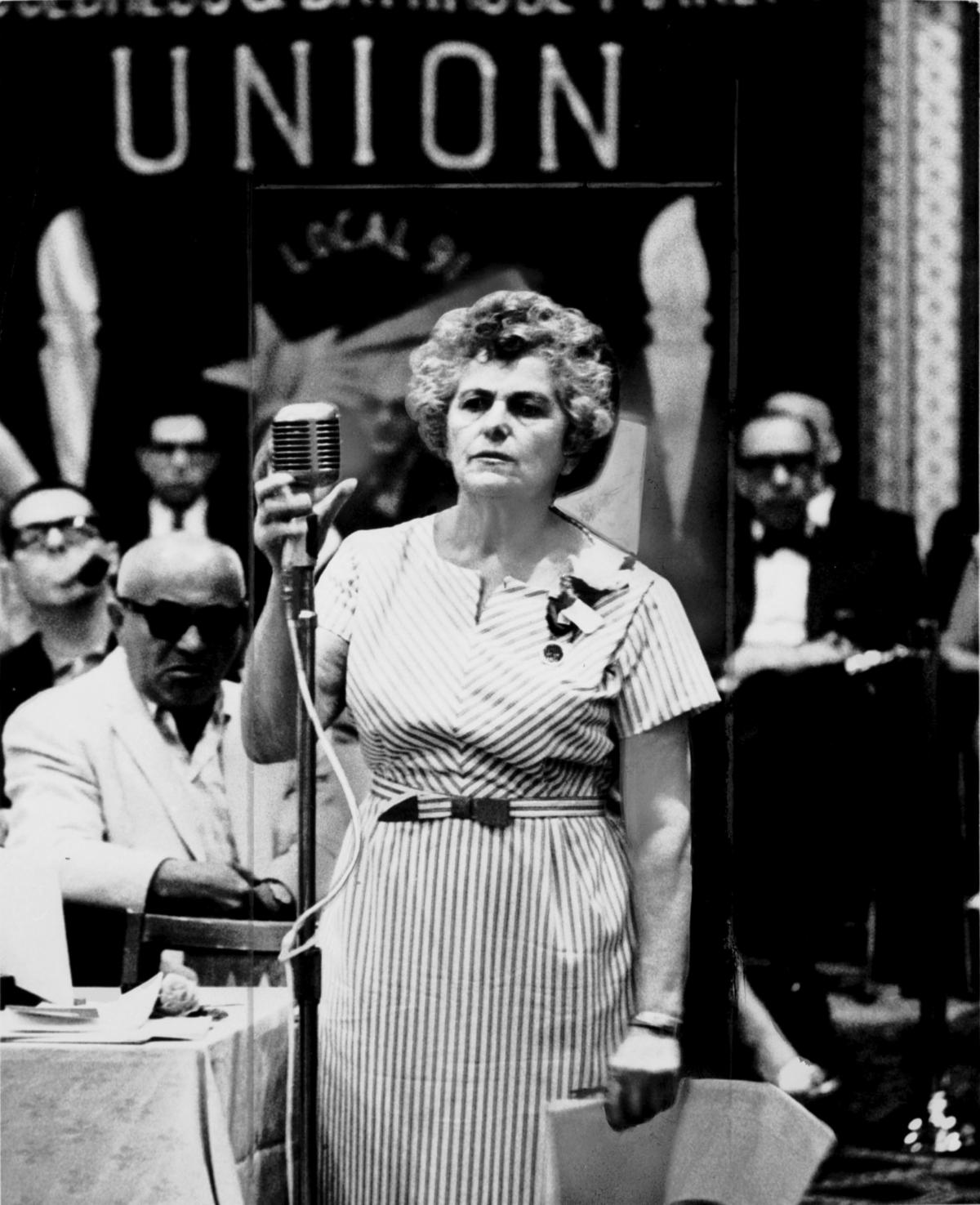
1896 — Jewish garment worker, labor organizer and anarchist Rose Pesotta (above) is born in Ukraine. After immigrating to New York, she becomes active in the International Ladies’ Garment Workers’ Union and later serves as a vice president.
1924 — Women sardine cannery workers in Douarnenez, France, begin a strike for higher wages, winning a landmark victory for women workers.
1968 — An explosion at Consolidated Coal Company’s No. 9 mine in Farmington, West Virginia, kills 78 miners.
| |
| Which union led the miners killed in Colorado’s 1927 Columbine Massacre? | | | | LAST WEEK’S QUIZ: To “organize workers into a powerful industrial union,” United Mine Workers of America President, John L. Lewis called a meeting in Pittsburgh’s Islam Grotto on November 14, 1938, founding the Congress of Industrial Organizations (CIO). | | |
SUPPORT LABOR ARTS!
Please CLICK HERE NOW to pledge your financial support to our 2027 program, which includes our annual Solidarity Forever Award, the Great Labor Arts Exchange, the DC Labor FilmFest and a whole lot more (check out our website for details!).
Donations are tax-deductible to the extent allowed by law.
| | | | |