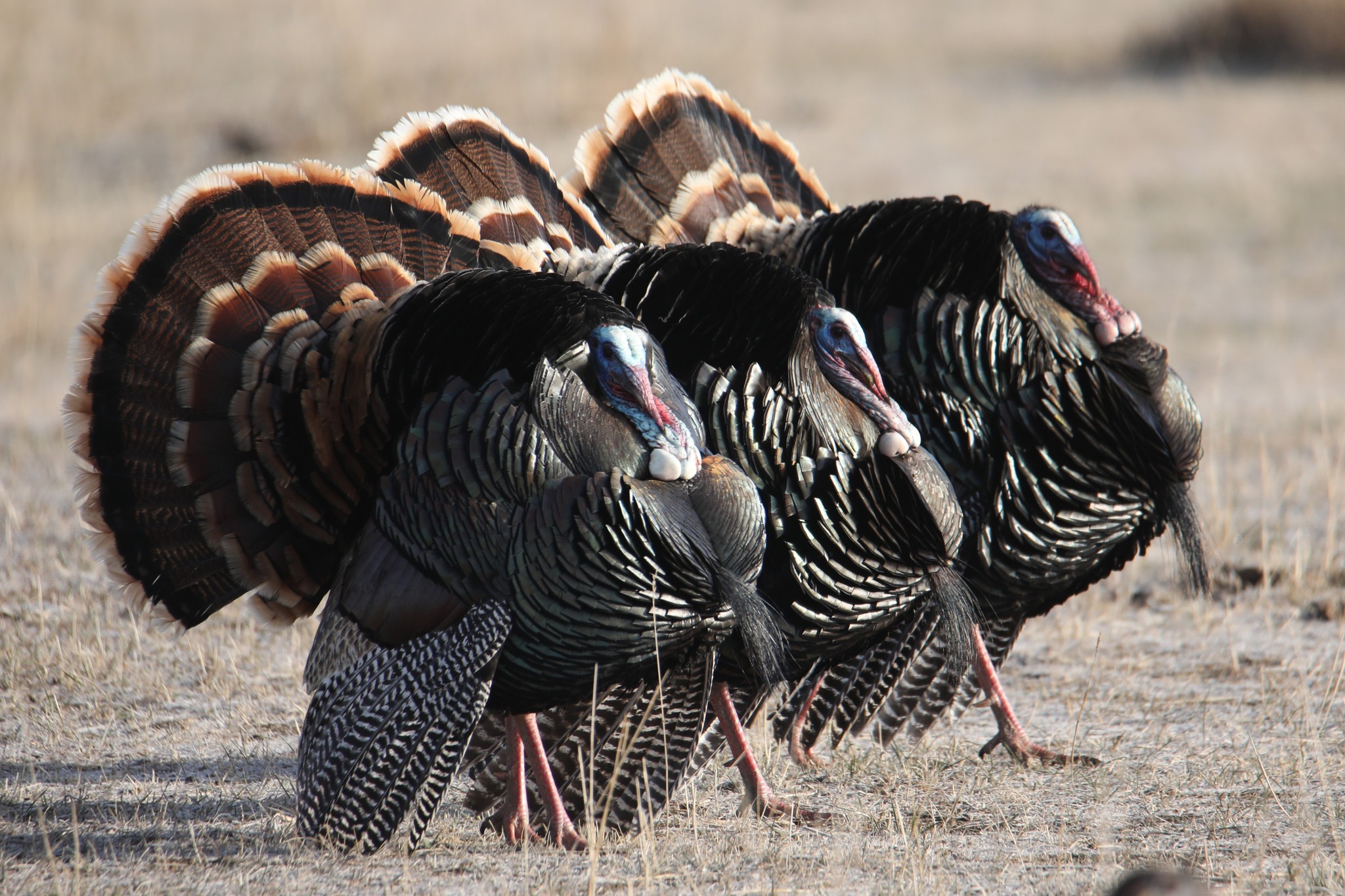
Almost as if marching in formation, this trio of turkeys strut their stuff on a recent warm spring day at Theodore Roosevelt National Park. (photo credit: Senator Dean Rummel)
|
|
Committee Okays New Drilling Incentive
Tax Exemption to Encourage More Exploration
The House Finance and Taxation Committee "hoghoused" a bill this week to create an incentive for oil companies to develop new methods of extracting oil from the Bakken and Three Forks formations. The hoghouse, a term referring to a bill that is rewritten to enact policy different from the original bill, created a new version of SB 2397, the original version of which would have changed the definition of non-oil-producing county. WDEA supported the original bill, but was agreeable to the change because the new definition has been added to SB 2012, the budget bill of the Department of Transportation. The amendment, pitched by Bismarck Rep. Jason Dockter, would exempt a "development incentive well" from the 5% extraction tax during the first 36 months of production up to 300,000 barrels. The well, subject to certification by the Department of Mineral Resources, would have to be drilled in an existing spacing unit, and use "a new or innovative drilling or completion technique that constitutes a technical advancement beyond current industry standards." Click here to listen to Dockter's comments. Will Houser, Director of Regulatory Affairs for Continental Resources, said the tax incentive created in the legislation could lead to development of innovative technology that yields additional production well into the future. Click here to listen to Houser's comments. Houser said if development wells are successfully completed, the state could see millions of barrels of additional production. He said the bill contains specific criteria for the type of technology that would qualify for the exemption, and is a good policy investment for the state. Click here to listen to Houser's comments. John Argo, VP of Business Development for Continental, said the oil industry in North Dakota has gone into "harvest" mode, completing new wells only in areas with proven reserves and proven technology. Argo said the state needs to adopt the incentive to encourage additional exploration and testing of new drilling techniques. Click here to listen to Argo's comments. Argo said if the incentive leads to innovative completion technology, it would be deployed in other parts of the Bakken and Three Forks formations. He cited an example of nine "wildcat" wells drilled years ago in an unproven area that led to hundreds of millions of barrels of additional production. Click here to listen to Argo's comments. The committee approved the bill on a unanimous 14-0 vote, and it now moves to the House floor.
|
|
ND to Continue Battle Against War on Coal
NDIC Budget Has $3 Million for State's Litigation
North Dakota is standing firm in defending coal as a critical part of the nation’s baseload energy supply as reliable, affordable, and cleaner than ever before. The Government Operations Division of the House Appropriations Committee heard testimony Monday regarding a $3 million line item in the budget of the ND Industrial Committee (SB 2014) to support the state's continuing legal battle against the War on Coal. Jonathan Fortner, interim President of the Lignite Energy Council, explained how the state should prepare for continued legal woes, despite the administration change. Click here to listen to Fortner’s comments. Over the last several years, coal-generated electricity has been at the center of multiple high-stakes legal battles—especially with neighboring Minnesota. The state has enacted legislation aimed at moving to 100% carbon-free electricity by 2040. The matter is still up in the air, with the vague legislation punted to the state’s Public Utilities Commission to interpret in an administrative rulemaking. Fortner said the rulemaking process has been slow, uncertain, and "unworkable." He said it raises a fundamental question: can a state regulate the production of electricity it doesn’t even generate? Electricity doesn’t come with a label when it crosses state lines. Click here to listen to Fortner’s comments. On the federal front, Fortner said the EPA under the Biden Administration pushed aggressive and often unrealistic regulations. He said one of the most concerning is the Greenhouse Gas Rule, which requires CO2 capture technology at every power plant by 2032, regardless of technological feasibility or cost. Click here to listen to Fortner’s comments North Dakota has been a national leader in emissions reduction technologies for decades, investing more than $2 billion in environmental controls in just the past 15 years. But instead of being recognized as a leader, Fortner said the state is treated like an outlaw. Click here to listen to Fortner’s comments. Fortner said North Dakota state agencies are aligned and working closely with coal producers and utilities to push back against the burdensome federal regulations. He said while the state has invested nearly $3 million in the legal battle, the LEC and its member companies have spent more than $5 million, an investment that benefits every North Dakotan who depends on affordable and reliable power. The Industrial Commission budget is currently awaiting action before the full House Appropriations Committee.
|
|
Court Hears CO2 Storage Law Challenge
Plaintiffs Argue It's Unfair to Landowners
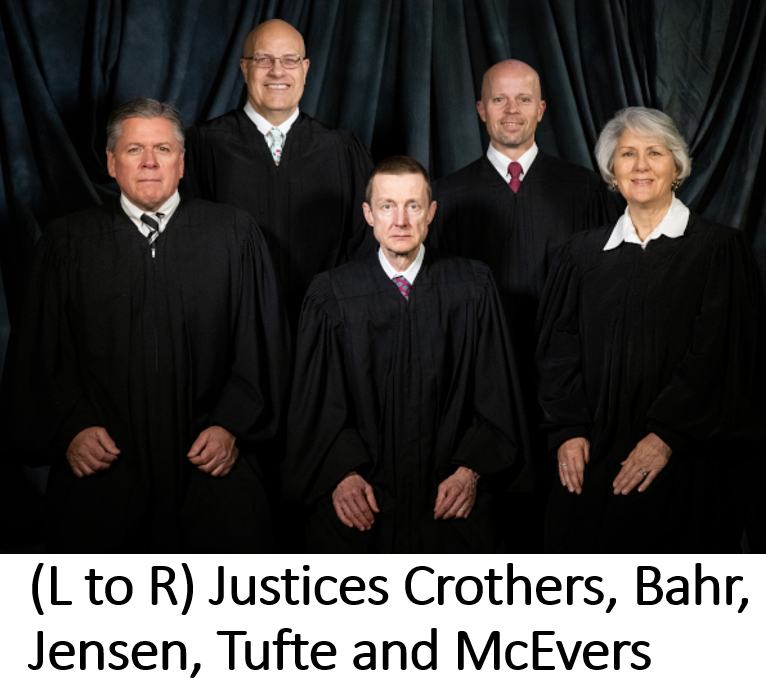
By Jeff Beach | North Dakota Monitor The North Dakota Supreme Court heard arguments Thursday in a case that could determine whether a state law on underground carbon dioxide storage is constitutional and fair to landowners. The Northwest Landowners Association and other landowners are suing the state of North Dakota and the state Industrial Commission over a state law that can force landowners to take part in an underground CO2 storage project. The North Dakota Farm Bureau has joined the landowners in their lawsuit. Joining the state in defending its statute are Minnkota Power, Basin Electric Power, Dakota Gasification Co. and Summit Carbon Solutions, the Iowa-based company that has a permit to store millions of tons of carbon dioxide in western North Dakota. Derrick Braaten, representing the landowners, said the state law authorizing amalgamation — forcing landowners to allow carbon dioxide storage beneath their property if 60% of the landowners agree to a storage project — is unconstitutional and doesn’t allow landowners to use the court system to argue for just compensation. Northeast Judicial District Judge Anthony Swain Benson dismissed the lawsuit in August, ruling that a law passed in 2009 could not be challenged because a statute of limitations had expired. Thursday’s arguments delved into the merits of the case. Braaten urged the Supreme Court to overrule the district court on the technicalities. He said the Supreme Court could also rule on the merits of the case or send it back to the district court for further arguments. The Supreme Court took the case under advisement. Summit Carbon Solutions is seeking to use property in Oliver, Mercer and Morton counties for underground CO2 storage. The underground storage area is referred to as pore space. Phil Axt, representing the state, noted that North Dakota’s geology is exceptionally well suited to underground carbon dioxide storage. He said the state should have the authority to regulate a shared resource. He said the case could set a precedent. “As far as we’re aware, no other court has yet addressed the pooling of pore space interests and the interplay between individual rights, majority rights and regulatory authority,” Axt said. “We think courts around the country will be answering them, but this court is positioned to be the first.” Click here to read more from North Dakota Monitor.
|
|
House Approps Discussing DOT Budget
"Non-Oil County" Definition Reconsidered
Four-Lane Work on Hwy 85 in the Balance
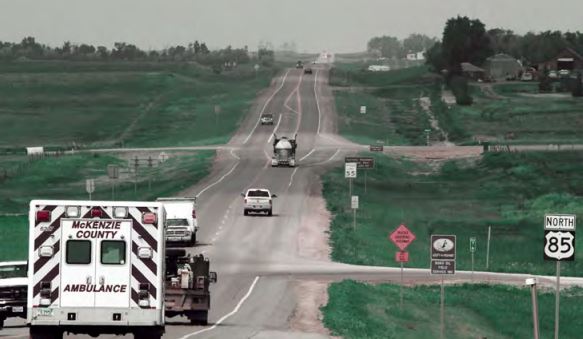
The Government Operations Division of the House Appropriations Committee has been working its way through amendments to SB 2012, the budget bill of the North Dakota Department of Transportation (NDDOT). Discussion included the addition of language that would change the definition of non-oil producing counties. It would change from a county that receives more than $5 million in gross production tax revenue, to one that produces fewer than 10 million barrels per year. It would allow lesser-producing counties like Billings, Bowman Burke and Divide to access much needed infrastructure funding. Edgeley Rep. Mike Brandenburg said a question has arisen whether the 10 million bbl/year threshold would be high enough to include Divide County, which has recently seen oil production double to around 1.3 million bbl/month. Click here to listen to Brandenburg's comments. The intent of the amended language is that only the Big Four — Dunn, McKenzie, Mountrail and Williams Counties — would be in the oil-producing category. Lawmakers also discussed using three funding buckets within the NDDOT budget, aiming to move away from reliance on the unpredictable Prairie Dog funding model and toward a more structured, predictable approach. The proposal includes use of the Flexible Transportation Fund, first approved by the 2023 Legislature, to distribute funding through grants to cities, counties, and townships. Bismarck Rep. Glenn Bosch explains here. The overarching goal is to provide more certainty for political subdivisions by replacing Prairie Dog’s unpredictable funding stream with a plan grounded in the Strategic Investment and Improvements Fund (SIIF). Bowman Rep. Keith Kempenich said the change would ensure the entire state receives infrastructure funding. Listen to Rep. Keith Kempenich’s comments here. The distribution is subject to change depending on whether members can agree to include an 5-cent increase in the motor fuels tax. The proposed tax would add $70 million per biennium to the Highway Distribution Fund. Without it, lawmakers must find alternate sources —either from the general fund or SIIF — to make the proposal work. House Speaker Robin Weisz explains here. The idea to increase the gas tax drew mixed reactions. Some representatives, like Rep. Lisa Meier expressed concern, while others including Brandenburg, suggested now may be the time to make the change. Listen to Brandenburg’s comments here. It’s estimated that 40% of North Dakota’s gas tax revenue comes from out-of-state drivers, and even with the tax increase, North Dakota would remain below the tax rates of neighboring states. The committee also addressed bonding strategies, specifically around the $155 million needed for the four-lane project south of the LongX Bridge on Highway 85. Though federal funding for a critical six-mile stretch is unlikely, the DOT could utilize formula dollars or bonds to cover the cost, but would have to sacrifice other projects. NDDOT Director Ron Henke explains here. The DOT has received a $55 million federal grant to support expanding the highway to four lanes south to Highway 200, but the six-mile stretch is not covered by the grant. It’s in steep, hilly terrain, making construction very expensive, so it doesn’t meet the cost-benefit requirements of federal funding.
|
|
Fedorchak Bill Would End Subsidies
Wind and Solar Credits Gone in Five Years
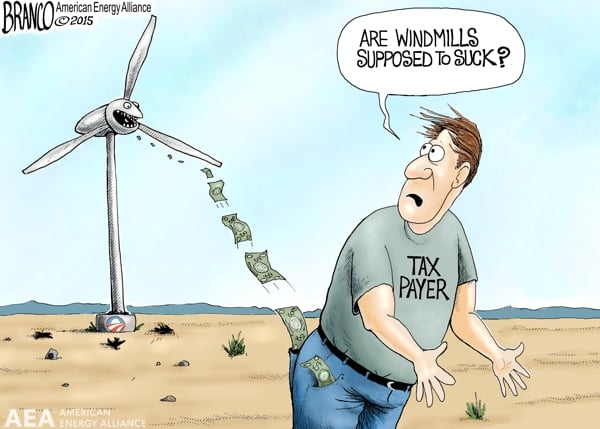
Congresswoman Julie Fedorchak has introduced the Ending Intermittent Energy Subsidies Act, legislation to phase out production and investment tax credits for wind and solar energy over the next five years. The legislation is cosponsored by Energy and Commerce Republicans Gary Palmer from Alabama, and Randy Weber and Craig Goldman from Texas.
“Wind and solar are no longer emerging technologies—they’re mature, market-proven, and widely deployed,” Fedorchak said. “By continuing to incentivize these intermittent energy sources through generous tax credits, we’re distorting energy markets and sending the absolute wrong signal to investors. As all the grid operators are saying, we need more dispatchable resources. We must stop providing generous incentives that run contrary to that.”
This legislation restores market signals that prioritize grid security, while maintaining incentives for clean, reliable technologies like nuclear, hydropower, and geothermal. It targets tax credits established under Sections 45Y and 48E of the so-called “Inflation Reduction Act.” The Cato Institute estimates the provisions could cost taxpayers up to $901 billion over the next decade, nearly triple the Congressional Budget Office’s projections.
The current subsidy structure disproportionately rewards intermittent resources—like wind and solar—that can’t be dispatched on demand. Meanwhile, dispatchable baseload generation, such as coal, natural gas, and nuclear, are being prematurely retired, leading to a reliability crisis across the country according to NERC. As the nation’s grid operators told Rep. Fedorchak at a recent Energy and Commerce Subcommittee hearing, what they need most is dispatchable, reliable energy. Click here to read the one pager on the bill. Click here to read the legislation.
|
|
Golden Eagles Can't Survive More Wind
Studies Show Many Being Killed by Turbines
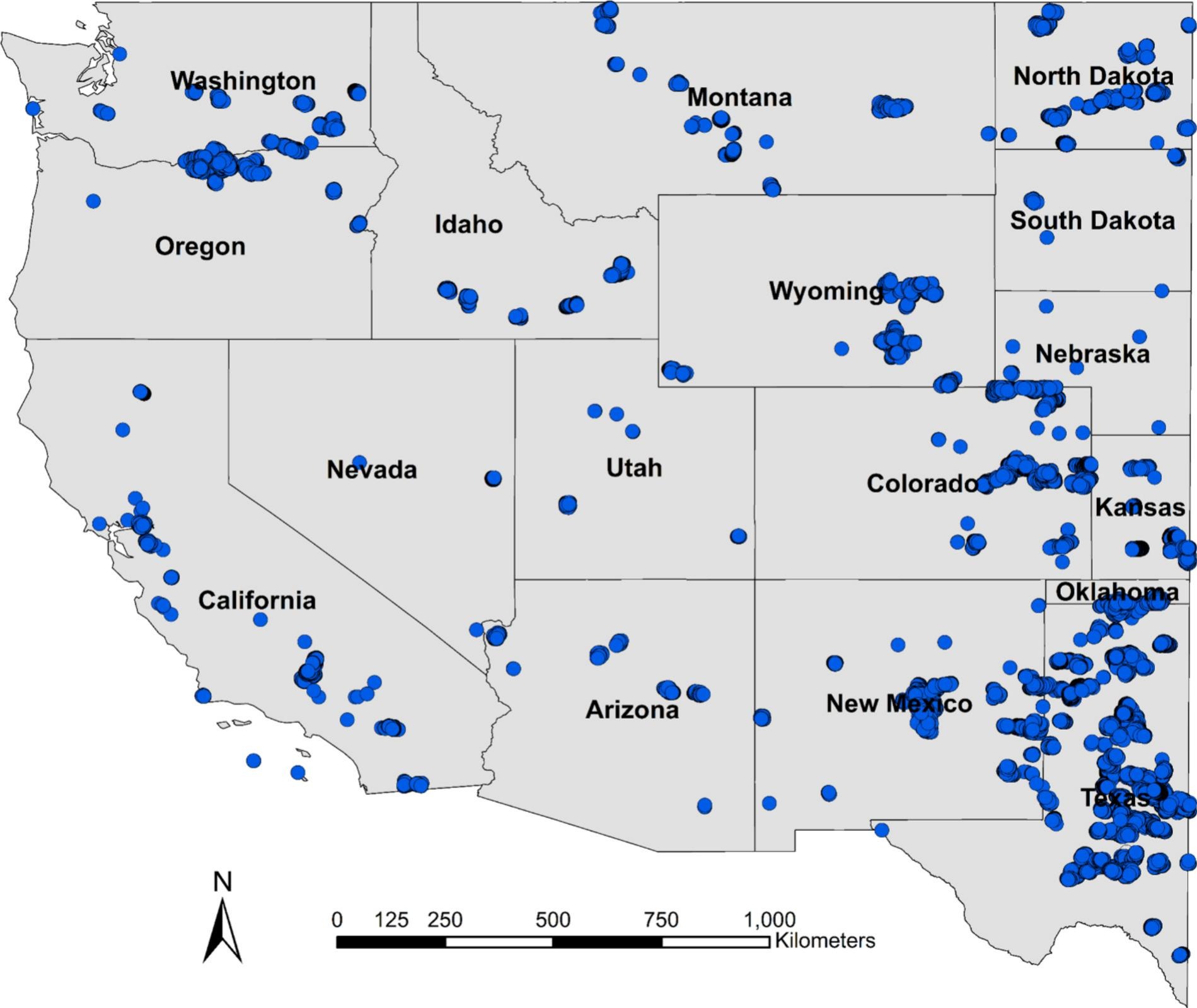
By David Wojick | CFACT The Bald and Golden Eagle Protection Act specifically says that the Fish and Wildlife Service (FWS) cannot issue more “take” (that is kill) permits than the population can survive. Two new studies together imply that the golden eagle wind-kill taking is at that limit or beyond. Clearly FWS must stop issuing new wind turbine take permits until it rigorously assesses this situation. No new wind turbines should be erected. Some presently in operation may have to shut down. Fortunately, new eagle kill permits are presently on hold under the President’s Executive Order, but we are also talking about the law. The primary area of concern is the western range of the Golden Eagle. This runs from Montana, Idaho, and Washington down to the Mexico border. Note that the eagles often migrate north to spend the summer in Canada, so the more northern states see a lot more than their local winter populations. However, the entire US population is only about 30,000 eagles, down from an estimated 80,000 in 1980, and they are found everywhere. Thus the entire country might be in need of care. The first study is “Age-specific survival rates, causes of death, and allowable take of Golden Eagles in the western United States,” Ecological Applications, published in January 2022. The primary point is to estimate the allowable take (death rate from human action) under the law and compare that to the present death rate. Their allowable take estimate is a range with a median of 2,227 deaths per year, while their estimated actual take is greater at 2,572 annual deaths. These are very rough numbers, so the basic point is it looks like we are already at the allowable take. Adding a lot of eagle-killing wind turbines could put the Golden Eagle on the illegal road to extinction. Clearly, caution is called for. The second study attempts to quantify the wind-killing threat. The study is “Estimated Golden Eagle mortality from wind turbines in the western United States,” Biological Conservation, published in February 2025. Their primary conclusion is this: “Anthropogenic mortality is the primary cause of death in adult Golden Eagles and recent trends indicate their population may be declining. If the current rate of growth of the wind energy industry continues, it could have conservation implications for Golden Eagle and other raptor populations.” Click here to read more from CFACT.
|
|
Utility Wildfire Liability Bill Approved
Passed by a Wide Margin on Second Vote
A bill that would limit the liability of electric utilities if it is believed their power lines have sparked a wildfire passed the ND House today after initially falling a few votes short a couple days earlier. SB 2339 limits the assumption that utilities were responsible for a fire, and promotes the adoption of wildfire mitigation plans to reduce the risk. Bismarck Rep. Jason Dockter, who pitched the bill on the House floor, said utilities can still be found liable for fires, but it would require evidence of negligence on their part. Click here to listen to Dockter's comments. Fargo Rep. Jorin Johnson opposed the bill. He said it amounts to a legal giveaway to utilities, who already have the ability to adopt wildfire mitigation plans. Click here to listen to Johnson's comments. Hazen Rep. Anna Novak, who was the lead House sponsor of the legislation, pointed out that a California utility was forced to file for bankruptcy in 2019 when it was found responsible for damage associated with wildfires. Novak said the legislation creates an incentive for utilities to address wildfire risks in rural areas. Click here to listen to Novak's comments. The bill encourages utilities to submit wildfire mitigation plans to state regulators or a co-op board, which could be used as evidence of the utility's efforts to reduce wildfire risk, and possibly lower insurance premiums. The bill initially failed on 45-46 vote on Wednesday, but was approved Friday on a 62-28 vote.
|
|
Senate Approves 80 mph Interstate Limit
Bill Increases Fines, Adds Points for Violations
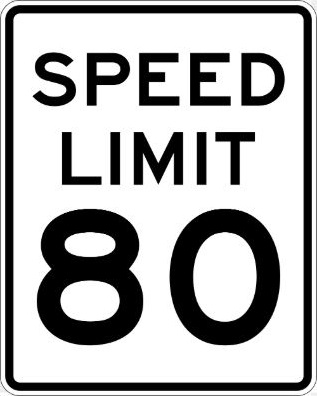
The North Dakota Senate, on a narrow 25-21 vote, approved raising the interstate speed limit to 80 mph, but the legislation contains a lot more than just a higher speed limit. What began as a one-sentence bill now covers 13 pages, with additional language that increases speeding fines, and adds points to driver's licenses for things like cell phone use, following too closely and failure to use a child safety restraint. The amended version of HB 1298 was subject to division on the Senate floor, giving members an opportunity to approve or reject the amendments. Grand Forks Senator Scott Meyer said the debate should be about increasing the speed limit, and not the other items added to the bill. Click here to listen to Meyer's comments. North Dakota's current structure for speeding fines is tiered and can be confusing, with very low fines in cases where the violator was just a few mph over the limit, rising to $5.00 per mile over the limit on the interstate. The bill would eliminate the existing structure, and make all fines $5.00 for each mph over the speed limit. Dickinson Senator Dean Rummel said he was bothered by some of the comments on the floor that were opposed to the higher speeding fines. He said some of the fines are embarrassingly low, and no longer serve as a deterrent. Rummel said the higher fines are intended to protect motorists from those operating at speeds that are unsafe. Click here to listen to Rummel's comments. Bismarck Senator Mike Dwyer voted against the bill. Although the legislation's fiscal note shows there is no cost to implement the new law because speed limit signs have to be replaced as part of normal maintenance, Dwyer said there will be a cost to families affected by highway fatalities. Click here to listen to Dwyer's comments. The bill still faces an uncertain future because the House will have to agree with the Senate changes. The 2023 Legislature also approved the 80 mph limit, but it was vetoed by Gov. Doug Burgum, who insisted that it also include a primary seatbelt enforcement law.
|
|
Education Savings Account Advances
Proposal Headed for Conference Committee
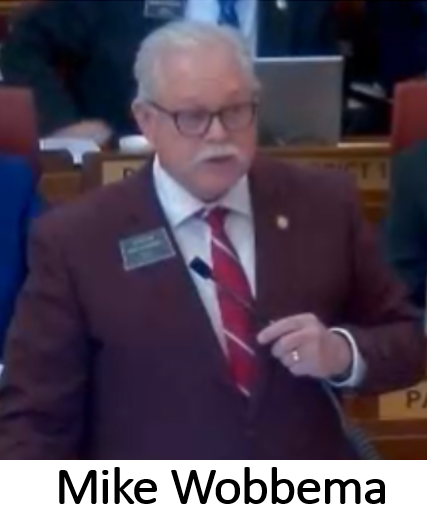
The North Dakota Senate this week approved a bill that would outline the implementation of education savings accounts (ESAs) for the state's private school students. HB 1540 would create an ESA program aimed at supporting families opting for non-public education. Under the bill, if parents choose to send their child to a private school, a portion of the state funding allocated to provide public education for the student would be deposited quarterly into an ESA to help offset associated educational costs. The bill was pitched on the floor by Valley City Senator Mike Wobbema, who explained amendments approved by the Senate Appropriations Committee, which approved the bill on a narrow 9-to-6 vote. Amendments clearly defined the Bank of North Dakota as the program administrator, and gave the bank authority to select and oversee a project manager. The committee also established the eligibility threshold to be a household with income below 400% of the federal poverty level. For example, a family of four with an income of less than $128,600 annually would qualify. Addition of the means test lowered the appropriation to $21.7 million for the upcoming biennium, $3.1 million of which would fund administration of the ESA program. Wobbema said the bill was "imperfect, but workable" and argued that the policy could be further improved after implementation. He said the bill's language deliberately protects mission-driven schools while putting the power of choice back into the hands of North Dakota parents. Click here to listen to Wobbema's comments. Senators adopted a floor amendment, introduced by Bismarck Senator Michelle Axtman, that would provide 35% percent of the state per-pupil payment amount to an eligible student with a household income less than or equal to 200% of the federal poverty level, 25% to those between 200% and 400%, and 10% to those with an income greater than 400%. By implementing a universal program with the highest level of funding going to the families most in need of assistance, Axtman argued that school choice could better serve the "switchers," those families who intend to switch from public to private education once the ESA funding makes it financially possible. Axtman pointed to the fact that every switcher saves the state $5,000 annually. Click here to listen to Axtman's comments.
After an hour of discussion on the floor, including the introduction of an additional amendment, the Senate passed the bill on a vote of 27-20. The House is not expected to agree the Senate changes, so the bill will likely be further debated in a conference committee.
|
|
Registration Open for Roads Roundtable
Counties, Oilfield Truckers to Discuss Issues
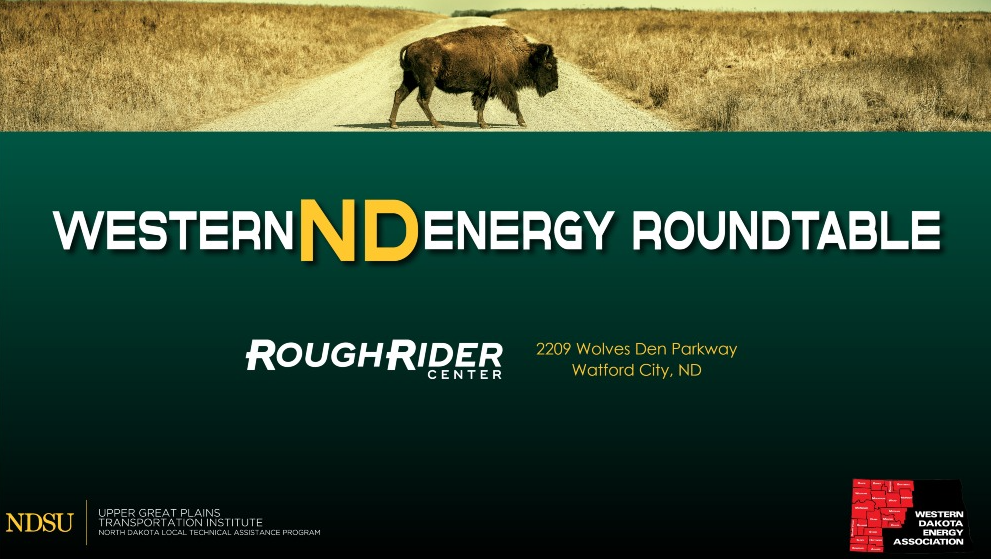
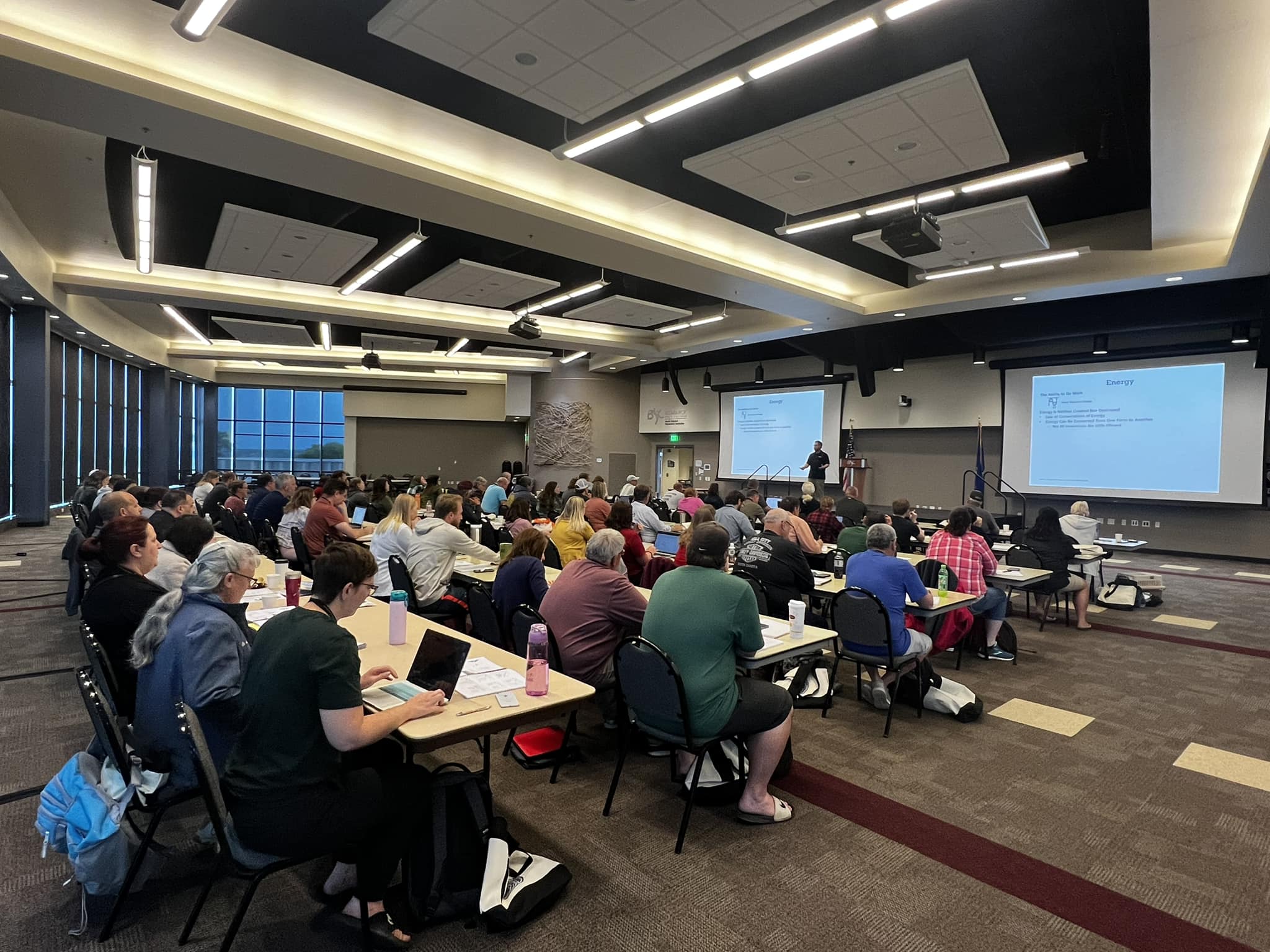
County road managers and oil industry trucking interests will have an opportunity to discuss common concerns and share best practices at a Western Energy Roundtable set for May 27 at the Rough Rider Center in Watford City. The annual event is co-hosted by the Western Dakota Energy Association and the ND Local Technical Assistance Program. The event will get underway at 10:00 a.m. with an overview from the ND Department of Transportation summarizing road and bridge funding opportunities and seasonal construction plans. WDEA will also provide a legislative report, covering issues of importance to western North Dakota communities. The agenda also includes a presentation on oversize truck permitting, an oil industry panel and a panel discussing transportation-related issues in western counties. The event concludes with an open mic discussion of other issues of concern. Registration is free and lunch will be provided. Interested persons are urged to register early so name tags can be prepared and organizers can get an accurate headcount for lunch. An agenda will be posted shortly. Click here to register.
|
|
Odermann Named Fedorchak State Director
Dickinson Resident Serves as City Commissioner
Congresswoman Julie Fedorchak has announced the hiring of John Odermann of Dickinson as her new State Director. A lifelong North Dakotan, Odermann brings a strong background in agriculture, energy, education, health care, and public service to the role, along with a commitment to the people and communities of the state.
“John understands North Dakota through and through,” Fedorchak said. “He grew up working on his family’s ranch, coached high school football, served in local and state leadership, and has built strong relationships in every corner of our state. His experience and values make him the right person to lead our state team and make sure North Dakotans are heard and well served.”
“I couldn't be more excited to get to work for Julie and North Dakota,” Odermann said. "Julie is a leader who, during her career, has done everything she can to elevate North Dakota and its people. To be able to step into this role and help her continue to do what she does so well, connect with the people of North Dakota on a personal level, is a true blessing." Odermann was raised on a ranch north of Belfield as the youngest of eight children. He has served as head football coach at Trinity High School in Dickinson since 2013 and previously held leadership roles in the North Dakota Republican Party, including First Vice Chair and District 37 Chair. In local government, Odermann serves as Vice President of the Dickinson City Commission. He also held a variety of leadership roles with CHI St. Alexius Health, where he worked with teams across western North Dakota.
|
|
Sanford Named Interim University Chancellor
Dan Leingang to Serve as Interim President at BSC
The State Board of Higher Education (SBHE) has named former Lt. Gov Brent Sanford as interim North Dakota University System chancellor, and appointed Dan Leingang as interim president of Bismarck State College to fill in for Sanford who had been serving as interim president of BSC since early January. Chancellor Mark Hagerott announced his retirement effective April 29 at an SBHE meeting last Friday. Sanford will start his new role as chancellor effective April 30. “I thank Mark for his service to the state’s higher education system over the past decade, and I welcome Brent for stepping up not once, but twice in a few short months to serve where he was needed in the system," said SBHE Chair Tim Mihalick. "Our highest priority is our students and building collaborative partnerships with the state’s workforce to meet their needs. Brent will lead systemwide collaboration among our campuses and he has the leadership experience in business and state government to ensure that connection remains strong between the system and community needs.” “I appreciate the opportunity to serve in a leadership role that includes all of the state’s higher education campuses," Sanford said. "I look forward to leading collaboration of campuses on systemwide efforts and responding at speed and scale to workforce challenges." Leingang has served in faculty and leadership roles at BSC since 2000. He joined the campus as an assistant professor of mathematics and also served as department chair. He was appointed dean of academic affairs in 2014 and later dean of humanities, arts, and sciences. He held that position until he was named vice president for academic affairs in 2017. In January 2025, Leingang served as acting BSC president until the SBHE appointed Sanford to serve as interim president of BSC.
|
|
LEC's 2025 Teacher Education Seminar
Dates are Set for June 9-to-12 at BSC
Calling all teachers! The Lignite Energy Council will host its annual Teacher Education Seminar on June 9–12, at Bismarck State College. Around 75 elementary and secondary educators from the Upper Midwest are able to attend this engaging and informative four-day event.
Participants will have the opportunity to earn two graduate-level professional development credits at no cost—through UND, NDSU, or Minot State University. Educators who have previously attended the seminar are welcome to apply again, with some eligibility restrictions.
The seminar is packed with presentations, classroom sessions, and a full-day tour of lignite mines, reclamation sites, and coal conversion facilities. Teachers will walk away with a deeper understanding of how lignite is mined and used to generate reliable electricity across the Upper Midwest. The curriculum also highlights the economic importance of lignite to the region and explores key environmental topics related to the industry.
Throughout the seminar, attendees will hear from a variety of experts—including fellow educators, researchers, and industry professionals—and have plenty of opportunities for Q&A, both in the classroom and on-site during the tours.
Since its inception in 1986, more than 3,400 teachers have participated in this unique learning experience. Click here to register.
|
|
NDPF Teacher's Seminar also in June
Learning from the Best in the Industry
Another exciting opportunity for teachers to learn about North Dakota's energy industry comes from the North Dakota Petroleum Foundation.
The NDPF is looking to fill the remaining spots for its upcoming Teacher Education Seminar, taking place June 16–19, in Bismarck.
The seminar is open to school administrators, career counselors, and educators from across North Dakota. This one-of-a-kind event is designed to provide insight into the oil and natural gas industry.
With the May 1st application deadline quickly approaching, NDPF is looking to fill every seat, with a focus on math, science, and social studies teachers—though educators of all subjects are welcome.
Full seminar details and application info are available on the NDPF website.
Participants will get an exclusive tour of an oil rig, thanks to Chord Energy. Teachers will also receive engaging, hands-on activities to use in the classroom.
NDPF is excited to engage with those who help shape our students' futures and share the many career opportunities the oil and gas industry offers to North Dakota’s next generation of workers.
|
|
WDEA Offering 8 Energy Scholarships
Aimed at Students Pursuing Energy Career
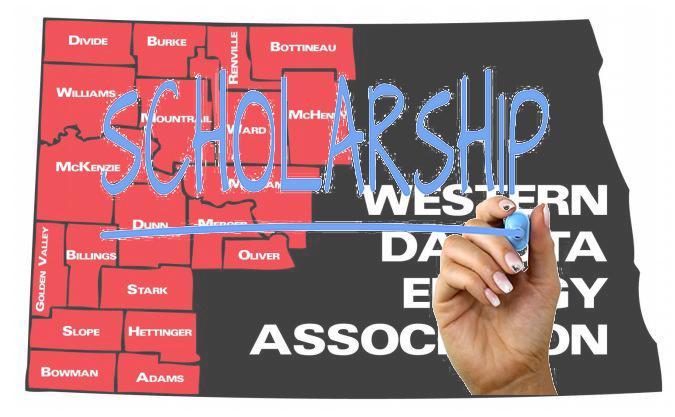
The Western Dakota Energy Association will award eight $1,000 scholarships this spring to students in an energy-related field at a North Dakota college, university or technical school. WDEA President Leslie Bieber said the association is offering the scholarships to help the industry and western communities meet the workforce challenges historically experienced with oil industry growth. “We recognize that North Dakota will see benefits from the fossil fuel industry only if it is able to attract the workforce it needs,” said Bieber. “We want to do everything we can to encourage young people to explore the many opportunities for a rewarding career in the energy sector.” Funding for the scholarship program is generated by sponsorships of WDEA’s annual meeting, which this year will be held Oct. 8-9 in Watford City. Click here to learn more about the selection criteria and how to apply. Click here to view or download an application form. The application deadline is May 16. Scholarship winners will be announced following WDEA's Executive Committee meeting in early June. Click here to see an article about last year's winners.
|
|
Wise Roads Shots of the Week
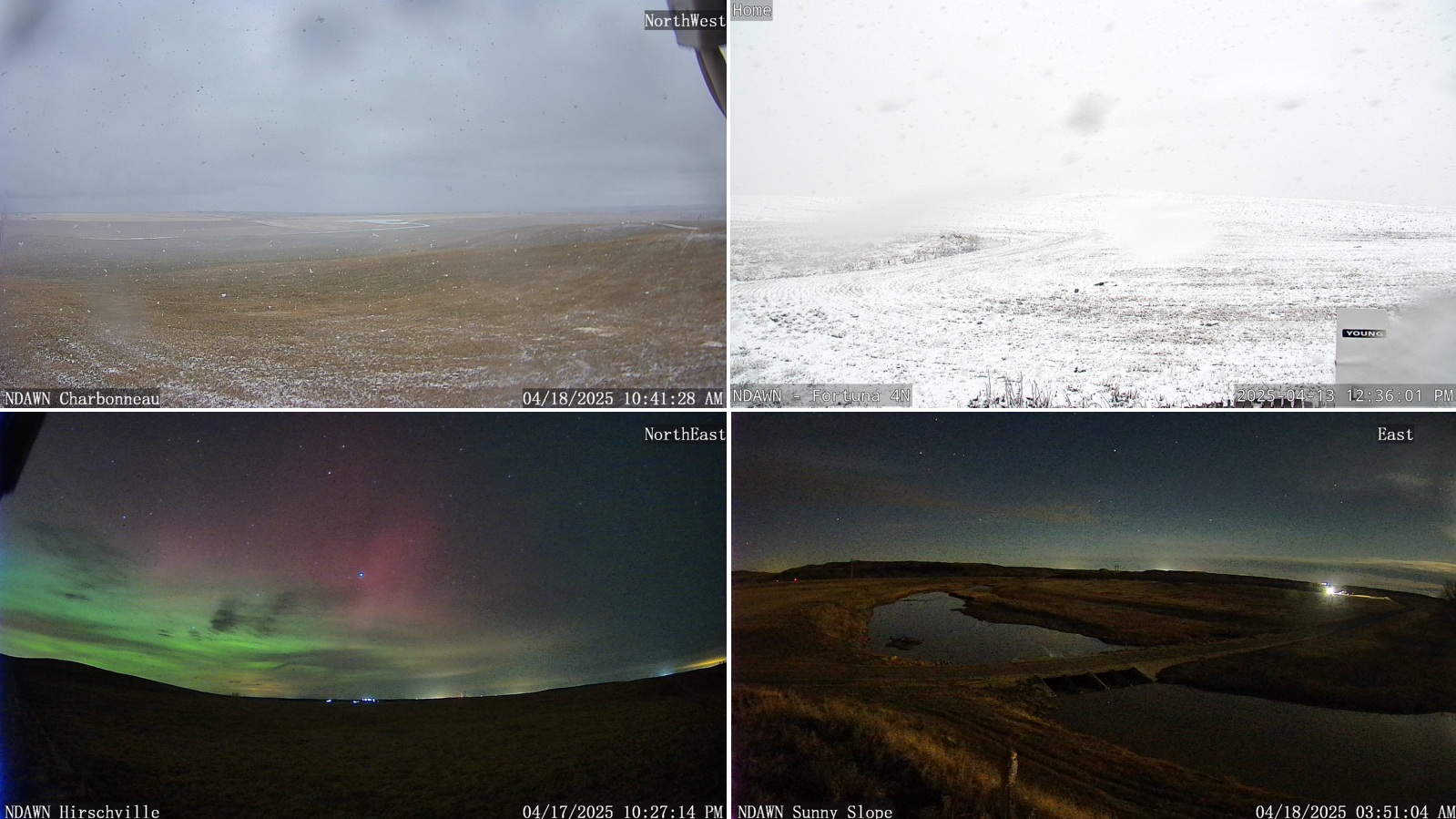
Early Spring Snow & Northern Lights
The calendar says mid-April, but flakes were still flying across parts of western North Dakota this week. The Northern Lights also made another appearance, images of which were captured by the high-resolution cameras on Wise Roads weather stations. Photos from Wise Roads cameras are updated continuously throughout the daylight hours on the Wise Roads web page.
The Wise Roads project (Weather Information System to Effectively Reduce Oilfield Delays and Disruptions) was developed by WDEA to increase the efficiency of the movement of oilfield truck traffic. Most weather stations were placed in the core area of Bakken production, focusing on Dunn, McKenzie, Mountrail and Williams Counties. The project provides more accurate weather information to county road managers, especially about rain events, to minimize the need to impose weight restrictions when gravel roads get wet. It was developed in partnership with NDAWN, which maintains the stations for WDEA. The project was also assisted with a $250,000 grant from the Oil & Gas Research Council.
Fifty new stations have been installed, 39 of which are located in the four core oil-producing counties. Prior to the start of the project, Dunn and McKenzie Counties had just one station each, Mountrail County had three and Williams County had four. Weather station data and high-resolution photos can be found at wiseroadsnd.com. There is also an interactive Google Map that users can access to pinpoint the location of Wise Roads and NDAWN weather stations. Additional information is also available from NDAWN. Featured shots this week are clockwise from upper left: Charbonneau, with flakes in the air this morning in northwestern McKenzie County; Fortuna 4N, with the ground blanketed in white last Sunday; Sunny Slope, with a great horned owl atop a fencepost in the middle of the night; and Hirschville, with a vivid display of Aurora Borealis last night. Click on the link for a high-resolution image.
|
|
|
Quick Connect
• Coal Creek Station among US coal plants granted emission exemption -- KX News
• Keystone Pipeline resumes operating after oil spill in ND -- North Dakota Monitor
• Federal oil, gas lease sales total $39M in five western states -- The Center Square
• Technology firms' 'ideology will change real quick' for ND energy -- Dickinson Press
• Leading opponent of CO2 pipeline in South Dakota expected to run for governor -- Aberdeen Insider
• Fedorchak: cutting wind, solar subsidies sends 'the right signals' to power companies -- Dickinson Press
• Lawmakers fear coming crisis in electric rates due to AI data center demand -- North Dakota Monitor
• House-Senate conference committee prepared to determine fate of property tax relief bill -- KFYR-TV
• Wildfire status in North Dakota: Two hurt in McClusky fire, other blazes dot the landscape -- KX News
• Wildfire disaster relief fund in North Dakota has distributed nearly $1 million -- Bismarck Tribune
• Senate passes bill to set aside $100K for grants to promote tribal culture, history, events -- KX News
• North Dakota Senate rejects bill that would have required annual legislative sessions -- Dickinson Press
• Lawmaker's vacation among 195 missed days by North Dakota legislators -- North Dakota Monitor
• ND Senate adds funding for local wastewater projects to replace federal cut -- North Dakota Monitor
• Current Minot City Council member Rob Fuller announces intent to run for Minot mayor -- KFYR - TV
• North Dakota House passes bill establishing $1 million for rural grocery store grants -- Dickinson Press
• ND Legislature advances bill to back rural improvement projects, strikes another -- Dickinson Press
• 'This system is broken': Dickinson homeowners erupt over steep property valuations -- Dickinson Press
• Williams County approves new Builder-Buyer program to spur housing development -- KFYR - TV
• The last charges being processed against Ian Cramer are now officially closed -- Beulah Beacon
• North Dakota senators pass education budget, setting up future conference committee -- KFYR - TV
• Tribes, North Dakota partner to update 30-year-old textbooks on Native history -- North Dakota Monitor
• Minot Public School board approves new hires and discusses vacant buildings -- Minot Daily News
• Teacher development, negotiations and hiring discussed by Divide Co. school board -- Crosby Journal
• Bismarck State College enhances hands-on energy program thanks to donated LACT Unit -- KFYR - TV
• Letter: Actual education reform is possible; North Dakota Legislature not serious about it -- Fargo Forum
• U.S. energy secretary says shale industry will 'survive and thrive' despite plunging crude prices -- CNBC
• Global oil demand and U.S. supply to grow more slowly on Trump tariff tensions, IEA says -- Reuters
• Environmentalists threaten to sue after Burgum announces new BLM regulations -- OK Energy Today
• US energy firms add oil and gas rigs for first time in four weeks, Baker Hughes says -- Reuters
• Appeals court temporarily halts lower court's order enabling release of climate funds -- The Hill
• Isaac Orr and Mitch Rolling: "Beautiful Clean Coal is affordable too, ensures reliability -- Daily Caller
• Trump launches investigation that would lay groundwork for tariffs on critical minerals -- The Hill
• US Department of Energy prepared to axe $10 billion in "clean energy" projects -- Oilprice.com
• NY Times falsely claims climate change will trigger "global economic disaster" -- Climate Realism
• Trump administration plans to shut down NOAA's "woke" climate research division -- Daily Caller
• NASA's new chief is likely to wind down the agency's wasteful climate alarmist operation -- Newsmax
• Colorado may require pump labels warning drivers that gas causes climate change -- Just The News
|
|
Factoid of the Week
EIA expects continued growth in U.S. and global oil production as OPEC+ unwinds its production cuts, while economic uncertainty reduces growth in global oil demand. As a result, EIA now expects the Brent crude oil price to average $68 per barrel in 2025 and fall to $61/bbl in 2026.
|
|
April 20
Observed
April 23
ND Commerce Dept Webinar
April 24
Bismarck and via Teams
April 24
Beulah Civic Center
April 28 - 30
Regina, Saskatchewan
April 28 - 30
Minot
May 6
Bismarck and via Teams
May 20
Watford City
May 27
Watford City
June 16 - 19
Bismarck State College
June 18 - 19
Dickinson
|
|
Oil prices and rig count
April 18, 2025
WTI Crude: $64.68
Brent Crude: $67.96
Natural Gas: $3.25
North Dakota Active Oil Rigs: 34 (Unchanged ) April 18, 2024 -- 39 rigs
|
|
Geoff Simon
Editor/Executive Director
|
|
|
|
|
|
|










.jpg)