Celebrating One Year Anniversary of the
Massachusetts Maternal Health Bill
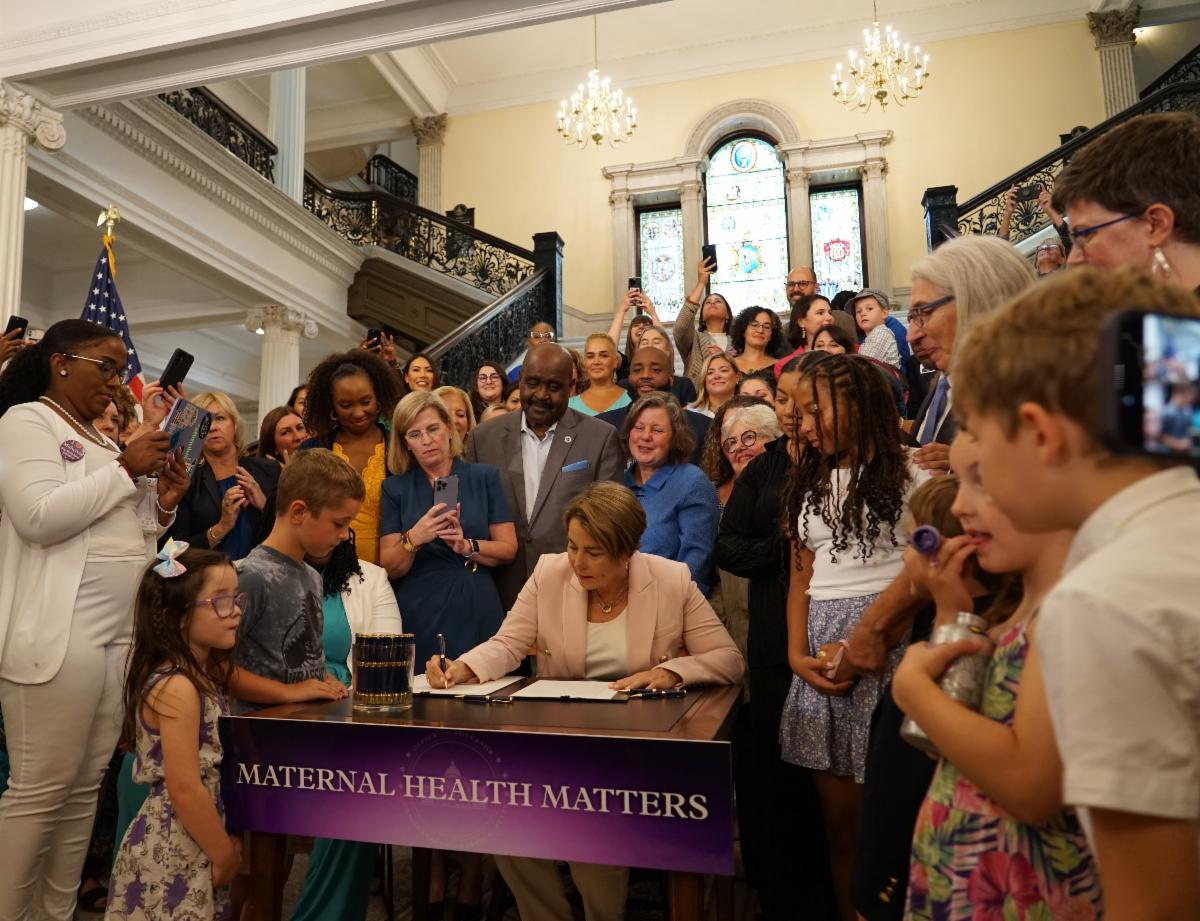
It’s been one year since Massachusetts passed An Act Relative to Increasing Access and Equity to Out-of-Hospital Birth, a big step toward making pregnancy and birth safer and more supportive for every family.
| |
- Licensed certified professional midwives (CPM)
- MassHealth covers doula care up to 12 months after pregnancy and midwifery services
- New, evidence-based regulations for freestanding birth centers
- Voluntary home visit for every family after birth
- Expands screening and treatment for postpartum depression
| | What has happened so far: | |
-
Board of Registration for Midwifery established early 2025
-
380+ doulas enrolled as MassHealth providers
-
Three freestanding birth centers expected to open by 2028
-
Community transfer drills are bringing midwives, doulas, hospitals, and EMS across the state together to make transfer of planned community birth to hospitals smoother and safer
-
Welcome Family provides free one-time nurse home visit in the first weeks after birth; now in Boston, Fall River, Lowell, Holyoke, and Springfield (more locations coming)
|
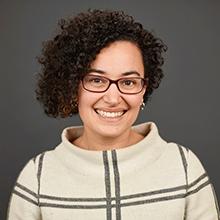
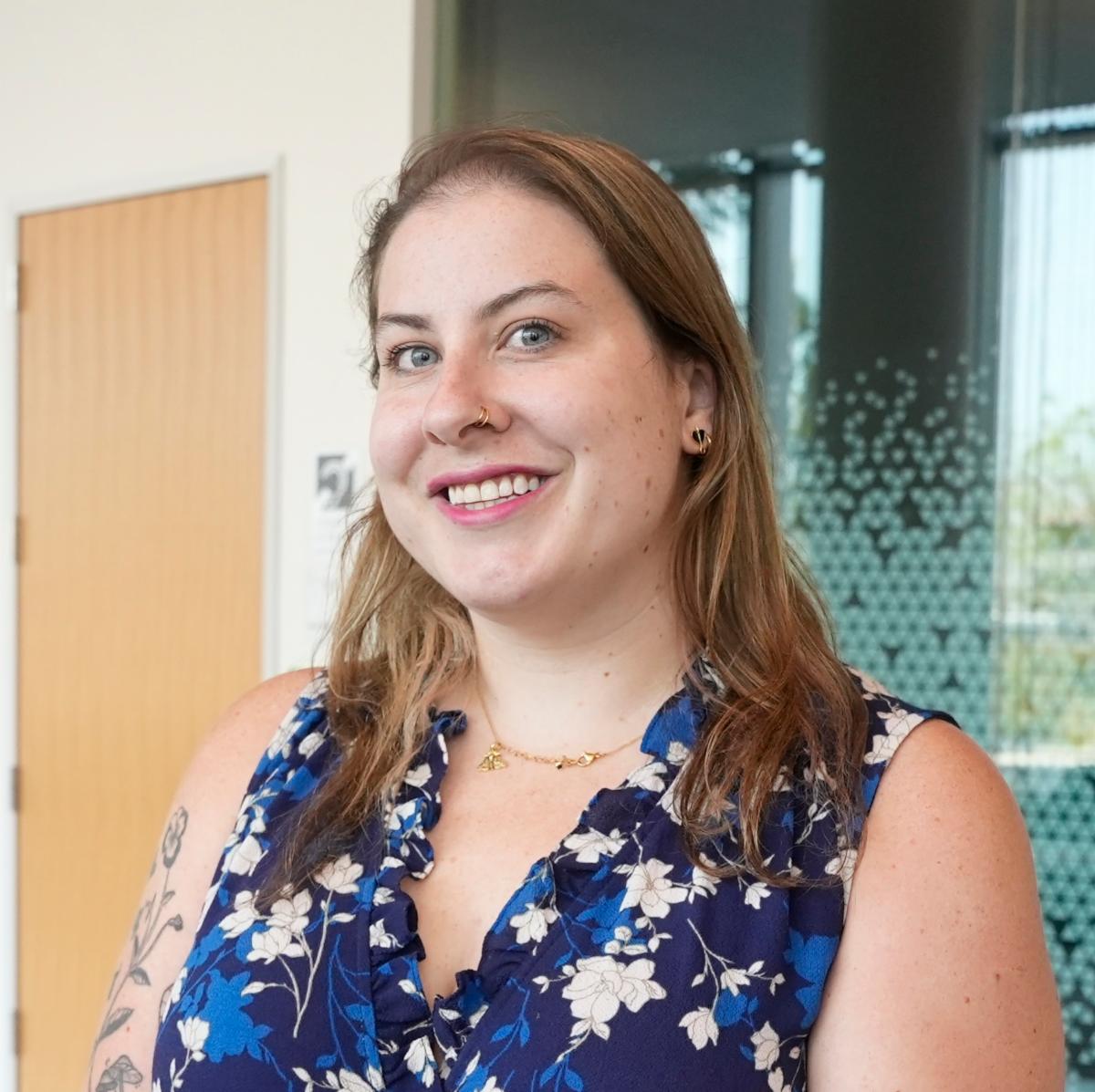
| Rebecca Herman, MPH, CPM, NHCM | |
|
I could not be more grateful to be reflecting on this first issue of a newsletter dedicated to reimagining and renewing the perinatal health ecosystem for the Commonwealth.
The Community Birth and Doula Initiative (CBDI) brings together stakeholders, champions, and changemakers from every corner of Massachusetts. CBDI launched to build stronger and more accessible integration of midwifery and doula care, and to strengthen systems that enable out-of-hospital perinatal care and services of the highest quality and safety.
We are here to support implementation of recommendations that came out of years of community feedback, expert analysis, and thousands of data points--all of which told us loud and clear that we need to expand options for community-based, person-centered perinatal care.
The status quo isn’t optimally working for anyone, not for providers, not for birthing people, not for communities, not even for facilities which continue to make the hard decision to close units due to lack of break-even financials. And, as we celebrate the one year anniversary of enactment of the perinatal omnibus laws, it’s impossible to ignore the reality that the erosion and weakening of national public health systems, and reduced investments in women’s health make the changes taking place here in Massachusetts more urgent than ever.
Whether you are a consumer, an individual who loves and cares for someone considering pregnancy, a community birth worker, a collaborating hospital-based partner, a funder, a community organization, or an advocate, building a new perinatal care system that works for ALL, is going to take every one of us. We’re so glad you are here.
| | |
What is Community Birth and Doula Initiative?
Community Birth and Doula Initiative (CBDI) is a statewide program of the MA Department of Public Health, hosted by Education Development Center (EDC). We work with perinatal care providers, birth centers, hospitals, community organizations, and EMS to make sure families receive safe, respectful, community birth access across Massachusetts.
| |
What do we do:
-
Access to doulas & midwives: Make it easier for families to access doula and midwifery care in the setting they choose—home, birth center, community health center, or hospital.
-
Certification & licensure: Create a state doula certification and support the rollout of CPM licensure with clear guidance and support.
-
Workforce development: Partner with existing education and training organizations to expand accessible and culturally relevant training and continuing education.
-
Community birth transfers: Support transfer drills and build a statewide perinatal transfer toolkit to improve quality and patient-experience when a change in level of care is indicated.
-
Hospital collaboration: Partner with hospitals to strengthen collaboration with doulas, midwives, and community-based points of care.
| |
|
Answer: It is care during peri-conception, pregnancy, birth, and after birth that happens in the community (homes, birth centers, public spaces, or residential shelters). People who provide this care include midwives, doulas, lactation consultants, childbirth educators, home visitors, nurses, and other perinatal support staff.
Send us your questions! We’ll feature frequently asked questions in a future newsletter.
Subject line: CBDI Questions
Direct to: schang@edc.org
| | | What’s your vision for CBDI and what it means for your communities and the future of birth care? | | This month, we’re celebrating seven incredible providers whose leadership and passion are helping move the Community Birth and Doula Initiative forward. They represent many fields—from midwives and doulas to research and emergency response—all working toward one shared goal: supporting families and advancing birth equity across Massachusetts. | | | | |
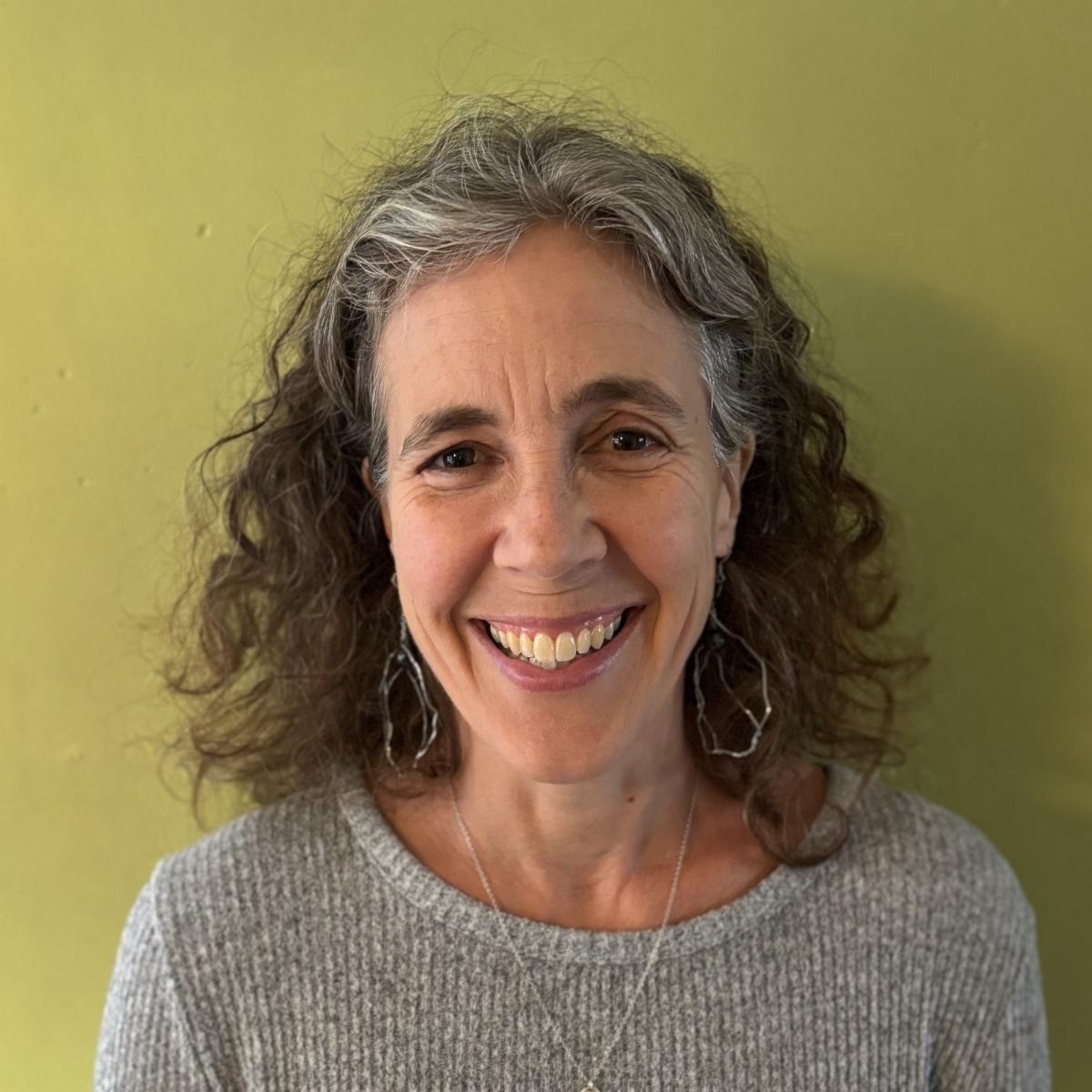
Rebecca Beck, CPM, LM, Turner Falls, MA
Midwife at Sacred Birth Midwifery. Board member of the Massachusetts Midwives Alliance and director of the MMA Basic Course in Midwifery Studies at Greenfield, MA
| | | “Our midwife-created and inspired Bridge Certificate Program at GCC offers our community of experienced midwives an accessible, affordable, and robust credential to obtain their state license within the year of its inception.” | | | | | |
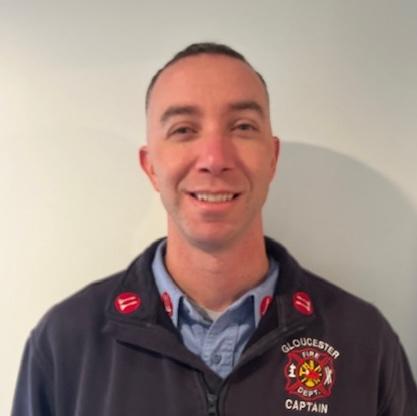
Kevin Gargan., Gloucester, MA
Captain and EMS Coordinator at Gloucester Fire Department
| | | “CBDI represents quality improvement planning to ensure all families experience exceptional births.” | | | | | |
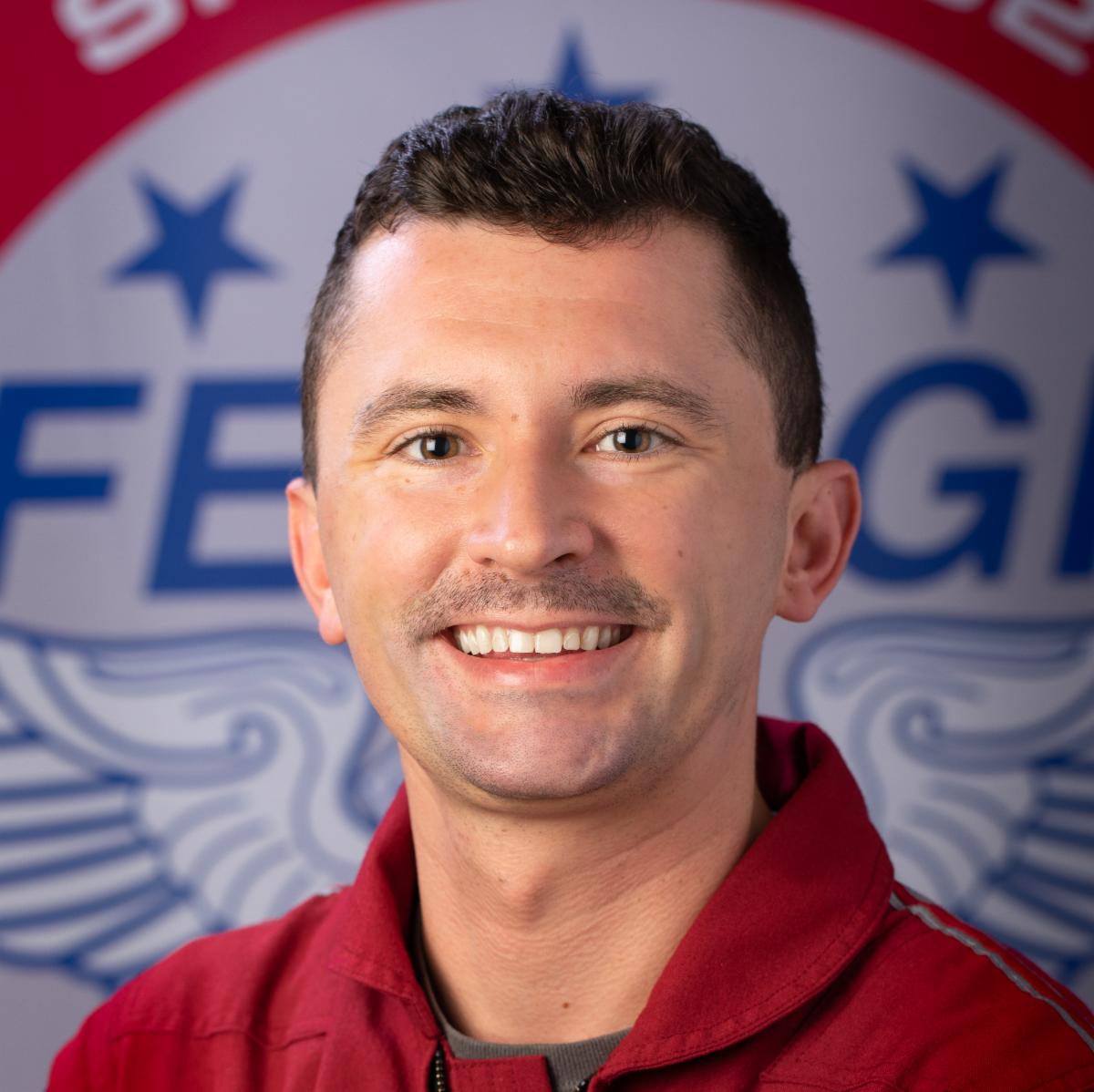
Christian Grant Jr., Worcester, MA
Flight Paramedic at UMass Memorial LIFE Filght
| | | “Fostering closer collaboration between those who are experts in the care of mothers in labor and those who are experts in the pre-hospital environment is incredibly valuable. I’m excited to be part of the program that aims to improve the care of an important and vulnerable patient population in the Commonwealth!” | | | | | |
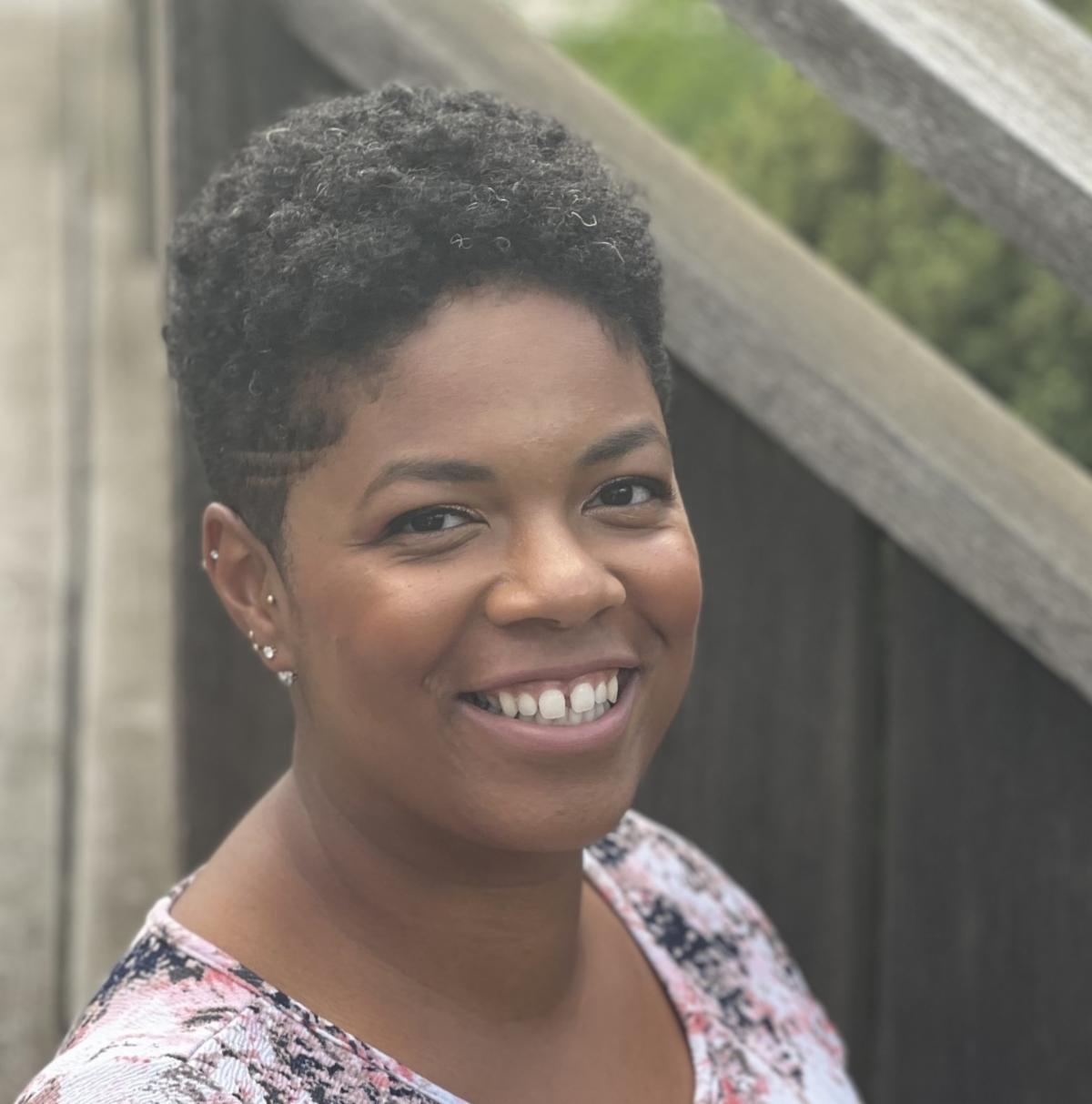
Jo Elle Moody, RN, BSN, CLC, BCCE, Worcester, MA
Nurse, doula, childbirth educator, lactation coach, and birth center developer at Worcester Community Midwifery, For Babies Best, LLC, UMASS Memorial
| | | “My hope and vision for the future of doula care integration in Worcester is to see this essential partnership continue to thrive, normalizing a dynamic multidisciplinary care team that truly supports and honors the whole person. I envision a collaborative care team working together at every pivotal moment- from early prenatal care well into the postpartum journey to help improve the experience of growing families and birth outcomes in Worcester“ | | | | | |
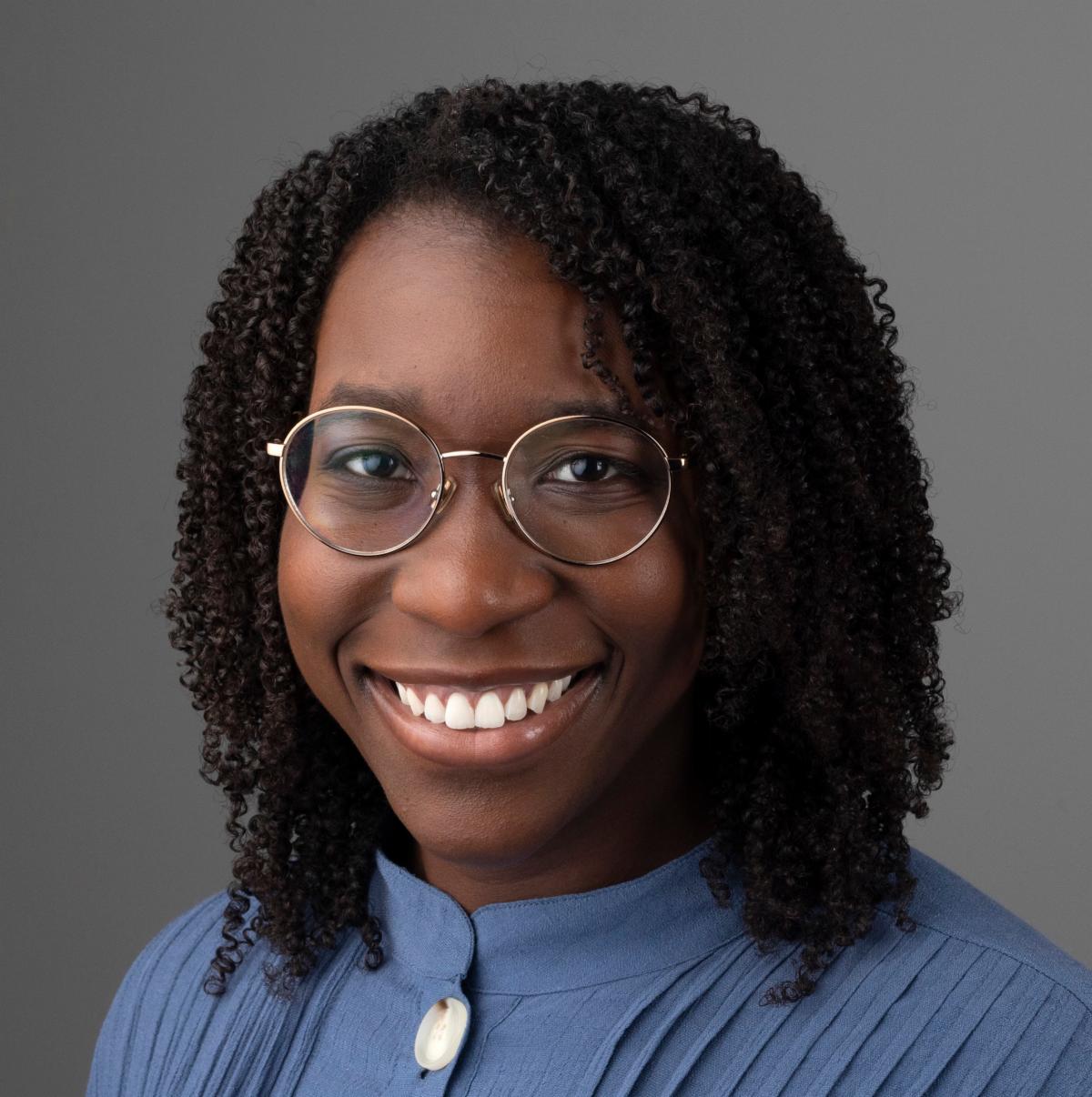
Jeannette C. Myrick, MPH, Boston, MA
Perinatal Health Researcher, Beth Israel Deaconess Medical Center
Community Doula & Data Specialist, Accompany Doula Care
| | | “Advancing community birth and doula access means bridging perinatal health research and practice to build systems rooted in community knowledge, where doulas’ expertise helps shape and inform how care is designed, delivered, and studied” | | | | | |
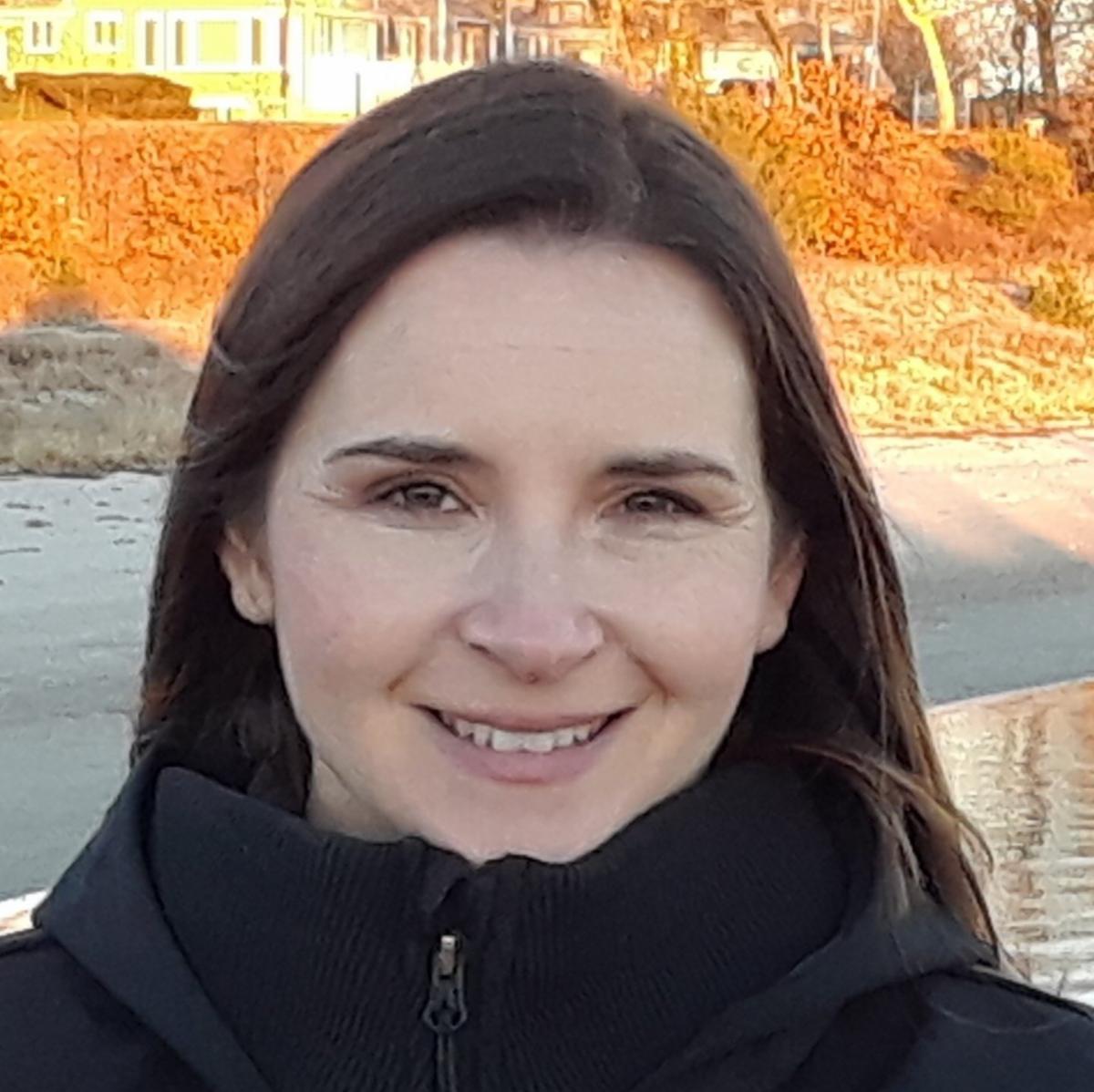
Jessica Petrone, CPM, BSN, Stoughton, MA
Co-owner of BirthMatters, LLC
| | | “I’m delighted to see community birth integration with doulas, midwives and lactations for the families we serve. It’s such an exciting time here in MA. I’ve been a midwife for 18 years here in MA and in my experience, community midwifery care uniquely positions caregivers to personalize care in a truly holistic sense and its next level in terms of support and continuity, which we see our clients appreciate so much! Having a more robust integration and presence will allow more families to gain the resources and confidence to receive this type of care.” | | | | | |
Anna Whelan, MD FACOG, Worcester, MA
Assistant Professor of Obstetrics and Gynecology, Division of Maternal Fetal Medicine at UMass Chan Medical School and board member of the DPH Board of Registration in Midwifery
| | | “I hope to build trust between the community midwives and MFMs such as myself so that should a family require subspecialist care for consultation or even for delivery, midwives and those families will feel safe and respected and know that patient autonomy and experience can be a guiding light even among the toughest situations. I hope that MFMs can serve as a resource to all and strengthen the mutual respect between hospital birth workers and community midwives” | | | |
Looking to learn more or get involved with strengthening community birth and doula access? Here are a few places to start:
MA Department of Public Health – News, updates, and information on Doula Initiative and Community Birth Integration.
Step Up Together – Transfer drill toolkit and information on collaboration and focused action cycles.
MassHealth Doula Services Program – Info on coverage for doulas and midwives, how to enroll, and where to find providers.
MassHealth Doula Enrollment Toolkit by Tufts - Step-by-step toolkit for Doulas to become Medicaid Reimbursable Doula in MA.
Massachusetts Chapter of the National Association for Certified Professional Midwives (MA-NACPM) – Education, regulations, and professional development resources.
My Choices in Childbirth – A library of short videos and resources to help educate providers, policymakers, and consumers on the range of birth care choices and how each model ensures safety and quality.
28-Day Anti-Racism Challenge (Institute for Perinatal Quality) – A self-driven annual challenge beginning February 1, 2026; open to all, especially valuable for non-BIPOC allies committed to advancing anti-racist perinatal care.
Intermittent auscultation training- An on-demand, self-paced course for skilled birth attendants wanting to implement intermittent auscultation for fetal monitoring.
| |  | |
Webinar: Community Health Center Doula Program
- Friday, Dec 19, 2025 at 12:00 – 1:00 pm
- Online
- Massachusetts League of Community Health Centers
How community health centers are building doula programs—what’s working, tips, and lessons learned. Hear from teams that have improved perinatal care and equity with doula services.
| |
Exhibit: “Call and Response”A Narrative of Reverence to Our Foremothers in Gynecology
- Open to public on weekends until January 21, 2026
- Boston, MA, Harvard University Countway Library
This art exhibit by the Resilient Sisterhood Project honors the foremothers of gynecology and celebrates resilience and creativity in birth and women’s health.
| |
Support Group Series: Breathing Room — A Doula Healing Space
- Monthly from December 2025 to April 2026
- In-person and virtual options available
- Developed by Julia Lotin, LICSW, PMH-C & Jeannette Myrick, MPH
A therapeutic, doula-tailored support group created to provide emotional care, space for reflection, and tools to manage the impact of birth trauma and secondary trauma.
| |
Ongoing Opportunity: CBDI Support for Community–Hospital Transfer Drills
- Facilitated year-round
- In-person
- Facilitated by the CBDI team and Step-Up Together
CBDI offers ongoing support to community birth providers, hospitals, EMS teams, and partners interested in organizing a planned and attended community birth transfer-of-care drills. Teams receive guidance on planning, facilitation, and debriefing. If your team is interested in hosting a drill or learning more, please visit Step Up Together or reach out to schang@edc.org.
| |
Upcoming Opportunity: DPH Doula Training Scholarship
- Applications opening early 2026
- For aspiring and practicing doulas in Massachusetts
- Funded by MA Department of Public Health Doula Initiative
A new scholarship opportunity will be available in early 2026 to support doulas seeking training or continuing education. This program is designed to remove financial barriers, strengthen the doula workforce, and expand access to culturally concordant care across the Commonwealth.
| |
Upcoming Opportunity: Mount Auburn Breech Training
-
Wednesday, April 16, 2026. 8am-6pm
- Mount Auburn Hospital, Cambridge, MA
- Hosted by Breech without Borders
A skills-based workshop on evidence-informed approaches to physiologic breech birth for physicians and midwives.
| | |
Midwifery Integration: The State Board of Registration in Midwifery has been developing regulations since February. Regulations to establish licensure of Certified Professional Midwives and enable their registration with MassHealth are expected to go to public comment in early 2026.
Birth centers: Updated state regulations now make it easier to open freestanding birth centers, maintaining strong standards for safety and care. MA DPH issued its second annual request for proposals to scale up birth centers. This year’s grantees are expected to be announced at the end of December.
Equity in doula access: MassHealth provider enrollment is open. More than 40 doulas around the state contributed to a co-design process for the DPH certification process, which will launch in March 2026. MA DPH will begin accepting applications for doula training scholarships in Spring 2026. Thirteen out of the 39 birthing hospitals and medical practices in Massachusetts have an in-house doula program:
- Baystate Franklin Medical Center
- Baystate Medical Center
- Boston Medical Center
- Brigham & Women’s
- Charlton Memorial
- Cambridge Health Alliance
- Heywood Hospital
- Mass General Hospital
- Newton Wellesley
- Salem Hospital
- Southcoast St. Luke’s
- Tufts Medical Center
- UMass Memorial Medical Center
System strengthening: Community-to-hospital perinatal emergency transfer drills have been conducted at over 12 sites around the Commonwealth, with more than 100 community midwives, hospital staff, and EMS providers participating. Community Health Centers have launched a CHC Perinatal Quality Network. EMS, hospital, and community-based experts are preparing for a spring 2026 convening to develop a statewide community perinatal transfer toolkit.
| | |
Subscribe to our mailing list to receive email updates on the Community Birth and Doula Initiative, birth worker spotlights, workforce development opportunities, state certification and licensure, and more! Contact us at schang@edc.org with any questions or inquiries. |
| | Community Birth and Doula Initiative (CBDI) is a statewide effort led by the MA Department of Public Health and Education Development Center. We work with perinatal care providers, hospitals, community organizations, and EMS to make sure families receive safe, respectful, community birth access across Massachusetts. | | | | |