May 2025
NBGA Newsletter Vol. 4, #5
| | |
Greetings, and welcome to NBGA's May 2025 newsletter!
With the arrival of May, we know that dry edible bean planting season is just around the corner, or may even have already begun for some. NBGA wishes to thank all the growers producing this important - and delicious! - crop. We appreciate all you do to share beans from the Northarvest region with the world.
Happy reading - and happy planting!
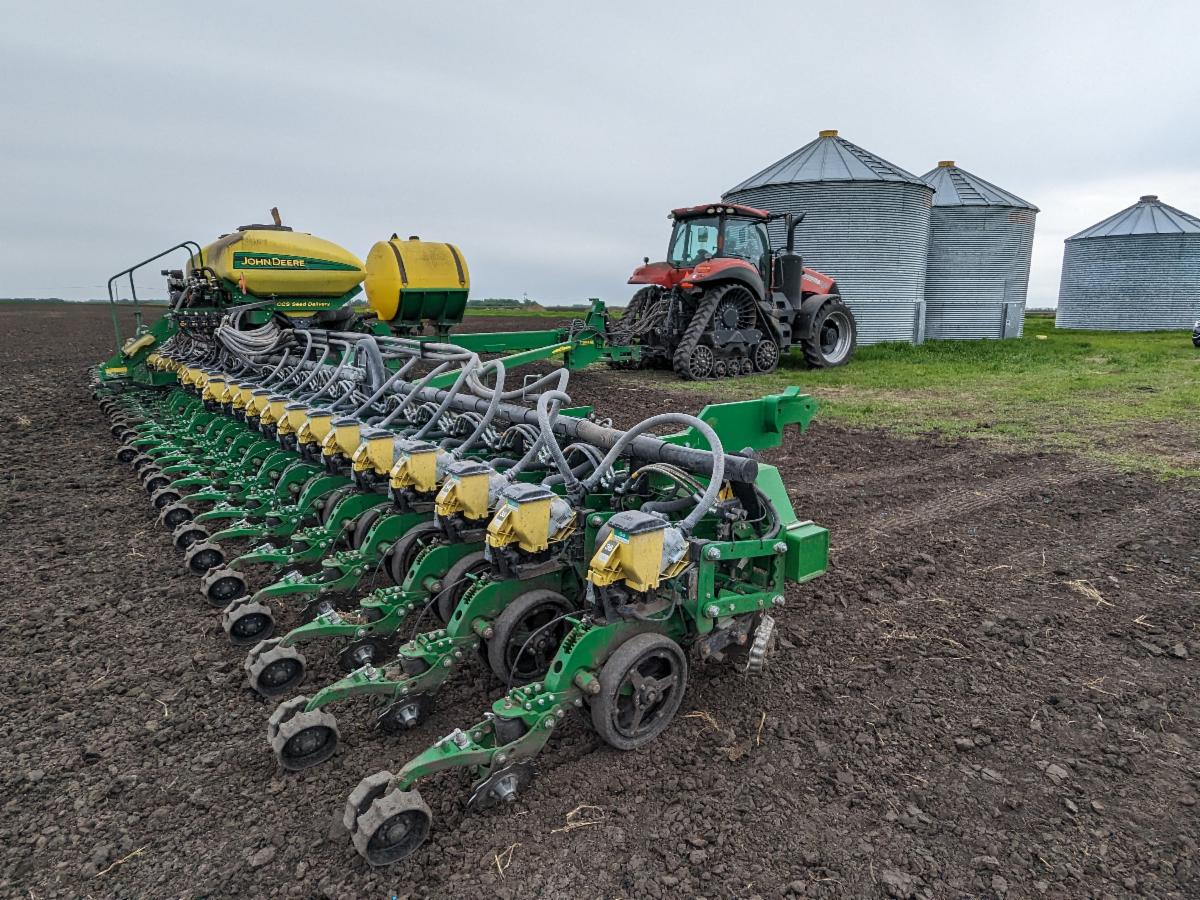
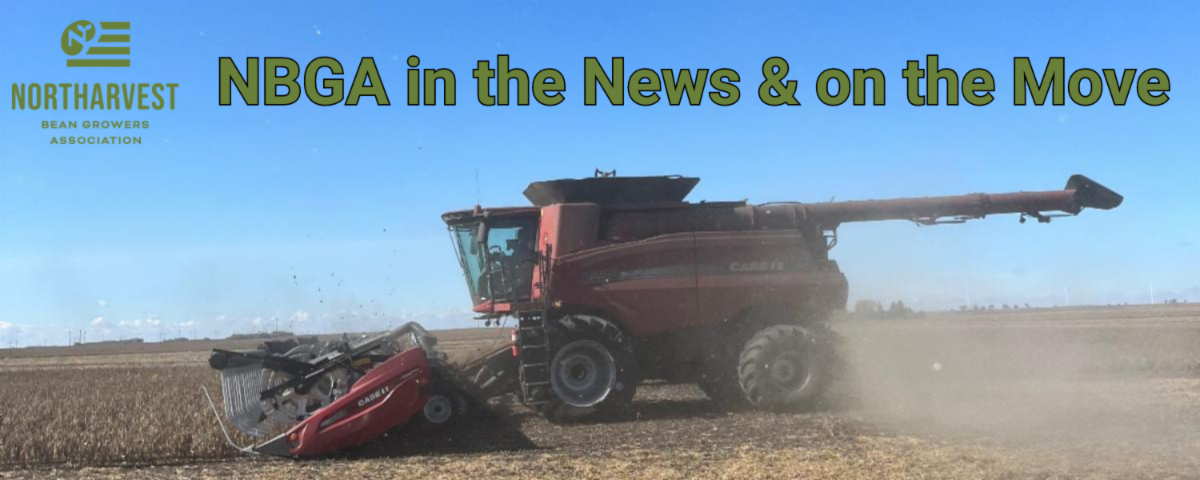
| | Photo taken during the 2024 planting season | | |
May 2025 Newsletter Table of Contents:
- Bean Poll
- USDA Weekly Dry Bean Market Review
- Announcement: USA Pulses Summit
- NBGA Partners with a Chef
- Bean Institute: International Hummus Day
- Bean Nutrition Corner: Bean Webinar Synopsis
- Northarvest in the News and on the Move
- The Dry Bean Scene
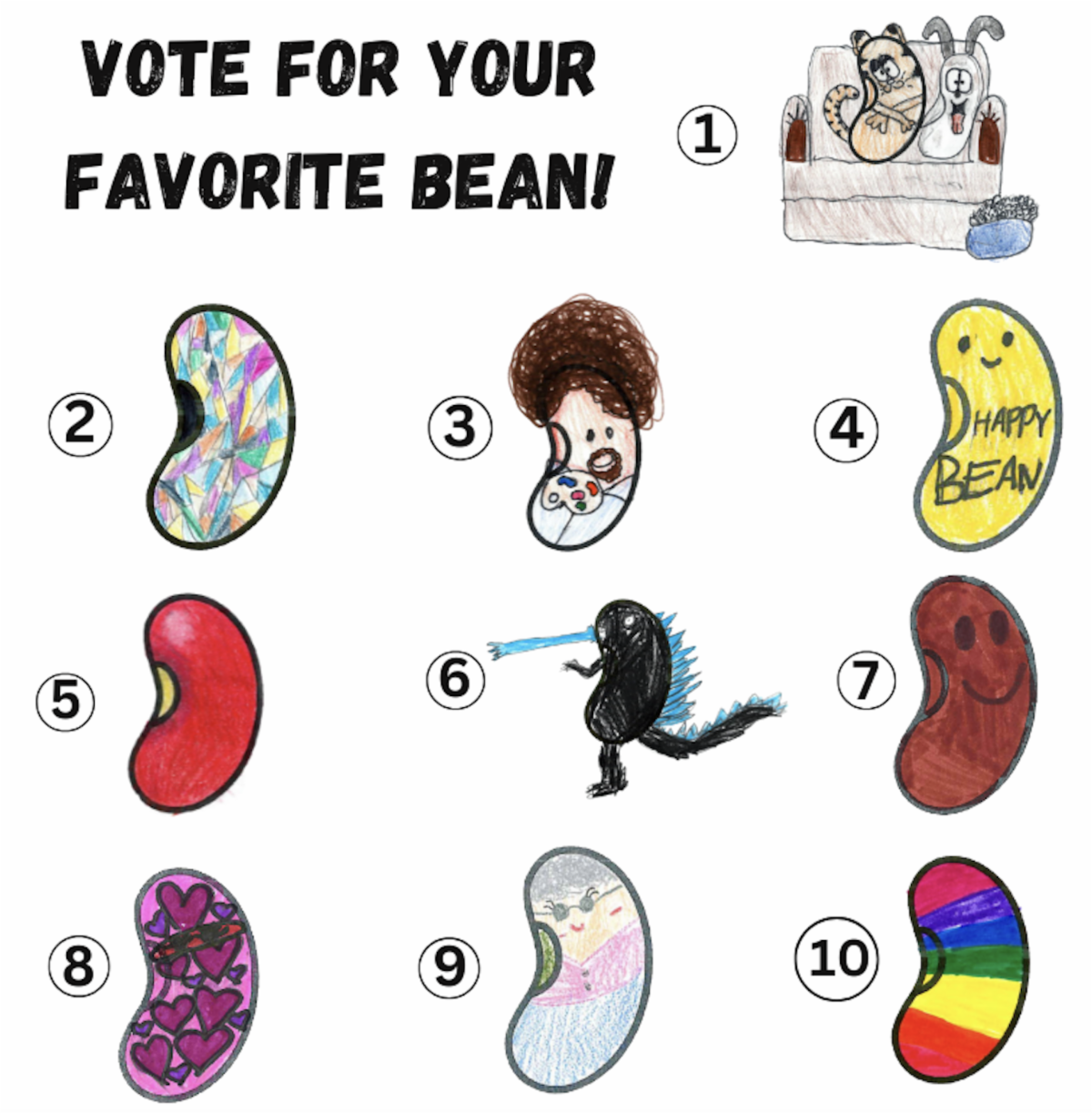
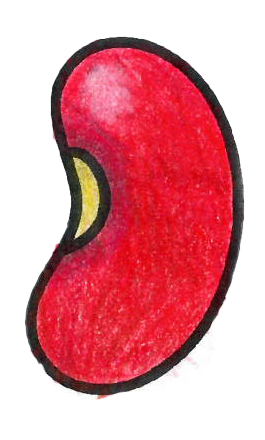
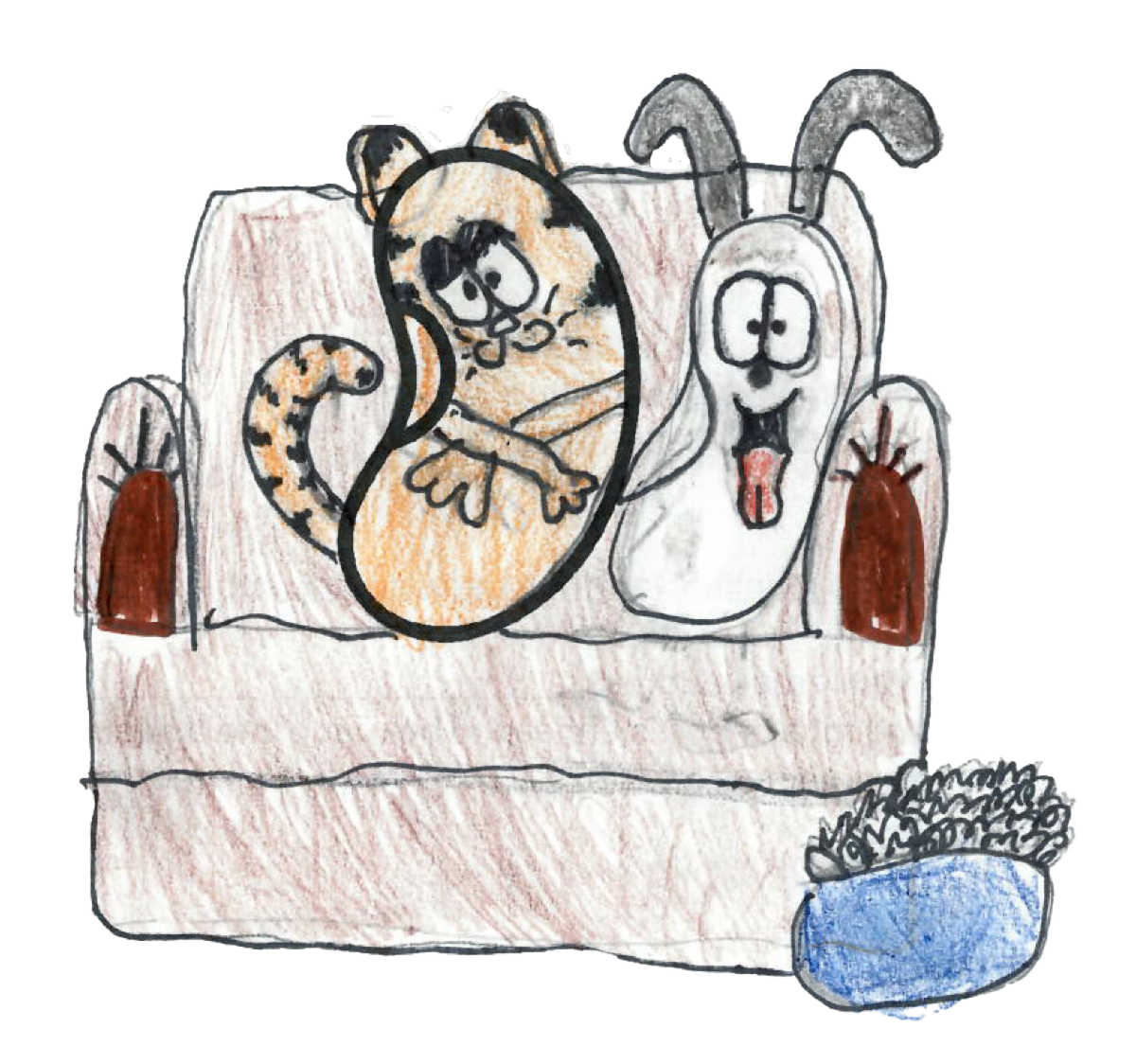
| | Thank you to everyone who participated in our April 2025 poll to help us choose the bean drawing grand prize winner. Here were the 10 winning drawings we voted on: | | Receiving about one-quarter of all votes submitted, the grand prize winner is: | | |
Coming in a tie for second place were:
| | |
Thank you again to all of our participants,
and congratulations to the bean drawing contest winners!
We appreciate everyone voting to help us choose the grand prize winner.
| | May 2025 Poll: How many types of beans are you growing this season? | |
| How many different market classes of dry edible beans are you planting this season? | | | | |
Below, you can find links to the most recent USDA Weekly Dry Bean Market Reviews. Click on the date to see the report.
-
The next USDA Weekly Dry Bean Market report will be released soon. You will be able to find that report here.
-
May 12, 2025: "Compared to last week: Trade remained very light with mostly steady bid prices. According to XE.com May 12, 2025, one USD is equal to 19.59 MXN. According to the NASS Crop Progress Report May 4, 2025, Dry Edible Beans planted in Idaho is 35%, Washington is 58%, North Dakota is 2%, Minnesota is 22%, and Montana is 23% and Dry Edible Peas planted in Idaho is 68%, Washington is 62%, North Dakota 31%, and Montana is 48% and Lentils planted in Montana is 48%."
-
May 5, 2025: "Compared to last week: Trade remained very light with mostly steady bid prices. According to XE.com May 5, 2025, one USD is equal to 19.63 MXN. According to the NASS Crop Progress Report April 27, 2025, Dry Edible Beans planted in Idaho is 23%, Washington is 35%, and Montana is 13% and Dry Edible Peas planted in Idaho is 49%, Washington is 40%, North Dakota 16%, and Montana is 38% and Lentils planted in Montana is 37%."
-
April 28, 2025: "Compared to last week: Trade remained very light with mostly steady bid prices. According to XE.com April 28, 2025, one USD is equal to 19.58 MXN. According to the NASS Crop Progress Report April 21, 2025, Dry Edible Beans planted in Idaho is 8%, Washington is 15%, and Montana is 3% and Dry Edible Peas planted in Idaho is 39%, Washington is 25%, and Montana is 15% and Lentils planted in Montana is 15%."
-
April 22, 2025: "Compared to last week: Trade remained very light with mostly steady bid prices. According to XE.com April 22, 2025, one USD is equal to 19.53 MXN. According to the NASS Crop Progress Report April 21, 2025, Dry Edible Beans planted in Idaho is 8%, Washington is 15%, and Montana is 3% and Dry Edible Peas planted in Idaho is 39%, Washington is 25%, and Montana is 15% and Lentils planted in Montana is 15%."
-
April 15, 2025: "Compared to last week: Trade remained very light with mostly steady bid prices. According to XE.com April 15, 2025, one USD is equal to 20.09 MXN. According to the NASS Prospective Plantings Report March 31, 2025, Dry Edible Beans is 1,407,000 acres, Dry Edible Peas is 895,000 acres, Lentils is 1,100,000 acres, and Chickpeas is 561,000 acres."
-
April 8, 2025: "Compared to last week: Trade remained light with mostly steady bid prices. According to XE.com April 8, 2025, one USD is equal to 20.37 MXN. According to the NASS Prospective Plantings Report March 31, 2025, Dry Edible Beans is 1,407,000 acres, Dry Edible Peas is 895,000 acres, Lentils is 1,100,000 acres, and Chickpeas is 561,000 acres."
| | |
USDA SEEKS FEEDBACK FROM PRODUCERS ABOUT 2025 CROPS AND STOCKS
FARGO, N.D. May 12, 2025 – During the next several weeks, U.S. Department of Agriculture’s National Agricultural Statistics Service (NASS) will conduct the June Agricultural Survey. The agency will contact producers across North Dakota to determine crop acreage and stock levels as of June 1, 2025.
“The June Agricultural Survey is a critical survey of commodities for the 2025 growing season,” said NASS’ North Dakota State Statistician Darin Jantzi. “When growers respond to this survey, they provide essential information that helps determine the expected acreage and supply of major commodities in the
United States for the 2025 crop year. Results from this survey are used by farmers and ranchers, USDA, businesses, exporters, researchers, economists, policymakers, and others who use the survey information in making a wide range of decisions that benefit the producer.”
Growers can respond to the June Agricultural Survey online, by phone, or mail. They will be asked to provide information on planted and harvested acreage, including acreage for biotech crops, and grain stocks.
“NASS safeguards the privacy of all respondents by keeping all individual information confidential and publishing the data in aggregate form only to ensure that no operation or producer can be identified,” said Jantzi. “We recognize that this is a hectic time for farmers, but the information they provide helps U.S. agriculture remain viable and capable. I urge them to respond to the June Agricultural Survey and thank them for their cooperation.”
NASS will analyze the survey information and publish the results in a series of USDA reports, including the annual Acreage and quarterly Grain Stocks reports, to be released June 30, 2025. The survey data also contribute to NASS’ monthly and annual Crop Production reports, the annual Small Grains Summary, and USDA’s monthly World Agricultural Supply and Demand Estimates.
These and all NASS reports are available at nass.usda.gov/Publications/. For more information, call the NASS North Dakota Field Office at 800-582-6443.
| |
Announcement:
USA Pulses Summit
| | |
SHAPING THE FUTURE OF PULSES
2025 USA Pulses Summit Set to Unify Industry in Spokane, WA
From the farm gate to foreign markets, every link in the pulse value chain has a role to play in this uncertain world—and the 2025 USA Pulses Summit is where it all comes together.
Scheduled for July 7–10 at the Davenport Grand Hotel in Spokane, Washington, the Summit will be the pulse industry’s most important gathering of the year, uniting growers, processors, exporters, researchers, policy leaders, and international buyers in one bold, business-driven event.
Hosted at The Davenport Grand, the Summit replaces the traditional harvest tours and provides a centralized opportunity to engage global partners—over 50 international buyers are expected to attend. Whether you’re navigating trade shifts, exploring value-added innovation, or seeking market access, this is your chance to make direct connections and shape the future of dry peas, lentils, chickpeas, and dry beans.
PROGRAM HIGHLIGHTS INCLUDE:
- Keynote Address by Helena Bottemiller Evich, Food Fix
Titled “MAHA, Policy, Agriculture = Big Picture!”, this session will explore the growing national focus on food-as-medicine policy, nutritional standards, and farm input reform. Bottemiller Evich is one of the most respected voices in D.C. food and agriculture reporting.
- Transportation & Trade with Ken Eriksen, Polaris Analytics
A supply chain expert with decades of USDA and private-sector experience, Eriksen will unpack how logistics, port access, and infrastructure policy impact pulse exports—and how the industry can build resilient systems.
- Global Market Forecasts with Matt Tripodi, Euromonitor
Tripodi will present updated insights into consumer demand and ingredient trends across global markets, with a focus on pulse-based foods, functional ingredients, and growth in Asia-Pacific and Europe.
-
Grower and Processor/Exporter Panels
Real-world discussions on lentils, dry peas, chickpeas, dry beans, and how producers are responding to policy changes, pricing pressures, and climate challenges.
- Breakout Tracks on Innovation and Export Strategy
Topics include barriers to market entry for startups, domestic and international use trends, and sustainability-driven demand.
- Networking Events and Evening Activities
Enjoy the “Get Your Pulse Racing” fun run, daily Happy Hours, and an unforgettable closing dinner cruise on Lake Coeur d’Alene.
WHY IT MATTERS:
Pulse crops are gaining traction in nutrition policy, plant-based foods, and sustainability conversations. This Summit offers unmatched access to new data, buyers, and collaborators.
REGISTRATION NOW OPEN
Whether you’re a dry pea processor, lentil trader, chickpea exporter, bean grower, or global food manufacturer—this is your moment to help shape the future of the U.S. pulse industry!
➡️ Secure your spot today at www.uspltaevent.com.
| | NBGA Partners with a Chef | | |
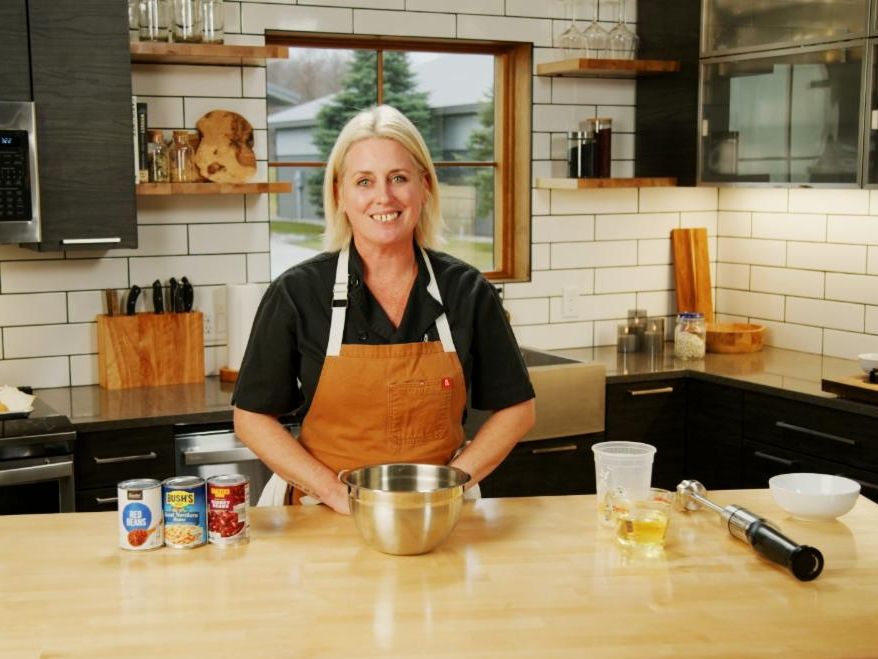
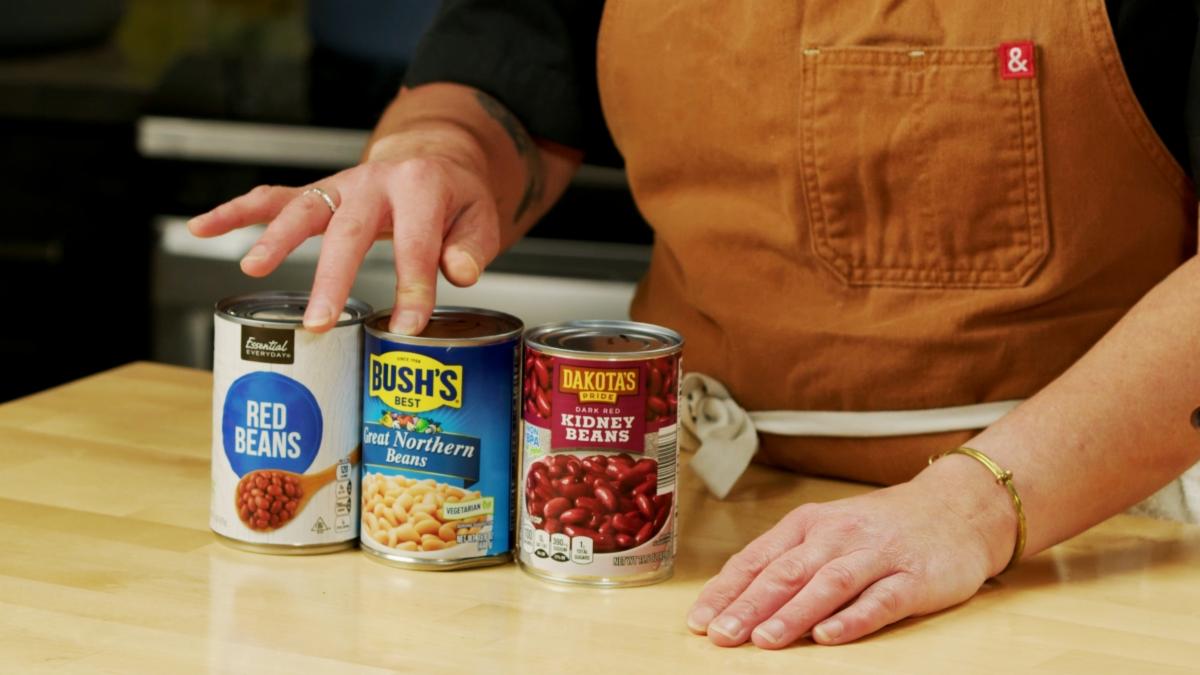
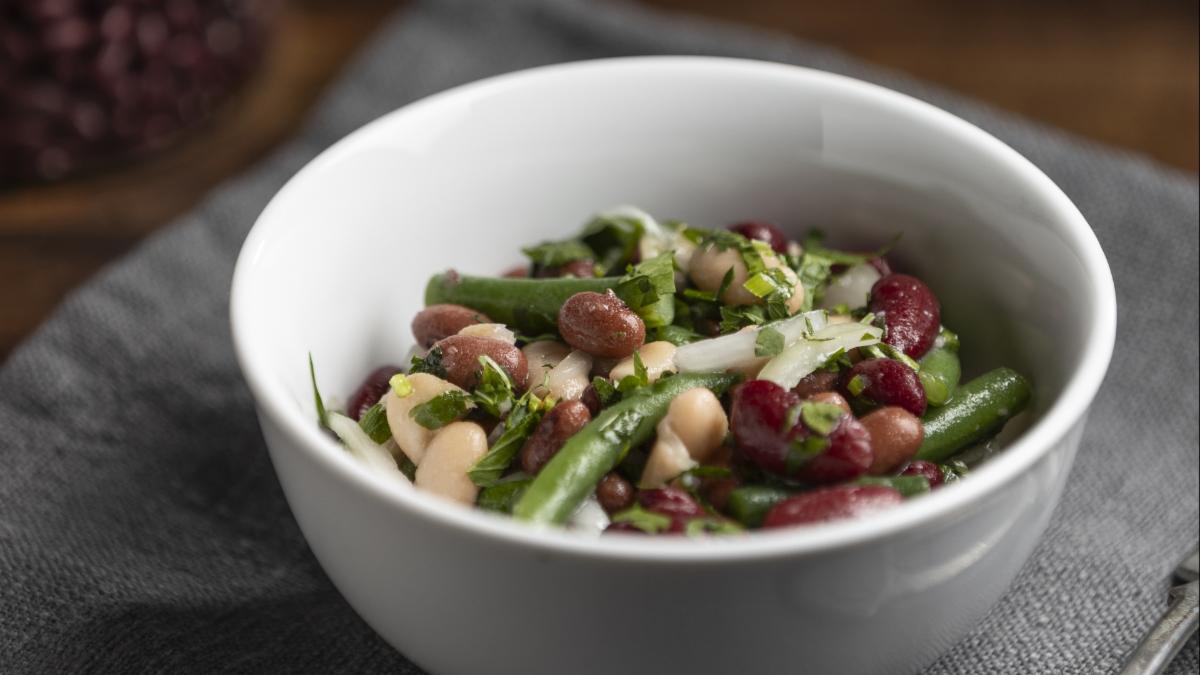
This month, Chef Zobac is back with another recipe - this time around, she'll be demonstrating how to make a delicious and colorful 3 Bean Salad.
| | |
The official recipe video will go live Thursday, May 15th at 7 pm on NBGA's YouTube page.
| Be sure to keep an eye on the NBGA social channels for more videos. | | Bean Institute: International Hummus Day | | |
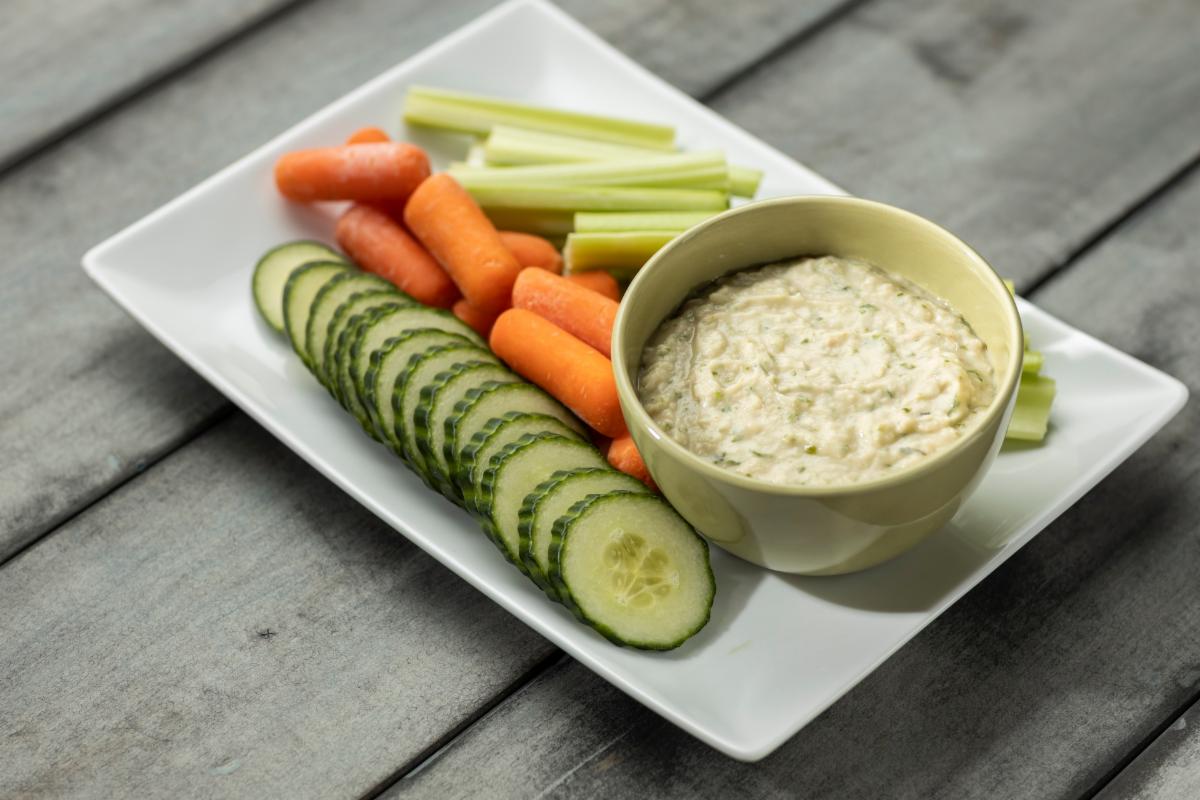
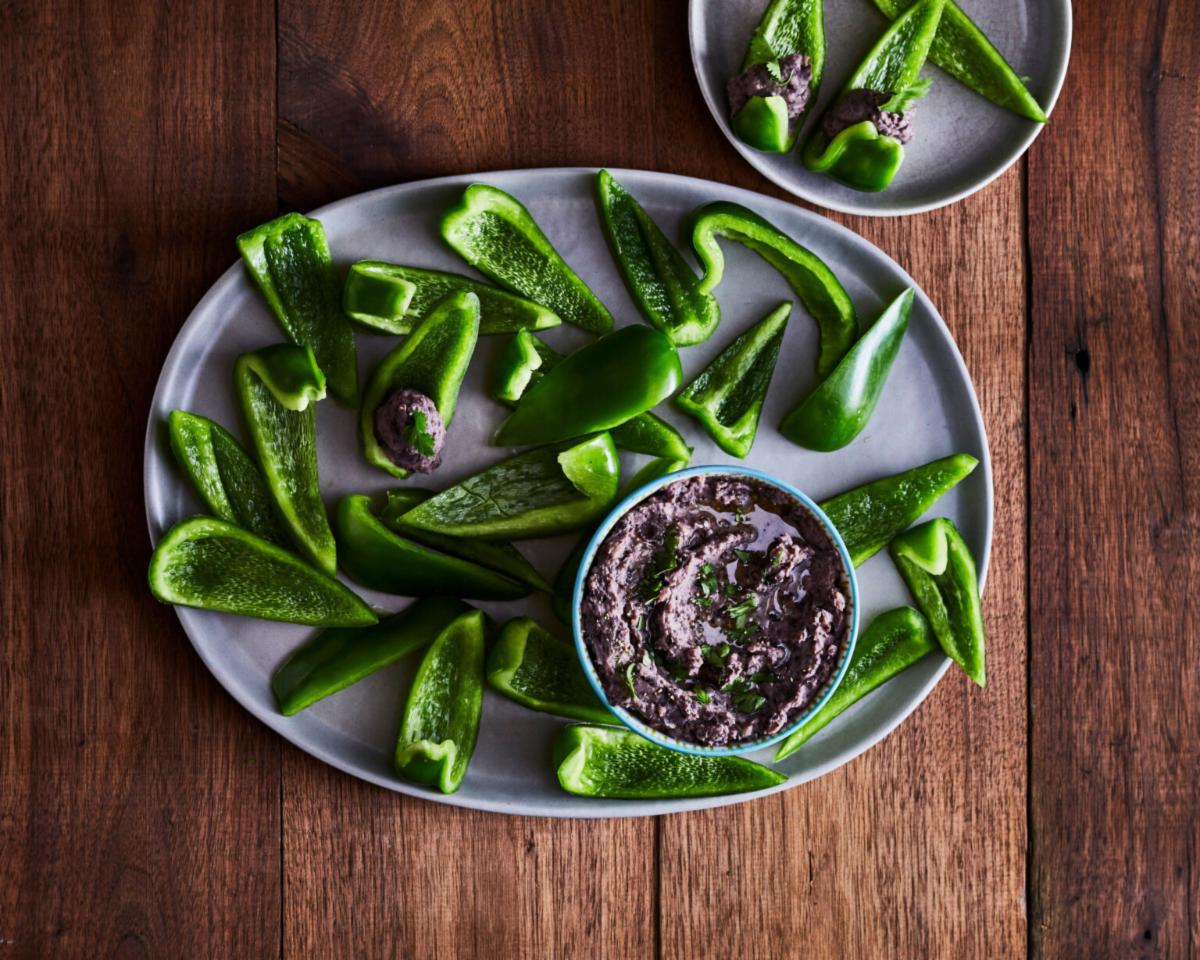
May 13th is International Hummus Day! Although this creamy, delicious spread is traditionally made with chickpeas, you will find several hummus recipes on the Bean Institute's recipe page that feature different types of beans, such as:
Another great recipe to make to celebrate International Hummus Day is Chef Zobac's White Bean & Basil Hummus, which you can find on NBGA's YouTube Channel now!
| | |
Hummus is very versatile in the kitchen, and it has many potential creative applications. Here are a few ideas that go beyond dip:
- Use it as spread for sandwiches, wraps, and toast
- Make hummus the base of a pasta sauce
- Mix hummus with olive oil, lemon juice, and your favorite herbs or spices to make a creamy dressing
- Try hummus as a spread for your pizza
- Add a dollop of hummus to bowls, along with your favorite grains, proteins, and vegetables
| |
|
Enjoying Beans for Brunch!
In last month's newsletter, we asked you to vote on which brunch dish starring beans looked the best to you. The winner was this Bean & Cheese Breakfast Casserole, which you can find on the Bean Institute website.
| | Photo from the Bean Institute website | | | |
|
In their April 2025 newsletter, the Bean Institute highlighted how beans are beneficial for both people and the planet. In their featured monthly article, they share some of the many nutritional and human health benefits of this superfood. In addition, they share about the "sustainability superpower of beans".
➡️ Read their full post - Beans, Beans the Sustainable Food - here.
| | | |
More from the Bean Institute
Are you looking for more helpful and fun bean information and some bean recipe inspiration to kick o? Subscribe to the Bean Institute's newsletter: The Bean Bulletin.
➡️ Sign up by clicking here!
| | | |
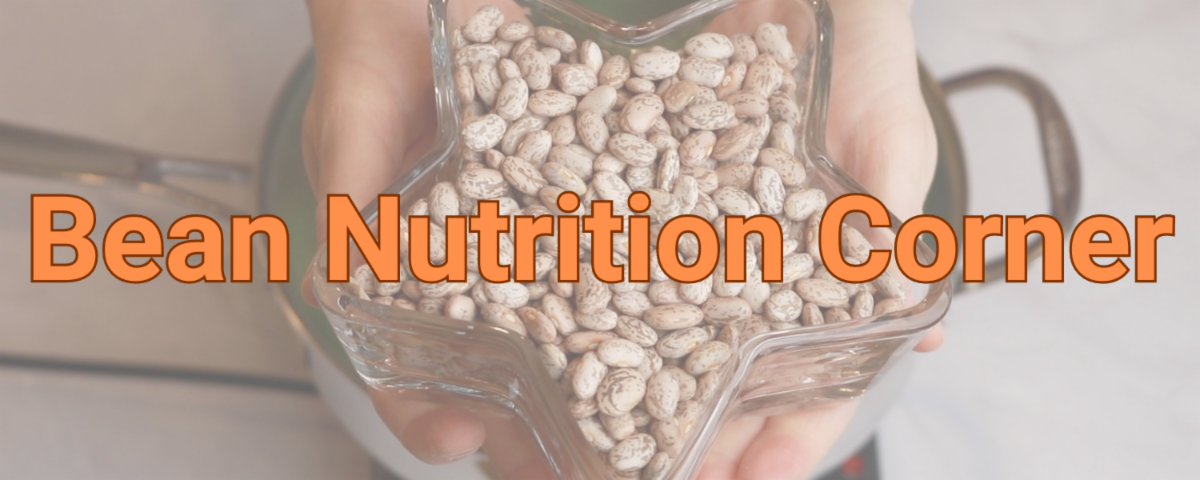
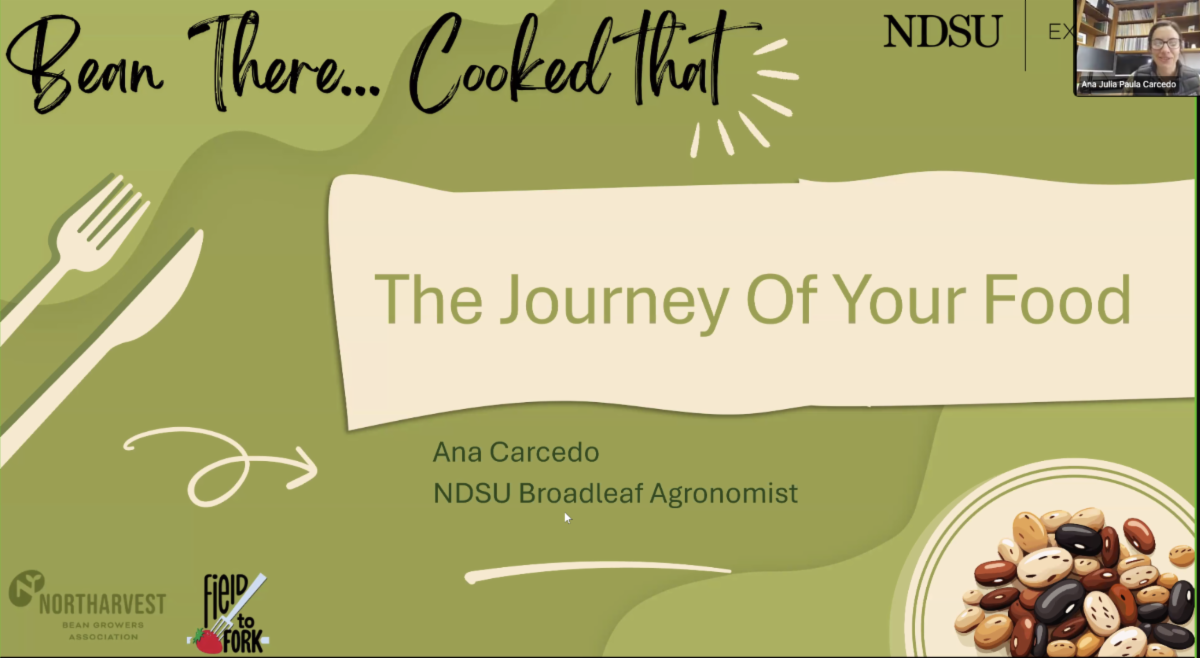
On May 5th, North Dakota State University (NDSU) Extension hosted a webinar all about beans, Bean There, Cooked That: Unpacking the Nutritional Power of Dry Beans. Northarvest Bean Growers Association was a proud sponsor of this event, which aimed to showcase the farm to fork story of beans, explain the critical role that our region plays in overall United States bean production, and share about the incredible health benefits of eating beans.
The webinar was organized by Ana Carcedo and divided into sections, led by several content experts: Julie Garden-Robinson, Shaundra Ziemann-Bolinske, Juan Osorno, and Carcedo. Tony Richards, NBGA President, helped introduce the webinar. He thanked the researchers for their work, welcomed attendees, and described what Northarvest does. Below, you will find a brief synopsis of key takeaways from the webinar, as well as a link to the recordings.
| | |
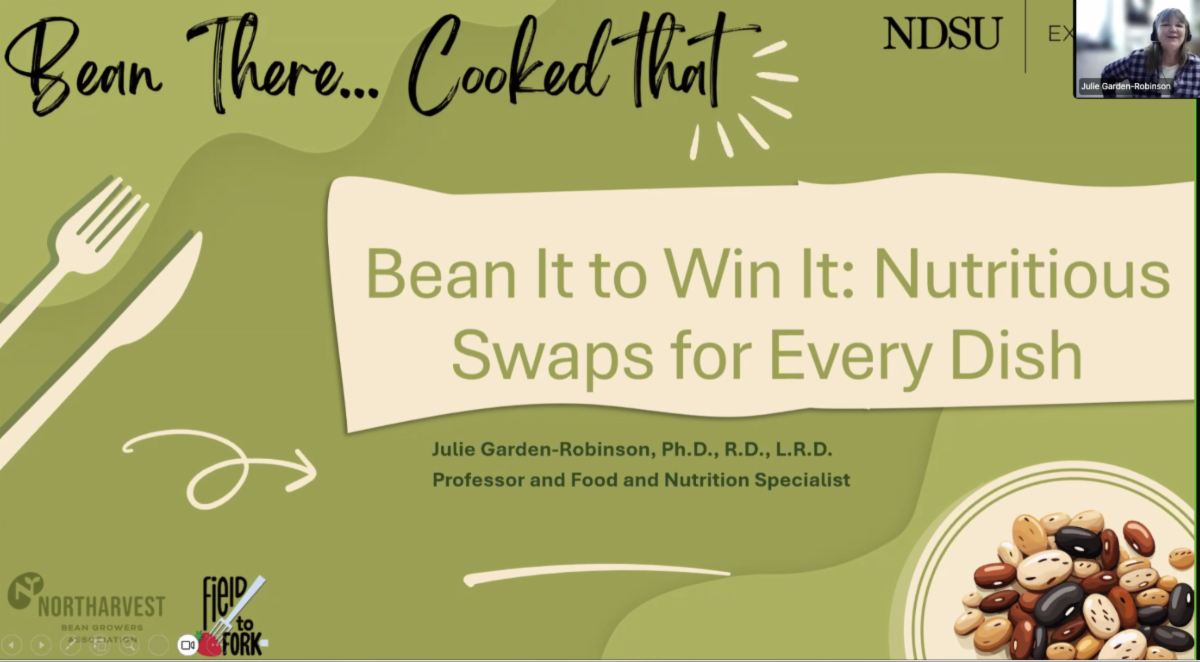
Julie Garden-Robinson - Extension Food and Nutrition Specialist - explained some of the many nutrition and health benefits of beans. She emphasized that beans count as both a vegetable and a protein. Although Garden-Robinson said she is an omnivore, she also pointed out that beans tend for be more affordable than animal proteins.
Other benefits of beans include that they:
- provide both soluble and insoluble fiber
- do not contain major allergens
- are naturally gluten-free
- work well in a wide variety of diets, including people with diabetes, vegetarians, and individuals following weight management diets - but you do not have to be on any particular diet to enjoy how delicious beans are!
Even though beans offer numerous health wins, many people are not eating enough beans to reap all the benefits. Garden-Robinson provided tips to help people eat more beans:
- Introduce beans to children at a young age
- Add beans into various dishes and menu items, such as pasta bean salad, baked beans as a side to a grilling menu, bean dips, and much more
- Think outside the box - puree beans to replace cream in soup, substitute part of the fat in baked goods with pureed beans, and try using aquafaba (the cooking liquid) as a substitute for egg whites
- Take time to soak and cook dry beans well, or use canned beans for convenience
Garden-Robinson returned at the end of the webinar for a second presentation, where she discussed more details about proper cooking methods and tips to reduce flatulence. For example, you can slowly increase the amount of beans you eat per day to allow your body time to adapt to the additional (and beneficial!) dietary fiber, and make sure you drink enough water.
| |
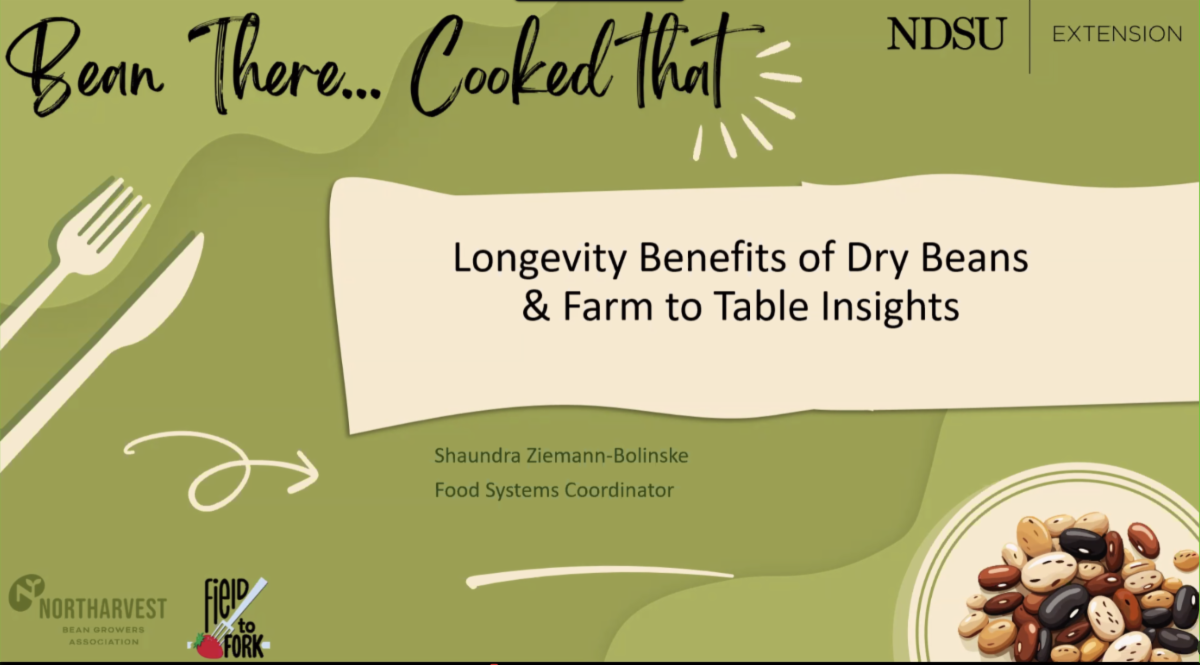
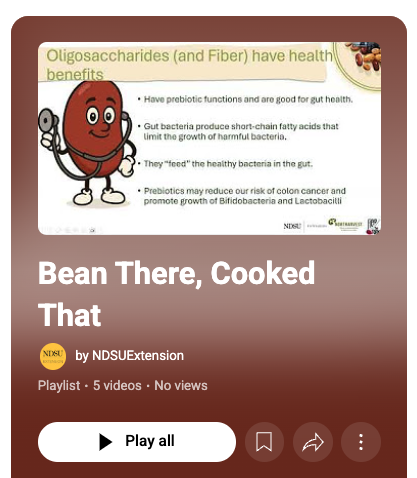
Shaundra Ziemann-Bolinske - Extension Systems Program Coordinator - dove into how beans are a cornerstone of the diets of Blue Zones, areas around the world with some of the healthiest populations with the longest lifespans. Thus, it appears that beans may be a way to support longevity, alongside other healthy lifestyle practices. Indeed, numerous studies associate eating beans with health benefits such as reduced colorectal cancer and incidence of type 2 diabetes. The fiber in beans also supports microbiome diversity and overall gut health.
One example of a dish with beans that is eaten regularly in Nicoya, Costa Rica (a Blue Zone) is gallo pinto. This staple dish is primarily made of rice and beans, often with onions, garlic, spices, and peppers.
In summary, Ziemann-Bolinske stated that dry beans are a low-cost, nutrient-dense staple supporting health and longevity. She also recognized the excellent work and attention to detail of growers and processors in the United States with a statement on her last slide, "U.S. processing ensures beans remain safe, accessible, and nutritious."
| |
Ana Carcedo - Extension Agronomist for Broadleaf Crops - shared about what it looks like to grow beans in the United States, something that many of the webinar attendees may never have seen firsthand. Using helpful images, diagrams, and video clips, she provided a glimpse into the field.
Among the many points she touched upon were:
- Explaining that many farmers work with processors under a contract
- Popular bean market classes in North Dakota, with pinto and black beans being at the top
- The amazing diversity within dry beans - not only are they diverse in color, shape, and size, but different types of beans can also require different management practices
- The ability of beans to fix nitrogen
Carcedo encouraged people to find additional informative videos on YouTube channels like NDSU Extension.
| |
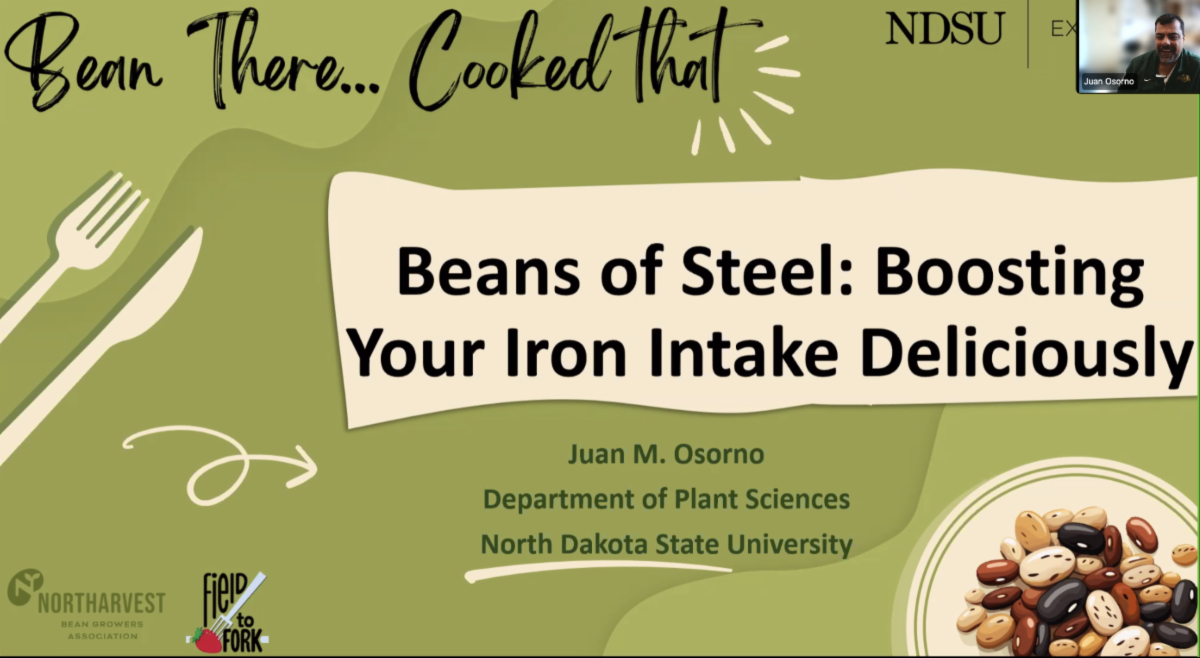
Dr. Juan Osorno - NDSU Professor and Dry Bean Breeder - began by showing numbers that demonstrated that the United States is one of the top bean producers in the world, and that the region that produces the highest amount of beans is right here in North Dakota and Minnesota.
Osorno shared about the power of bean breeding to have a positive impact, focusing on the story of slow-darkening pinto beans. The slow-darkening trait was initially identified in seed banks - it results from a naturally occurring gene and is not GMO. There are several key benefits that Osorno and other researchers have found about these beans. Consumer perception is that darker beans are older, so these slow-darkening beans tend to be more aesthetically appealing.
Another important discovery was regarding the iron bioavailability of slow-darkening pinto beans. Even when iron content is high, that does not necessarily mean that the actual bioavailability - or how readily available the iron is to be absorbed and used by your body - is high. Slow-darkening pinto beans have been found to have high iron bioavailability, making them a good choice for iron nutrition. In addition to this key nutritional benefit, testing has revealed that slow-darkening pinto beans also cook faster, which can help save time and energy.
Osorno shared that he is working to transfer this trait into other market classes as well, such as pink, light red kidney, and cranberry beans. There is exciting future potential for slow-darkening beans!
| |
|
Northarvest would like to sincerely thank Ana Carcedo for organizing the webinar!
A big thank you to presenters: Julie Garden-Robinson, Shaundra Ziemann-Bolinske, Juan Osorno, and Ana Carcedo for a very informative event!
| | | | |
Links Shared During the Webinar
During the webinar, presenters shared links to resources and websites with helpful information.
Canning & Storing
Recipes Shared in the Webinar
More Bean Knowledge
| |
| |
NBGA Advocates for Fellow Growers
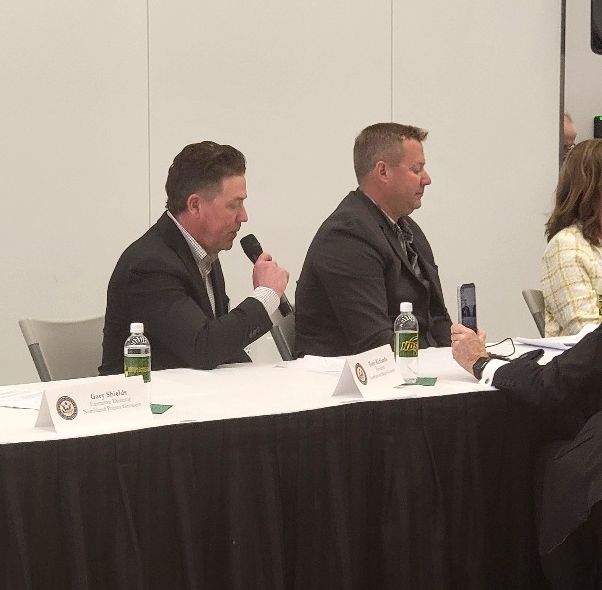
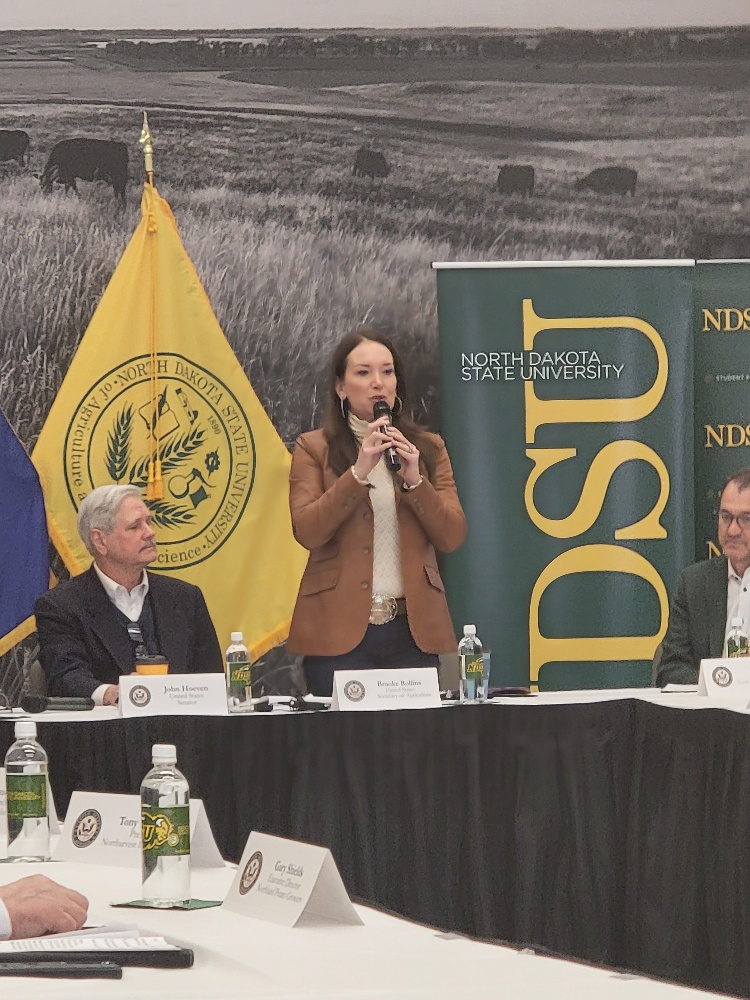
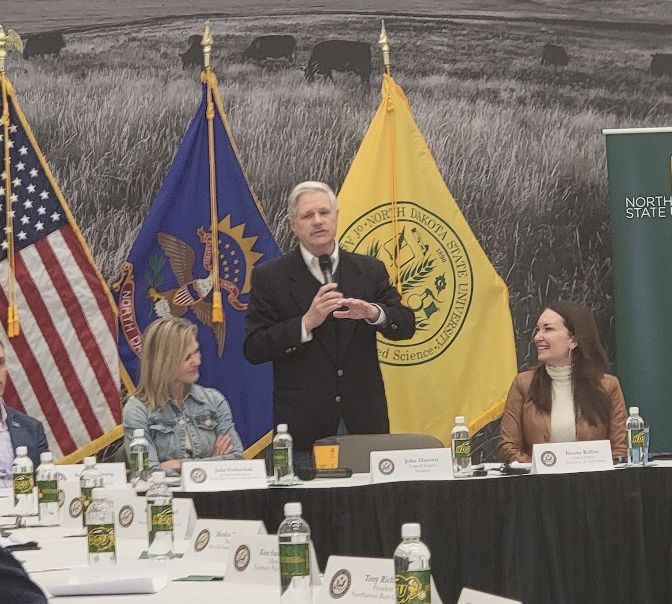
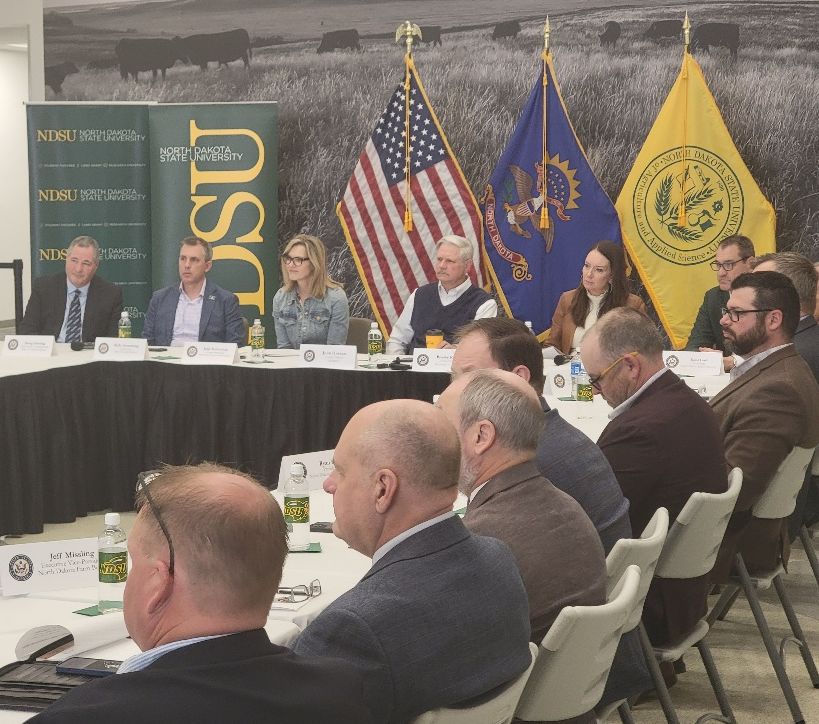
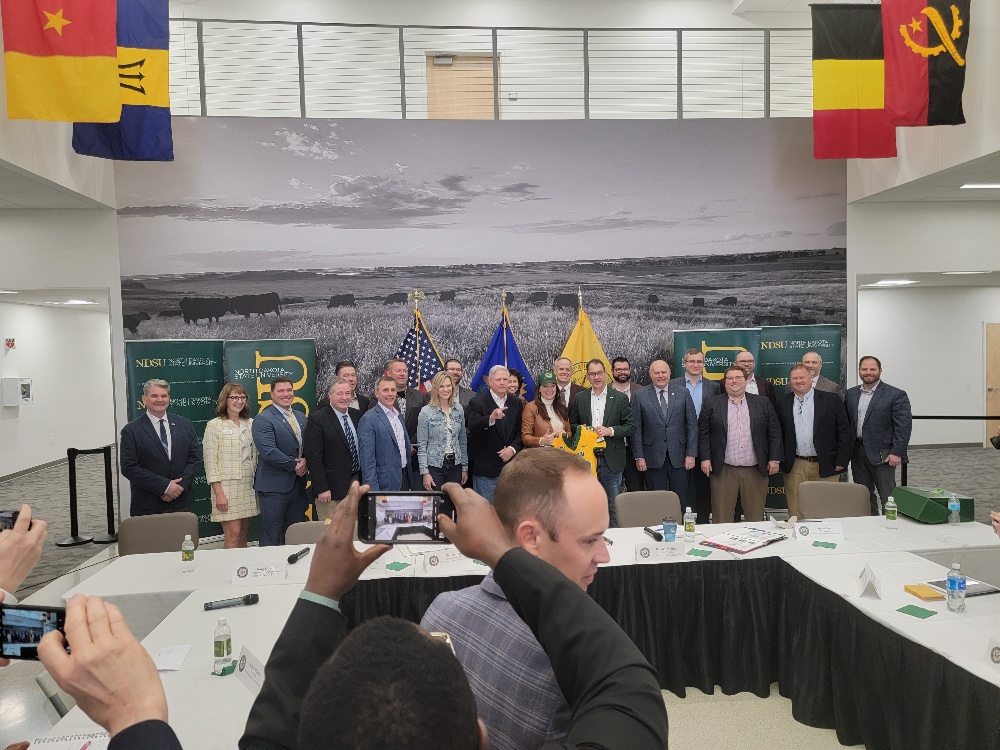
NBGA President Tony Richards participated in an ag industry roundtable featuring government officials, local agriculture producers, commodity groups, ag researchers, and agri-businesses on Tuesday, April 22nd, 2025, at the Peltier Complex at NDSU.
U.S. Secretary of Agriculture Brooke Rollins was on hand to hear the needs of ND organizations and companies; topics included Trade concerns, Waters of the United States, and endangered species regulations, among
others.
| | | | |
Accompanying Secretary Rollins were ND Senator John Hoeven, Representative Julie Fedorchak, Governor Kelly Armstrong, Commissioner Doug Goehring, NDSU President David Cook, USDA-ARS Administrator Joon Park, and several more prominent Ag-industry individuals.
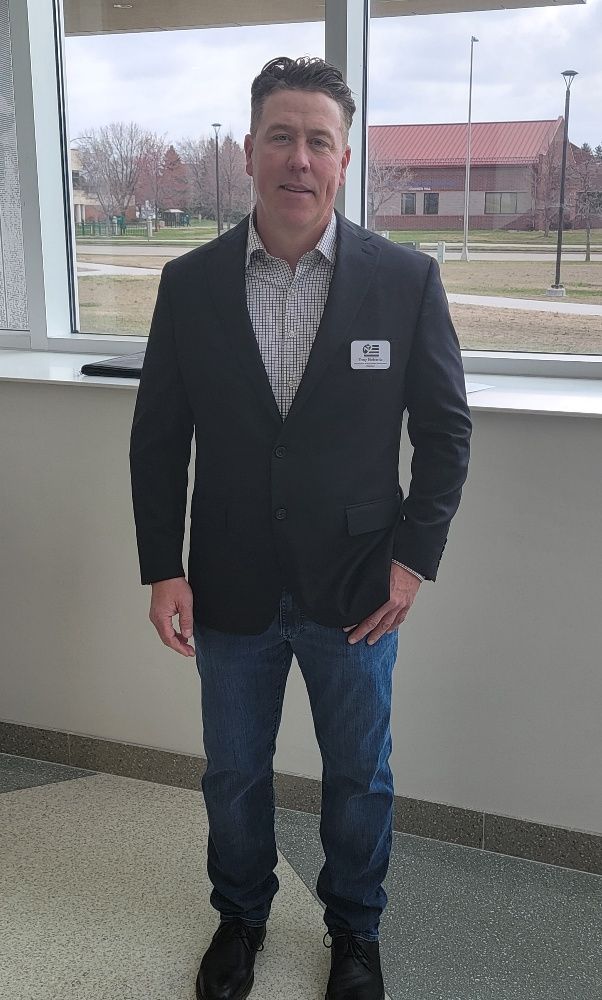
In addition to Richards, several Dry Bean industry representatives were in attendance. Thank you to
John Berthold (Green Valley Bean Company), Dan Fuglesten & David Scholand (Central Valley Bean Cooperative), Pat King (PW Montgomery), Dylan Karley (North Central Commodities), and Dr. Juan Osorno (NDSU, Plant Sciences) all of whom were also on hand for the round-table event. NBGA appreciates the support and advocacy of our industry partners.
| | | | |
Northarvest would like to thank NBGA President Tony Winters for making the time to meet with the visiting Government representatives to advocate for fellow bean growers as well as our ag industry as a whole.
➡️ You can read more from Agweek here
➡️ You can read more coverage from the Fargo Forum at inforum.com (NOTE: subscription required)
| | | |
Visit to Bush's Beans
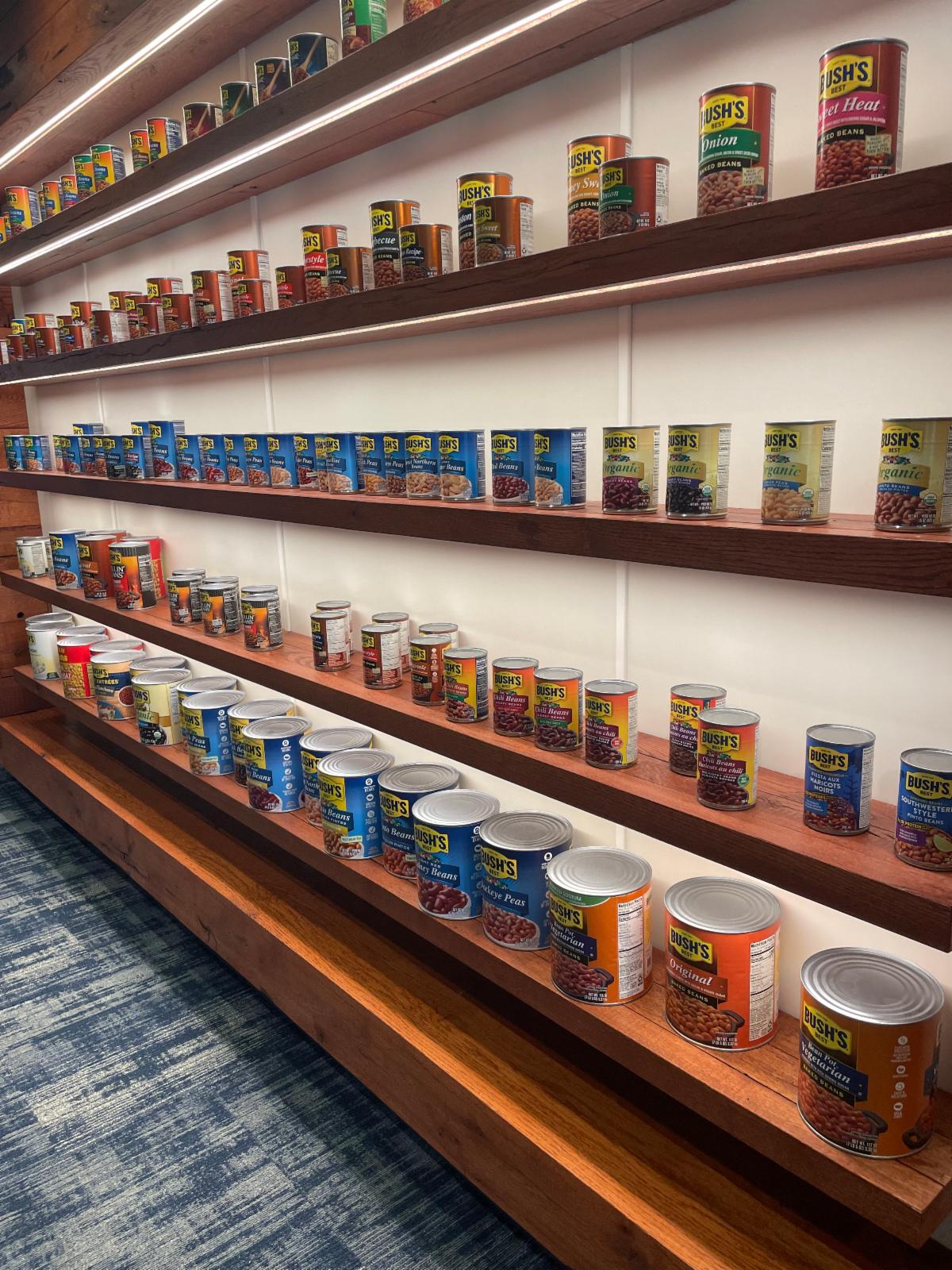
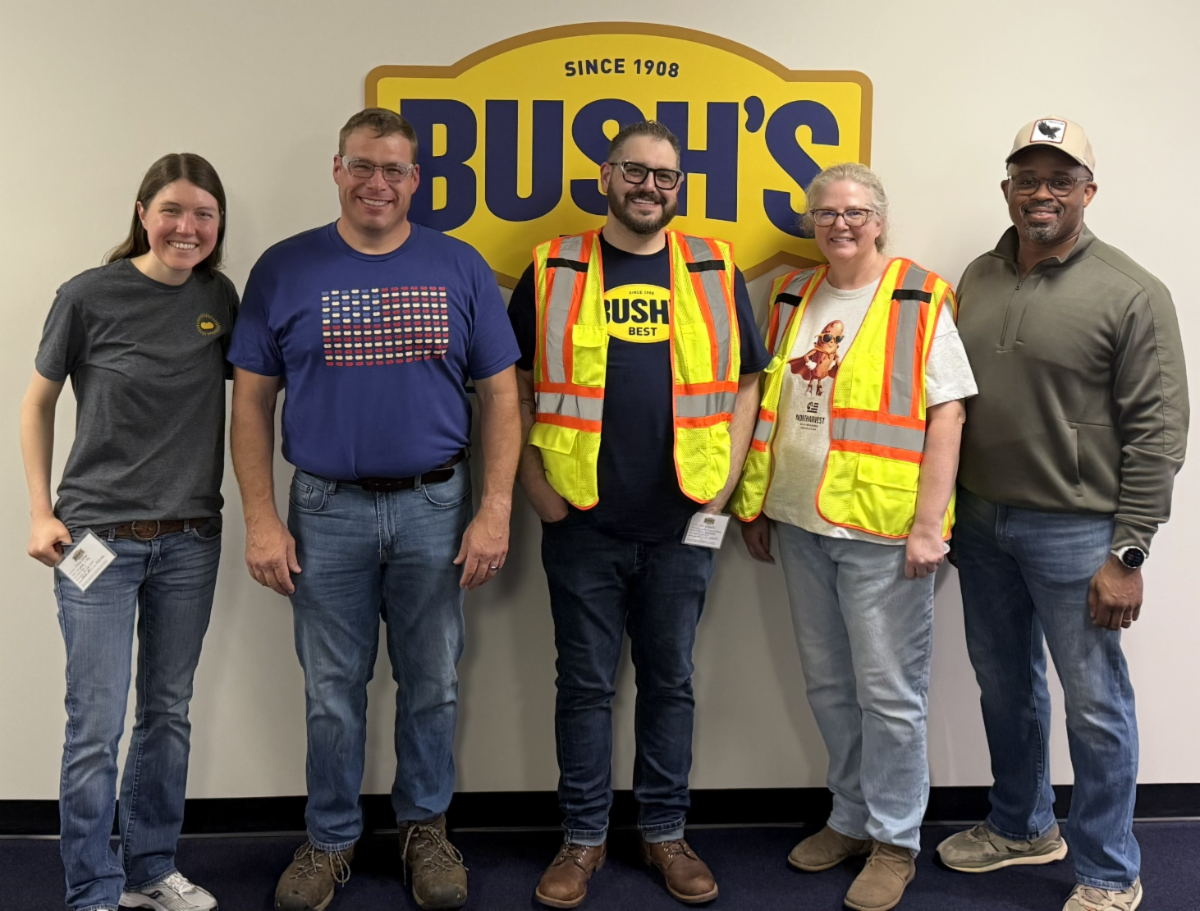
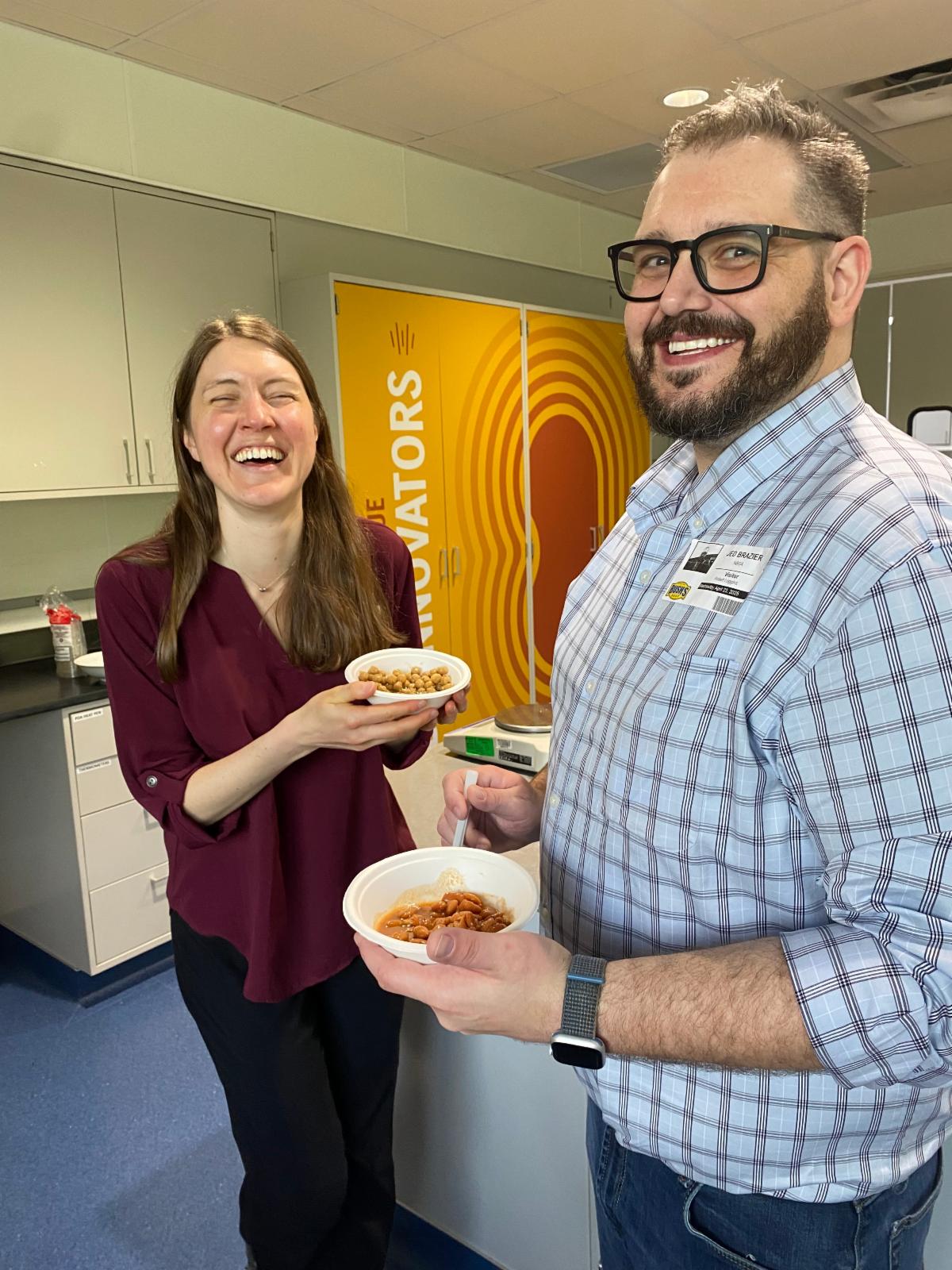
In April, NBGA Marketing & Communications Director Jed Brazier and NBGA Finance Director Jennifer Hansen visited Bush's Beans. Over the span of a few days, they participated in several tours and meetings to learn more about the company and their wide array of bean products.
“What impressed me about Bush’s Beans was how every employee seemed to love their job and their co-workers, it seems like a fun place to work. And who wouldn’t feel good about making and selling beans!” Hansen remarked.
| |
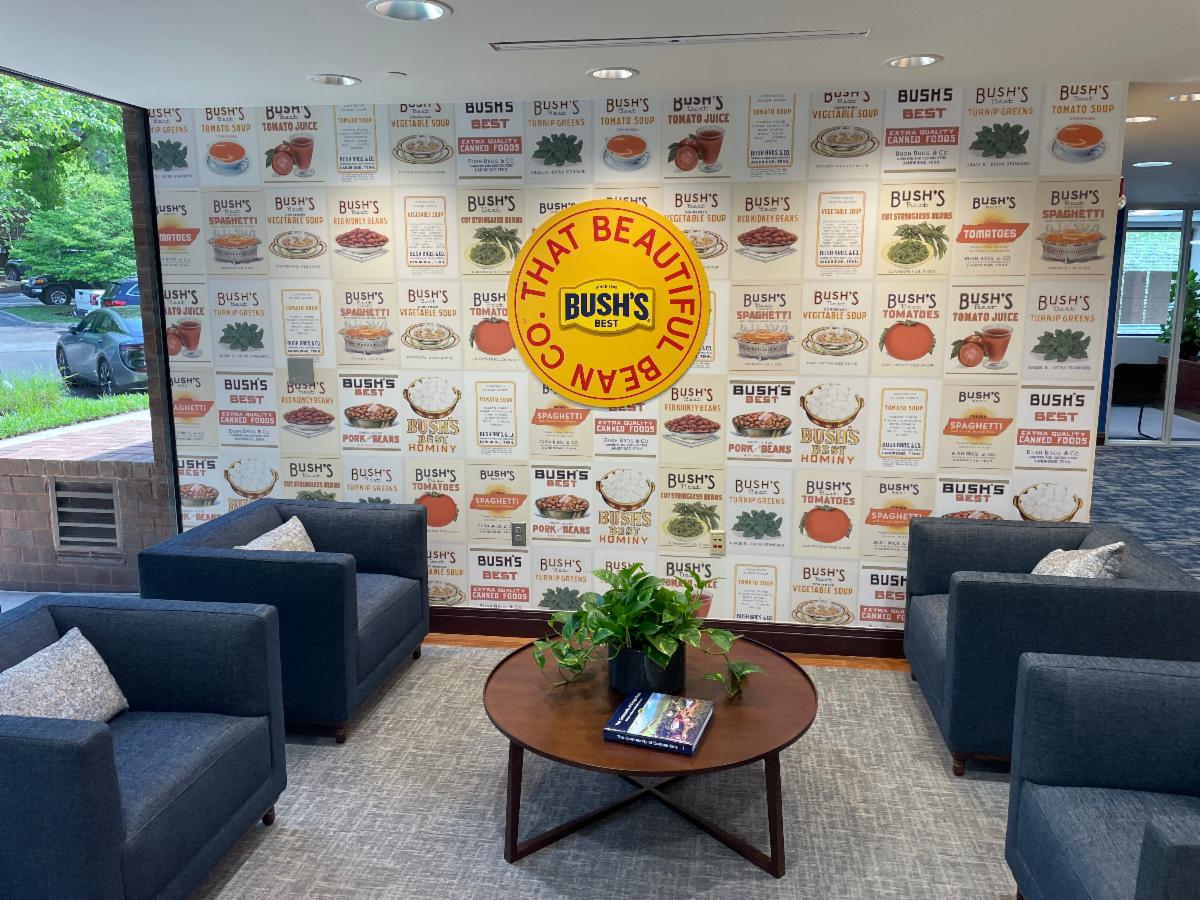
In addition to meeting several company representatives at the Bush Bros. offices in Knoxville, Jed, Jennifer, and alegumeaday.com's Chelsea Didinger were able to see the bean plant & canning facility in the foothills of the Smoky Mountains in Dandridge, Tennessee.
When asked about the trip, Brazier shared the following: "That area was absolutely gorgeous but the knowledge of the crew and the facility itself were both *really* impressive - it's hard to imagine the scale of operations; you almost have to see it in person. The plant stood head and shoulders above others I've seen in neighboring industries in cleanliness and in just how well their process works. A lot of people worked - and continue to work - really hard to make a place like that run so smoothly."
| Chelsea Didinger, Scott Schroeder, Jed Brazier, Jennifer Hansen, and Robert Loggins about to take a tour of Bush's canning operation. | |
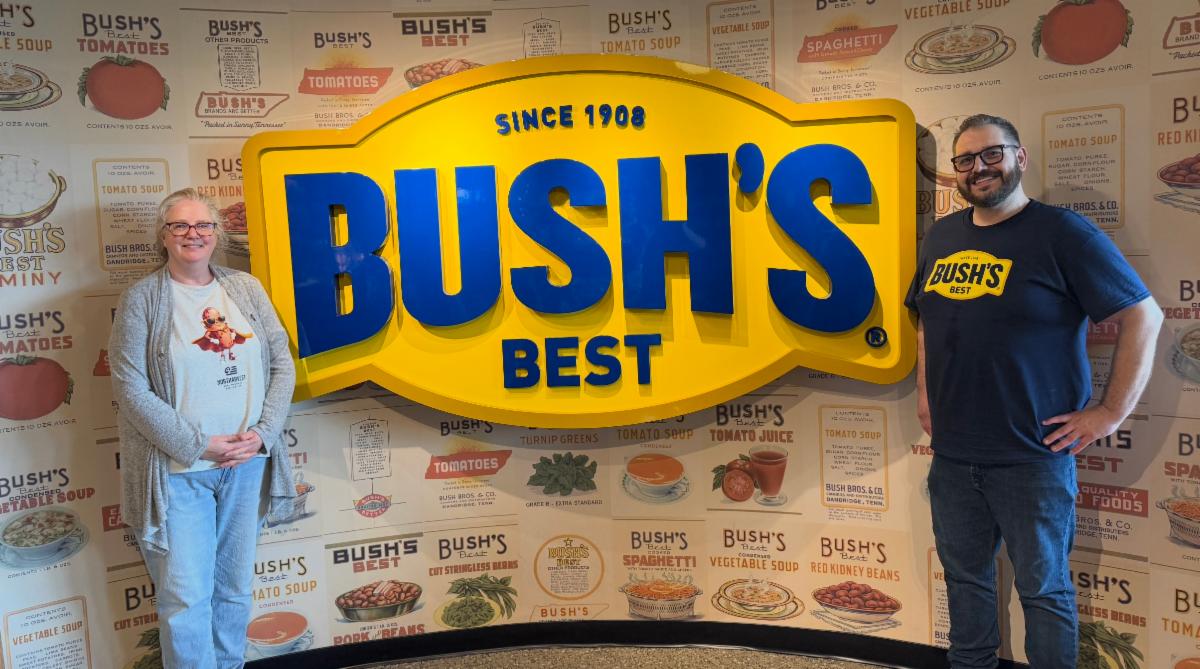
Along with seeing the plant, the group was able to visit Bush's Visitor Center. The Visitor Center is home to the company museum and restaurant. Inside contains a great deal of the history of the family, the products, and the company. Exhibits, photo opportunities, activities, and videos illustrated the company’s connection to the bean Industry.
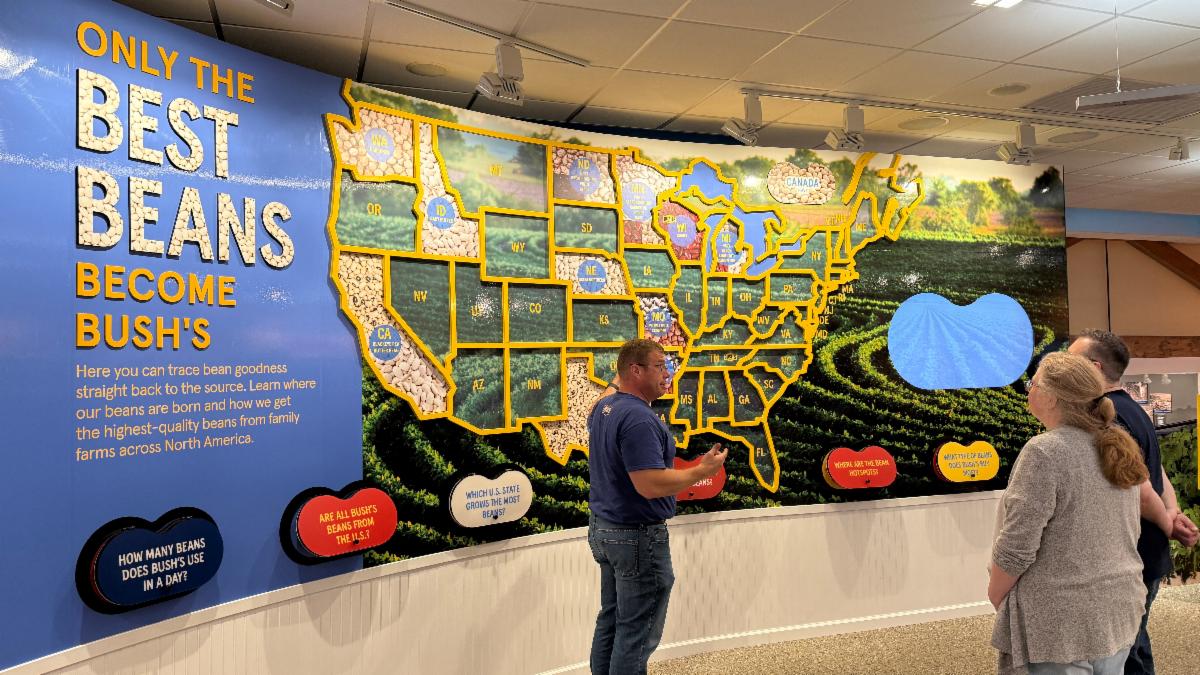
A common theme of the visit was appreciation for the incredible work growers do to produce such high-quality beans. In the Bush's Visitor Center, there is a map of the United States showing where the beans that Bush's Beans cans are grown. The Northarvest region is prominently featured.
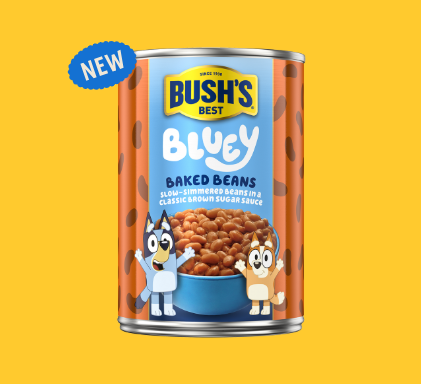
| The map in the Bush's Visitor Center shows where the different types of beans canned by Bush's Beans are grown. | The group had lunch at Bush's Family Cafe, where they sampled many bean dishes, including original and chocolate pinto bean pecan pie for dessert! Brazier and Hansen agreed that although both were delicious, the original pinto bean pecan pie was their favorite. Brazier noted he liked it enough that he asked for the recipe, which is linked above. | Day three included a visit with additional staff where they learned about Bush’s recent connection with “Bluey”- which, if you aren’t around kids much, you may be unaware it is a HUGELY popular children’s animated series - on store shelves that just recently rolled out. | Click the image above to learn more | |
They also had the opportunity to see the test kitchen and talk with some of the flavor-making culinary specialists and sample several a variety of Bush's products.
| | | Northarvest appreciated the invitation and the warm reception from Bush's Beans. A special thank you to Scott Schroeder, General Manager of the Bush's Visitor Center, and Robert Loggins, Director of External Affairs, for facilitating this visit as well as the entire crew at Bush's for being so generous with their knowledge & hospitality. | | Northarvest BeanGrower Spring 2025 Issue Here! | |
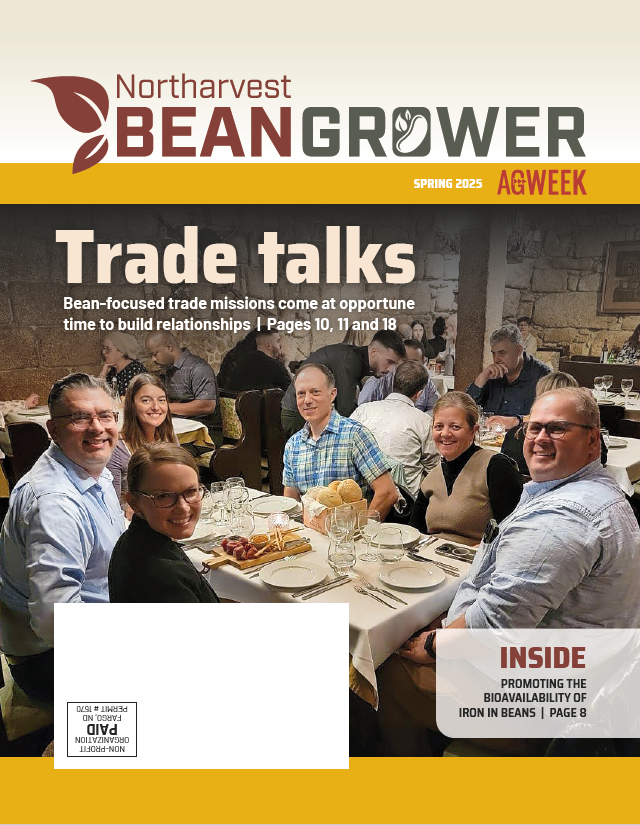
Northarvest BeanGrower Spring 2025 Issue Here!
The latest Northarvest BeanGrower - the Spring 2025 Issue - is now published. You may have already received a copy in the mail, and you can now find the PDF here.
| | | | | |
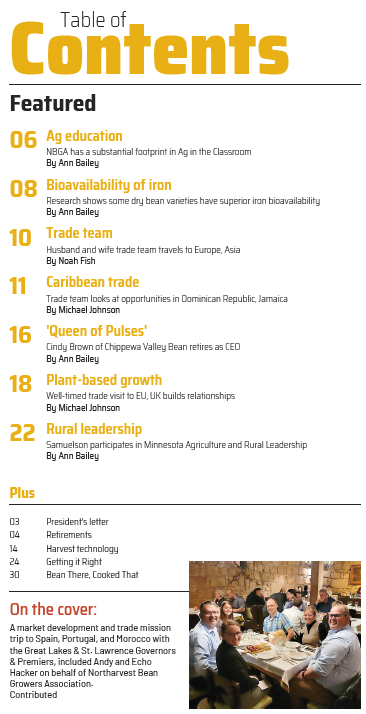
This issue covers many topics, including:
- Trade missions around the world in which Northarvest Members have participated, representing beans from our region
- Spotlights on Josh Ihry and Norm Krause, thanking them for their years of service on the North Dakota Dry Bean Council and the Minnesota Dry Bean Research and Promotion Council
- Research about differences in iron bioavailability among bean types and why this is important
- And much more!
➡️ Click here to find it!
| | |
The Dry Bean Scene is sponsored, in part, by NBGA. Click on the links below to listen to the most recent episodes.
-
➡️ May 9, 2025: NDSU Extension Agronomist Ana Carcedo discusses the recent webinar, Bean There, Cooked That, that highlighted the role of dry beans in a healthy diet. You can read more details in the Bean Nutrition Corner section of this e-newsletter, and find the webinar session recordings here.
-
➡️ May 1 , 2025: NBGA Executive Director Mitch Coulter talks about more federal assistance coming to specialty crop producers.
-
➡️ April 25, 2025: University of Minnesota Entomologist Bob Koch shares an update on soybean gall midge and the impact on dry beans.
-
➡️ April 18, 2025: NDSU Research Plant Pathologist Michael Wunsch talks about the latest research for white mold fungicide applications. They examined application interval and frequency.
-
➡️ April 11, 2025: Ramsey County Extension recently hosted a field to fork event, where Field Representative Megan Overby educated 4th graders about dry beans. In this episode, she shares about how beans were promoted, and how children responded.
| |
Do you know someone who would enjoy Northarvest News? Forward to a fellow bean grower, family, and friends so they can sign up and be in the NBGA know, too! | | |
Thank you for reading. NBGA wishes you a good rest of your May, and we look forward to sharing more news and updates in June. | | |
|
4844 Rocking Horse Circle S, Suite 2
Fargo, ND 58104 • info@northarvestbean.org
www.northarvestbean.org
| | | | | |