|
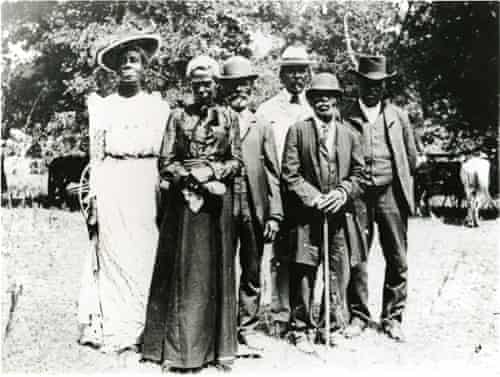
June 19th, "Juneteenth," commemorates the emancipation of enslaved African-Americans. On January 1, 1863, President Abraham Lincoln issued the Emancipation Proclamation, which freed all but a portion of the nation’s four million enslaved African Americans residing in Confederate-controlled territories. Areas already under Union control were exempt, along with several other states, including: Delaware, Kentucky, Maryland, and Missouri, thereby requiring action at the state level in those states to eradicate slavery. Of those enslaved people who were granted emancipation by President Lincoln’s January 1, 1863 edict, many were not immediately made aware that they were free and thus remained enslaved well beyond January 1, 1863. With limited technology and resources—along with uncooperative enslavers and Confederate sympathizers— news traveled slowly to enslaved people. On June 19, 1865, 2,000 Union soldiers arrived in Texas, the westernmost Confederate state, to announce that the state’s approximately 250,000 enslaved people were freed two years prior by the Emancipation Proclamation.
Juneteenth has become more popularly recognized across the nation and among different races over the last few years. Last year, Juneteenth became a federally recognized holiday. However, the holiday has long been celebrated by many in the Black community as a teaching moment, a moment of reflection, and a time to celebrate Black American culture. It is not uncommon for African American-led organizations to host parades or large gatherings on this day, and for people to attend small barbecues or cookouts with their loved ones, at which traditional foods are often prepared and served. Locally, Saginaw has held Juneteenth celebrations for many years and Midland hosted it first celebration earlier this month.
|