|
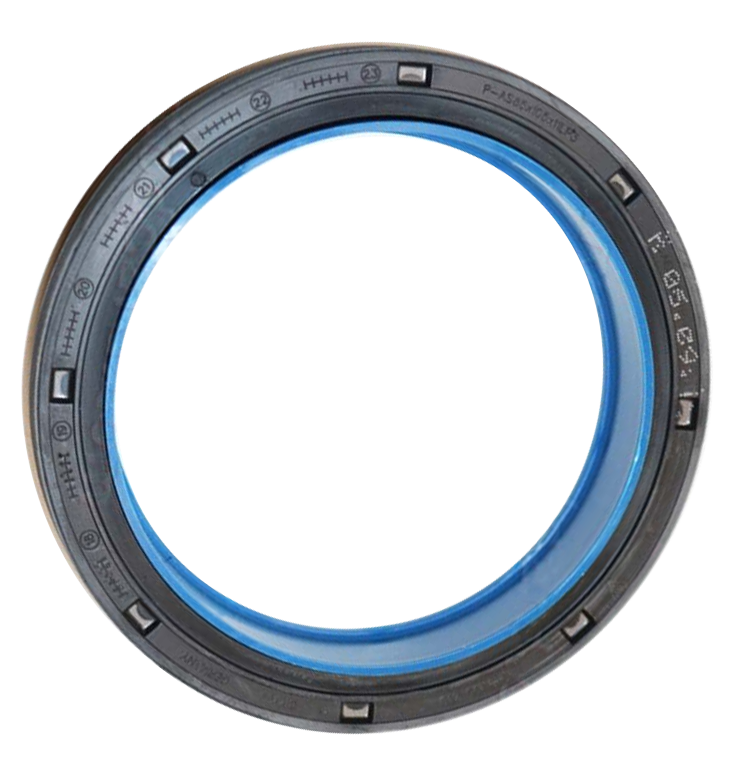
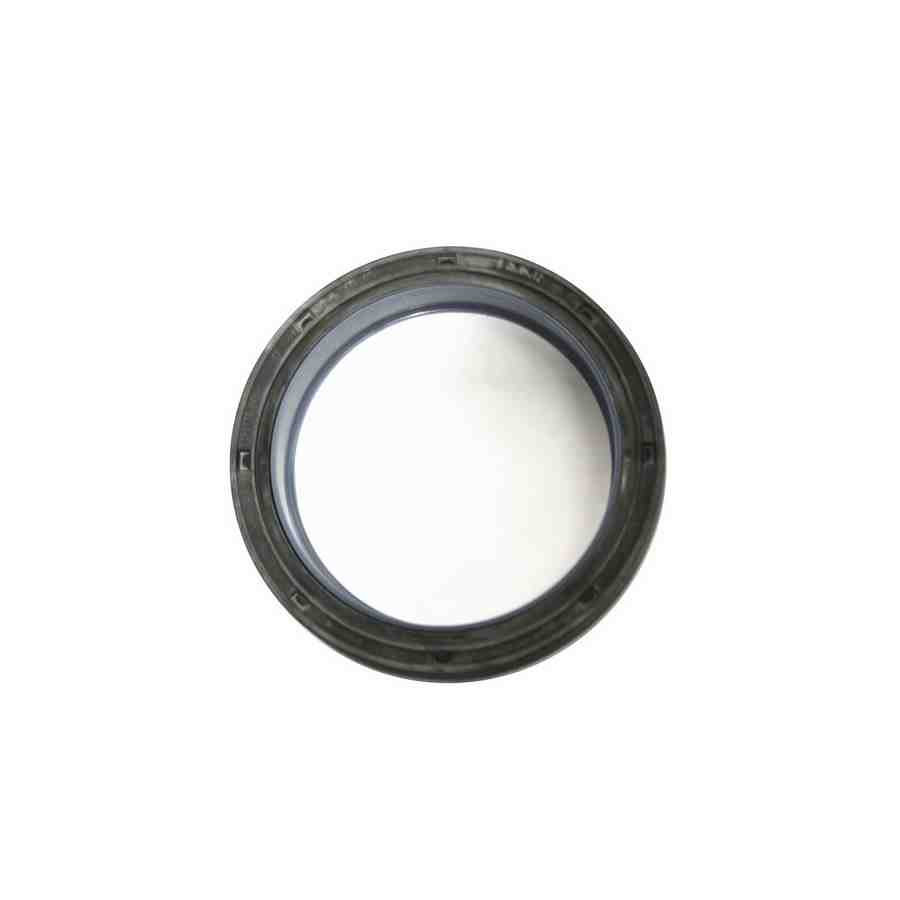
One of the tell-tale signs of a rear main seal leak is oil collecting in the bell housing area where the engine bolts to the transmission. It is common practice to replace the rear main seal anytime the transmission is removed and ideally done at the same time as an IMS bearing service.
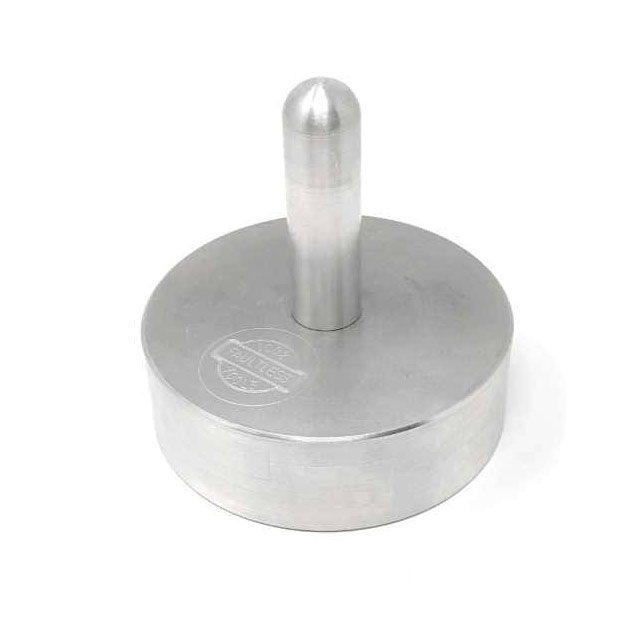
Porsche redesigned the rear main seal several times over the years, eventually coming out with a revised PTFE seal. Porsche also revised the RMS install tool (9699/2) so that the seal could be installed at a different install depth to account for crankshaft wear. The revised seal according to Porsche should not be lubricated or touched during replacement.
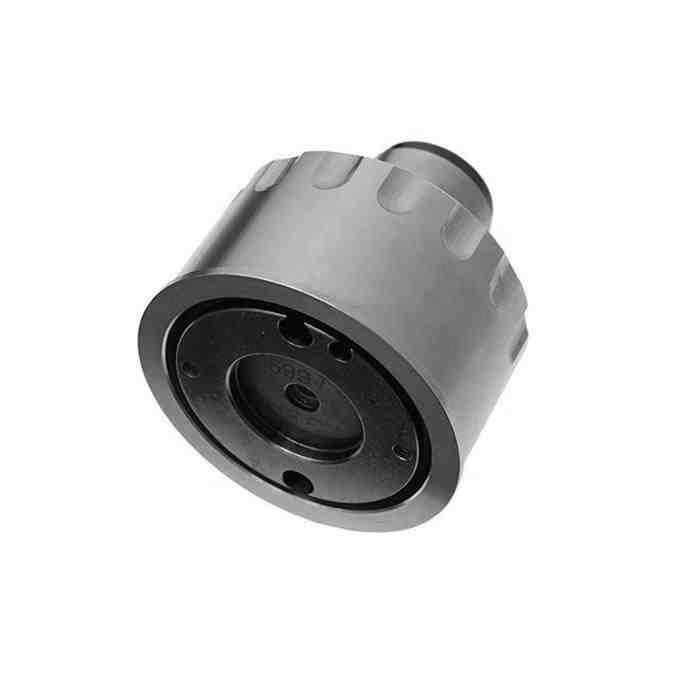
However, there are some engines out there that will leak even with the newest seal installed at the revised depth. There are some within the Porsche aftermarket that claim this is the result of the weight of the dual mass flywheel and offer “rear main seal bearings” to supposedly support the crankshaft better, however the true cause for chronic RMS leaks is mis-machining of the crankcase. In fact Porsche came out with the 9699/1 go-no-go gauge that allows the mechanic to inspect the engine for this mis-machining that leads to leaky rear main seals. The cause of the leak is actually that the crankshaft is off center in relation to the housing bore in the crankcase where the RMS seal is fitted. Anytime you replace a leaking rear main seal, it is critical to inspect the crankcase, checking to make sure there is no more than 0.3mm variation in the distance measured between the crankcase RMS housing bore and the crankshaft. No matter what seal is installed or how many times you replace it, if the engine is incorrectly machined, it will continue to leak. Adding a rear main seal bearing won’t correct this issue and will likely cause permanent damage to your crankcase and crankshaft.
Often it is low mileage cars that were not driven enough during the warranty period that have this issue. Ideally engines that were mis-machined or that have other issues like porous crankcases or that could suffer from slipped sleeves would have been replaced under warranty had they been driven more.
Anytime you have the dual mass flywheel off to carry out this service, It is important to check the flywheel as they are a wear item. LuK makes tool to measure allowable deflection, however in our experience, most flywheels need replacing anytime the clutch is changed.
The flywheel bolts (or flexplate bolts for a Tiptronic) must also be replaced as they are torque-to-yield and are not to be reused. We also recommend replacing the gearbox mainshaft seal (or torque convertor seal in a Tiptronic) whenever the transmission is removed.
|