|
Across these events, one idea kept finding me that I'd love to explore together this month: having a capacity and being able to access it are not the same thing.
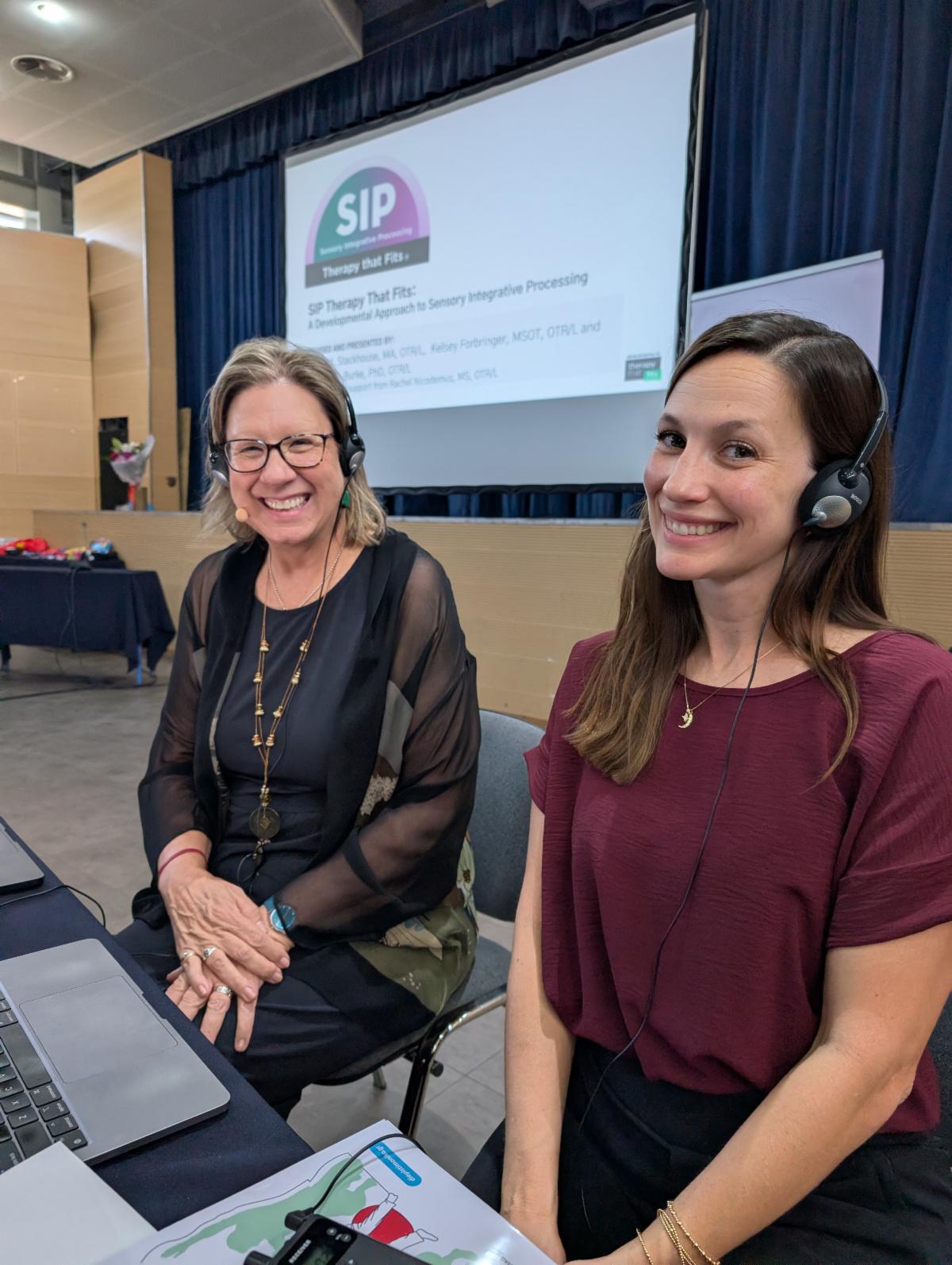
In Greece, the SIP course brought clinical reasoning to life. We explored how curious, careful observation of sensory modulation and discrimination can guide our understanding of a child’s participation and relevant intervention to support engagement. Careful observation reveals underlying capacities.
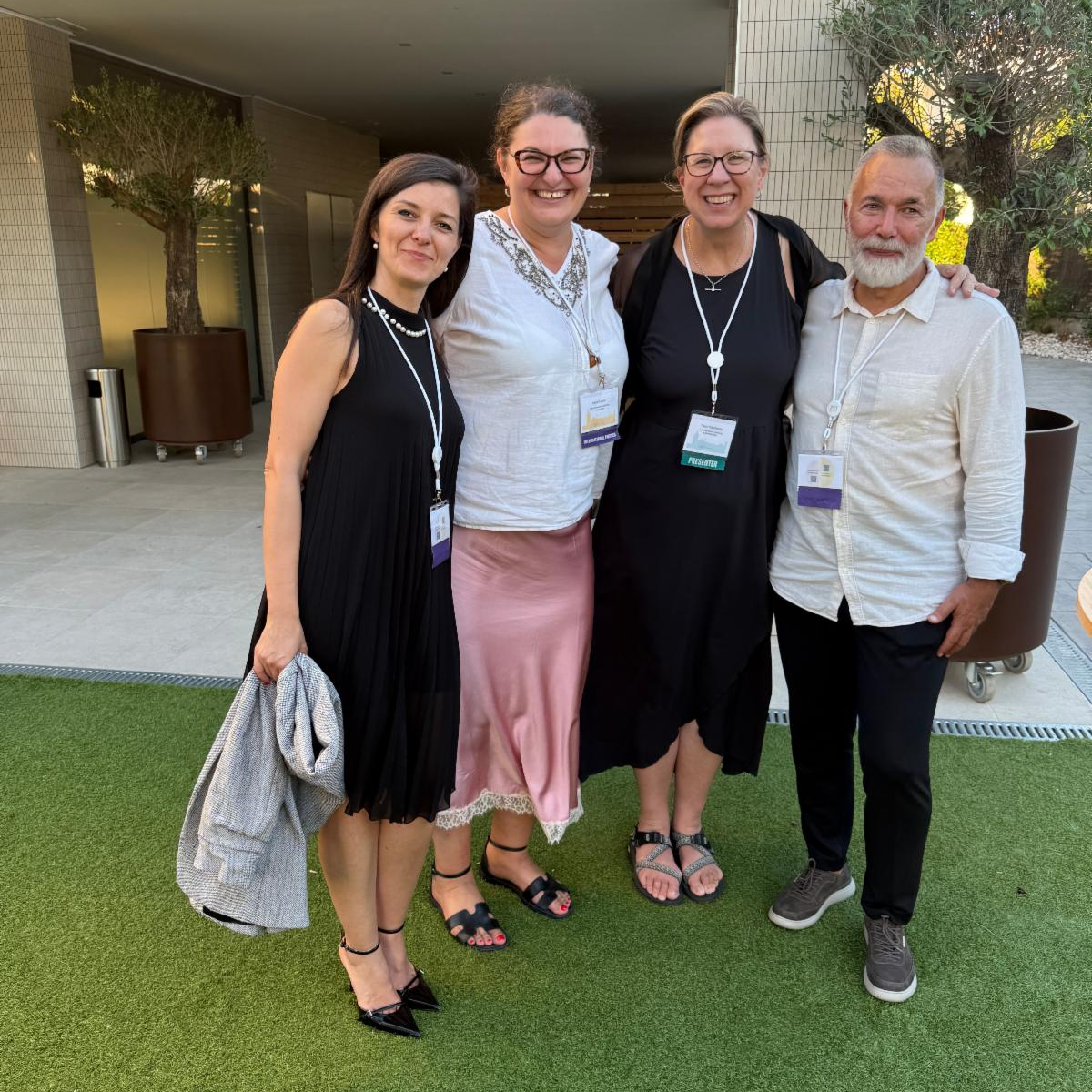
In Sitges, we gathered to focus on Polyvagal Theory, which highlights for us that state protection can limit access to these underlying capacities. Discernment and critical thinking are harder to reach when our internal systems are working to protect us from a threat, whether real or perceived, biological or social. In my sensory portals workshop, we traveled from exteroception through proprioceptive and vestibular experience toward interoception. It was a joy to watch sensation become a way to notice state, support co-regulation, and respond with care. Sensation offers a pathway back toward state awareness.
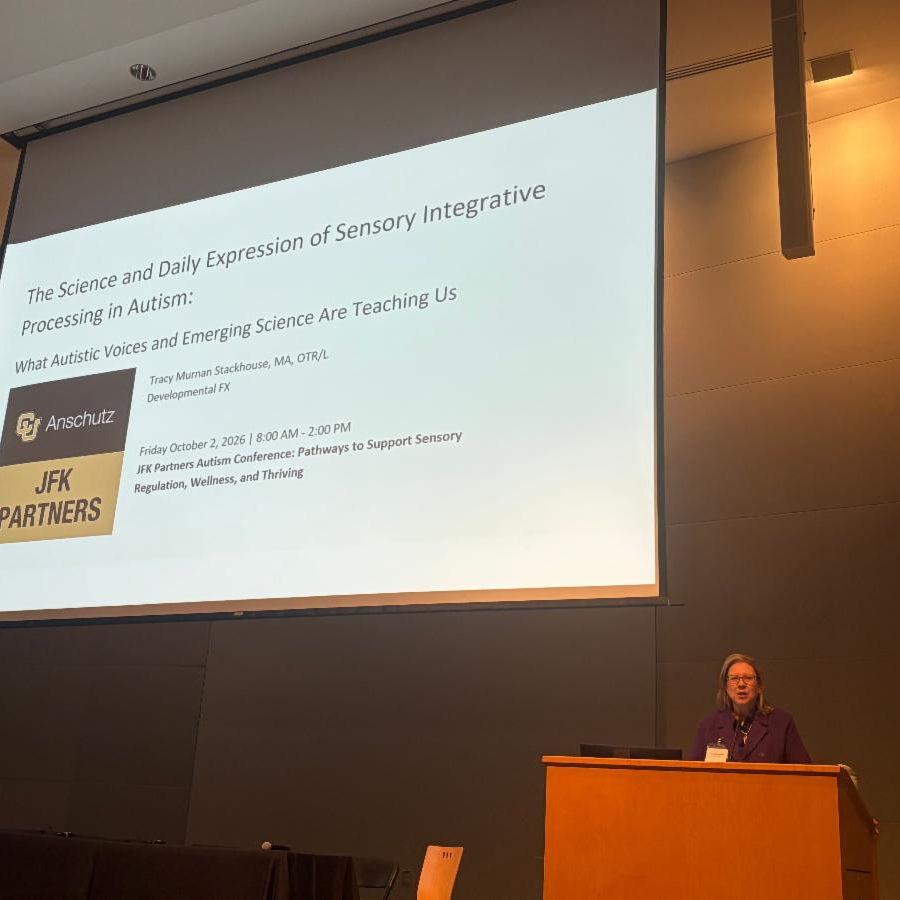
At JFK Partners, I gave a keynote, "The Science and Daily Expression of Sensory Integrative Processing in Autism: What Autistic Voices and Emerging Science Are Teaching Us," exploring the relationship between sensory processing and movement. The science grows richer, and our practice grows kinder, when we hold it alongside autistic people's lived experience. What a person shows us may not reveal everything they know, intend, or are working to organize. What we see on the surface rarely tells the whole story of what a person knows and intends.
|