|
|
Defending wildlife and habitat through:
Advocacy
Conservation
Education
|
|
|
News & Updates: February 2024 |
|
In this issue:
- AOK Celebrates 25 years of Wetland Advocacy, Conservation, and Education
- Then and Now: Protecting Wetlands in Kansas
- 2 ways you can be the voice for wildlife today
- Legislative Update
- Join AOK at Achterberg for Big Kansas Road Trip in May
- New study documents the havoc wreaked by feral cats
-
Philanthropy Corner: Help us do more - Volunteer with Audubon of Kansas!
- AOK Events
- Sharp-tailed Grouse viewing at Hutton Sanctuary
- Kansas Lek Treks Registration Open
- Banquet Speaker and Featured Artist announced
-
Chapter Spotlight: Sunflower Audubon holding events in western Kansas
-
AOK Nature Spot Recommendations: Marais des Cygnes National Wildlife Refuge has hiking trails galore
|
|
|
AOK Celebrates 25 years
of Wetland Advocacy, Conservation, and Education
|
|
Audubon of Kansas is celebrating our 25th anniversary this year. Audubon of Kansas was created in 1999 when the Kansas Audubon Council decided to rename itself, take on additional conservation efforts, and hire Ron Klataske as its first Executive Director.
Last month, we gave an overview of how Audubon of Kansas has worked in the areas of advocacy, conservation, and education. This month, I would like to focus on one issue: protecting wetlands in Kansas.
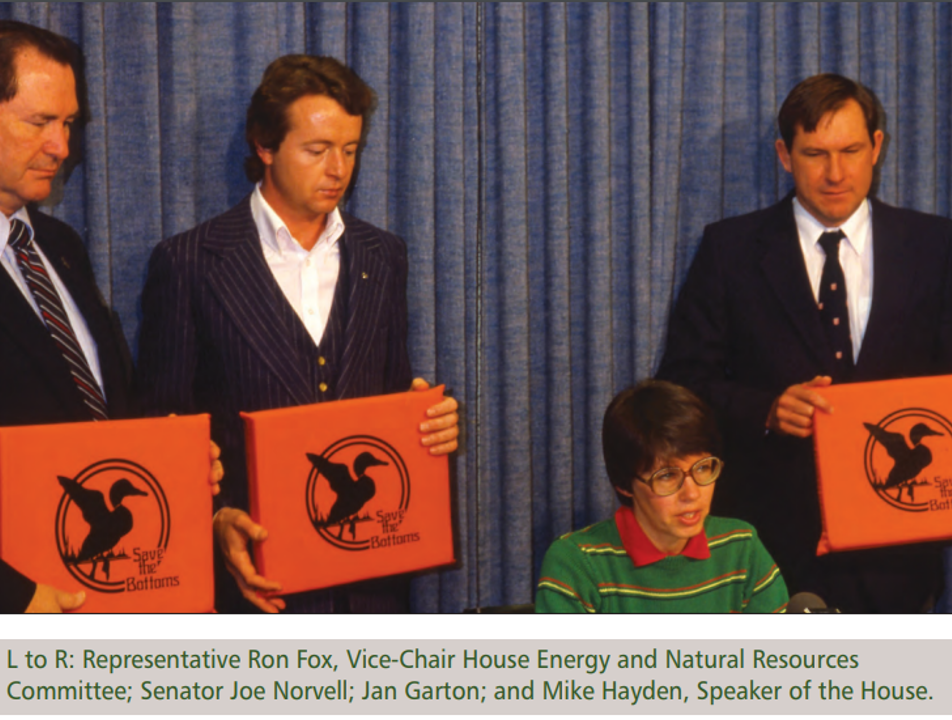
THEN: Our work started with Jan Garton and Sil Pembleton of the Kansas Audubon Council. They were concerned about the conservation and restoration of Cheyenne Bottoms. Jan and Sil travelled to Pratt seeking a copy of a Cheyenne Bottoms restoration plan prepared years before by a former Bottoms manager. We were dismissively told, “It’s around here somewhere. Now don’t you ladies worry your pretty little heads. There’s $2,000 in our budget to take care of the Bottoms this summer.” This started a decade-long campaign to save the wetland which included getting Audubon chapters throughout the state to voice their concern, forming a coalition of organizations to craft a plan, getting public support, and finally proposing and passing legislation. Cheyenne Bottoms is now a wetland of international importance due to their monumental efforts. Read the whole story HERE and HERE.
NOW: Unfortunately, conservation is rarely forever as new threats arise. This very day, the Barton County Planning Commission is meeting to get public input on how much area around Cheyenne Bottoms should be protected from energy development. Additionally, Quivira National Wildlife Refuge is being threatened by excessive groundwater pumping preventing water from Rattlesnake Creek from reaching the refuge. Without water, Sandhill Cranes and endangered Whooping Cranes won't have the critical stopover sites which provide protection and nourishment during migration.
Audubon of Kansas is being a vocal advocate on behalf of these valuable wetlands. We have provided written and oral testimony to the Barton County Planning Commission to protect Cheyenne Bottoms. We are also pursuing legal means of ensuring Quivira has the water it needs to maintain healthy wetlands. We seek to connect people with these valuable wetlands through our Celebration of Cranes and Kansas Lek Treks Prairie-Chicken festivals. But we could use your help!
-
Tell the Barton County Planning Commission to prevent ALL energy development (solar and wind) within 4 miles of Cheyenne Bottoms. AOK is suggesting this distance based on the average distance cranes, ducks, and other waterfowl travel between the wetlands and agricultural foraging areas. Be sure to include some description of your connection to Cheyenne Bottoms (how often do you visit? do you usually buy gas/food/lodging?). Call or email Judy Gorham with the Barton County Environmental Management Division, 1213 Baker Ave, Great Bend, KS 67530; (620) 796-4300 or (620) 792-9905, at jgoreham@bartoncounty.org. Deadline: ASAP.
-
Provide support for the proposed US Fish and Wildlife Service's regulations that would "provide substantive guidance for refuge managers to follow to uphold refuge water rights and would further empower them to pursue and secure critical water assets to support the myriad of migratory birds, fish, and other wildlife that rely on refuge habitats." [Regulation 29.3(c)(4)] The proposed rule can be found HERE, and you can submit comments HERE. Deadline: Monday, March 4
|
|
|
Last month, we told you about HB 2541 which would establish a state conservation fund supporting working lands, wildlife, and outdoor recreation. This month, the Senate Agriculture and Natural Resources Committee held a February 19 informational hearing on conservation programs and funding. Sean Miller – who lobbies for the Kansas Association of Conservation Districts and Ducks Unlimited – gave the informational overview via written remarks and illustrious slides. Unfortunately, the senate committee decided to NOT submit its own version of the bill. Generally, bills that are submitted by both the house and senate simultaneously would have a better chance of working their way through the democratic process more smoothly. The plan is to continue to work on the bill this legislative session and this summer, and to reintroduce it next legislative session. Legislative hurdles include refining the proper funding source and distribution model. The opposition is couching the bill as a 'land grab' and supportive of Biden's 30x30 campaign, so additional wording may be added to explicitly state that is not the intention of the bill.
Another bill that has been proposed is HB 2582. This bill increases the Kansas Department of Wildlife and Parks Commission from seven to nine, and it changes how Commissioners are appointed. Currently, the governor appoints commissioners. However, the new bill divides appointments among the governor, speaker of the house, president of the senate, and the attorney general. This process will encourage political ideology to become more important than protecting the natural resources of Kansas, and encourage polarization of the committee instead of the current strategy of finding the best solution to difficult problems. AOK wrote a letter in opposition to this bill. We are waiting to see if this bill proceeds to a vote.
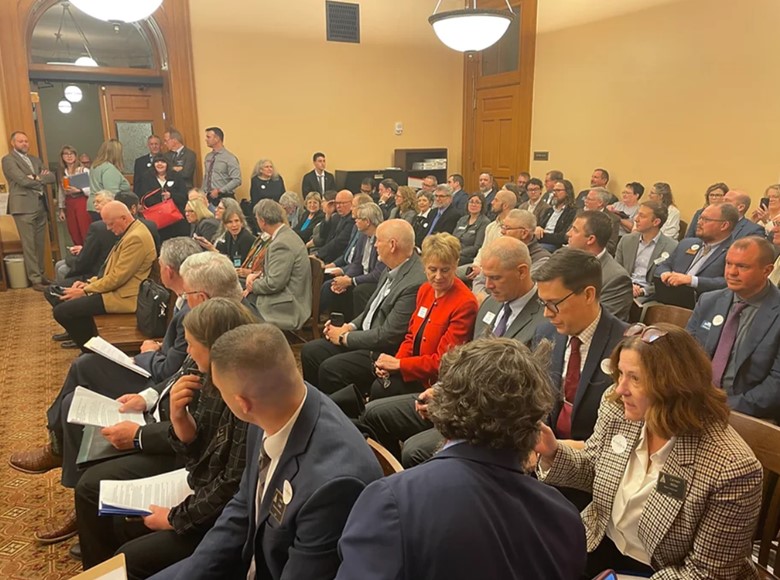
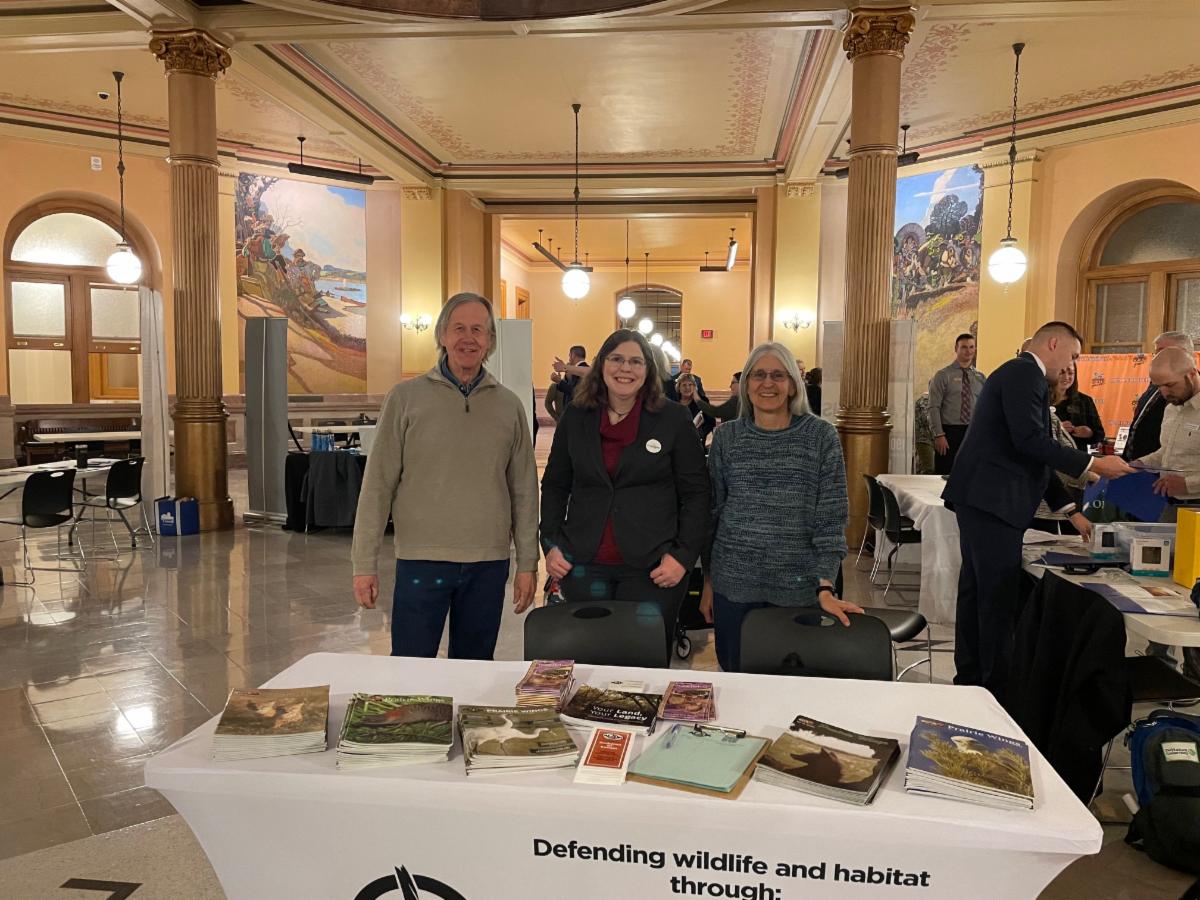
Left photo: packed hearing room provided by Kansans for Conservation Right photo: Rex Buchanan, Jackie Augustine, and Vanessa Avara representing AOK at the event.
|
|
|
Join AOK at Achterberg for Big Kansas Road Trip in May |
|
The Big Kansas Road Trip is designed to turn people on to exploring by doing it and to do it in a way that will help sustain our communities. This event hosted by the Kansas Sampler Foundation visits a different community every year. This year, the event will be held May 2-5 with the focus on Ellsworth and Lincoln Counties, and the community of Lucas.
Audubon of Kansas is excited to host multiple events at AOK's Achterberg Wildlife-Friendly Demonstration Farm near Lincoln, KS, in conjunction with the Big Kansas Road Trip:
Thursday, May 2
8-10pm: Dark Sky Viewing
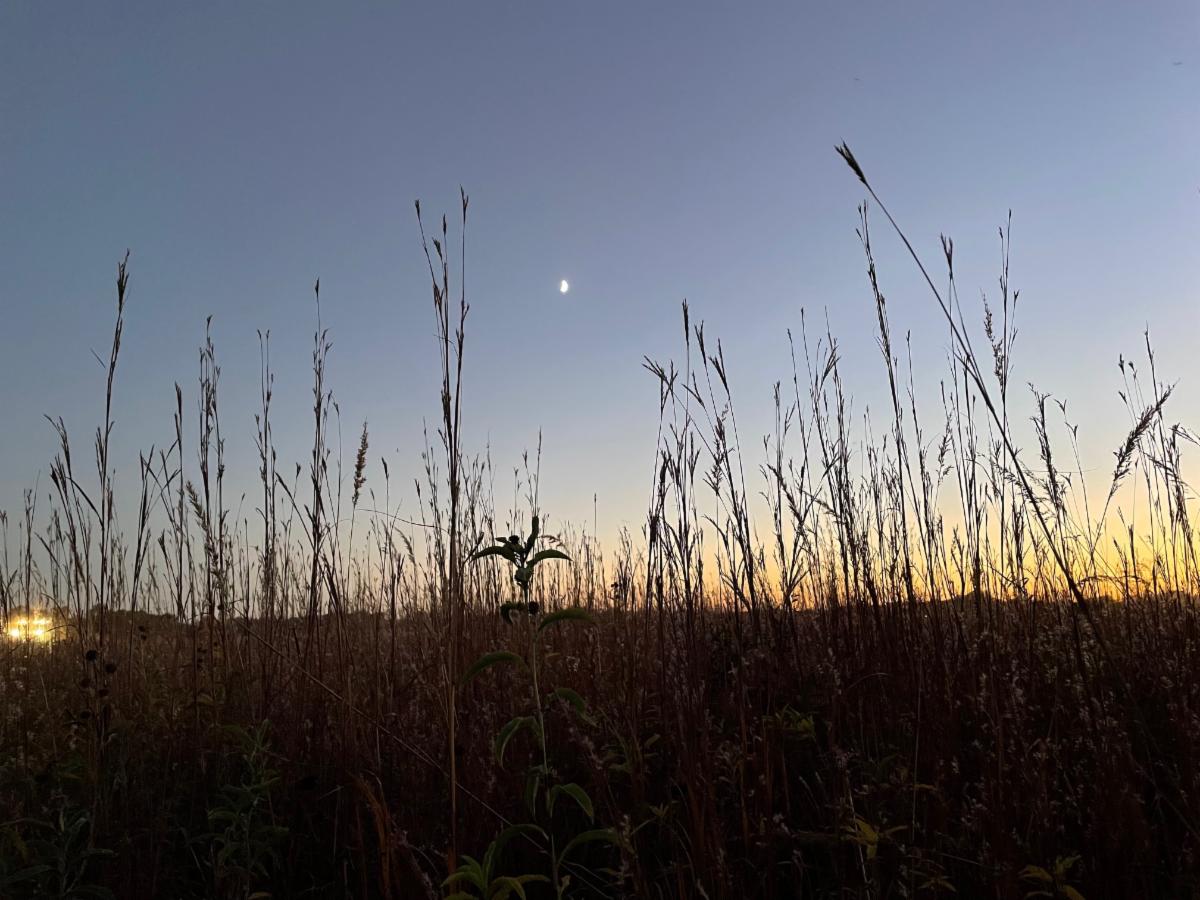
Kansas has some of the best night sky viewing in the country. Join astronomers in viewing the night sky. It will be an excellent night for observation as the moon will not rise until after midnight. We will look at constellations and observe planets and other astronomical features through telescopes.
Friday, May 3
8am: Migration Bird Hike
May is the height of songbird migration through Kansas. Audubon of Kansas' Connie Achterberg Wildlife-Friendly Demonstration Farm has a mix of habitats that attracts a wide variety of birds, including grassland and riparian woods. Executive Director, Jackie Augustine, has been a birdwatcher and ornithologist (a scientist that studies birds) for over 25 years. She will lead you on a short hike through the sanctuary and help you identify birds by both sight and sound. If you have them, bring binoculars
3pm: Managing for Quail and other wildlife
Audubon of Kansas' Achterberg Wildlife-Friendly Demonstration Farm hosts two coveys of bobwhite quail. Executive Director, Jackie Augustine, will talk about recent habitat improvements aimed at removing woody species and making the area more suitable for Connie Achterberg's favorite bird, the bobwhite quail.
Friday 3pm
8pm: Owl Hike
Owl Hike - Whooooo's awake? The Connie Achterberg Wildlife-Friendly Demonstration Farm is home to both Barred and Great Horned Owls. Audubon of Kansas Executive Director, Jackie Augustine, will discuss owl biology and lead participants in a hike through the sanctuary to listen for owls. You will learn to identify owls by their calls. As owls are wild animals, viewing owls is not guaranteed, but there is a good chance to see them.
Achterberg Sanctuary is located at 950 N 170 Rd, Lincoln, KS - the northwest corner of 170th and Iron. It has a 1-mile hiking trail open to the public from dawn until dusk, 7 days a week.
|
|
|
New study documents the havoc wreaked by feral cats |
|
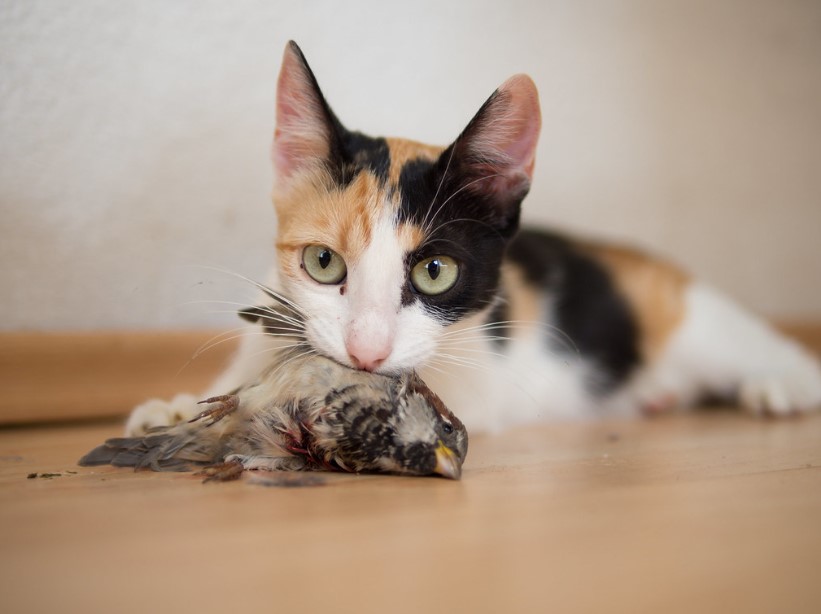
We have known for a long time that feral and free-ranging cats are a major source of mortality for birds, with unimaginable estimates of 1-4 billion birds being killed by cats EACH YEAR. Cat mortality accounts for more bird deaths than collisions with windows, vehicles, and industry (wind turbines, for example) combined. (See Loss et al. 2015.)
A new study published in Nature Communications documents the extent of feral and free-ranging cats' diets. Over 2000 species have been consumed by cats, of which 17% are of conservation concern. Approximately 9% of known bird species have been consumed by cats. The most concerning part of this study is that they could use models to see if scientists are getting close to documenting all the species consumed by cats, and they are not... it is expected that additional species will be documented in the coming decades.
What can you do? 1) Keep your cat indoors - even well-fed cats kill countless birds. They don't always consume them or bring them back to the house, so you are likely unaware of the true mortality your feral or free-ranging cat causes. Not only is keeping your cat indoors good for birds - it is also good for cats. Indoor cats live longer, healthier lives than outdoor cats. 2) Prevent cat colonies from being established in your neighborhood. Feeding cats promotes higher concentrations of cats and other predators (such as skunks and raccoons), as well as the increased potential to spread diseases among the cats and between cats and humans.
Photo by Ivan Radic via Flickr
|
|
|
Philanthropy Corner:
Help us do more - Volunteer with Audubon of Kansas!
|
|
Spring is right around the corner. As we look ahead to a season of exciting projects, I'd like to personally invite you to explore new ways to strengthen our mission and help defend wildlife and habitat in our region. Whether you’re able to travel throughout Kansas or prefer to volunteer from home, we have exciting opportunities where you can make a difference at AOK. To explore and express your interests, simply fill out a quick volunteer survey today. Thank you for being a valued member of the Audubon of Kansas family!
--Ellen Johnson Mosley, Director of Philanthropy
|
|
 |
Register for the
Kansas Lek Treks Prairie-Chicken Festival!
Events are filling fast.
|
|
|
|
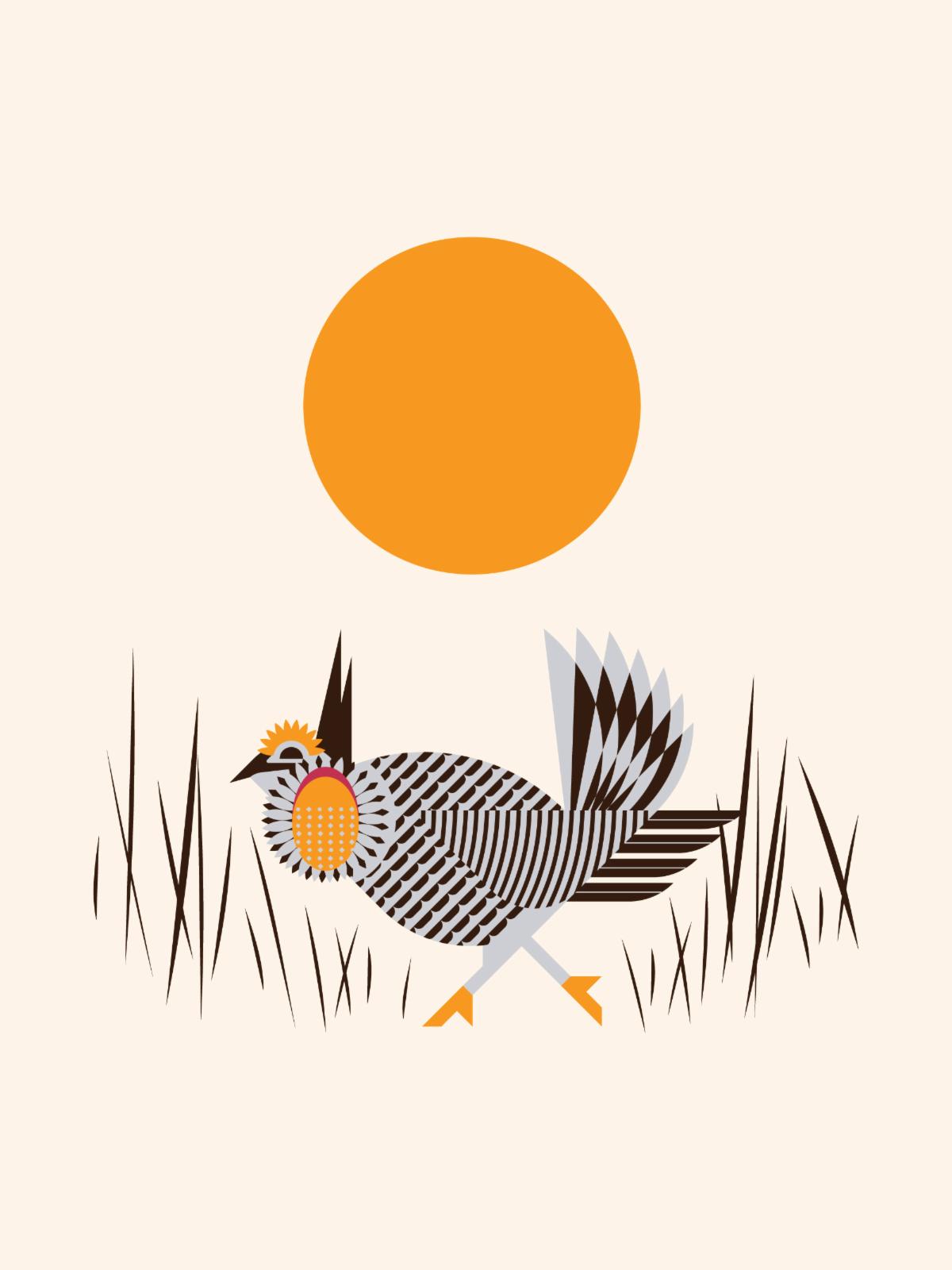
Sign up for a grouse tour at Hutton Sanctuary near Bassett, Nebraska.
A bucket-list experience.
|
|
|
|
Kansas Lek Treks Banquet speaker is
Larkin Powell
presenting
The Best of Intentions: private lands, prairie-chickens, and the future in the heart of the Great Plains
The landscapes of the Great Plains are home to a unique array of birds, including prairie-chickens. Through history, humans have impacted landscapes by making decisions that, at the time, were made with the best of intentions. Powell will use historic photos and journals and agricultural data to describe important threshold moments for wildlife habitat on the Great Plains, while considering how history may provide insights into the future of our landscapes.
Larkin Powell is Director for the School of Natural Resources at the University of Nebraska-Lincoln. As professor of conservation biology and animal ecology in the School, Larkin has taught undergraduate and graduate courses on wildlife management and research, and his research program focuses on landscape dynamics, animal demography and movements, and decisions made by private landowners in the Great Plains and throughout the world. He is a Fellow of the Wildlife Society, and the author of 7 books including Great Plains Birds (University of Nebraska Press).
|
|
Kansas Lek Treks Featured Artist is
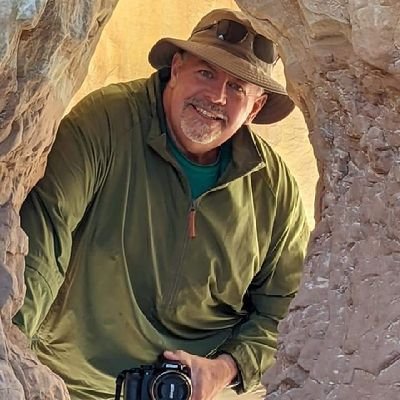
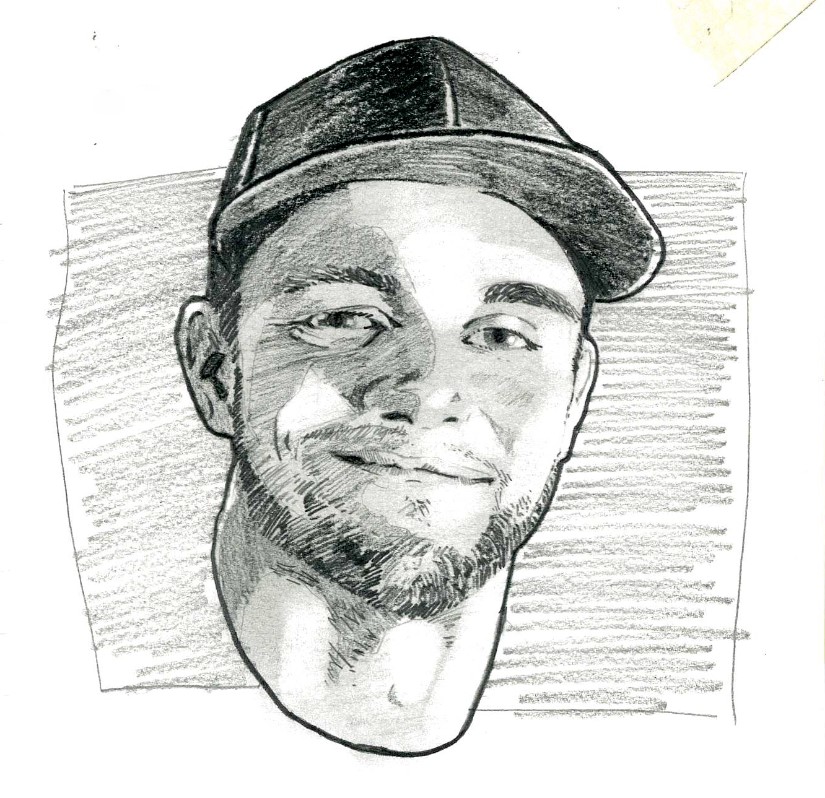
Tom Bates
Tom graduated with a BFA in Graphic Design and Studio Arts minor from South Dakota State University. As a student, his work has been featured at the National Student Showcase in Dallas, and was the recipient of the Anita Moore Scholarship in Art.
During the summer of 2019, he was invited to participate in the International Integrated Design Camp (IIDC), in Seoul, South Korea, as one of 100 young engineers, architects, and product and graphic designers from around the world to work on design solutions to make cities more sustainable. This camp was hosted by the Korea Institute of Design Promotion (KIDP).
His work has won gold, silver, and Best of Show awards for the American Advertising Federation (AAF) at the regional, district, and national levels.
Bates has also received recognition from the city of Sioux Falls by being listed on the inaugural Sioux Falls Business Journal 30 Under 30 list.
|
|
|
Chapter Spotlight:
Sunflower, a chapter of National Audubon, holding events in western Kansas
|
|
It has almost been a year since AOK hosted the first meeting in Hays, KS, to see if there was enough interest to start a chapter. A lot has happened since then! There is now a set of local leaders taking steps to make the chapter an official nonprofit. They have held several bird watching walks and presentations on a variety of natural history topics. They have an active Facebook page with 94 members!
If you are interested in nature and reside in Barton, Ellis, Graham, Norton, Osborne, Phillips, Rooks, Rush, Russell, Smith, or Trego Counties, I encourage you to attend a meeting and contribute to this growing organization.
|
|
|
AOK shares favorite birding spots! |
|
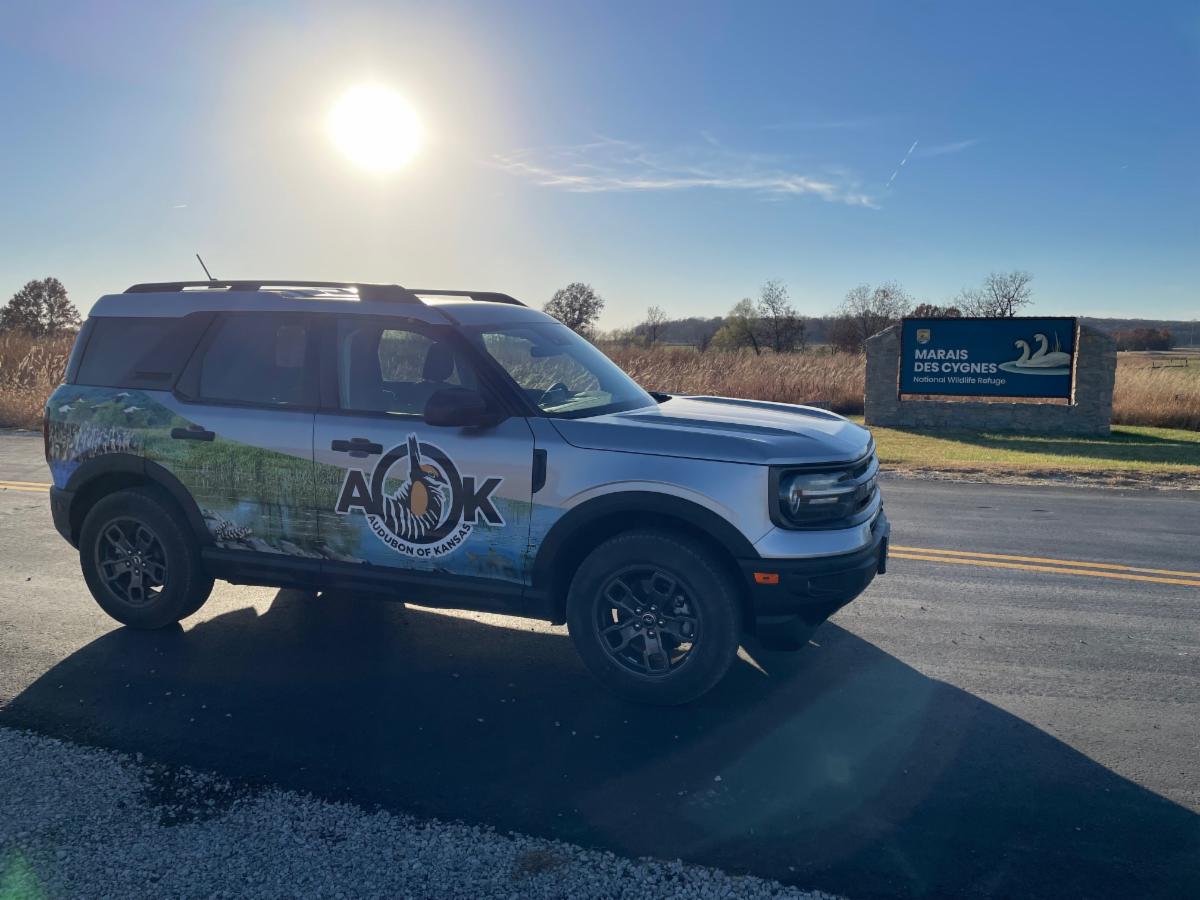
Marais des Cygnes National Wildlife Refuge has hiking trails galore
24141 Kansas Highway 52
Pleasanton, KS 66075
38.256835, -94.656820
The bottomland hardwood forests that are the the reason for the Refuge's establishment play host to numerous species of birds, some of which are not common in other parts of the state. Prothonotary warblers nest here in the summer and numerous species of warblers pass through in the spring and fall. Red-headed woodpeckers are a common sight and often heard on the Refuge. Numerous small ponds throughout the Refuge provide habitat and also a place to cast a line but also places to observe birds, look for the tracks of animals that have come to drink or hunt, or listen for frog calls. There are trails through the woods that allow a chance to explore more of the heart of the Refuge. During certain times of the year there are opportunities for hunting white-tailed deer and turkeys with a required special permit. From spring through fall the prairie areas are busy with pollinators and birds and perhaps if you are lucky the chance to see our state reptile, a box turtle.
Approximately 5,000 acres of the 7,500 acre refuge are available for wildlife oriented recreation including hunting, fishing, and birding. A wildlife sanctuary encompasses the remaining 2,500 acres of the refuge and is not available for public use. Marais des Cygnes is best enjoyed by hiking. They have a variety of trails including an easy, paved, and ADA accessible to a trail and others that are nearly 2 miles in length. When you get tired from hiking, there are numerous gravel roads where you can see more birds while driving. Visit the nature center to see their new displays and to get maps and information about the area.
Text and photo by Jackie Augustine with help from the Marais des Cygnes NWR website
Photo: AOK's bronco in front of the sign for the Marais des Cygnes National Wildlife Refuge
|
|
|
Ellen Johnson Mosley - Director of Philanthropy - Gift Planning, Membership, Endowments, Events Management - ellen@audubonofkansas.org
Amy Kucera - Sanctuary Manager - Questions about AOK sanctuaries and habitat management amy@audubonofkansas.org
Audubon of Kansas
PO Box 1106 - Manhattan, KS 66505
785-537-4385
|
|
|
|
|
|
|