|
Kids are back in school, the days are getting shorter, leading to more time spent indoors, and activities and group gatherings naturally transition from outside to inside. It is the time of year when colds, flu, and, more recently, Covid rear their ugly heads. We can choose to sit back and wait, or we can be proactive and plan accordingly to put our immune system in a much better spot to defend ourselves.
What have we learned over the last couple of years regarding our ability to fight off infections? The most vulnerable are patients over 65 years old, patients with multiple disease states, obese and immunocompromised. Unfortunately, we can't change our age. However, we can affect our weight, and by striving to obtain an optimal weight, it is possible to reverse some disease states.
Obesity is an epidemic in society, with the most recent CDC data from March 2020 stating that 41.9% of the US population is in this group. If I were a betting man, I would bet that this statistic didn't improve over the last two years with the pandemic and people being less active in this period.
The definition of obesity is an abnormal or excessive accumulation of fat that presents a health risk, and a BMI of 30 or greater would fit the criteria. BMI is not a great measurement tool for all body types, but it is not a bad marker for the masses. Here are two examples of BMI's
· A 6-foot male would have an optimal weight of 140 to 180 lbs or a BMI of 19-24; this same individual would be considered obese at a BMI of 30-39 or a weight of 220-290.
A 5'7" female would have an optimal weight of 120-150 or a BMI of 19-24; this same individual would be considered obese at a BMI of 30-39 or a weight of 190-250
Unfortunately, BMI does not differentiate between a pound of muscle vs. a pound of fat. A much better way to measure would be to look at percent muscle and percent fat which can be done with a Bioimpedance Analysis (BIA) or similar devices that measure the same thing.
So why have I just spent time talking about obesity? Because it is one of three risk factors responsible for roughly 80% of COVID deaths.
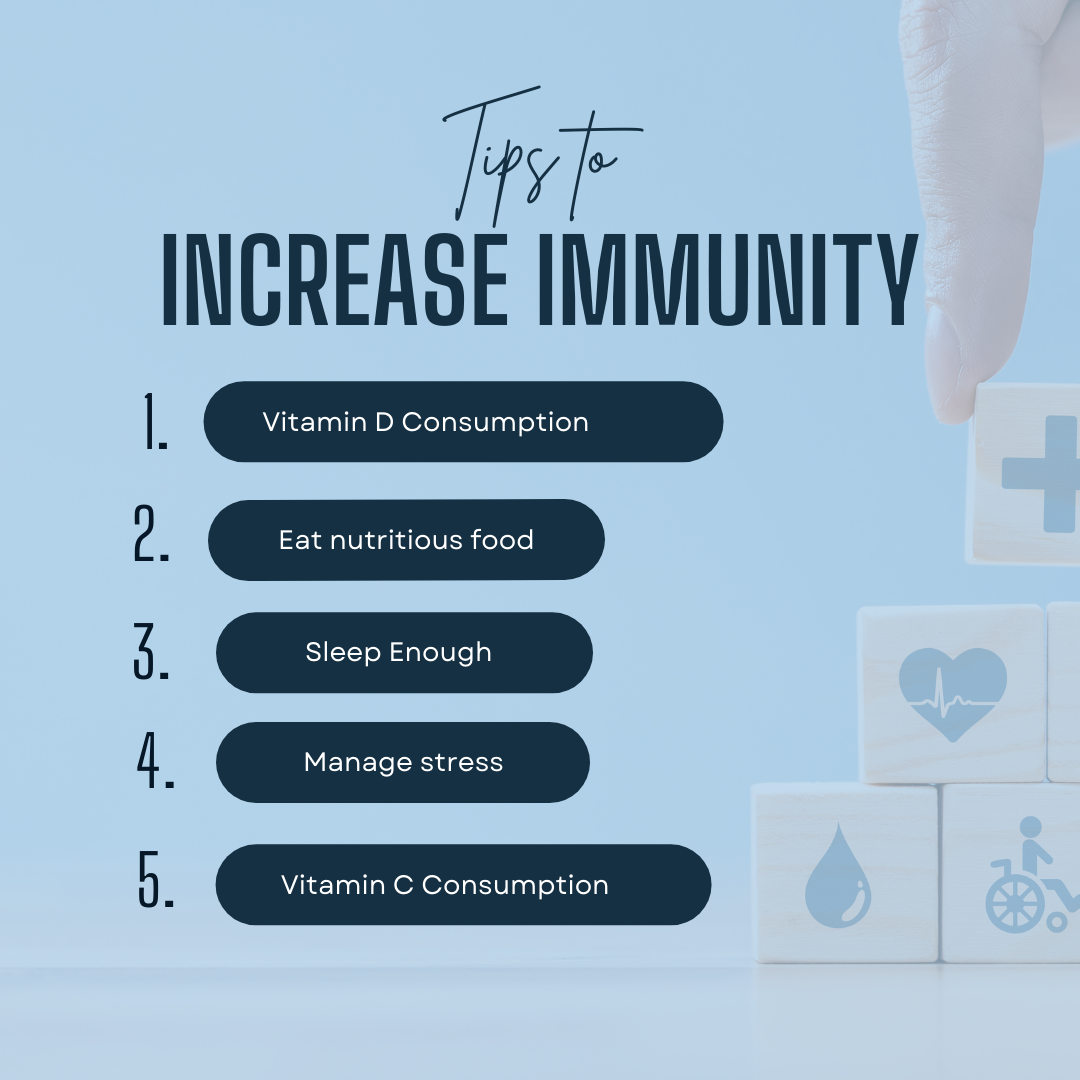
Here are some natural ways to boost your immune system: exercise, increase intake of fruits and vegetables, decrease sugar and processed foods, eat fermented foods, get 7-9 hours of sleep, reduce stress, and consider dietary supplements.
The following supplements show valuable data in boosting your immune system and helping reduce inflammation. They are all inexpensive options, and I encourage you to seek them out and incorporate them into your current supplement regimens.
Vitamin D has been proven to reduce the risk of upper respiratory tract infections, modulate our immune system, and enhance antioxidant-related genes. It decreases pro-inflammatory mediators and increases anti-inflammatory mediators, meaning it reduces inflammation in our bodies. I think the essential information revolves around having low blood levels of Vitamin D and the increased risk of death. Some institutions are using high doses along with other medications as a treatment option for COVID.
Prevention is always best, and taking 5000IU as an adult from now until the end of April is a great way to help your immune system. Adding K2 to the formula improves absorption and helps drive calcium into the bone. Testing is always encouraged after 6-8 weeks of treatment. The beauty of Vitamin D is that it's inexpensive at $0.10 per day, and testing is about $50, making it a great option to supplement with Vitamin D during September thru April when you can't get it naturally from the sun unless you travel south.
Zinc (product linked contains both zinc and quercetin) can decrease the length and severity of the common cold and additive treatment for pneumonia in pediatric patients. Zinc is crucial for the growth, development, and maintenance of immune function and has antioxidant and anti-inflammatory properties. An article from the BMJ states that "since zinc boosts the overall immune response, all patients with COVID-19 would derive some benefit from zinc supplementation, especially those with latent zinc deficiency". A sign of zinc deficiency is a lack of smell or taste, which is also a symptom of COVID-19. A 25-50mg/day dose is a great way to boost your immune system.
Quercetin (product linked contains both zinc and quercetin) goes hand in hand with zinc as it is an ionophore, which drives zinc into the virus to exert its effect. Taking zinc alone doesn't always get the job done, so supplementing 300-500mg/day with Quercetin can benefit.
Vitamin C is probably the most familiar antioxidant we know. Vitamin C decreases the common cold and pneumonia incidence's frequency, length, and severity. There are several mechanisms by which Vitamin C exerts its effect, including antioxidant properties, anti-inflammatory, anti-thrombotic and immune-modulatory functions. Low vitamin C levels in patients critically ill with COVID have been found in observational studies. Vitamin C is safe, low cost, and easily accessible, making it a great option to add to your immune support regimen. The oral daily dose can run from 500-3000mg/day.
Sleep is the number one topic discussed when melatonin is concerned; however, melatonin is a potent antioxidant. Melatonin is highly effective in protecting cells from damage in high inflammatory conditions. Melatonin consistently showed benefits in decreasing inflammatory markers in human and test-tube studies. At doses of 3-25mg daily, it decreased TNF alpha and IL-6, two inflammatory markers, over 60 days. The Cleveland Clinic's recent study on the use of melatonin in COVID showed a 30% reduced likelihood of testing positive for COVID in patients taking melatonin. Dosing 1-5mg per day at bedtime is another immune booster.
The information presented should genuinely be a call to action for everyone, especially those who can change their health status. Remember, simple things you do can add up to create positive responses. Dig deep, make the necessary changes and forge ahead.
Stop by the pharmacy if you want more information or help to choose quality supplements for immune support. Please visit my website at www.irsfeldpharmacy.com to find this and other archived articles in the blog section. Until next time, be vigilant about your health!!
|