|
In this Issue:
- News
- Events & Webinars
- Community Resources
- Los Recursos Familial en Español
- Family Resources in English
- Job Opportunities
| | Spotlight On: A 2026 Re-Introduction to RISE Drug Free MKE | | |
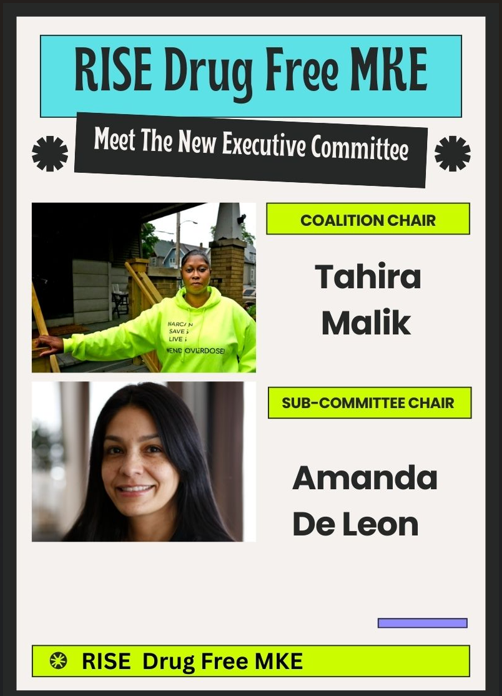
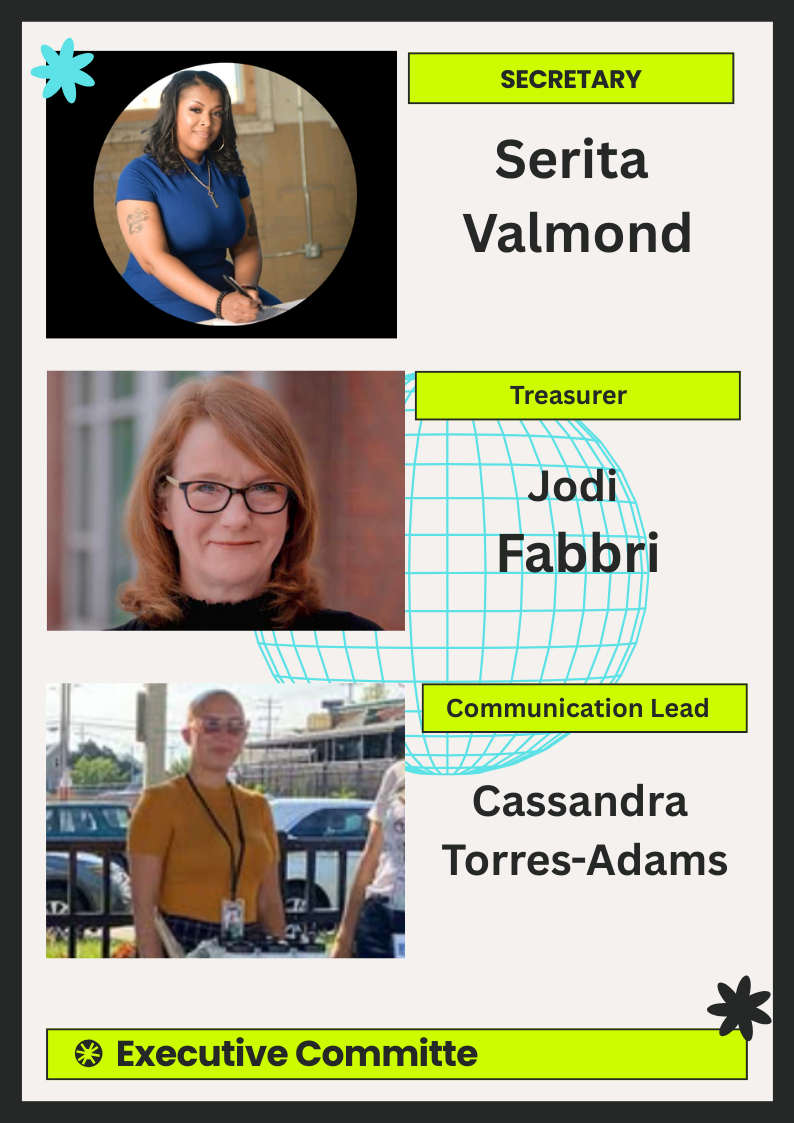
RISE Drug Free MKE is boldly stepping into the new year with a renewed commitment to combat substance misuse and its devastating effects on our community. Our vision is to bring together resources, wisdom, talents, and passion to create a healthy, happy community. It is time for us to not only raise awareness but to take decisive action that resonates from our youth to our elders. The Coalition is dedicated to its mission to provide urgently needed education, promote belonging, and elevate every corner of Milwaukee County.
Established in 2011, the RISE Drug Free MKE coalition (formerly MCSAP) exists to raise awareness and elevate youth and adults in Milwaukee County through education, and to lift the entire community out of the harms caused by substance use. With our coalition partners we will RISE to provide youth with Resources for Inclusive Substance Education. RISE is more than a name: It is a call to action, and a promise of the direction we’re moving in as a community.
| | | Share Your News in the Prevention Journal | | |
Calling all Community Partners: Do you have upcoming events, news to share, or job openings? Email the information to prevention@communityadvocates.net to be featured in upcoming Prevention Journals sent to over 1,000 friends, colleagues, and social service providers each month.
| | 2026 Prevent Suicide Wisconsin Conference Call for Proposals | |
Prevent Suicide Wisconsin is now accepting presentation proposals for the 2026 Prevent Suicide Wisconsin (PSW) Conference: Strategies for Action and Hope, which will take place as an online event on Tuesday, June 16, and Wednesday, June 17. PSW is especially interested in presentations about building protective factors or addressing risk factors for today's youth, as the state plan found that suicide is the second leading cause of death for Wisconsin youth ages 10-19.
The deadline to submit a proposal is Friday, February 13.
| | Governor Evers Vetoes Tobacco Bar Bill | |
Last month, Governor Evers vetoed a bill that would have weakened Wisconsin's current clean indoor air protections and degraded decades of progress in both reducing exposure to secondhand smoke and preventing commercial tobacco use.
The State Assembly passed the bill in September, and the State Senate passed the bill in November, leaving it to Governor Evers to sign or veto. By vetoing this bill, the governor has prioritized the health and future of our state. With public health facing funding cuts at the national level, it's critical to keep best practice health policies like the smoke-free air law in place to sustain progress made in reducing the impact of commercial tobacco products in Wisconsin.
| | |
Uncovering What Does NOT Work in Substance Misuse Prevention
Wednesday, January 7
| | |
In the world of substance misuse prevention, we often hear about what does work—research-backed strategies that make a real impact. But what about the methods that don't work? Surprisingly, many communities continue to use outdated, ineffective, or even harmful prevention practices despite decades of research showing they fail to deliver.
This webinar, hosted by the Prevention Technology Transfer Center Network (PTTC), will explore the common yet misguided approaches still in use, shedding light on why they don't work and the unintended consequences they can create. The webinar will dive into practical strategies for prevention professionals to overcome the resistance they often face when challenging long-held beliefs and entrenched practices.
This webinar is scheduled for 10 a.m. on January 7.
| | |
Growing Minds and Modern Highs: THC, Hemp, and Kratom
Tuesday, January 13
| | |
On January 13, join Operation Parent and Julie Dreifaldt from One Chance to Grow Up, who has seen firsthand in Colorado how these substances are impacting young people. Dreifaldt will walk participants through what's out there, what effects these products can have on developing brains and mental health, and practical strategies for parents and trusted adults to guide kids safely.
The webinar will be recorded, and Spanish translations will be available with the recording for those who cannot attend. The webinar is scheduled for 12 noon on January 13.
| | |
Addressing Substance Use in Youth with a Prevention Approach
Thursday, January 15
| | |
The purpose of this training will be to provide an overview of substance sse in youth through a prevention lens. Much of the structure of the presentation will be adapted from the Stanford REACH Labs: Safety First drug education curriculum. The training will go over the Safety First curriculum in detail and the group will discuss preconceived ideas and biases of past drug education and why they have not worked. The reasons for youth substance use, such as mental health, social determinants factors, and family history of substance use disorder (SUD), will be reviewed. The goal of this training is to have professionals walk away with a destigmatized and evidence-based approach to youth drug education.
This training is scheduled from 7:30 to 10:45 a.m. on January 15.
| | |
The Sustainable Mindset: Creating Lasting Change to Improve Your Mental Health
Tuesday, January 20
| | |
The New Year inspires us to set goals and embrace new beginnings. But most resolutions, especially those about health, often fade away by the spring. Sustainable health practices need more than just a goal; they need a practical plan and consistent support. This webinar, hosted by Mental Health America, will equip participants with tools to shift from hard-to-attain resolutions to actionable mental health practices.
The webinar will discuss how to indentify supportive changes that could have the greatest impact on mental health, explore strategies for creating goals that support long-term well-being, and review small, actionable practices that have a big impact over time.
The webinar is scheduled from 12 noon to 1 p.m. on January 20.
| | |
From Service to Stability: Navigating Financial Well-Being, Food Security, and the Civilian Workforce
Wednesday, January 21
| |
Approximately 200,000 service members transition from military to civilian life each year in the United States. This shift is a complex journey and success hinges on more than just securing a new job. Recent research highlights interconnected challenges requiring more holistic considerations of financial stressors, household food insecurity, and integration into the civilian workforce.
This webinar, hosted by the University of Wisconsin-Madison's Insititute for Research on Poverty, will explore systemic factors driving these challenges and will offer evidence-based strategies to improve veteran employment and career integration to ensure those who served our nation can achieve the long-term stability and success they deserve.
The webinar is scheduled from 1 to 2 p.m. on January 21.
| |
ECOM Workshop: Housing
Wednesday, January 21
| | |
The Empowerment Coalition of Milwaukee (ECOM) is a monthly gathering that aims to bring social service professionals and advocates together. It is a networking, educational, and professional development opportunity, featuring multiple presentations from experts in the field.
This month’s topic is Housing Services and will be held from 9:30 a.m. to 12 noon on January 21 and will be held at Community Advocates, 728 N. James Lovell St., Milwaukee.
Fee is $5 for light refreshments and materials and can be paid via credit card. Registration is not refundable. Kindly make sure to RSVP by Friday, January 16.
| | |
Selecting Effective, Evidence-based Strategies for Substance Misuse Prevention
Friday, February 6
| | |
Every community is unique, and so are its substance misuse prevention needs. But how do you identify which substance misuse prevention programs, practices, and strategies will work for your community?
In this interactive workshop, hosted by the Prevention Technology Transfer Center Network (PTTC), participants will learn practical skills to identify, evaluate, and select evidence-based substance misuse prevention interventions that align with your specific community context.
This webinar is scheduled from 10 to 11:30 a.m. on February 6.
| | |
Hey, there,
-- do you have:
-
Job openings?
- Upcoming events?
- News to share?
- Suggestions?
Forward the information to Prevention@CommunityAdvocates.net.
Thank you for your service to Milwaukee!
| | |
Coping with Winter Mental Health Challenges in Rural Areas
This Mental Health America resource offers practical guidance for understanding and managing the mental health effects of winter in rural communities. It explains how seasonal changes like reduced daylight and cold weather can worsen mood, isolation, and stress, especially when combined with rural challenges such as long travel distances, limited access to care, and financial pressures. Click here to learn more.
| |
Why You Should Stop Saying "Committed Suicide"
This resource from the Society for the Prevention of Teen Suicide explains why language matters in conversations about suicide. It highlights how the phrase "committed suicide" carries historical connotations of crime and moral judgement that an unintentionally reinforce stigma and shame. Click here to learn more.
| |
How to Rethink Your Relationship with Alcohol After Dry January
This piece from VCU Health offers insight from alcohol science expert Dr. Juan Pablo Arab on what Dry January can reveal about your drinking habits and why it's a great time to reflect on your relationship with alcohol. The article explores how short and long-term drinking patterns affect health and provides tips for carrying the reflective mindset of Dry January forward throuhgout the year. Click here to read more.
| |
Fall Data Release: New Features, Updated Data, and More!
This update from the City Health Dashboard highlights the latest enhancements to their public health data platform, including customizable area mapping, expanded downloadable demographic data, and newly added years of metrics like park access and voter turnout. The City Health Dashboard helps communities, policymakers, and researchers explore and act on local health trends. Click here to learn more.
| | Los Recursos Familial en Español | | |
¿Sus hijos están en riesgo?
Este breve cuestionario le ayudará a comprender mejor los riesgos que corre su ser querido de desarrollar un trastorno por consumo de sustancias con base en su salud mental, situación personal, personalidad, historia familiar y entorno. Haz clic aquí para verlo.
| |
Mantengalos protegidos
Una guía en español para padres y cuidadores sobre qué decir para prevenir el consumo indebido de drogas y alcohol en niños y adolescentes. Haga clic aquí para obtener más información.
| | |
Social Media, Online Safety, and Youth Mental Health Fact Sheet
This fact sheet by SAMHSA highlights best practices and resources for parents and caregivers for social media, online safety, and youth mental health. Click here to check it out.
| |
How to Talk to Your Teen About Marijuana
This resource from Health Raising Teens offers practical, supportive advice for parents and caregivers on having open, effective conversations with teens about marijuana. It emphasizes preparing with facts, staying calm and positive, and using active listening rather than lecturing to build trust and understanding. Click here to learn more.
| |
Positive Options for Women Entering Recovery
Are you worried about your drinking or other drug use? You aren’t alone. The Positive Options for Women Entering Recovery (POWER) is here to help. The Milwaukee Women’s Center’s POWER provides day treatment for women struggling with alcohol and other drug issues. Click here to learn more or call 414-270-4600 to get help.
| | | | |