|
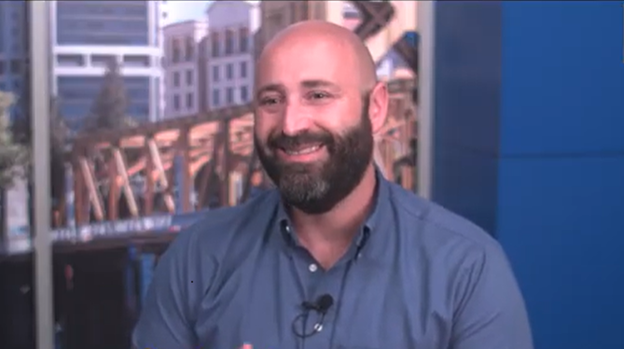
Universal Screening: An Interview with Daniel Silberstein | | |
The Sacramento County READS initiative is a transformative approach to literacy and reading success. The mission is to foster a collaborative environment of teaching and learning, underpinned by the science of reading, to ensure every learner in our community thrives. Through partnerships, innovative programs, and supportive services, Sacramento County READS is dedicated to making literacy accessible and achievable for all.
Explore our website at
scoe.net/SacramentoCountyReads
and a collection of videos on our YouTube Channel at Sacramento County READS - YouTube
| |
|
A Note From . . .
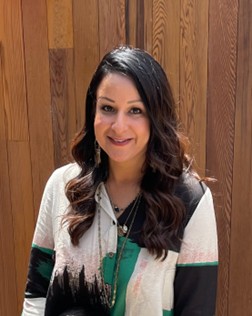
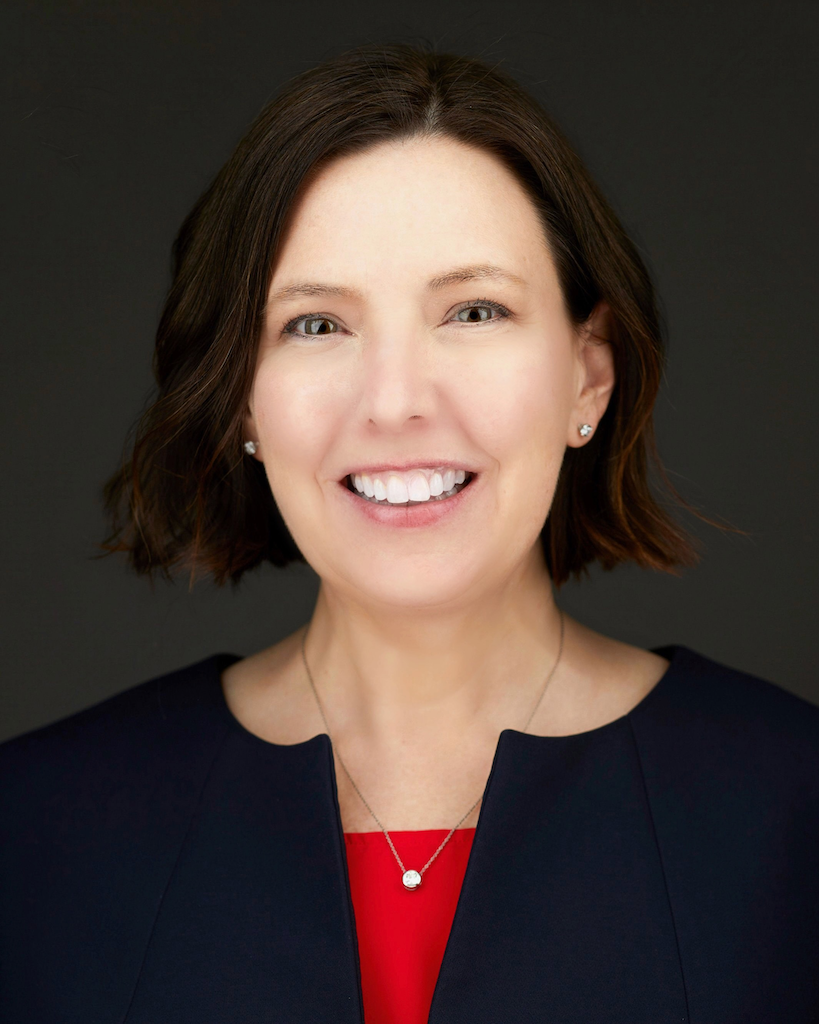
Assistant Superintendent Dr. Navdeep Purewal
| | |
As we move into the heart of winter, the Sacramento County Office of Education (SCOE) extends its gratitude to all of our educators, families, and community partners for your continued dedication to student learning. This season offers an opportunity to reflect on the progress we’ve made so far and to recommit to the work that lies ahead.
Literacy remains central to our mission. Through Sacramento County READS, we continue to strengthen early reading skills, nurture a love of stories, and expand access to meaningful literacy experiences across our communities. Your efforts in classrooms, in homes, and in collaborative spaces are helping students build the confidence and curiosity that will serve them throughout their lives.
As LEAs continue implementing California’s K–2 literacy screeners, SCOE is here to provide guidance and support. Our ongoing Communities of Practice will help ensure that data is used effectively and that every student receives the targeted instruction they need to thrive.
Winter is a season of both reflection and renewal. Let us celebrate the achievements of the first half of the school year while embracing the possibilities ahead. Together, we will continue to create learning environments where all students can grow, discover, and succeed.
Wishing you a warm and inspiring winter season.
| |
Teaching & Learning
Educator Resources
| | |
California Literacy News
A Big Step Forward for Literacy:
What AB 1454 and AB 121 Mean for Students
California has just passed AB 1454 — a landmark law designed to improve how reading is taught across the state. The law expands on past efforts to embed “evidence-based” reading instruction into schools. Under AB 1454, the State Board of Education will adopt new English-language arts (ELA) and English-language development (ELD) materials that reflect the latest research on how students learn to read. Additionally, educators (including reading specialists and school administrators) must now receive training that equips them to teach literacy in effective, research-backed ways — rather than relying on a patchwork of older methods.
For students, especially young learners and English learners, AB 1454 promises significant benefit. With well-aligned, high-quality reading materials and teachers trained in evidence-based literacy practices, students are more likely to build a strong foundation in phonics, fluency, vocabulary, and comprehension — the building blocks of reading proficiency. That means earlier reading success, fewer students falling behind, and a fairer shot for all children — regardless of background — to become proficient, confident readers. According to advocates of the bill, this marks a historic commitment by California to make literacy a “right, not a privilege.”
California’s newly enacted AB 121 brings important investments to support teaching and learning across the state. The law increases funding for literacy and math instruction, strengthens early learning programs, and ensures that school districts remain financially stable so they can focus on serving students well. These updates are designed to help schools maintain high-quality programs and provide consistent support for families.
For students, AB 121 means greater access to evidence-based reading and math instruction, more resources in TK and early childhood programs, and long-term stability in the services families rely on. By improving the teacher pipeline and expanding support for future educators, AB 121 also helps ensure that California students learn from well-prepared, highly trained teachers. Overall, the new legislation aims to create steadier, stronger, and more effective learning environments for every child.
| | |
What is Arraya Learning?
Arraya Learning is a centralized, research-based resource hub developed and vetted by leading experts across the University of California (UC) and California State University (CSU) systems. It’s designed to meet the evolving needs of educators, teacher educators, and leaders across California.
The name 'Arraya' reflects the broad array of learners in California—each with unique strengths, needs, and backgrounds. It also represents the many lived experiences, perspectives, and partnerships that educators and leaders across the state bring to their work.
Arraya Learning is brought to you by the UC CSU Collaborative for Neuroscience, Diversity and Learning.
| | |
Revised 2025 Dyslexia Definition
On October 23-25, 2025, The International Dyslexia Association (IDA) hosted its IDA Reading, Literacy & Learning Conference where they presented an updated definition of dyslexia for the 21st century. IDA originally created the widely used definition back in 2002. The 2002 definition is currently in our California Dyslexia Guidelines and referenced in various pieces of legislation here in California. Key aspects of the revised definition include origin, core deficit, broader impact, inclusivity and strengths, lifelong condition, and early support.
Revised 2025 Dyslexia Definition
Dyslexia is a specific learning disability characterized by difficulties in word reading—affecting accuracy, speed, or both—and/or spelling, that can vary depending on the written language system. These difficulties reflect performance at the low end of a continuum of literacy skill and occur despite evidence-aligned instruction that is effective for the individual’s peers. The cause and development of dyslexia involve the interplay of multiple biological and environmental influences. Phonological and/or morphological difficulties are common but not always present. Among the secondary consequences are limitations in language development and academic progress as well as challenges to psychological well-being and vocational opportunities. Although identification and targeted instruction are important at any age, language and literacy support before and during the early years of education can be particularly effective.
To learn more about these terms and the process, visit: https://dyslexiaida.org/
| | |
Reading Difficulties Risk Screener
Support and Resources for Universal Screening Implementation
| | |
Office Hours:
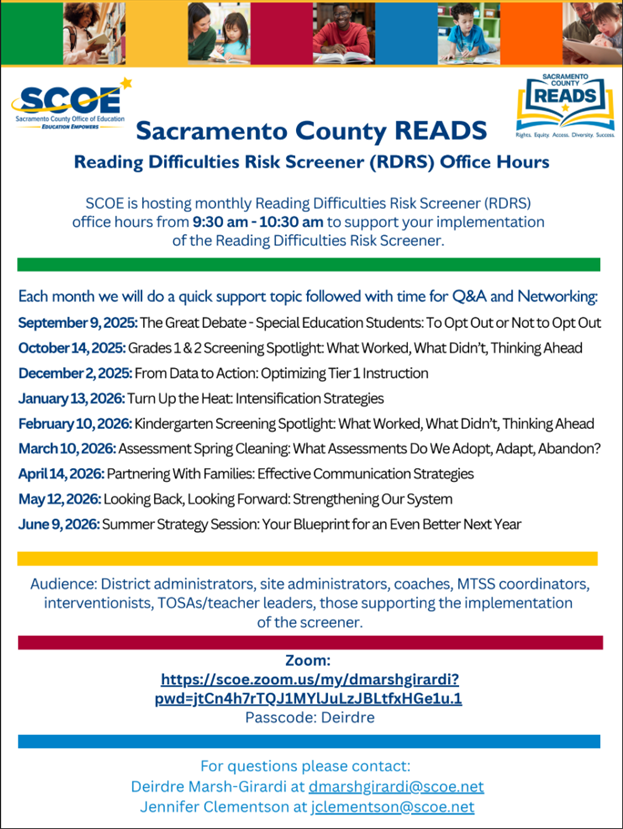
SCOE is hosting monthly Reading Difficulties Risk Screener (RDRS) office hours to support your implementation. If you are interested in attending please see this flyer for details. Office hours are an opportunity to network with other colleagues and to get your questions answered on any screener related topics.
At our previous office hours we discussed considerations for opting out special education students, what was learned from the screening of grade 1 and 2 students, and ways to utilize the screening data to optimize Tier 1 Instruction.
Resource:
CDE FAQs
If you missed any of our office hours or need additional support, please reach out to us: Deirdre Marsh-Girardi at dmarshgirardi@scoe.net and Jennifer Clementson at jclementson@scoe.net.
| | |
Literacy Leadership
Spotlight on Folsom Cordova Unified School District
| | |
At Folsom Cordova Unified School District (FCUSD), our mission is clear: to empower every student to thrive through educational excellence and equitable outcomes. Our continuous improvement efforts are currently laser-focused on a critical process target: accelerating literacy growth for all students in Grades K–3.
| | |
A Foundation in the Science of Reading
For the past five years, FCUSD has made a profound investment in the foundational knowledge of our educators.
- LETRS (Language Essentials for Teachers of Reading and Spelling): We have been systematically training our K-3 teachers in the rigorous LETRS professional learning course. This initiative has been transformational, providing our staff with the deep understanding of language structure and the Science of Reading necessary to deliver highly effective, evidence-based instruction.
Building on this expertise, this year we have launched a unified, systematic instructional tool:
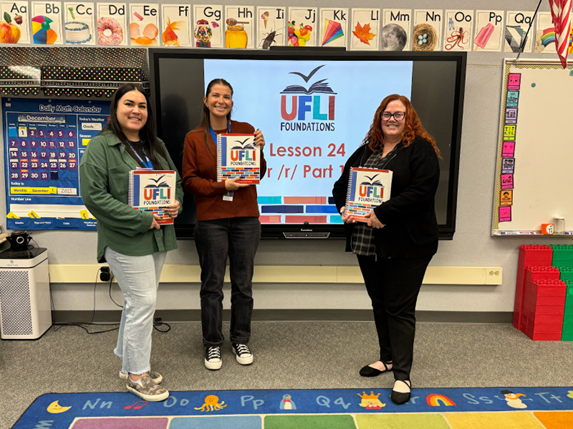
- UFLI Foundations Implementation: We successfully implemented UFLI Foundations, an explicit and systematic phonics program, across all K-3 classrooms. To ensure fidelity and success, we provided comprehensive initial training to all educators and established a robust structure for ongoing professional support, including targeted coaching, modeling, and collaborative observation cycles.
Data-Driven Progress with mCLASS
Effective instruction requires timely, accurate data. To better understand student needs and measure growth, we have standardized our assessment platform:
- Universal Screening with mCLASS: We successfully transitioned to mCLASS, the online component of DIBELS, as our universal literacy screener. This tool is essential for identifying specific learning needs and monitoring progress. Following our successful initial administration and teacher training at the start of the year, we are eagerly anticipating the mid-year assessment results to validate the impact of our new instructional model and highlight areas of student acceleration.
Aligning Support: A Robust MTSS Framework
To ensure every student receives the precise support they need, when they need it, we are fortifying our intervention structure:
- Streamlining the Multi-Tiered System of Supports (MTSS): Our district has established a robust MTSS to systematically address literacy needs. This year, our team is finalizing a comprehensive MTSS Handbook.
Purpose of the Handbook: This essential resource is designed to align and standardize practices district-wide. It clearly outlines our MTSS process map, defines tiers of support, provides sample schedules, details our assessment plan, and standardizes our literacy interventions and supports for English Learners (ELs), ensuring clarity on entrance and exit criteria. We anticipate the Handbook will be an invaluable tool for ensuring consistent, high-quality support across all schools.
| | |
Literacy at Home
Activities & Resources
| | Exciting News for Sacramento County Children! | | |
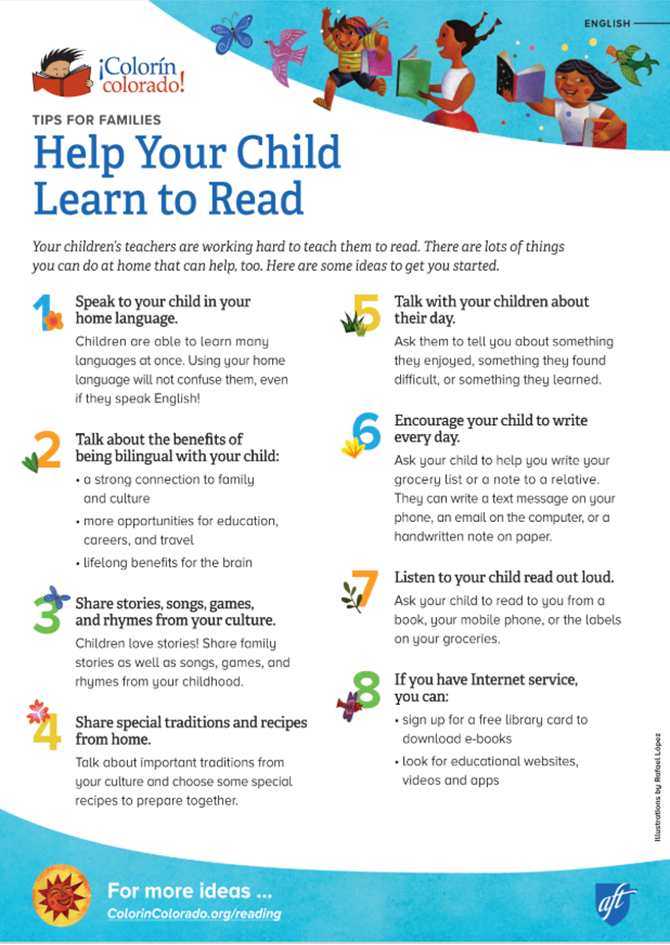
Share 8 Great Reading Tips with Families (in 16 languages)
Colorín Colorado offers support for educators to “Share 8 Great Reading Tips with Families (in 16 languages).” These are a set of 8 practical reading / literacy tips for families of English learners.
The 8 Great Tips are available in 16 different languages (including but not limited to English, Spanish, Arabic, Chinese, French, Somali, Vietnamese, etc.) making them accessible to multilingual families.
There are two options to share or use the tips:
- A single tip sheet that compiles all 8 tips in one document (suitable for printing or emailing).
- Individual tips — one at a time — which you can deliver via text, email, WhatsApp, social media, etc. This can be helpful if you want to share them gradually or focus on one idea at a time.
| | |
Unite online library provides free access to more than 400 original picture books, one fourth of them written in Spanish. The digital books provide audio narrations in more than 40 languages, spoken by native speakers in warm, expressive voices. The languages of narration include indigenous and endangered languages along with languages most widely spoken in the US.
Visit here: https://www.uniteforliteracy.com/
| | |
Community Partners
Connecting & Engaging
| | |
The Sacramento Public Library has newly revamped their website! The new site makes it even easier for community members to explore services, browse the catalog, and engage with programs. Behind the redesign is feedback from surveys, focus groups and community interviews. While the appearance has changed, the mission remains the same: to provide welcoming, accessible and enriching experiences for everyone.
Welcome to the New SacLibrary.Org
|
| |
September Community Events
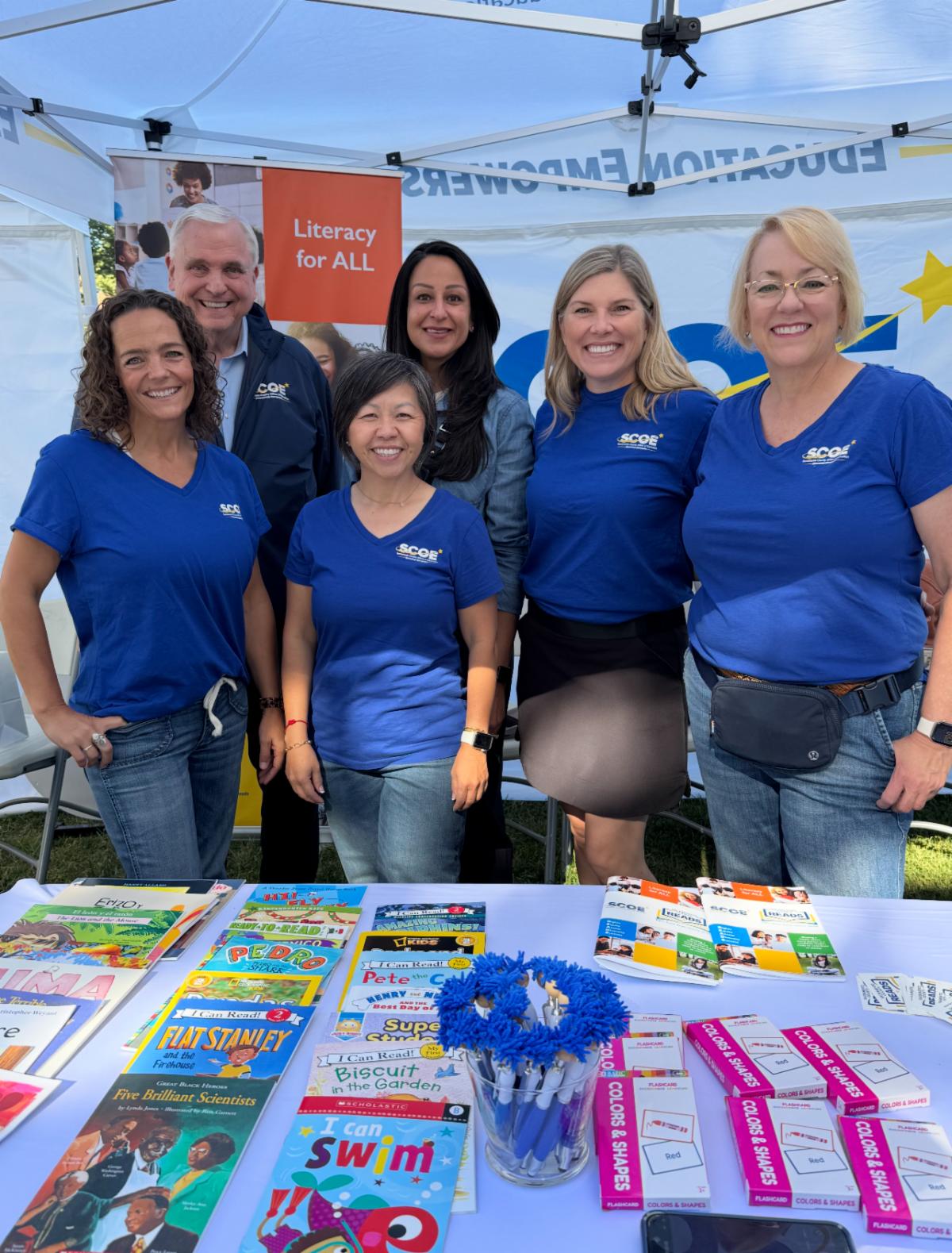
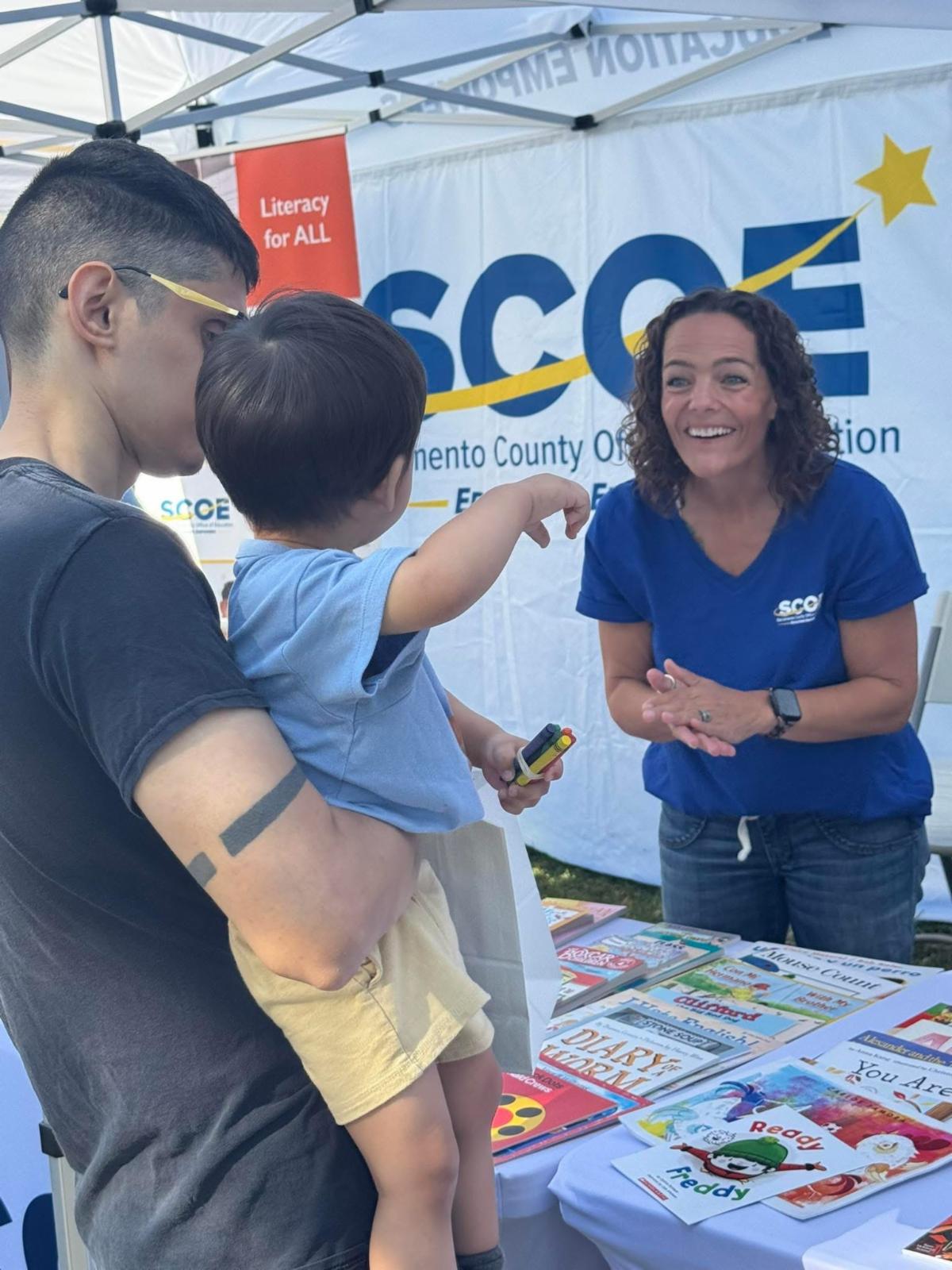
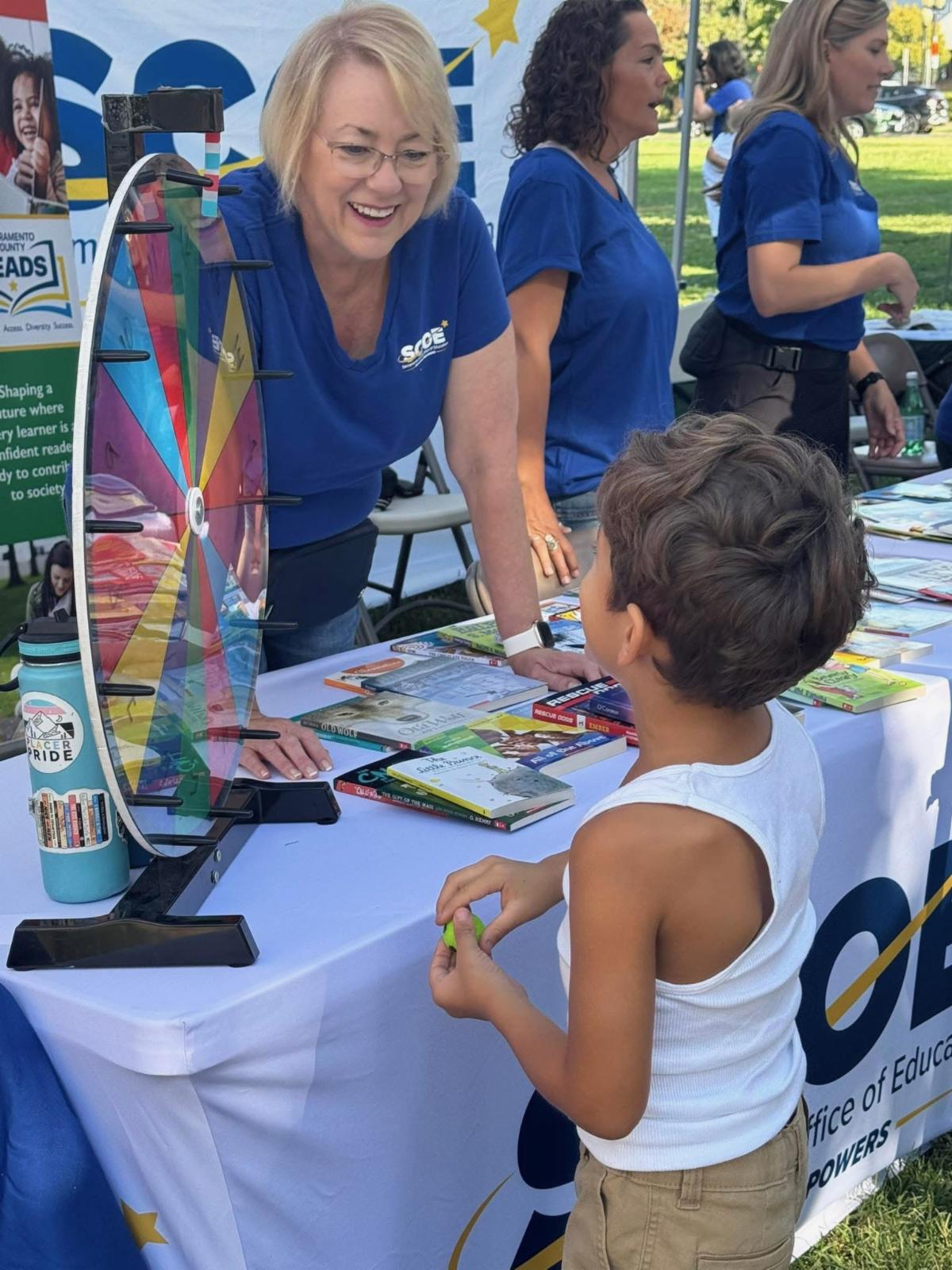
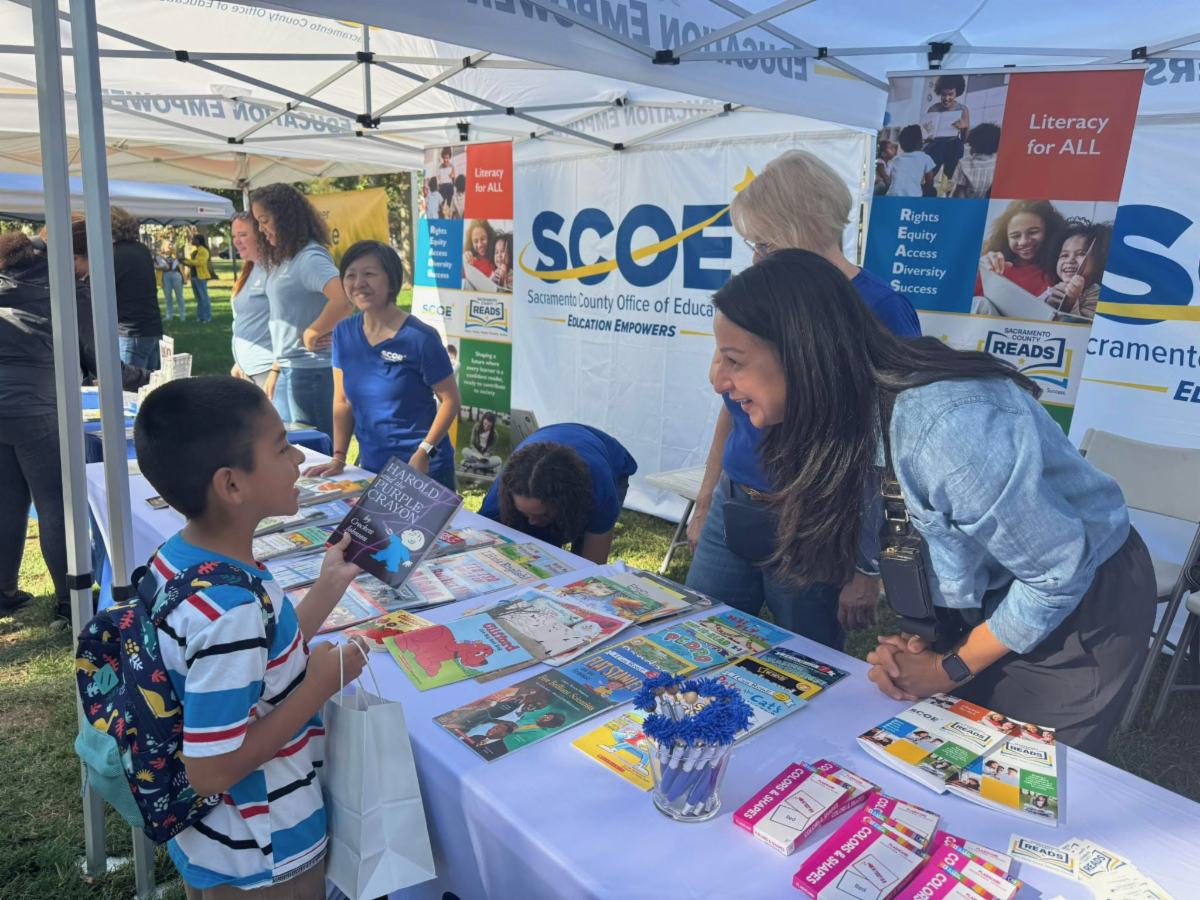
| | In celebration of Literacy Month, the Sacramento County READS Team proudly supported three community events that uplift reading and learning across our region: the Sacramento Literacy Festival, the Literacy Corner at One Natomas Farmers Market, and the Latino Book and Family Festival. Together, these events helped us provide a positive community impact and place more than 300 books into the hands of children and families. | | Professional Learning Opportunities | | |
| |
Register Now: Only a Few Spots Left!
January Sacramento County READS
Community of Practice
You are invited to our in-person Community of Practice session on Wednesday, January 28, 2026, featuring Christy Austin. At this session we will focus on ways to support adolescent literacy success.
Time: 9:00AM - 3:00PM
Location: SCOE Conference Center at
3661 Whitehead Street, Suite 100
Mather, Ca 95655
| | | | |
March Sacramento County READS
Community of Practice
You are invited to our in-person Community of Practice session on Wednesday, March 25, 2026, featuring Sarah Brown. At this session we will focus on MTSS for School and District wide Literacy Success.
Time: 9:00AM - 3:00PM
Location: SCOE Conference Center at
3661 Whitehead Street, Suite 100
Mather, Ca 95655
| | |
Literacy Coaches and Reading Specialists Educator Training Grant – Opportunities Open to All Educators
LCRSET Spring Professional Learning Network
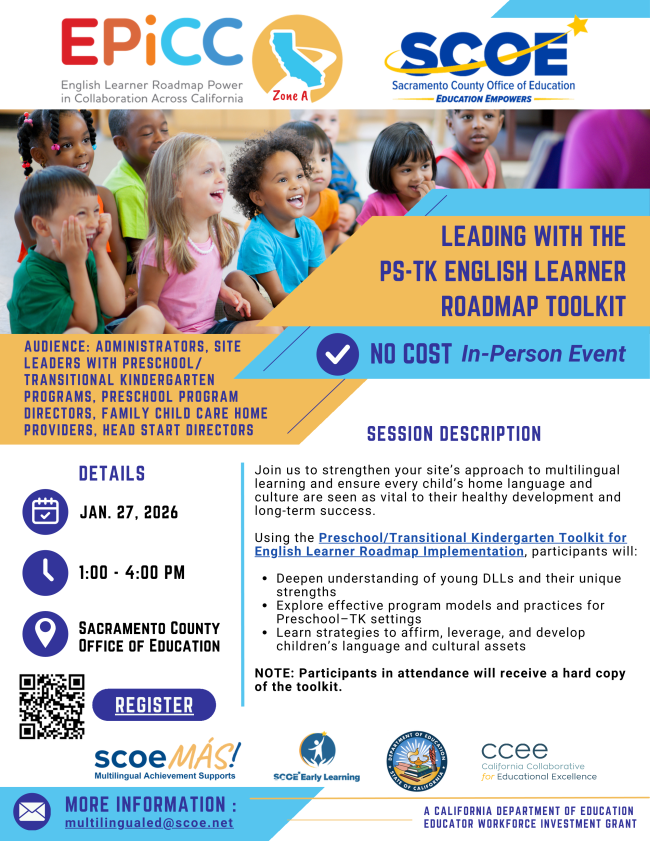
Join us to learn from experts in the field of reading instruction, with a specific focus on language.
Spring PLN: April 14, 2026 from 8:00 am - 12:15 pm
| | |
LCRSET Conference
Save the Date: June 16th, 2026
The Sacramento and Napa County Offices of Education are pleased to announce the virtual California Literacy Conference: Everyone Has the Right to Read! This free conference is sponsored by the California Department of Education through the Literacy Coaches and Reading Specialists Educator Training (LCRSET) grant program.
Join teachers, administrators, LEA and site colleagues, as well as other partners interested in literacy, on June 16, 2026, from 8:30 am - 3:30 pm as we learn about evidence-based practices in literacy.
The California Literacy Conference will kick off with our keynote speaker Hilderbrand Pelzer III and offer over 50 sessions on literacy, with topics on multilingual learners, MTSS, special education, adolescent literacy, assessment, inclusive practices, literacy leadership, and literacy coaching. All this and more! We hope to see you there!
This event is free of charge and registration is required. Registration will open up in late January.
| | | Sacramento County READS Fact Sheet Booklet
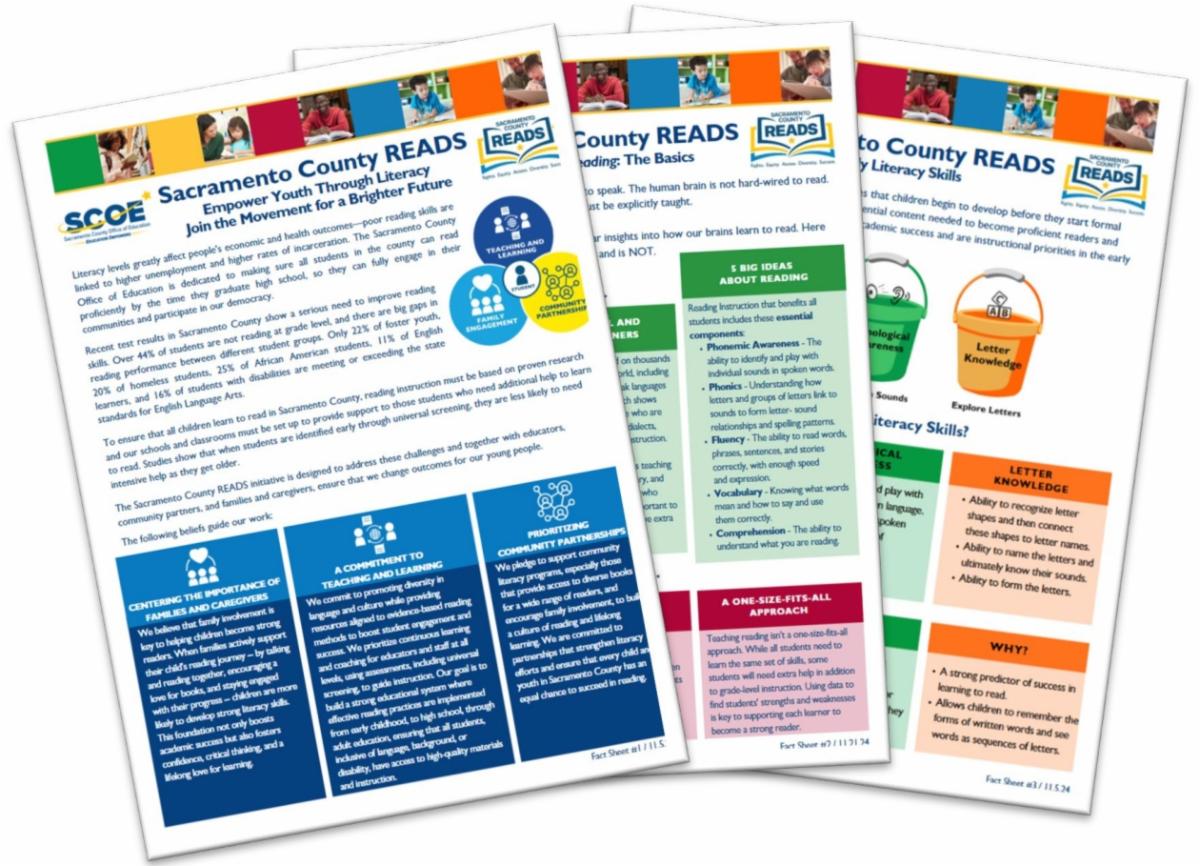
The Sacramento County READS team has developed fact sheets to provide partners with key information, data, and resources designed to support the efforts to ensure all Sacramento County learners become proficient readers. Each document highlights a topic connected to essential aspects of the initiative. These resources provide valuable insights for educators, parents, and community members to learn about improving literacy outcomes in Sacramento County. The individual fact sheets can be found on our webpage.
| | | | |