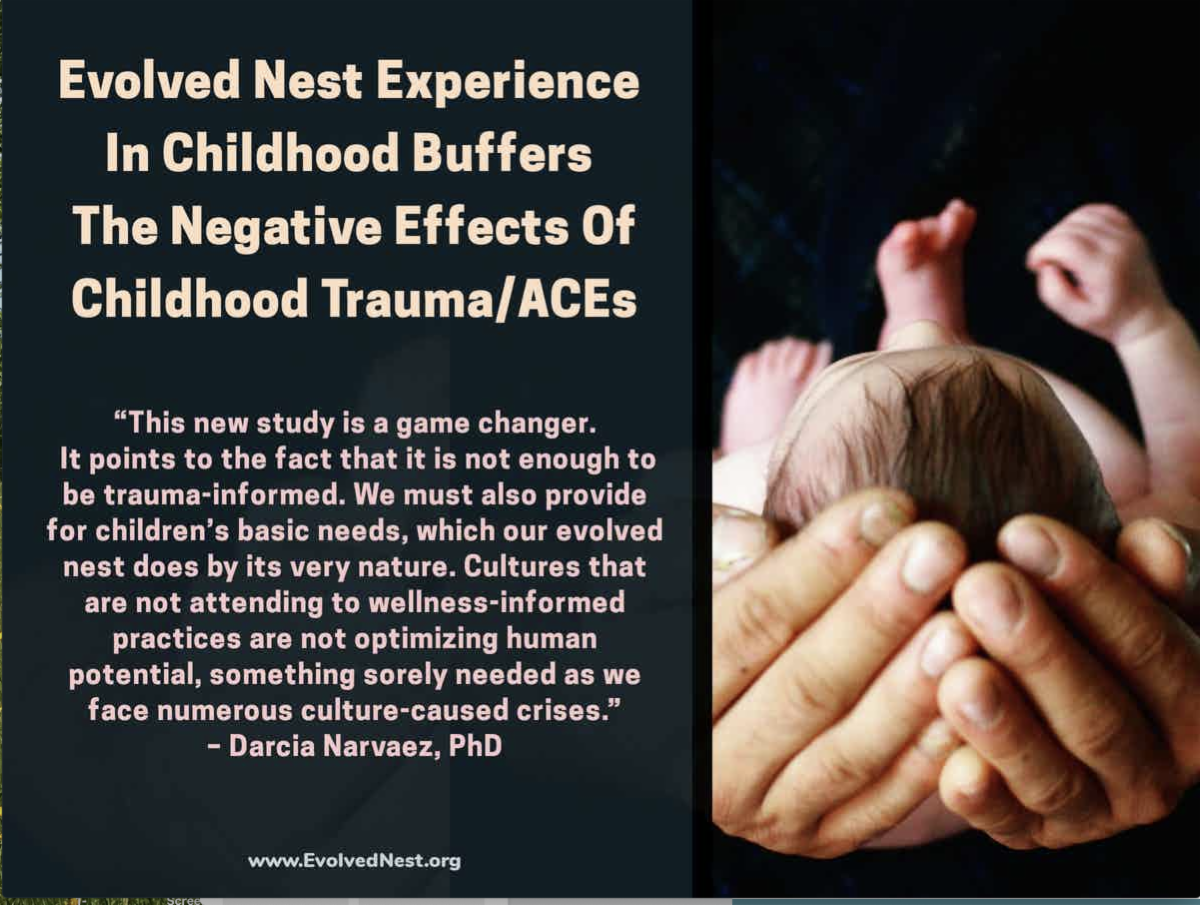
Read and overview of the Evolved Nest Study and listen to the podcast discussion here.
|
|
Dear All,
Happy New Year! We hope you have many opportunities to connect and refresh over the holidays.
In this newsletter find two of our new research papers, along with podcasts, interviews and blog essays.
Our admirable nester is Bruce Perry who for decades has been writing books and producing research about the importance of early life experience for long term wellbeing. Watch his presentation at a Notre Dame symposium.
We also highligh a report on prohibiting all corporal punishment against children. Sixty two countries have done so thus far.
Let's remember these holidays to encourage every child we meet, and support their parents.
Peace be with you all,
Darcia
Darcia Narvaez, PhD
Evolved Nest, Founder
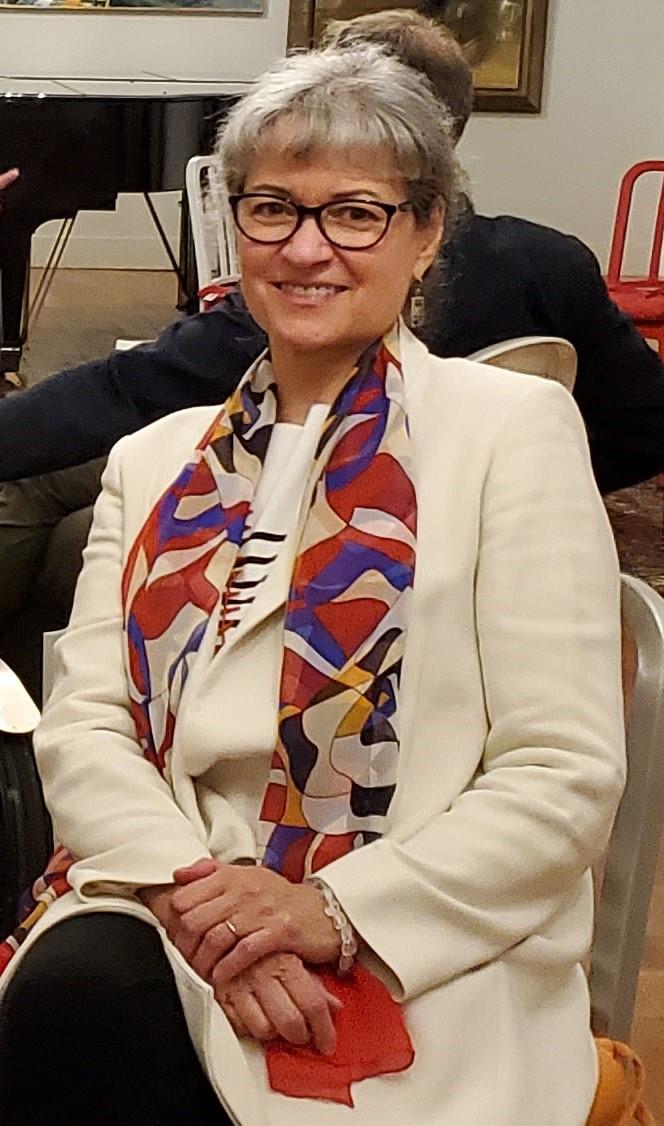
(Photo above: Darcia is pictured at the Gallery Besharat in Barbizon, France, on November 5, 2021, where she presented to the INSEAD Society for Progress.)_
|
|
"The world we live in now is biologically disrespectful; it does not take into account many of our most basic human needs and often pulls us away from healthy activities and towards those that are harmful."
|
|
Sociomoral temperament: A mediator between wellbeing and social outcomes in young children |
Narvaez, D., Gleason, T., Tarsha, M., Woodbury, R., Cheng, A., Wang, L. (2021).
Sociomoral temperament: A mediator between wellbeing and social outcomes in young children. Frontiers in Psychology. DOI: 10.3389/fpsyg.2021.742199;
ABSTRACT: Historically, research on morality has focused on cognition, emphasizing the importance of moral reasoning and judgment. According to Triune Ethics Meta-theory (TEM; Narvaez, 2008, 2014, 2016), social and moral functioning is not only cognitive but deeply embodied, implying different sociomoral temperaments (social approach vs social withdrawal) are based upon neuropsychological architecture. In adults, sociomoral temperaments relate to different social and wellbeing outcomes.
We investigated whether the same is true for young children. We collected items reflective of sociomoral temperament, asking mothers from two countries (USA and China) to report on their children’s wellbeing, sociomoral temperament, and social outcomes (moral socialization and social self-regulation). As expected, mediation analyses demonstrated that sociomoral temperament mediated relations between wellbeing and social outcomes in both samples, though in slightly different patterns, pointing to the possible explanatory power of TEM for children as well as adults.
Our results suggest that fostering early wellbeing may influence social outcomes through a child’s developing sociomoral temperament. These findings support the expansion of moral development research beyond cognition, as the construction and functioning of physiological and psychological systems in infancy and early childhood might have implications for children’s orientation toward social interaction and subsequent morally-relevant behavior.
|
|
New Theoretical Paper In Premier Journal, American Psychologist
|
Narvaez, D., Moore, D.S., Witherington, D.C., Vandiver, T.I., & Lickliter, R. (2021).
Evolving evolutionary psychology. American Psychologist, Online First Publication, November 15, 2021.
Abstract: Understanding humans and their behavior requires unpacking our evolutionary heritages and developmental pathways. We inherit much more than genes. Biology, environment, and culture are seamlessly intertwined, in both individual development and species evolution of humans. Every individual constructs their personhood through real-time engagement with the world, so it matters what that experience of relational engagement is. In contrast to the most prominent evolutionary psychology theory that emphasizes the stranglehold of humanity’s evolutionary past, a developmental evolutionary psychology theory orients to dynamic development in the present, taking epigenetics and plasticity seriously. This approach is better able to guide research and practice, and free people from the disempowering belief in biological determinism.
|
|
Prohibiting all Corporal Punishment of Children: Laying the Foundations for Non-Violent Childhoods |
NEW REPORT: Prohibiting all Corporal Punishment of Children: Laying the Foundations for Non-Violent Childhoods.
What is corporal punishment?
According to the Committee on the Rights of the Child, General Comment 8 (2006):
“Corporal punishment comprises any punishment in which physical force is used and intended to cause some degree of pain or discomfort, however light, as well as other non-physical forms of punishment that are also cruel and degrading.”
Read Darcia's summary of this report here.
For excellent books on U.S. corporal punishment of children and its rootedness in religious culture, see Philip Greven's books:
|
|
|
|
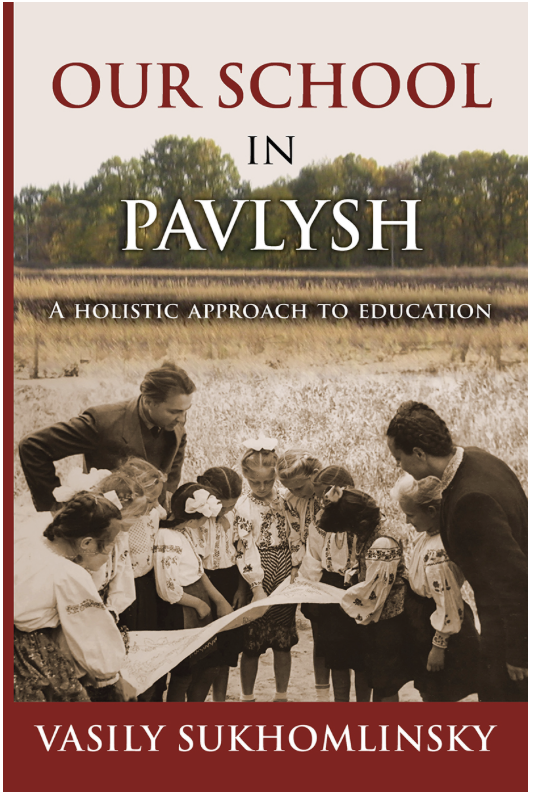
Education for Life: Vasily Sukhomlinsky's Our School in Pavlysh |
Join us on January 23 at 1:00 PM Pacific Time
Facilitated by: Darcia Narvaez, PhD, University of Notre Dame, Professor Emerita
and Tatyana Tsyrlina-Spady, PhD, Independent Scholar.
Presentation by: Alan Cockerill, PhD, Australian teacher, translator and researcher
To register for this free online seminar and learn about Sukhomlinsky's remarkable school, please click on the RSVP link on the right no later than 22 January 2022.
|
|
|
|
Equal Time for Free Thought |
Enjoy this podcast interview with Darcia Narvaez, PhD, and Barry Seidman at Equal Time for Free Thought.
|
|
|
|
An interdisciplinary research collaborative
investigating the pasts, presents, and futures of forager & mixed-subsistence children's lives
|
|
|
|
The Impact of Trauma on the Developing Child
presented by Bruce D. Perry, M.D., Ph.D., at the University of Notre Dame's Child Flourishing Symposium 2014
|
Bruce D. Perry, M.D., Ph.D. |
Dr. Bruce D. Perry created the Neurosequential Model of Therapeutics (NMT) which examines the nature, severity and timing of adverse experiences and relational health along with a child’s current functioning based on multiple developmental domains. It enables identification of key systems and areas in the brain that are impacted by adverse developmental experiences. This analysis provides key information for designing therapeutic, enrichment, and educational activities for the child.
Several of his papers documenting the effects of early experience on health outcomes are fully available here.
In the video above, Dr. Perry presents The Impact of Trauma on the Developing Child at the University of Notre Dame's Child Flourishing Symposium in 2014.
|
|
|
|
Breaking the Cycle IN THE NEWS |
|
Theoretical and Philosophical Psychology Digest Shares Breaking the Cycle Film With Members |
"Breaking the Cycle" contrasts the two basic ways societies can function: the optimal approach, which most human societies through time have followed, is the Cycle of Cooperative Companionship, where children’s basic needs are met, they grow into well-functioning, cooperative community members (from neurobiology and on up), and as healthy adults, they maintain the cooperative system. Currently in the United States, the opposite pattern is in place—children’s basic needs are not met and ill-being and dysregulation ensue, creating adults who are detached and distracted and keep this Cycle of Competitive Detachment going. Not surprisingly from a transdisciplinary perspective on childhood adversity and its effects, the United Nations ranks the United States as 41st out of 41 developed countries for child and adult wellness.
See the Evolved Nest's six minute film and discover resources, including a film guide and a Spanish version of the film, at www.breakingthecyclefilm.org
|
|
|
|
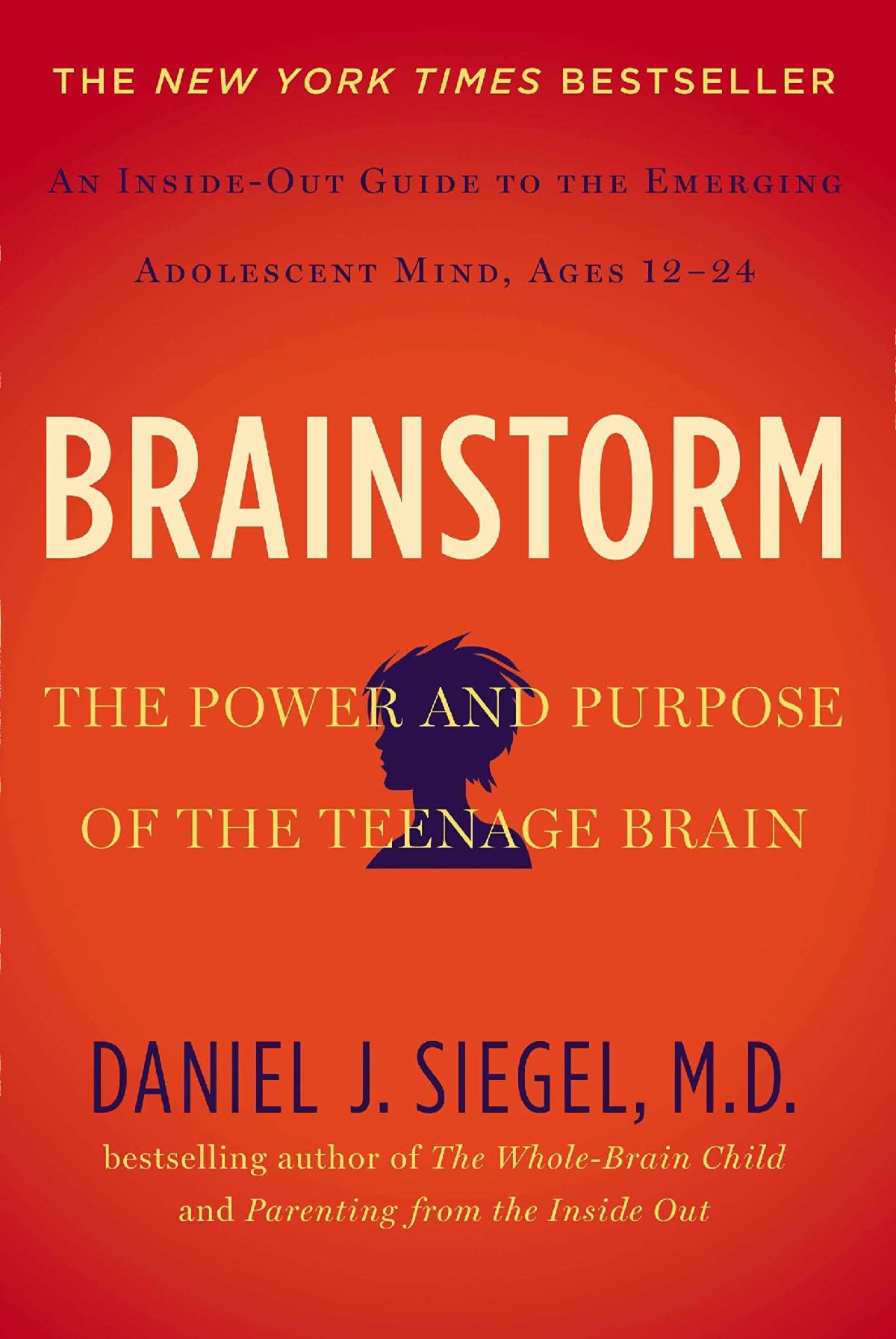
Brainstorm: The Power and Purpose of the Teenage Brain |
Darcia Narvaez, PhD, and Mary Tarsha review Dan Siegel’s well-loved book, Brainstorm: The Power and Purpose of the Teenage Brain.
In this New York Times-bestselling book, Dr. Daniel Siegel shows parents how to turn one of the most challenging developmental periods in their children’s lives into one of the most rewarding.
Between the ages of twelve and twenty-four, the brain changes in important and, at times, challenging ways. In Brainstorm, Dr. Daniel Siegel busts a number of commonly held myths about adolescence–for example, that it is merely a stage of “immaturity” filled with often “crazy” behavior. According to Siegel, during adolescence we learn vital skills, such as how to leave home and enter the larger world, connect deeply with others, and safely experiment and take risks.
|
|
|
|
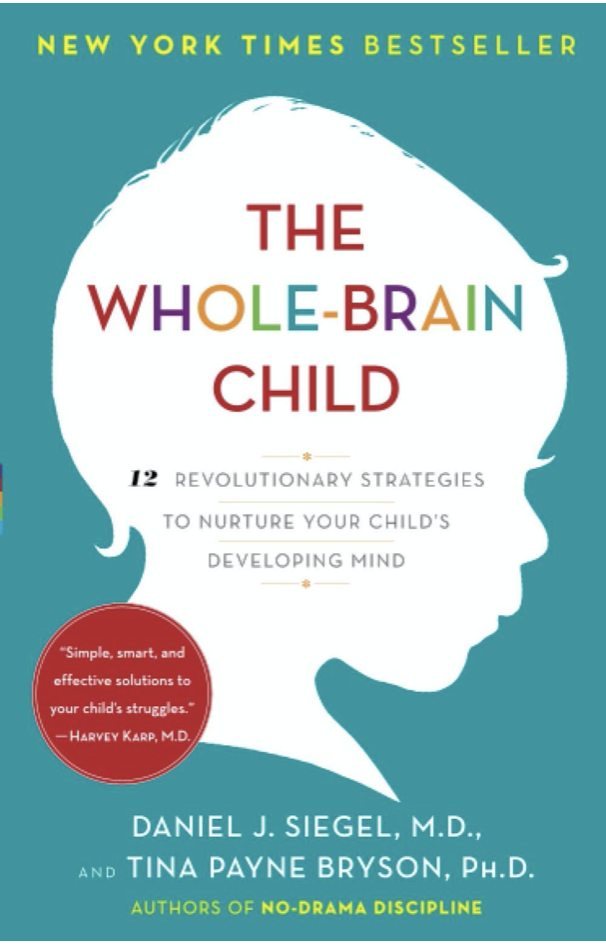
The Whole Brain Child: 12 Revolutionary Strategies to Nurture Your Child's Developing Mind |
Darcia Narvaez and Mary Tarsha review the New York Times bestselling book, The Whole-Brain Child: 12 Revolutionary Strategies to Nurture your Child’s Developing Mind, as it relates to the nine components of our Evolved Nest, what we need to thrive and flourish as human beings.
Siegel and Bryson offer strategies for raising children with integrated brains. An integrated brain has two meanings: right/left and primitive/executive (downstairs/upstairs). Right and left hemispheres communicate through the bridge between them called the corpus callosum. Neglected children have thinner bridges, which makes them more likely to flip between states (Teicher, 2002).
Integrated brains are also ones that allow the “upstairs brain”—executive functions such as planning, self-control, self-understanding, empathy and morality—to guide or restrain the “downstairs brain,” the survival-oriented emotions and self-protectionist mindset. It actually takes three decade of proper support for the upstairs brain to develop well, meaning that the downstairs brain is more dominant in childhood and adolescence. Hence the need for coaching from caregivers.
You can also read Darcia's review of the book, including the 12 Revolutionary Strategies in this post.
|
|
|
|
Wholeness is state of being. It is also a mindset that helps us learn wisdom. Learn how to move toward this state of being and mindset in order to learn wisdom.
Find the Book Review Podcasts Series, the
Evolved Nest Explained Podcasts,
And the full 24-part Evolved Nest podcast series,
|
|
|
New Year’s Resolution: Stop Superkilling |
Human Supremacy: The Source of All Environmental Crises?
KEY POINTS
- Ecodestruction has led to monetary wealth.
- Ecodestruction is thwarted in non-hierarchical societies
- Accumulated wealth and power is thwarted in non-hierarchical societies.
- We must abandon human supremacy to save planetary ecologies and our species.
|
|
|
|
Decolonizing Child Raising |
Child raising in the western world is off the rails.
KEY POINTS
- Colonizers planted trauma all over the world.
- Colonizer-European child raising traumatizes children.
- Traditional Indigenous child raising provides nested support and fosters wellbeing.
|
|
|
|
Communitas: Collective Joy Through Joint Social Flow |
Joyful aliveness is found in moments of communion with others.
KEY POINTS
- Human beings evolved to be deeply social.
- Sometimes joint activities can break through self-isolation, leading to deep social joy.
Communitas is a difficult experience to describe, even when one is in the middle of experiencing it. It is “the sense felt by a plurality of people without boundaries” (E. Turner, 2017, p. 1). It arises unpredictably, impossible to intentionally create or control, but can come about during intense group focus. The pleasure of a group sharing common experiences in fellowship can emerge anywhere—in music, festivals, disasters, work, stressful times. It doesn’t overwhelm individuality but enhances it in communal delight.
|
|
|
|
FRESH EYES on the Evolved Nest |
|
By Kelly Burke*
Have you ever been on an airplane with a crying baby?
Wasn’t it annoying?
That’s because it’s supposed to be.
As newcomers to the world, babies are unable to do practically anything for themselves. They are helpless to fulfill their own needs, so they rely on others to provide them care. This holds major implications for the adults who care for a child—we must be cognizant of the influence we have in shaping a baby’s life and future.
*Kelly Burke was a senior at the University of Notre Dame in a class called Parenting, Morality and Nature Connection in the Anthropocene when this was written.
|
|
13 Days of Spontaneous Joy |
Did you follow the 13 Days of Spontaneous Joy social media campaigns leading up to Solstice? You are invited to check out the campaign and its resources to provide you prompts for solo play, self-calming, and social play, as well as a collection of posts on the science of play.
13 Days of Spontaneous Joy!
SOLO PLAY
1. Use color a lot—in coloring/painting, dress, food prep, decorating your home.
2. Dance from one room to another.
3. Imitate an animal each time you are alone.
4. Make a musical instrument out of something you encounter
SELF CALMING
1. Hum throughout the day today (self-calming tool)
2. Whenever you have a moment today, say “I am filled with love.”
3. Go outside as much as you can today and look up.
4. Keep a stone or other object in your pocket today to remind you to breathe deeply.
SOCIAL PLAY
1. Sing to someone you meet.
2. Write a friendly message to someone and put it in an unexpected place.
3. Act out a character when you interact with people.
4. Look at things from different positions--on your head, sideways, etc.
13th DAY
Say something kind to everyone you meet (even yourself in the mirror).
Discover 13 Days of Spontaneous Joy's joyful prompts and resources here.
|
|
|
|
Join the Evolved Nest COMMUNITY |
|
Join Our Mighty Networks' Evolved Nest Community |
We are in the process of creating a safe, kind, and stimulating space to engage and connect with our Evolved Nest community through Mighty Networks!
This platform is ad-free, algorithm-free, and owned by us. You can download the app to the network and post and stay up-to-date with group discussions, research, and upcoming events.
Many organizations are charging a membership fee for these Mighty Networks' platforms, but we are opening up our group to you for free.
|
|
|
|
DONATE and Support the Evolved Nest! |
|
Read 88 Five-Star Reviews of Our Work and Kindred World! |
The Evolved Nest is an educational initiative of Kindred World, an American 501C3 nonprofit that has Served the Re-Generation Since 1996. Darcia Narvaez, PhD, is the founder of the Evolved Nest and the current president of Kindred World.
Learn more about what we've learned in a quarter century of exploring bringing wellness to families here.
Read our more than 88 five-star reviews here.
Thank you to everyone who has supported The Evolved Nest's work over these past four years.
|
|
The Evolved Nest - www.EvolvedNest.org |
|
|
|
|
|
|
|