|
Greetings!,
It’s been a while, but we’re excited to be jumping right back into your inbox, and plan to share exciting project updates and relevant news on a monthly basis going forward, with room for the occasional timely updates about an event or major announcement in between.
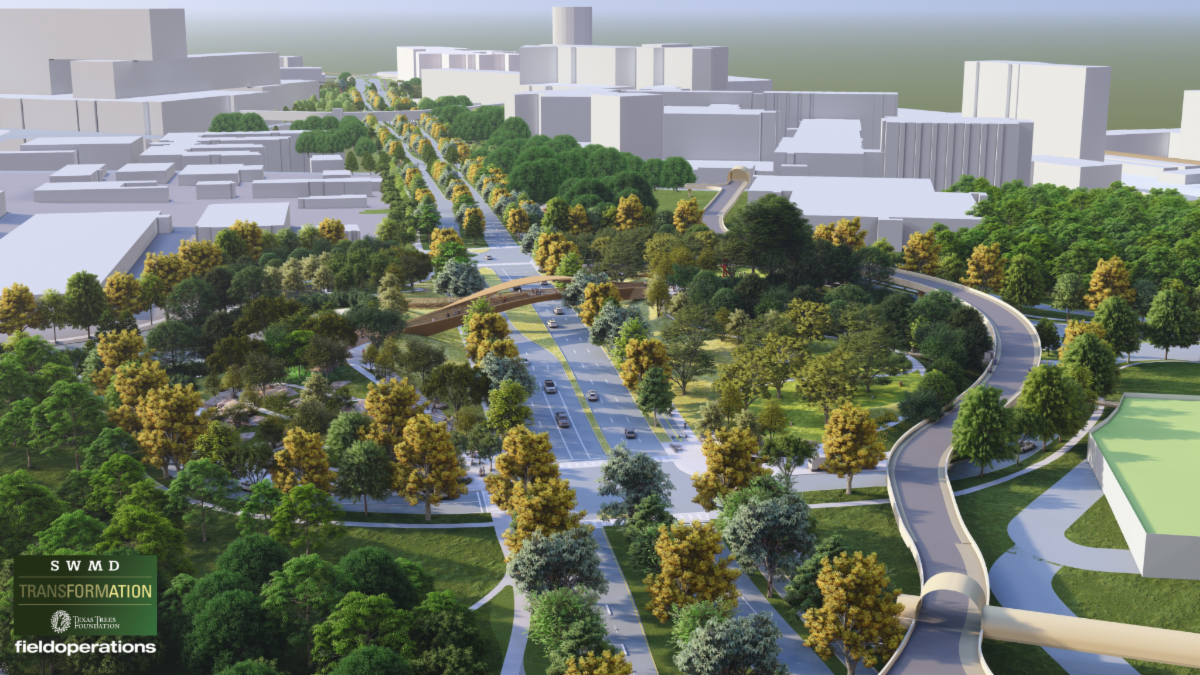
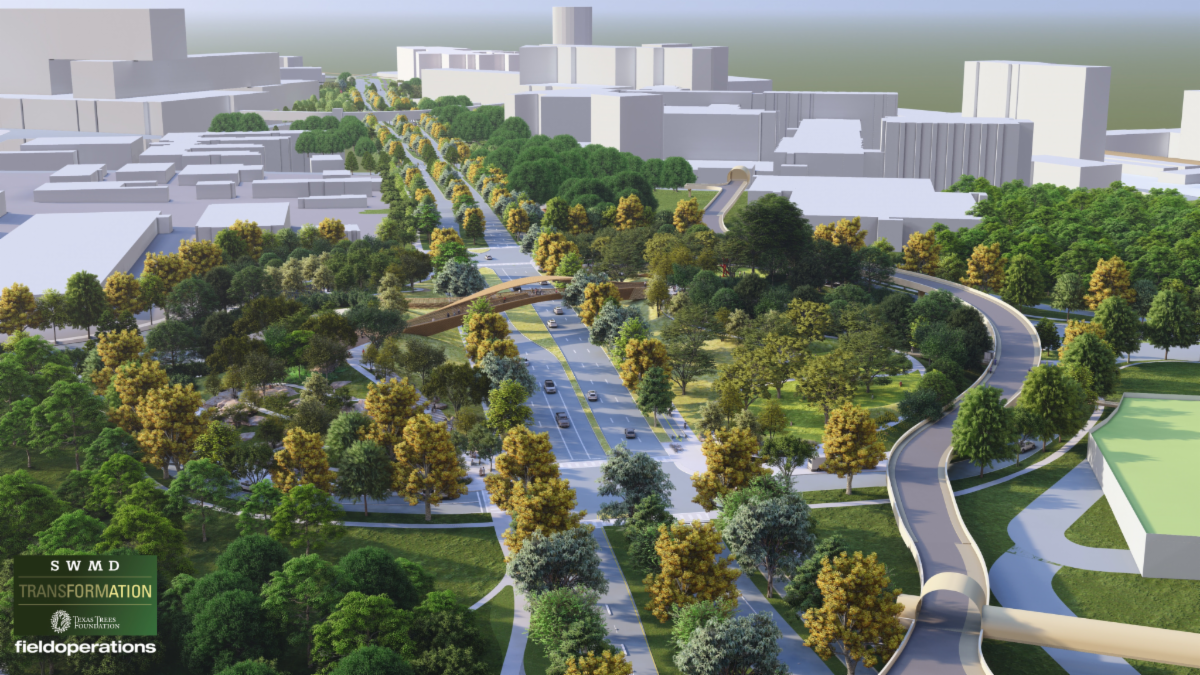
Please allow us to re-introduce ourselves. The Texas Trees Foundation is committed to improving the health of cities and people through the transformative power of trees. This newsletter is dedicated to the Southwestern Medical District Urban Streetscape and Park Transformation Project, which exemplifies Texas Trees' mission by transforming a 2-mile segment of the Harry Hines Corridor, the “Green Spine”, into a cooler, cleaner, greener, and healthier thoroughfare, improving safety and accessibility for pedestrians, cyclists, drivers, and EMS vehicles. At the heart of the district — the intersection of Harry Hines Boulevard and Inwood Road — a new 8-acre “Green Park” will be built, becoming a peaceful and healing oasis for all who work, live, or seek care in the medical district.
The Southwestern Medical District Transformation team at Texas Trees is in one way a “small-but-mighty” team — an environmental non-profit uniquely equipped for a project as big as transforming lives and landscapes in the Southwestern Medical District. We believe that at Texas Trees, our ability to ask tough questions, re-define best practices, and dig deeper (pun-intended 🌱) to tackle complex, interwoven challenges, can create a more resilient, healthier Medical District in Dallas, and serve as a model for urban design and landscape architecture projects everywhere.
At the same time, we are a team of tremendous size and scope, encompassing community partners, cross-disciplinary experts, and each and every one of you—whether your relationship to the Medical District is marked by a career dedicated to caring for the health and wellbeing of our community, studies and research driven to support the future of medicine, or an experience where you or a loved one sought medical care. You may also be a compassionate neighbor or a community-oriented business owner; a civic-minded North Texan invested in the project’s success, or a peer in the field seeking, all seeking to join the conversation, share ideas, and learn lessons from the project that you can take back to your own work and communities. In any case, you are a critical component of the past, present, and future of this project.
| | | | |
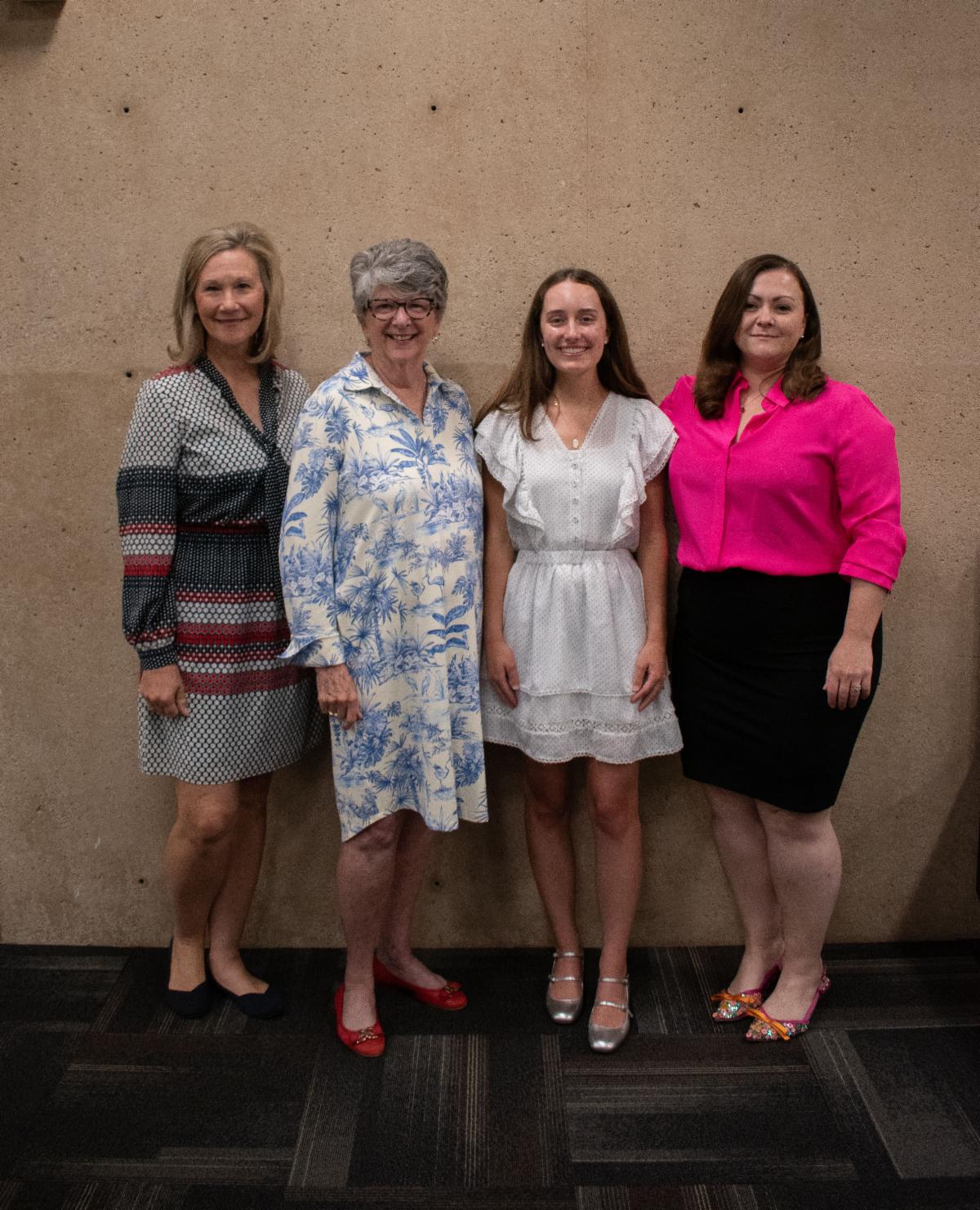
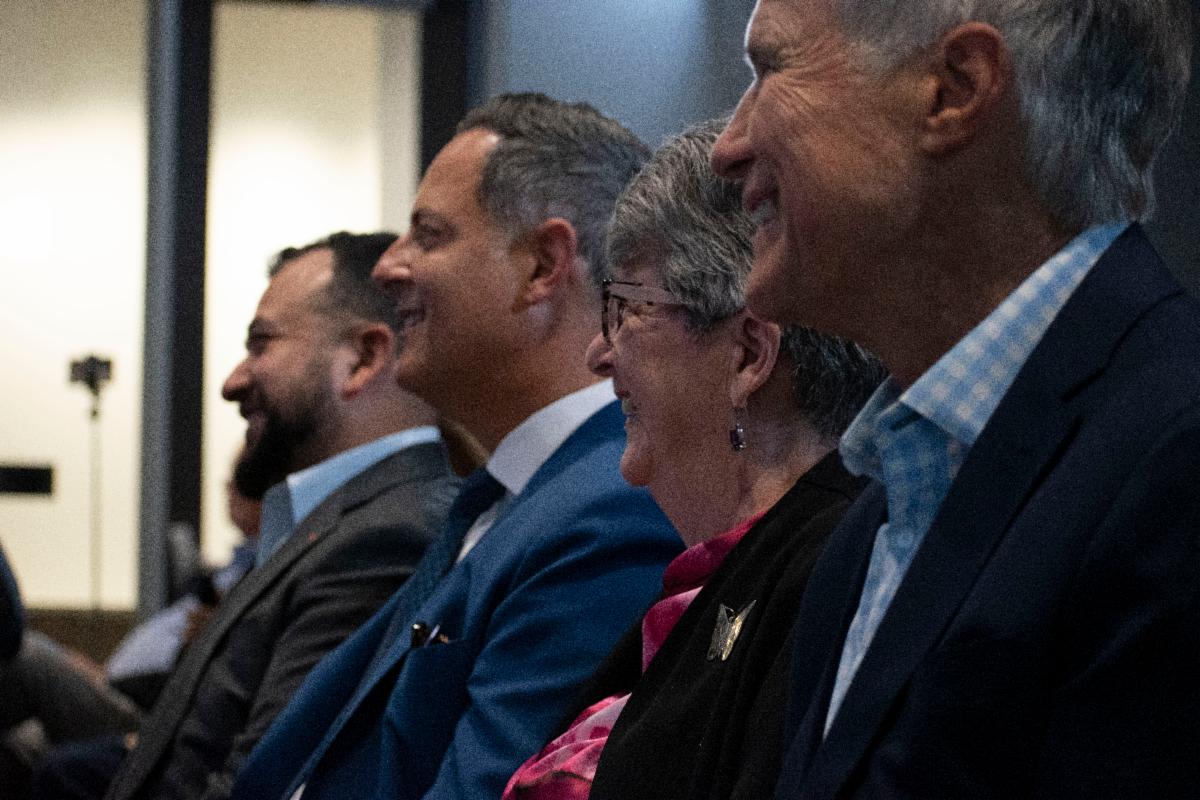
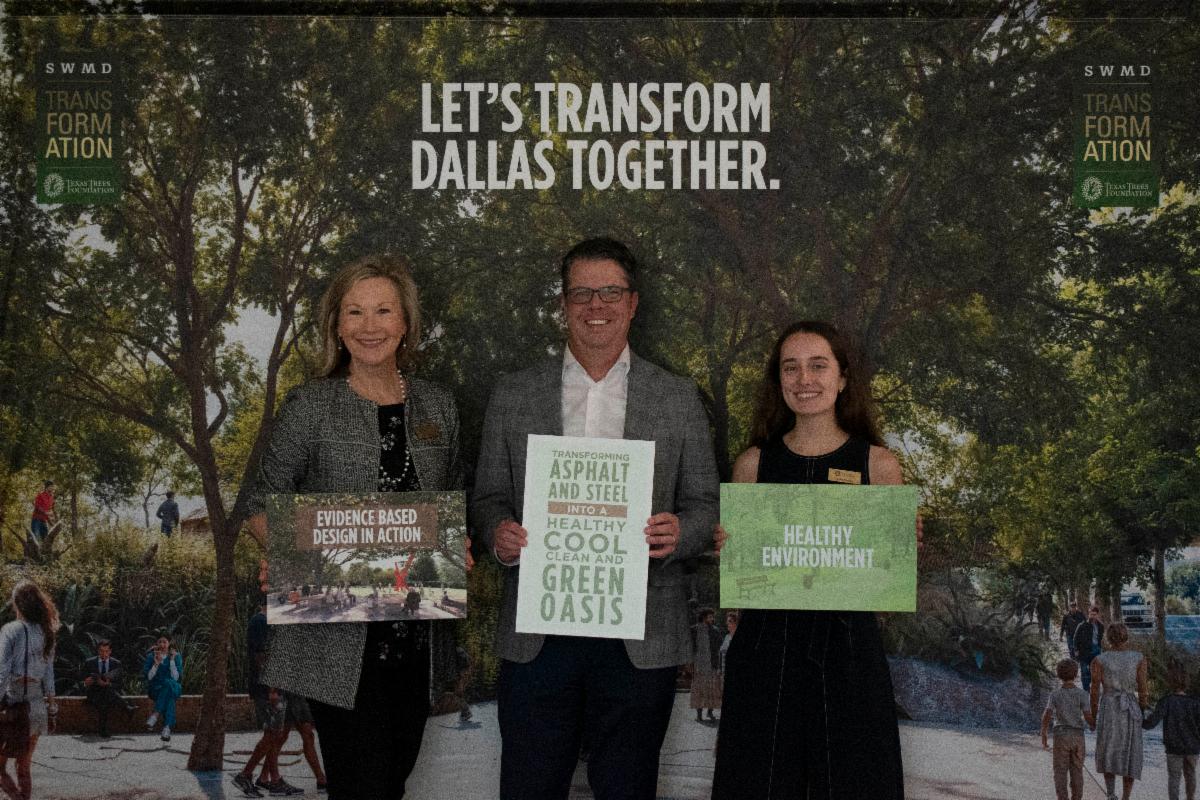
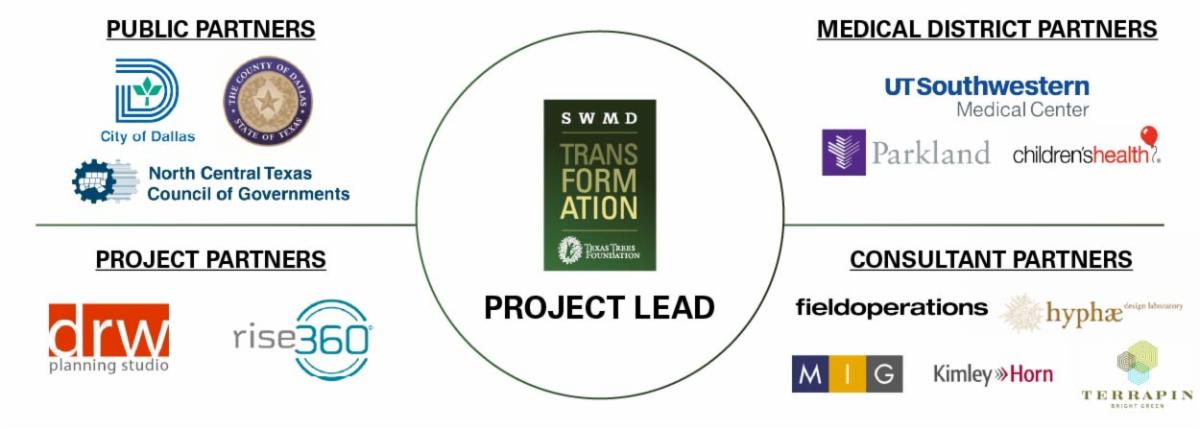
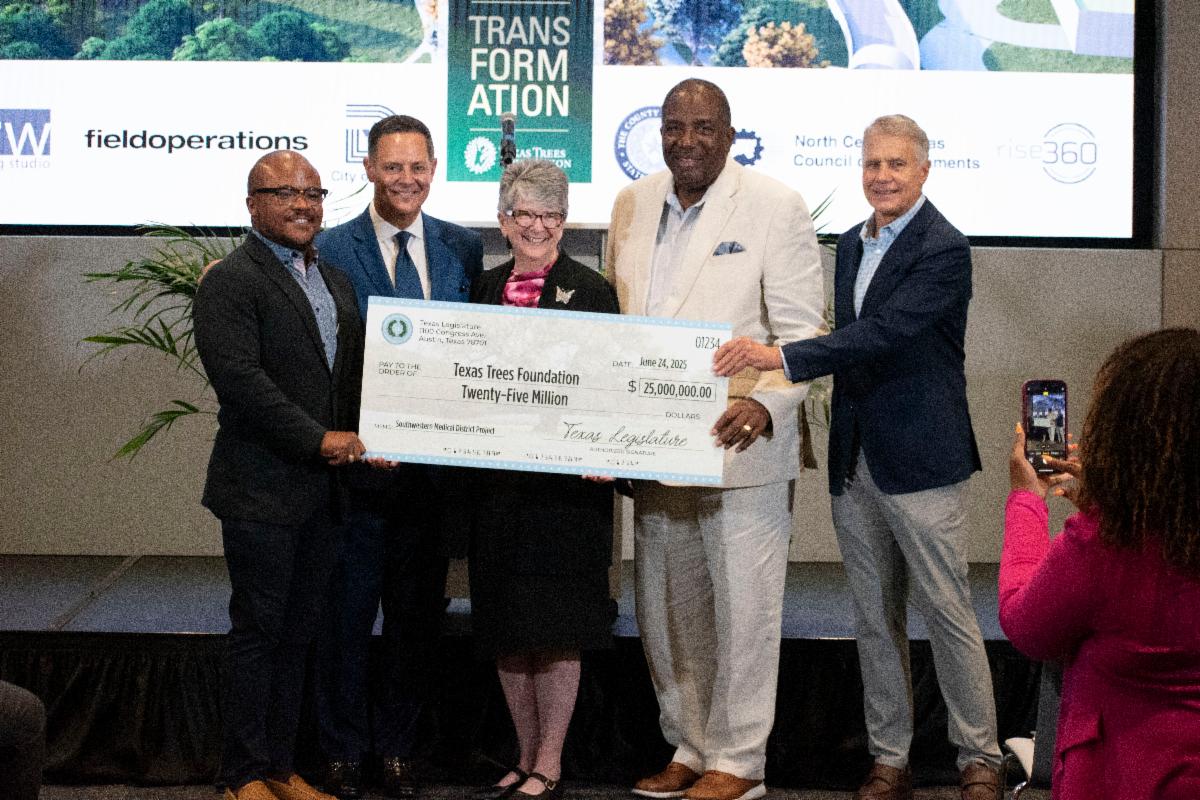
From top, left to right: Lannie McClelen, SWMD Project Director, Janette Monear, President and CEO of Texas Trees Foundation, Abby Voyles, SWMD Project Coordinator, and Heather Stevens, SWMD Capital Campaign Advisor, capture a photo after a meeting with partners at Dallas City Hall in August. | | Jesse Moreno, City of Dallas District 2 Councilmember, Rafael Anchía, Texas State Representative, Janette Monear, and Dan Patterson, Chairman of Texas Trees Foundation wear joy on their faces as they celebrate a funding milestone from the State of Texas at a press conference this past summer. | |  | Lannie, David Whitley, Project Management Consultant, and Abby pose with signs that remind us about what the project is all about - transforming Dallas's Medical District into a green oasis that supports health and wellbeing through data-driven design solutions. | | | Led by the Texas Trees Foundation, the Southwestern Medical District Transformation project is an ambitious public-private partnership that taps into the expertise and support of local public agencies, Medical District partners, and interdisciplinary experts to accomplish a shared goal of creating a cooler, cleaner, greener, and healthier Medical District that will serve North Texans for decades to come. To learn more about our team, visit our website and read our introductory blog. | | | | |
|
Help our team get to know who you are, what excites you most about the project, and the type of content you want to see from us in the future by answering the poll questions located throughout the newsletter.
As a bonus, if you answer a survey question throughout this newsletter, you could win a free copy of our history book and Texas Trees swag! We will select three winners at random and follow up via email to provide delivery instructions.
Thank you in advance for sharing your voice. Your response helps us to connect with our community in a more meaningful way. Stay tuned - we'll share the results in our next newsletter!
Click on what best describes your relationship to the Southwestern Medical District Transformation Project:
· 🩺 A medical professional, employee, or staff
· 📚 A student or doctor in training
· 🏡 Neighbor living in or around the District
· 🏪 A business-owner, employee, or patron of a non-medical business in the District
· 🏥 A former or current patient or family of a patient
· 🌳 An employee of a partner organization to the project or to Texas Trees
· 💡 A professional in the urban design, landscape architecture, engineering, or related fields
· 💝 A philanthropist
· 🌱 I’m just an interested community member!
| | | | |
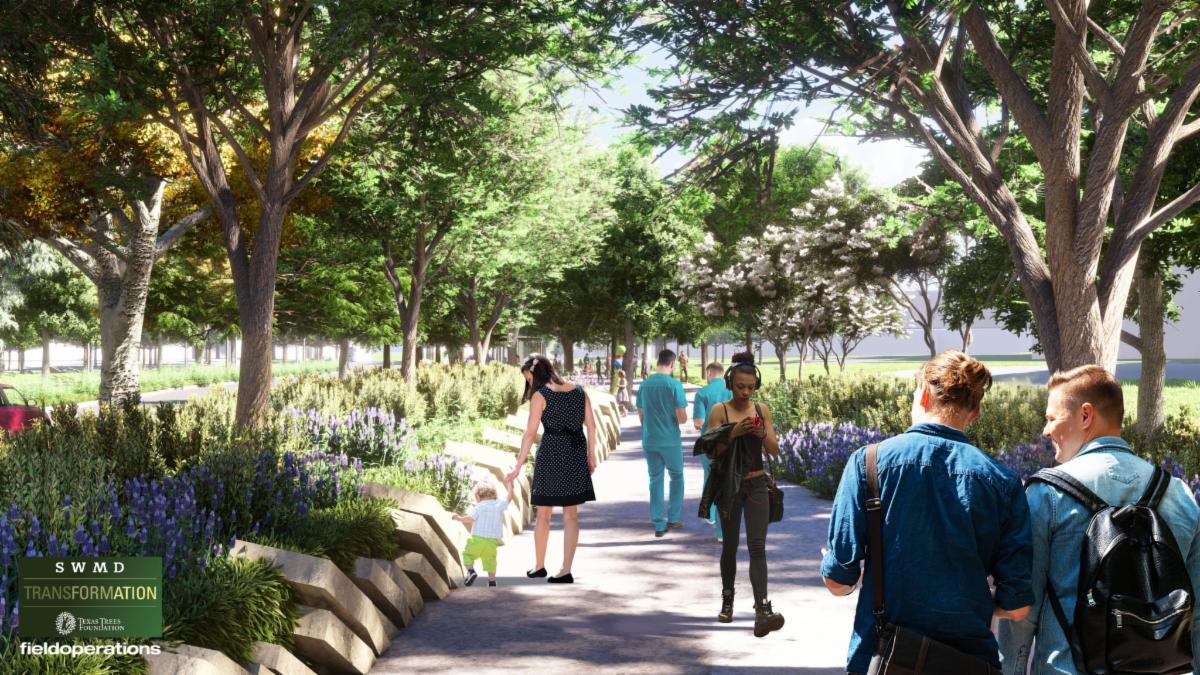
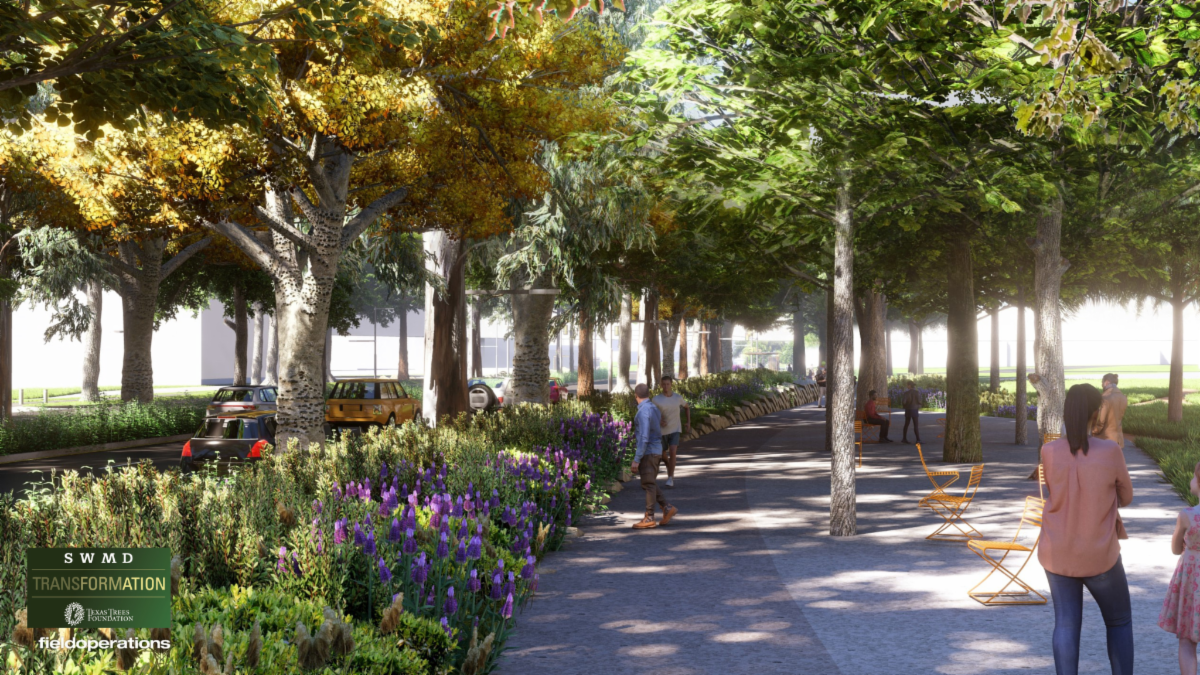
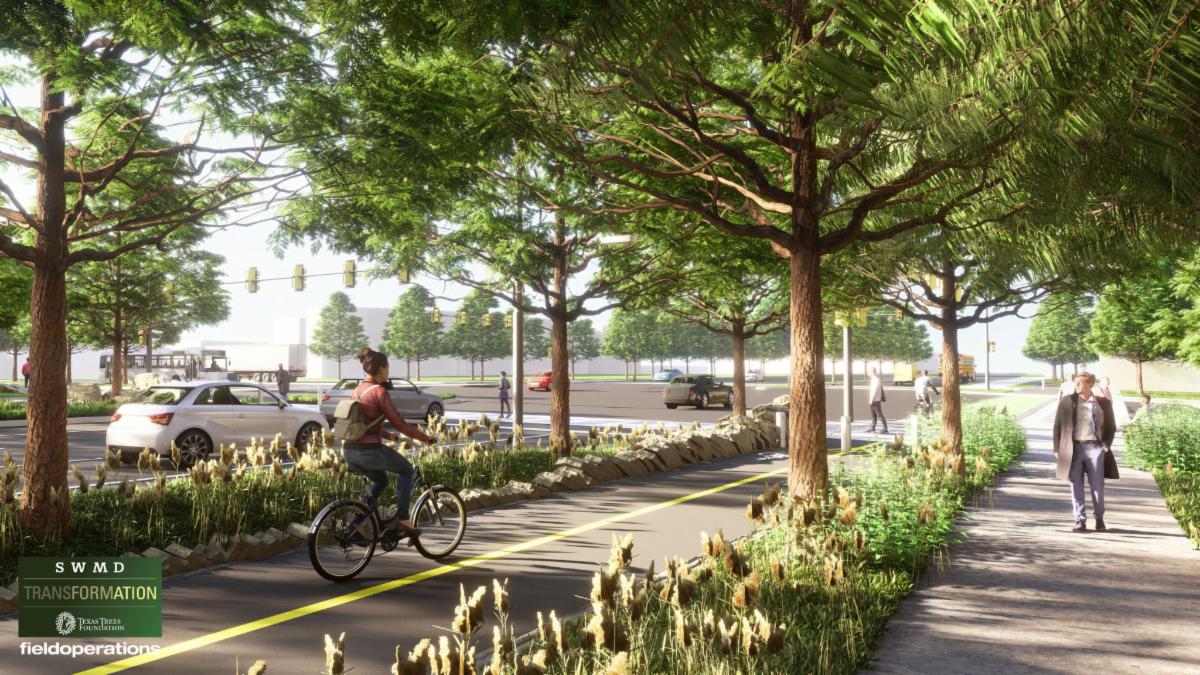
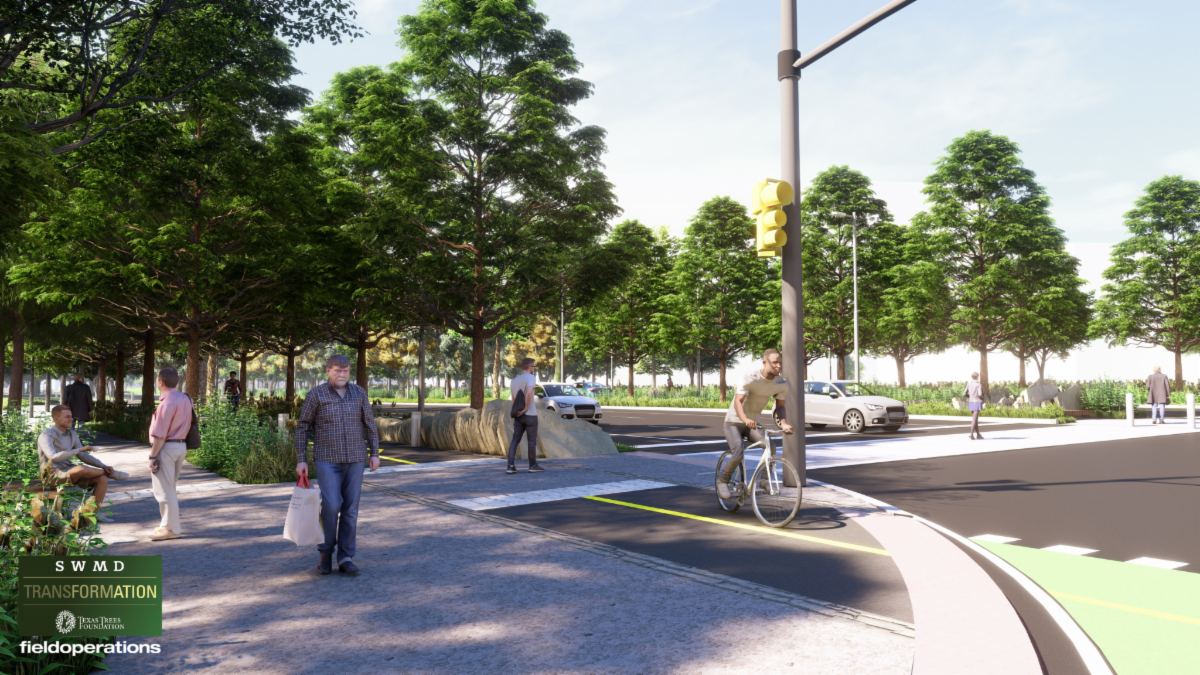
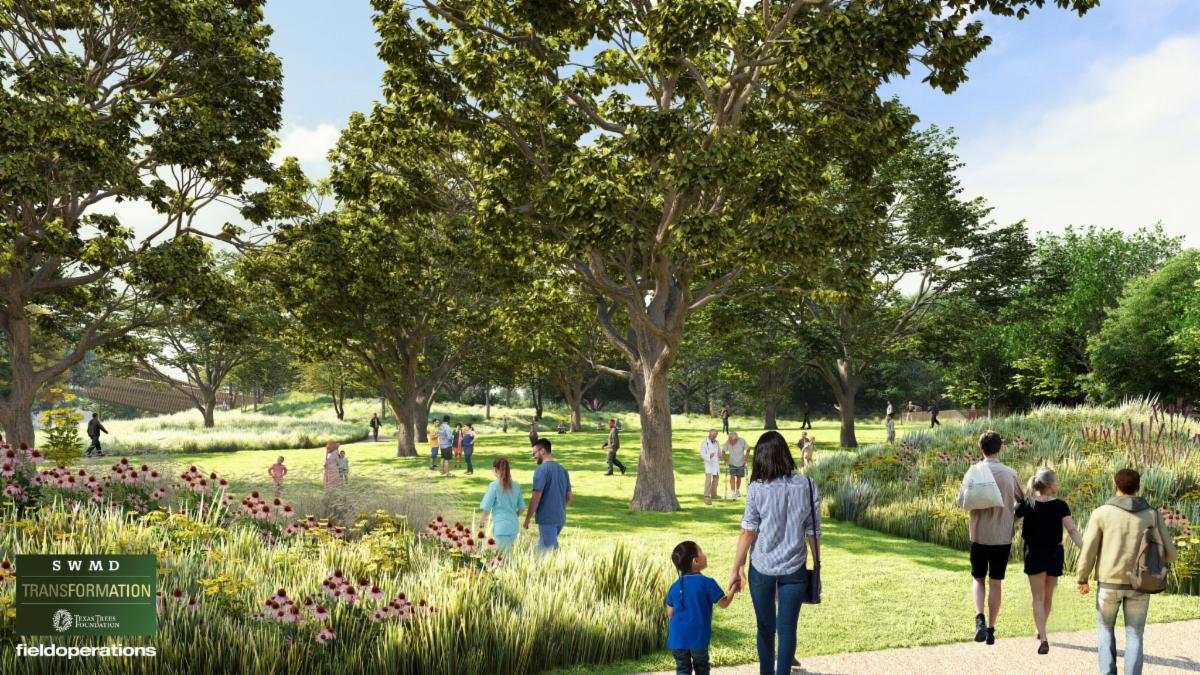
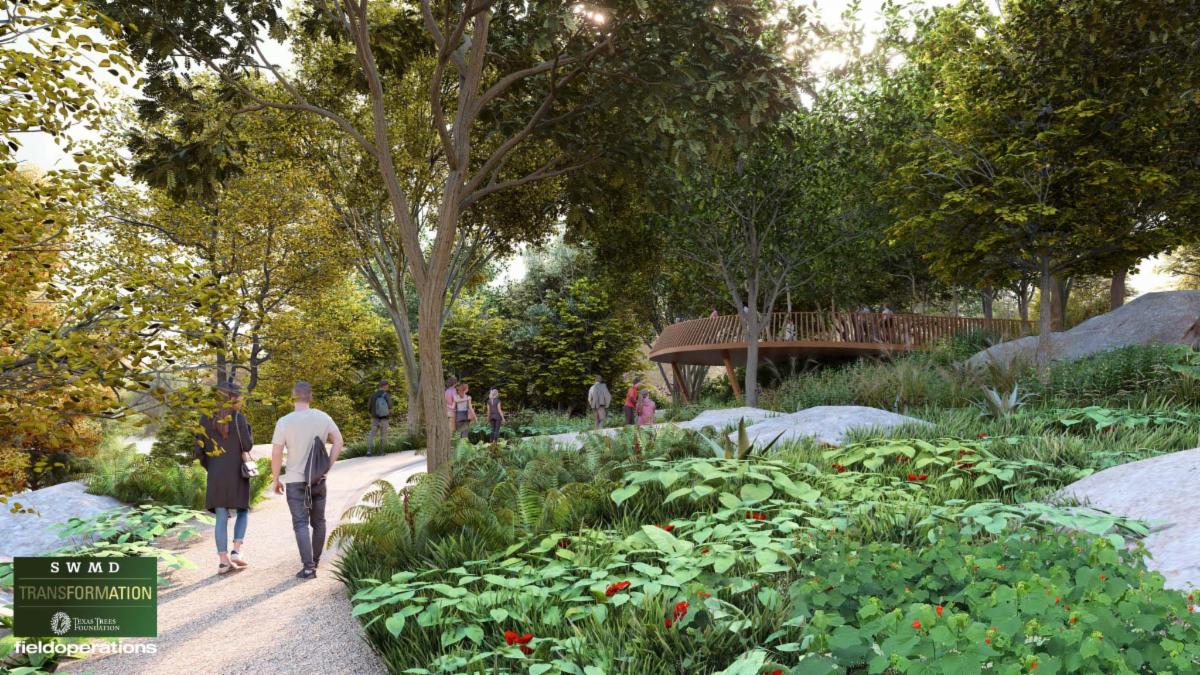
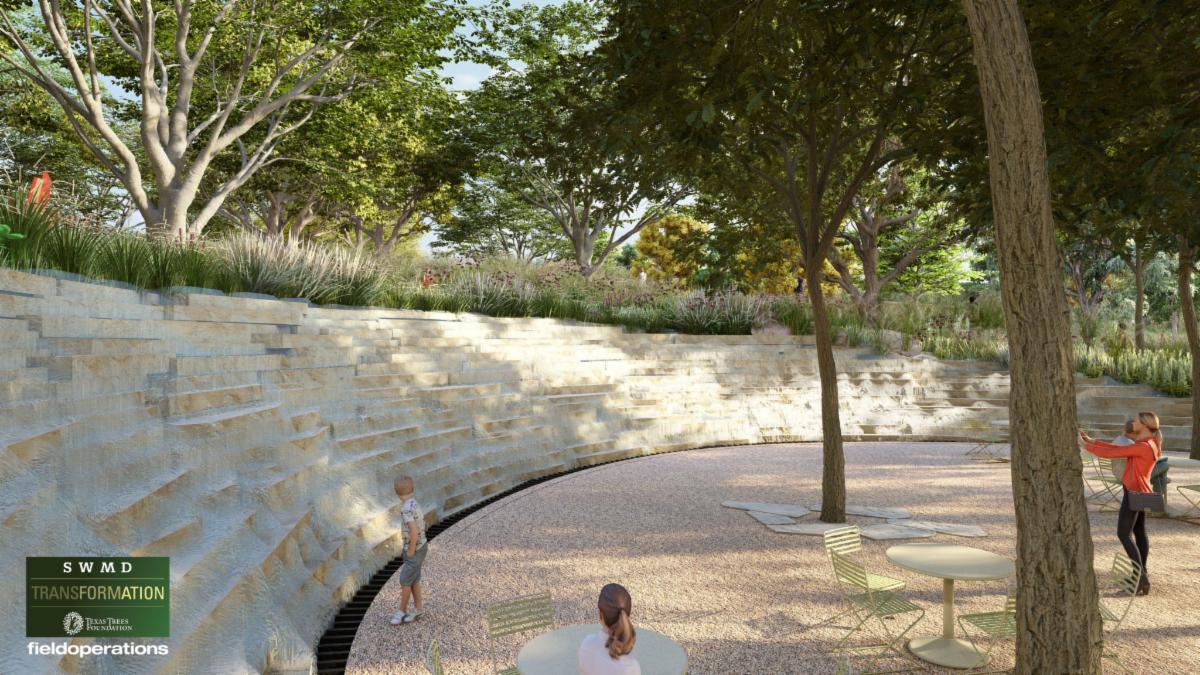
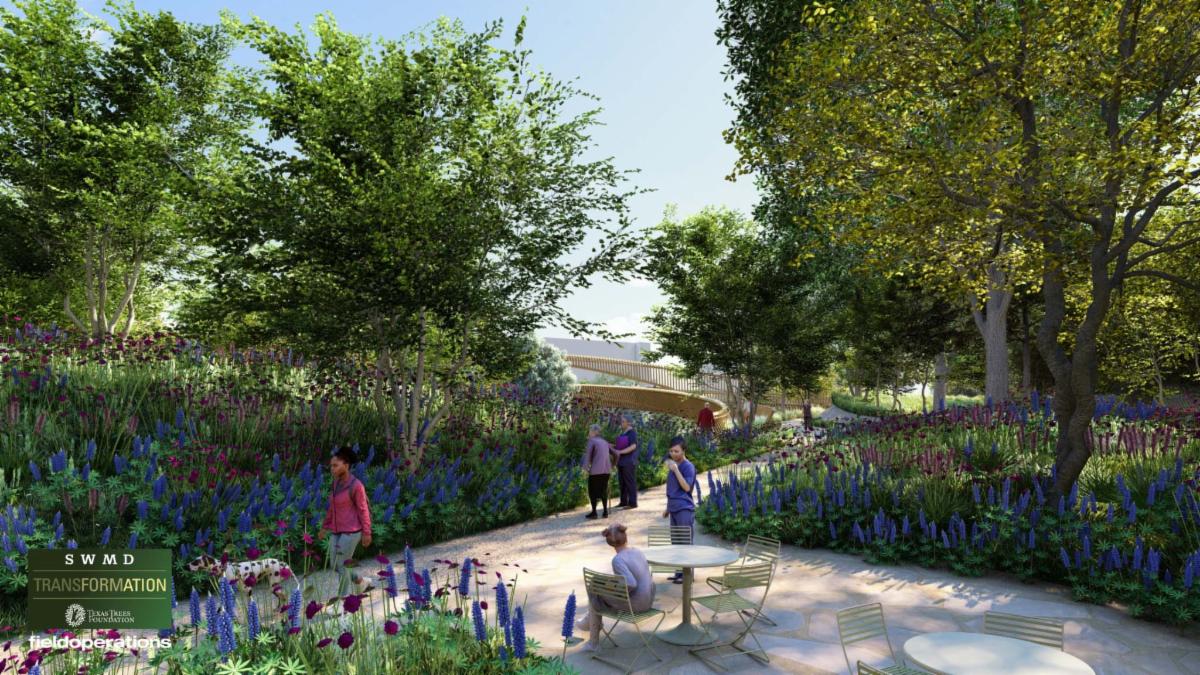
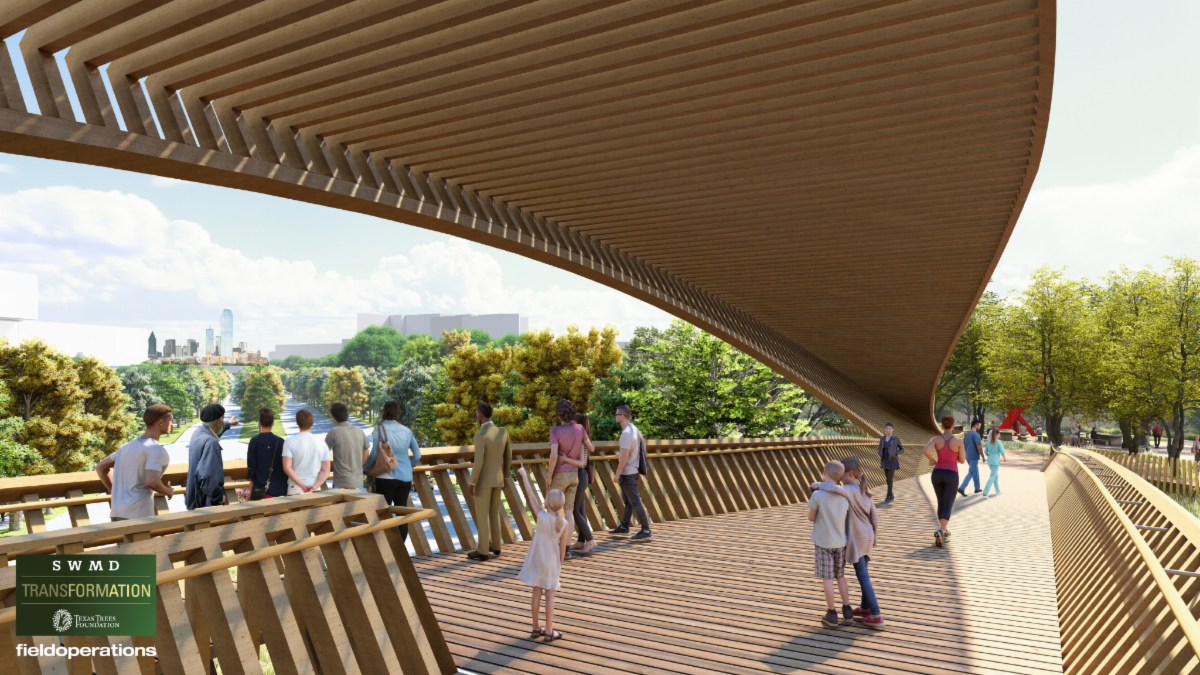
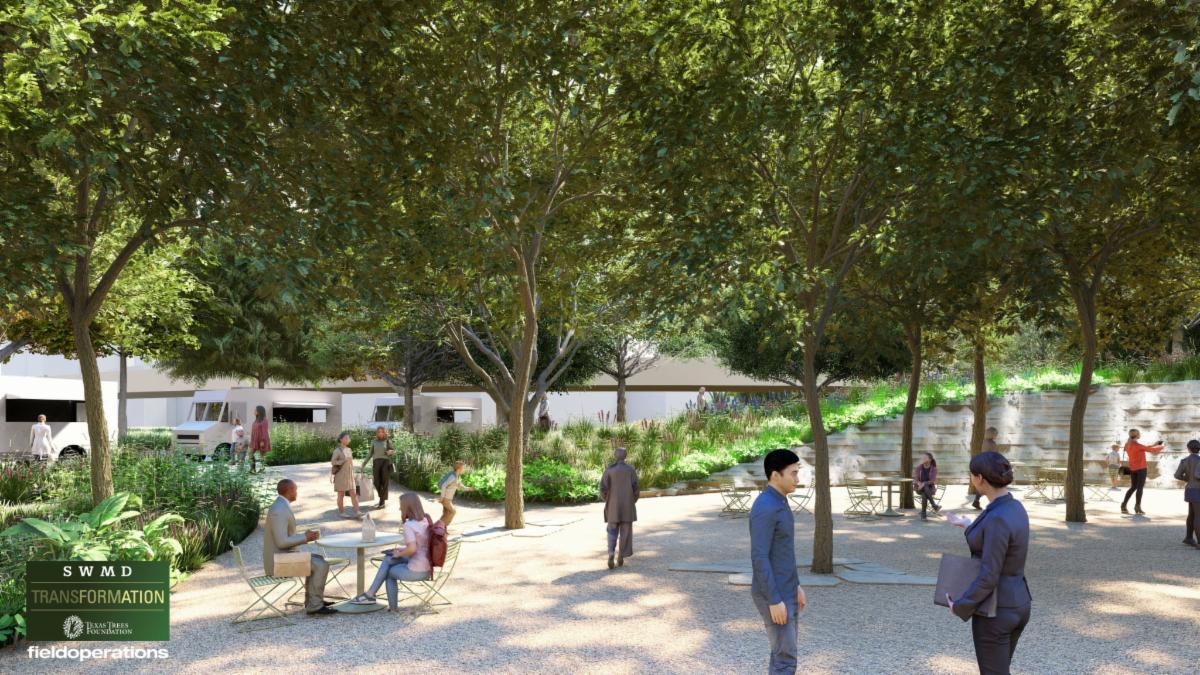
In 2024, we achieved a major milestone by advancing the project to 30% design, transforming the initial vision into a more detailed, actionable framework for the reimagined Harry Hines Streetscape and the new Green Park. The 30% design stage translated community input and evidence-based design into tangible strategies that set the foundation for future construction. The resulting renderings illustrate an outdoor space that complements the healing taking place inside the district’s hospitals—introducing welcoming public gathering spaces, and peaceful nature areas designed to offer shade, reduce heat, buffer traffic noise, and provide moments of relief, reflection, and connection. | | | |
We were incredibly honored to receive a $25M gift from the State of Texas during the 89th Legislative Session this past spring. This gift signifies the State’s commitment to the project and to creating a healthier, greener, and more resilient future for the Medical District, as well as for all North Texans whose lives are touched by the Southwestern Medical District’s mission of delivering excellent care and innovative research. This transformative investment increases the total funding raised for the project to $60 million and underscores the exceptional collaboration that makes this once-in-a-generation project possible. In a joint press conference between the State of Texas and the Texas Trees Foundation announcing the gift, the excitement among attendees was palpable as we relished this shared success. Thank you so much to everyone who was involved in this effort, and to all who celebrated with us! Our team looks forward to working with The State of Texas and to steward this funding towards the implementation of the Green Park and Green Spine.
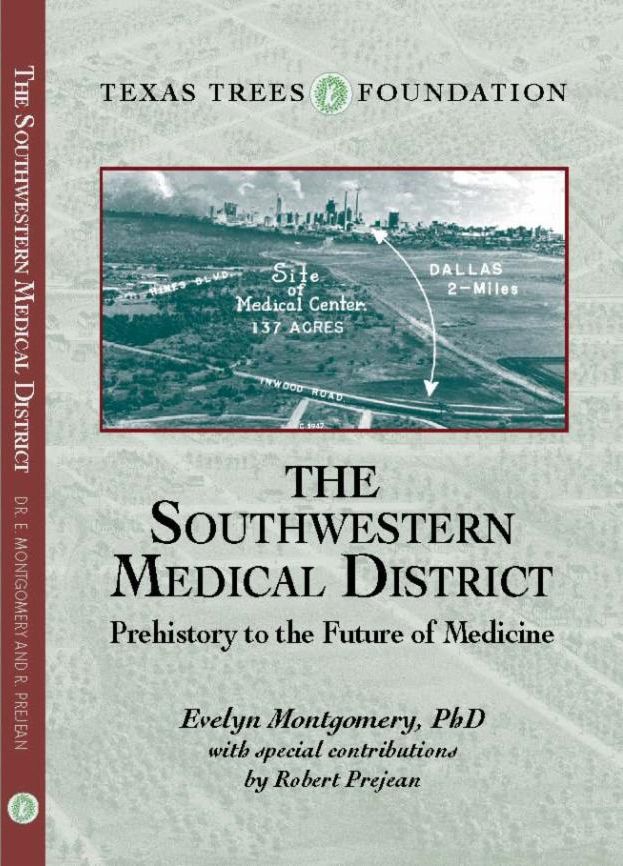
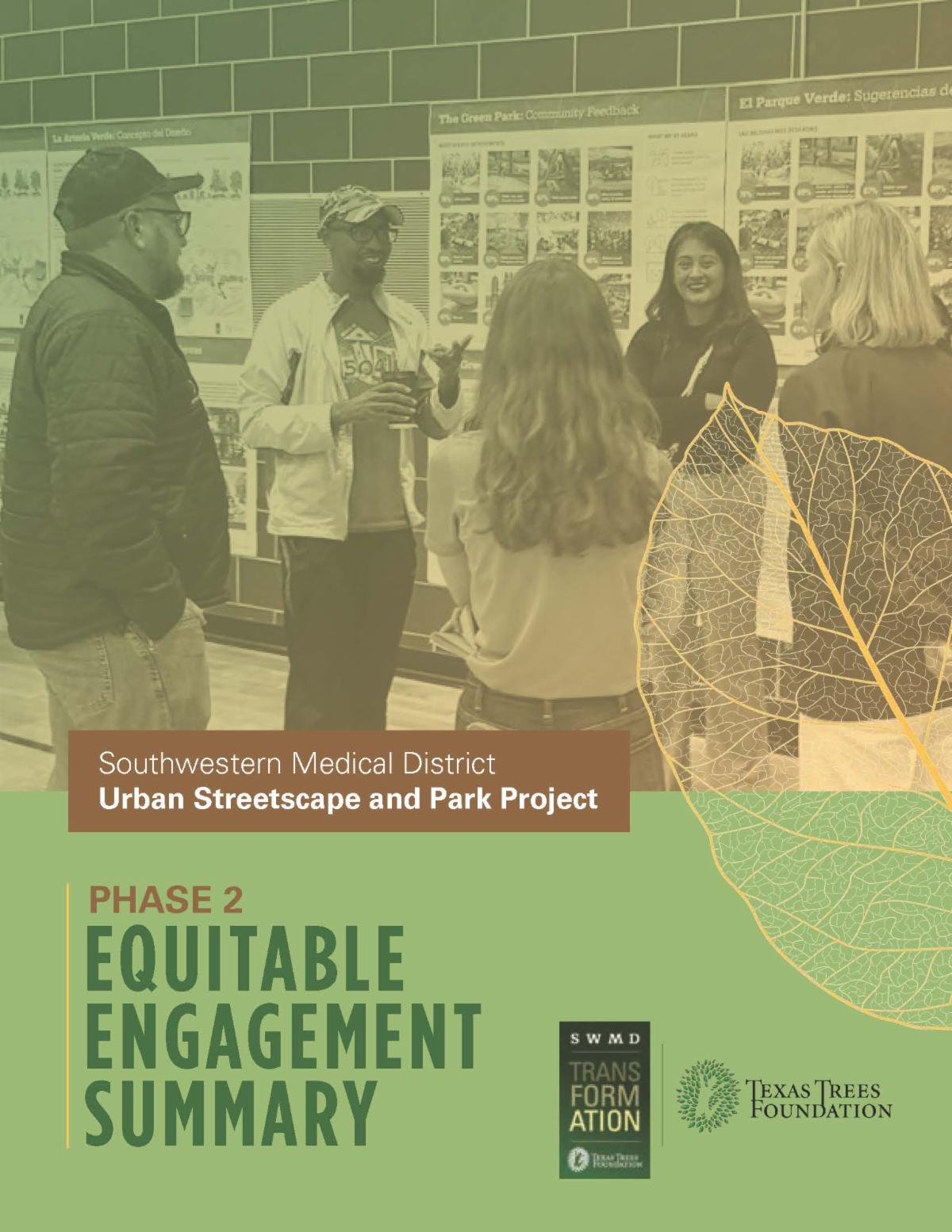
| | | Did you know that Children’s Hospital began as “Baby Camp”, housed in a tent on the ground of Old Parkland Hospital; that Parkland Hospital treated President John F. Kennedy, a gorilla, and delivered the state’s first quintuplets; that UT Southwestern has had various Nobel Prize winners on its staff, or that the Medical District was home to significant accolades beyond medicine, such as Dr. Onesimo Hernadez, the first Hispanic American medical student at UT Southwestern Medical School and first physician of Mexican Descent at the former St. Paul hospital, who beyond his medical career was a dedicated civic leader and advocated for Southwestern Medical School to increase its Hispanic student enrollment, or Sam Tasby, the man who challenged Dallas to desegregate its schools and give its children equal access to education, resident of the adjacent Arlington Park Estates neighborhood? And perhaps most surprising of all, is that the compelling stories begin long before the renowned hospital institutions we know today evolved. The book explores interwoven themes of history, place, identity, and community throughout the Medical District’s brief yet significant history, offering insights to be reflected in the design of the Streetscape and Park through intentional placemaking and wayfinding strategies. You can purchase the book directly from our publisher by visiting the above link. | | | The Southwestern Medical District community helped bring the project vision to life during Phase II Equitable Engagement. During the 30% design stage, over 1,500 SWMD Community members – ranging from practitioners to students to neighbors – participated in equitable engagement activities, sharing their input to help shape the design for the Green Spine and the Green Park. Activities such as community meetings, pop-ups, and a digital survey empowered community members to participate in the design process directly, while ensuring that design plans reflected the community’s values and desired features and functionality. Along with our partners at MIG, we published a report synthesizing the community’s insights. From innovative ideas to heartfelt aspirations, each contribution is a testament to the power of community-driven design in reimagining public spaces that enhance quality of life and foster a sense of belonging. We were honored to receive a Public Outreach Gold Award from the Texas Chapter of the American Planning Association for this work! | | | | | |
|
What part of the transformed Green Spine
are you most excited to experience?
Click on the image that resonates most.
| | |
Take a moment to be outside!
Feel comfortable, cool, and refreshed beneath the Green Spine's tree groves.
| | |
Bring your day-to-day outdoors.
Take a walking meeting or enjoy a lunch break along the Green Spine.
| | |
Ride your bike to work.
(Yes, really!) The Cycle Track will connect to the Trinity Strand Trail, giving Dallas cyclists a safe, seamless route.
| | |
Campus Connectivity.
Move between healthcare campuses with ease and enjoyment through interconnected green, pedestrian networks.
| | |
Safer, smoother commutes.
Smart Signals, calmer speeds, and safer intersections along the Green Spine.
| | |
What place in the new Green Park
are you most excited to visit?
Click on the image that resonates most.
| | Visit the Hilltop Lawns, with plentiful opportunities for rest, recreation, and socialization. | Take a winding, nature-inspired journey through the park along the Escarpment Walk, whose path is marked by local native rock, towering trees, and lush plants. | | Admire the beautiful visuals and the soothing sounds of the Water Wall. | Visit the Garden Rooms, designed to deepen your connection to nature and provide moments of rest and reflection. | | Enjoy breathtaking views of the Medical District and Downtown Dallas from the Pedestrian Bridge. | Meet with friends, family, or colleagues at the vibrant gathering hub, The Grove, and enjoy a bite to eat at the food trucks. | | | | |
|
A new study from the Southwestern Medical District is shedding light on the rising dangers of extreme heat for children. When investigating pediatric heat-related illness Emergency Department admissions across two major hospitals in a pediatric healthcare system, physicians and researchers found that increased admissions can be linked to rising temperatures – a trend that the study’s lead author, Taylor Merritt, MD, calls a “growing public health concern that warrants further attention and action”.
The study also examines the presentation of heat-related illness symptoms in children and the outcomes based on the type and severity of the diagnosis. These findings provide valuable insight for pediatricians and underscore the urgent need for awareness and education to protect some of the most vulnerable populations as extreme heat events become more frequent. We are proud to share that one of the study’s authors is our very own former intern, Sanjna Bhatia, a current medical student. The full research paper can be found here.
The project recently won a Conceptual Design Award from Rethinking the Future, a global platform dedicated to empowering professionals and projects in the architecture and design field. This recognition celebrates our innovative, evidence-based design approach in collaboration with our partners at Field Operations and Hyphae Design Labs. Explore the article to learn more about the technology our team is deploying in the Medical District, with findings that can be translated to projects everywhere, setting a new standard for how we design our public spaces to promote human and environmental health.
Reflecting a shared desire between Texas Trees and the SWMD community, the Green Park will be a natural space that is responsive to the Medical District’s unique needs and purpose. It will be a restorative, tranquil space that immerses park-goers in an enriching, nature-based experience, with features such as hillside meadows, tree groves, and garden rooms. And, as an added benefit? A study from The Innovation journal found that, compared to other green and blue infrastructure land types, the category of parks was found to have the highest average cooling effects, 9°F, with botanical gardens providing the highest benefit among parks.
This article from TIP Strategies highlights how tenacity, collaboration, and long-term vision are essential to successful major urban redevelopment projects. Using examples of deck parks – greenspace and pedestrian infrastructure built over sunken highways – the piece illustrates how these projects create more vibrant, connected urban districts, and catalyze private investment in mixed-use development. The concluding section offers timely reminders that strongly resonate with our work on the Southwestern Medical District Transformation project, particularly around the role of public-private partnerships in turning bold visions into reality.
We aren’t the only ones who have been busy planning for the Southwestern Medical District’s future! The updated Southwestern Medical District Master Plan, completed by NBBJ Design in 2024, is a bold and forward-looking blueprint for the future of the 1,000-acre Southwestern Medical District. The plan calls for comprehensive district-wide investment, with a focus on 🚲 enhanced connectivity and mobility, 🏨 mixed-use development, and 🌳 expanded green space.
Importantly, the plan recognizes the work we are leading at the Texas Trees Foundation through the SWMD Urban Streetscape and Park Transformation Project as a catalyst—one that can be leveraged to spark future expansions of the District’s pedestrian and green space network. Given the growing body of research linking interconnected green spaces with measurable reductions in urban heat, we are ecstatic for these improvements to be realized. Explore the full Master Plan at the link above (pgs. 70 and 71 spotlight our project).
| | | |
Dive Deeper with Us!
We’re launching a new blog series to take you behind the scenes of the project! From design and community engagement to partnerships and funding, each story shows how these pieces come together to transform lives and landscapes in the Southwestern Medical District. Follow along to discover what inspires you most and to gain a deeper understanding of the project’s purpose, scope, and impact.
Have a topic you want to learn more about? Let us know what you want us to write about by emailing our team at swmdproject@texastrees.org.
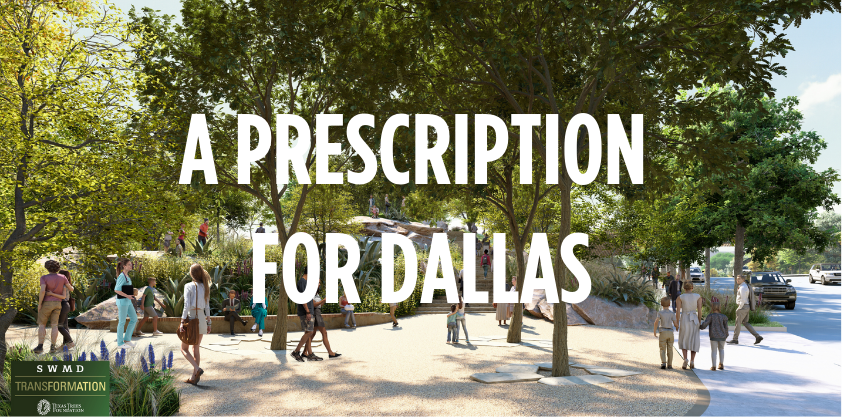
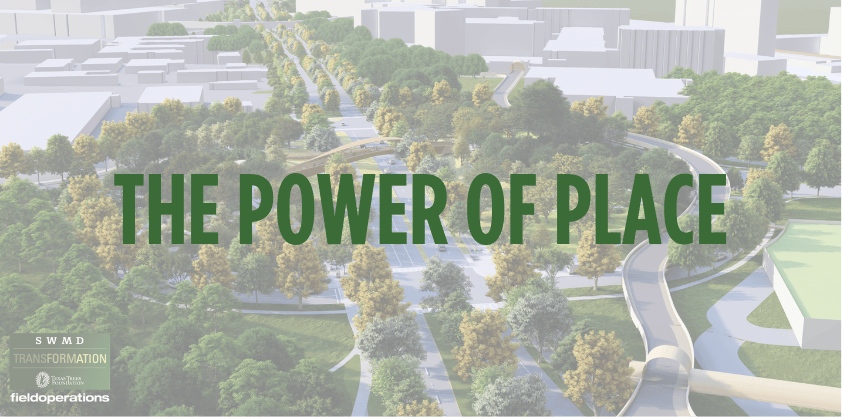
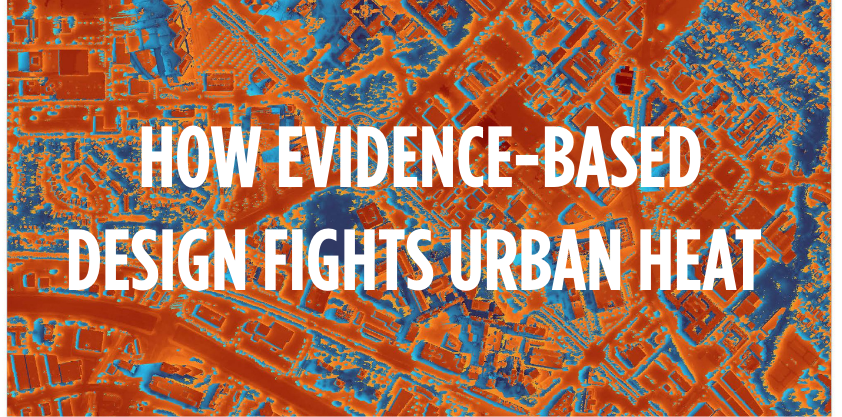
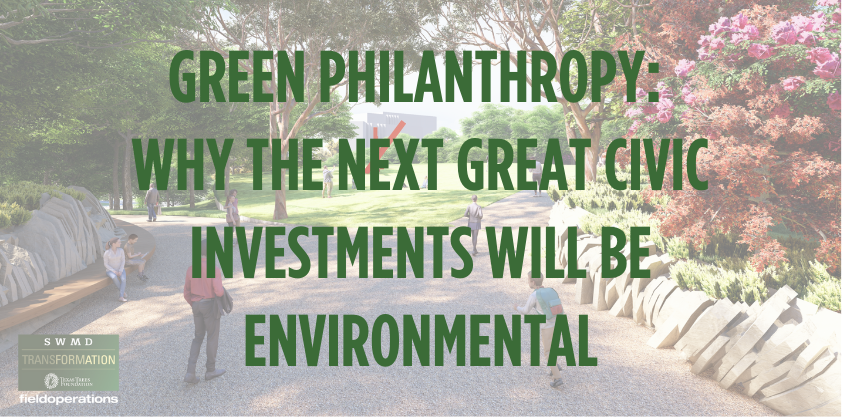
| | ‘A Prescription for Dallas’ chronicles the project in its entirety, reflecting on where we’ve been and celebrating where we’re headed. | | | ‘The Power of Place’ explores how donors are investing in green infrastructure and placemaking efforts like never before. | | | |
If you’ve been following this journey for a while (thank you, by the way!), you may remember the earliest days of this project.
Did you know that the Texas Trees Foundation’s involvement in the Southwestern Medical District began as a direct response to our commissioned research studies, which identified the District as severely lacking in tree canopy and located within Dallas’s largest urban heat island?
Since then, what began as an ambitious idea has grown into a deeply collaborative effort — one uniting local public agencies, hospital institutions, design experts, and the broader community. Together, we are reimagining how nature, health, and infrastructure can work in harmony to create a resilient and vibrant future for the Southwestern Medical District. The vision has remained steadfast in its goal to reintegrate nature and people-first design, while expanding far beyond what we could have ever imagined accomplishing alone.
Today, we are actively coordinating with our public agency partners and engaging our design consultants at Field Operations as we prepare for an exciting time ahead! We are also in the midst of a Capital Campaign to support this work, with $60M raised to date from generous philanthropists and dedicated civic partners. We also frequently enjoy opportunities to bring the project straight to the community, with speaking engagements geared towards professional groups, community organizations, industry conferences, and more! You can keep up with our upcoming events by visiting our linktr.ee.
| | | | |
| |
|
Thank you so much for taking the time to dive in and explore the project with us, we’ll see you in December!
- Your friends at Texas Trees Foundation
| | | | |
| |