McDonald Observatory SkyTips


News from the Observatory and StarDate


Now on StarDate Radio


See what's on the air or get more information on the program.

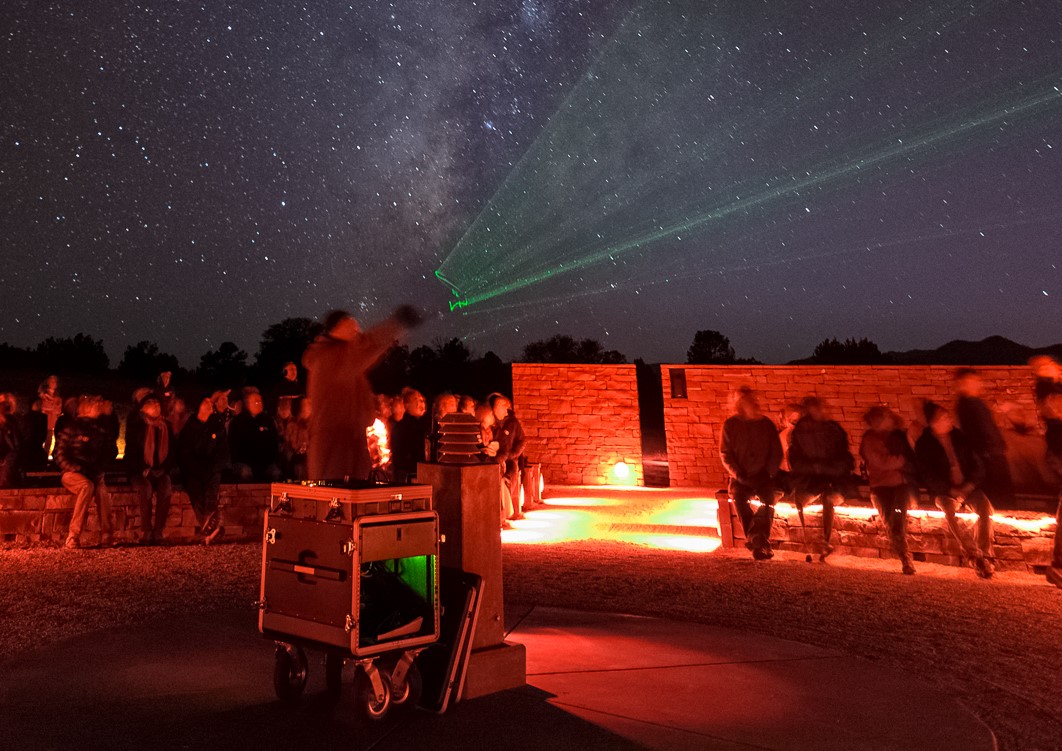
Visitors tour of the cosmos at a Star Party. Credit: Ethan Tweedie Photography.

Planning to Spend Spring Break at McDonald Observatory?


If so, we recommend buying your tickets in advance. They often sell out!


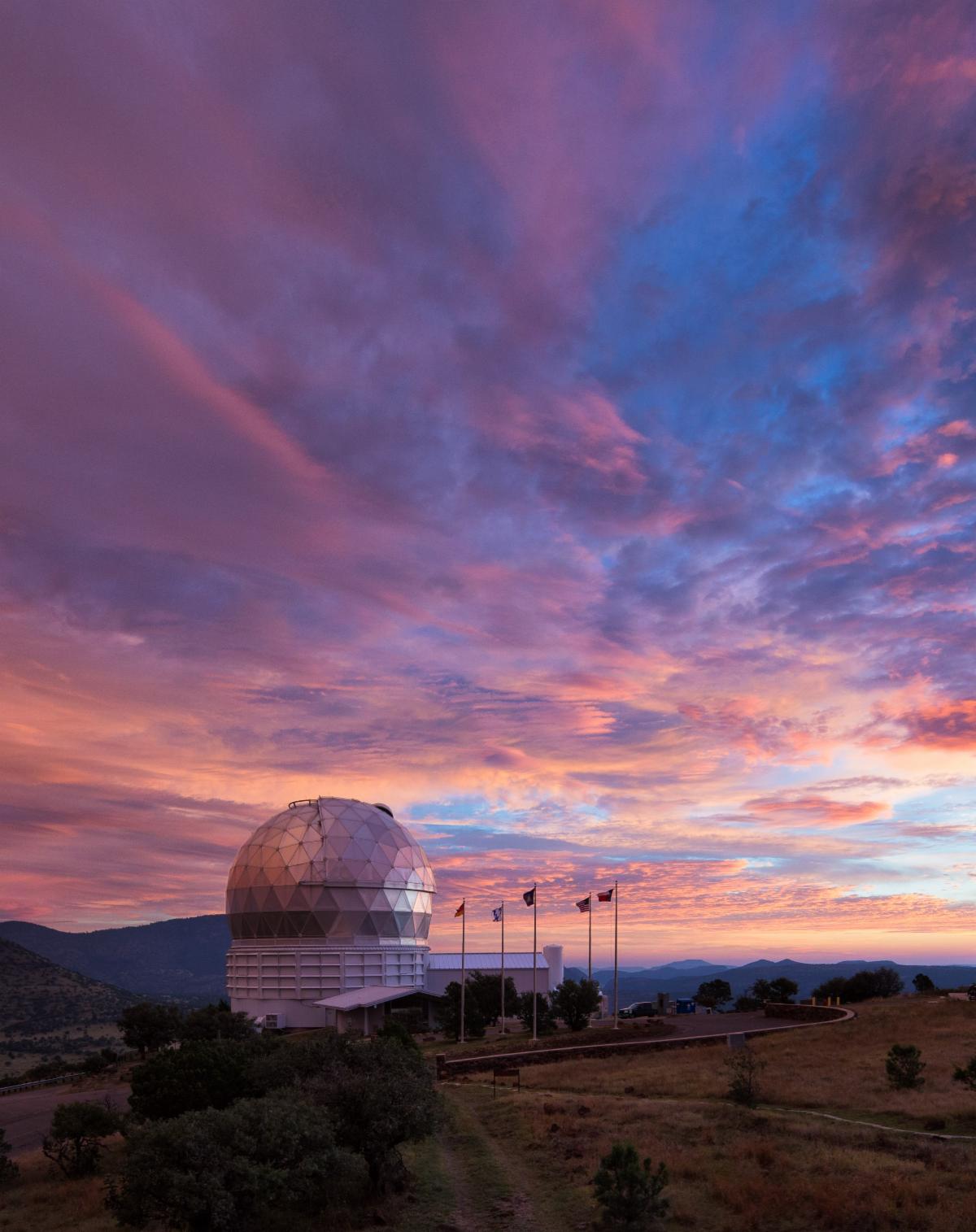
McDonald Observatory is a popular destination for Spring Breakers across the country. To serve as many visitors as possible, we will offer an altered schedule of modified programming from March 8-22. This includes extra Star Parties.


As a reminder, we are closed to the public on Sundays and Mondays. We hope to see you soon.

Plan Your Visit

A Franklin Mountain Energy oil and gas site after implementing night sky friendly lighting. Credit: Stephen Hummel, McDonald Observatory

McDonald Observatory Helps Preserve New Mexico Night Sky


Protecting the night sky is a collaborative endeavor - one McDonald Observatory has helped lead in West Texas since the launch of its Dark Skies Initiative in 2010. Now, oil and gas facilities in nearby New Mexico are joining the effort, with help from a new set of lighting guidelines tailored to their industry and inspired by similar guidelines created by McDonald and TXOGA for the state of Texas.


“Light doesn’t stop traveling when it hits the state line,” said Stephen Hummel, McDonald Observatory’s Dark Skies Initiative coordinator. “We are excited that our neighbors to the north are committed to helping preserve the night sky."

Read More

The Milky Way over Mount Locke. Credit: Stephen Hummel, McDonald Observatory.

Dark Skies Festival Returns to West Texas April 21-26


Join us in celebrating far West Texas’s famous dark skies with special talks, tours, Star Parties, and more! Events will be held at McDonald Observatory and locations throughout Alpine, Marfa, and surrounding communities.


Stay tuned for more details, coming soon. In the meantime, mark your calendar for this popular, annual event.

Join Us

February

Skywatching


February nights offer some of the most beautiful skyscapes of the year. Orion is in the south at nightfall, with Sirius, the brightest star in the night sky, twinkling fiercely below it.


The stars of spring slide into better view later in the month. Venus shines highest and brightest for its current Evening-Star appearance, while slightly fainter Jupiter is in view almost all night.

More Tips

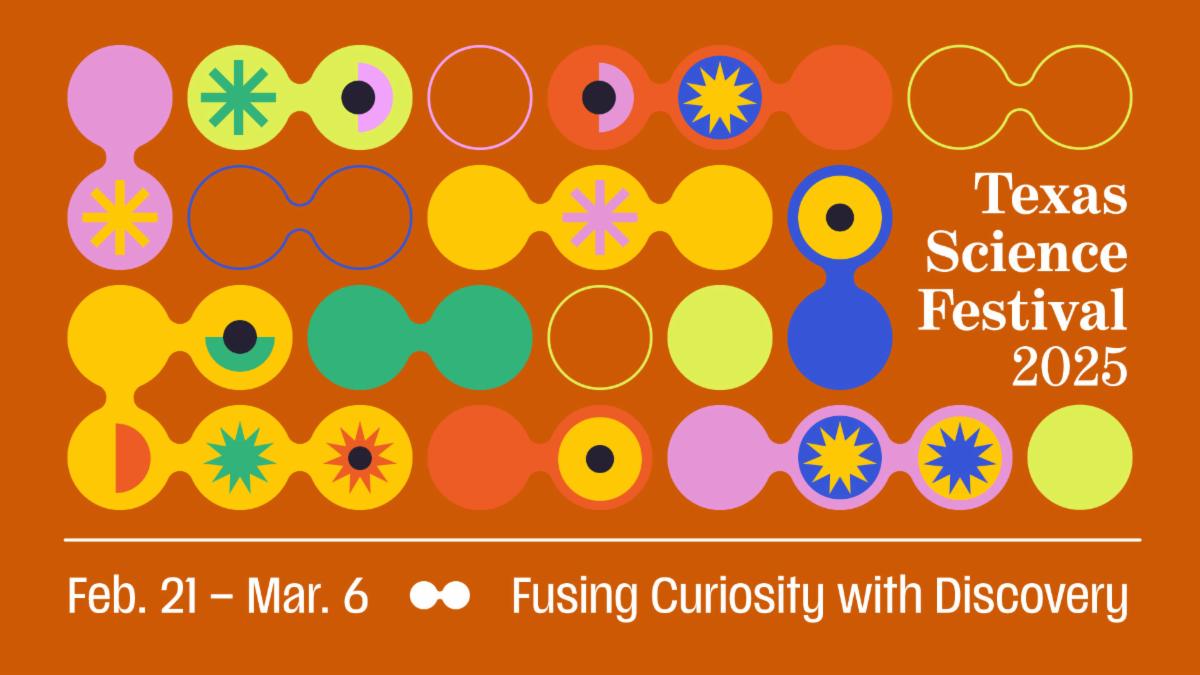
Texas Science Festival Takes Place February 21-March 3


Connect with the latest discoveries and phenomena shaping our world! The Texas Science Festival offers opportunities to explore demos, take tours, meet leading scientists, and learn more about the natural world. Brought to you by the The University of Texas at Austin, the festival offers 11 days of STEAM-related live events in Austin.


Interested in astronomy? Check these out:


2/24: Unlocking Mysteries of Space: Astronomy’s Biggest Discoveries

*

2/26: Mars Livestream with McDonald Observatory and NASA

*

2/27: Cataclysms to Cosmos: Supernovae, the Universe & Extreme Physics

*

3/1: Black Holes: The Edge of All We Know

*

3/1: The Evolution of Planetary Systems Across Time and Space


A full schedule is available at the festival's website. The majority of events are free and open to the public; some offer virtual attendance. Check each for specific details.

Learn More

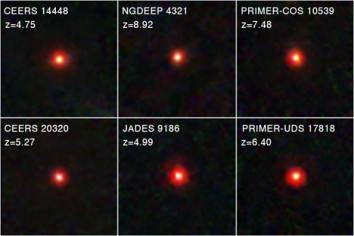
"Little Red Dots." Credit: NASA, ESA, CSA, STScI, Dale Kocevski (Colby College).

Newfound Galaxy Class May Indicate Early Black Hole Growth


In December 2022, NASA’s James Webb Space Telescope revealed something never seen before: numerous red objects that appear small on the sky, which scientists soon called “little red dots” (LRDs). Though these dots are quite abundant, researchers are perplexed by their nature, the reason for their unique colors, and what they convey about the early universe.


Recently, a team of astronomers, including several from The University of Texas at Austin, found a large fraction of a sample of these LRDs showed signs of containing growing supermassive black holes!

Learn More


Make a gift to support our education and outreach efforts.


Facebook  Twitter  Instagram  Youtube