These Boots Were Made for Brushing
Tips for preventing the spread of invasive plants from IAE's own Tyler Roberts, adventures in conservation research with the U.S. Forest Service, job opportunities at IAE, and more!
|
|
Our vision is a world where all people and wildlands are healthy and interact positively, biological diversity flourishes, and environmental challenges are met with a social commitment to solving problems with scientific principles. |
|
"We must be free not because we claim freedom, but because we practice it." - William Faulkner |
|
These Boots Were Made for Brushing |
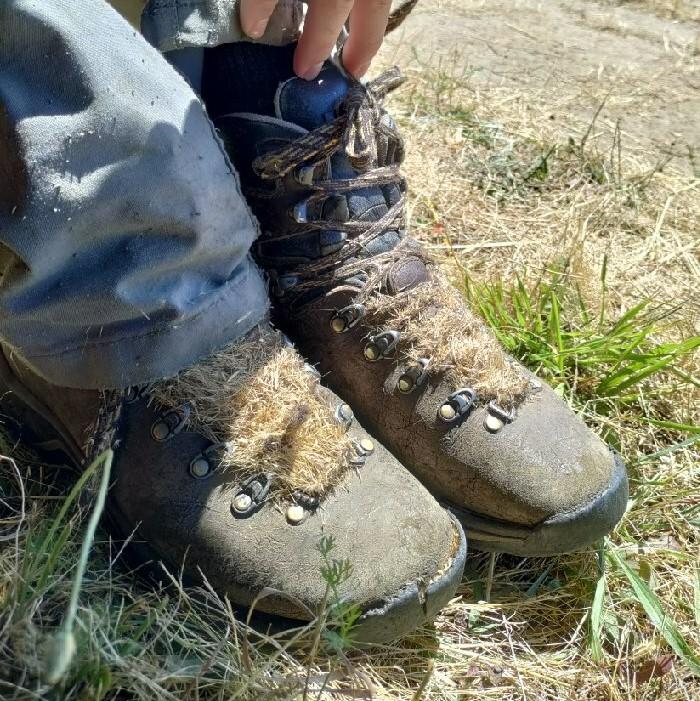
It’s 2020 and you’ve just found out that there is a pandemic sweeping across the world. Everyone has been advised to stay six feet apart and avoid gathering. If you are anything like me, you probably chose to hunker down and not leave your house. But after a few months of perfecting my baking skills and pacing back and forth around my house, I needed a change of scenery to keep my sanity. The great outdoors became a refugia and I left my house to bike, run, hike, camp and more.
|
|
|
New Alpine Populations of Pumice Moonwort Discovered |
By Cierra Dawson, IAE Intern
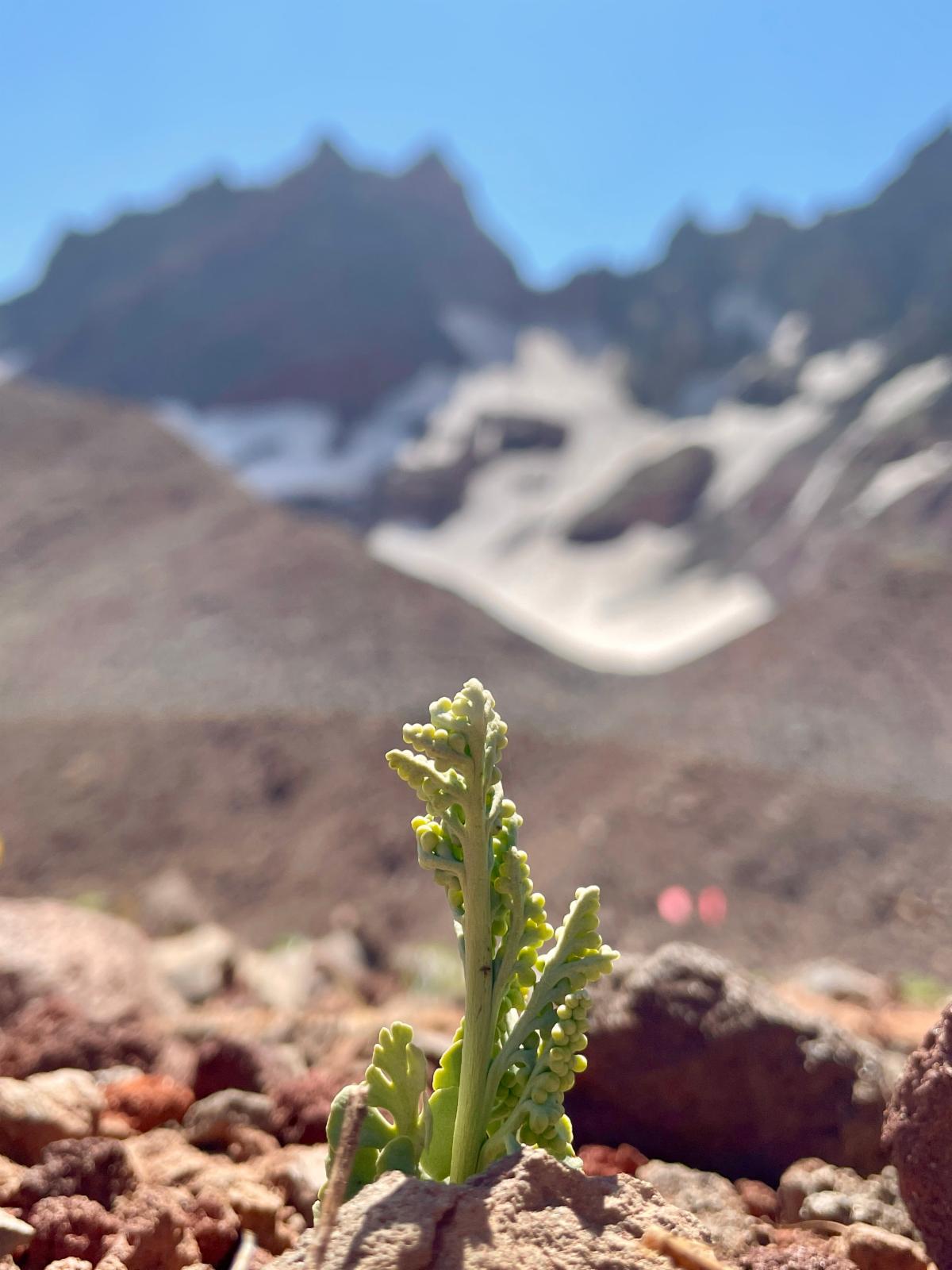
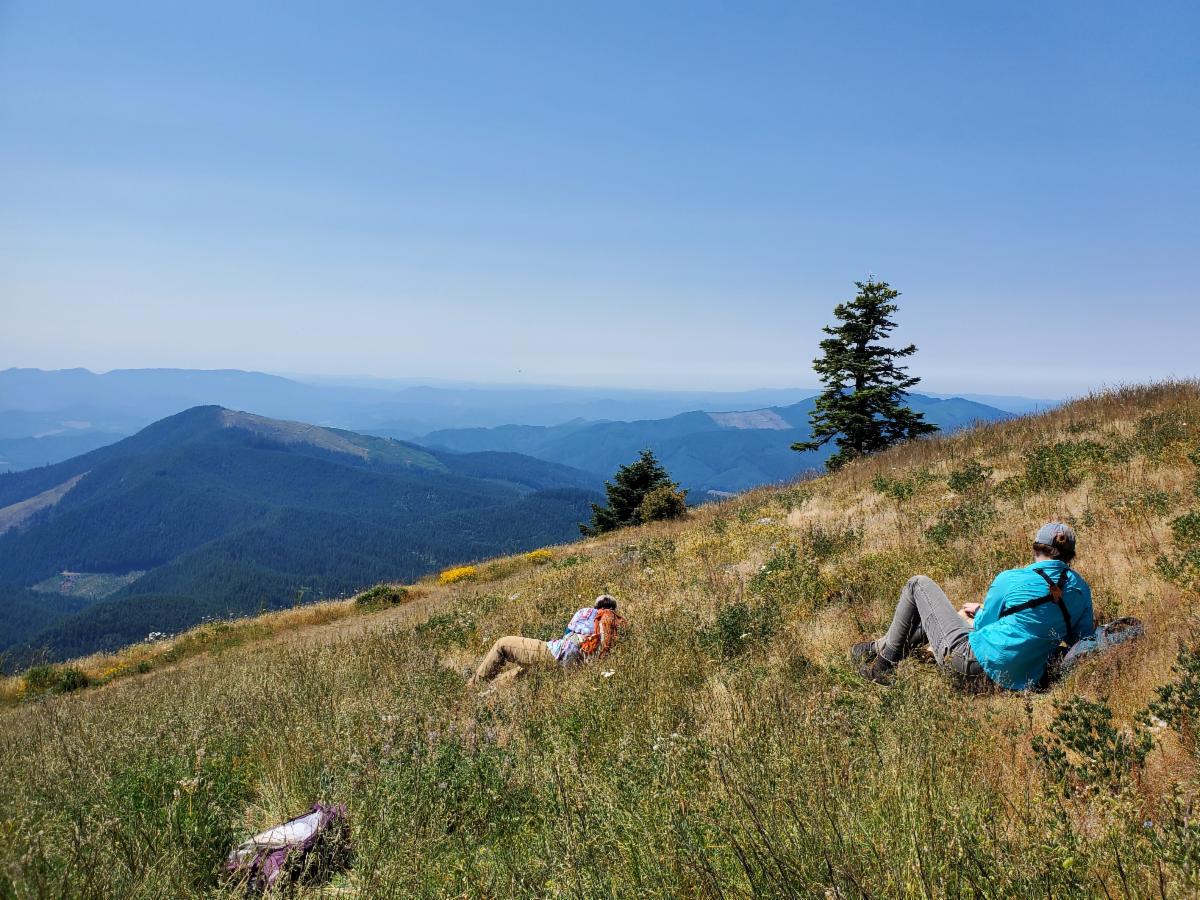
Imagine summiting a mountain at over 8,000 feet in elevation. Looking out from the ridge, you see Mt. Bachelor standing bold and bright against the early afternoon sun. South Sister Mountain looms behind you, and just before you lies the brilliant blue hues of No Name Lake, Oregon. This is where the Conservation Research crew found themselves for an exciting field day this past August.
|
|
|
Peeling Back Layers of Conservation in New Mexico |
By Emile Sow, IAE Summer Intern
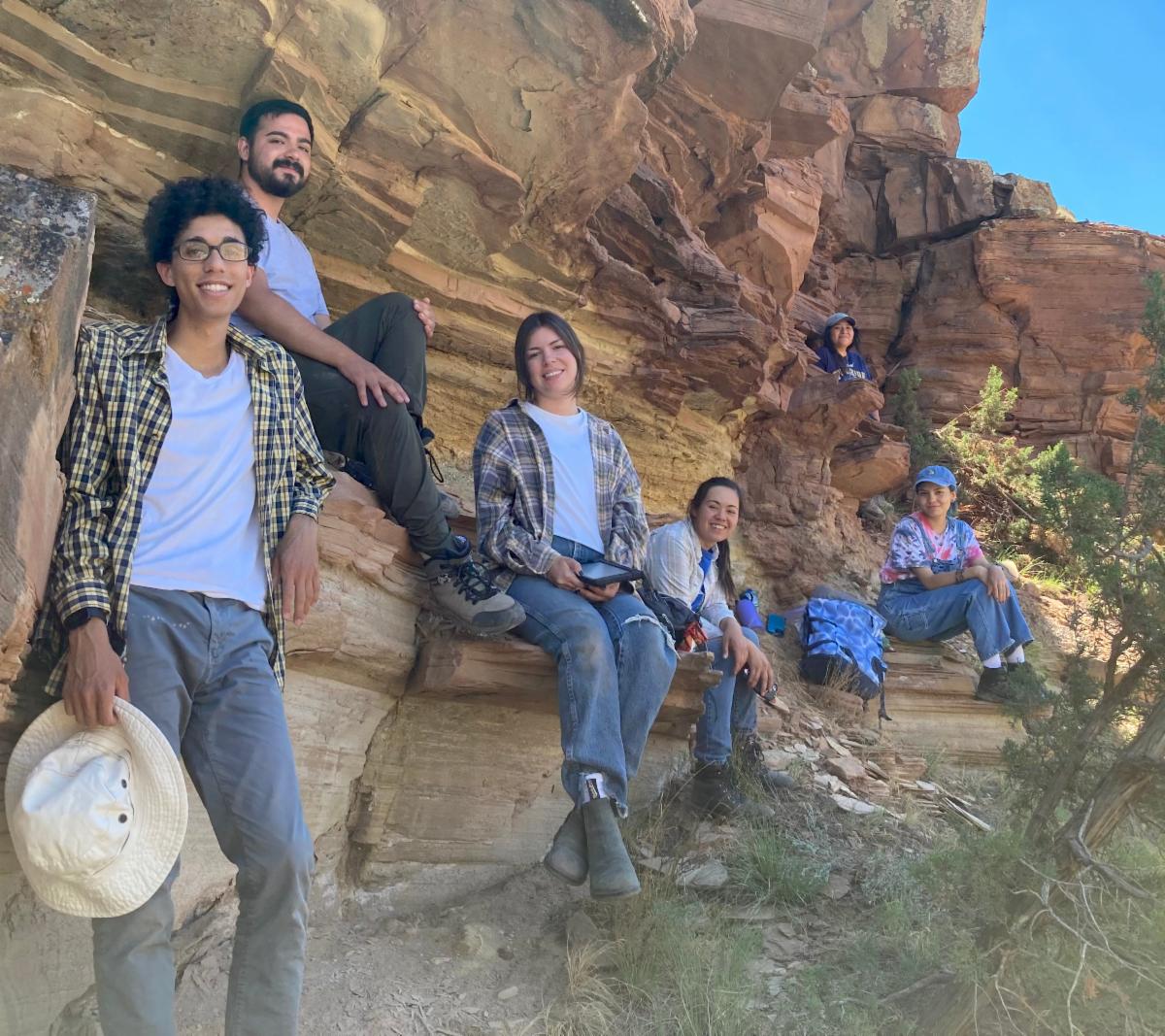
My summer with the Southwest Office of the Institute for Applied Ecology (IAE) felt almost like I was scuba diving, but instead of sinking into water I was discovering the layers of conservation in New Mexico. I came to this internship from the Metcalf Program at the University of Chicago, an institution where I learned so much, but where my exposure to environmental science had been mostly academic and one-dimensional.
|
|
|
The Length of a Lemma: Wild Seed Collection in Western Oregon |
By Emily Hayden and Sophie Linden
Seed collection can’t be captured in a month, moreover a season. Before and after a harvest is a long strand of thoughtful coordination meetings to develop target species lists, the actual on-the-ground scouting, and the detailed assessment of a population in its environment. It includes the plant rust you didn’t expect, the asynchronous fruiting from late season rains, the click of clickers, the puzzling thryses (flower clusters), and the length of a lemma.
|
|
|
Announcements & Brief Updates |
|
The New Mexico Meadow Jumping Mouse is an endangered species that lives along perennial streams in the mountains of Arizona, New Mexico, and Colorado.
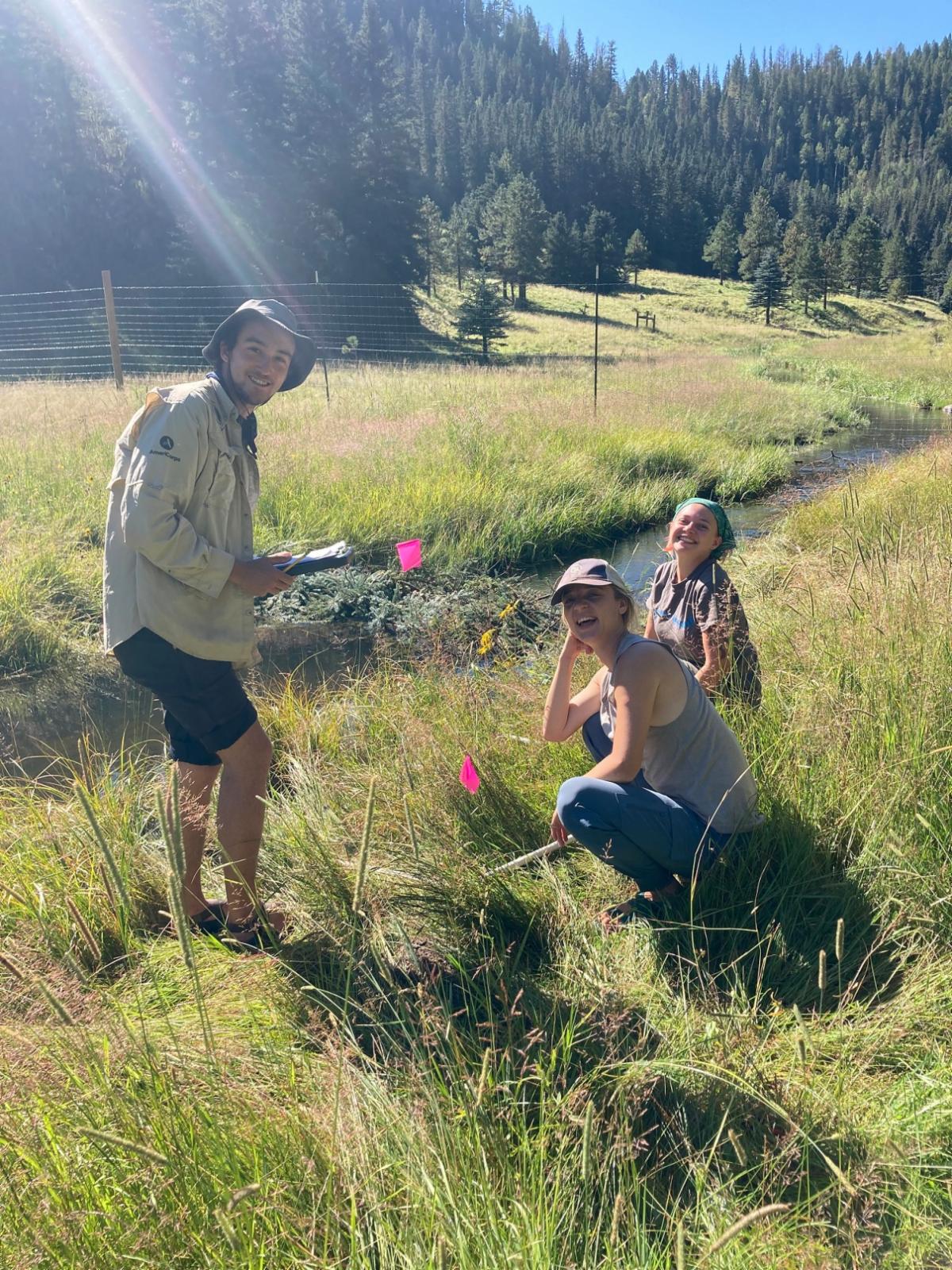
The Southwest team is working with the Santa Fe National Forest to restore plant communities for the jumping mouse in the Jemez Mountains.
The mouse eats seeds and uses plants for nest materials and shelter from predators. We recently completed baseline monitoring and seed collection—all ready for planting in 2023!
|
|
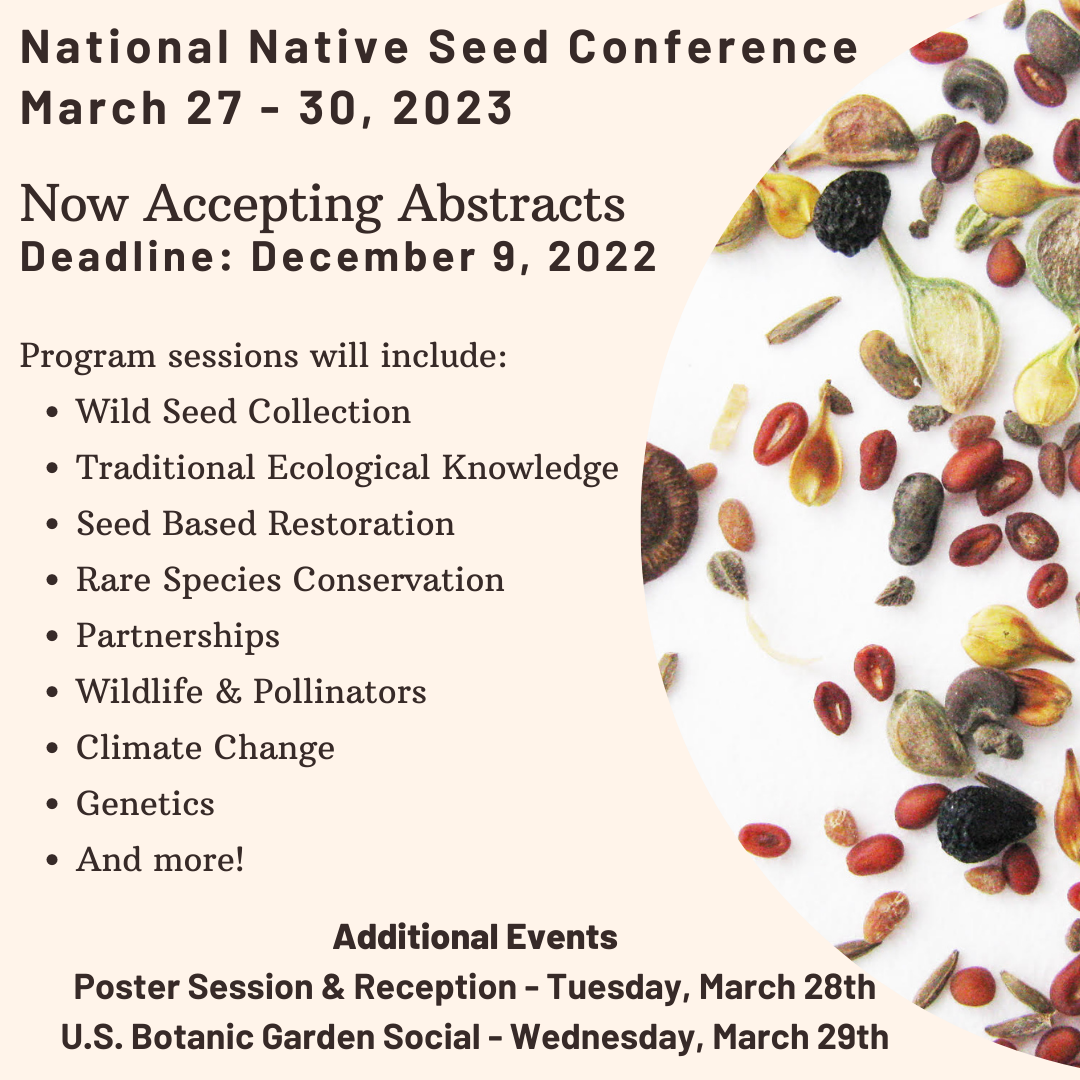
The National Native Seed Conference connects Research, Industry, Land Management, and Restoration professionals, providing the premier opportunity to develop relationships and share information about the collection, research and development, production, and use of native plant materials.
The program committee is accepting abstracts through December 9th, 2022—the abstract deadline is approaching soon. The conference will offer workshops, symposia, concurrent sessions, a poster session, and a social at the U.S. Botanic Garden. For more information, please visit our website.
|
|
Habitat Restoration Update |
|
Welcoming 'Red 8'
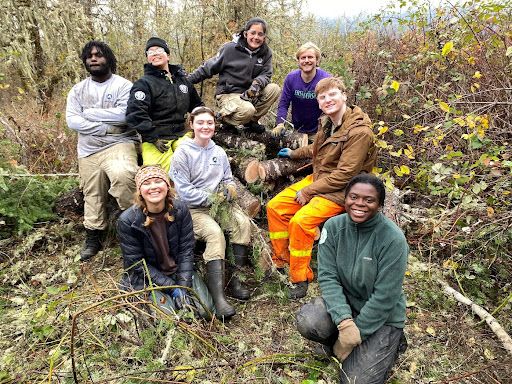
In November IAE welcomed Red 8, a nine-person AmeriCorps team that will work with IAE for seven weeks. Oregon welcomed Red 8 with a week of constant rain and cold conditions, but they pushed through with positive attitudes and have been nothing less than stellar! Thus far, the team has planted over 12,000 plugs of the endangered Willamette daisy across six sites. Thank you Red 8!
|
|
These plugs were raised on the IAE farm through funding provided by the US Fish and Wildlife Service (USFWS) and the Oregon Watershed Enhancement Board, who are supporting our efforts to improve habitat and increase the abundance and distribution of the endangered Willamette daisy (Erigeron decumbens). IAE would like to thank all the project partners and volunteers through the USFWS, Greenbelt Land Trust, Confederated Tribes of Grand Ronde, and Yamhill Soil and Water Conservation District for their generous help and support in getting these plants on the ground!
|
|
Improving Seeding Rates for the Willamette Daisy
A critical component to achieving project goals is determining an appropriate and realistic seeding rate for Willamette daisy.
This is trickier than it sounds because there is limited seed available, Willamette daisy seed is incredibly small (approximately 4 million seeds per pound) and figuring out a method that gives us enough control to evenly spread seed across 10x10 meter plots was challenging.
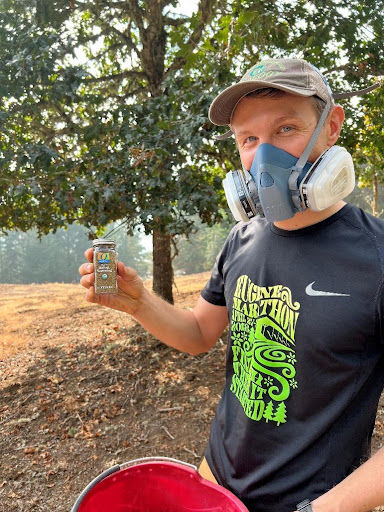
After a bit of trial-and-error, Restoration Ecologist’s Tyler Roberts and Paul Reed discovered that an Italian seasoning shaker gave them the best control for distributing different rates of seed. Sometimes the best solution is hidden in your pantry! This data will be used in the coming years when we begin to sow Willamette daisy across the Willamette Valley.
Wetland Survey Update
In other news this fall, the RSTN team surveyed over 1,000 acres over two weeks in the Smith-Bybee wetland. A tidal wetland in downtown Portland, Smith-Bybee has become infested with floating primrose willow, an aggressive aquatic invasive species.
|
|
Ecological Education Update |
|
End of Year Reflections
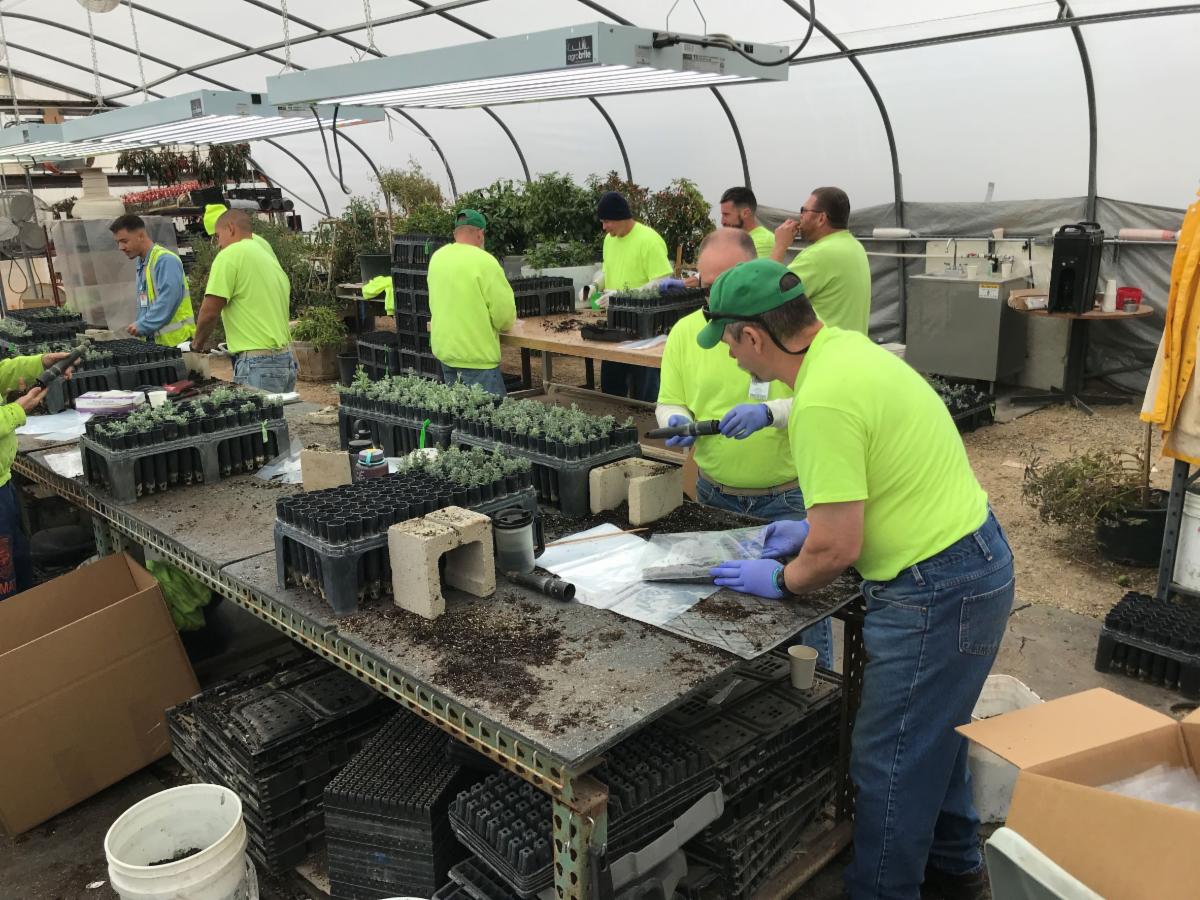
November brings an end to the nine-month cycle of cultivating sagebrush with Adults in Custody (AICs) in the eleven prisons where IAE’s Ecological Education team members work.
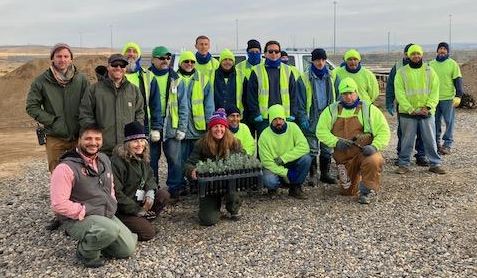
We begin packing up the plant in October – boxes and boxes to be picked up by the various BLM offices who have requested the plant for restoration of sagebrush steppe habitat.
This threatened habitat is now only half of its historic range and yet it is a life giving force for hundreds of species, not to mention a cultural touchstone for life in the American West. Boxes will be carried into areas designated for restoration – often replacing sagebrush impacted by wildfire.
The unsung heroes of this story are self-selected; sagebrush crew members incarcerated in Idaho,
Nevada, Wyoming, California, and Oregon.
As the year unfolds, crew members take part in ecologically-based education, including horticultural knowledge and presentations by partners on the significance of the work they do. Along the way, crew members develop important positive life skills like teamwork, accountability, and working for the betterment of others.
|
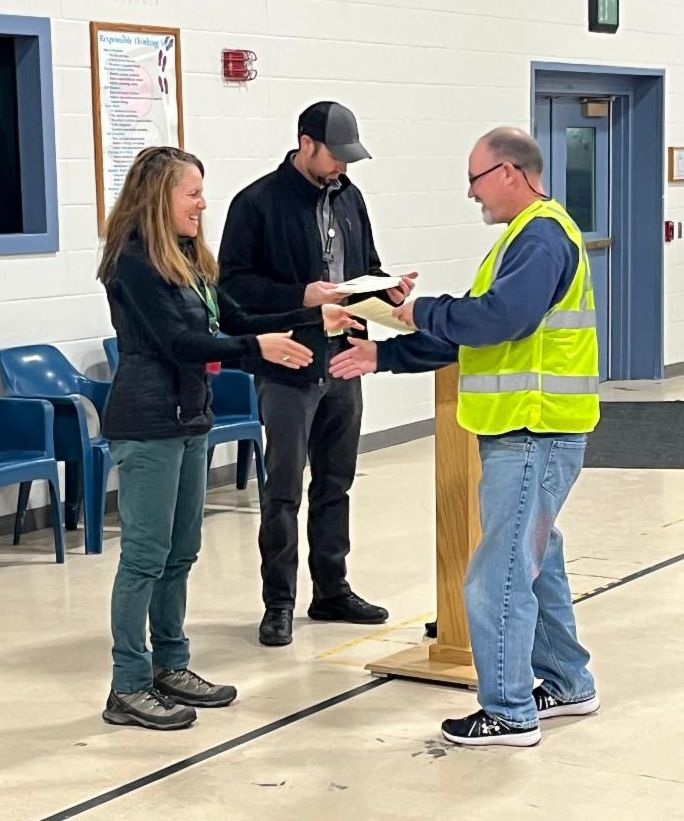
Season end brings joy and hope for crew members and IAE staff alike. AICs participate in ceremonies that are appreciative events providing certificates celebrating the knowledge, skills and abilities that have been acquired over the season.
In Idaho and Oregon, this work falls to Alyson Singer, new to the position this season. She works with incarcerated adults in Idaho’s State Correctional Institute, the South Boise Women’s Correctional Center and in Oregon’s Snake River Correctional Institute.
|
|
Restoration and rehabilitation impacts of sagebrush for Adults in Custody (AICs), in their own words:
“This program was a Godsend to me — I absolutely enjoyed every part of this project. It gave me a sense of purpose and direction and hope for the future. I learned that I am still valuable and capable. That I can lead and inspire others and still make a difference, even while in prison.”
|
. . .
“…the smells brought me to my home in New Mexico.”
. . .
“The program meant a lot to me, for once in a long time, I could go to bed feeling like I had accomplished something useful. It surprised me how well I was treated; I am used to being treated with distrust and as lower than, but Alyson and Nancy (IAE contractor) treated all of us as equals. I wanted to give a BIG thank you to Alyson and Nancy for all their work, treats they
gave us and the common courtesy.”
. . .
“Helped me remember how much I love nature.”
. . .
“Helps you think about how you are going to be a better person.”
|
|
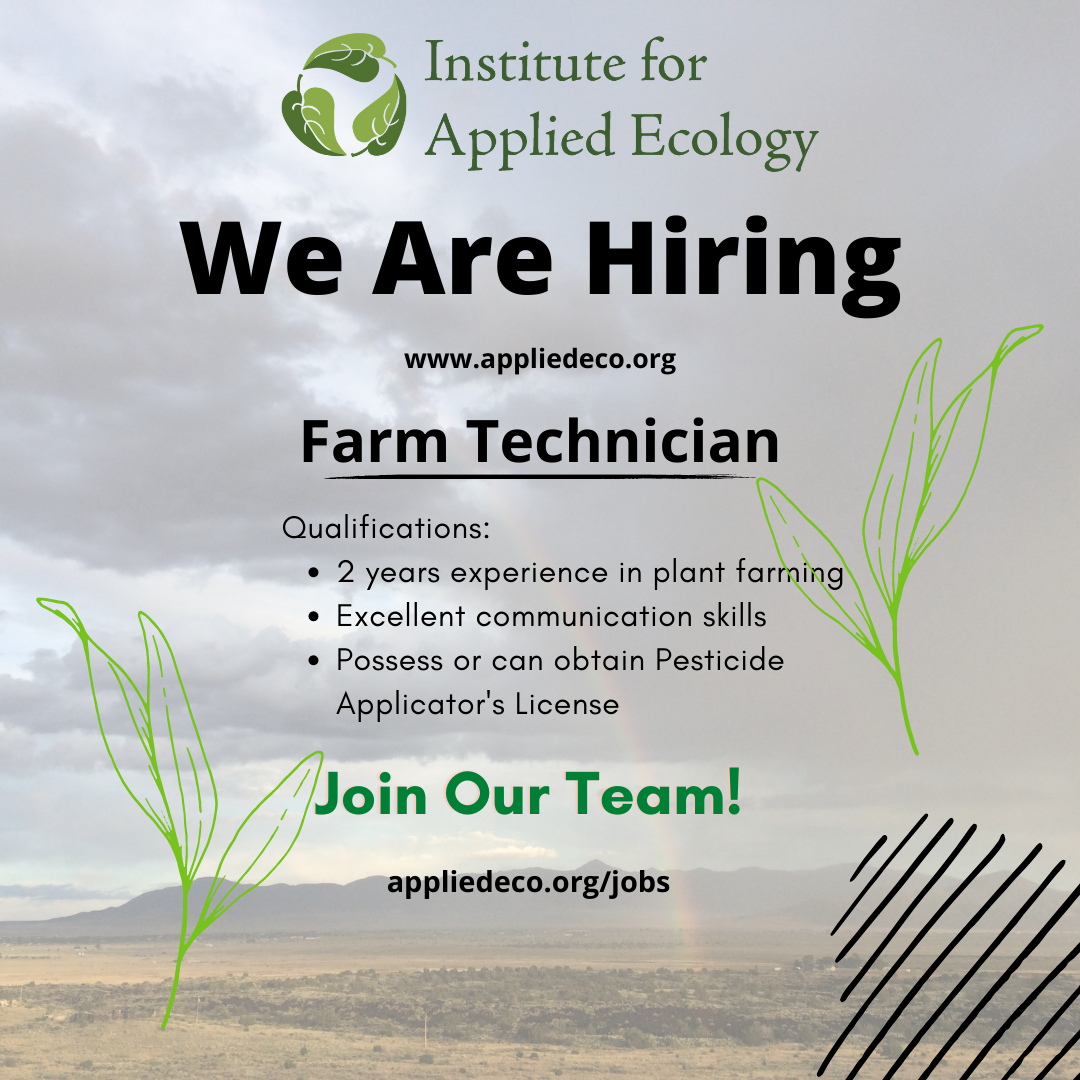
We’re growing our team! We’re hiring an Accountant I and a Farm Technician II. Full job descriptions and application details in the links below:
|
|
Volunteer, Become an IAE Member!
|
|
Thank you to recent IAE Business Sponsors!
If you'd like to show your business's support for our work, please get in touch:
|
|
IAE Board of Directors:
Ken Bierly, President; Brandy Humphreys, Vice President; Cary Stephens, Secretary; Jack Halsey, Treasurer; Jason Bradford, Anne Bradley, Shinji Kawai, Judy Li, John Savage, Carol Savonen, Sunia Yang
|
|
|
|
|
|
|