Faulkner County Agriculture Update

July 25, 2025


General Conditions

Weather


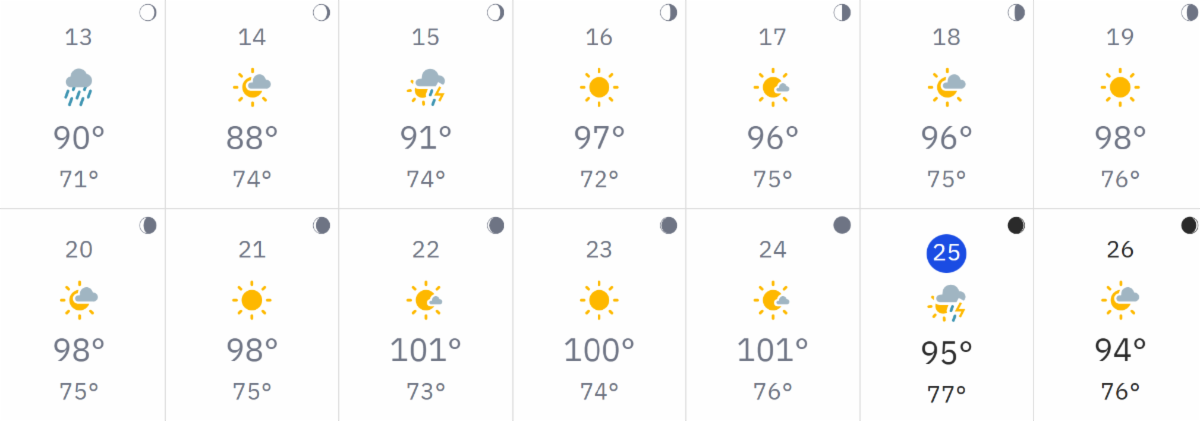
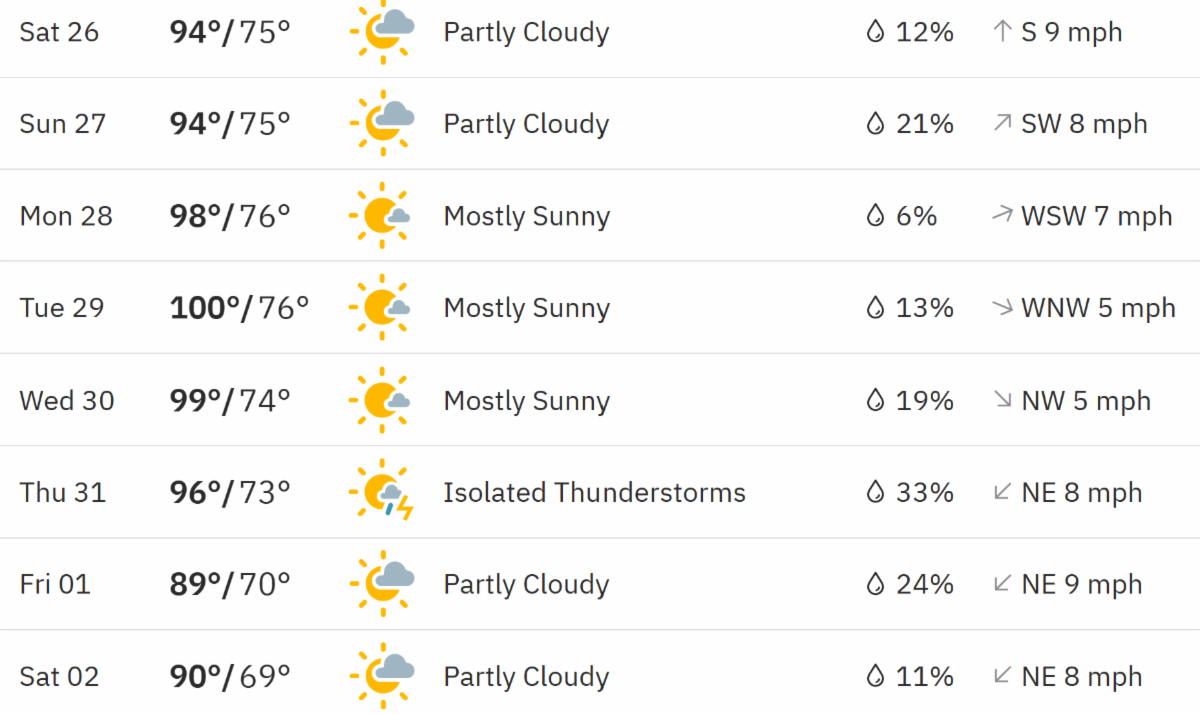
It has been one hot and dry week. We saw our first 100 degree days this week. We have some rain chances in the forecast today and next week. Looks like it will be mostly spotty afternoon showers.

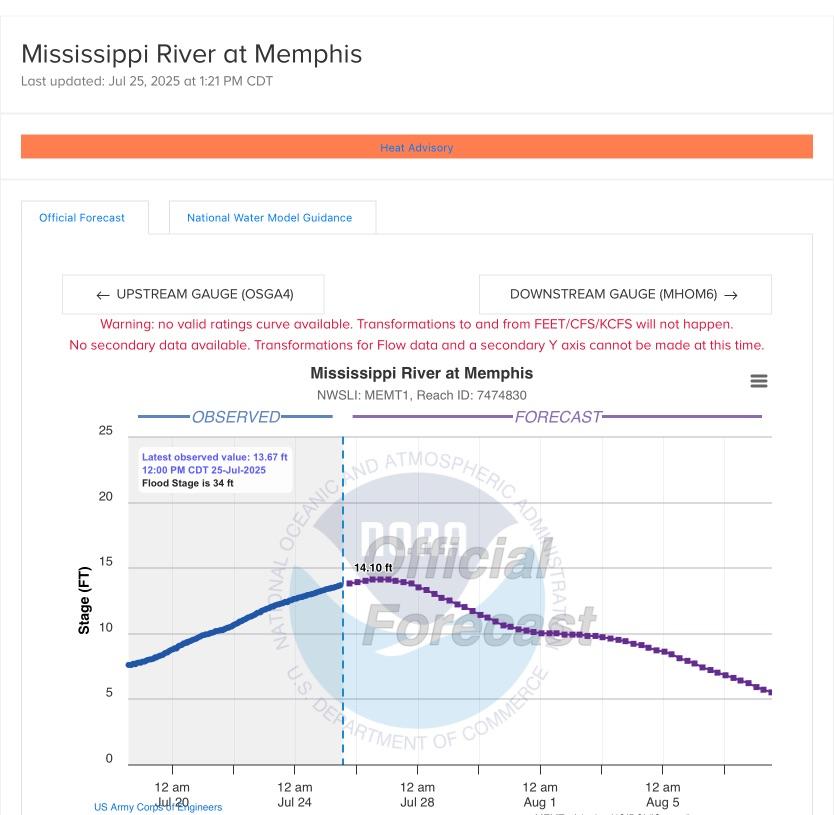
Arkansas and Mississippi River

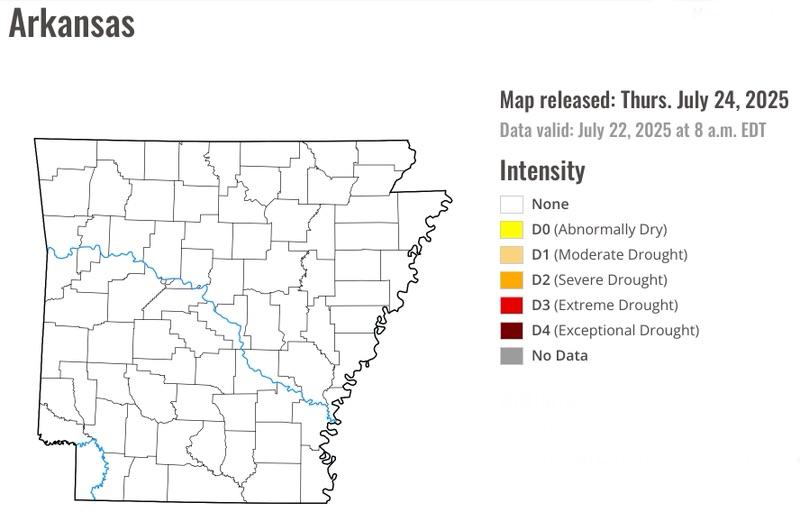
Drought Monitor

Row Crop

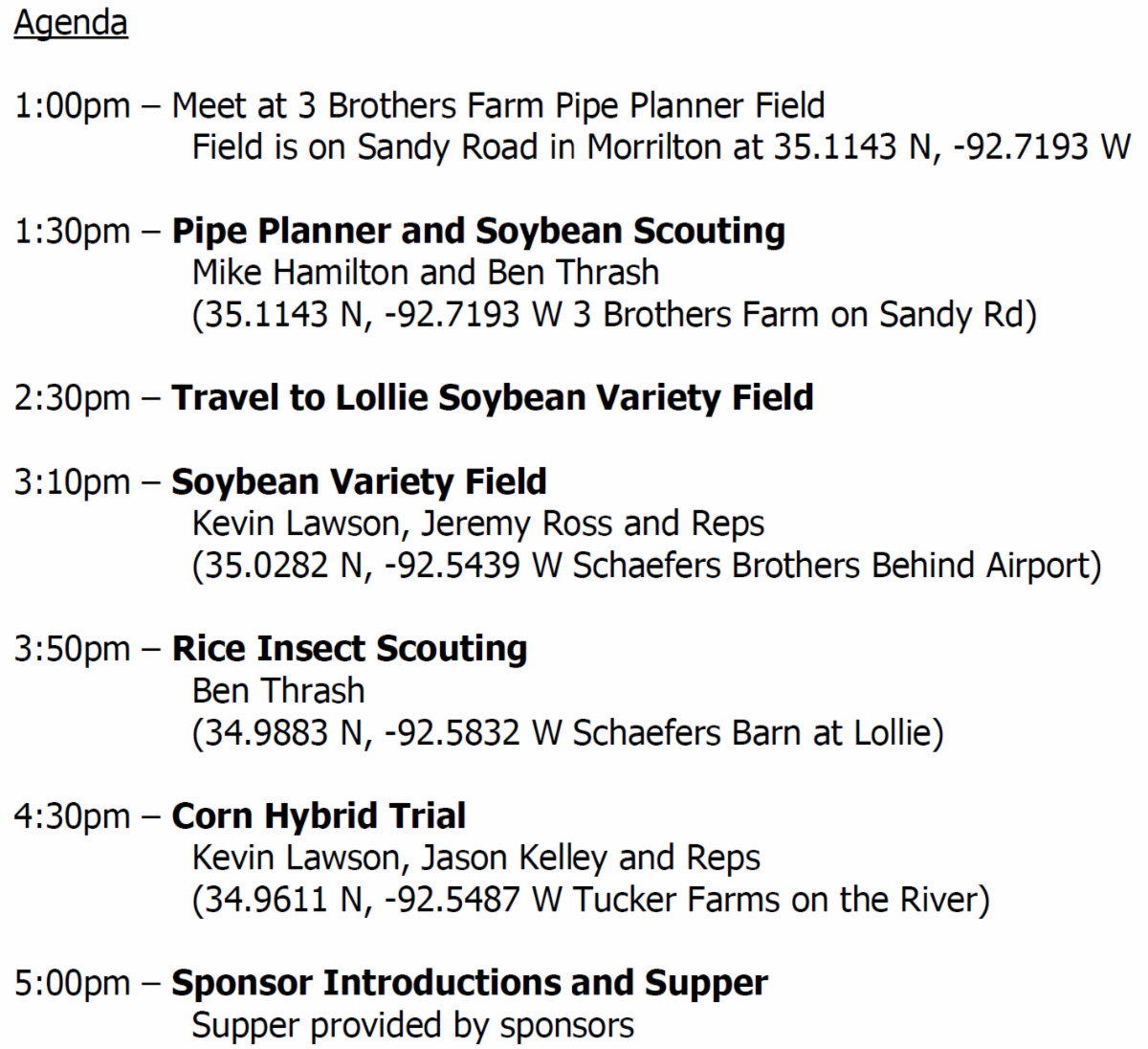
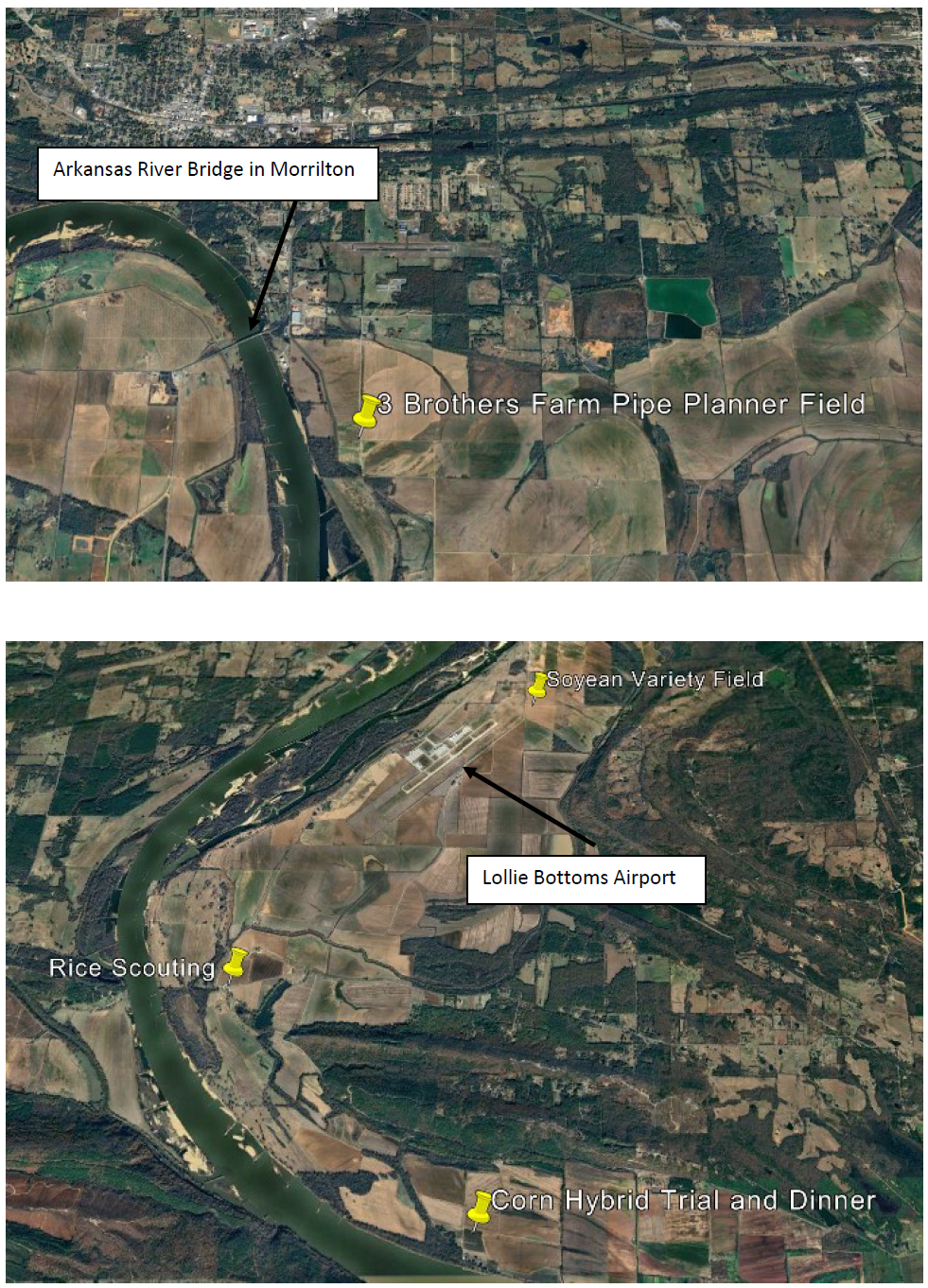
Scouting School and Row Crop Tour


The River Valley Row Crop Tour and Scouting School will be next Thursday July 31 starting in Morrilton at 3 Brothers Farm soybean field on Sandy Road. If anyone has any questions feel free to get ahold of me or Kevin VanPelt.

Corn


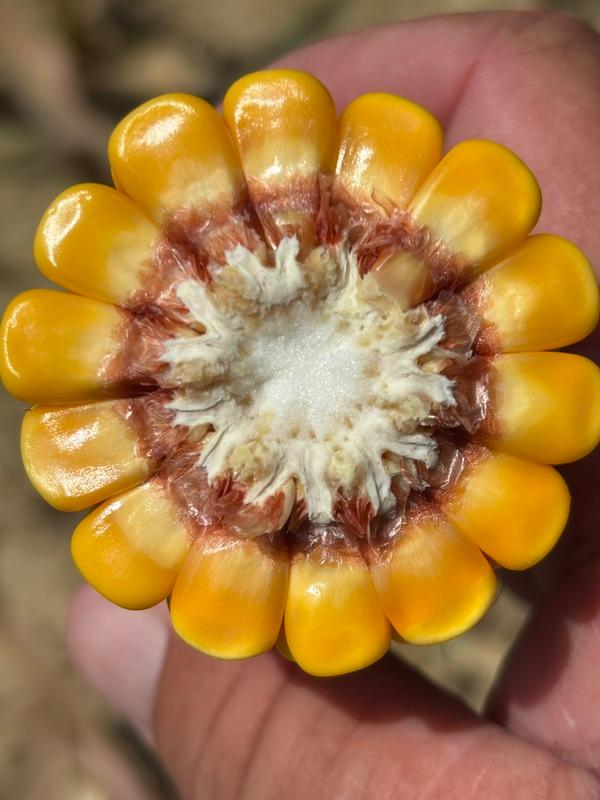
Corn is getting close to being done for the year. Corn that was planted early should be done with irrigation. Fields planted around April 15 are almost there. They are around 50% starch movement which means row water fields need one more irrigation and they should be done. With pivots we need to go to 75% starch movement so pivots need to keep going.


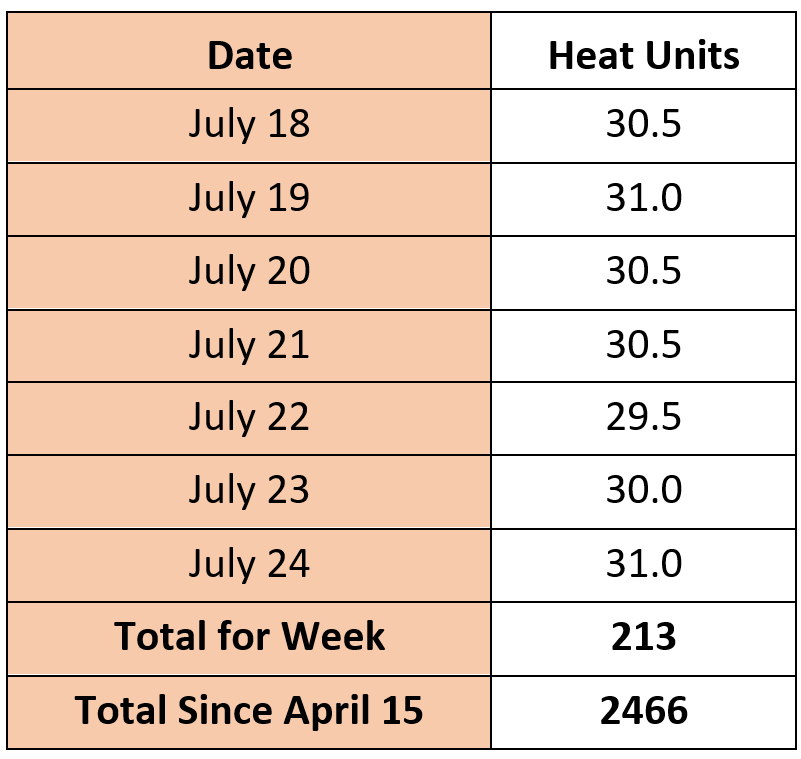
We accumulated 213 heat units this week for a total of 2466 for corn planted on April 15. That should put that corn at R5.5. If we keep up with 200 heat unit weeks we should be at R6 in a couple of weeks.

Rice


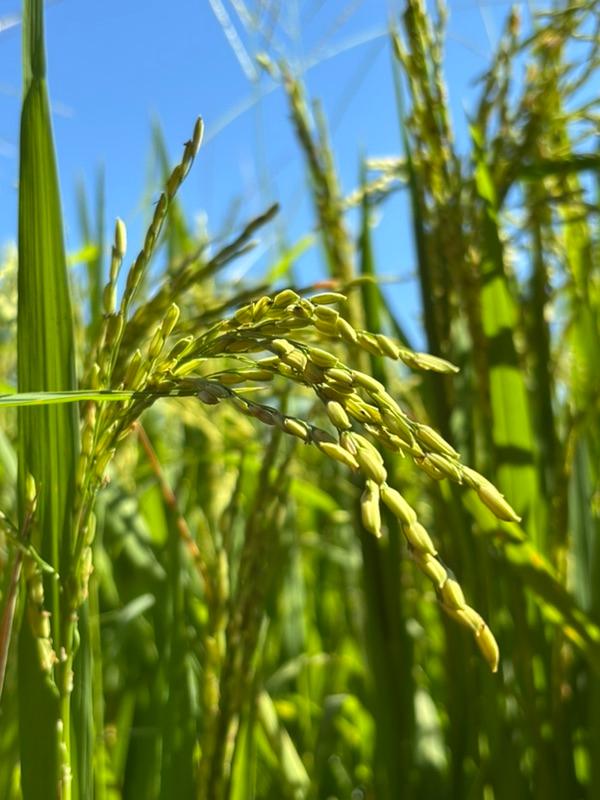
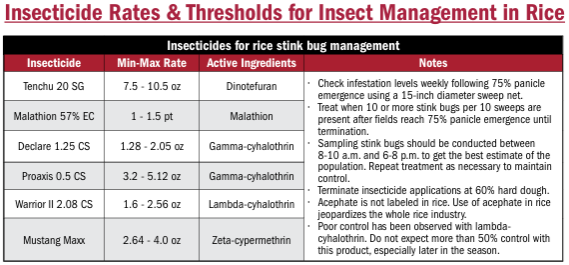
Rice fields are starting to head across the county and we continue to see high stink bug numbers. I have heard some numbers as high as 30 per 10 sweeps.


Continue to look out for armyworms around the edge of fields. They are out there and you never know when they are going to show up on rice plants.


Make sure you have plenty of water for your fields right now. This is peak water usage time for rice so paddies can go dry fast if you aren't careful.

Here is Dr. Jarrod Hardke's latest Arkansas Rice Update.

Soybeans


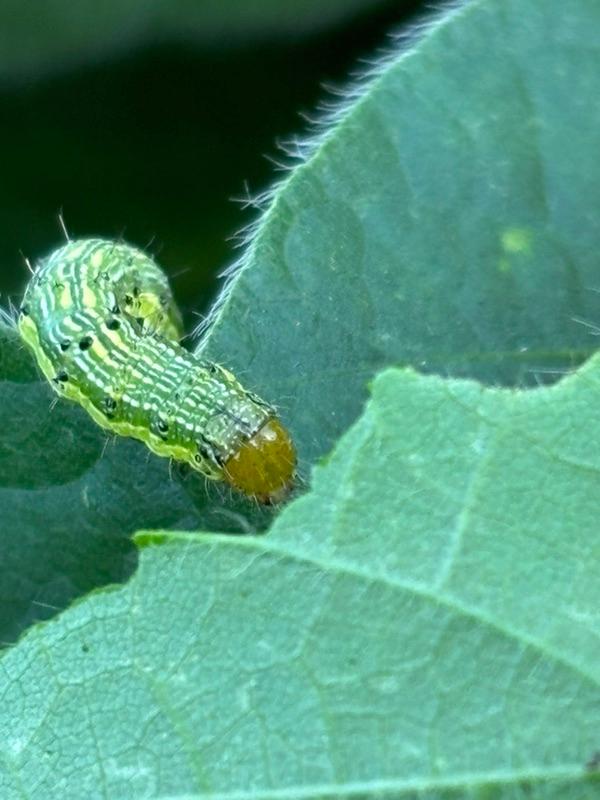
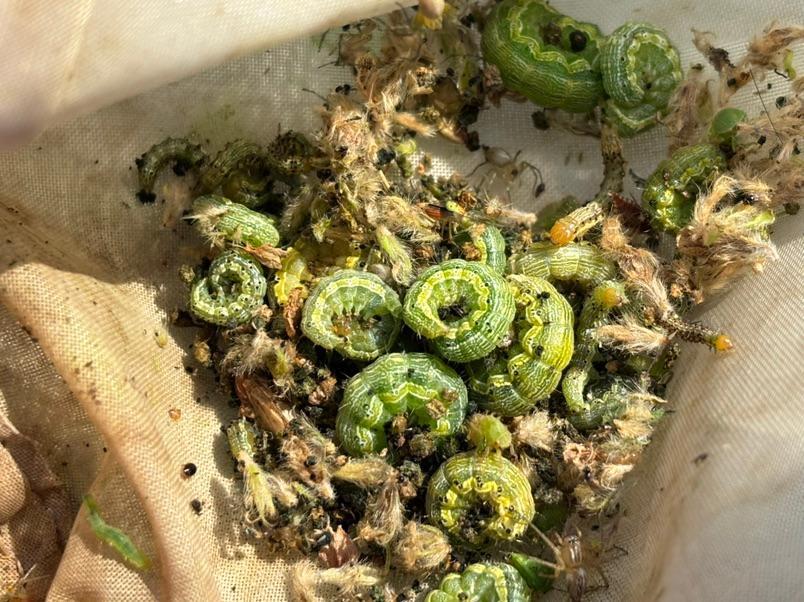
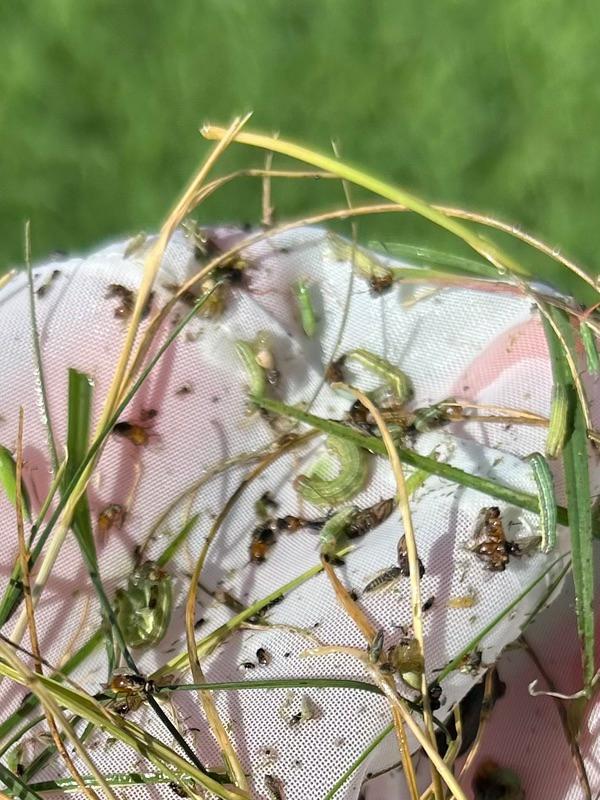
What a difference a week makes. Corn earworms and garden webworms have attacked soybeans with a vengeance! Most of the soybeans they seem to be going to are smaller beans that are just now starting to flower. I was finding up to 20 worms in 25 sweeps in several fields. We have several options for control.


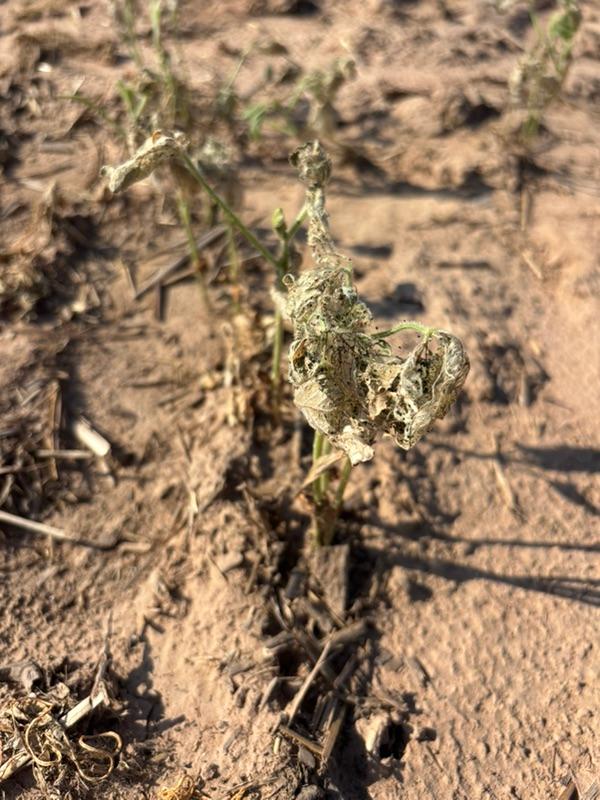
There have been a few fields were I am seeing garden webworm around the edges of fields and in sandy areas. They are really devastating some of our smaller soybeans. Webworms will make the soybeans look white and you will see the web on the leaves. These worms are easy to control with Lambda Cy.


If we have bigger corn earworms and the beans have pods or flowering you can spray something with chlorantraniliprole in it. That could be Vanatcor, Shenzi or Besiege. If you can find the generics that might save some money.


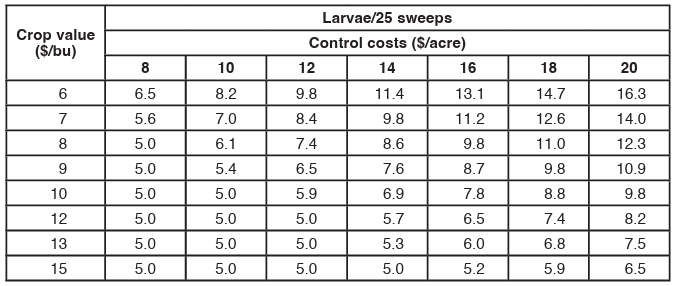
For smaller beans that haven't flowered yet, and have some small worms in them you could go with Heligen. The following publication has more information on when to spray Heligen.

Garden Webworm damage

Corn earworms after 25 sweeps

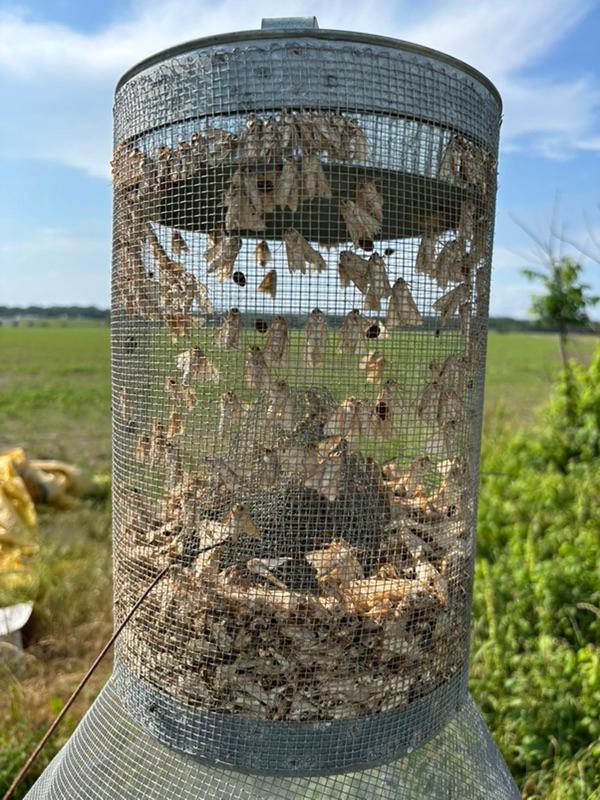
Corn Earworm Moth Traps


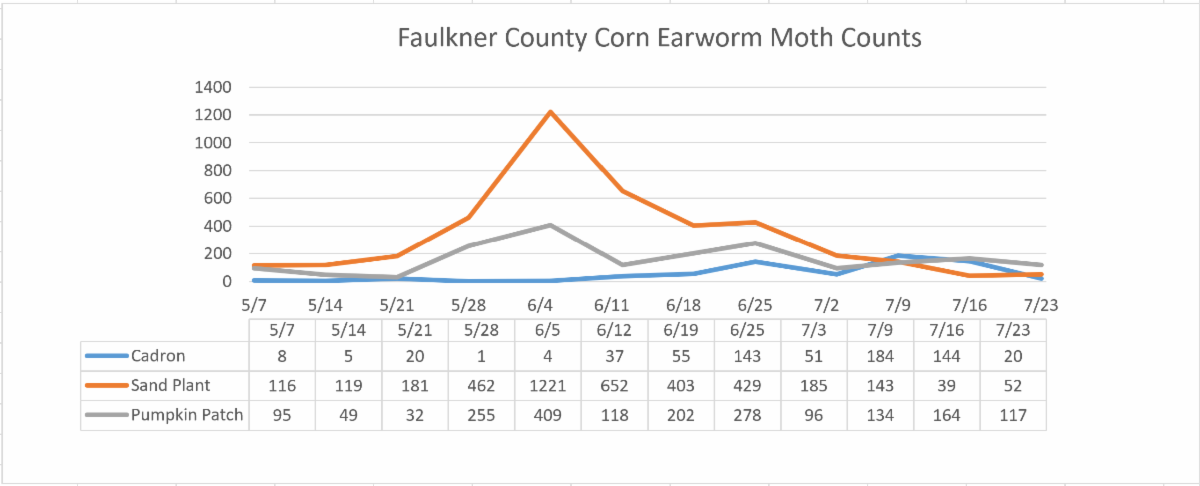
This week was the lowest we have seen moth counts. The good news is maybe we will see a break in a couple of weeks with the worms that are in the soybeans.


Cadron - 20 moths

Sand Plant - 52 moths

Pumpkin Patch - 117 moths

July WASDE: Heavy Stocks Keep Pressure on 2025 Price Outlook

Mr. Scott Stiles, Program Associate, Agricultural Economics and Agribusiness

Dr. Hunter D. Biram, Assistant Professor and Extension Agricultural Economist, University of Arkansas


The USDA’s July WASDE had little influence on market direction with estimates falling mostly in line with pre-report expectations. Favorable U.S. weather and crop conditions are the dominant drivers of late. At present, industry observers see U.S. yields and production proving larger than USDA’s July estimates. 


A link to USDA’s entire July WASDE report can be found here: July World Agricultural Supply and Demand Estimates (WASDE). Updated planted and harvested acreage figures from the NASS June Acreage are available here: June 30 Acreage report. 


Soybeans:


For soybeans, the July U.S. 2025/26 production estimate was reduced 5 million bushels on lower planted and harvested acreage. USDA's June Acreage report revised planted acreage to 83.4 million acres and harvested acreage to 82.5 million. On a 200,000-acre reduction in harvested area and an unchanged yield forecast of 52.5 bushels per acre, total production is now estimated at 4.335 billion bushels. The 5-million-bushel reduction in crop size was the only change to the 2025/26 supply outlook.


Turning to demand, USDA raised the 2025/26 soybean crush forecast by 50 million bushels to 2.54 billion. The increase was driven by stronger demand for soybean oil for biofuel and incentives like the 45Z tax credit.  Additionally, USDA lowered its estimate for 2025/26 U.S. soybean exports by 70 million to 1.745 billion bushels. The revision reflects increased domestic use of soybeans and increased global export competition from South America.


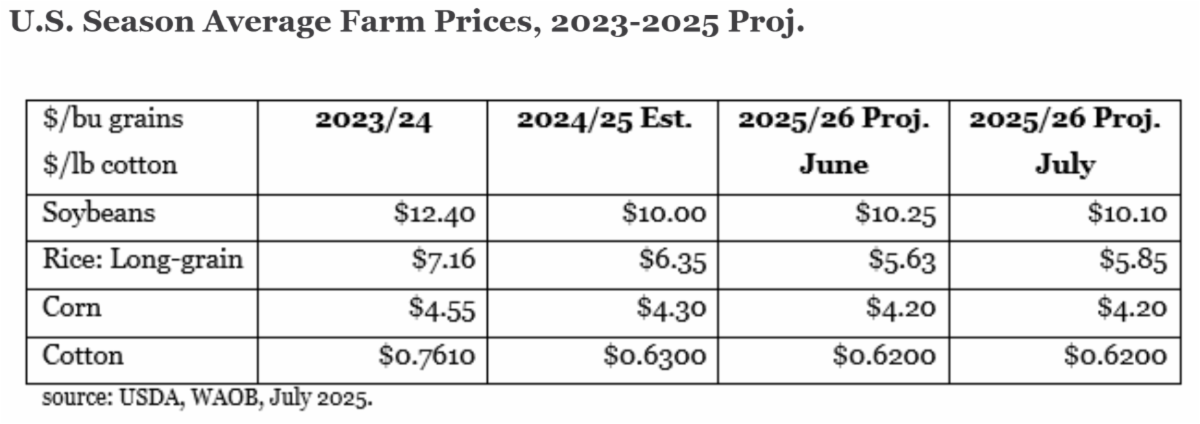
Ending stocks for 2025/2026 are projected at 310 million bushels, compared to 295 million bushels in June and 350 million bushels in 2024/2025. The average farm price for soybeans is now projected at $10.10 per bushel, compared to $10.25 per bushel in last month’s WASDE estimate and $10.00 per bushel last year.

Rice: Long-Grain


The July WASDE included both old and new crop revisions for long-grain rice. As expected, new crop production was lowered significantly following the changes to 2025 planted and harvested acreage in the June 30 Acreage report. There were also some old crop demand revisions that reflect the sluggish pace of rough rice exports in the 2024/25 marketing year. 


In the old crop 2024/25 balance sheet, USDA lowered exports by 1.5 million to 63.5 million cwt. There were no adjustments to old crop domestic use. The 1.5 million cwt. reduction in exports went directly to ending stocks, increasing that total to 36.8 million cwt. The 24/25 season average farm price was lowered by 10 cents to $14.10 per cwt. or $6.35 per bushel.


The 2025/26 new crop balance sheet saw multiple changes. USDA incorporated the June 30 Acreage in their production estimate. This month, U.S. long-grain harvested acres were revised down 210,000 acres to 2.01 million. Production was lowered this month by 6.9 million to 152.8 million cwt. This is down 19.2 million cwt. from last year or about 11%. Some of the production cut was offset by the 1.5 million cwt. increase in beginning stocks this month. 


USDA offset all this month’s production cut with a 6 million cwt. reduction in new crop demand. Domestic use was lowered by 4 million and exports by 2 million. The net result was a .6 million increase in 2025/26 ending stocks to 34.6 million cwt. The projected 2025/26 long-grain season-average farm price was increased by 50 cents per cwt. this month to $13.00/cwt. or $5.85 per bushel. 


Corn:


USDA lowered 2025/26 corn beginning stocks by 25 million bushels to 1.34 billion, reflecting a 100 million bushel increase in old crop exports that was mostly offset by a 75-million-bushel reduction in feed and residual use for 2024/25. Corn production for 2025/26 was reduced 115 million bushels on lower planted and harvested area from the June 30 Acreage report. The U.S. average yield was unchanged this month at 181.0 bushels per acre. Total usage was cut by 50 million bushels on lower feed and residual use. With total supply reduced by 140 million and total use by 50 million, ending stocks were revised 90 million bushels lower this month to 1.66 billion bushels. This is 320 million bushels above the 2024/2025 ending stocks estimate of 1.34 billion bushels. The 2025/26 season-average farm price was unchanged at $4.20 per bushel, down from $4.30 per bushel for the previous marketing year.


Cotton:


The July U.S. cotton balance sheet for 2025/26 included higher production and ending stocks, lower beginning stocks, and unchanged consumption compared to last month. Planted acreage was increased by 250,000 to 10.12 million acres based on the NASS June Acreage report. Harvested area was increased by 470,000 to 8.66 million acres, reflecting more planted acres along with lower abandonment in the Southwest region. The national average yield for 2025/26 was lowered 1% to 809 pounds per acre as the reduced abandonment in the Southwest results in the harvest of more lower-yielding dryland acres. With the increase in harvested area exceeding the yield reduction, the production forecast was increased 600,000 bales from June’s projection to 14.60 million, and up from 14.41 million last year. Beginning stocks for 2025/26 were reduced 300,000 bales on an increase in projected exports for 2024/25. These revisions result in 2025/26 ending stocks of 4.60 million bales, up 300,000 from last month. The projected season-average upland price for 2025/26 is unchanged this month at 62 cents per pound.


The next USDA WASDE report will be released August 12th. Any crop production or yield revisions by USDA in the August report will be based on farmer surveys and crop density/satellite data analysis. The first in-field objective yield surveys will be provided in the September WASDE and NASS Crop Production reports.

Beef, Small Ruminants, & Forages

Forage Scout School


Perry and Faulkner County are presenting a scout school for hay and pastures at Toad Suck. The date for the scout school is Saturday July 26. We will have sweep nets for participants and we will show everyone how to use them and identify insects.

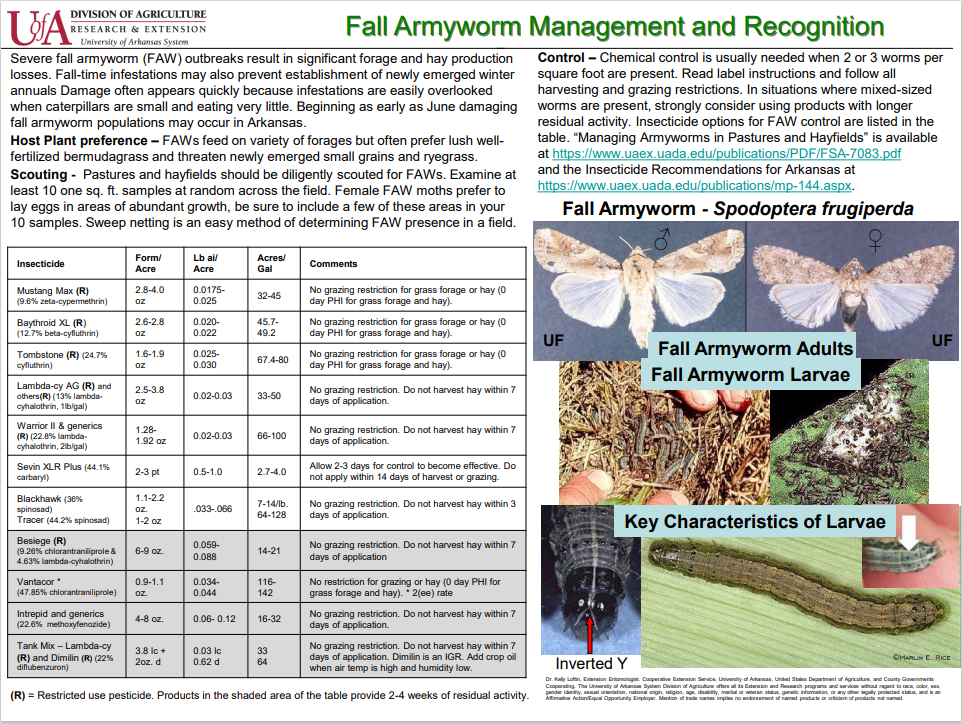
Armyworms


I am still not hearing much on armyworms in the county. I have scouted a few fields this week and I am starting to see very small worms. I would definitely be on the lookout for them to start up soon.

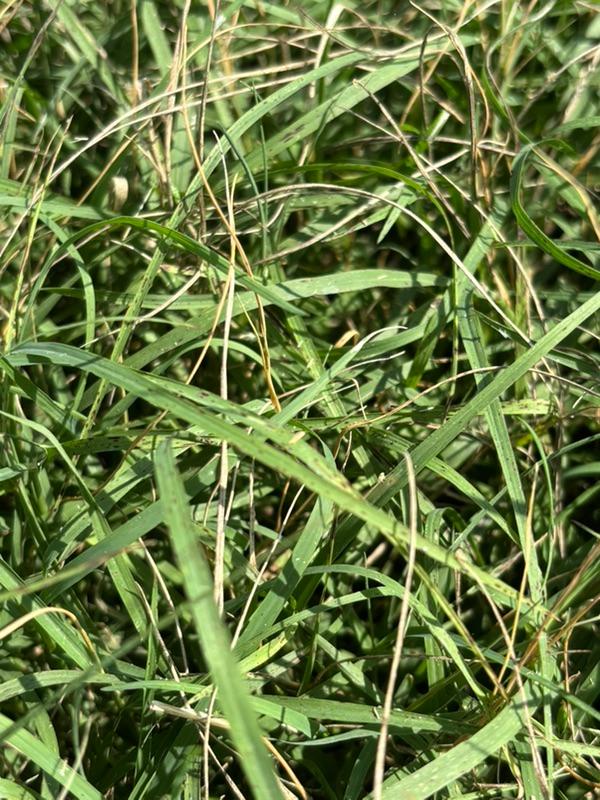
Bermudagrass Stem Maggot


Stem maggot populations still continue to balloon in bermudagrass fields. I am seeing damage everywhere and when I sweep in fields that haven't been sprayed my net will be full of flies.


If you are working on your second harvest of hay, think about applying lambda cy 7 to 10 days after that cutting.

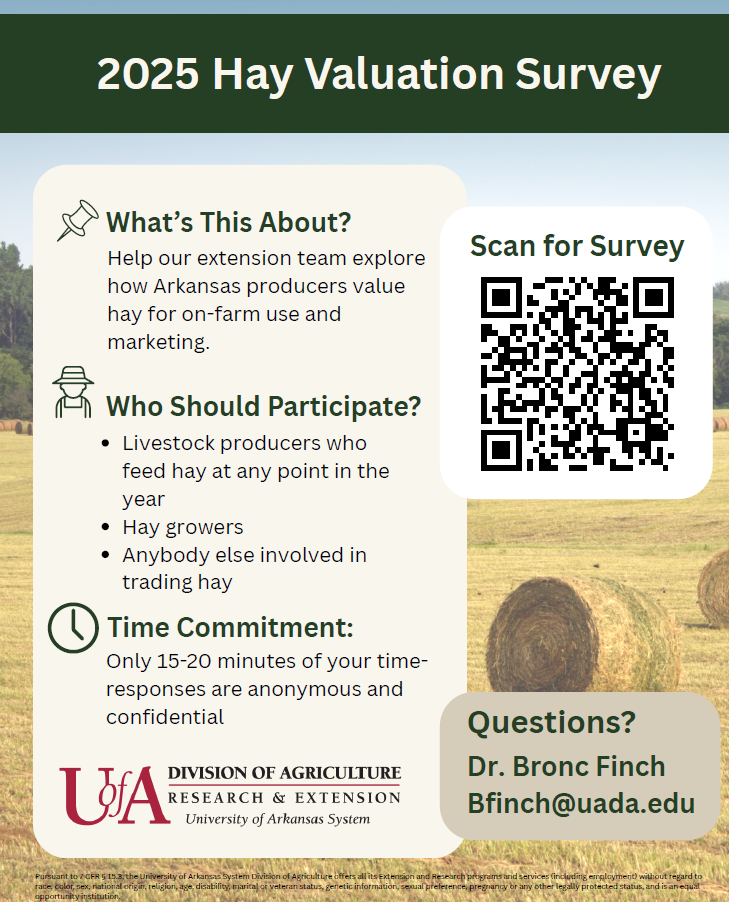
2025 Hay Valuation Survey


If you are a hay producer, please take the time to take our hay valuation survey. Our specialists are wanting to learn more about how producers value their hay.

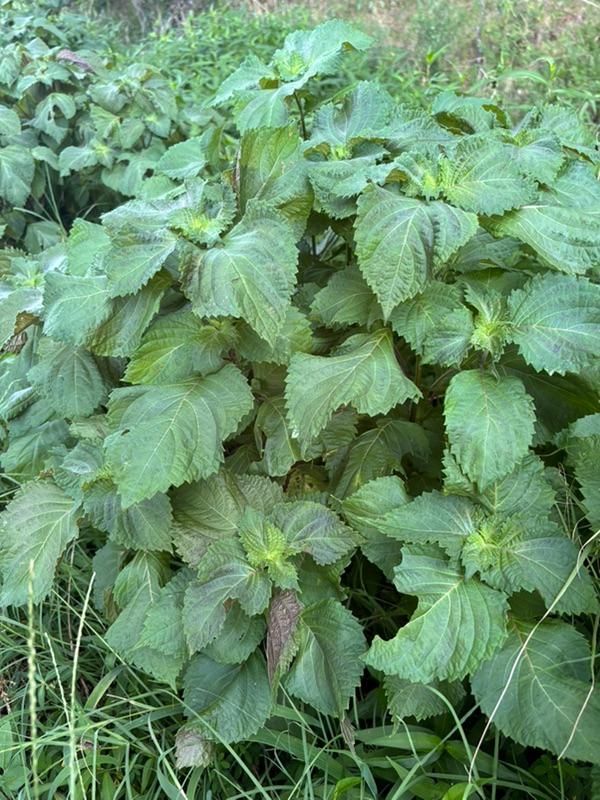
Perilla Mint


Perilla mint is a toxic plant that we may see in our pastures this time of year. This plant is toxic to all livestock including cattle and small ruminants.


The plants generally grow in the shade, so sometimes you may not notice them as much as you would out in the field. The plant has a square stem and a very strong mint smell. Most of the time animals will avoid the plant, even if it is rolled up in hay. When it usually becomes a problem is during drought and extreme heat. Cattle are know to lay in the shade when it is hot and they will just eat whatever their tongue can get to.


To control this plant, it needs to be sprayed when it is small in late May or early June. A quart of Grazon P+D does a good job. Once it gets big (above 12 inches) or if it is flowering, the best thing to do is bush hog the plants.

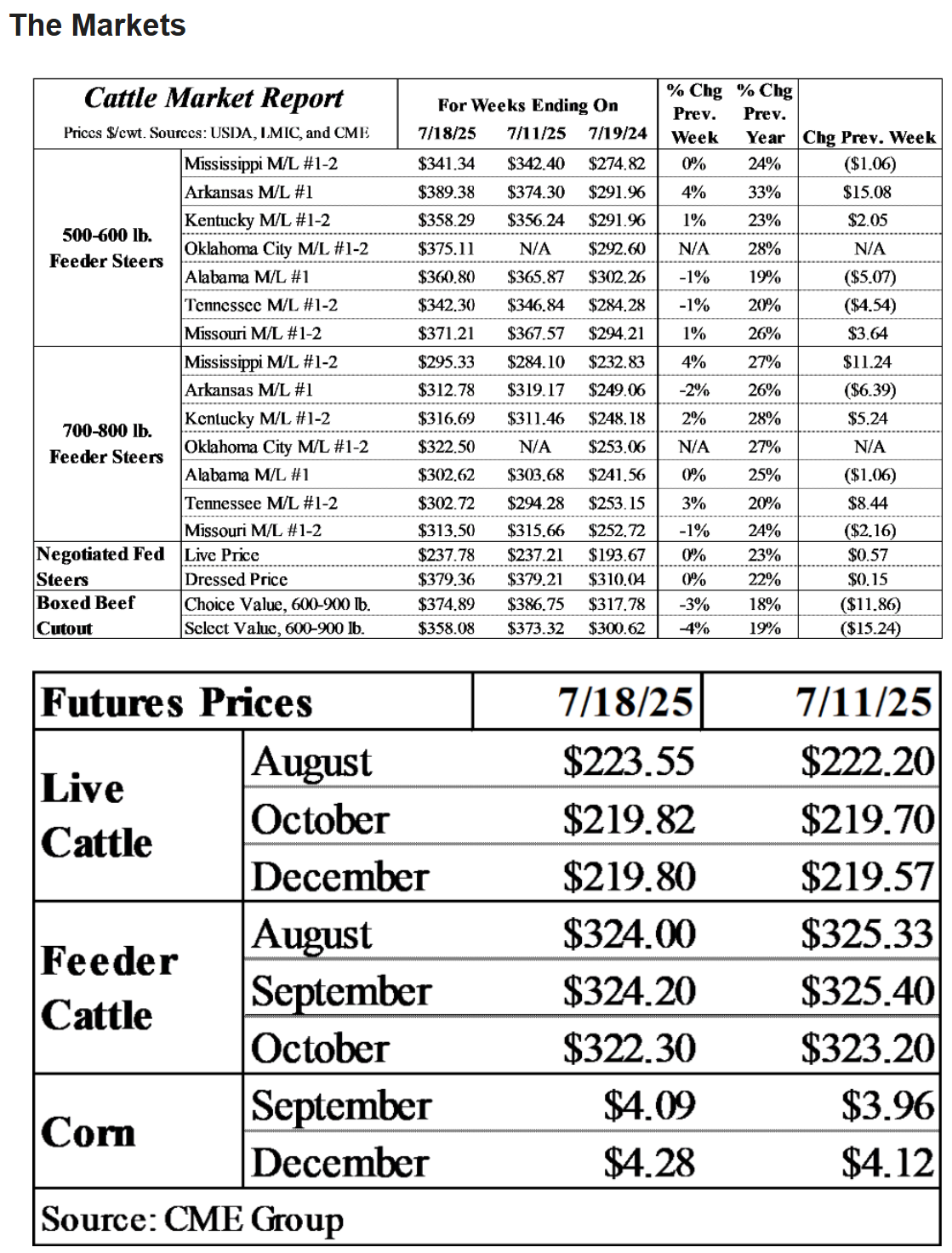
Livestock Market Report


The weekly livestock market report is available on the Arkansas Department of Agriculture website.

Sign up for Text Alerts


You can now sign up for text alerts from me throughout the year. I have two areas you can sign up for which includes Faulkner Livestock or Faulkner Ag (Row Crop Updates). To sign up you can follow one of these links or use the QR Codes below.

Faulkner Livestock


Use either the QR Code or this link:

https://slktxt.io/10lLe

Faulkner Ag (Faulkner Row Crops)


Use either the QR Code or this link:

https://slktxt.io/10lLc

Pursuant to 7 CFR § 15.3, the University of Arkansas System Division of Agriculture offers all its Extension and Research programs and services (including employment) without regard to race, color, sex, national origin, religion, age, disability, marital or veteran status, genetic information, sexual preference, pregnancy or any other legally protected status, and is an equal opportunity institution.

Contact Kevin Lawson, County Extension Agent–Agriculture, Faulkner County | Kevin Lawson