October 2024

From the Station Director

Locally inspired research is at the core of the NH Agricultural Experiment Station and it can be sparked in many ways. This past spring, the manager of the Station's Farm Services unit approached me with a question: After a conversation with a New Hampshire dairy crop consultant who had recently read about NHAES scientists conducting studies using unmanned aerial vehicles (UAVs), could a similar approach be used to determine whether it's possible to identify fungal diseases more precisely and earlier in the season for brown midrib (BMR) corn—varieties that are more digestible and can lead to higher production in dairy cows but can be particularly susceptible to fungal diseases, which are notoriously prevalent in New England's humid late summer and early autumn?

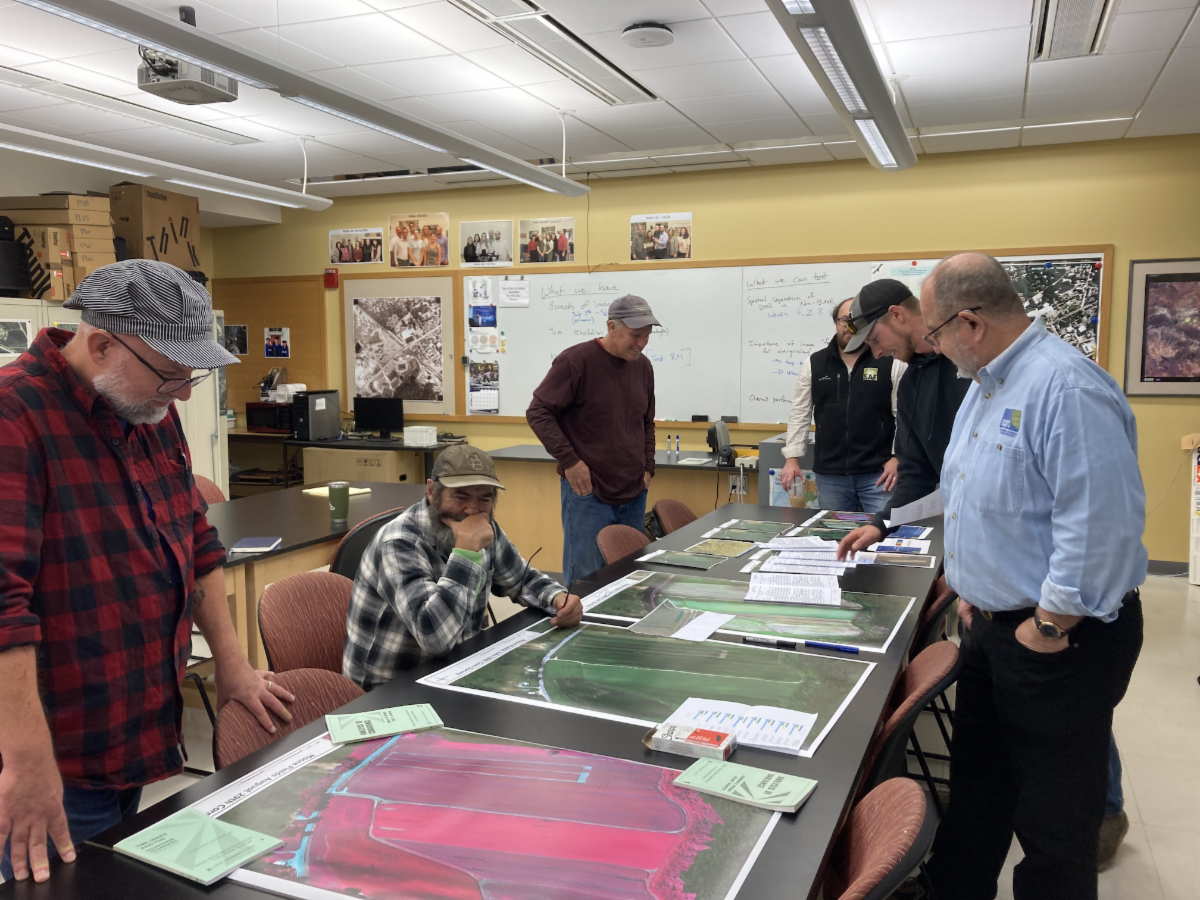
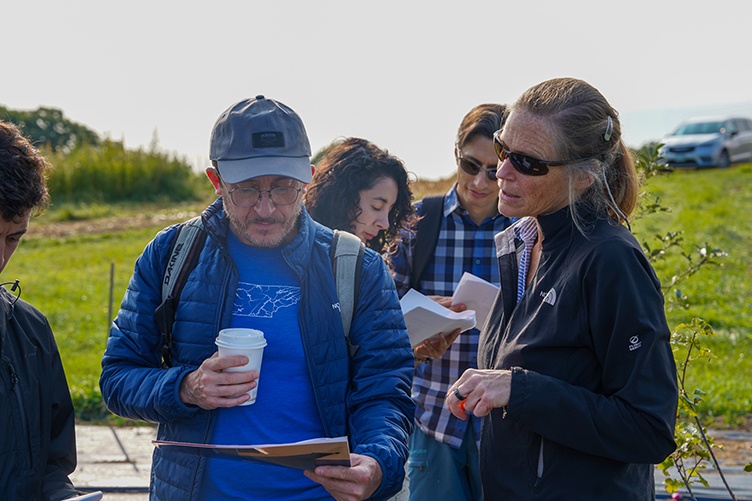
Russ Congalton and Ben Fraser (NH Agricultural Experiment Station scientists), Peter Davis and Aaron Palmer (UNH Farm Services), Carl Majewski (UNH Extension), and Tom Beaudry (crop consultant) assessing drone imagery of UNH corn fields.

After a few conversations and mutual excitement about the project, a team of collaborators assembled: NHAES scientists who conduct geospatial research, UNH Farm Services staff who manage agricultural crop production for UNH research and teaching animals, a UNH Extension field crop production specialist, and a crop consultant who works with dozens of dairy farmers across New Hampshire, Massachusetts, and Vermont.


Last week, I had the privilege of joining one of the team's meetings, where they were assessing UAV images and discussing early insights from the data. It was great to be able to watch the discovery magic happen in real-time, as each person brought their distinct expertise and experience together to share, learn and move this applied research forward. We'll be sharing more about this project (including more technical details) as it continues to build.


Locally inspired, impactful science is at the root of possibility. Thank you for your continued support of the Station's mission to support New Hampshire’s lives, livelihoods and landscapes!


Anton Bekkerman

Director, NH Agricultural Experiment Station

Latest NHAES Research and News

Harvest Time at UNH Farms!


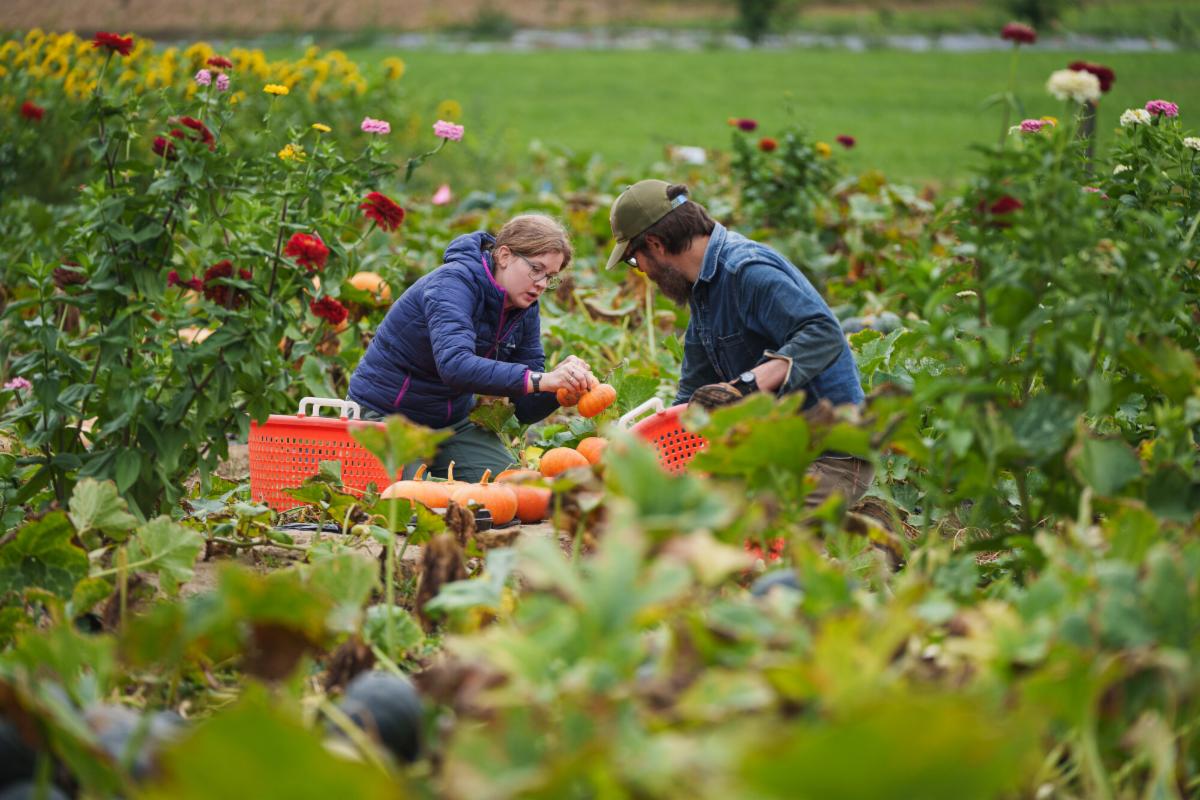
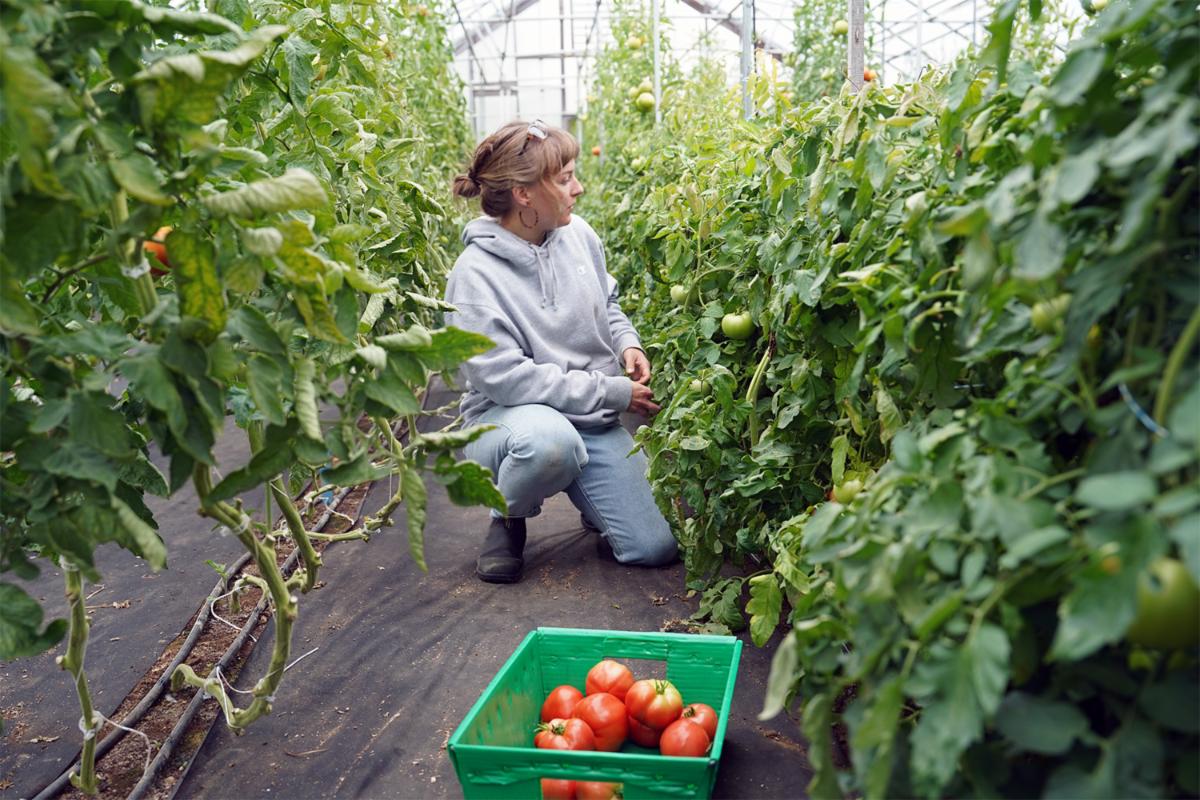
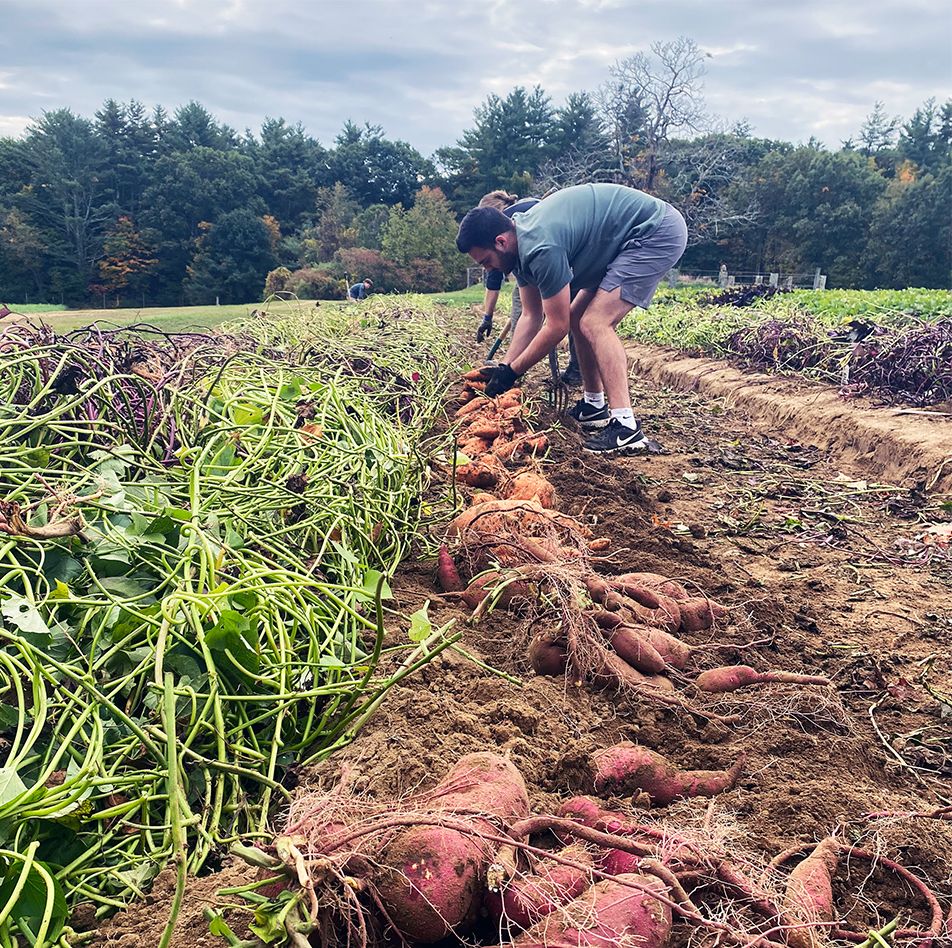
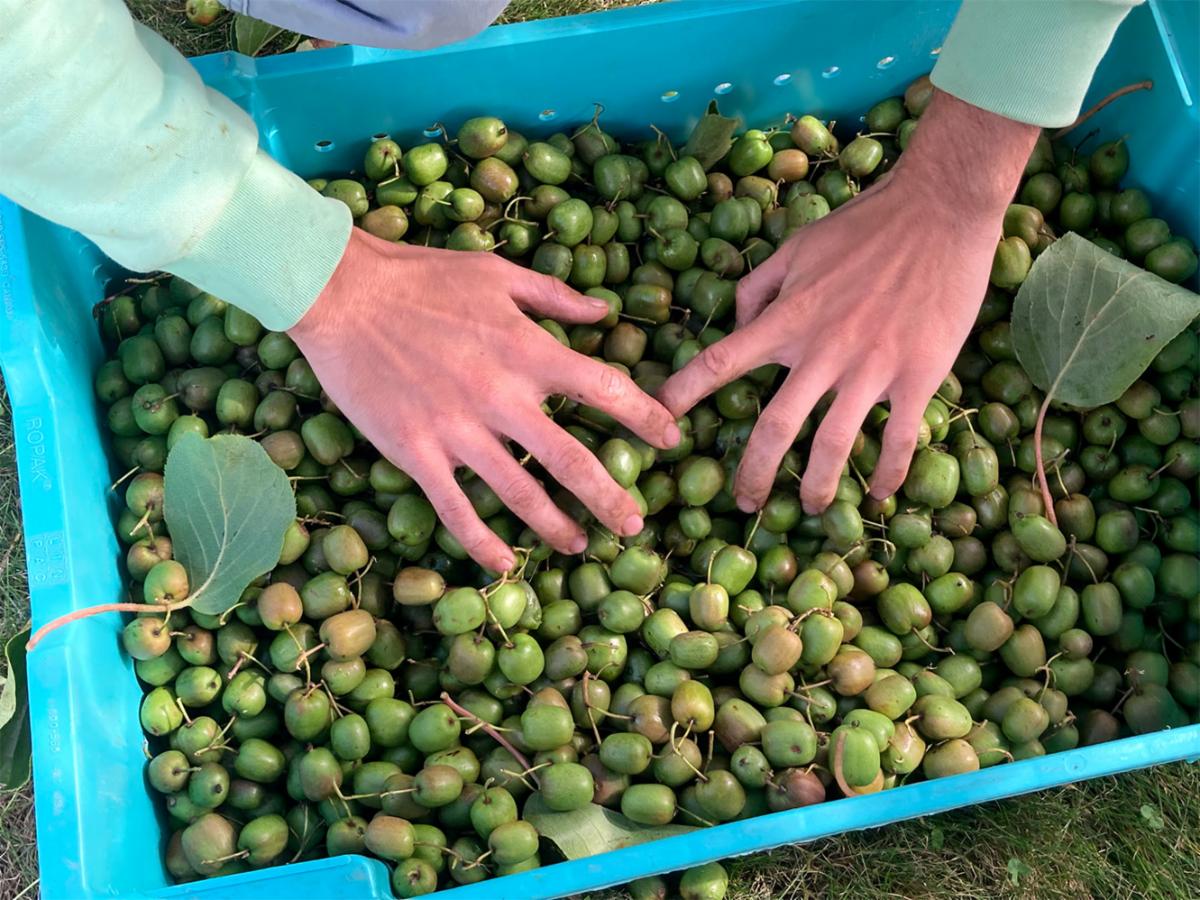
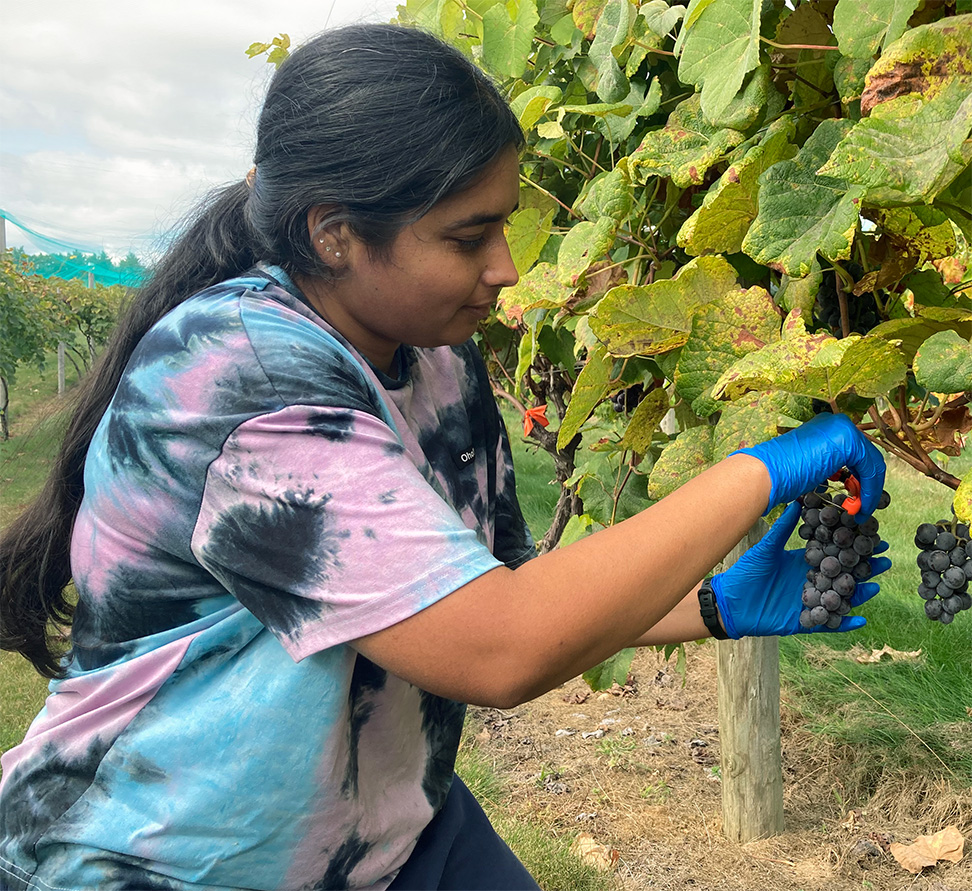
As the harvest season peaks, researchers with the NHAES and their teams are busy gathering, measuring and storing crops from their research projects across the Kingman Research Farm and Woodman Horticultural Research Farm. Clockwise from top right: At Woodman, undergraduate students collect sweetpotatoes; kiwiberry vineyard manager Logan Duncan inspects freshly picked kiwiberries; graduate student Radhika Rani harvests grapes; and undergraduate student Sharon McDougall gathers tomatoes. At Kingman, cucurbit program team members Ella Lukacz ’24 and Jeff Anderson collect and weigh pumpkins.

Estrogen in Clover?


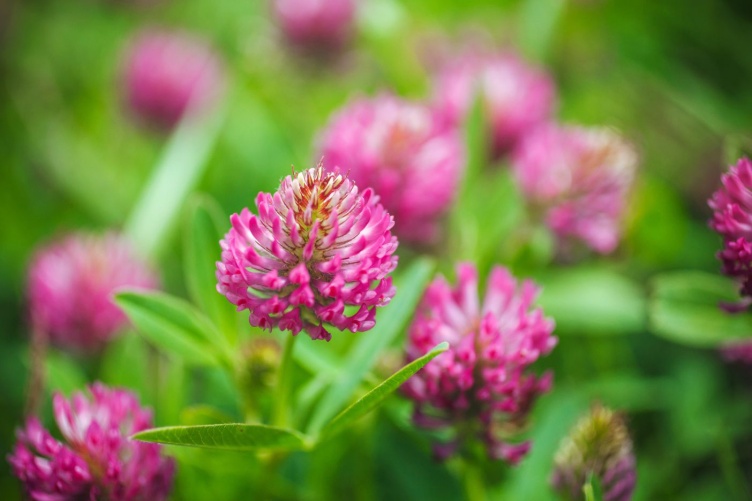
NHAES researchers Rich Smith and Andre Brito, along with UNH doctoral student Palash Mandal, found that drought conditions double phytoestrogen levels in red clover, a key animal feed crop in New England. Increased phytoestrogen in cow diets may contribute to fertility issues, costing U.S. dairy farms millions annually. However, kura clover—a drought-resistant alternative—maintains low phytoestrogen levels under similar low precipitation conditions. This discovery could help farms maintain productivity despite uncertain climate patterns. Discover how this research could improve dairy farm sustainability.

Lessons from Rain and Snow


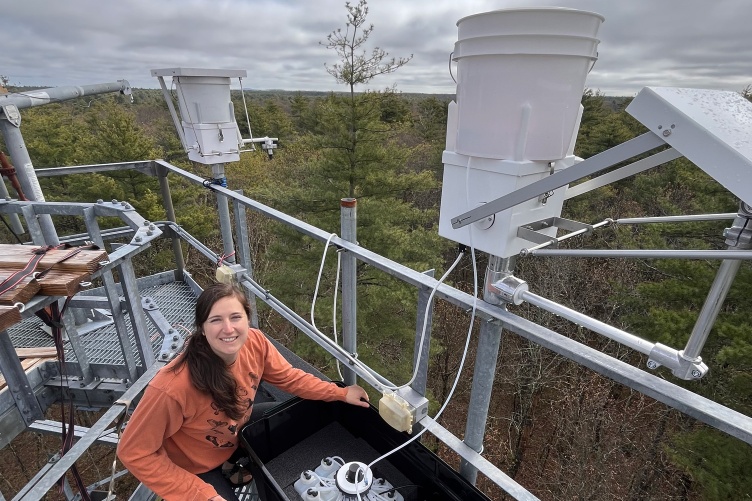
As New England's land transitions from forests to farmlands and back again, NHAES scientists at UNH are studying how these changes impact nitrogen cycling and ecosystem health. Led by Station scientist Adam Wymore, this long-term study revealed that while some nitrogen types are declining, levels of dissolved organic nitrogen are rising, posing significant implications for New Hampshire's ecosystems. These changes, linked to human activities and climate, could affect water quality and plant growth. Explore how these findings could shape the future of our region’s ecosystems.

Elsewhere in COLSA Research

New Leadership at the NH Water Resources Research Center Continues Mission of Environmental Innovation


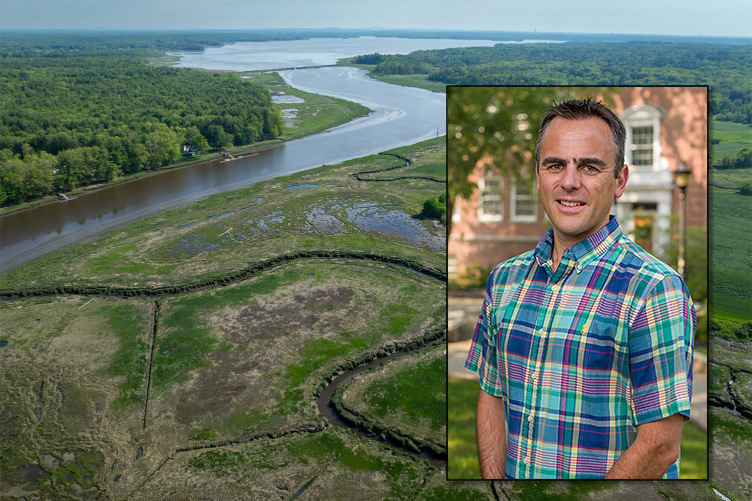
The New Hampshire Water Resources Research Center (NH WRRC) at UNH, a key player in addressing the state’s critical water issues, has a new director. Adam Wymore, associate professor in COLSA and NH Agricultural Experiment Station researcher, is leading the center forward, continuing its legacy of innovation under his leadership. With growing water demands and climate change, Wymore and his team are advancing efforts to protect and manage New Hampshire’s vital water resources. Learn more about NH WRRC’s future and its role in safeguarding our water systems.

Warming and Nitrogen Enrichment Lead to Surprising Soil Carbon Dynamics


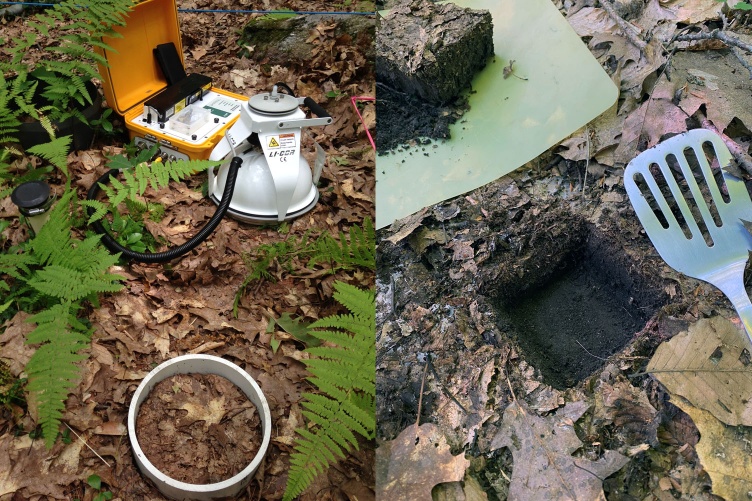
COLSA researchers Melissa Knorr and Serita Frey have uncovered new insights into how climate change and nitrogen deposits impact New England’s forests. Using 16 years of data from the Harvard Forest Long-Term Ecological Research (LTER) site, they found that despite rising temperatures and nitrogen levels, soil carbon storage remained stable due to root activity. This challenges previous assumptions about carbon loss in Northeastern forests. Discover how this research reshapes our understanding of climate impacts on forest ecosystems.

Ecuadorian Researchers and Students Visit UNH as Part of Ongoing Partnership


COLSA recently welcomed faculty and students from Ecuador as part of a growing partnership focused on watershed sustainability. Led by COLSA professor Heidi Asbjornsen, the collaboration fosters cross-cultural exchange, allowing participants to share research and explore new approaches to environmental challenges. This visit was the first time Ecuadorian participants travelled to UNH. Learn more about how this collaboration is advancing environmental research and education.

NHAES & COLSA Research In the News

More Station News & Notes

Support the NHAES and Subscribe to Our News Channels


Please consider supporting future agricultural, food and natural resources research and innovation at the NH Agricultural Experiment Station with a charitable gift.


Want more news and information from the NHAES? Sign up for our NHAES News – and get notified each time we publish new articles highlighting our research (approximately twice a month). Know someone who might be interested in signing up to receive Station Science? Send them our newsletter sign-up webpage.

Visit our Website
Read and Be INSPIRED!
Meet our Researchers
Follow NHAES on social media:
Facebook  Twitter  Instagram  
Share this newsletter:
LinkedIn Share This Email