For about 1 penny per American per year, the Marine Mammal Commission has met its Congressional mandate to conserve marine mammals for almost 50 years.
We work to ensure that marine mammal populations are restored and maintained as functioning elements of healthy marine ecosystems in the world's oceans.
|
|
Commission Announces Recipients of FY22 Research Grants |
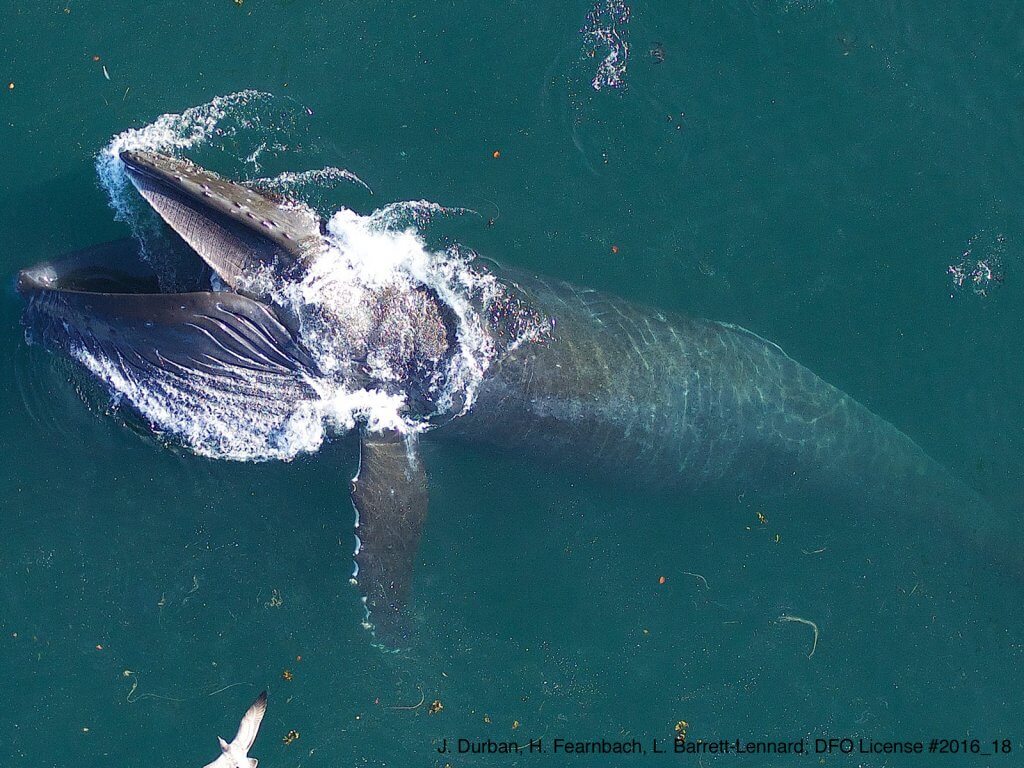
Humpback whale lunge-feeding on schooling fish off Vancouver Island (J. Durban, H. Fearnbach, SWFSC; in collaboration with L. Barrett-Lennard, Vancouver Aquarium; DFO License #2016_18). |
In fiscal year 2022, the Commission requested research proposals that would further the conservation and management goals of the Marine Mammal Protection Act (MMPA) and assist the Commission in fulfilling its duties under the MMPA. We were especially interested in projects that: 1) further our understanding of how climate change affects, either directly or indirectly, the reproductive performance, survivorship, abundance, or vital rates of marine mammals or 2) advance science-based conservation interventions or management strategies to mitigate climate-change induced threats to marine mammals.
We reviewed 35 proposals totaling over $1.5 million in funding requests. We are pleased to announce the eight projects, totaling over $360,000, selected for funding:
- Quantifying humpback whale health across Hawaii and Southeast Alaska in the face of climate change
- Linking climate indices to southern right whale body condition and vital rates
- Initiation of long-term evaluation of the effects of climate change on Indigenous marine mammal hunting in the Chugach Region using traditional ecological knowledge
- Quantifying the impacts of a marine heatwave on individual growth and reproductive success in a recovering population of killer whales
- Understanding the impacts of climate change on the reproductive performance of humpback whales around the Antarctic Peninsula using long-term multidisciplinary data
- Enhancing Pacific northwest sea otter reintroduction strategy by accounting for climate change
- An international virtual fishing gear marking system to reduce whale entanglements
- Advancing ship strike and blue carbon management strategies for the protection of whales
For more information, visit our 2022 Grant Awards webpage. Please check back in November for information about next year's request for proposals.
|
|
Another Successful Capitol Hill Ocean Week |
This year’s Capitol Hill Ocean Week (CHOW), hosted by the National Marine Sanctuary Foundation, reflected on and celebrated past ocean and coastal conservation legislation while also looking to the future challenges of managing our ocean, coasts, and Great Lakes. The Commission was pleased to sponsor the opening plenary session entitled “Sea: The Future,” which highlighted the ways in which a wave of legislation in 1972, including the MMPA, fundamentally changed how the United States managed marine ecosystems and environments. The Commission’s Chair, Dr. Frances Gulland, provided opening remarks to the session. We were pleased to be able to sponsor and attend CHOW, and appreciated the thoughtful sessions and discussions that occurred. Video recordings of all the plenaries and breakout sessions can be viewed here by re-entering the conference platform. If you did not attend, you can still register and view all of the conversations at the CHOW 2022 website.
|
|
President Biden Announces Nominees for Commissioner of the
U.S. Marine Mammal Commission
|
|
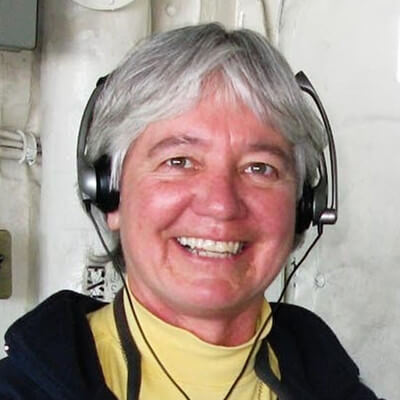
In May, President Joe Biden announced his intent to nominate Dr. Sue E. Moore and Dr. Andrew J. Read as nominees for Commissioners of the U.S. Marine Mammal Commission. Both Dr. Moore and Dr. Read will bring enthusiasm and decades of expertise to their positions, if confirmed by the Senate. Dr. Moore has over 40 years of research experience focused on the ecology, bioacoustics, and natural history of whales and dolphins, with most research centered on cetaceans in the Pacific Arctic region. Dr. Read has over 30 years of research experience focused on marine mammal conservation, including life history and population dynamics, spatial analysis of marine ecosystems, and the intersection of oceanography and foraging ecology. We are thrilled with these nominations, and look forward to completing the confirmation process and welcoming Drs. Moore and Read aboard!
|
|
Hot Topics in Marine Mammal Conservation:
Unusual Mortality Event Declared for Seals in Maine
|
|
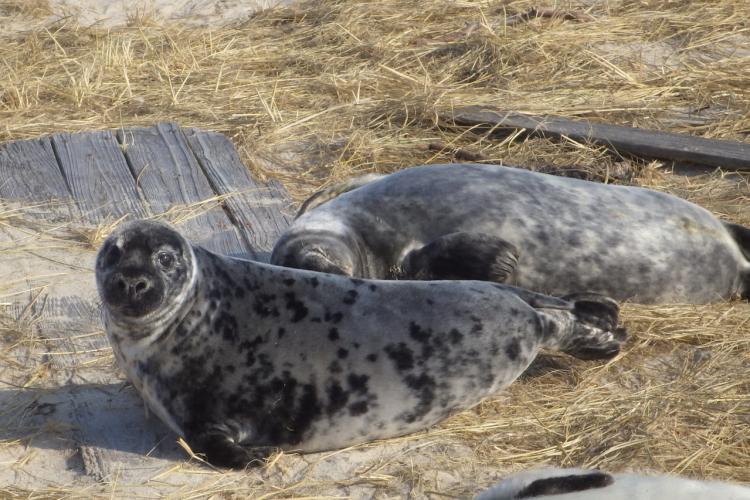
The National Marine Fisheries Service (NMFS) has declared an unusual mortality event for harbor and gray seals in Maine. NMFS’s stranding network partners reported an elevated number of live and dead stranded seals in June 2022—approximately three times the normal stranding rate for this time of year. Strandings have continued and a total of 194 seals have stranded as of August 3rd. Samples from stranded seals have been tested and confirmed positive for highly pathogenic avian influenza (HPAI) H5N1. Influenza A viruses have been detected in marine mammals previously, and NMFS is working with stranding network and other partners to monitor the situation. NMFS is responsible for managing and coordinating responses to pinniped and cetacean strandings through the Marine Mammal Health and Stranding Response Program that was established under Title IV of the MMPA. Visit our website to learn more about marine mammal strandings.
|
|
Two gray seals (Credit: NOAA). |
|
MMPA 50th Anniversary Briefing:
Marine Mammal Health and Stranding Response Program
|
|
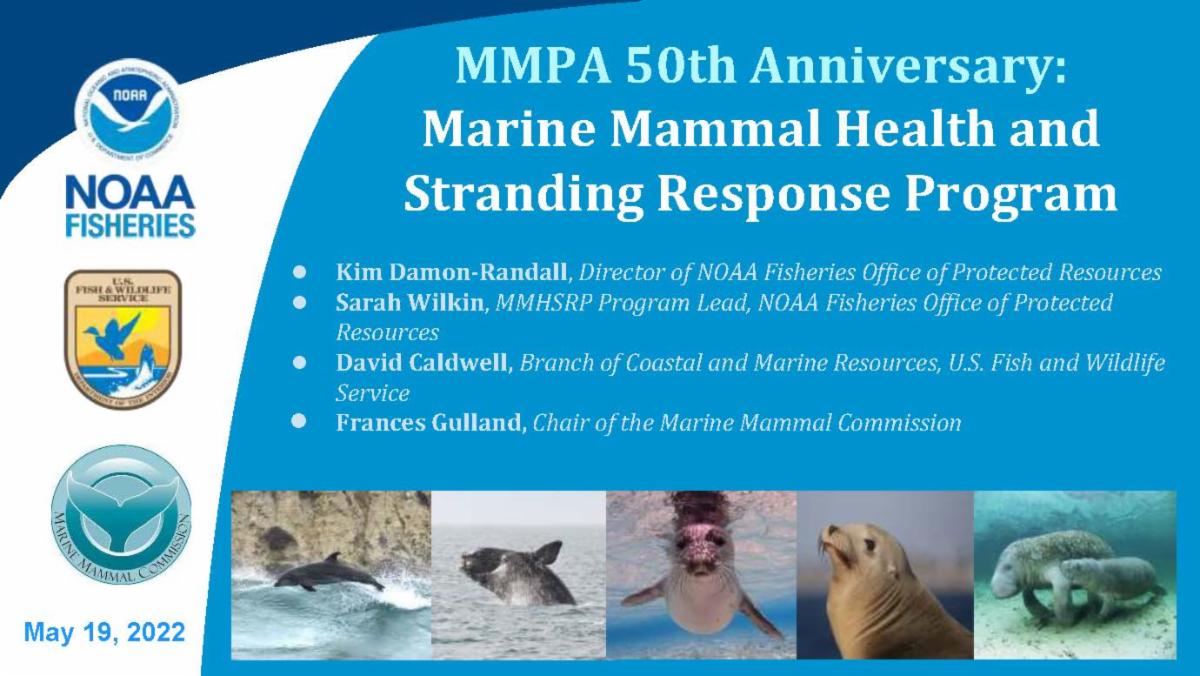
In May the Commission participated in a NMFS-hosted joint agency briefing on the Marine Mammal Health and Stranding Response Program for all interested members of Congress and staff. The briefing is one of several celebrating the MMPA's 50th anniversary. The purpose of the briefing was to highlight the Program’s work to coordinate emergency responses to sick, injured, distressed, or dead marine mammals and the collaboration with volunteer stranding and entanglement networks. Commission Chair Dr. Frances Gulland presented on the important role stranding and health data play in understanding and potentially mitigating impacts of ocean changes to marine mammal health. Check out Chair Gulland’s presentation and the full briefing on our website.
|
|
Highlighting a Commission Letter on
North Atlantic Right Whale Recovery
|
|
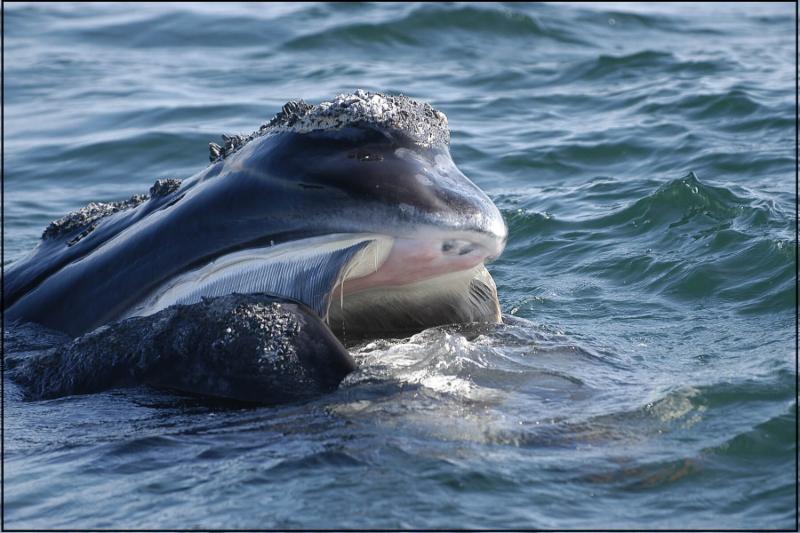
North Atlantic right whale calf (Credit: New England Aquarium). |
|
This past May, Commission staff participated in an important Atlantic Large Whale Take Reduction Team (ALWTRT) meeting. The Team was to devise a plan that would achieve a 90% risk-reduction target for East Coast fisheries (gillnet, Mid-Atlantic lobster, and non-NE lobster or Jonah crab trap/pot), but unfortunately did not reach agreement on a plan by the conclusion of the meeting. The Commission strongly supports the requirement to reduce the risk from all fisheries to North Atlantic right whales by 90%. For 25 years, NMFS and fishermen have made incremental improvements in risk mitigation for North Atlantic right whales. Tragically, this has not succeeded in putting the species on a long-term trajectory toward recovery from the decimation caused by centuries of whaling and on-going risk of entanglement in fishing gear and vessel strike. Innovative and transformational changes in fishing practices are required to largely eliminate the risk of a North Atlantic right whale being entangled in fishing gear. In our June 24th letter to NMFS, the Commission urged NMFS, NOAA, and the Department of Commerce to take bolder steps towards North Atlantic right whale recovery and to achieve the 90% risk reduction. The Commission recommended larger and more numerous time-area closures, the use of dynamic management areas, fishing effort controls capping static buoy line numbers, and the development and use of “on-demand” or “ropeless” fishing gear. The letter is available on our website.
|
|
Marine Mammal Commission Scientific Advisors,
Staff, and Science in the News
|
|
Below are a few recent media highlights that reflect some of the ongoing scientific research, collaborations, and accomplishments of our world-renowned marine mammal scientists. For a reminder about our Commissioners, Committee of Scientific Advisors, and Staff, visit our website.
|
|
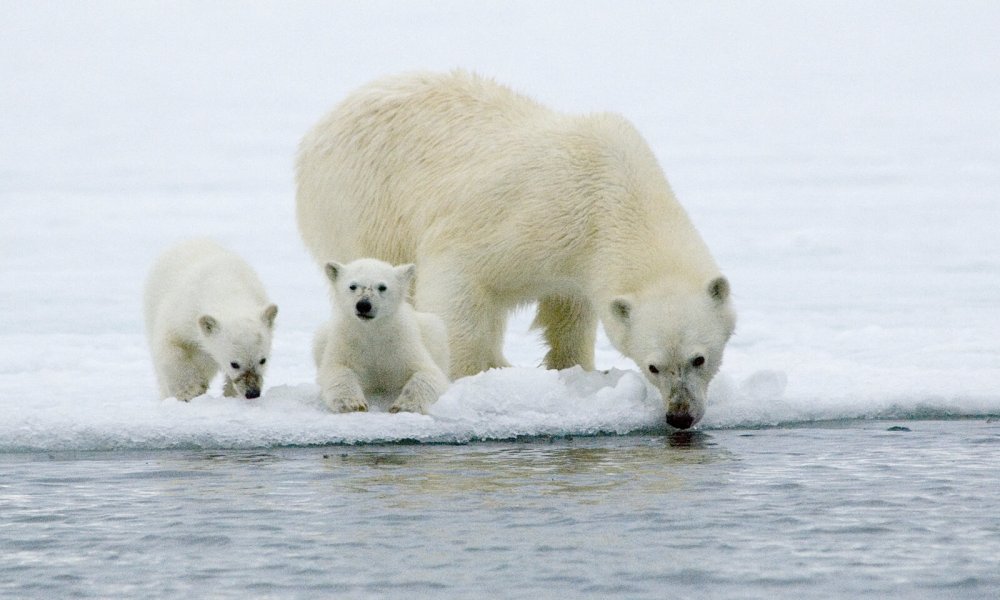
Polar bear with cubs (Credit: NOAA). |
|
|
|
|
|
|