Key takeaways:
- Over 20 states have laws to remove guns from high-risk people, but few include medical providers as those who can petition removal.
- AMA also called for stronger background checks and social media monitoring.
The AMA adopted three new policies regarding firearm violence on the final day of its House of Delegates meeting, one of which advocates for physicians to be able to petition courts to temporarily remove firearms from high-risk patients.
Firearm violence and injuries have surged in the United States in recent years.
MMWR data showed that firearm injury visits to the ED in 2022 remained higher than levels before the COVID-19 pandemic. A separate study revealed a 52% increase in firearm injuries among youth during the pandemic.
|
|
Key takeaways:
- It is the first time that the USPSTF recommended anxiety screening for all adults aged younger than 65 years.
- The evidence was insufficient to recommend screening for anxiety among older adults.
Physicians should screen all adults for depression and adults aged younger than 65 years for anxiety disorders, according to final recommendation statements from the U.S. Preventive Services Task Force.
|
|
Almost all procedures had an increase in both types of prescribing, Medicare data showed
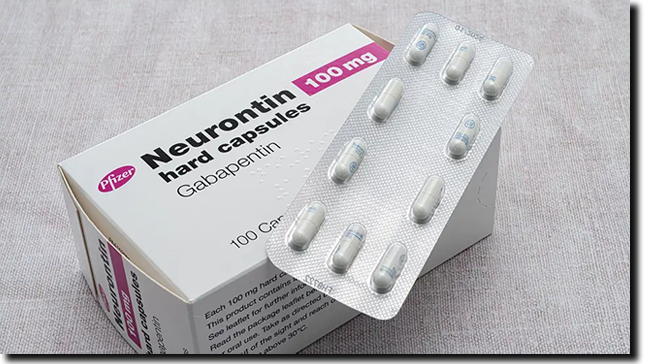
Both gabapentinoid and opioid prescribing rose among post-surgical older adults, serial cross-sectional data showed.
Across nearly 500,000 Medicare recipients, the rate of new postoperative gabapentinoid prescribing increased from 2.3% in 2014 to 5.2% in 2018 (P<0.001), according to Tasce Bongiovanni, MD, MPP, of the University of California San Francisco, and co-authors.
Opioid prescribing rose during the same period, from 56% to 59% (P<0.001), while concomitant prescribing nearly tripled, jumping from 1.6% in 2014 to 4.1% in 2018 (P<0.001), they noted in JAMA Network Open.
|
|
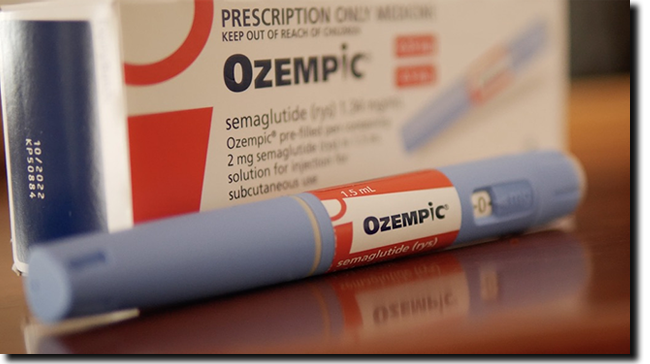
Drugs like Ozempic, Mounjaro and Wegovy are extremely effective for weight loss. But shedding pounds isn't the only change patients might experience.
Tirzepatide — sold under the brand name Mounjaro — and semaglutide — sold under the brand names Ozempic and Wegovy — are administered once a week by shot. Mounjaro is known as a GIP and GLP-1 receptor agonist while Ozempic and Wegovy are known as GLP-1 receptor agonists.
Mounjaro and Ozempic were initially sold as diabetes medications, while Wegovy is specifically for weight loss. Wegovy is FDA-approved for weight loss; Ozempic and Mounjaro are not.
These drugs were originally prescribed to patients with Type 2 diabetes as they produce insulin and lower blood sugar. They also release a hormone that slows down digestion and keeps food in a patient's stomach longer. This process suppresses hunger and leads to weight loss — but that can take a toll on the body.
|
|
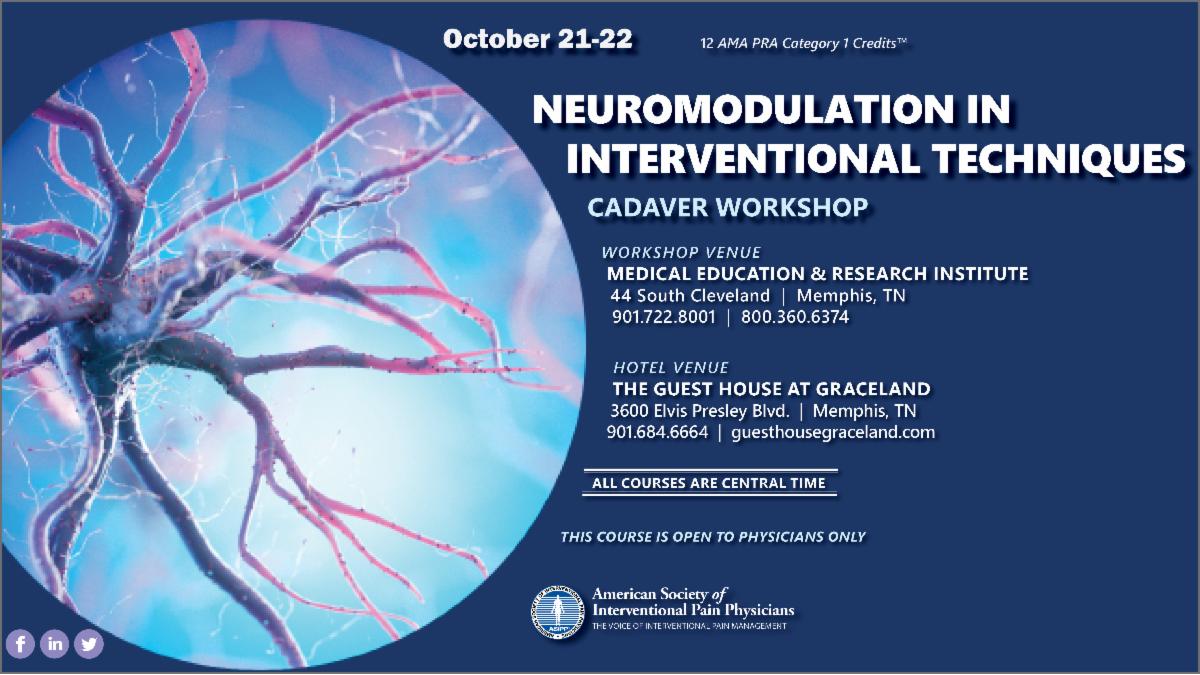
Virtual
ABIPP Part I; ABIPP Path - Combined DCCPM/CSM virtual exam; ABIPP Competency Exam in IPM; ABIPP Competency Exam in Regenerative Medicine
Memphis, TN
ABIPP Part II - Practical Portion; ABIPP Competency Exam - Practical Portion; ABIPP Regenerative Medicine Competency Exam - Practical Portion
|
|
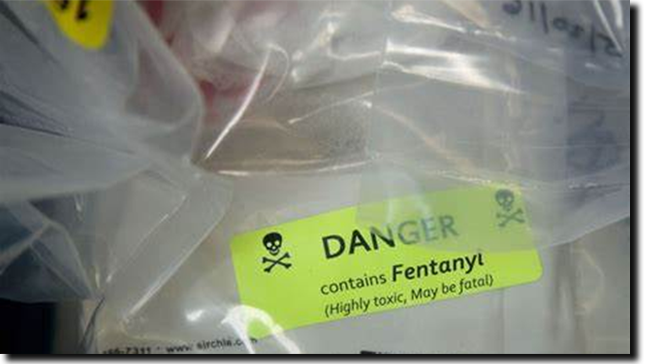
The U.S. Drug Enforcement Administration is warning the American public of a sharp increase in the trafficking of fentanyl mixed with xylazine. Xylazine, also known as “Tranq,” is a powerful sedative that the U.S. Food and Drug Administration has approved for veterinary use.
“Xylazine is making the deadliest drug threat our country has ever faced, fentanyl, even deadlier,” said Administrator Milgram. “DEA has seized xylazine and fentanyl mixtures in 48 of 50 States. The DEA Laboratory System is reporting that in 2022 approximately 23% of fentanyl powder and 7% of fentanyl pills seized by the DEA contained xylazine.”
Xylazine and fentanyl drug mixtures place users at a higher risk of suffering a fatal drug poisoning. Because xylazine is not an opioid, naloxone (Narcan) does not reverse its effects. Still, experts always recommend administering naloxone if someone might be suffering a drug poisoning. People who inject drug mixtures containing xylazine also can develop severe wounds, including necrosis—the rotting of human tissue—that may lead to amputation.
|
|
The tranquilizer is increasingly mixed with the opioid in the US, giving rise to deadly overdoses and disturbing wounds
Fentanyl – the deadliest drug in the country – is getting even more dangerous. Across the United States, the opioid is increasingly being mixed with xylazine, a powerful tranquilizer that’s approved by the Food and Drug Administration for use in animals such as horses. But on the streets it’s known as “tranq” or “tranq dope”, and it’s been linked to horrific side effects and a growing number of deadly overdoses across the country.
The substance was first found mixed with heroin in Puerto Rico as early as two decades ago. Today the national center of the crisis is Philadelphia, where xylazine appeared in the drug supply as early as 2006, and was found in over 90% of the city’s lab-tested dope samples in 2021.
Last week, the US Drug Enforcement Administration issued an alert about a “sharp increase in the trafficking of fentanyl mixed with xylazine”, saying it had seized xylazine and fentanyl mixtures in 48 out of 50 states. The FDA has vowed to crack down on imports of the drug, and a new bill in Congress would add xylazine to the DEA’s list of controlled substances.
|
|
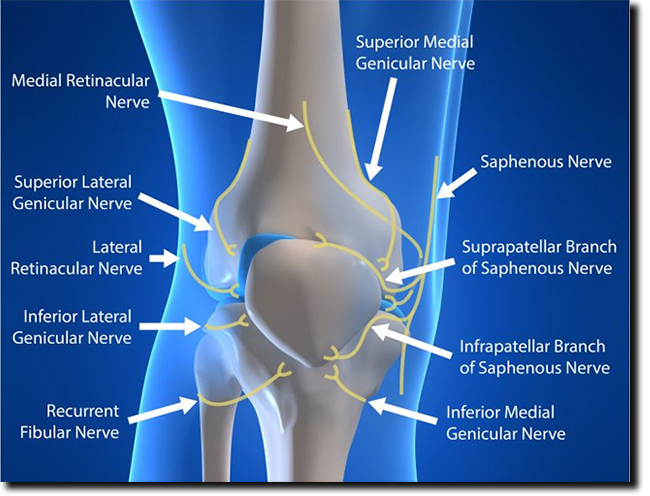
Recently published comprehensive, evidence-based consensus guideline on interventional therapies for knee pain. It includes everything from examination, imaging, and various causes of knee pain to the many possible treatment modalities.
Abstract
Knee pain is second only to the back as the most commonly reported area of pain in the human body. With an overall prevalence of 46.2%, its impact on disability, lost productivity, and cost on healthcare cannot be overlooked. Due to the pervasiveness of knee pain in the general population, there are no shortages of treatment options available for addressing the symptoms. Ranging from physical therapy and pharmacologic agents to interventional pain procedures to surgical options, practitioners have a wide array of options to choose from – unfortunately, there is no consensus on which treatments are “better” and when they should be offered in comparison to others. While it is generally accepted that less invasive treatments should be offered before more invasive ones, there is a lack of agreement on the order in which the less invasive are to be presented. In an effort to standardize the treatment of this extremely prevalent pathology, the authors present an all-encompassing set of guidelines on the treatment of knee pain based on an extensive literature search and data grading for each of the available alternative that will allow practitioners the ability to compare and contrast each option.
|
|
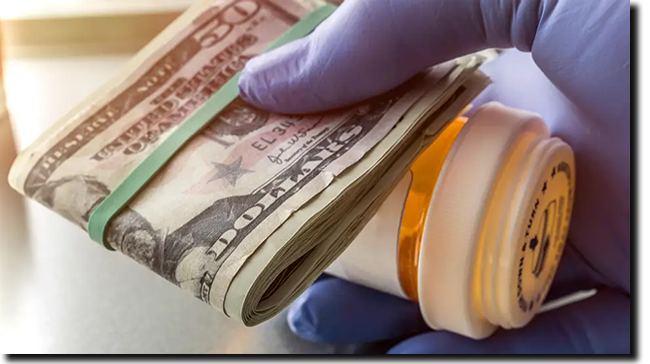
The goal is to make providers more sensitive to drug costs, says MedPAC's director
Drug payments under Medicare Part B could be cut by reducing the administrative fees doctors get for dispensing medications in their office, the Medicare Payment Advisory Commission (MedPAC) said Thursday in its June report to Congress.
"Our work on Medicare spending for Part B drugs is driven largely by the growth in spending between 2009 and 2021," explained MedPAC executive director James Mathews, PhD, on a call with reporters. "Medicare spending grew an average of 9% per year over that time, with most of the spending growth attributable to the change in price for the drugs that Medicare pays."
The report made three recommendations for curbing Part B drug spending...
|
|
- ASIPP Members Only Site Information - |
|
-
To log in for the first time you will need to click “forgot password” at the bottom of the login window.
- Check your email and then log in as directed.
-
If you have problems logging into your account, click here.
|
|
Pain Medicine Case Reports (PMCR) and Editor-in-Chief Alaa Abd-Elsayed, MD, PhD would like to invite you to submit case reports and case series to the PMCR journal. Your article will be published free of charge.
Open access journals are freely available online for immediate worldwide open access to the full text of published articles. There is no subscription fee for open access journals. Open access journals are no different from traditional subscription-based journals: they undergo the same peer-review and quality control as any other scholarly journal.
Interested in becoming a member of the PMCR Editorial Board?
Editorial board members are asked to review 2-6 manuscripts per year. Please submit your most up-to-date CV to sgold@asipp.org for consideration.
For more information or to submit your articles, click here.
|
|
| CASE REPORT |
Mashfee Khan, MD, and Krishna Shah, MD
Abstract
BACKGROUND: Neuromodulation is used to treat chronic pain, especially failed back surgery syndrome (FBSS) and complex regional pain syndrome (CPRS) type 1 and type 2. Until recently, neuromodulation had significant restrictions on magnetic resonance imaging (MRI) usage (4). Our patient provided Health Insurance Portability and Accountability Act of 1996 (HIPAA) compliant consent for the inclusion of his clinical information in this report.
CASE REPORT: A 43-year-old man developed CPRS of his right upper extremity that was treated with an MRI-compatible high frequency spinal cord stimulator (SCS). Two years later, he presented with worsening neck and right upper extremity neuropathic pain. Due to the SCS device being MRI compatible, a cervical MRI was performed and showed severe cervical spinal stenosis at C3-C4 with myelomalacia and adjacent segment disease. The patient underwent posterior cervical decompression spine surgery, and urgent explantation of the SCS device.
CONCLUSION: The patient maintained adequate strength and neurological function without any complications from myelomalacia. There was no delay in care in obtaining the MRI while the patient had the SCS device in place. In conclusion, the use of MRI-compatible devices should become the standard of care for implanting spinal cord stimulators.
KEY WORDS: Spinal cord stimulator, complex regional pain syndrome, myelomalacia, magnetic resonance imaging
|
|
| PROSPECTIVE STUDY |
Zhen Lyu, MD, Jinzhu Bai, PhD, Junwei Zhang, PhD, Yi Hong, Jiesheng Liu, and Wenlong Yu, PT
Abstract
BACKGROUND: Traditional sacroiliac joint (SIJ) provocation tests have been used to diagnose SIJ pain. However, this can simply be changed to chronic SIJ dysfunction (cSIJD) manifests as mechanical changes in the pelvis and lower extremities in addition to pain. A novel composite of physical examinations based on the iliac pronation, pubic tubercle tenderness, and plantar fascia tenderness tests (IPP triple tests) was designed for the diagnosis of cSIJD.
OBJECTIVES: To evaluate IPP triple tests in the diagnosis of cSIJD and differential diagnosis from lumbar disc herniation (LDH) in comparison with traditional provocation tests.
STUDY DESIGN: Prospective single-blind controlled study.
SETTING: This study was conducted at the Department of Spine and Spinal Cord Surgery of China Rehabilitation Research Center in Beijing, China.
METHODS: One hundred and sixty-six patients were assigned into the cSIJD group, LDH group, or healthy control group. The cSIJD diagnosis was confirmed by SIJ injection. The diagnosis of LDH was confirmed according to the 2014 North American Spine Association diagnosis and treatment guidelines for LDH. All patients were examined with IPP triple tests and traditional provocation tests. The sensitivity, specificity, positive and negative likelihood ratios, and areas under the curve (AUCs) were used to evaluate the diagnostic accuracy of the composites or single of the IPP triple tests, and traditional provocation tests. The Delong’s test was used for the comparison among AUCs. The kappa analysis was used for the IPP triple tests and traditional provocation tests compared with the reference standard (REF). The independent t test and chi-square test were used to analyze the influence factors (i.e., age, gender), and group on diagnostic accuracy.
RESULTS: There was no statistical difference in gender (chi-squared = 0.282, P = 0.596) and age (F = 0.096, P = 0.757) between the 3 groups. The AUC of the iliac pronation test was 0.903 when it was used alone; the AUC of the novel composites of the IPP triple tests was 0.868 (95% confidence interval [CI] = 0.802-0.919); and the diagnostic accuracy of the traditional provocation test was relatively low (AUC = 0.597, 95% CI = 0.512-0.678). The diagnostic accuracy of the IPP triple tests was higher than that of the traditional provocation test, P < 0.05. Kappa consistency comparison showed that the kappa value between the IPP triple tests and the REF was 0.229, the kappa between the traditional provocation test and the REF was 0.052. The age of the patients with inaccurate diagnosis was higher than that of the patients with accurate diagnosis in both methods (traditional tests, P = 0.599; IPP:P = 0.553). Different types of diseases (groups) affect the accuracy of diagnosis, the proportion of inaccuracy of traditional provocation tests was higher than that of the IPP triple tests (77.8% vs 23.6%) in cSIJD, while the 2 methods have high differential diagnostic accuracy in LDH (96.77%) and control groups (97.56%).
LIMITATIONS: Small size of LDH patients and differences in physical tests among examiners.
CONCLUSIONS: The novel composites of IPP triple tests have higher accuracy than the traditional provocation tests in diagnosing cSIJD and both have good accuracy in differentiating cSIJD from LDH. IPP triple tests may be an alternative physical examination for clinical screening of cSIJD.
KEY WORDS: Sacroiliac joint dysfunction, low back pain, lumbar disc herniation, provocation test, physical examination, kinematics
|
|
| RETROSPECTIVE STUDY |
Jiayi Tang, MD, Enming Zhang, MD, Bing Huang, MD, Yong Fei, MD, and Ming Yao, PhD
Abstract
BACKGROUND: Some patients with herpes zoster (HZ) experience an intermittent spontaneous, short-lived and severe pain, which is called breakthrough pain (BTP). The effect of analgesic drugs and invasive procedures is not significant. Therefore, treatment of HZ associated with BTP is challenging. Esketamine is a new N-methyl-D-aspartate receptor antagonist, with enhanced analgesic effects. This study aimed to evaluate the efficacy and adverse reactions of patient-controlled intravenous analgesia (PCIA) with low-dose esketamine for HZ associated with BTP.
OBJECTIVES: To evaluate the efficacy and adverse reactions of PCIA with low-dose esketamine for HZ associated with BTP.
STUDY DESIGN: A retrospective, observational study.
SETTING: The study was carried out in the Pain Department of the Affiliated Hospital of Jiaxing University in Jiaxing, China.
METHODS: The clinical data of HZ associated with BTP treated by PCIA with low-dose esketamine at the Pain Department of the Affiliated Hospital of Jiaxing University, between October 2015 to October 2021, were collected retrospectively. The Numeric Rating Scale (NRS-11) scores of rest pain (RP) and BTP, frequency of BTP, Pittsburgh Sleep Quality Index (PSQI) score, and fasting blood glucose (FBG) were recorded and analyzed before treatment (T0) and on days one (T1) and 3 (T2), week one (T3), months one (T4), 3 (T5), and 6 (T6) after treatment. Adverse reactions during the treatment were recorded.
RESULTS: Twenty-five patients treated by PCIA with low-dose esketamine were included finally. Compared with T0, the NRS-11 scores of RP at T2, T3, T4, T5, and T6 decreased significantly (P < 0.05). The NRS-11 score of RP at T4 was significantly lower than that of T3 (P < 0.001), but there was no statistical difference between T5 and T4 (P > 0.05), the efficacy of esketamine in the treatment of RP was stable at one month after treatment. Likewise, compared with T0, the NRS-11 scores of BTP, frequency of BTP, and PSQI score decreased significantly at each time point after treatment (P < 0.05). These at T5 were significantly lower than T4 (P < 0.05), but there was no statistical difference between T6 and T5 (P > 0.05), the efficacy of esketamine was stable at 3 months after treatment. FBG also decreased significantly at each time point after treatment (P < 0.05), it tended to be normal and stable one month after treatment. All patients had mild symptoms of dizziness during treatment, and though a slight increase in noninvasive blood pressure (BP) was noted in all, the elevated BP did not exceed 30% of the baseline value. Four patients (16%) developed nausea without vomiting. There were no serious adverse reactions, such as respiratory depression.
LIMITATIONS: The nonrandomized, single-center, small sample size, retrospective design is a major limitation of this study.
CONCLUSIONS: PCIA with low-dose esketamine has a significant and long-term effect in the treatment of HZ associated with BTP. The RP was controlled, and the degree and frequency of BTP were significantly reduced after treatment, leading to improved quality of life. There were no serious adverse reactions worthy of clinical promotion.
KEY WORDS: Patient-controlled intravenous analgesia, esketamine, herpes zoster, breakthrough pain
|
|
ASIPP is now in collaboration with Curi Medical Liability Program
Since this malpractice insurance program officially launched in November 2018, ASIPP has signed up hundreds of providers with an average savings of 30%. This is professional liability insurance tailored to our specialty and will stand up for us and defend our practices.
Curi is a full-service advisory firm that serves physicians and their practices. Their valued advice is grounded in your priorities and elevated in your outcomes. They are driven by a deep understanding of your specific circumstances in medicine, business, and life. To read a few important points to keep in mind about the program, including discounts, administrative defense, cyber coverage, aggressive claims handling, and complimentary risk management CME activities, visit our website.
|
|
ASIPP® has formed a partnership with Henry Schein and PedsPal, a national GPO that has a successful history of negotiating better prices on medical supplies and creating value-added services for independent physicians. Working with MedAssets, PedsPal provides excellent pricing on products like contrast media that alleviate some of the financial pressures you experience today.
|
|
ASIPP® is now offering our members the benefit of a unique revenue cycle management/ billing service.
We have received a tremendous amount of interest in the ASIPP® billing and coding program.
Click here to learn more about the negotiated rate for practices and more!
|
|
|
up-to-date news related to you, your practice, and your patients!
|
|
|
|
|
|
|