Cancer News Digest, September 2024

Visit our website

CFC #11967

We're in the News

FDA medical device director Jeff Shuren leaves FDA under a cloud


Jeff Shuren, who took over the FDA's medical device center in 2009, announced his retirement in July. On August 20, a front page story in the The New York Times revealed that Dr. Shuren's wife represented medical device companies whose products Dr. Shuren was responsible for regulating. He should have recused himself from working on those matters, but didn't. According to the Times investigation, there were questionable decisions regarding Theranos' fraudulent claims about their blood tests predicting cancer and other diseases, and cancer-causing textured breast implants that were recalled in more than 30 other countries before they were recalled in the U.S. Of course, medical devices also include MRIs, CT Scans, and mammography devices.


During his time at the FDA, many public health and patient advocates said he catered too much to manufacturers and should have done more to make sure implants and other devices are safe and effective. NCHR President Dr. Diana Zuckerman told the The New York Times that Shuren lauded an FDA program that was supposed to improve the safety of medical devices, but has not succeeded. She told STAT News, “After a few years, Dr. Shuren focused much more on innovation and became greatly appreciated by the device industry and not particularly appreciated by consumer and patient groups.”


Ironically, Dr. Zuckerman had helped advise the Obama transition team that resulted in Shuren's appointment, and told STAT News, “I said we needed a new director of CDRH who had a better understanding of science than the people who had been there before.” She communicated with Shuren frequently at the start of his tenure and was heartened when he told her and reporters

that he would push device makers to generate higher quality clinical data. However,However, we soon realized the opposite was true. Read The New York Times article here and the STAT News article here.

Putting a weight loss drug's heart benefit in context


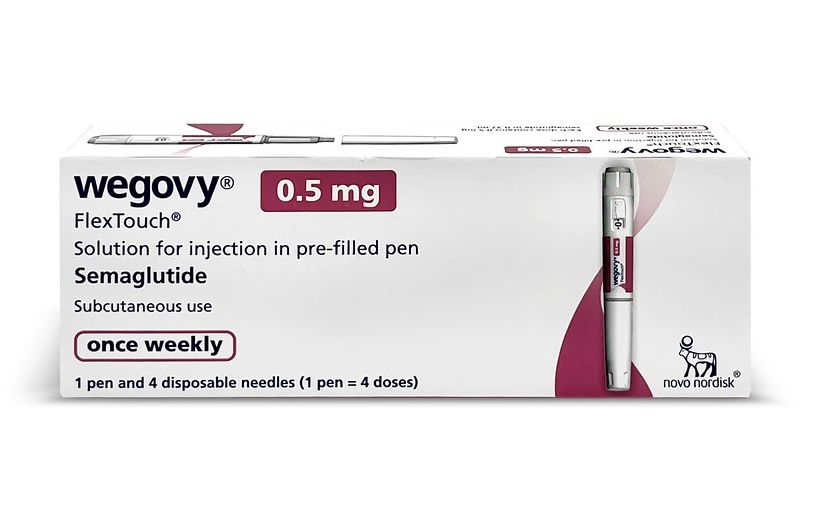
Wegovy (also called semaglutide), is a weight loss drug that has been advertised as improving health. Obesity can increase the chances of developing several types of cancer, so is Wegovy a good way to prevent cancer?


Dr. Zuckerman told MedPage Today Wegovy has modest health benefits, "But as an individual person making a decision about how much money they’re willing to spend for this drug, and all the side effects, whether it’s nausea or vomiting or diarrhea … it just may not be worth it to them.” She also notes that other research has shown that about 44% of people stopped taking semaglutide within 6 months, and 60% had dropped it by the end of a year. If people do not stay on the drug, they are left paying high prices and dealing with side effects for a short time, but without the health benefits of long-term usage. Read more here.

News You Can Use

More Than a Half-Million Claims Filed for Camp Lejeune Compensation


Since the U.S. Marines first identified dangerous chemicals in the water at Camp Lejeune Marine Corps Base in 1982, many who lived there have been diagnosed with several types of cancer and other serious diseases. The U.S. Navy has now received more than 546,500 claims for compensation filed by affected individuals with the U.S. Navy — one of the largest injury cases of all time. 


The chemicals discovered at Camp Lejeune are believed to have been in the water between 1953 and 1987 and may have harmed nearly a million people. Exposure to toxins at Camp Lejeune during that period has been linked to kidney cancer, leukemia, bladder cancer, and more. 


The half a million claims made over the last two years are the result of the Camp Lejeune Justice Act that was passed in 2022. Claims that have not been settled AND have been filed as lawsuits will start going to trial next year. Read the Reuters article here.


Photo from ASTDR

EPA pulls harmful weed killer from market


Last month, the EPA issued an emergency order to ban the use of the weedkiller dimethyl tetrachloroterephthalate (DCPA), or Dacthal. It is used on various crops such as broccoli, Brussels sprouts, cabbage and onions but when pregnant women are exposed it can cause babies' low birth weight, impaired brain development, decreased I.Q., and impaired motor skills. It is also considered a possible carcinogen. Those working on farms are at the greatest risk for exposure, but consumers can also be exposed through residue on vegetables they eat. Washing the vegetables is not sufficient because the chemical is absorbed into them. DCPA has been banned in the European Union since 2009, so what took the EPA so long? Read more here.

Info You Can Use

How is DCIS different than breast cancer?


The Cancer Prevention and Treatment Fund has developed a free, easy-to-read 32-page color booklet for women diagnosed with ductal carcinoma in situ (DCIS) -- also known as Stage 0 breast cancer). It explains DCIS and commonly used medical terms in plain language and helps women make informed decisions about their treatment.


Experts estimate that at least half of all women diagnosed with DCIS would never develop breast cancer even if they never received any treatment for their DCIS. Since we can't usually predict who is most likely to need treatment, most patients choose surgery. Lumpectomy is almost always the best option. Some women also choose hormonal therapy and/or radiation.


For more information, our free booklet is available here. 

Can sugar-sweetened beverage taxes reduce obesity?


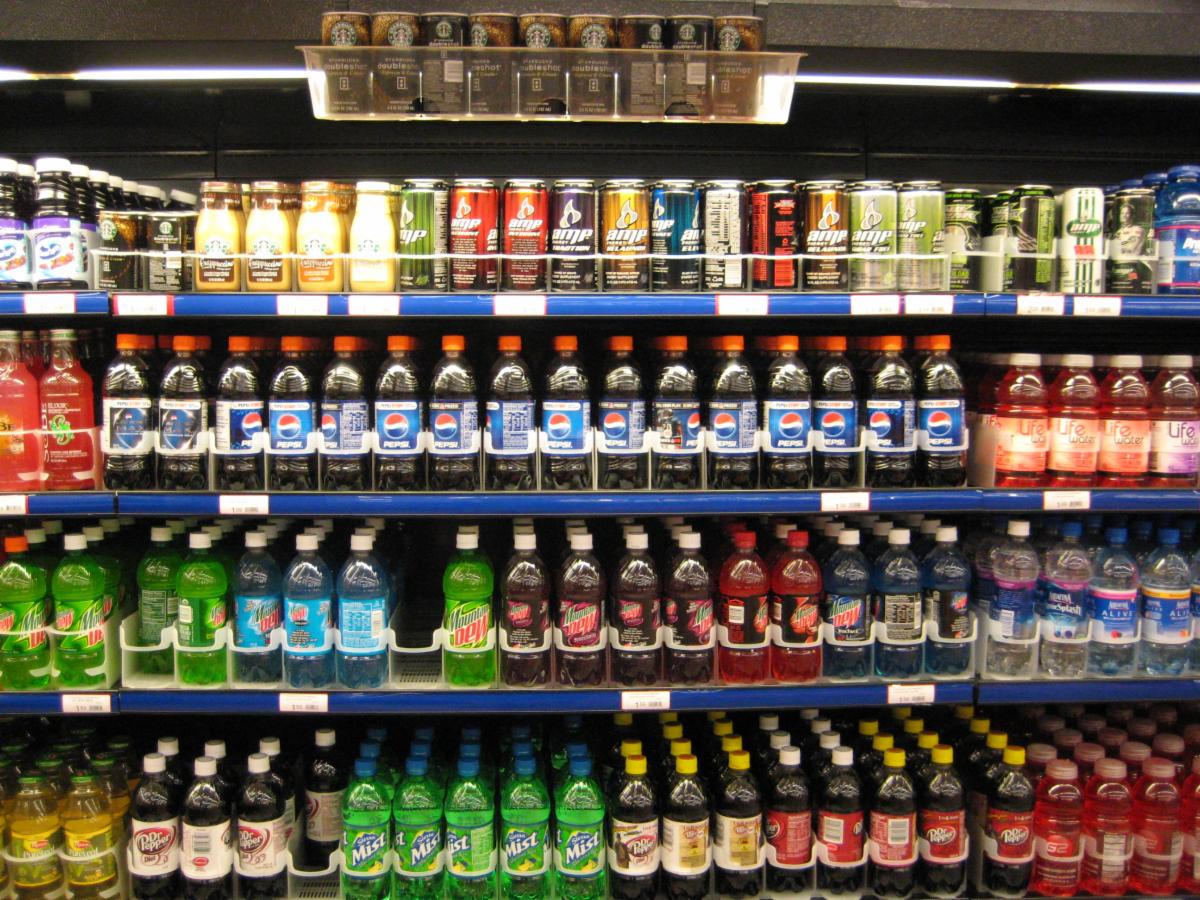
The World Health Organization (WHO) recommends Sugar Sweetened Beverage Taxes (SSBs) as a way to reduce sugar consumption and decrease weight-related diseases such as cancer and heart disease. Communities are looking for ways to encourage healthier choices and decrease the high consumption of sugary drinks, and SSBs present one possible solution. Cities that have taxed sodas have increased the cost enough that people are drinking fewer of these high calorie, non-nutritional drinks. Those who oppose the tax argue that although it reduce sugary drink intake, people may just turn to other sources for their sugar intake. However, a study comparing youth living in various California cities with and without SSBs also found that those living in cities with SSBs had significantly lowered their BMIs. More longterm data are needed to confirm this finding regarding the impact of SSBs on weight. Read more here.

Follow Our Instagram!

Check us out!

Did you know that artificial turf and rubber playground surfaces contain carcinogens? Are your children or grandchildren getting exposed when they play? Follow us @safe.to.play
Instagram  
@safe.to.play
 

Connect With Us!
 

Cancer Prevention and Treatment Fund

Facebook: @CancerPreventionAndTreatmentFund


LinkedIn: www.linkedin.com/showcase/cancer-prevention-&-treatment-fund/

Facebook
729101_linkedin_icon image
Donate

Your Contribution Can Make a Difference


We do not accept any funding from drug companies, device companies, chemical companies, or other sources that could influence our work and compromise our integrity. That's why so many people turn to us when they need help. Donations of any size are greatly appreciated (and tax deductible.)


Please consider giving to the Cancer Prevention and Treatment Fund online or by mail to the address below.

To sign up for these monthly updates, click here.
Cancer Prevention and Treatment Fund | 1001 Connecticut Ave NW, Suite 1100  
Washington, DC 20036 | www.stopcancerfund.org
CFC# 11967