|
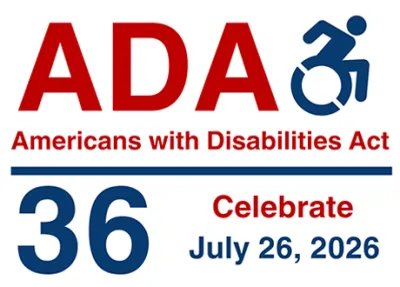
This month marks the 36th anniversary of the ADA and the opportunities it has helped create for people with disabilities to live, work, learn, and participate fully in community life. For more than 20 years, DIG has worked to enforce the ADA and expand on its promise by fighting for access, inclusion, and independent living for people with disabilities in our communities. Through advocacy, education, training, and systems change, DIG has worked to break down barriers so people with disabilities can go to school, get and keep jobs, find housing, use transportation, build relationships, and live with dignity and choice. The ADA matters because it helps make all of that possible by protecting the right of people with disabilities to be part of their communities, pursue their goals, and live fuller, more independent lives.
DIG Deeper - Continue Reading
| | |
A Playground for Everyone
By: Andrea Chavarriaga
Andrea is a sophomore at St. Brendan High School. She is volunteering at DIG this summer to get community service hours. In this article, she shares her thoughts and experiences on accessible playgrounds.
| | |
When I was younger, I never really thought much about playgrounds. I would just go, run to the swings, climb around, and play with my friends. I thought every kid could do that the same way.
Now I understand that is not always true.
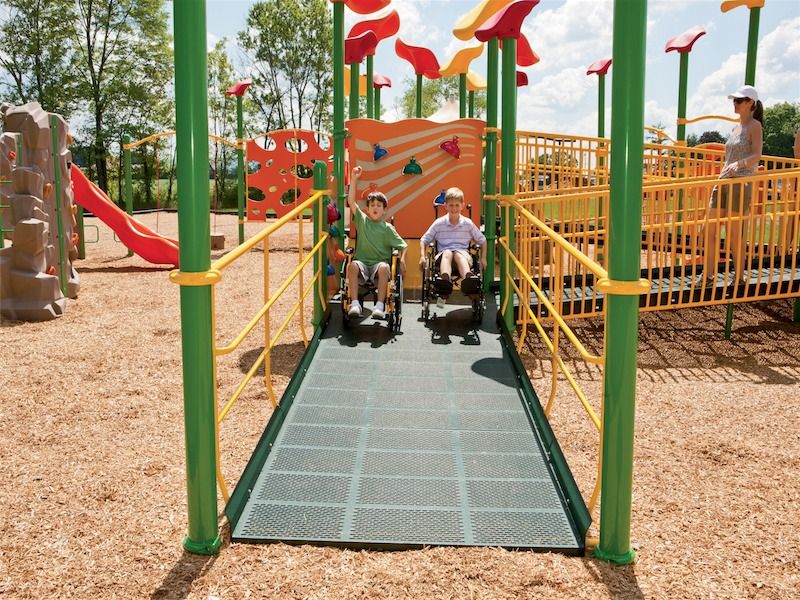
For many kids with disabilities, playgrounds can be hard to use. Wood chips can make it hard for wheelchairs to move, and stairs can stop some kids from getting to slides or other equipment. Things like that are easy to overlook if you do not need them, but they can make a big difference for someone else.
That is why accessible playgrounds are so important. They are made so that more kids can play together. Some have ramps instead of stairs, swings with extra support, sensory toys, and smoother ground. These changes help more kids join in, instead of being left out.
What I like most is that inclusive playgrounds do not separate people. Most kids just want to play and have fun. They do not really focus on differences. When a playground is built for everyone, it makes it easier for all kids to be included.
DIG Deeper - Continue Reading
| | |
Representation in Musicals + My Recommendations
By: Celeste Mazloum
| | |
Hi everyone!
I hope you guys are having a wonderful summer break. If your break looks anything like mine, you are soaking up the sun, eating countless fresh mangoes, reading a book a week, and of course watching films and musicals. Follow along with this article if you are interested in discovering your next must-watch!
This year I completed my first year of college at the University of California, Los Angeles. My year at UCLA was one of the best and most transformative periods of my life. I met friends that I now consider family, explored the beautiful state of California, learned so much about myself, and took so many amazing courses-my favorite being Musicology 19: Disability in Musicals, taught by the amazing Professor Raymond Knapp.
In this hands-on seminar-style course, 19 of my peers and I learned about how disability has been represented in musicals and movies. During our weekly discussions, we looked at a wide range of musicals, exploring both genuine representation and the ways disability has sometimes been misrepresented on stage.
DIG Deeper - Continue Reading
| | |
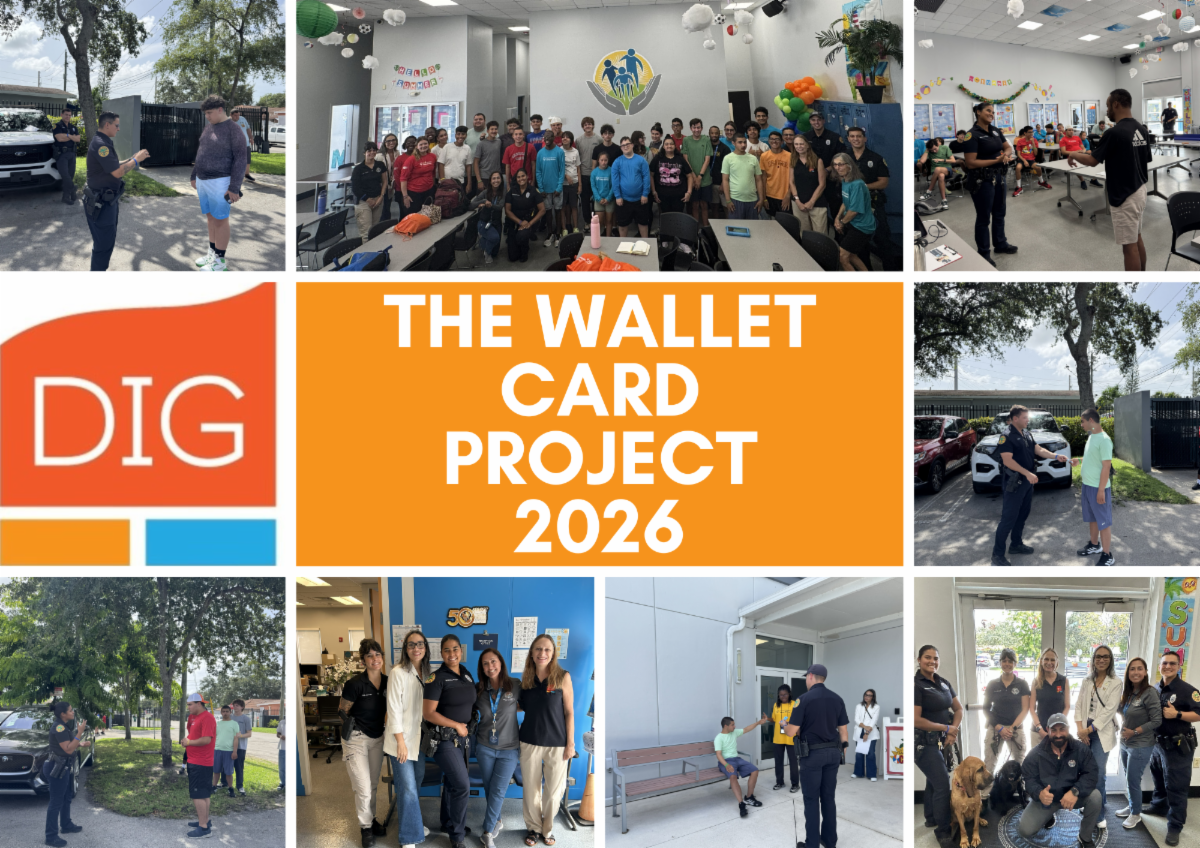
DIG's Wallet Card® Project focuses on helping people with disabilities and first responders communicate with each other.
The Wallet Card® Project is an initiative designed to improve communication during interactions between individuals with intellectual/developmental disabilities or autism spectrum disorder (ASD) and law enforcement.
Whether you're a caregiver, teacher, community organization, or part of law enforcement, be sure to visit our Wallet Card® Project Page for more information on how to access these resources and apply for a Wallet Card®.
| | |
A Wallet Card® training at the Sandra DeLucca Developmental Center in partnership with Camp Shriver and the City of Miami Police Department.
The training brought together participants, caregivers, and law enforcement officers to practice effective communication and promote safer interactions between people with disabilities and police.
Special thanks to Brenda Lampon from the Miami-Dade County Mayor's Office for her continued support of this project.
| | |
Asset Building for Individuals with Disabilities
By: Lesly Quintanilla Lopez
Disclaimer: The information in this article is for general informational purposes only. The information presented in this article is not legal advice or a legal opinion, and it may not necessarily reflect the most current legal developments. You should seek the advice of legal counsel of your choice before acting upon any of the information in this article.
Public benefit programs for people with disabilities, especially Supplemental Security Income (SSI), are not aimed at increasing assets and independence for people with disabilities, as a result individuals with disabilities often have very limited income and few, if any, assets. The intent of asset building initiatives is that as individuals develop assets, they will be able to move out of poverty and remain out of poverty. Many asset building services for people with disabilities will NOT cause loss of critical SSI disability cash payments and essential health insurance such as Medicaid and Medicaid waivers.
Types of asset-building services for people with disabilities:
- IDAs: Individual Development Accounts
- ABLE account
-
Work Incentives from SSA: WIPA program and work incentives like PASS, Plan to achieve self-support and Self-employment/entrepreneurship
- Earned Income Tax Credit (EITC)
- College Savings Accounts
- Financial literacy education
- Specialized Trusts used for specific purposes: D4A, D4B, D4C
DIG Deeper - Continue Reading
| | |
Get Ready to Vote: Check Your Registration for Florida’s Primary Election.
2026 Miami-Dade County Voting Information – Learn about the accessible ways to vote in Miami-Dade County, including how to request an accessible Vote-by-Mail ballot.
Your Vote Starts with an Informed Conversation - This July, Vote Miami is hosting three virtual candidate forums featuring candidates running for the Miami-Dade County Commission in Districts 2, 5, and 8. Get information directly from the candidates on the issues that matter most to our community, including housing affordability, transportation, economic opportunity, public safety, and quality of life, before casting your ballot in the August 18th Primary Election.
| | |
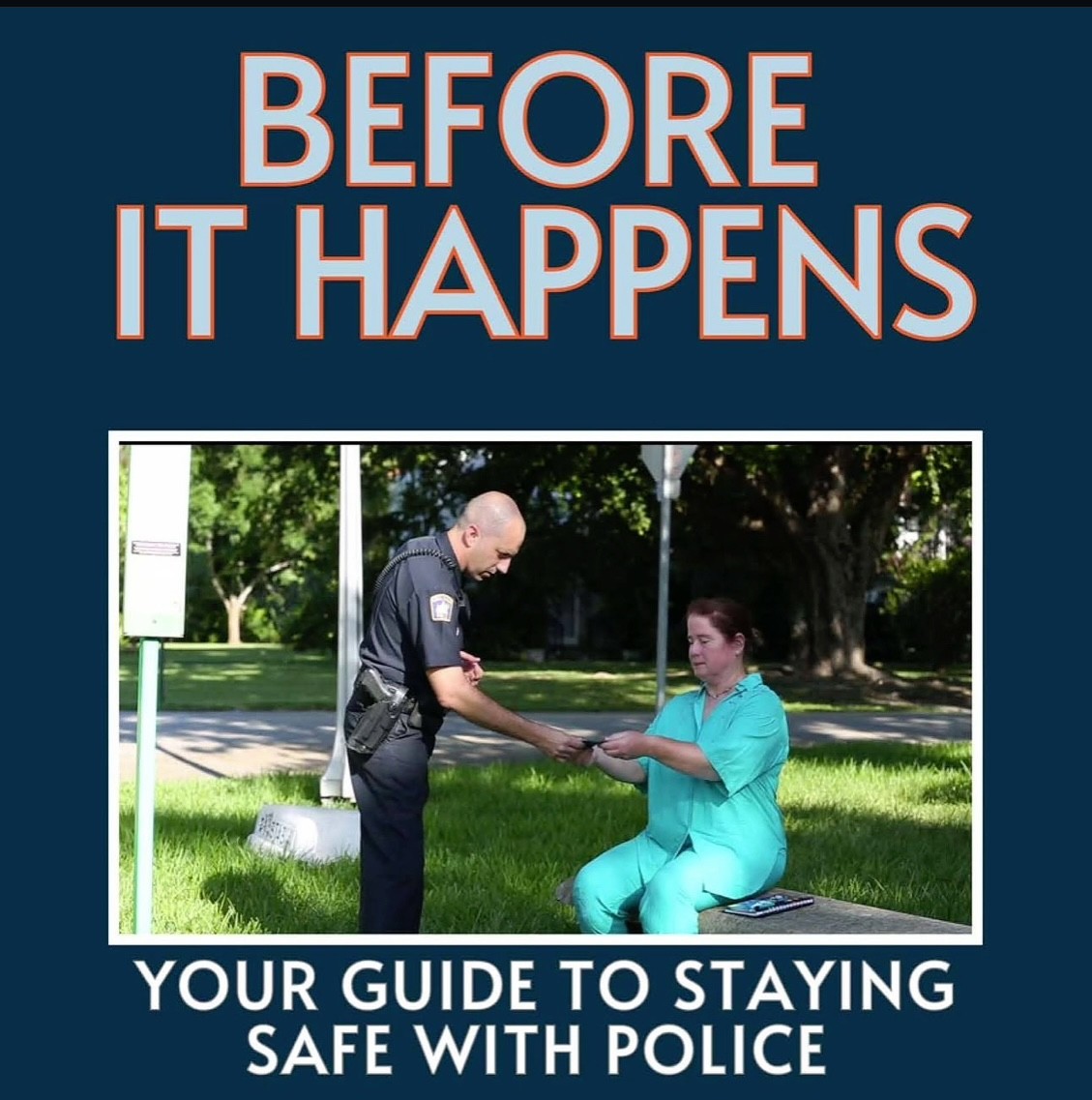
DIG's E-Book, Before It Happens - Your Guide to Staying Safe With Police, is now available!
Order Your E-Book Here
| |
| | |
Be Sure to Check out Our DIG Blog
for Much More
Important Information and Resources!
| | | | |
Do you have suggestions for future content or articles for our monthly newsletter?
If so, email your ideas and suggestions to our newsletter editor,
Justine Chichester.
| | Follow DIG on Social Media | | | | |