|
Dear Colleagues,
The latest issue of Integrative Zoology is available ONLINE. Please see the links below to access the issue and individual manuscripts.
Issue 18.5 Sept 2023
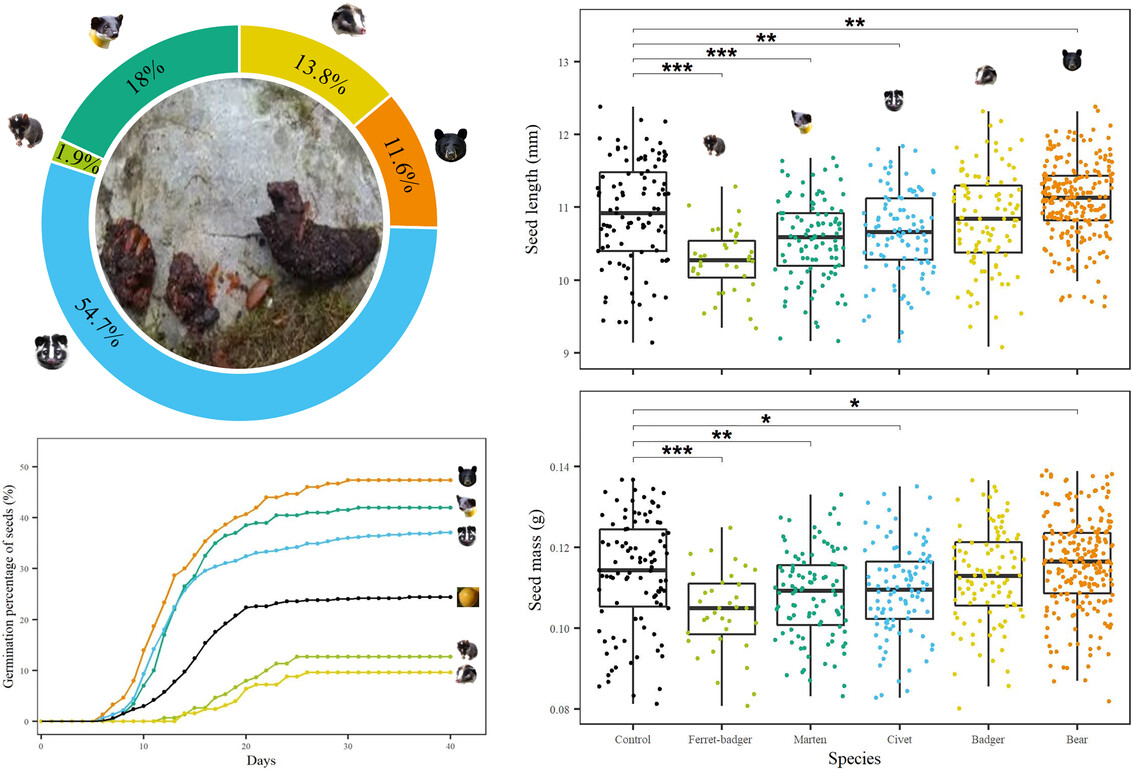
Conflicting selection pressures on seed size and germination caused by carnivorous seed dispersers
Jifa CUI, Yaqian ZHANG, Jinyu GUO, Nan WU, Youbing ZHOU
We found the conflicting selection pressures exerted on seed size and germination by five frugivorous carnivores for a mammal-dispersed pioneer tree, the data plum persimmon (Diospyros lotus).
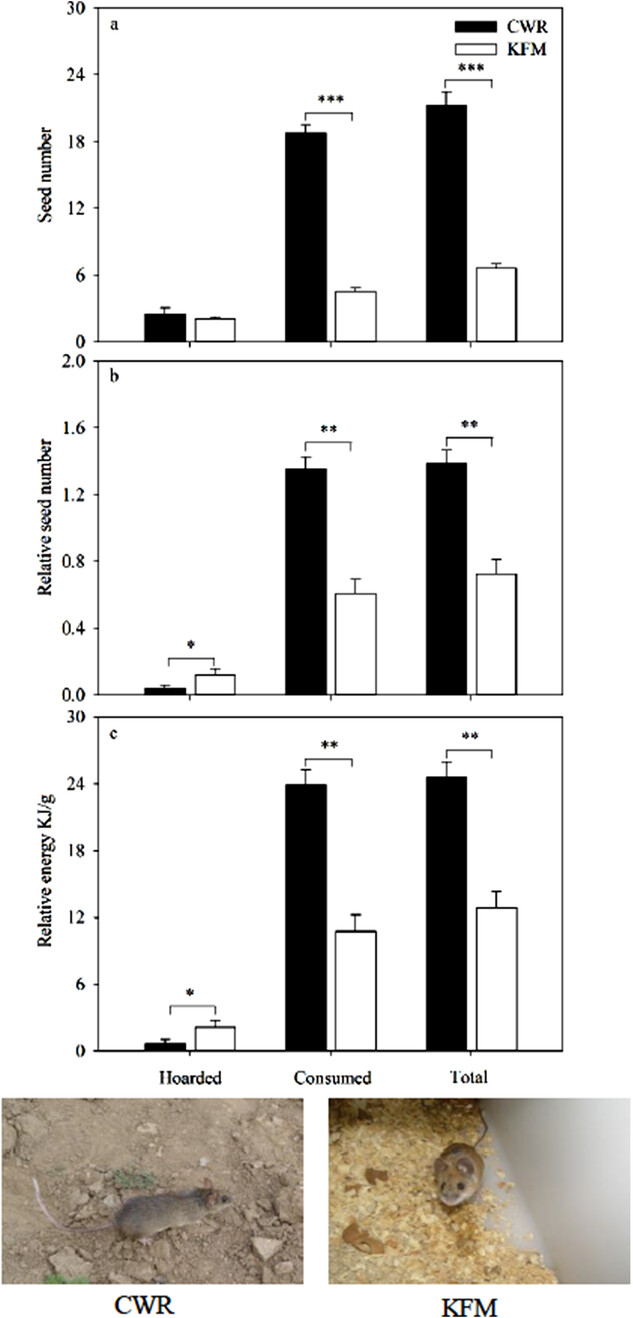
Asymmetric competition for seeds between two sympatric food hoarding rodents: implications for coexistence
XaXin MENG, Guangchuan HUANG, Zhiyong WANG, Hongyu NIU, Hongmao ZHANG
West of Beijing, Chinese white-bellied rats (Niviventer confucianus, CWR) and Korean field mice (Apodemus peninsulae, KFM) are common and share similar habitat, diet, and activity, but differ in body size (CWR are bigger than KFM), food hoarding habit, and ability to protect caches. Intense asymmetric competition for food exists between the 2 rodent species, in that CWR have distinct advantage than KFM. However, how KFM coexists with CWR is less known. By tracking seed competition of 15 pairs of CWR–KFM over a 10-day period for each under enclosure conditions, we found KFM could not compete over CWR at the seed source, but in terms of relative number (seed number/) and relative energy of seeds (seed energy/), they hoarded more seeds than CWR at the end of the trials. These results may promote their coexistence under the conditions of asymmetric competition.
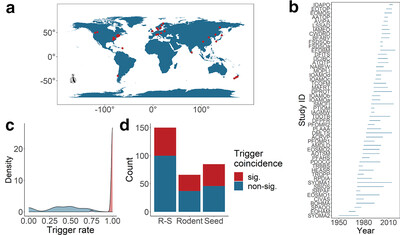
A global evaluation of the associations between long-term dynamics of seed falls and rodents
Rui LIU, Yongjun ZHANG, Hongmao ZHANG, Lin CAO, Chuan YAN
Our study provides a global pattern of the associations between seed falls and rodent population dynamics in forests, and density dependence contributed much more to rodent dynamics than seed falls.
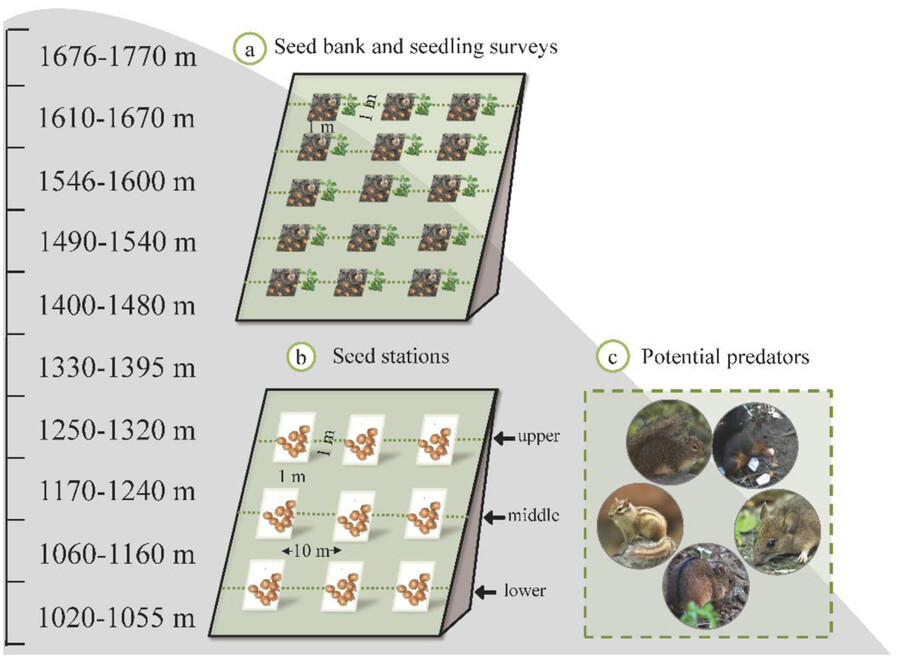
High rodent abundance increases seed removal but decreases scatter-hoarding and seedling recruitment along an elevational gradient
Fei YU, Linjun ZHANG, Yang WANG, Xianfeng YI, Shuang ZHANG, Jianmin MA, Zimei DONG, Guangwen CHEN, Keming MA
Our results provide strong evidence that complex asymmetric seed dispersal and seedling regeneration exist along an elevational gradient. The number of individual seeds in the seed bank and seedlings increased with the elevation, although dispersal services were reduced at sites lacking rodents. As conditional mutualists, the rodents could act as antagonistic seed predators, thereby resulting in the asymmetric pattern of rodent and seedling abundance with increasing elevation.
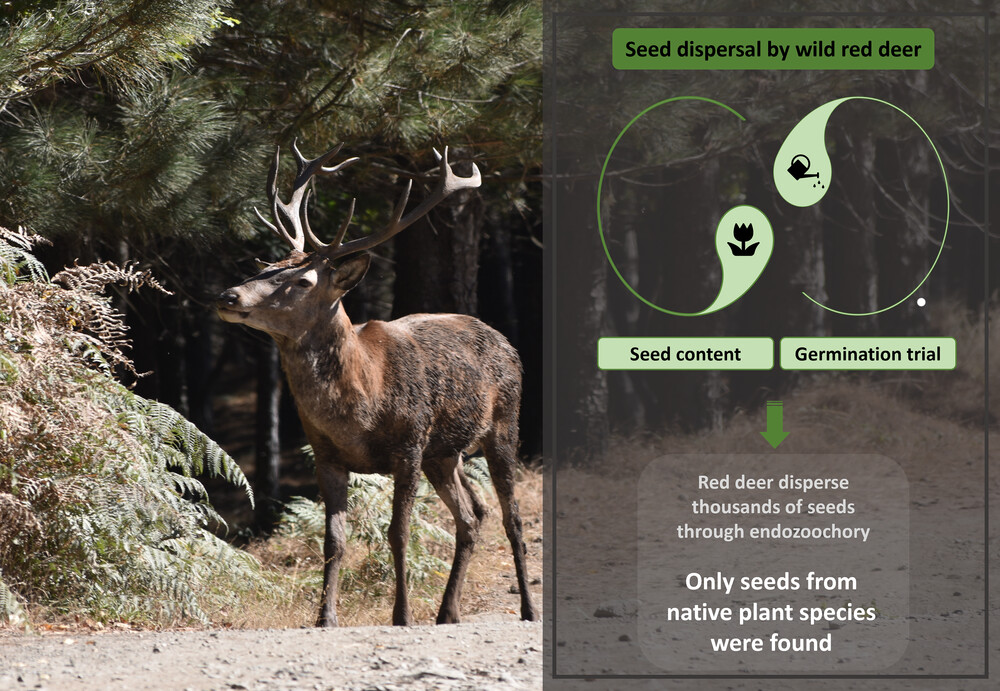
Red deer as a disperser of native, but not invasive plants’ seeds
Fernanda GARCIA, António ALVES DA SILVA, Ruben HELENO, José Paulo SOUSA, Joana ALVES
Open Submission - Original Articles
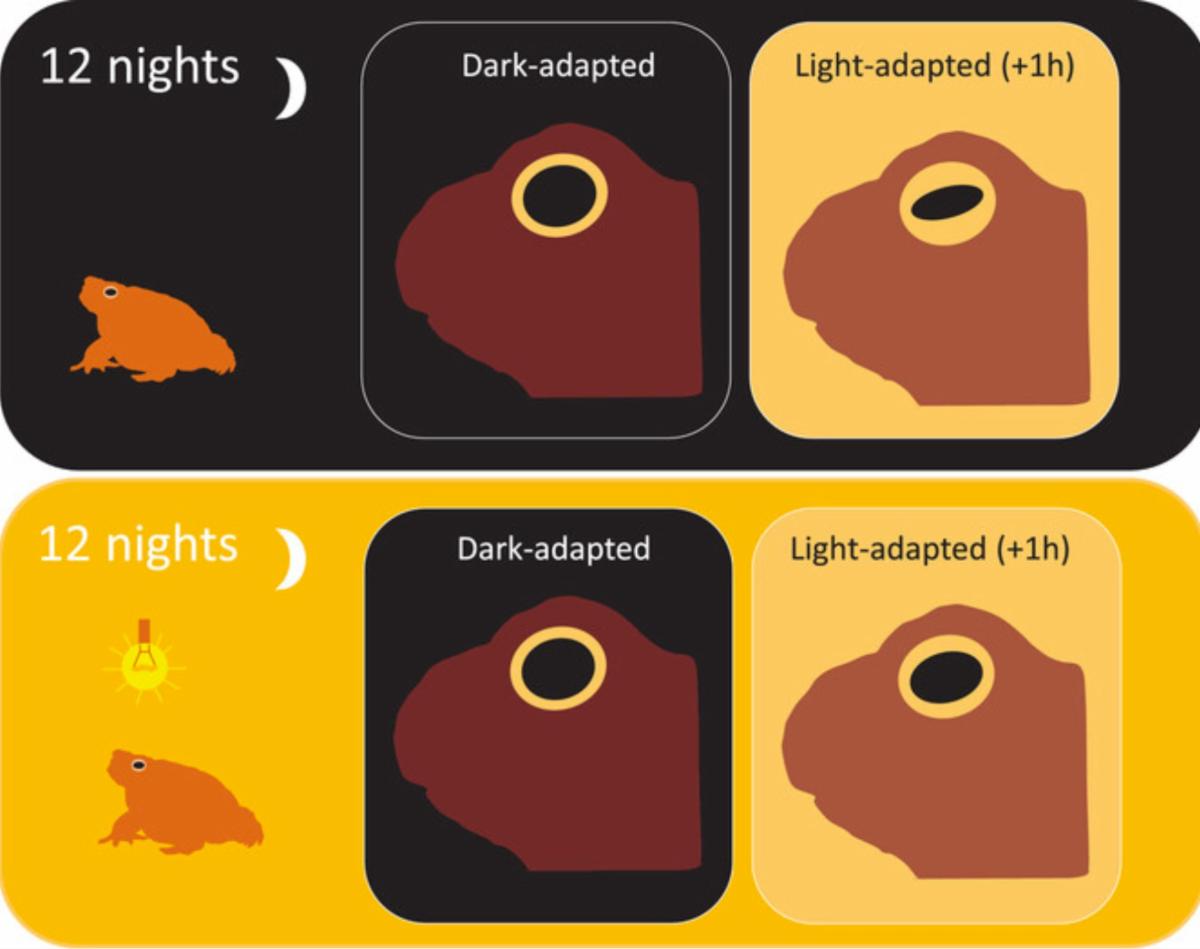
Artificial light at night decreases the pupillary light response of dark-adapted toads to bright light (OPEN ACCESS)
Jean SECONDI, Madeleine F. SCRIBA, Nathalie MONDY, Thierry LENGAGNE
Dark-adapted toads dilate their pupil when suddenly exposed to light. Dilatation was weaker in individuals that have been exposed for 12 nights to artificial light, potentially impairiing their ability to perform visual tasks.
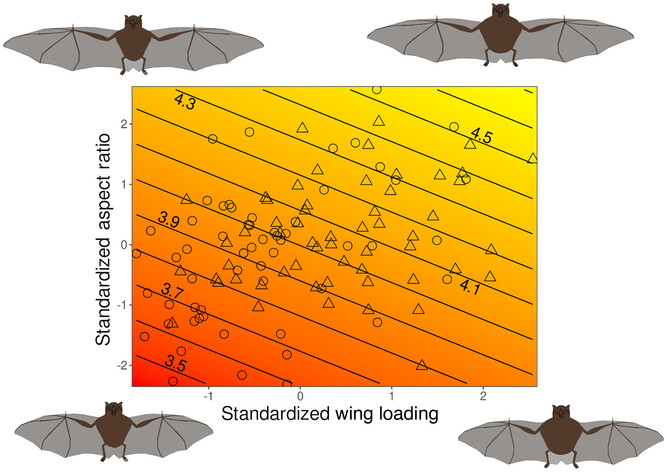
Flight performance and wing morphology in the bat Carollia perspicillata: biophysical models and energetics
Lucas de Oliveira CARNEIRO, Breno MELLADO, Marcelo Rodrigues NOGUEIRA, Ariovaldo Pereira da CRUZ-NETO, Leandro Rabello MONTEIRO
We used a novel combination of methods that allowed for estimates of flight performance correlated with wing morphology in short-tailed bats. Our results show that morphologies with the best performance would save the energy equivalent to 9–30% of total daily requirements, with consequences in movement pattern and habitat preference.
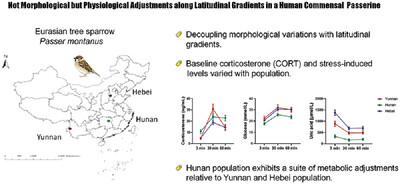
Physiological but not morphological adjustments along latitudinal gradients in a human commensal species, the Eurasian tree sparrow
Qian ZHANG, Mo LI, Yuan YIN, Shiyong GE, Danjie LI, Ibrahim M. AHMAD, Ghulam NABI, Yanfeng SUN, Xu LUO, Dongming LI
Morphological parameters did not vary with latitude. Baseline corticosterone (CORT) and stress-induced levels varied with population. Hunan population exhibits a suite of metabolic adjustments relative to Yunnan and Hebei populations.
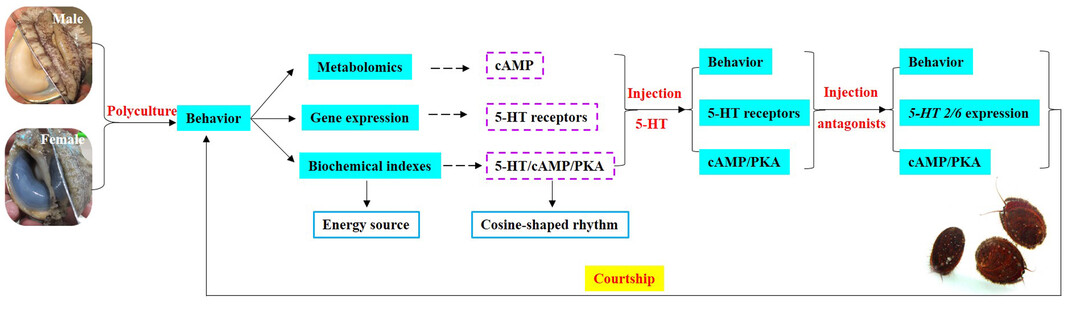
Reproduction strategy of nocturnal marine molluscs: running for love
Xiaolong GAO, Mo ZHANG, Shihui LIN, Mingxin LYU, Xuan LUO, Weiwei YOU, Caihuan KE
The movement behavior characteristics of sexually mature and immature abalones were quantified and compared. It was found that sexually mature male abalones paid court to sexually mature females by increasing their distance moved and the duration of movement.
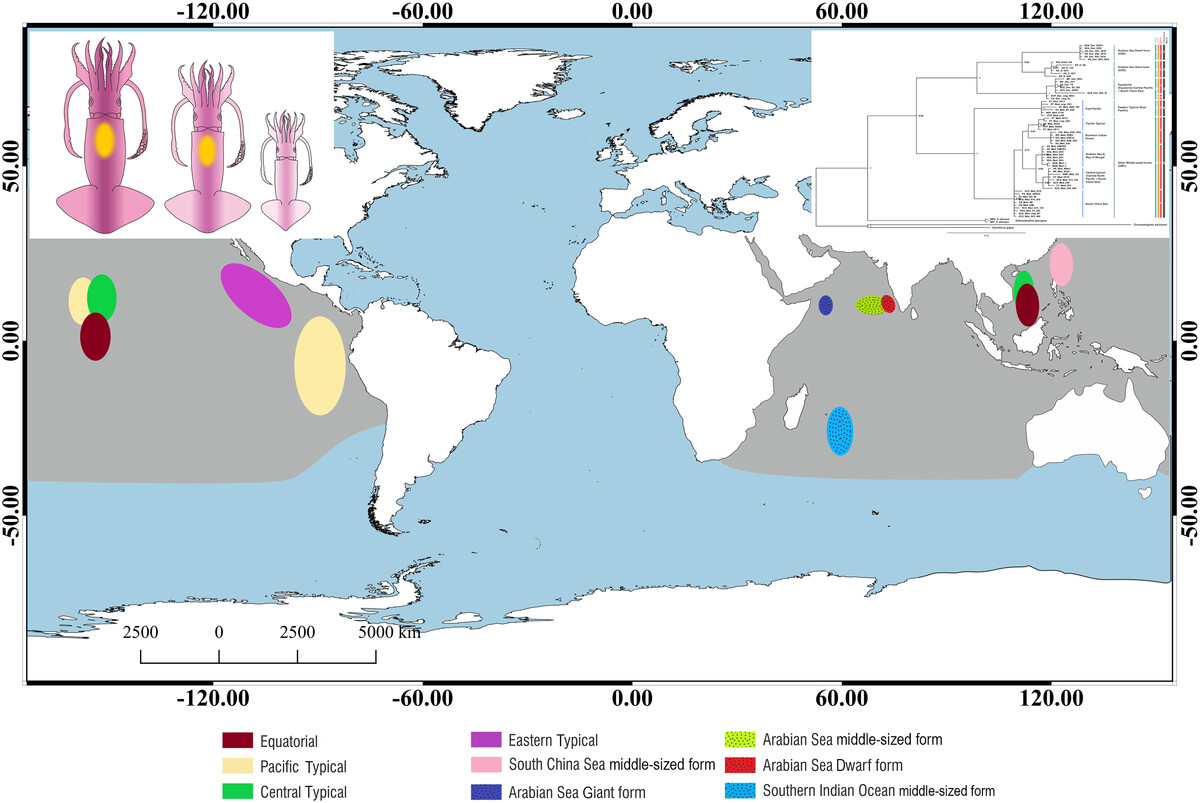
Insights into the divergent evolution of the oceanic squid Sthenoteuthis oualaniensis (Cephalopoda: Ommastrephidae) from the Indian Ocean
Nikarthil S. JEENA, Kurichithara K. SAJIKUMAR, Summaya RAHUMAN, Nadakkal RAGESH, K. P. Said KOYA, Shunmugavel CHINNADURAI, Geetha SASIKUMAR, Kolliyil S. MOHAMED
The focus of this study is the integrative taxonomic investigation of the three major morphotypes (middle-sized, dwarf, and giant forms) of the commercially significant and globally distributed oceanic squid Sthenoteuthis oualaniensis, based on the three earlier morphotypes collected during cruises in the Indian Ocean.
Letters to the Editor - COVER
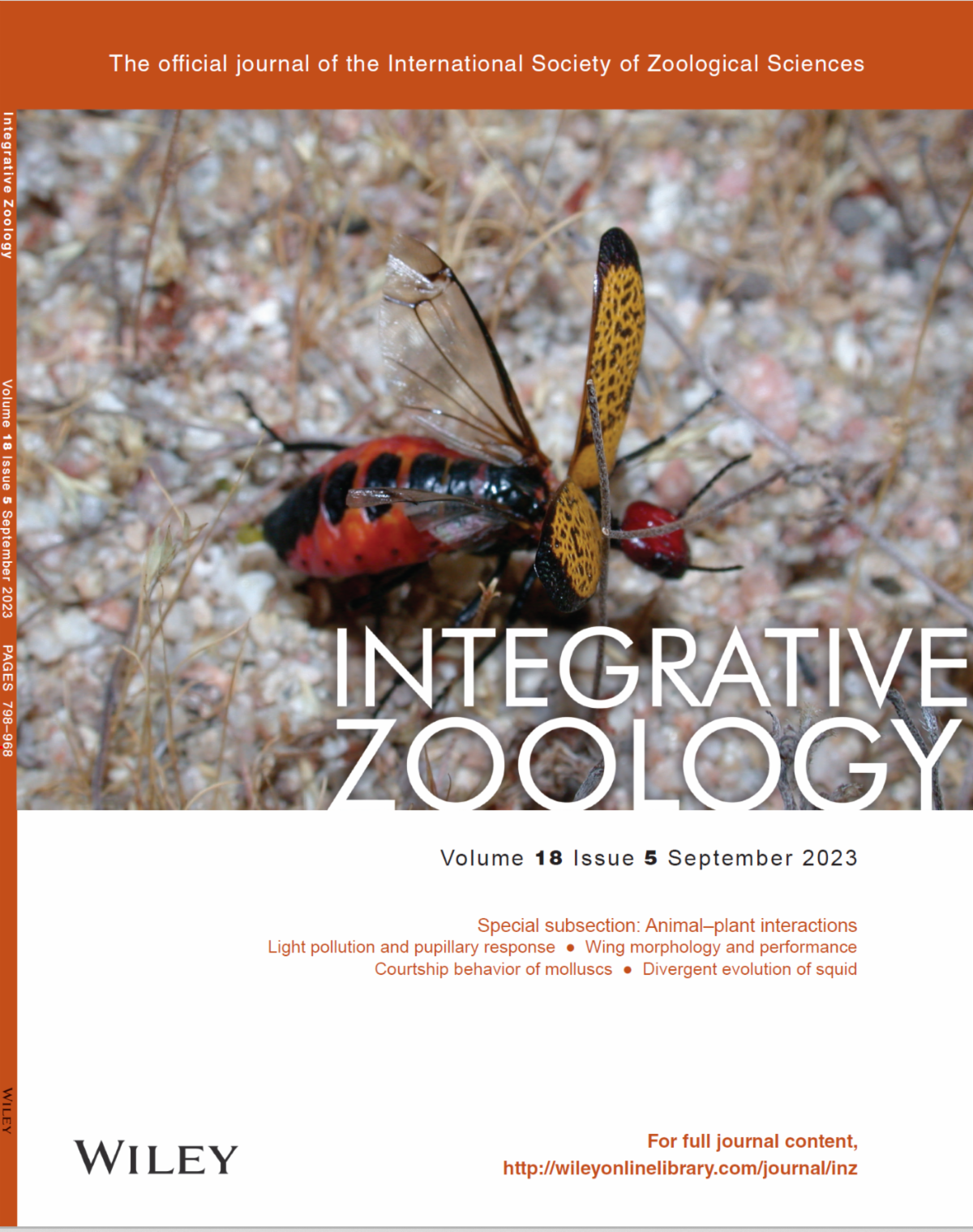
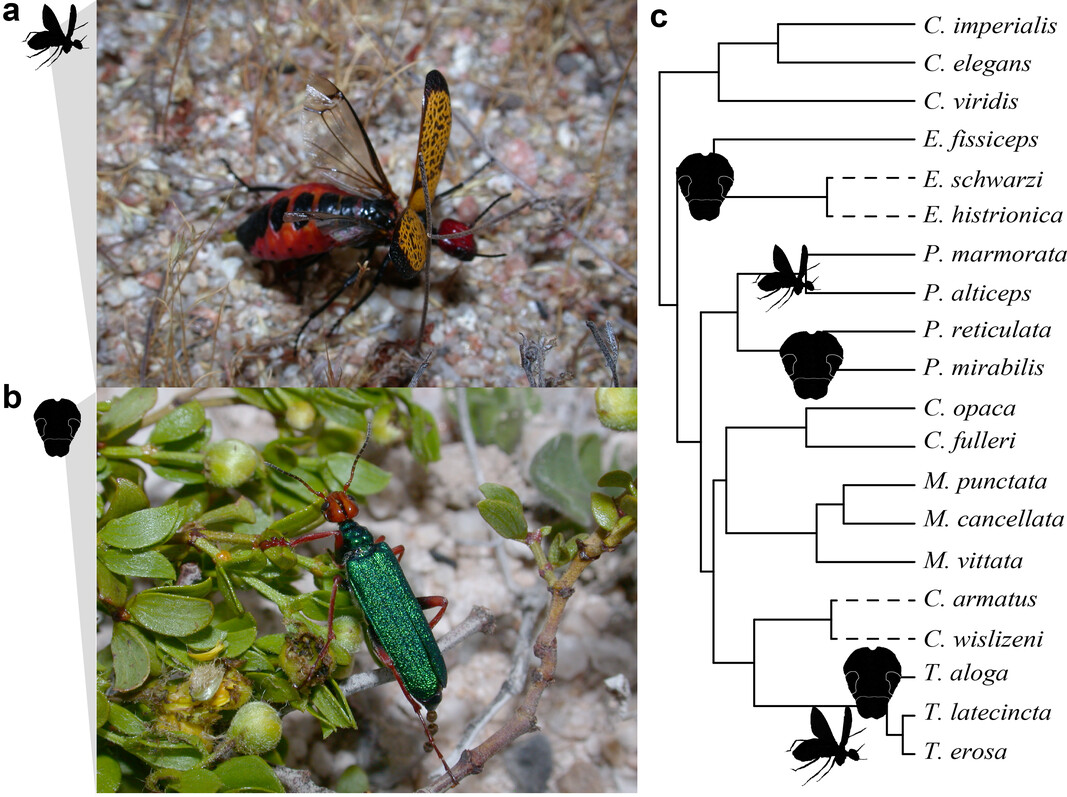
Analyses of head and thorax in Eupomphini (Meloidae) suggest that complex behaviors are not associated to changes in general shape
Mario GONZÁLEZ-FERREIRO, Mario GARCÍA-PARÍS, Lucía SAINZ-ESCUDERO, E. Karen LÓPEZ-ESTRADA
Our results reject an association between general shape of head and thorax with defensive and courtship behaviors in the studied Eupomphini blister beetles. Instead we found that shape of thorax and head radiated in all directions of the morphospace. We also identified a radical separation between two lineages that could represent future evolutionary constraints for thorax evolution.
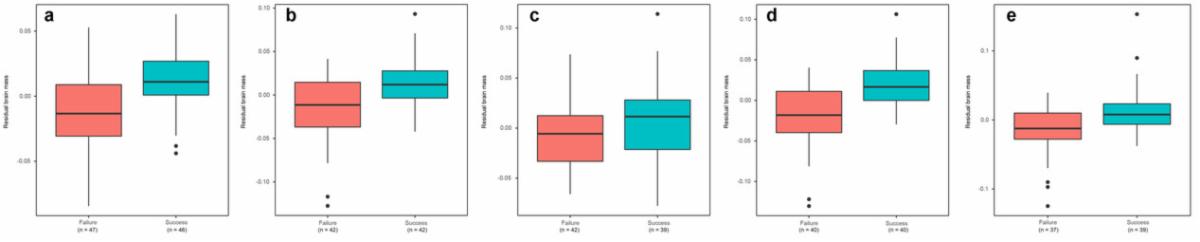
Brain size predicts foraging and escaping abilities in the paddy frogs
Chuan CHEN, Weijie SHAO, Xin ZHU, Yuejun YANG, Ying JIANG, Wenbo LIAO
The three experiments revealed that successful individuals with spatial learning and escaping had relatively larger brains than unsuccessful ones in three species of the paddy frogs. We first provided experimental evidence for whole-brain size as a predictor of cognitive abilities in the paddy frogs. Our findings support the claim that brain size can reflect an animal's spatial learning and escaping abilities and enhance our understanding of larger brains evolved with better cognitive abilities in frogs.
|