From the Station Director |
|
It's a busy time for the NH Agricultural Experiment Station. While the past month has certainly felt like the entirety of winter descended on New Hampshire in a 6-week period, spring is definitely in the air!
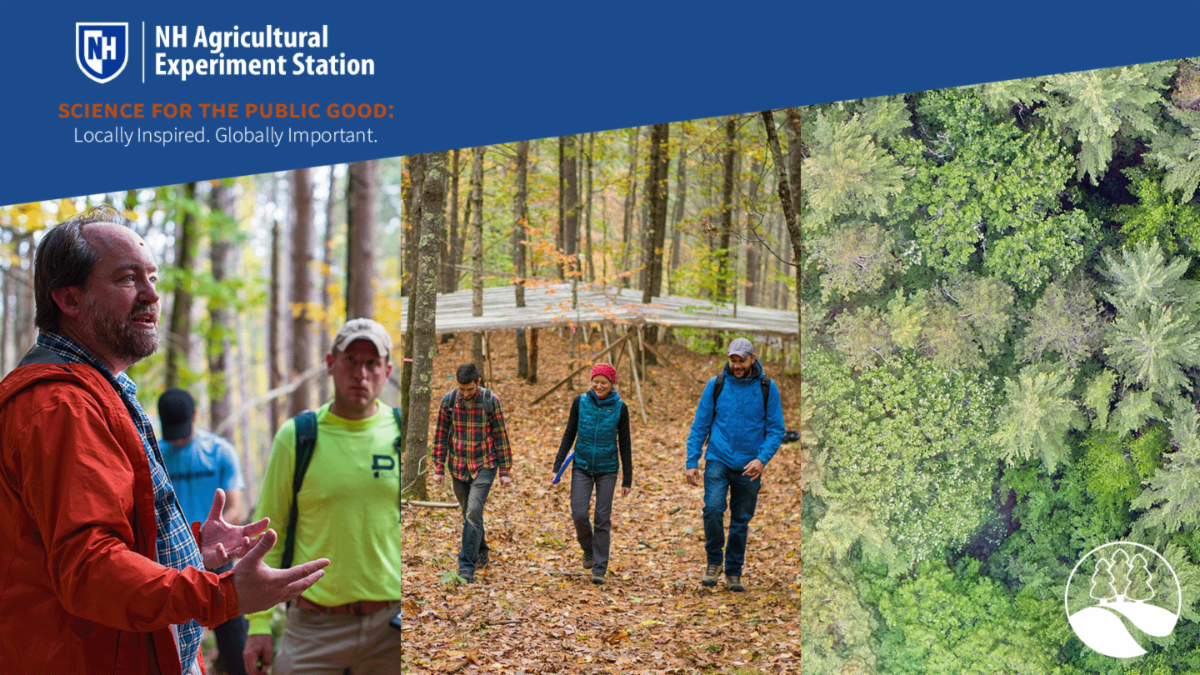
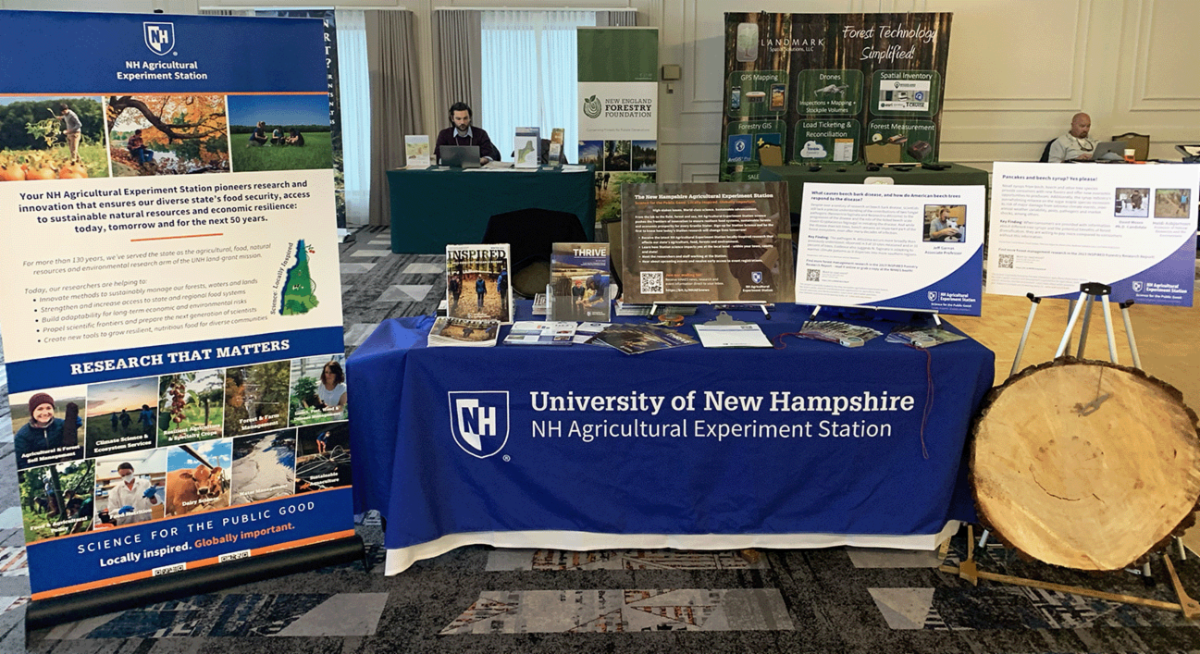
One sign of spring is the annual meeting of the New England Society of American Foresters, which was held in New Hampshire this year. A number of UNH researchers presented their scientific work and findings at the conference, many of which you can read about in our latest issue of INSPIRED that focuses on the forestry research conducted as part of our Station. The conference also presented us with an opportunity to continue growing our efforts to directly interact with the people and communities that our research supports, and to hear about the emerging questions and needs that future research could be used to address.
Another sure sign of spring is our annual Macfarlane Research Greenhouse open house event on Saturday, April 1, from 9:00 a.m.–3:00 p.m. During this event, we invite our community members to visit this Station research facility, see close-up many of the ongoing research projects there, meet with and ask questions of the scientists conducting this research and learn from presentations by our scientists and our Extension colleagues. We hope that you can join us and take advantage of this great opportunity to further explore research conducted at the Station.
And thank you for supporting our efforts to improve the lives of our state and region!
Director, NH Agricultural Experiment Station
|
|
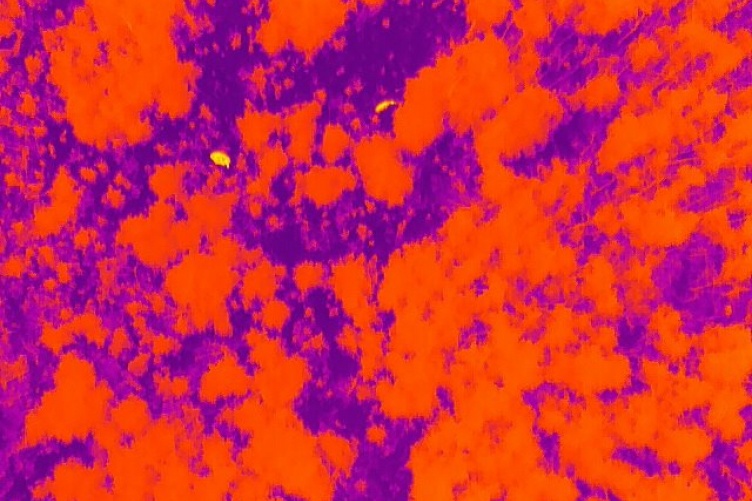
Despite more than 1 million moose living in North America, with approximately 3,000–4,000 located in New Hampshire, the usually shy animal is notoriously difficult to spot. However, the region’s largest land mammal plays an important cultural and ecological role in the area, influencing tourism and impacting forest and wildlife composition where it feeds but also being vectors of parasites and diseases and involved in approximately 500 vehicle collisions per year in New England. As such, accurately tracking and estimating moose populations is key to conserving and managing the species. Click to read more.
|
|
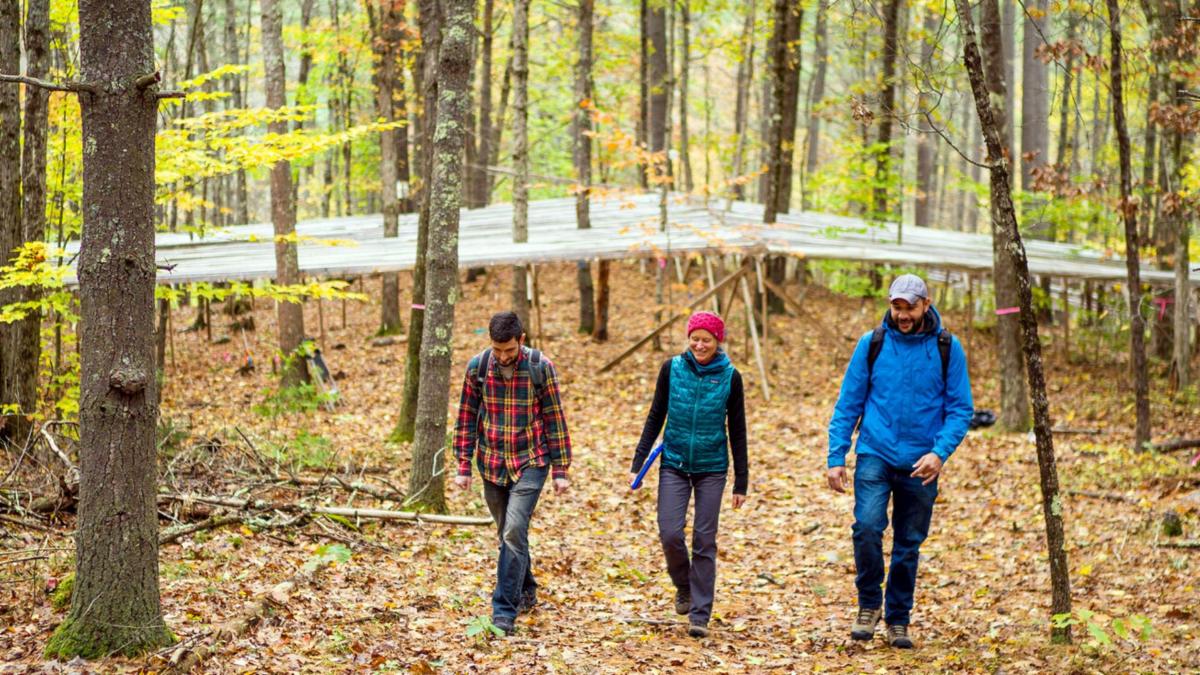
Climate change is expected to bring a warmer, wetter and more variable climate to the Northeast, including more frequent and severe droughts. Despite the potential wide-ranging implications of drought on forest health and ecosystem services, little is known about the capacity of different northeastern tree species to respond, adapt to and survive. This study considered how dominant tree species vary in their sensitivity and response to moderate and extreme drought. The research helped provide the first assessments of physiological and soil moisture thresholds that lead to abrupt changes in tree species’ response to drought and how the species vary in their ability to recover growth and function after a drought. Click to read more.
|
|
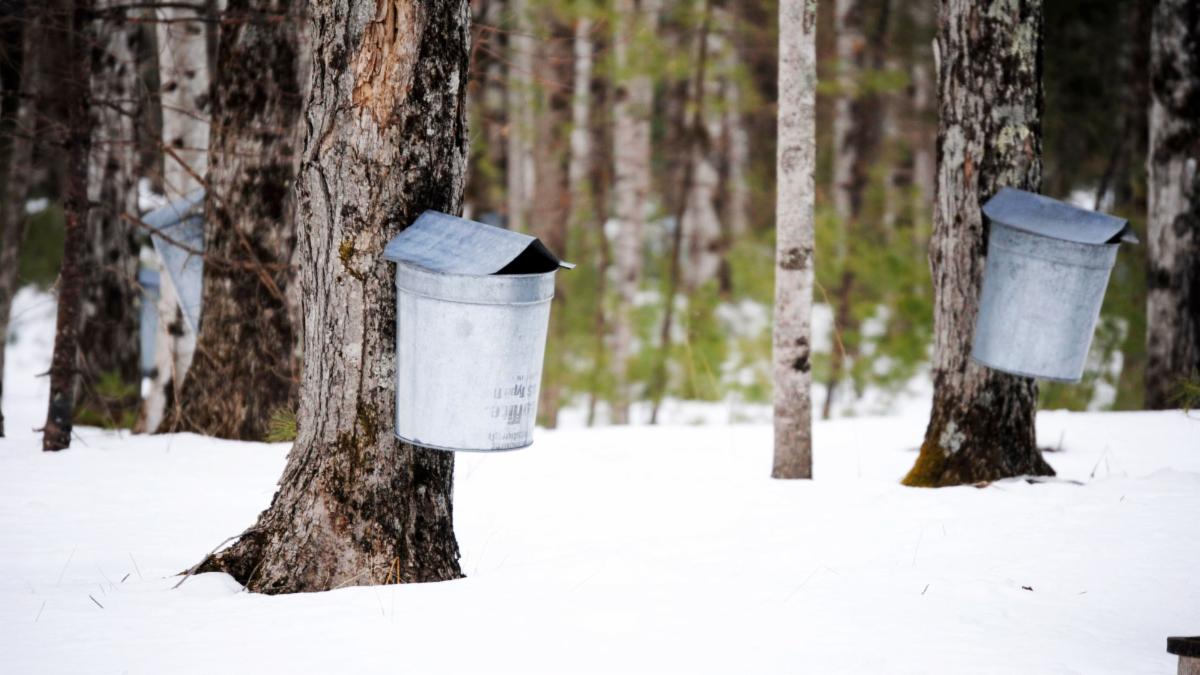
Syrup production is an important agroforestry system in which sugarbushes—forests managed for syrup production—are actively managed to ensure large, healthy, sap-producing species such as sugar maple. While syrup is most commonly produced from maples, other types of trees can also be used. Novel syrups from birch and beech trees, for example, provide consumers with new flavors and new economic opportunities for producers. This research examines the potential for alternative syrup production in New England. Click to read more.
|
|
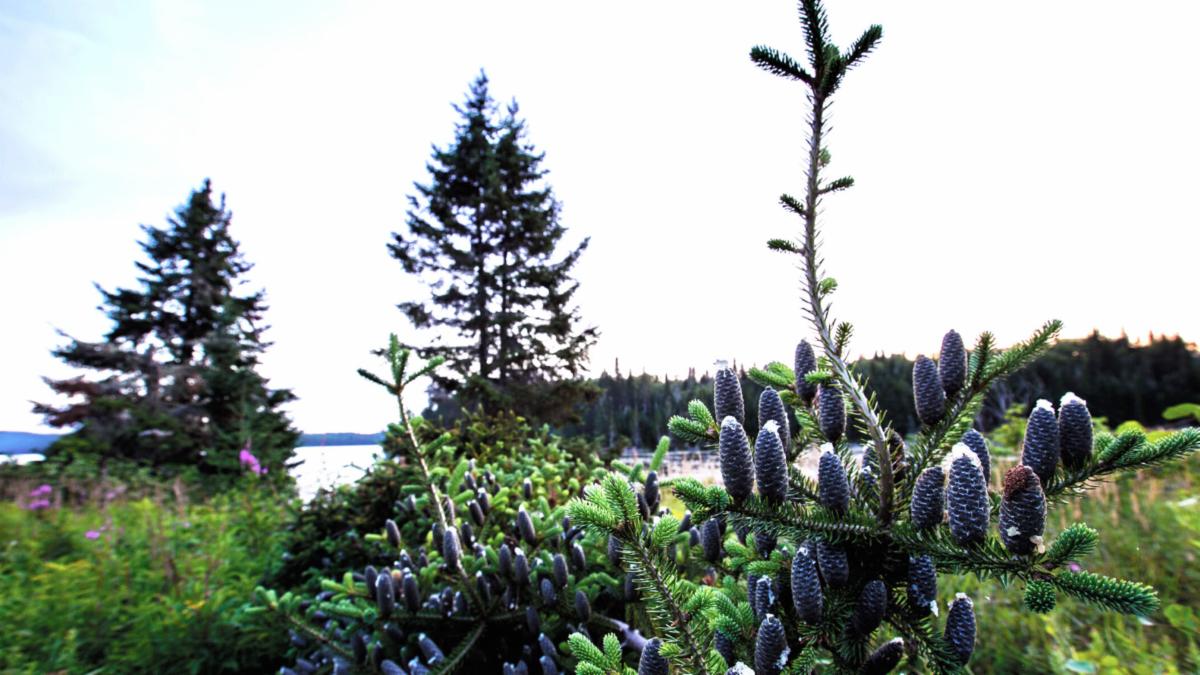
In many parts of the country, the desirability and usability of trees helps to shape land management practices. In the northeastern U.S., decades of forest harvesting patterns have left some forestland with a deficit of desirable trees species. A series of analyses using U.S. Forest Service Forest Inventory and Analysis National Program data highlighted opportunities aimed at improving regional timber productivity and value by focusing on better species composition and individual tree quality. As part of these analyses, balsam fir (abies balsamea) was classified as a tertiary species, instead of a more desirable primary or secondary species. This research sought to identify reasons for this classification. Click to read more.
|
|
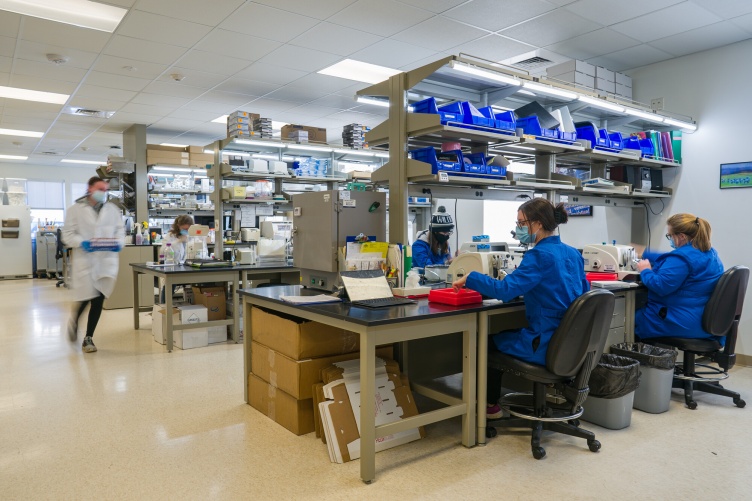
For more than five decades, the New Hampshire Veterinary Diagnostic Laboratory—which is co-funded and co-managed by NHAES and the NH Department of Agriculture, Markets & Food—has helped secure animal and public health by providing essential diagnostic services to the Granite State and New England. Now, thanks in large part to the support of Sen. Jeanne Shaheen (NH-D), the NHVDL will receive $1.26 million in federal appropriations to expand their diagnostic services and capacity to safeguard the region from emerging infectious disease threats. Click to read more.
|
|
More Station News & Notes |
|
Join us on April 1st, 2023, for the Macfarlane Research Greenhouses Open House! We’re planning a full day of talks and presentations by NHAES researchers and Extension specialists. Learn about active research projects at the greenhouses and how the science benefits New Hampshire. Saturday, April 1, from 9–3 p.m.
|
|
Follow NHAES on social media: |
|
|
|
|
|
|