Striving to Walk with Tribes | | |
California is home to one of the largest Native American populations in the contiguous United States. There are 109 federally recognized tribes, and over 50 non-federally recognized Tribes as well as urban Indian communities. In some cases our state transportation network was built alongside trails and paths created by Tribal nations. We admit we are not where we aspire to be when it comes to working with Tribal governments and communities, but we are committed to taking steps to respect, consult and build meaningful relationships with our Tribal partners in all 12 Caltrans Districts. At the end of the month, Caltrans along with many other state bodies will be celebrating California Native American Day.
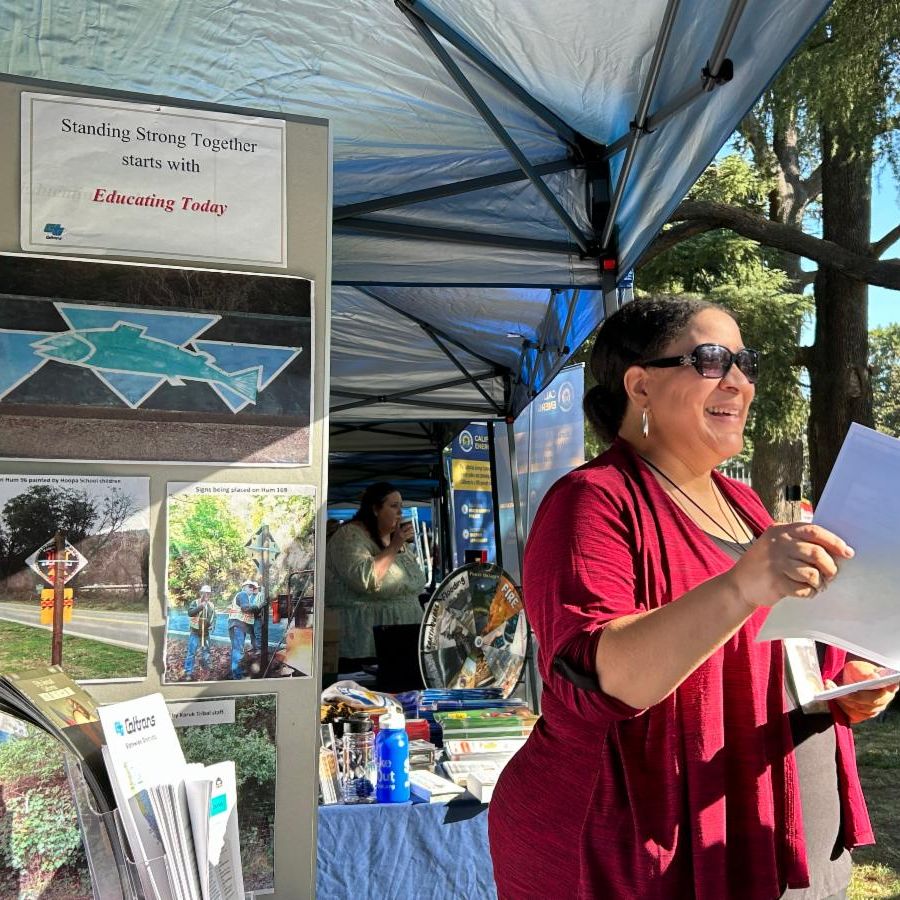
Pictured: Senior Tribal Advisor, Lonora Graves, during the California Native American Day celebration 2024 at the California State Capital.
Nailah Pope-Harden
Deputy Director, Director’s Office of Equity & Tribal Affairs
| |
| | California Native American Day - September 26, 2025 marks the 58th annual California Native American Day at the CA State Capitol Building. This year, we celebrate the legacy of strength and sovereignty that tribes have carried forward. Read more event information here. | | | |
| | New staff in the Tribal Affairs Office - Please join us in welcoming two new staff members to ETA, Janiece Rustin and Dahlton Brown. Janiece Rustin is coming onboard as a Tribal Policy Manager and Dahlton Brown is joining us as a Tribal Special Projects Manager. | | | |
| | Join the ETA Team - We are seeking a dynamic individual to join our team to support the Advancing Community Engagement Office as a Community Engagement Planner. Don't miss this opportunity to make a difference—apply now on Cal Careers (final application date is Friday, September 19th) and share with your network! | | | |
| |
NAAC Meeting in November- The Native American Advisory Committee will meet statewide virtually on November 05, 2025.
| | | | |
On the Road with Caltrans:
Department Highlights
| | D1: Recruitment Event with the Hoopa Valley and Yurok Tribes | |
In 2024, District 1 hosted a Tribal Transportation Summit, an event to listen to Tribal communities’ concerns regarding transportation. Caltrans also shared information on new transportation programs and trends that may create challenges or opportunities to Tribes and their communities. Communication and dialogue were key components of the summit. This recruitment event is a direct outcome of the conversations held at the summit. In June 2025, Tribal members from the Hoopa Valley and Yurok Tribes attended a hands-on workshop at the Hoopa Branch Computer Lab at the College of the Redwoods. Participants received employment information from the state of California.
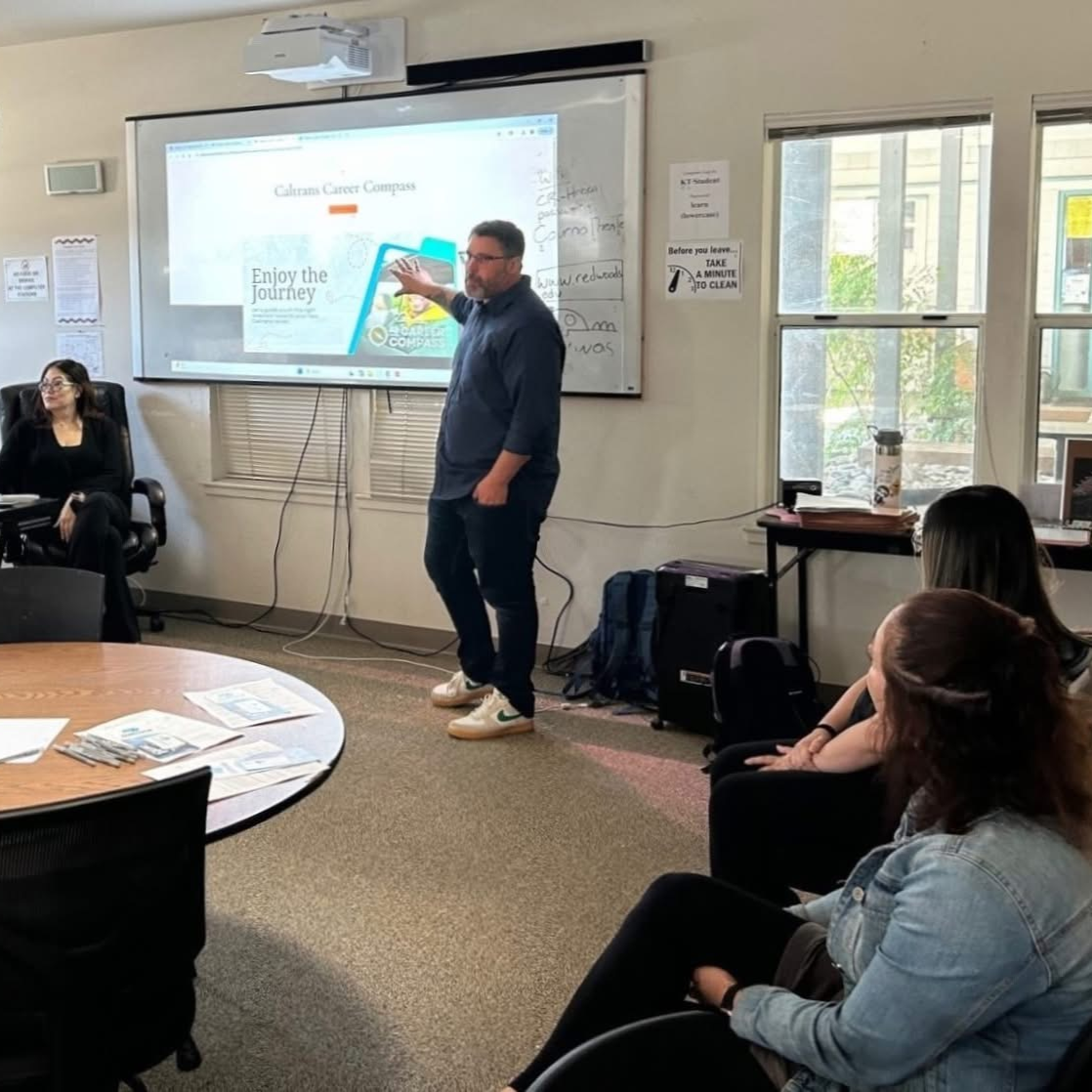
Caltrans Talent Recruitment lead, Tom Hicks, presented the workshop to 11 participants, covering topics such as: state application completion, job vacancy searches, and state exam preparation. Participants also received real-time assistance from Caltrans in creating a Cal Careers account and preparing a state application.
Pictured: Tom Hicks presenting during the recruitment event in June 2025.
| | D10: Collaborative Engagement on Advance Mitigation with the Calaveras Band of Mi-Wuk Indians | |
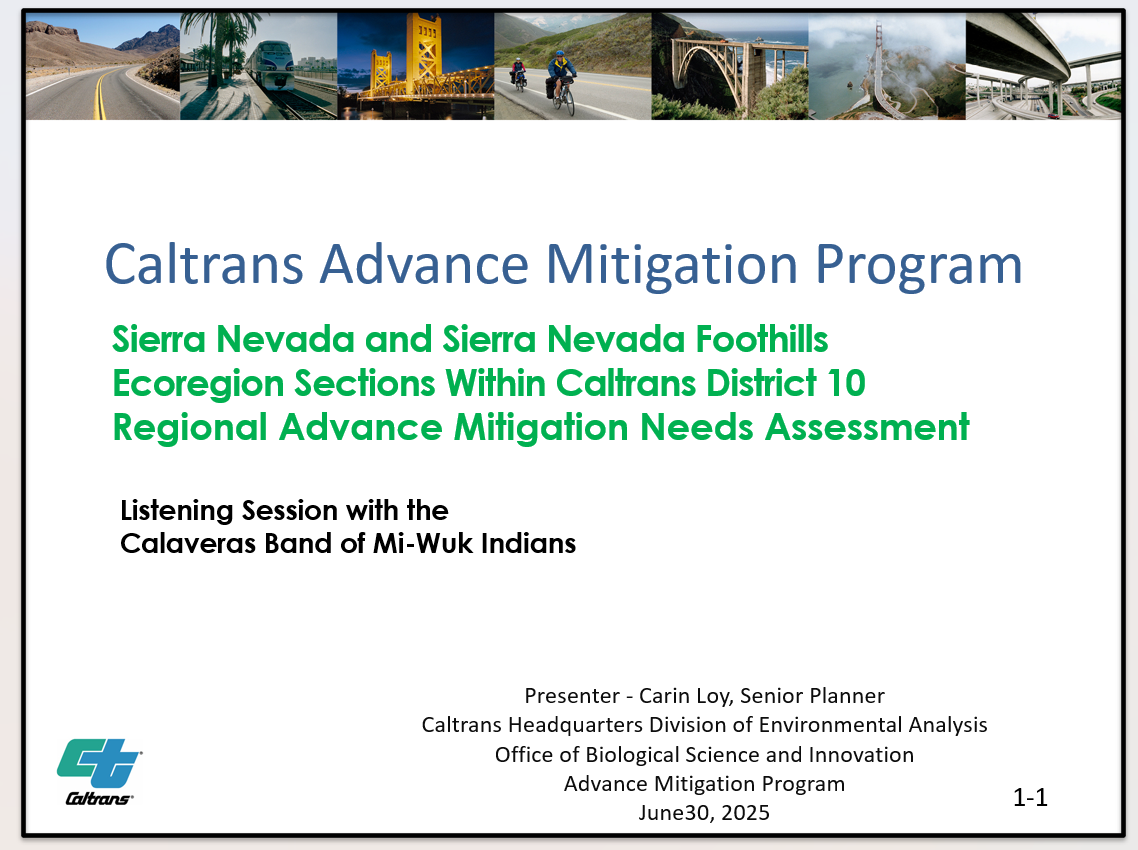
On June 30, 2025, District 10’s Office of Rural Planning and Office of Advance Mitigation Program (AMP) conducted a Tribal listening session with the Calaveras Band of Mi-Wuk Indians. Caltrans staff provided a high-level overview of the AMP, which is designed to improve efficiency, enhance environmental outcomes, and better coordinate mitigation efforts across regions.
The session served as an opportunity for Caltrans to listen to insights and perspectives from the Calaveras Band of Mi-Wuk Indians as it relates to the AMP. Tribal representatives helped inform ongoing work to refine project proposals and strengthen collaborative approaches to mitigation planning.
Overall, the exchange of information and the spirit of collaboration made for a productive session. Caltrans deeply appreciates the opportunity to engage with the Calaveras Band of Mi-Wuk Indians and looks forward to a continued partnership on future initiatives.
Pictured: An image of the title slide for the presentation deck given on June 30, 2025.
| | Meet our Advisory Committees: Member Spotlight | | Native American Advisory Committee (NAAC) | | |
Misty Rickwalt
Transportation Director
Karuk Tribe
📍Caltrans Districts 1 & 2
| | Misty Rickwalt began her Transportation career in 2012 with the Karuk Tribe as a part-time employee. She quickly advanced to a full-time project management position, where she began assisting with high-dollar multi-jurisdictional projects from start to finish. In 2017, when the former Director vacated her position to pursue another career, Misty was selected by Tribal Council to become the next Karuk Tribe Director of Transportation. She has completed over 20 planning and construction projects in the last eight years, as well as successfully applying for and receiving grant funds which have collectively amounted to over 12 million dollars. She single-handedly manages the existing Tribal Transportation Program, road maintenance and transit programs, including staff, budgets and reporting. | | |
She is a founding member of the Karuk Regional Transportation Consortium, which includes Federal, State and County partners whose mission is to focus on and prioritize routes in need of repairs within Karuk Territory. Misty has also been an active, voting participant on multiple committees and commissions, including the NAAC. She has been especially outspoken regarding the Road Use Charge pilot and how it might affect rural communities such as Orleans, where her office is located, which is 2.5 hours away from the nearest hospital and other necessary amenities. Misty greatly appreciates the platform NAAC provides for input and information gathering.
“The Karuk Tribe is renowned for being in the forefront of positive redirection in the Transportation realm. They also have unique transportation needs in that they do not have one large reservation, but have contiguous trust-land properties spanning over multiple rural communities (and two Caltrans Districts) along the Klamath River from Orleans, CA to Yreka, CA. Their main arterial route is State Route 96, which connects from SR-299 to Interstate 5 and is roughly 150 miles long. Most of the routes within Karuk Territory are "owned" and maintained by either County, State or the U.S. Forest Service, so interagency partnership and cooperation is crucial to communication and the prioritizing of projects on and near Karuk lands."
| | Pictured: A headshot of NAAC Member, Misty Rickwalt. | | Equity Advisory Committee (EAC) | | |
Abimael Chavez -Hernandez
Communtiy Advocate
📍Caltrans District 10
| | Abimael has called Stanislaus County, which is a largely agricultural region, home for over 25 years. Serving on the EAC is important to Abimael because they grew up seeing the impact of sustainable transit investments in other communities across the country. They see the potential for such investments to make similar impacts at home. Stanislaus County has some of the worst air quality in the state and addressing transit will help ensure the region is resilient enough to meet future challenges. | | |
“Stanislaus County is home to diverse communities that are yearning to thrive but require additional investment and closing of civic engagement gaps to ensure everyone can thrive on their own terms.”
“I wanted to serve on the EAC because rural communities need and want additional transit investments that mitigate the harms of climate change. The community I come from is seeing these harmful effects and improving transportation offers a major way to address these issues.”
| |
Pictured: A headshot of EAC member, Abimael Chavez-Hernandez.
| | Tune into what our team is reading and listening to this month! | | |
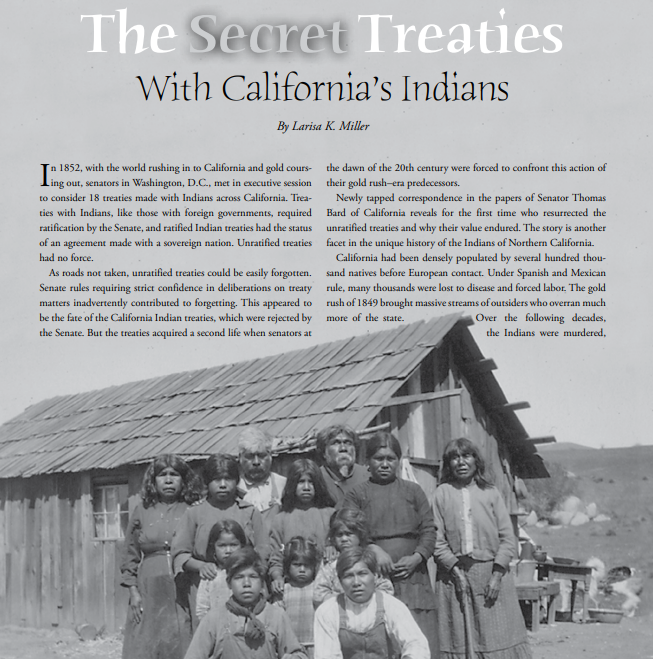
Tribal Special Projects Manager, Dahlton Brown, read the “The Secret Treaties with California's Indians ”. He shares, “I love this article because it dives into a hidden part of California's early statehood and promises made and then broken with Tribes. With my family coming from Wilton Rancheria, we can draw a direct line back to the unratified Treaty at the Fork of the Cosumnes as setting the stage for further persecution a century later in 1959. I love it, because it's a hidden chapter of history, but also something I can talk about for hours on end!”
| | | |
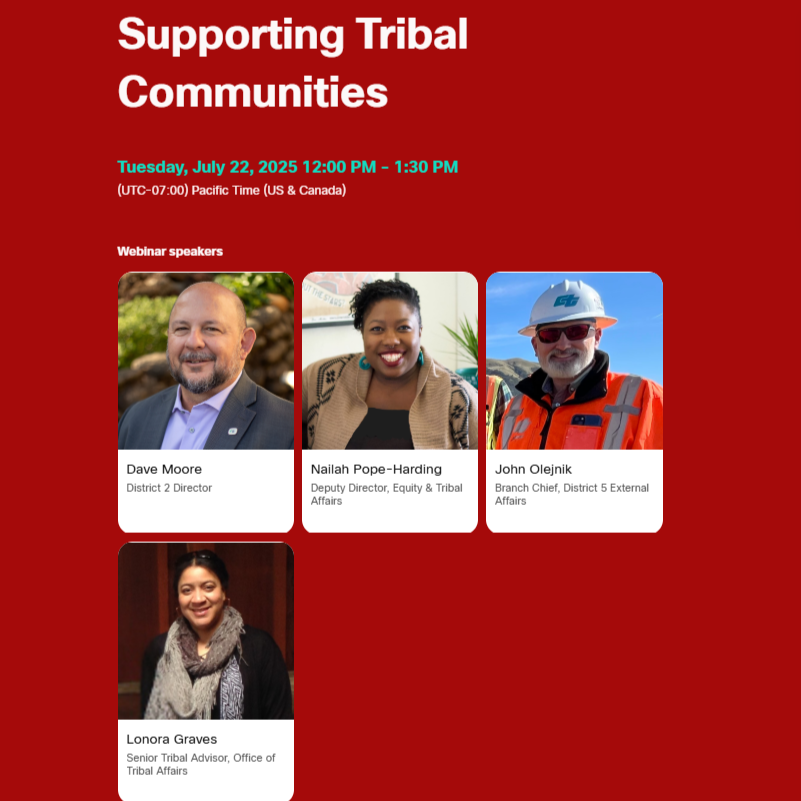
Equity Analyst, Jacq Garcia, wants to share the CT Talks Webinar series hosted by the Caltrans Division of Human Resources. In particular, she attended Episode 19: Supporting Tribal Communities where two of the four panelists were staff from the Director’s Office of Equity & Tribal Affairs – Nailah Pope-Harden, Deputy Director, and Lonora Graves, Senior Tribal Advisor. Jacq shares, “I appreciated that the panelists emphasized the history and legacy of Tribal nations in California. More specifically, the density and diversity of Native American peoples across the state, the degradation they experienced, and the battles they fought to regain or retain their sovereignty. It’s a candid conversation on how Caltrans works to strengthen relationships and consult Tribal communities across the state.”
| | | |
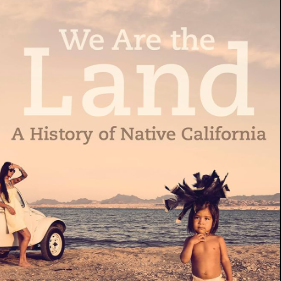
Equity Analyst, Camille Randolph, read “We Are the Land: A History of Native California” by They share, “I read this book which re-centers California history around the lives and legacies of the Indigenous people that shaped it, from pre-colonization all the way through the 21st century. I found the book extremely informative and I especially enjoyed the chapter on activism in the 20th century.”
| | | | | |