|
Cancer News Digest, November 2025
Visit our website
CFC #11967
| |
FDA goes too far on hormone therapy, putting women at risk
The FDA announced that it will remove the Black Box warning from almost all hormone products for menopause. Instead, the labels will include complicated advice in a lengthy label that encourages women to start taking hormones soon after starting menopause. This is a big change from the current Black Box warnings, which are based on major studies that said hormone therapy could increase the chances of developing breast cancer, blood clots, and strokes. FDA Commissioner Dr. Marty Makary says the opposite: that hormone therapy can lower the risk of heart disease, memory problems, and other health problems of aging for most women. Many scientists and doctors disagree, saying these claims go too far, since there is clear evidence showing real health risks for many women.
Dr. Zuckerman told The New York Times and many other major media outlets that Makary's statement that hormone therapy is one of the best way to improve women's health "is inconsistent with years of research and will harm millions of women." She agreed that hormone therapy has benefits for some women, but also pointed out that safer and better-studied options already exist to help prevent heart disease and dementia. She also agreed that the warnings were outdated for topical hormones such as low-dose vaginal estrogen, but points out there is still limited long-term safety data. And, she points out that using estrogen-only hormones increases the chances of developing endometrial cancer. Bottom line: The FDA's enthusiastic claims about the benefits of hormones for menopause will put some women at risk.
Read The New York Times article here, Healio here and PBS here.
| |
What's driving the cancer spike among young adults in the corn belt?
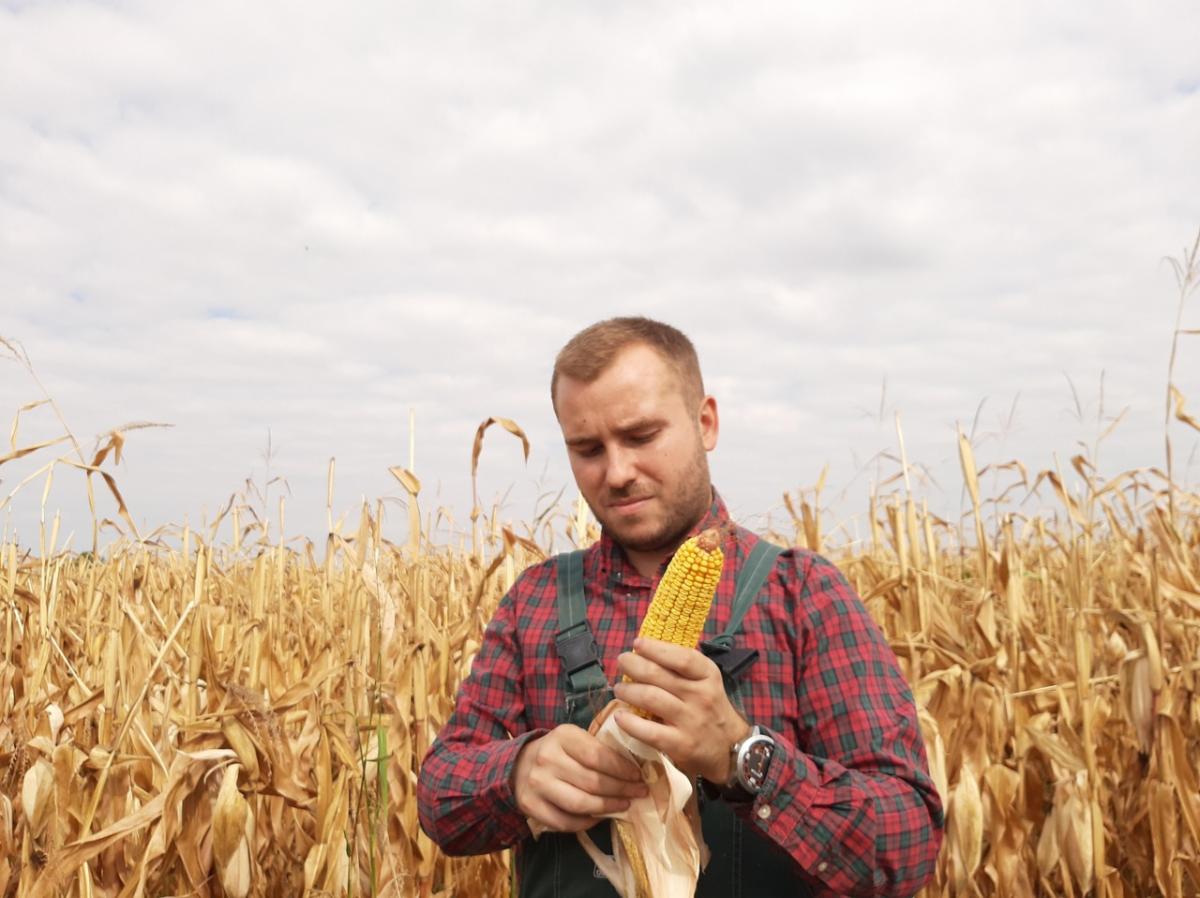
The Washington Post reported that more young adults in Iowa and other Corn Belt states are getting cancer than in the rest of the country. This is happening even though cancer rates for older adults are going down. Since 2015, cancer in people ages 15 to 49 in these major corn-growing states has become 5% higher than the national average. At one small Iowa high school with only 500 students, five former students got serious cancers in just two years.
Scientists from the University of Iowa and the CDC think this may be related to environmental exposures. They point to likely causes such as high nitrate levels in the water and heavy use of farm chemicals such as pesticides and herbicides. For example, the World Health Organization's cancer research agency has classified glyphosate and atrazine, the two most widely used herbicides in the U.S., as "probably carcinogenic to humans."
These trends raise worries about how large farms and especially the chemicals they use may affect people’s health. Research has shown that certain pesticides and fertilizers can increase the chances of developing cancer, such as lymphoma, leukemia, and testicular cancer. The rising cancer rates among young adults indicates that stronger environmental checks and safer farming practices are needed. However, the EPA is going in the opposite direction, as you can see in the summary about EPA and PFAS below.
Read The Washington Post article here.
| |
EPA moves forward with PFAS pesticide approvals
The Environmental Protection Agency (EPA) recently approved two new pesticides that contain PFAS “forever chemicals,” for use on many vegetables, including potatoes, lettuce, and broccoli. PFAS chemicals do not break down and so they accumulate in water, soil, and even our bodies. Scientists and environmental groups are worried because PFAS have been linked to very serious health problems such as cancer, birth defects, and liver and immune system damage.
Many experts fear that using more PFAS chemicals will add to pollution already found in food and drinking water. Some states, such as Maine and Minnesota, have even banned PFAS pesticides because of these risks. The EPA is now saying the chemicals are safe and that they help farmers protect their crops, but researchers warn that PFAS building up in the environment and our bodies is very dangerous.
Read The Washington Post article here.
| |
Trouble in Toyland
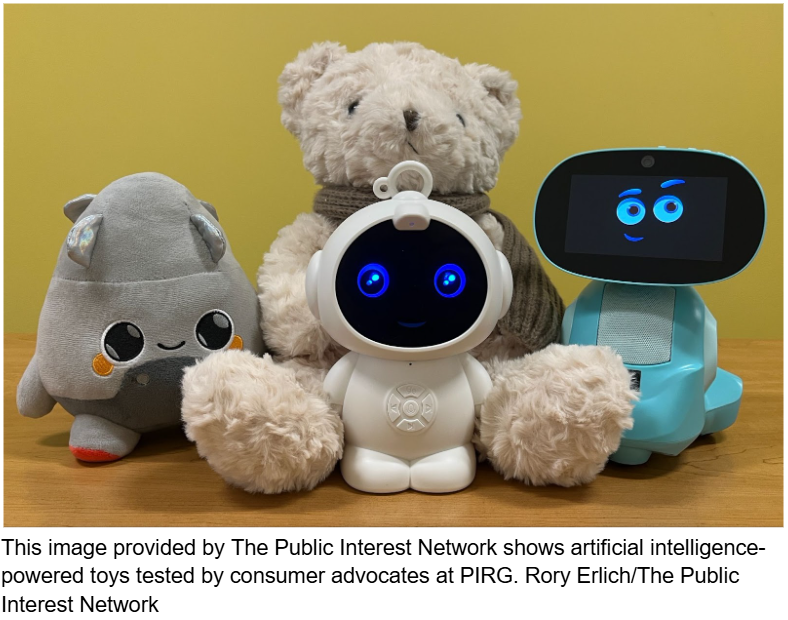
Toys may not seem relevant to cancer, but they can be when the toys include AI. U.S. PIRG (Public Interest Research Group) has released its "Trouble in Toyland" report, which found some AI toys are collecting children's personal information (such as names, voices, and birth dates) as well as those of anyone the child speaks to, including friends, neighbors, and parents. Cancer patients may be especially concerned about that loss of privacy for themselves, and of course they may want to do all they can to protect the safety of children they love. Some AI toys even will discuss very sexually explicit topics or give potentially dangerous advice, such as where to find matches or knives.
We agree with the authors of this report that parents and others buying gifts for children urgently need to know this information before they make purchases during this holiday season.
To read this report about AI toys and other dangerous toys, click here.
| | We're Speaking Out For You | |
Development of Non-Opioid Analgesics for Chronic Pain
Cancer can cause chronic pain, and patients may wish to avoid opioids. In response to FDA's request for recommendations about new non-opioid treatments for chronic pain, the Cancer Prevention and Treatment Fund urged the agency to require proof of meaningful, real-life improvement. Treatments for chronic pain should not only reduce pain, they should also benefit patients by improving their ability to function in their daily living, sleep, and participate in activities. Studies should continue for at least a year to detect whether benefits last and whether complications arise over time. Since chronic pain is especially common among older adults and people with several health problems, the FDA should require that those patients are included in their studies.
The FDA should not allow study designs that can hide safety problems or make a treatment look more helpful than it really is. To avoid repeating mistakes that added to the opioid crises, we suggested watching for long-term safety issues, checking for any misuse of the medicine, and making it easier for people to join and stay in studies. These steps would help make sure that new non-opioid treatments are safe and helpful for long-term use for the patients who need them.
Read our comment here.
| |
Check us out!
Did you know that artificial turf and rubber playground surfaces contain carcinogens? Are your children or grandchildren getting exposed when they play? Follow us @safe.to.play
| |
| |
Cancer Prevention and Treatment Fund
Facebook: @CancerPreventionAndTreatmentFund
LinkedIn: www.linkedin.com/showcase/cancer-prevention-&-treatment-fund/
| | | |
Your Contribution Can Make a Difference
We do not accept any funding from drug companies, device companies, chemical companies, or other sources that could influence our work and compromise our integrity. That's why so many people turn to us when they need help. Donations of any size are greatly appreciated (and tax deductible.)
Please consider giving to the Cancer Prevention and Treatment Fund online or by mail to the address below.
| |
To sign up for these monthly updates, click here.
| |
Cancer Prevention and Treatment Fund | 1001 Connecticut Ave NW, Suite 1100
CFC# 11967
| | | | |