|
My heart and mind
I daily find
A sort of fertile garden fair,
Where I can play
And work each day
In hope of prizes rich and rare.
John Kendrick Bangs
Fall has finally arrived after weeks of heat that tricked many of our plants into odd behaviors. Fall also brings the promise of an epic El Niño year. With that in mind, we've included a preparedness plan to help you navigate the expected rainy season. Plus, we offer workshops, presentations, and a Learning Lab to enrich your horticulture knowledge. Enjoy
Your UC Master Gardeners of Santa Barbara County
Picture courtesy of Deposit Photos
| | Upcoming Events For November | |
Learning Lab
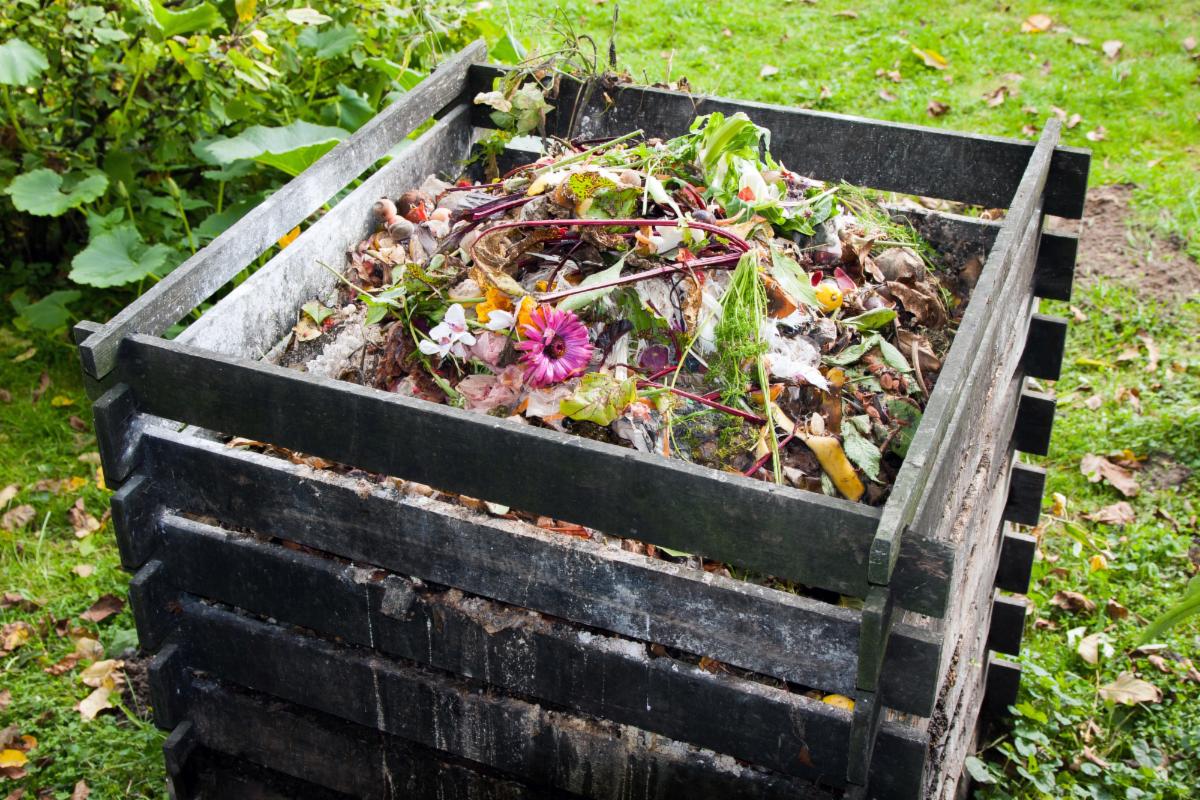
Building A Compost Heap
Join us for this hands-on session where participants will learn how to build their own compost pile/heap. Many of the topics from the workshop on Nov. 7th will be explored.
Unlike the Workshops at Mesa Harmony, the Learning Lab sessions do not include a formal lecture - only informal discussion, demonstrations, and hands on learning.
Date: November 14
Time: 10:00 - 12:00
Location: Mesa Harmony Garden
510 Dolores Dr, Santa Barbara
Registration is Not Required
Heavy Rains will Cancel Event
| |
|
Workshop
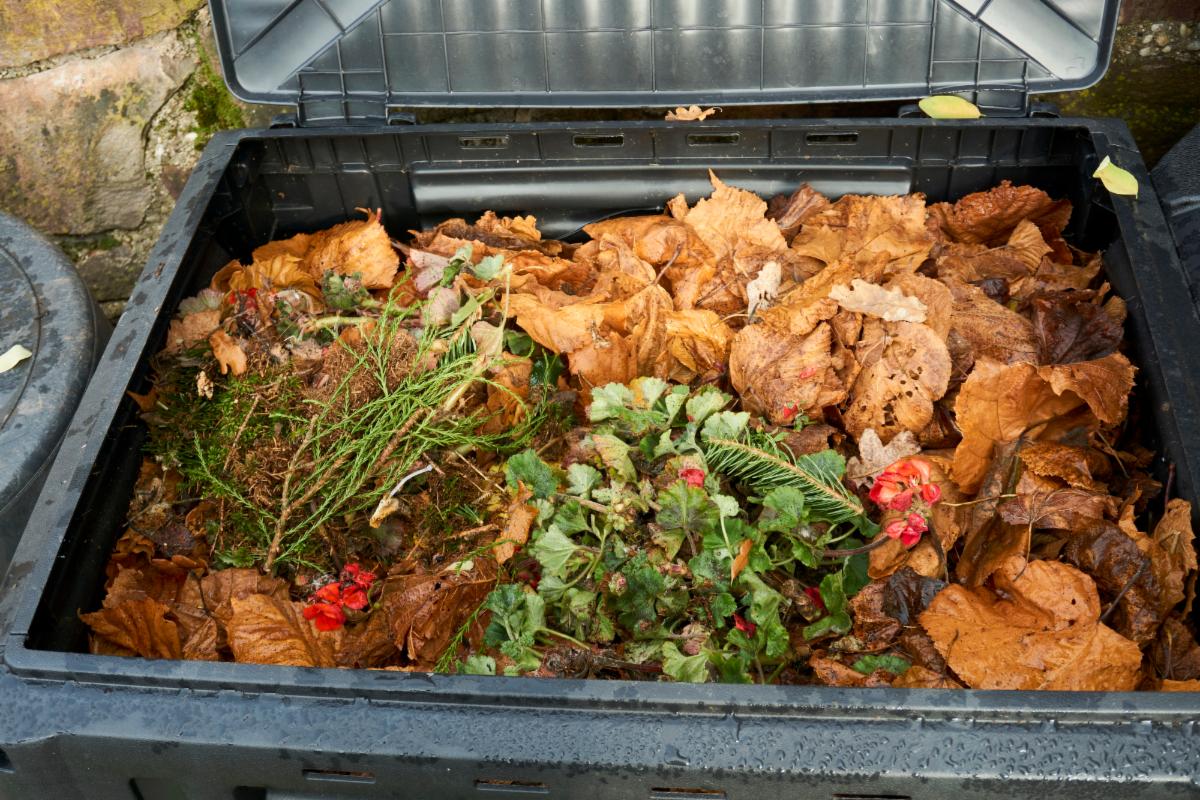
Composting - Step by Step
If you ask Master Gardeners why they compost they are likely to say: Composting improves soil health, reduces waste, and supports sustainable agriculture by recycling organic matter back into the soil.
This popular workshop covers:
- Building A Compost Pile
- Recycling Nutrients
- Deversting Waste from Lanfills
- Reducing Greenhouse Gases
Date: Saturday, November 7th
Time: 10:00 - 12:00
Location: Mesa Harmony Garden
510 Dolores Dr, Santa Barbara
Registration Required
Heavy Rains will Cancel Event
| Photos Courtesy of MG Lisa, Ken and Deposit Photos | |
Garden Talk
Growing Herbs
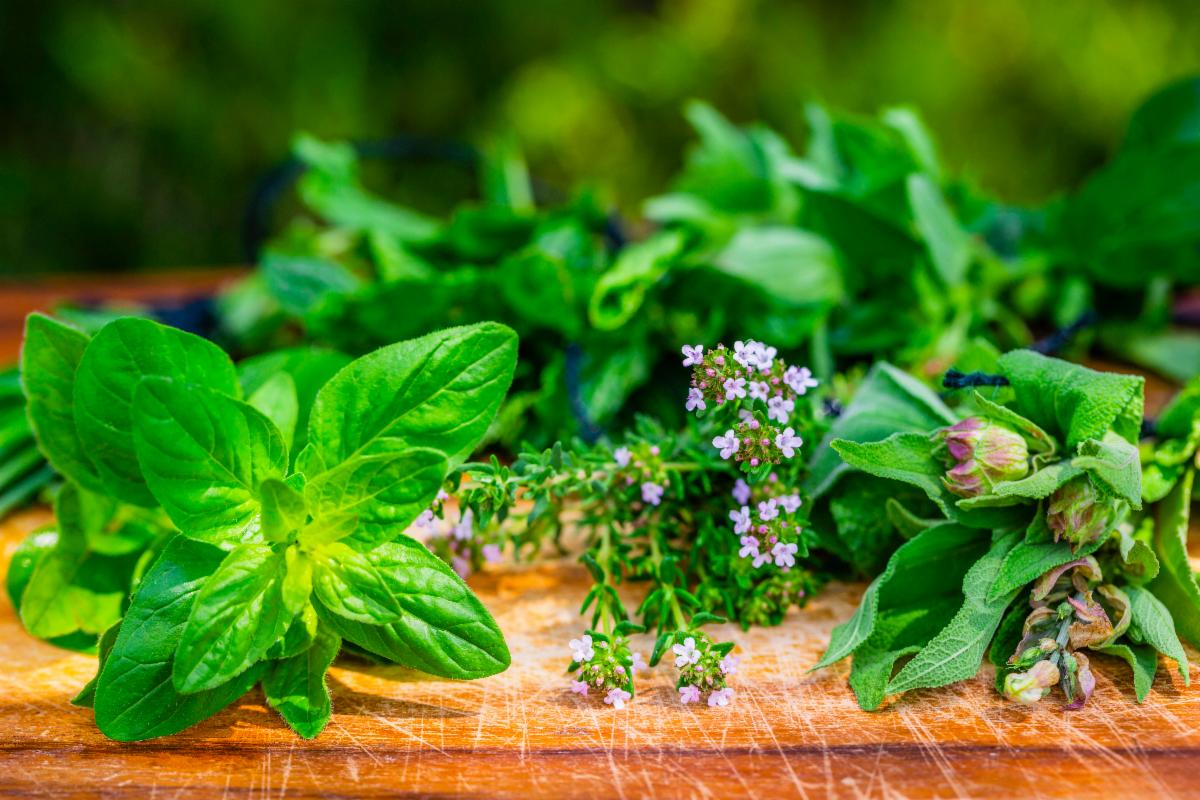
Fresh herbs can transform a recipe from good to great while adding a lots of nutritents too.
We will be covering:
- Planting & Care
- Companion Planting
- Uses or Purposes
- Harvesting and Storage
Date: November 2nd
Time: 7:00 - 8:00 pm
Location: Zoom
Registration Required
| | | |
Thank You For Your Consideration
As you consider your end-of-year giving, we greatly appreciate a gift to the UC Master Gardeners of Santa Barbara County. Your support helps us support homeowners, gardeners, and your community.
- Garden Talk
- Public Garden/Pest Helpline
- Public Presentations
- Gardening Classes
- Help Tables at the Farmers Markets, SB Botanic Garden, Mesa Harmony Gardens Events, Alice Keck Park and more.
| | |
Edible Landscapes Presentations
Two Times/ Two Locations
| | | | |
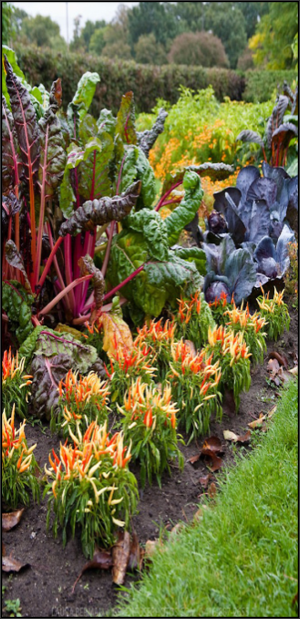
What is an edible landscape? Pretty much what it sounds like: plants that add both beauty and nutrition to your life.
Your Master Gardener presenters will cover a variety of helpful gardening tips with a focus on:
- Choosing Vegetable Varieties & Site Selection
- Edible Ground Covers
- Edible Flowers with a Caution
| |
TWO DATES - TIMES - LOCATIONS
November 17th - 2:00-3:00
Pilgrim Terrace Urban Farm
649 Pilgrim Terrace Dr., Santa Barbara
| |
November 20th, 2026 - 10-11
Montecito Public Library
1469 East Valley Rd, Montecito, CA
| | |
Ten Things to do Right Now to Prepare for
Predicted Severe El Niño Impacts
By Michael Hsu
The likelihood of an unusually wet winter in California – as well as the risk of potential coastal and inland flooding – continues to rise, according to the October update from Daniel Swain, a climate scientist with the University of California Agriculture and Natural Resources.
He reported via a thread on social media that he is “officially concerned” about the effects of a super-sized El Niño, a regularly occurring warming of the tropical eastern Pacific that is happening at a record-breaking level this year.
“With a forecast like this, it’s hard to imagine ever having a clearer advanced warning of a potentially difficult winter ahead for California,” said Swain, a researcher at UC ANR’s California Institute for Water Resources. “It’s fair to say that the warning lights are flashing in California and beyond.”
So what are the steps we should take to prepare? Swain and scientists with CIWR and UC Cooperative Extension have assembled a checklist of to-do items to help Californians get ready for a range of potential impacts – from severe floods to prolonged power outages.
“The point is not to scare the pants off of people for no reason,” said Swain during a recent virtual “office hours” on his Weather West channel. “The point is to talk about the potentially significant things that may happen in the near future so we can improve the outcomes if they actually come to pass.”
-
Get the facts and share them with your family, friends, neighbors, and networks. Learn the basics about El Niño, like why this year’s El Niño is so strong and what impacts are predicted for California. See this one-page fact sheet: ucanr.edu/blog/green-blog/article/elninofacts
-
Find out if you live or work in an area prone to flooding or other hazards. Potential El Niño impacts will vary widely by location. A helpful resource is the California MyHazards website, created by the California Governor’s Office of Emergency Services (Cal OES), where you can check a specific locale for flood, landslide, and tsunami hazards and other risks related to natural phenomena: myhazards.caloes.ca.gov. Californians are urged to prepare for what is likely to be an extremely wet winter.
-
Act now if you decide you need flood insurance. Most homeowners insurance policies do not cover flood damage, and there is typically a 30-day waiting period for a National Flood Insurance Program (NFIP) policy to go into effect. Additionally, renters’ insurance does not cover flood damage. Contact your insurance agent or learn more about NFIP and get a quote on the Federal Emergency Management Agency Flood Insurance webpage: fema.gov/flood-insurance.
- Prepare your property. Clean gutters, drains and culverts; remove dead tree limbs; and clear your yard of fallen leaves and other debris. Some communities already have sandbags available; check with your city or county public works department.
-
Sign up for emergency alerts specific to your location. Learn more about local emergency notifications – and sign up to receive alerts – on the Ready California website: listoscalifornia.org/alerts.
-
Develop a family/household emergency communication plan. It’s especially important to determine how to communicate with each other in case you are not together. For key questions to answer and other factors to consider (such as evacuation routes), visit the ready.gov webpage: ready.gov/plan.
- Prep a “go bag” in advance. Don’t be forced to scramble at the last minute if you must evacuate. Take the time to pre-pack essentials and documents like copies of identification, insurance, deeds and other important files (in hard copy and digital formats); cash; and a list of medications for both yourselves and your animals
- Assemble a “stay box” in case you cannot leave your home. In the aftermath of severe storms, you and your community may be without power or water for several days, or roads may not be passable. Ensure you have stored enough water, food and medicine for at least three days for people and pets. Locate flashlights, batteries and power banks for your devices.
-
Download and complete the Ready California “Disaster Ready Guide.” For more details on putting together your go bag, stay box and family emergency plan, refer to this guide: listoscalifornia.org/resources and enter “Disaster Ready Guide” into the “Search Resources”
- Learn what you are advised to do, and not to do, during and after a major storm and flood event. The National Weather Service has assembled helpful reminders for during and after floods.
- Two critical warnings: 1) Never attempt to drive into flooded roads; water speed and depth can be deadly. 2) Standing water hides many dangers, including pathogens and chemicals, and can even conduct electricity from downed power lines.
-
Additional flood and weather emergency-related information, including specific resources for those living in coastal communities, farmers and livestock producers, as well as links to websites that monitor real-time coast and waterway conditions, can be found at: https://ucanr.edu/site/ciwr/flood-preparedness-2026-27
The orginal article can be found at:
https://ucanr.edu/blog/anr-news-releases/article/el-nino-checklist
| | | |
photos courtesy of MG Lisa | |
Information and Help Tables
You have questions, and we are here to help find answers.
- DT Farmers Market 11/14 - 9 am- 2 pm
-
Alice Keck Park Butterfly Garden 9-11 am - 11/11 & 11/25
- SB Botanic Gardens - 11/1 - 1-3 pm
- Goleta Farmers Market - 11/15 10-2 pm
- Help tables at all live workshops and events.
Plus... our helpline volunteers love answering questions. Email them at anrmgsb@ucanr.edu or call our new helpline number, 805-803-1802.
For more info about this program.. Click Here
| | | | | | |