|
National Recovery Month: A Beacon of Hope and Healing
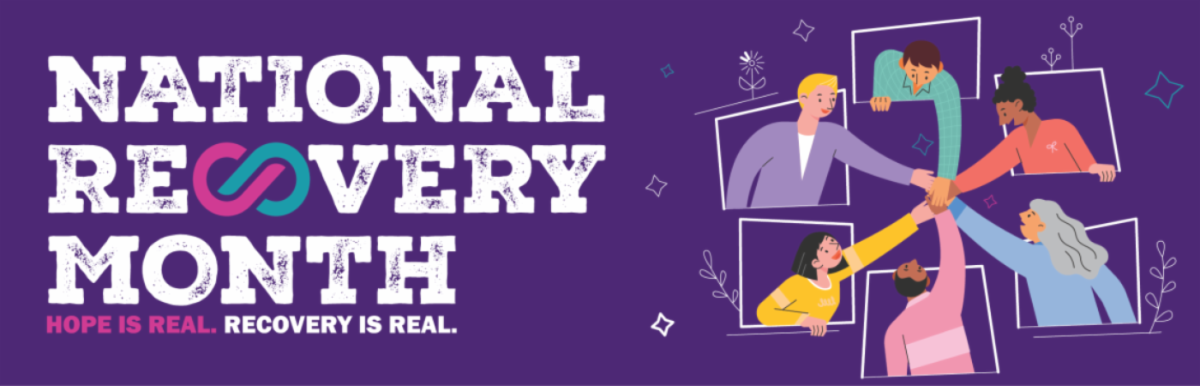
September is National Recovery Month, a time to celebrate the resilience of individuals overcoming substance use disorders (SUDs) and mental health challenges. It's a call to action to raise awareness, combat stigma, and promote the power of evidence-based treatment and recovery practices.
Shattering Misconceptions: Understanding Substance Use Disorders
Substance use disorders (SUDs) are complex medical conditions that affect individuals of all ages, backgrounds, and socioeconomic statuses. They are not moral failings or signs of weakness, but rather the result of a complex interplay of biological, psychological, and environmental factors.
Common misconceptions about SUDs include:
- Addiction is a choice: Substance use disorders are not simply a matter of willpower or personal choice. They are medical conditions that can develop due to a variety of factors, including genetics, brain chemistry, and environmental influences.
- Addiction is incurable: While recovery can be challenging, it is achievable with the right treatment and support. Many individuals with SUDs have successfully overcome their challenges and live fulfilling lives.
- Only "hard" drugs cause SUDs: Substance use disorders can develop from any substance that is misused, including prescription medications, alcohol, and tobacco.
Stigma can prevent individuals from seeking help due to fear of judgment or discrimination. Stigma can lead to social isolation, financial hardship, and emotional distress. Stigma can make it difficult for individuals in recovery to maintain their sobriety.
In an NPR special, William Cope Moyer, a renowned author and advocate, shares his personal journey with substance use in his powerful memoir, "Broken Open." Moyers, who previously wrote about his struggles with alcohol and crack cocaine in "Broken," candidly recounts his battle with prescription painkillers, highlighting the challenges of recovery and the importance of seeking professional help.
The Relentless Nature of Recovery:
Moyers' story underscores the ongoing nature of recovery. Even after achieving sobriety from alcohol and crack cocaine, he faced new challenges when prescribed painkillers following dental surgery. His addiction to these medications highlights the complexities of substance use and the need for continuous support.
The Importance of Seeking Help:
Moyers' journey emphasizes the significance of seeking professional help for substance use disorders. By working with a specialist in addiction, he was able to overcome his challenges and regain his sobriety. His story serves as a testament to the power of treatment and the importance of breaking the stigma surrounding addiction.
The Scope of the Problem:
-
1 in 11 Americans aged 12 or older have struggled with a substance use disorder in the past year.
- Opioids are a major concern, with over 1 million people reporting misuse in 2021.
- Alcohol remains the most commonly used substance, affecting over 96 million people annually.
The Role of Social Determinants:
The conditions in which people are born, live, work, and age (social determinants of health) significantly influence their risk of substance use. Factors like poverty, lack of healthcare access, and social isolation can contribute to substance use in the following ways:
-
Economic stress: Financial hardship can lead to increased stress and anxiety, which may be coping mechanisms for substance use.
-
Limited access to resources: Poverty can restrict access to education, employment opportunities, and healthy living conditions, increasing vulnerability to substance use.
-
Exposure to violence and crime: Individuals living in poverty may be more exposed to violence and crime, which can contribute to substance use as a coping mechanism.
-
Untreated mental health conditions: Substance use disorders often co-occur with mental health conditions, and untreated mental health issues can increase the risk of substance use.
-
Limited access to treatment: Individuals living in poverty may have difficulty accessing specialized substance use treatment programs.
-
Lack of preventive care: Preventive care, such as screenings and early interventions, can help to identify and address risk factors for substance use.
Addressing these social determinants of health is crucial for preventing and reducing substance use. By improving access to education, employment opportunities, healthcare, and social support, we can create healthier communities and empower individuals to overcome addiction.
While GlobalMindEd may not directly focus on substance abuse, our mission to foster global understanding and collaboration aligns with the broader goals of reducing societal issues that can contribute to substance use. By promoting empathy and intercultural understanding, we can create a more supportive and compassionate environment for all individuals, including those struggling with addiction.
Online Resources
Sources:
Substance Abuse and Mental Health Services Administration (SAMHSA): https://www.samhsa.gov/recovery-month
National Council for Mental Wellbeing: https://www.thenationalcouncil.org/national-recovery-month/
National Association of Alcoholism and Drug Abuse Counselors (NAADAC): https://www.naadac.org/ac24-schedule
Faces & Voices of Recovery: https://facesandvoicesofrecovery.org/events/
National Academies of Sciences, Engineering, and Medicine: https://www.nationalacademies.org/
Social Determinants of Health Commission: https://nap.nationalacademies.org/catalog/21923/a-framework-for-educating-health-professionals-to-address-the-social-determinants-of-health
|