AUGUST 2025 | VOLUME 2 ISSUE 2 | | |
Gwendolyn Clegg
What is Due Process of Law?
“Due process of law implies the right of the person affected thereby to be present before the tribunal which pronounces judgment upon the question of life, liberty, or property, in its most comprehensive sense; to be heard, by testimony or otherwise, and to have the right of controverting, by proof, every material fact which bears on the question or right in the matter involved. If any question of fact or liability be conclusively presumed against him this is NOT due process of law.” Black’s Dictionary, 6th Edition (emphasis added).
“For the guarantees of procedural due process to apply, it must first be shown that a deprivation of a significant life, liberty, or property interest has occurred. This is necessary to bring the Due Process Clause into play.” Black’s Dictionary, 6th Edition.
Minimal procedural due process is that parties whose rights are to be affected are entitled to be HEARD and, in order that they may enjoy that right, they must be NOTIFIED.” Black’s Dictionary, 6th Edition citing Fuentes v. Shevin, 407 U.S. 67, 79, 92 S.Ct. 1983, 1994, 32 L.Ed.2d 556 (emphasis added).
What Does Due Process Command?
Due process commands value!
For too long in Oklahoma history the practice of juvenile deprived law has been undervalued. The families involved in these cases have been deemed to have no value.
And if value is where we rest to reflect on who we uphold the law for,who we allow shortcuts for, and who we deem worthy of a fierce defense, then there is no worth in the practice of juvenile deprived law as it stands today.
Due process is a phrase thrown about as if it is optional and not as a legally protected right. Many think they understand due process of law. They do not. Due process is a phrase that is casually used in conversation, not to apply it justly, but to reduce it to a technicality, not a fundamental right protected by both the Oklahoma and United States Constitutions. When humans are in positions of power over other humans, and they deem those humans as unworthy, justice is rarely upheld.
The key elements of due process are notice, opportunity to be heard, a neutral decision-maker, and fair procedures. Due process is meant to ensure the State acts fairly and justly when dealing with individuals in the effort to safeguard their fundamental rights.
Under the cloak of darkness, secrecy, and confidentiality, due process is rarely given its due in child welfare cases.
In juvenile deprived actions, “[p]arents have a natural, legal, and moral right, as well as a duty, to care for and support their children and such rights are protected by state and federal laws as well as the Constitution.” 10A Okla. Stat. Section 1-1-102(A)(1).
Attorneys admitted to the practice of law in the State of Oklahoma swear an oath. 5 Okla. Stat. Section 2. The oath includes the duty to support, protect, and defend both the Oklahoma and United States Constitutions. In practicing juvenile deprived law, you have sworn “to act in the office of attorney in this court according to your best learning and discretion, with all good fidelity as well to the court as to your client.” This oath commands you to ensure due process and all of its safeguards are upheld to the fullest extent under the law including seeking appellate review when due process is violated.
The United States Supreme Court case, Santosky v. Kramer, 455 U.S. 745 (1982), dictates exactly what due process looks like when applied to our juvenile deprived practice.
“Process is constitutionally due a natural parent at a state-initiated parental rights termination proceeding. The fundamental liberty interest of natural parents in the care, custody, and management of their child is protected by the Fourteenth Amendment, and does not evaporate simply because they have not been model parents or have lost temporary custody of their child to the State. A parental rights termination proceeding interferes with that fundamental liberty interest. When the State moves to destroy weakened familial bonds, it must provide the parents with fundamentally fair procedures.” Santosky v. Kramer, 455 U.S. 745 (1982).
Child Protection, Family Integrity and Due Process – how do they work together?
“The first principle of the child protection field is family integrity; the Due Process Clause of the Fourteenth Amendment to the United States Constitution protects parents’ and children’s right to live together as a fundamental liberty interest.” Gupta-Kagan, J. (2022) ‘The Constitutional Right to Family Integrity’, in Child Welfare Law and Practice. 4th edn. Denver, CO: National Association of Counsel for Children, pp. 9–32.
“The fundamental right to family integrity affects nearly every essential decision in child protection cases. The core interventions at issue – the state depriving parents of custody of their children, temporarily or permanently; requiring parents to participate in certain services; or making educational or medical decisions for children – all limit parents’ right to the ‘care, custody, and control of their children.’ Troxel v. Granville, 530 U.S. 57, 65 (2000). Accordingly, the Due Process Clause provides both substantive and procedural protection against such state interference in family life. Substantively, the state may not intervene in family life absent evidence of parental unfitness – the constitutional term encompassing parents who neglect or abuse their children. Procedurally, the state may intervene only when it follows processes to protect the right to family integrity.” Gupta-Kagan, J. (2022) ‘The Constitutional Right to Family Integrity’, in Child Welfare Law and Practice. 4th edn. Denver, CO: National Association of Counsel for Children, pp. 9–32.
Conclusion
As attorneys representing parents and children in juvenile deprived actions, family integrity is only protected by your vigorous advocacy and your willingness to challenge long-standing court practice. Oklahoma has excellent laws to use to defend family integrity! Do not allow such laws to be ignored. Remember your oath and the fidelity due to your client to guide you to courageously raise these constitutional arguments.
| | |
Shoutout to Amber Faigin!
Amber referred OFR's very FIRST appeal on behalf of a child client!
| |
Shoutout to Kacie Cresswell!
Kacie's zealous advocacy resulted in a case dismissal and custody being restored to her client! Congratulations!
| |
NCJFCJ Shoutout!
Shoutout to Ryan O'Donnell, Rachelle, Judge Dreiling, and Gwen for their presentation at the National Council of Juvenile and Family Court Judges! They showcased our app, Your Case Plan, and spoke to judges about leveraging technology to achieve better case outcomes.
| |
Shoutout to Evan and Tanya Dutko for their due process win on In the Matter of F.B.!
The Supreme Court of Oklahoma remanded this case for a new trial in which Mother's due process rights are preserved. Amazing work protecting due process in Oklahoma!
| |
Shoutout to Michalah Andersen!
Michalah had a very contested hearing wherein DHS only wanted to give her client three hours monitored a week after a very long period of time working her services and Michalah was able to receive 3 days a week overnights for her client. Awesome work, Michalah!
| | |
Shoutout to Amber Faigin, Spencer Schroeder, Rodney Ferguson, and Michelle Gutierrez!
for accepting an appointment in Garvin County for a case that required eight court-appointed attorneys
| Shoutout to ALL Garvin County Contractors! Larry Balcerak, Tracy Folsom, Graham Fishburn, Meg Wimberly, Ryan Rennie, and outgoing contractor William Deveraux. Everyone was great at making the transition to the new contractor (Meg), especially Mr. Deveraux. | |
Shoutout to Tamera Reuber!
For her wonderful presentation to the Comanche County Bar Association!
| | |
Shoutout to Kayla's team for this good story!
Kayla, mother to two beautiful children—Brobston, age 8 months, and Alana, age 4 years—was assigned an IDT on November 15, 2024. Her dedicated team consists of Michalah, Andrea, Constance, and Bethany, who have supported her throughout her journey. At her most recent court hearing, Kayla was informed that once she secured daycare, her children would be able to return home. We’re excited to share that she has now successfully obtained daycare, reaching a key milestone toward reunification.
We are incredibly proud of the hard work and determination Kayla has shown. She has completed several classes, maintained her sobriety, and remained consistently employed. Her commitment to personal growth and to her children’s well-being has been inspiring to witness. With continued support and her own perseverance, Kayla is now just steps away from having her family completely back together—and we couldn’t be more thrilled to celebrate this progress with her.
(photo shared with Kayla's permission)
| | | Have you done something awesome? Do you have a good story? Share it here! | | |
Holly Iker, Managing Attorney
Do You Know Your Parent Client?: Changing The Narrative in JD Cases in Oklahoma
We meet parent clients because they have a problem—OHS is involved in their lives and with their children. Often, it is our nature as lawyers to jump right in and start trying to solve the problem. We ask questions such as “Why were the kids removed?”, “Can you pass a drug test?” and “Are you getting visitation?”.
Parents must overcome stereotypes, assumptions, and false expectations in these cases. Case workers, judges, ADAs, and parent/child attorneys have these seemingly unavoidable and unconscious biases. At times, it can feel like the outcome of a case for the parent and their attorney is pre-determined before the hearing is ever held. The outcome of every hearing should be determined on facts, not assumptions. Parents in the child welfare system are automatically considered to be “bad people and bad parents”. They are stereotyped as “too dangerous and incapable” of raising children.
The automatic narrative is filled with harsh and inaccurate beliefs about the parents. Most of these are based on racial, gender, and class-based stereotypes. The automatic narrative portrays the system and foster care as rescuing children from terrible and unloving parents. Every time parents enter the child welfare system, they are met with unfair, inaccurate, dehumanizing, and harmful beliefs by the very system that is supposed to be focused on reunifying families.
So, how do we change the narrative for parents in Oklahoma?
We have to start asking the parents questions about themselves. We must ask questions and have discussions with parents that go beyond just solving the problem. We have to ask questions about the parents’ strengths, skills, successes, and visions for the future. Parent attorneys must move beyond the stereotypes affecting our clients. We can no longer just accept the automatic narrative that all parents are bad. It is not enough to only deal with the problem and tell our clients’ stories of sadness, failure, disability, and incapacity.
We must humanize our clients. We must highlight their strengths and successes as a person and a parent. We must make every hearing about this parent and not allow it to be about “these types of people.”
Our hesitancy may rest in attempting to avoid an objection for relevance. However, the rules of evidence only apply in JD cases for adjudications and terminations. Furthermore, I would certainly argue that the positives about your parent client ARE RELEVANT! Certainly, if all the negatives are going to be allowed, then the positives should be allowed too!
| | |
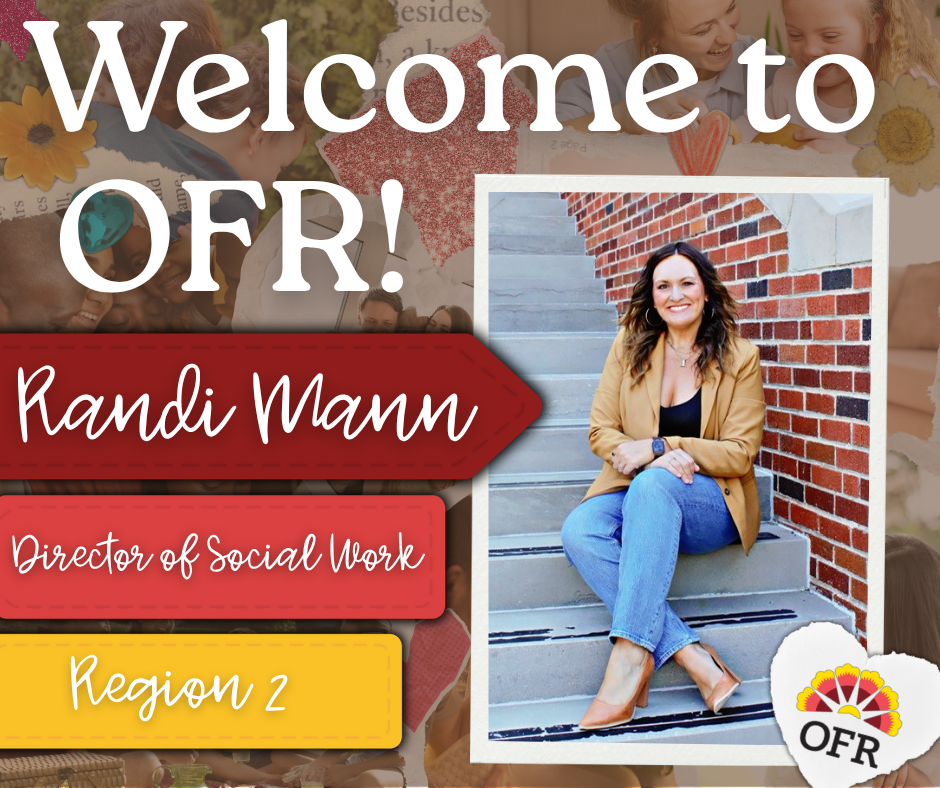
Join us in welcoming our NEW DIRECTOR OF SOCIAL WORK for Region 2!
Randi Mann is an Ardmore native now residing in the OKC metro area. She graduated with her Bachelors degree in Human Services Counseling in 2007 and has since dedicated over 15 years of service to the state in child welfare. Randi’s expertise extends to areas such as foster care, adoptions, training implementation and facilitation, and she is well versed in the Indian Child Welfare Act (ICWA). She has also been qualified as a contract ICWA expert in several counties across the state.
| | | |
In 2022, Randi achieved her Masters degree in Social Work from the University of Oklahoma and has since been committed to continual learning and professional development through active engagement in educational opportunities in the field of social work. She has a passion for social justice and advocacy that is evident through her tireless efforts to empower vulnerable and marginalized populations. Randi is energetic and proud to bring her experience and dedication to the mission of the Office of Family Representation.
Randi enjoys being outdoors, watching sports, traveling, and spending quality time with her partner, Raegan, and their “House of Shih Tzus,” (Vivian, Sachee, Ruby, Shelby and Motley.)
| | |
In The Matter of F.B.
The Supreme Court of Oklahoma remanded this case for a new trial in which Mother's due process rights are preserved. Previously, Mother failed to appear for her jury trial. The trial court found her failure to appear constituted a waiver of her right to a jury trial. COCA affirmed. However, the Supreme Court determined that Mother was entitled to notice that failure to appear may constitute a waiver of her jury trial and remanded the case to the trial court to hold a hearing to determine if the record showed receipt of this notice. While Mother received a written Notice to Appear, this Notice was silent as to whether Mother was notified whether failure to appear may constitute a waiver of her right to a jury trial. The Supreme Court had previously determined the rest of the record did not show Mother received necessary notice. The Supreme Court of OK reverses and remands. Read full opinion
| |
In the Matter of Z.N. and V.N. III, Alleged Deprived Children:
Parents appeal the orders of the district court, entered upon jury verdict, terminating their rights to minor children. Father asserts two propositions of error: not being given an opportunity to correct conditions, and state failing to meet its burden of proof. Father was not given his ISP nor services while in prison. COCA finds this irrelevant as the ground for termination was child abuse, and the jury found termination to be in the best interest of the children. Mother asserts three propositions of error: State failed to prove she failed to correct conditions, State failed to prove termination was in the best interests of the children, and introduction of prejudicial evidence that was in violation of her due process rights. COCA finds that Mother's argument surrounding the evidence - that a video was taken by a detective without her knowledge - is correct, and its admission was an abuse of discretion. However, they find it did not give improper advantage to the State. COCA also finds that the conclusion made on the failure to correct the condition of domestic violence was made based on unknown and unknowable fact, as it was made based upon the assumption that Father and Mother COULD reunite after he is released from prison - a guess made by the State, not a fact. Mother is also scrutinized for inconsistent adherence to her ISP, however, one of her programs was shut down, there was difficulty in communication with her provider, and one of the children was hospitalized due to injury sustained with the foster family, interrupting visitation and bonding. However, COCA still found that Mother had failed to correct conditions. COCA concluded there was clear and convincing evidence to support termination as to Mother. Read full opinion
| | |
In the Matter of the Adoption of M.R.P., A Minor Child:
Father appeals from the trial court's denial of his motion to withdraw extrajudicial consent waiving legal interest or rights to the child an consenting to her adoption. Father states that he signed under duress and the consent form lacked the statutorily-required statement that Father was represented by--or had waived the right to--counsel. He was told that he was required to sign the form or the baby would be taken and he would not be allowed custody as the baby had tested positive for methamphetamine at birth. Adoptive parents argued that as they had retained counsel for Father, it did not matter that the statement was missing from the consent form. However, citing Matter of Adoption of L.B.L, 2023, COCA states: "Concerning adoptions specifically, '[a] court must construe the statute strictly in a parent's favor because every biological parent has a fundamental liberty interest in the care, custody and management of their child[.]'" COCA find the court abused its discretion and reverses and remands with instructions to the trial court. Read full opinion
| |
In Re the Adoption of C.J.B. and S.A.B., Minor Children,
Father appeals the Order Determining Child Eligible for Adoption Without Consent. Petitioners asserted that Father failed to provide support and did not establish or maintain a substantial relationship with children. Petitioners did not provide sufficient evidence to meet the burden of proof that Father willfully failed or refused to pay child support. COCA found that there was evidence of an attempt to be present and maintain a relationship with the children. Citing In re Adoption of J.N.K. 2000, COCA states, "[he] need not show he is a good father, and he need not show he would win a fathering competition with Stepfather in order to preserve his right to consent or withhold consent to the adoption of his child." COCA found the district court erred in its Order Determining Child Eligible for Adoption Without Consent of Biological Father, and it was reversed. Read full opinion
| |
In the Matter of S.M., Alleged Deprived Child
Parents appeal the termination of their parental rights, arguing it was not in the best interests of the child. COCA found that clear and convincing evidence supported termination due to the failure to correct the conditions and provide child with a safe, stable, and sanitary environment. Read full opinion
| |
In the Matter of L.D., Alleged Deprived Child
Mother appeals from the district court order that determined reasonable efforts were not required to prevent removal. COCA found that the State met its burden of proving with a preponderance of the evidence that both parents subjected child to heinous and shocking sexual abuse and neglect. The order is affirmed. Read full opinion
| | |
Meg Wimberly - Trial Attorney, Garvin and McClain
Meg earned her undergraduate degree from Arizona State University and her J.D. from Oklahoma City University School of Law. While in law school, Meg interned for an Estate Planning firm in Oklahoma City where she discovered an appreciation for family and estate planning. Meg also has legal experience in DUI, expungement, and criminal law from her time during law school.
In her free time, Meg enjoys spending quality time with her husband and her two boys. They enjoy traveling as a family and attending University of Oklahoma football games.
| |
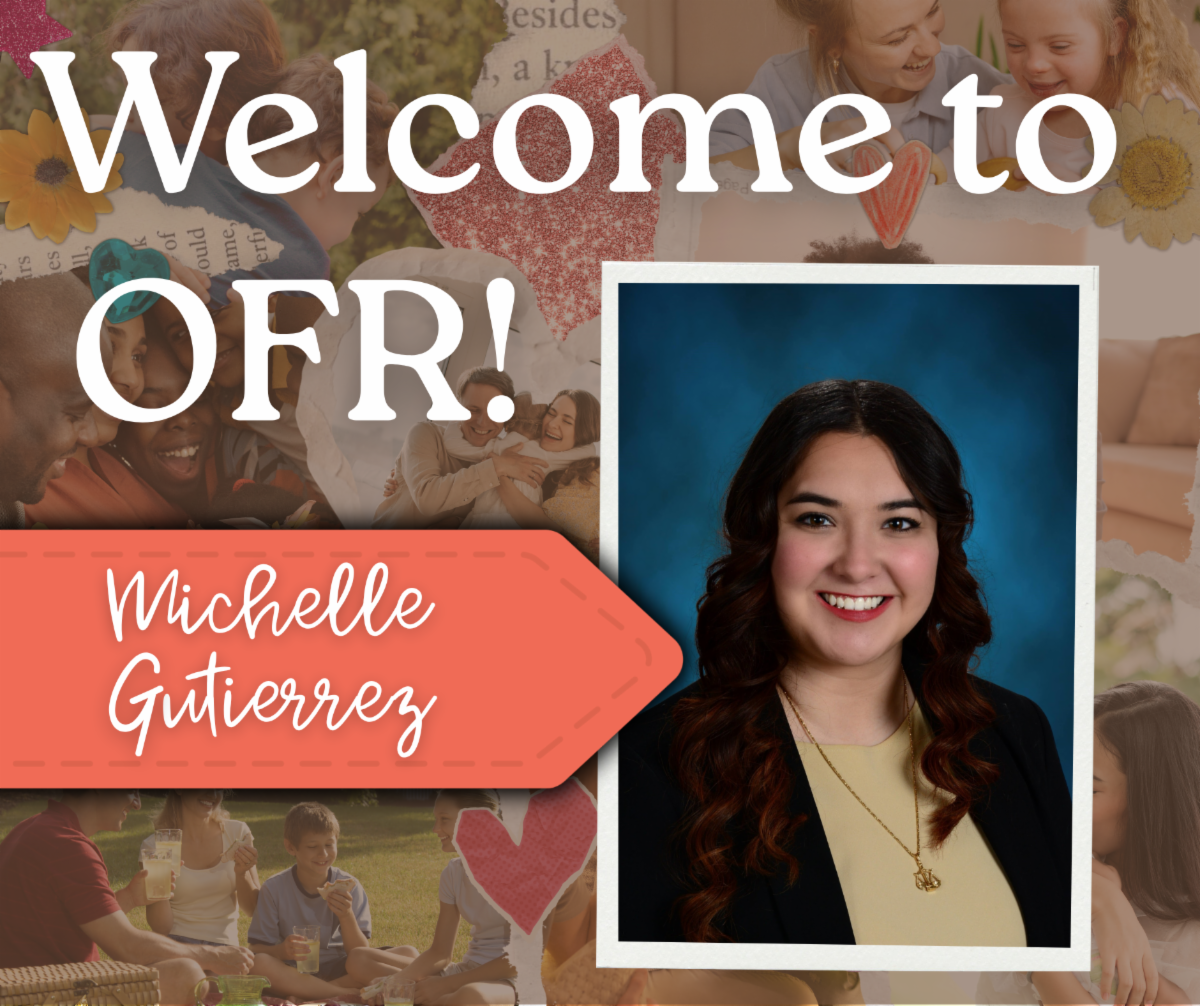
Michelle Gutierrez - Trial Attorney, Carter and Love
Michelle Gutierrez is the owner of Benítez Advocacy and Defense, LLC, where she focuses on advocating for children, families, and justice-involved individuals. She earned her undergraduate degree from Texas A&M University and received her Juris Doctor from Oklahoma City University School of Law. Michelle began her legal career at the Oklahoma County Public Defender’s Office, where she spent two years as an intern and two more years as an attorney in the juvenile division, representing children in foster care.
She is also a graduate of the Interdisciplinary Training Program at the OU Child Study Center, a specialized program focused on identifying, treating, and preventing child abuse and neglect. Michelle’s work is grounded in a deep commitment to justice, compassion, and empowering vulnerable populations through trauma-informed legal advocacy.
| |
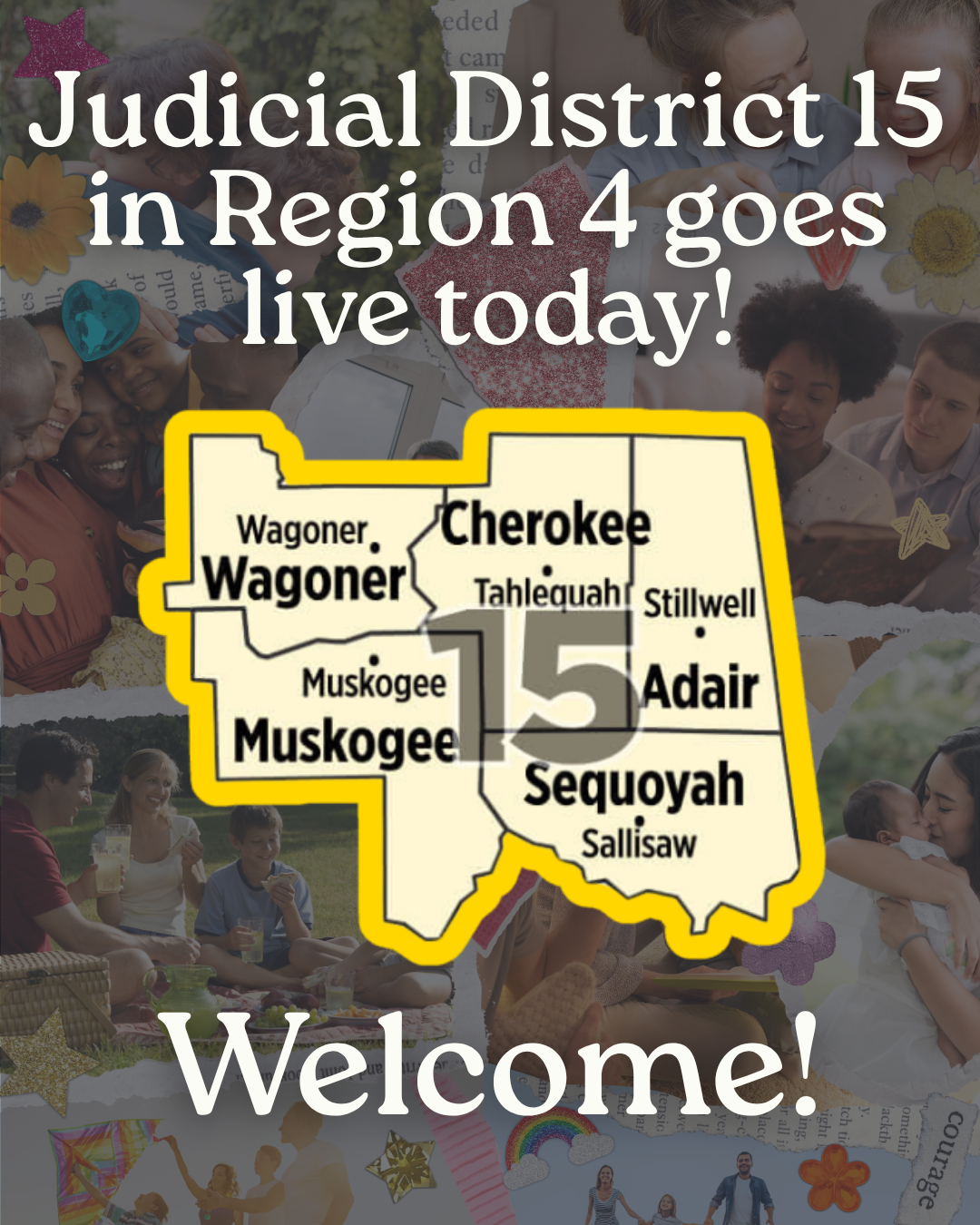
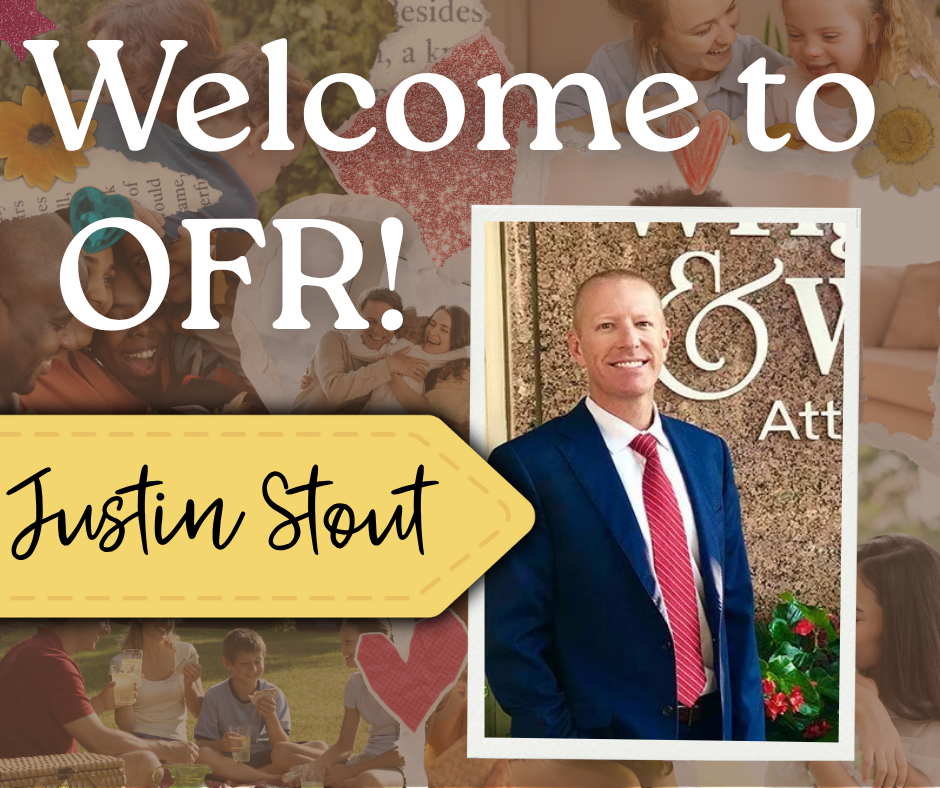
Justin Stout - Trial Attorney, Muskogee
I graduated from OU Law School in 2002, and I practice primarily in family law, although I also practice in criminal law and bankruptcy. I have represented children and parents on the deprived child docket in Muskogee County for over 20 years. Over that time, we've been fortunate to have great judges and great district attorneys handling our deprived docket, so it really has been fulfilling to work with them to help families in my community. I'm married and I have two sons, ages 21 and 18. My oldest is about to get married and my youngest is heading off to college in August, so I'm about to enter a new empty-nesting phase of life. I'm kinda sad but also kinda excited about it!
When I'm not watching my youngest son play soccer, I enjoy golfing and going on walks in the evening and hanging out with friends.
| |
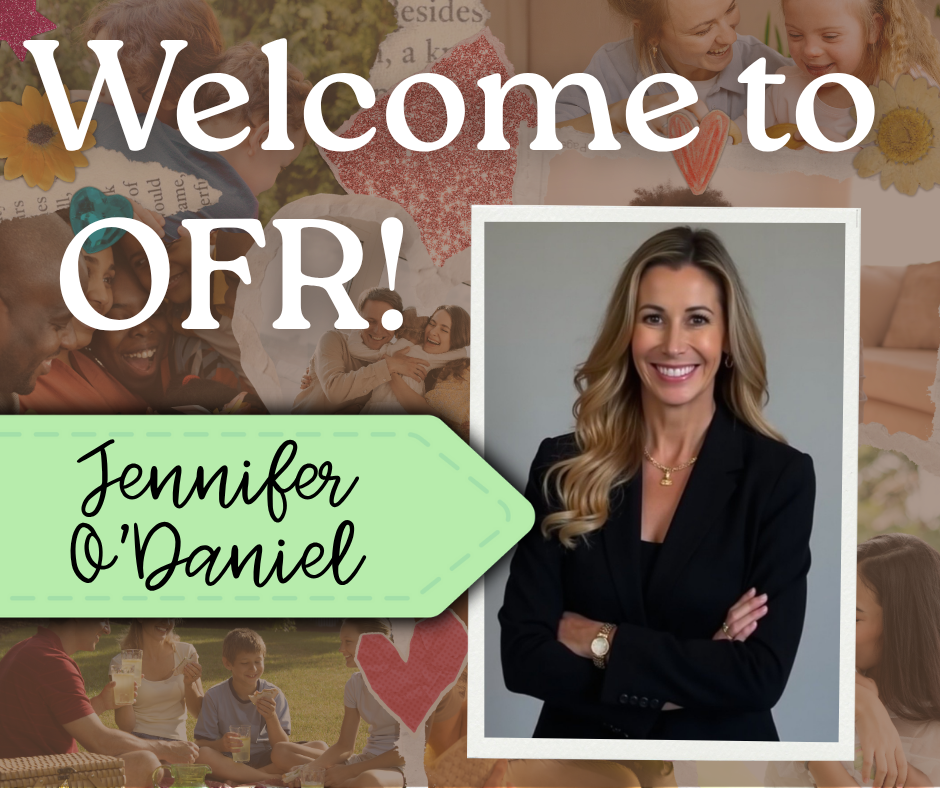
Jennifer O'Daniel - Trial Attorney, Muskogee
Family-Focused. Justice-Driven.
Jennifer O'Daniel has been a dedicated advocate for Oklahoma families since earning her law degree from the University of Tulsa College of Law in 2006. With a background in Family Relations and Child Development and a passion for alternative dispute resolution—enhanced through study abroad in Europe—Jennifer brings both empathy and expertise to every case she handles.
She opened her own general practice immediately after law school, focusing on family law, criminal defense, personal injury, business law, and mediation. Jennifer has handled hundreds of trials, including many jury trials throughout her career.
Jennifer has served clients across Oklahoma in both state and tribal courts, representing children, parents, and individuals through OIDS contracts, family drug court, and as a certified mediator and a Guardian ad Litem. She’s also a long-time volunteer, offering pro bono legal services through women’s centers and attending weekly support groups for domestic violence survivors.
A proud mother of six, Jennifer’s personal experience fuels her professional mission: to support and strengthen families through compassionate and effective legal representation.
| |
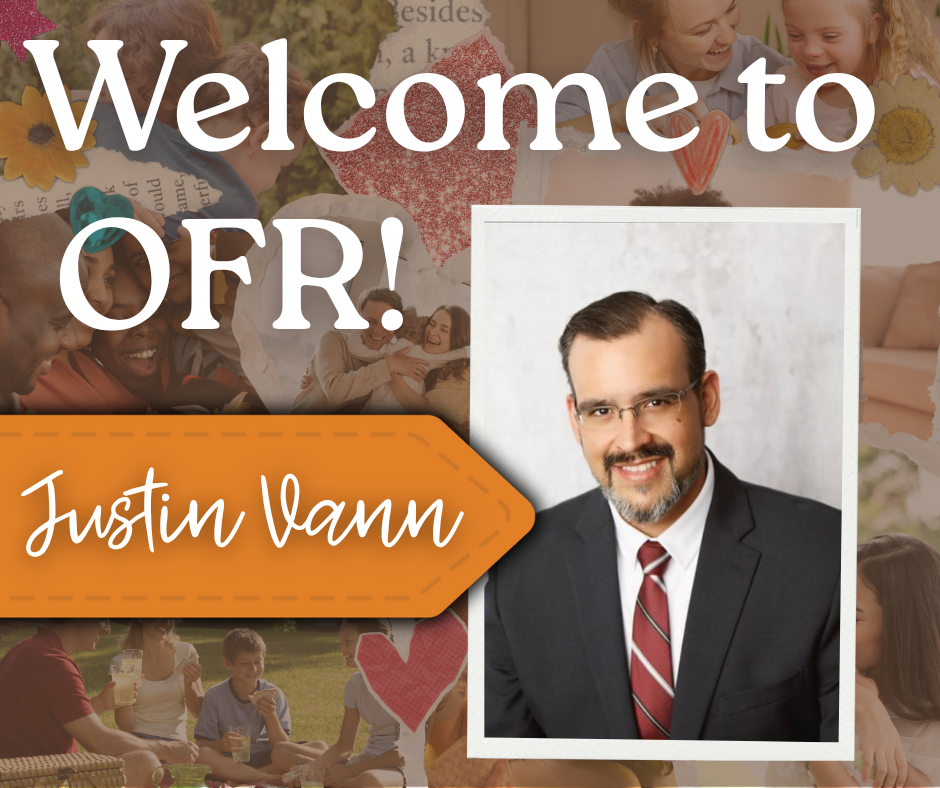
Justin Vann - Trial Attorney, Cherokee and Wagoner
Justin Vann is an accomplished attorney with a background in criminal justice and psychology. After earning his Juris Doctor from Oklahoma City University Law in 2019 and passing the bar in 2020, he began his legal career as an Assistant District Attorney in Cherokee County. In May 2024, Justin established JT Vann, Attorney at Law, PLLC in Tahlequah, Oklahoma, where he handles business, criminal, family, tribal, and property law cases across Cherokee County and nearby areas. Justin is committed to providing compassionate legal representation, ensuring clients feel supported and informed throughout the entire process, from initial consultation to case resolution. Justin believes in having a strong presence in his community. He is an active member of the Tahlequah Chamber of Commerce and is an avid contributor to multiple charities and fundraising that benefit the citizens of Tahlequah and the Cherokee Nation.
| |
Jordan Pace - Trial Attorney, Sequoyah and Adair
My name is Jordan Pace, I grew up in Sallisaw, OK and primarily practice in Adair and Sequoyah. I have a beautiful wife and we have three boys, 16, 13, and 3. In our spare time, we like to travel (oftentimes for her marathons).
| |
And a warm welcome to:
Scott Hickman - Trial Attorney, Sequoyah and Adair
John Young - Trial Attorney, Cherokee and Wagoner
| | |
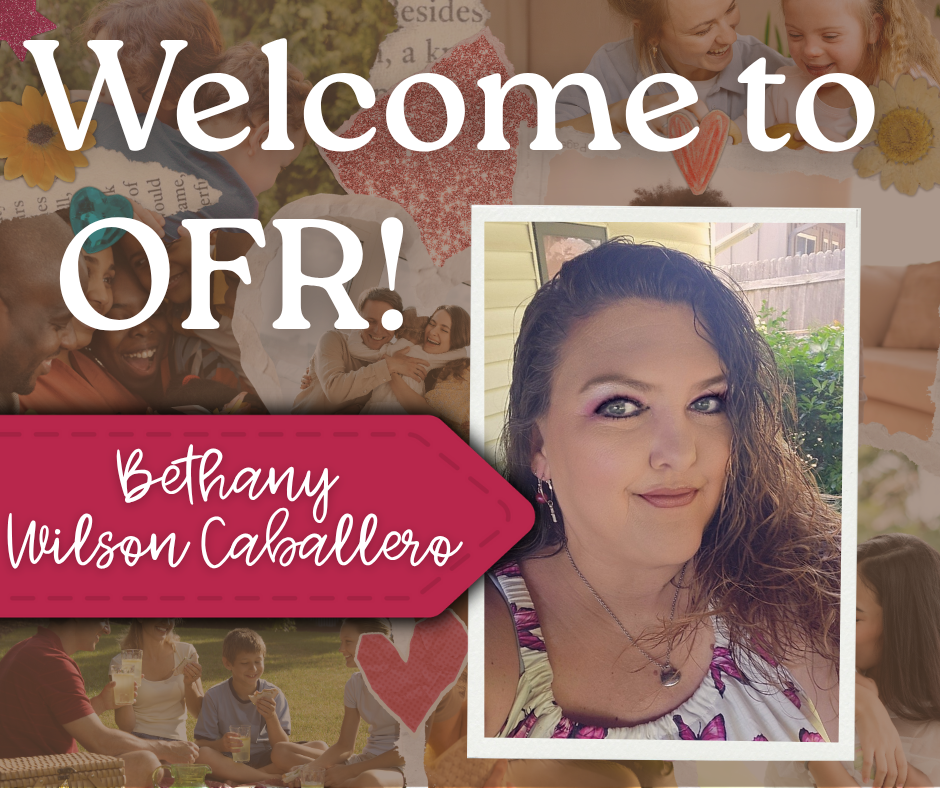
Bethany Wilson Caballero - Parent Mentor, Region 5
For over 20 years, I was trapped in the darkness of methamphetamine addiction—a cycle that began as a way to numb the pain from the deep wounds of my past. I survived years of physical, sexual, emotional, and mental abuse, beginning in childhood and continuing into adulthood. The trauma shaped my choices, and eventually, my addiction became my escape. But the consequences were devastating. I was placed in the custody of the Department of Human Services (DHS), stripped of stability, dignity, and safety. I bounced between placements and systems, never really finding healing—just surviving. The pain of what I endured was compounded by the stigma, shame, and loneliness that addiction and abuse often bring.
The lowest point in my life came when my own children were removed and placed in DHS custody—repeating the generational cycle I so badly wanted to break. Losing them wasn’t just painful—it was soul-shattering. I felt like I had failed them in every way. My addiction had stolen my identity as a mother, and the weight of that shame nearly crushed me. But it was also the moment that ignited something inside of me. I knew I couldn't keep living in destruction. I wanted to be the last one in my family to carry this burden of abuse, addiction, and DHS involvement. My journey to recovery began with honesty, surrender, and deep healing—physically, emotionally, and spiritually. And today, by the grace of God, I live to share this story to give others hope that redemption is possible.
I hold three associate degrees and have dedicated my life to helping others as a Peer Recovery Support Specialist, Behavioral Health Wellness Coach, Case Manager, and Parent Mentor. I have been sober for 13 years and have completed the 12 steps of Narcotics Anonymous multiple times. I’ve helped countless individuals and families on their own paths to healing, using my lived experience to guide and inspire transformation. I am also a devoted wife, mother of three, and stepmother to a blended family of ten children and twelve grandchildren.
| |
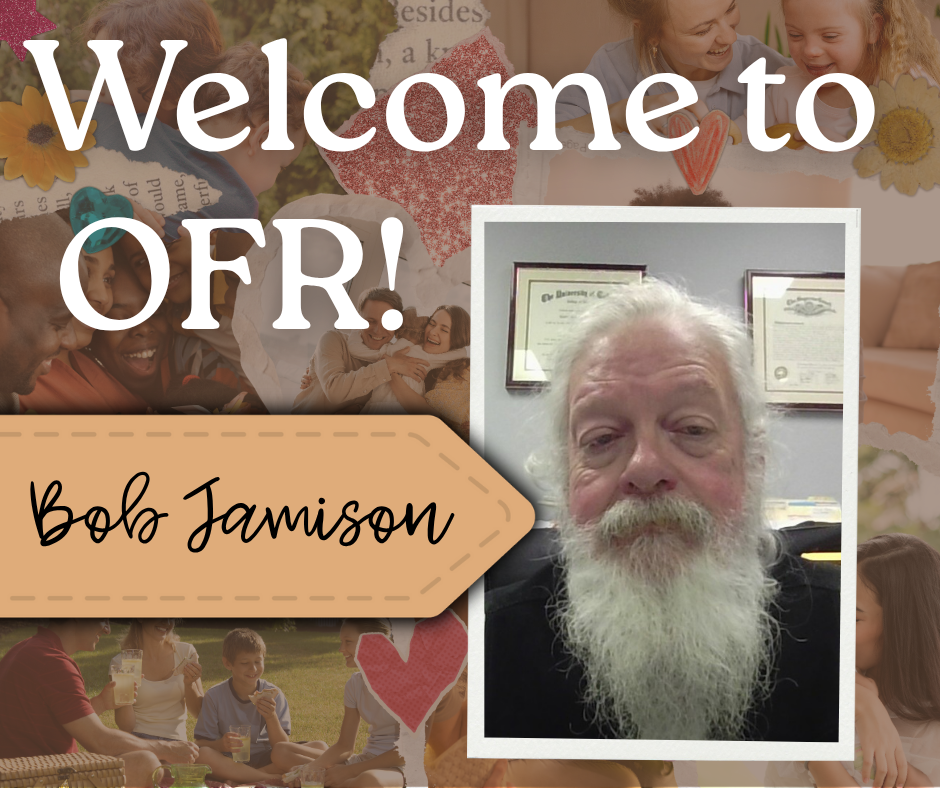
Bob Jamison - Trial Attorney, Adair
This is my 35th year of practicing law. I graduated from the University of Arkansas in 1987 with a degree in Political Science. I received my JD from the University of Tulsa in 1990. I practiced for 21 years in Tulsa doing insurance defense and family law. Upon moving back to Sallisaw, I have maintained a general practice. I have been representing parties in DHS Deprived cases for approximately 8 years and handling Juvenile Delinquent cases for approximately 2 years.
| |
Dani Dezort - Trial Attorney, Muskogee
Danielle “Dani” Dezort is the owner and attorney at True Restoration Legal, founded in 2023. She focuses on juvenile deprived, juvenile delinquent, adoption, and guardianship law, with a strong commitment to parent representation.
Previously, Dani served as an associate attorney at Linque Hilton Gillett Law Office, where she specialized in adoption law. She earned her J.D. from Oklahoma City University School of Law in 2018 and was admitted to the Oklahoma Bar that same year.
In 2024, she received the Alana M. Hughes Award for Outstanding Parent Advocacy from the Oklahoma Juvenile Law Section, recognizing her dedication to families involved in the child welfare system.
Dani lives in Oklahoma City with her husband, Noah, and their three children—Sage, Lola, and Millie.
| |
Cameron Horton - Trial Attorney, Sequoyah and Adair
Cameron is a licensed Attorney in the State of Oklahoma. He is additionally licensed in the Choctaw Nation of Oklahoma and in the Cherokee Nation of Oklahoma. His main areas of practice include Family Law and Criminal Defense.
Cameron received his Bachelor of Science in Criminal Justice from Southern Arkansas University in Magnolia, Arkansas. Additionally, Cameron received his Juris Doctorate from the University of Arkansas, Bowen School of Law, in Little Rock, AR. During law school, he was an officer of the legal fraternity Delta Theta Phi.
Cameron is a native of Central Arkansas where he graduated from Lonoke High School. He now calls Fort Smith, River Valley, area his home.
During his property class in law school, Cameron met his wife, Chandra, who is also an Attorney. They had their first child, Alora Lynn, in January of 2025. Cameron enjoys fishing/hunting, cooking, playing with his infant daughter, and playing video games on his custom-built computer.
He looks forward to serving clients in Oklahoma and tribal nations alike.
| |
Tanya Dobbs - Trial Attorney, Sequoyah
Hi, I am Tanya Dobbs, a new contract attorney with OFR. I have nearly four
decades of experience advocating for kids and families. Outside of work, you
can find me trying to keep up with responsibilities on my ‘rancherette’
between Vian and Sallisaw and following the activities of my grandchildren.
Some things I do to relax are creative photography, videos, repurposing junk,
and playing games. However, my main focus in life is fulfilling my spiritual
purposes. I am excited to be part of this team and grateful for the opportunity
to do my part to improve attorney representation in Oklahoma.
| |
| How did you like this email? | | | | | | |