REMINDER: YOUR SUBMISSIONS ARE ENCOURAGED | | |
1. Bindu's Corner: Truth is the subject of this week's collection of quotes from Bindu.
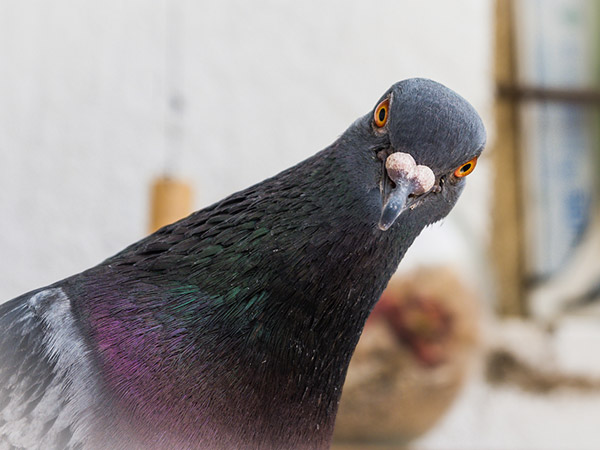
2. Birds: An article published in Smithsonian Magazine has shed some light on the biological mechanism that enables pigeons to use the Earth's magnetic field to navigate.
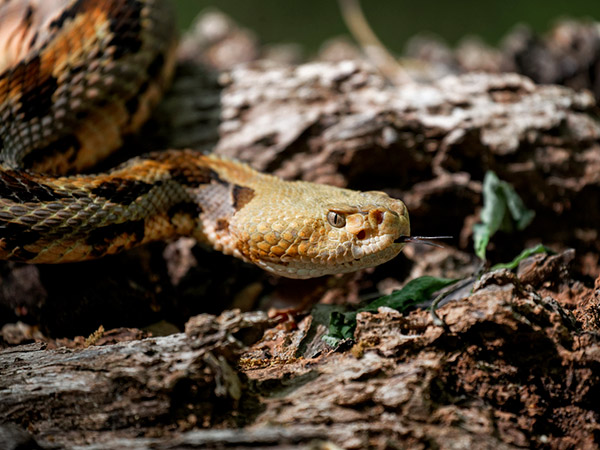
3. Snakes: If you're thinking of going hiking in the eastern half of the United States, particularly in a forested area, it's a good idea to familiarize yourself with how to recognize timber rattlesnakes.
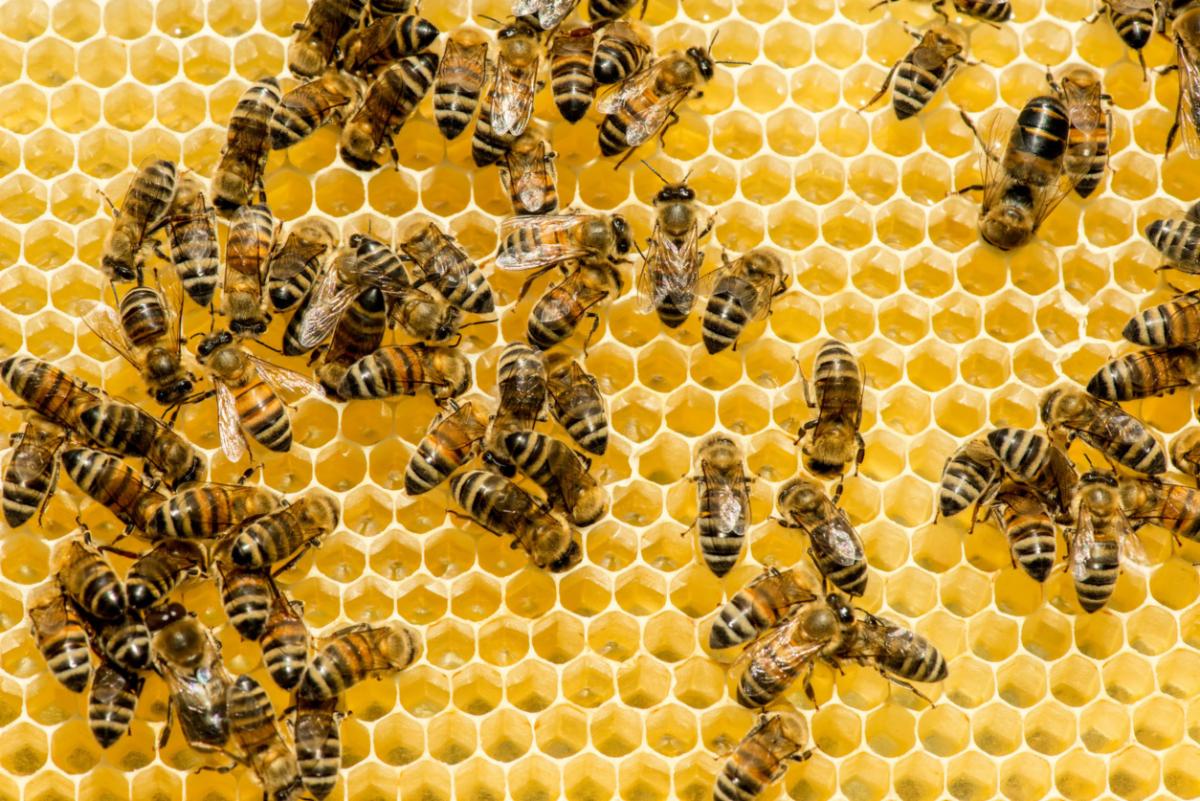
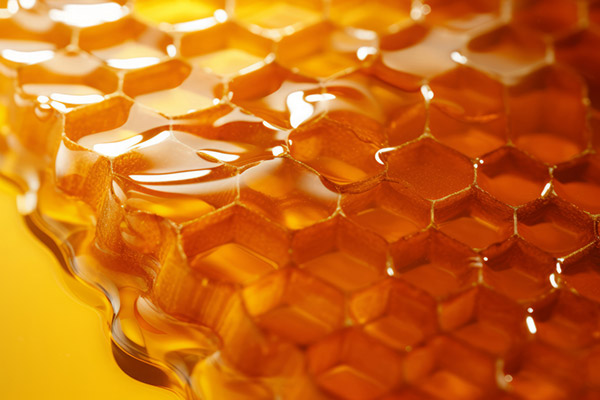
4. Nutrition: Honey has an amazing shelf life; if kept sealed and dry, it can last for millennia, and it is a healthy substitute for sugar in your diet.
5. Wellness: If you are trying to improve your core strength, plank exercises may be a better option than sit-ups or crunches.
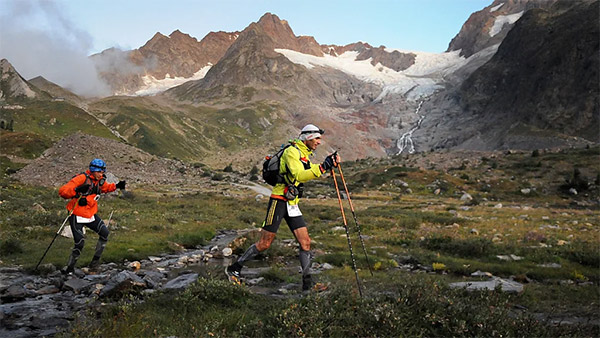
6. Travel: More vacationers are eschewing relaxing, layabout vacations in favor of "darecations" that involve physically challenging adventures.
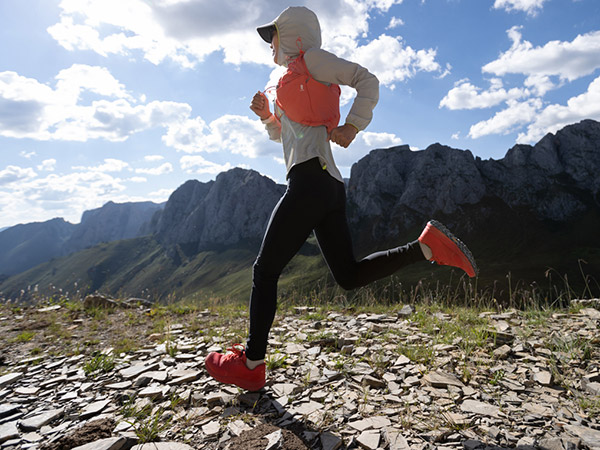
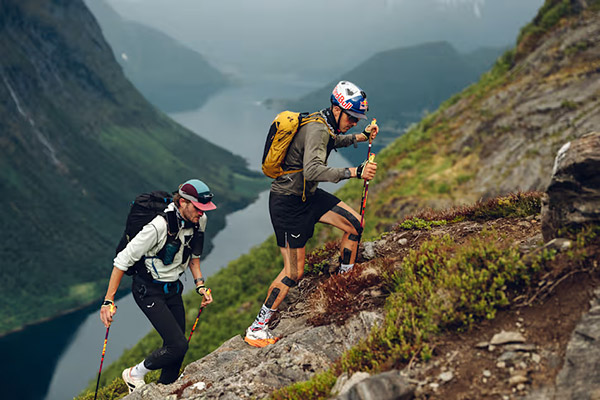
7. Reaching High: A Red Bull-sponsored athlete has set a new world record in a sport that I think most of us are unaware even exists, Hike and Fly, where athletes combine trail running and paragliding.
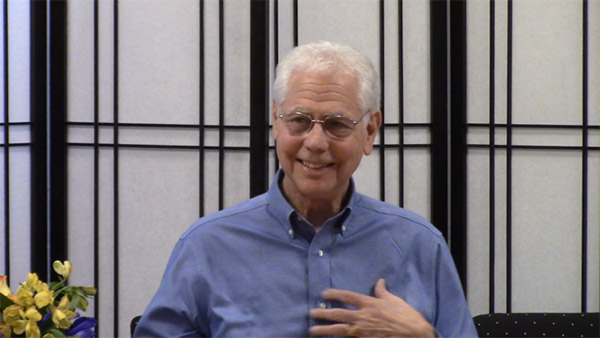
8. Hayward M. Fox, Ph.D.: This week, I have another video featuring Dr. Fox from the Institute of Personal and Transpersonal Knowledge.
| | Now, to this week's Flock. | | The desire to know and the search for truth are innate components of the human condition. Through philosophy, scientific study, and spirituality, people have sought the ultimate truth since time immemorial. | | |
Unfortunately, in this world of phenomena there is nothing that remains unchanged for a second. Now with the idea of finding the ultimate truth, if we push our analysis further, we shall see that back of the changeable phenomena is the immutable Brahman. First, gross objects, then subtle and subtler objects - whatever we analyze in the outer world - we fail to find any permanence in them. Baffled we finally turn within ourselves. This self-withdrawal or abstraction is the only way to the knowledge of Brahman or the Supreme Reality.
— Swami Shivananda
Meditation is the key that opens the door to Truth.
— Swami Turiyananda
[To the Question: “But in business a little untruthfulness does not matter much.”] What a strange thing to say! You should not listen to what other people say. Your duty is to endeavour to be truthful under all circumstances. But if at times owing to special reasons you have to utter a falsehood, it need not worry you too much, because while you are subordinate to another person, you cannot help obeying him. If you be completely truthful, you will only lose your job. Now go on working as you are doing. Afterwards, when you are more free, you can follow your own inclinations and stick to truth at all times.
— Swami Vijnanananda
Truth is as impossible to be soiled by any outward touch, as the sunbeam.
— John Milton
| |
2. Birds: How Pigeons Navigate
| | We know many migratory animals use the Earth's magnetic field to navigate; how they accomplish this remains a mystery. The Smithsonian Magazine recently reported new research on pigeons, suggesting that the key to their ability to sense magnetism lies in the cellular structure of their livers. | | How Do Pigeons Find Their Way Home? New Research Suggests That the Birds’ Remarkable Navigational Skills Come From Their Livers | | The birds might use the organs’ iron-rich immune cells as internal compasses on overcast days, when they must rely on Earth’s magnetic field, instead of the sun’s light cues, for navigation | | From Smithsonian Magazine, By: Sarah Kuta, june 2, 2026 | |
Pigeons are famous for their uncanny ability to return home, even after traveling long distances. But how do they manage to accomplish this impressive navigational feat? Scientists say the answer might lie in their livers.
The birds might use the organ’s iron-rich immune cells as internal compasses on overcast days, when they must rely on Earth’s magnetic field, instead of the sun’s light cues, for navigation, researchers report in a study published on May 28 in the journal Science.
The findings offer fresh insights into the potential mechanics of magnetoreception, or the ability to sense Earth’s magnetic field, which numerous animals use for long-distance travel. Migratory birds, sea turtles, spiny lobsters, mole rats and gray whales are among the creatures scientists believe rely on this “sixth sense” for navigation.
Pigeons’ “sense of magnetism has been a mystery for a century, and nobody could solve where that sits and how that works,” study co-author Martin Wikelski, a zoologist at the Max Planck Institute of Animal Behavior in Germany, tells National Geographic’s Dino Grandoni. “Now, we think we have found, really, a workable solution.”
Researchers took cell samples from pigeons’ beaks, eyes, muscles, spleens and livers. They discovered that iron-rich immune cells, known as macrophages, in the birds’ livers can demonstrate a type of magnetism known as “superparamagnetism.”
“Once the pigeon passes through the Earth’s magnetic field, [negatively charged particles in the special cells] all arrange in the same direction, making them superparamagnetic,” says lead author Clivia Lisowski, an immunologist at the University of Bonn in Germany, to CNN’s Kasha Patel.
| | Artist's conception of Earth's magnetic field | | |
To further test this hypothesis, the researchers trained 34 homing pigeons to fly a roughly 12-mile route to their home aviary in Radolfzell, Germany, while wearing GPS trackers. “Once they are trained, they are perfect,” Wikelski tells National Geographic. “They evade everybody. They fly home as if the devil is behind them.”
Then, the researchers injected about half of the birds with a drug that killed most of the macrophages in their livers. On a completely overcast day, they drove the birds to the start of the route and released them one by one.
The birds with fully functional liver macrophages returned home within 70 minutes. Meanwhile, the birds that had received the cell-depleting treatment flew around aimlessly and did not come home until the sun popped out on a different day. “They were completely lost,” Lisowski tells Scientific American’s Joseph Howlett. “I mean, it was crazy—they were going in all directions.”
Scientists don’t know exactly how the birds’ liver macrophages might perceive the Earth’s magnetic field, nor how the cells may communicate that information to the brain. Nevertheless, some outside researchers find the evidence persuasive.
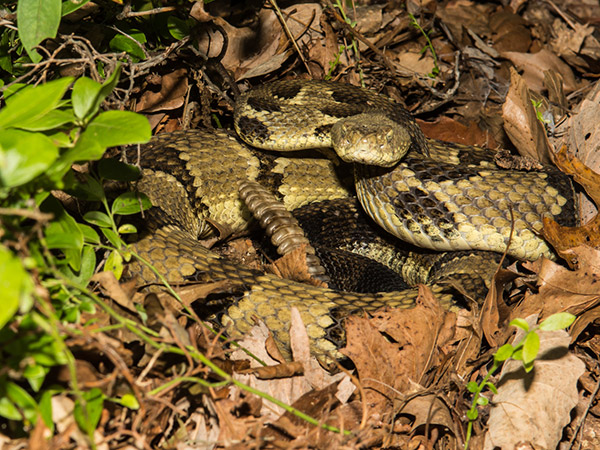
| | 3. Snakes: Timber Rattlesnakes | | My home state, New Hampshire, has only one native venomous snake: the timber rattlesnake. Once fairly common in the southern part of the state, there is now only one known existing population, whose location is kept secret by state biologists. When I was young, my father warned me about them. I did see one on a hike one time. In the states farther south and to the south and west of New Hampshire, timber rattlesnakes are more common and range from Massachusetts west to Minnesota and south to Florida. Back in August, I posted about a man in Tennessee who was fatally bitten after trying to pick up a timber rattlesnake. If you are out hiking in the woods and spot one, enjoy the lucky encounter from a distance, and never try to pick up any venomous snake. | | How to identify a timber rattlesnake: The hidden signs of Crotalus horridus’s physical characteristics, habitat, and hunting strategy | | |
Field encounters with the timber rattlesnake (Crotalus horridus) rarely match the dramatic expectations people carry into the woods. Across the eastern half of the United States, from New England’s rocky ridges to the forest edges of the Carolinas and the foothills of Texas and Kansas, the species is widespread on paper but surprisingly elusive in practice. Most hikers and field researchers go years without a confirmed sighting, not because the snake is absent, but because it is built for invisibility and restraint.
When it does appear, it rarely announces itself visually first. Instead, the encounter often begins as a sound or a sudden sense of movement in leaf litter. The snake itself is typically thick-bodied, grounded, and visually fused with its surroundings, shaped by colouration that ranges from muted grey and beige tones to darker, high-contrast patterns that dissolve into forest floor textures. A broken dorsal stripe and chevron-like side markings further disrupt its outline, making still individuals easy to overlook. Its calm posture often masks its defensive potential, reinforcing caution among observers in close proximity.
| | |
How to identify timber rattlesnake: Body structure, characteristics and more
Field identification tends to collapse under pressure, so the most reliable markers are structural rather than decorative.
The head is broad and distinctly triangular, driven by venom glands behind the jaw. Heat-sensing pits sit between the eyes and nostrils, allowing detection of warm-blooded prey in near-total darkness. These pit organs are not visual aids in the human sense. They function as infrared sensors tuned to temperature differentials, giving the snake a layered perception of its environment.
The tail is where many encounters become obvious. The “rattle” is not a single structure but a series of keratin segments that interlock loosely. Each time the snake sheds its skin, a new segment is added. In theory, this could indicate age, but segments frequently break off in the wild, so rattle count is an unreliable metric.
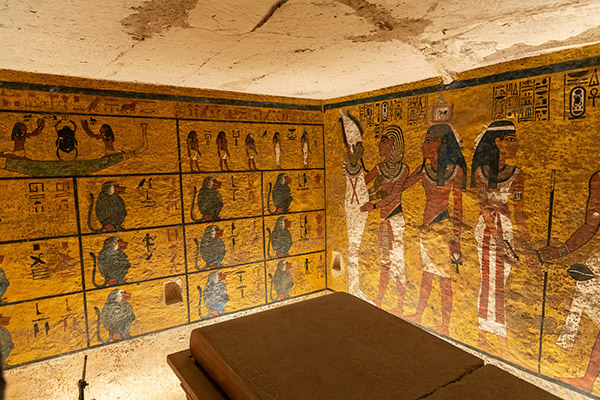
| | 4. Nutrition: Honey's Amazing Shelf Life & Health Benefits | | Honey has a unique chemistry that, if kept sealed and dry, prevents it from spoiling for years, even millennia. The following article explains how three chemical properties enable honey harvested in ancient Egypt and found by archeologists stored in thick ceramic jars coated inside with beeswax or resin and sealed with clay, to remain edible and sweet after 3,000 years. | | Honey recovered from Egyptian tombs sealed more than 3,000 years ago can remain edible because honey’s low water content, acidic pH, and bee-made peroxide chemistry make it almost impossible for bacteria and fungi to grow | | |
When Howard Carter’s team cracked open Tutankhamun’s tomb in 1922, the inventory included alabaster jars holding a thick, amber residue that chemists later identified as honey — and the same substance, recovered from sealed pots in tombs across the Nile Valley, has reportedly been tasted by archaeologists who reportedly pronounced it still sweet. The jars were closed sometime around 1323 BCE. The bees that made the honey foraged on flowers that bloomed when bronze was still a strategic metal. And the contents, by every available chemical measure, were still honey.
The claim sounds like a folk tale. The chemistry behind it is not.
Honey is one of the few foods on Earth that does not spoil if it is sealed and kept dry. A jar of it, undisturbed, can outlast the civilization that made it. The reason is a stack of three overlapping defenses bees engineer into every drop, and any one of them alone would be enough to give most bacteria a hard time. Together they create an environment where almost nothing biological can live.
| | Ancient Egyptian honeypot | |
What the bees actually do
A honeybee gathers nectar that contains a high percentage of water. Back at the hive, workers pass it mouth-to-mouth, adding enzymes from glands in their heads, and then fan it with their wings until the water content drops to a very low level. That number matters more than almost anything else about honey.
| | |
At such low water content, honey is too dry to support microbial life. Bacteria and fungi need free water to grow. In honey, the sugar molecules — mostly fructose and glucose, packed at high concentrations — bind up water through osmotic pressure so completely that any microbe landing on the surface is essentially freeze-dried. The water gets pulled out of the cell through its membrane, and the cell collapses.
This is the same principle behind curing meat with salt or preserving fruit in heavy syrup. Honey just does it more efficiently than almost anything humans have engineered.
| | What Are the Health Benefits of Honey? | | From: Healthline, By: SaVanna Shoemaker, April 13, 2026 | | |
Honey is rich in nutrients and antioxidants. It also has antibacterial properties, and can play a role in diabetes management as part of a balanced diet.
Honey is a syrupy liquid that honeybees make from plant nectar. It is a common ingredient in many foods and is available in many forms.
The product also has several potential health benefits. Read on to learn more.
Honey nutrition
One tablespoon, or 20 grams (g)Trusted Source, of honey contains the following:
- Calories: 61 kcal
- Fat: 0 g
- Carbohydrates: 16.5 g
Honey is essentially pure sugar, with no fat and only trace amounts of protein and fiber. It contains small amounts of some nutrients, but most people typically don’t consume enough honey for it to be a significant dietary source of vitamins and minerals.
Rich in antioxidants
Minimally processed honey contains many important bioactive plant compounds and antioxidants, such as flavonoids and phenolic acids. Darker varieties tend to offer more antioxidants than lighter varieties.
Antioxidants help neutralize reactive oxygen species (ROS) in the body, which can build up in cells and cause damage. This damage can contribute to conditions such as type 2 diabetes, kidney failure, and heart disease.
Regularly consuming honey may help reduce the risk of these conditions.
| |
5. Wellness: Try Planks for a Stronger Core
| | It used to be that if you wanted to strengthen your core and abdominals, you did traditional sit-ups, but we learned that holding your neck with your hands during a sit-up put unnecessary strain on your back and neck, so everybody started doing crunches instead. Now the current consensus is that plank exercises are a better option for building core strength. | | Want a stronger core? Skip the sit-ups | | |
Many people are surprised to learn that a strong core does more than just improve your shape-it also supports better posture, balance, and stability. A sturdy core acts as the central link between your upper and lower body, making everyday movements like bending to tie a shoe, reaching for something on a high shelf, or simply standing upright much easier and less tiring. Strengthening these muscles can help prevent falls and injuries, especially as we grow older.
Sit-ups once ruled as the way to tighter abs and a slimmer waistline. Now plank exercises, in which you assume a position and hold it, are the gold standard for working your core, while classic sit-ups and crunches have fallen out of favor.
Why planks over sit-ups?
One reason is that sit-ups are hard on your back. They push your curved spine against the floor and work your hip flexors, the muscles that run from the thighs to the lumbar vertebrae in the lower back. When the hip flexors are too strong or too tight, they tug on the lower spine, which can create lower back discomfort.
In addition, plank exercises recruit a better balance of muscles on the front, sides, and back of the body than sit-ups, which target just a few muscles.
Finally, activities of daily living such as bathing, getting out of bed, or walking, as well as sports and recreational activities, call on your muscles to work together, not in isolation. Planks recruit a better balance of muscles on the front, sides, and back of the body than sit-ups, which target just a few muscles. Through dynamic patterns of movement, a good core workout like plank exercises can help strengthen the entire set of core muscles you use every day, leaving you with a stronger and more balanced body.
Here are some Plank Tips and Techniques to help you get started:
- Do form a straight line from head to heels.
- Don't bend at your hips.
- Don't let your belly drop toward the floor.
No matter your age or fitness level, prioritizing core exercises like planks is a smart investment in your long-term health and well-being. By making core-strengthening a regular part of your routine, you can improve your posture, enhance your mobility, and lay the foundation for a more active, independent lifestyle
| | More and more people are choosing to use their vacation time to participate in physically challenging activities like ultramarathons or even high-altitude marathons, where the climb to the start line takes longer than most marathons. This trend has given rise to the term "Darecation." I've used vacation time in the past to enter a marathon or climb a mountain, so I can get behind this trend wholeheartedly. | | Inside the 'darecation': Why travellers are choosing holidays that hurt | | From: BBC, By: Laura Hall, June 5, 2026 | | |
Forget relaxing on holiday; more travellers opting for physically punishing adventures in some of the world’s toughest places.
For Sara Storey, the World's Highest Marathon offered a chance to do something nobody had attempted before.
"I've done quite a few ultramarathons and multi-day races, some of them quite tough, but I'd never experienced an event where so much effort was required even to get to the start," she said.
She was one of 16 runners who signed up for the World's Highest Marathon in Chile earlier this year. The 26.2-mile (42.195km) race began on Ojos del Salado, the highest volcano in the world, at an elevation of 6,893m (22,615ft). In extremely low oxygen, temperatures of -30C and winds up to 100km/h (62mph), participants first had to climb for around 11 hours just to reach the start line. Only five made it there – and then came the small matter of completing a marathon at altitude.
"Altogether, I was moving for nearly 30 hours," she said. "It took so much out of me. I feel that in the battle between the volcano and me, it was a draw, because I've never been so close to my physical limits as I was then. Having said that, would I do it again? Absolutely. I want people to see what an ordinary 47-year-old woman can do when she puts her mind to it."
Storey is one of a growing number of people seeking not just thrills on holiday, but trips that test them. It's an increasingly visible theme in travel. Earlier this year, Pinterest identified "darecations" as one of their top trends for 2026, reporting a 75% increase in searches for adventure tourism and forecasting a boom in "full-throttle, adrenaline-inspired tourism" among Gen Z and Millennials. Sports insurance provider SportsCover Direct, meanwhile, has seen an 182% increase in travellers taking out sports travel insurance over the past two years, with particularly strong growth in trekking, mountaineering and marathon-related travel.
| | |
At UTMB World Series, one of the world's leading organisers of trail running and mountain races, business is booming. Since launching with a single race around the Mont Blanc Massif in 2003, it expanded to 25 ultramarathon events in 2022 and now hosts more than 60 races globally. Annual participation has risen from 50,000 in 2022 to 170,000, most of whom aren't elite athletes but highly committed amateurs.
"People become engineers of themselves for these races," said Florian Lamblin, executive director of UTMB International and an ultrarunner himself. "They are trying to achieve something complex and, at the end, deliver something extraordinary, which is running up to 30 hours in nature."
| | 7. Reaching High: New Hike and Fly World Record | | In the sport of Hike and Fly, athletes compete by navigating up a mountain on foot, using GPS, either hiking or trail running, and passing through specific waypoints along the way. Competitors are required to carry all the equipment they need for the race. Once they reach the summit, they can unpack their paraglider and fly back down to the finish, again hitting specific turnpoints along the way. The winner is determined by who completes the course in the shortest time. The objective of the world record attempt below was to achieve the greatest combined positive elevation gain in 24 hours, rather than completing a set course in the shortest time. | | New Hike and Fly world record: Aaron Durogati climbs 2 Everests in 1 day | | How many times can one person climb a mountain, fly back down, and do it all over again in 24 hours? Aaron Durogati just set a wild new benchmark in Norway. | | From: Red Bull, By: Agnes Aneboda, June 10, 2026 | | |
Most people hike up a mountain, take a picture, eat a sandwich and call it a day. Aaron Durogati hiked up, launched into the sky, flew down, landed... and did it again. And again. And again. 18 times. For almost 24 hours.
By the time the clock stopped, Durogati had racked up enough vertical climbing to equal nearly two Mount Everests – in a single day – setting a new 24-hour Hike and Fly world record with 19,424m of total positive elevation gain.
To understand how big that is: Mount Everest is 8,849m high. Durogati climbed more than double that height in total, not in one straight line, but by repeatedly hiking up a mountain, flying down with a paraglider, landing, then starting again.
| |
Aaron Durogati’s Hike and Fly record in numbers
The mark surpassed the previous record of 17,534m, set by French athlete Tanguy Renaud-Goud in 2024. That record was already elite-level, which shows just how serious Durogati’s new benchmark is.
- 19,424m – total positive elevation gain
- 23:42:32 – time taken to complete the challenge
- 18 ascents – number of climbs
- 1,080m – average vertical gain per ascent
| |
There were a couple of hard moments... but I tried to stay focused
— Aaron Durogati
| |
8. Hayward M. Fox, Ph.D.: A Video from Dr. Fox
| | Below is another video I have not previously posted from the Institute of Personal and Transpersonal Knowledge video collection. Please watch and enjoy. You may also like to visit Dr. Fox's YouTube channel for more videos, and don't forget to like and subscribe. | | It's June, and the honeysuckles are in bloom. | | These Flock regulars are always here for you: | | Don't Be Shy: Share Your Stories! | | I'm looking forward to sharing more of your personal stories - oral, written, or otherwise, as we enter our third year. I'd so love to present them to The Flock, hit a mailbox below to share your story. | | Subscriptions & Idea Submissions
Reminder: Your submissions are always welcomed. | | |
Feel free to forward this email to a friend. If this was forwarded to you and you would like to receive your very own Flock Newsletter, you can sign up here. If you have any questions or suggestions for future Flock resources, don't hesitate to contact me.
Your fan and friend,
Beth
| | | The information and materials contained or referenced in this newsletter are for informational purposes only and not intended to be a substitute for professional medical advice, diagnosis, or treatment. Always consult a physician or other qualified medical professional with any questions you may have regarding a medical condition or treatment and before beginning a new health care regimen. Do not disregard professional medical advice or delay seeking medical advice or care based on anything contained in this newsletter. | | | | |