A Message from Chief Scientist & Observatory Director Dr. Paula Mabee |
Hello again! Everyone at NEON is eager for the oncoming summer and all that comes with it – always a very busy time for us. While we continue to monitor the COVID-19 situation across the Observatory, we are getting back into more and more in-person gatherings.
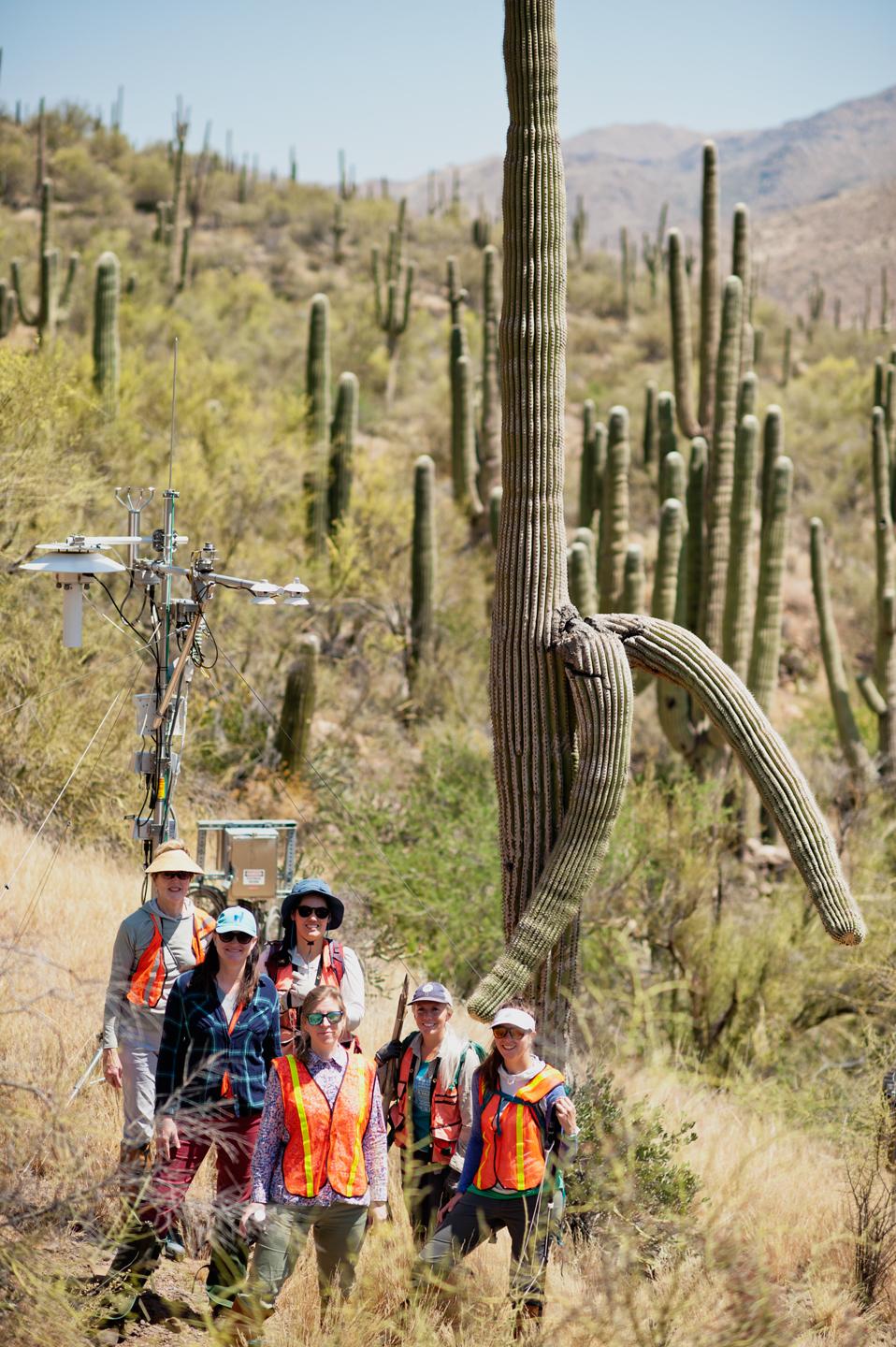
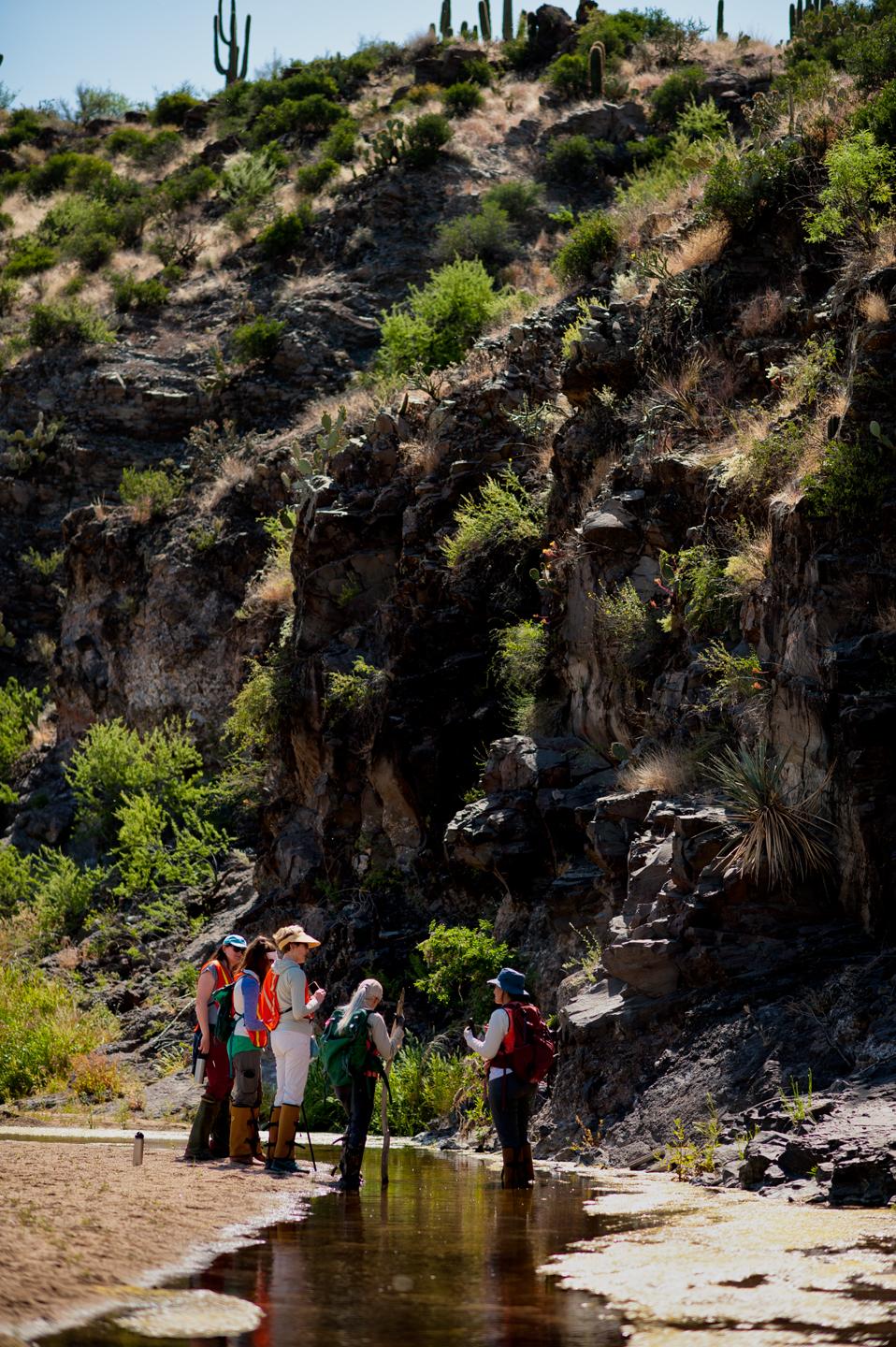
Recently, I and other NEON leadership were able to have an amazing visit to NEON’s D14 SYCA site and Biorepository at ASU (see photos below!), and I’m personally looking forward to visiting more of the Observatory. Our Airborne Observation Platform (AOP) planes are on the move across our Domains (see if they are near you for a visit!), and you might also bump into NEON Ambassadors, STEAC members, and TWG members out in your communities and events, so keep a look out for us!
This week we held an in-person event at Boulder headquarters, hosting NSF-funded Sage project workshop participants, and we able to show them around our headquarters facilities and the CPER site (D10). Also coming up in Boulder, the Indigenous Peoples Climate Change Working Group (IPCCWG) and the American Indian Higher Education Consortium (AIHEC) will hold the Tribal Climate Science Partnership Summit – Sensing the Earth – in June for Tribal Colleges and University (TCU) faculty and staff. We’re very pleased to be able to participate this meeting and to engage in the future alongside this community.
|
|
As always, I hope this finds you safe and well, and perhaps I will see you out there soon!
Sincerely,
Paula
|
|
|
|
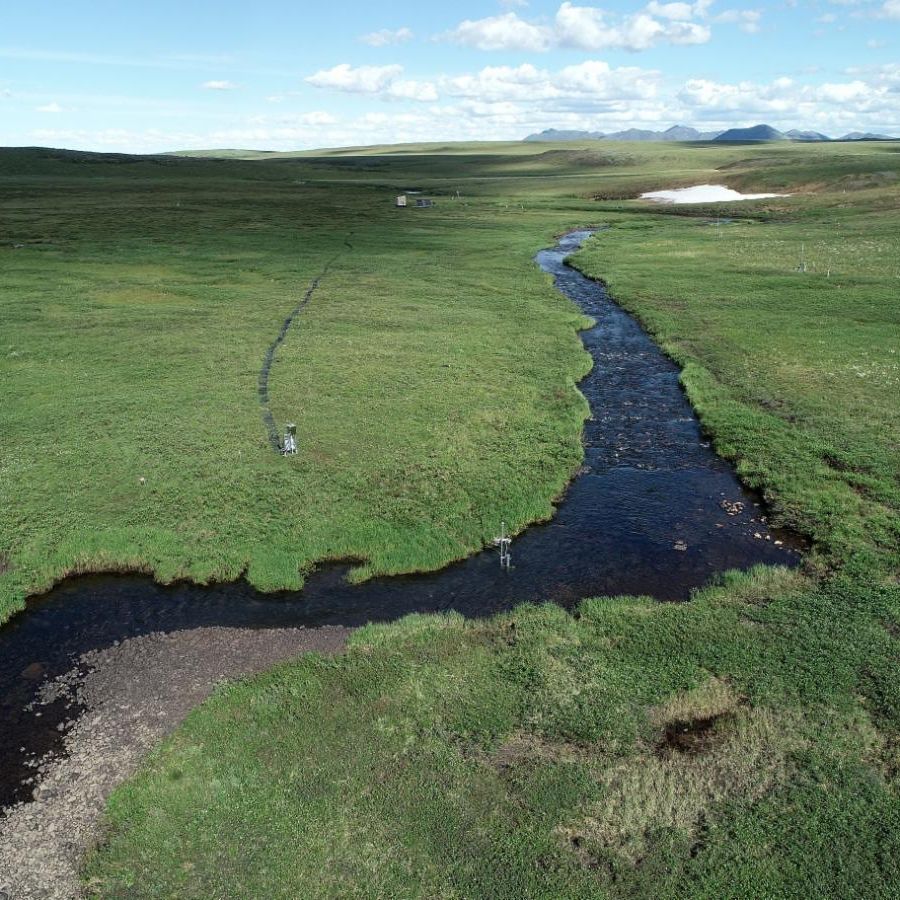
As the Arctic climate warms, many areas where soils were previously frozen year-round are now experiencing cycles of freezing and thawing. Researchers set out to discover how these cycles are changing the physical structure of Arctic soils—using soil cores from NEON's Toolik Field Station (TOOL). The study is published in Geoderma.
|
|
|
|
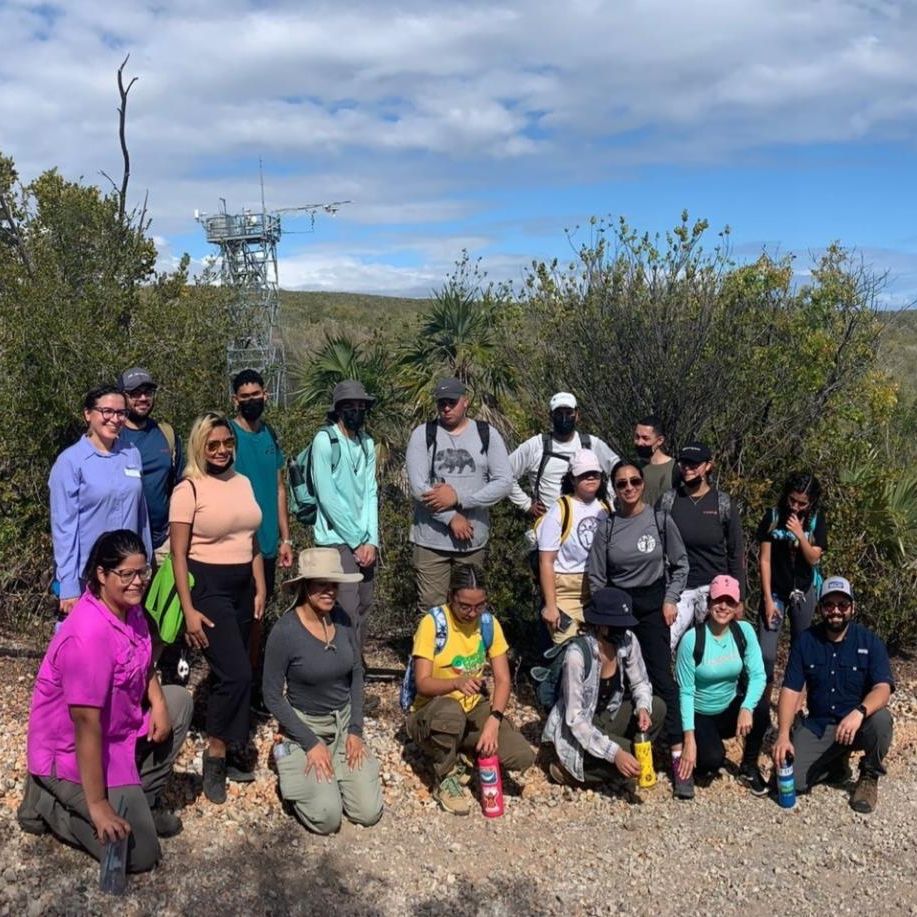
SEEDS students visited the NEON GUAN site in March 2022, their first trip since the pandemic. Students participating in ESA's SEEDS program receive engaging and hands-on ecological experiences developed for mainly undergraduates. The goal is to enable diverse students to learn more about ecological sciences and the many ways in which they could pursue Ecology as a career path.
|
|
OTHER RECENT BLOGS
In our second of this blog series highlighting the many diverse backgrounds and paths in ecology, we talked to NEON's Jeb Timm, who grew up in and works in semi-remote Alaska, about his current role and any advice he has for the next generation of ecologists—particularly those pursuing technical or vocational paths into the field.
Understanding how biological invasions start, the factors that allow invasive species to thrive, and their impact on native ecosystems are critical questions for ecology. A paper published in Ecosphere highlights the ways in which data from the NEON program could help ecologists explore the impacts and mechanisms of invasion.
Interest in Nature-based Climate Solutions is growing, in large part due to carbon markets that provide incentives to landowners. A new paper explores the use of eddy covariance flux towers and other measurement methods to get a better understanding of the impact of leveraging nature for addressing climate change.
At Pu'u Maka'ala Natural Area Reserve (PUUM) in Hawai`i, researchers have verified the discovery of two previously undescribed species of carabids (ground beetles). The two new species are both members of Mecyclothorax, a genus of ground beetles most diverse on volcanoes in the Hawaiian Islands and the Society Islands of French Polynesia.
IN MEDIA
Cosmos Magazine, May 20, 2022
|
|
Each year, NEON hires hundreds of seasonal (temporary) field technicians (TFTs) to assist with observational sampling. NEON field sites are located in some of the nation's most pristine and wild areas. These seasonal opportunities are perfect for scientists who want to explore fieldwork and gain experience collecting data for a continental-scale ecology program. Learn more.
|
|
RESOURCES, UPDATES, EVENTS, & OPPORTUNITIES |
|
UPDATES
NEON is now working with the Ecological Society of America to make their Certified Ecologist program more accessible to NEON field staff! Recognizing that NEON program staff ecologists are highly trained, the new collaboration translates our staff’s Observatory training into some of the requirements needed for ESA certification. See details here.
NEON operations and restrictions due to safety impacts (e.g., COVID-19, wildfires, etc.) vary across the Observatory. NEON Leadership is continually assessing conditions across the Observatory. Read current operational status updates.
RESOURCES
Did you know NEON has over 103,000 samples from over 700 taxa stored at the NEON Biorepository? These samples are available upon request to support research studies and analyses. Discover and access NEON's archived samples on the NEON Biorepository Data Portal. Explore the portal.
Need soil samples from across the U.S.? Request samples from the NEON Megapit Soil Archive! The archive is a community resource established by NEON to provide free access to soil samples for science and education purposes. It consists of air-dried soil archived by horizon from all 47 NEON terrestrial sites located throughout the U.S. Over 2000 subsamples have been provided to researchers to date and additional data about the samples are becoming available as their findings are published. Explore the Megapit Archives.
NEON offers a variety of tools and resources for instructors and faculty moving to online teaching. We realize that these are challenging times for our communities around the globe to delivery high quality education in novel online teaching environments. The data and resources from NEON are naturally suited for teaching ecological concepts and skills in both synchronous and asynchronous learning situations. Browse NEON's Learning Hub.
The NEON program generates ecological data on an unprecedented scale. Making sense of that data often requires sophisticated analytical techniques and computer programs. But if you’re not a coder, don’t worry—open source coding resources and community-made custom programs make NEON data more accessible to the ecology community. These resources are now being compiled in the NEON Code Resources Library.
EVENTS
AIHEC, IPCCWG, NEON, UCAR, and the University of Colorado’s Earth Lab are holding a summit on June 15-17 in Boulder, CO. This meeting will bring together members of the national climate change research community and TCUs for two and a half days of sharing, planning and brainstorming around the goal of aligning the education and research resources of climate science partners around Tribal climate resilience.
EREN (Ecological Research as Education Network), Project EDDIE (Environmental Data-Driven Inquiry and Exploration), and NEON are partnering to support a collaborative community of educators and researchers who want to explore new approaches, tools and datasets for their classrooms and research labs that combine the EREN project model with NEON data and EDDIE techniques for teaching data science. Participants in this community are gathering for a series of workshops, talks, and work time with their research groups on the projects we have been developing over the 2021-2022 academic year.
The Fluxcourse is a two week early-career workshop focused on the foundations of land-atmosphere flux measurement, modeling, and synthesis. NEON staff will be teaching components of Fluxcourse dedicated to working with NEON data, network data synthesis, and using NEON data to inform land-surface models. Applications for Fluxcourse 2022 have closed; if you are interested in attending Fluxcourse 2023, watch http://www.fluxcourse.org/ for applications to open in early 2023.
OPPORTUNITIES
Registration for the third annual "Virtual Summit: Incorporating Data Science and Open Science in Aquatic Research" is now open! The "Hacking Limnology" Workshop will take place on July 25-27, 2022 13:00-17:00 EST. The 2022 Virtual Summit will take place on July 28-29, 2022 13:00-17:00 EST. Registration is free for everyone and will remain open until 27 July, but zoom login information (link, password, etc.) will be emailed on 19 and 27 July. The link to registration can be found here, and the schedule can be found here.
|
|
More and more researchers are using NEON data! Publications that use NEON data and resources are identified and imported into a public Zotero library, where they are tagged to make them easy to query.
View the newest publications here.
Learn how to find papers of interest here.
Knowing how NEON’s data, samples, and infrastructure are used in research is important to measure the program’s success. Please report your publications and related projects here and learn how to cite NEON here. If you know of a publication not included in the list, please notify us.
|
|
Follow NEON on social media! |
|
|
|
|
|
|