|
The Wisconsin Policy Forum's report After the Flood highlights the extraordinary impact of the August 2025 flooding across southeastern Wisconsin. It details the hundreds of millions of dollars in damage, the complexity of disaster assistance, and the financial challenges facing local governments as they rebuild damaged infrastructure. The recent tornadoes in the Fox Valley region also highlight how communities and lives change in an instant.
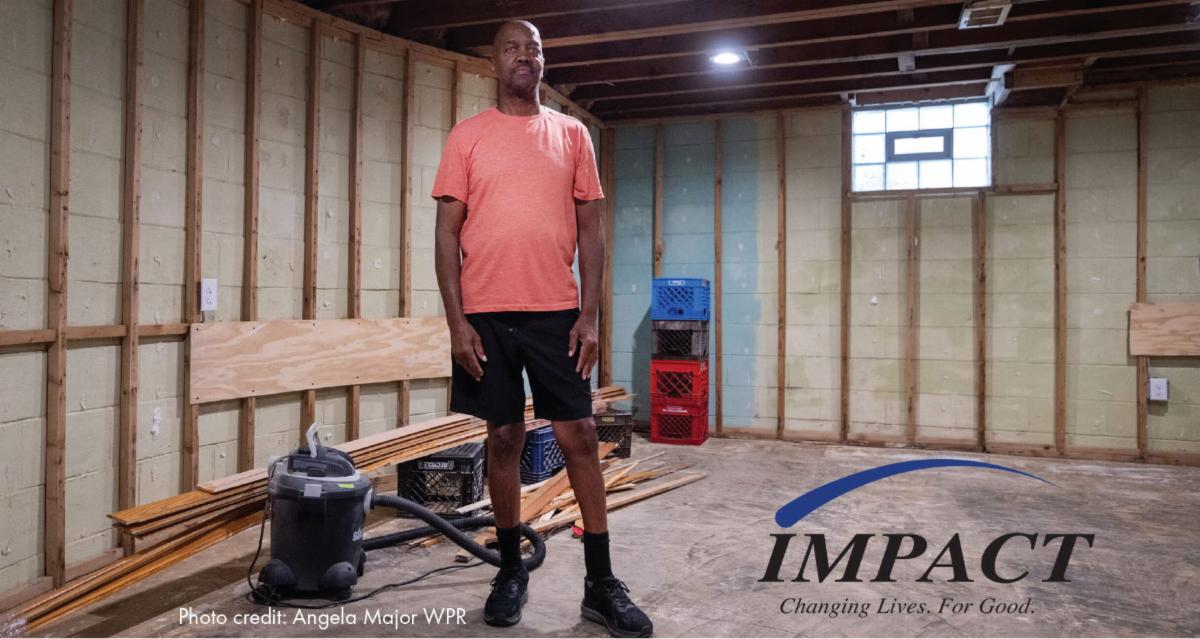
For thousands of residents, the end of a storm is only the beginning of a much longer journey. Homes may eventually be repaired, roads reopened, and debris removed, but families often continue to face housing instability, financial hardship, health concerns, and emotional stress months and years after the disaster itself.
The First Call and the Ongoing Connection
As the Policy Forum report notes, more than 26,000 damage reports submitted through IMPACT 211 helped state officials assess the scope of the disaster and support the request for a federal disaster declaration. After the Fox Valley tornadoes, IMPACT 211 took calls for assistance 24/7 with an increase in call volume over 25 percent. Those reports are more than statistics. They represent families seeking help in one of the most difficult moments of their lives.
For many residents, contacting IMPACT 211 is the first step toward recovery. But recovery is not a single phone call. As immediate needs evolve into long-term challenges, IMPACT 211 continues connecting residents to food assistance, housing support, behavioral health services, transportation, financial counseling, legal aid, home repair programs, and other community resources that help families regain stability. This is an essential role as noted in the Wisconsin Policy Forum's report At the Ready: Preparing for extreme weather in Wisconsin.
Recovery Is a Public Health Issue
Natural disasters create far more than property damage. They disrupt the conditions that allow people and communities to stay healthy. Flooding and storm damage can increase exposure to mold and environmental hazards, interrupt access to medications and medical care, worsen chronic health conditions, create financial insecurity, and contribute to anxiety, depression, and trauma. Children may struggle with disrupted schooling while older adults and people with disabilities often face additional barriers to recovery. Many of these challenges emerge weeks or months after disaster declarations have ended.
A resilient community is not measured only by how quickly infrastructure is rebuilt, but by how effectively residents are connected to the support they need to recover physically, emotionally, and economically.
Data That Helps Communities Respond
Every interaction with IMPACT 211 provides valuable insight into emerging community needs. While disaster damage assessments help quantify physical losses, IMPACT 211 data help identify the human impact of disasters. Trends in requests for housing assistance, food, utilities, mental health services, transportation, or financial support can reveal where unmet needs remain long after emergency response operations conclude.
This real-time information helps nonprofit organizations, healthcare systems, emergency managers, local governments, and funders allocate resources where they are needed most. In this way, IMPACT 211 serves not only individuals but also the broader community by providing actionable information that strengthens coordinated recovery efforts.
Building Resilience Before the Next Disaster
Climate projections suggest Wisconsin will continue experiencing more frequent and more intense rainfall events. Preparing for future disasters requires investments in infrastructure, emergency management, and mitigation strategies. It also requires investing in the systems that support people after disasters.
Community resilience depends on trusted organizations that residents know they can call during the emergency and throughout recovery. It depends on coordinated partnerships among nonprofits, healthcare providers, local governments, and emergency management agencies. It depends on understanding that rebuilding lives takes longer than rebuilding roads.
Recovery Is a Long-Term Commitment
Disaster recovery does not end when FEMA assistance is distributed or when floodwaters recede. Families continue navigating complex systems, replacing lost income, addressing health concerns, and rebuilding their lives long after the headlines have faded.
IMPACT 211 stands at the center of that ongoing work. By connecting residents to essential resources, identifying emerging needs, and strengthening collaboration across sectors, IMPACT 211 helps transform disaster response into community recovery. Because resilience is not only about surviving the next storm it is about ensuring every person has a pathway to recover after it.
Lindsay Blumer, IMPACT President & CEO
|