Asian American & Pacific Islander Heritage Month | |
|
Featured Tupelo Press titles by
Asian-American & Pacific Islander Writers
| | |
|
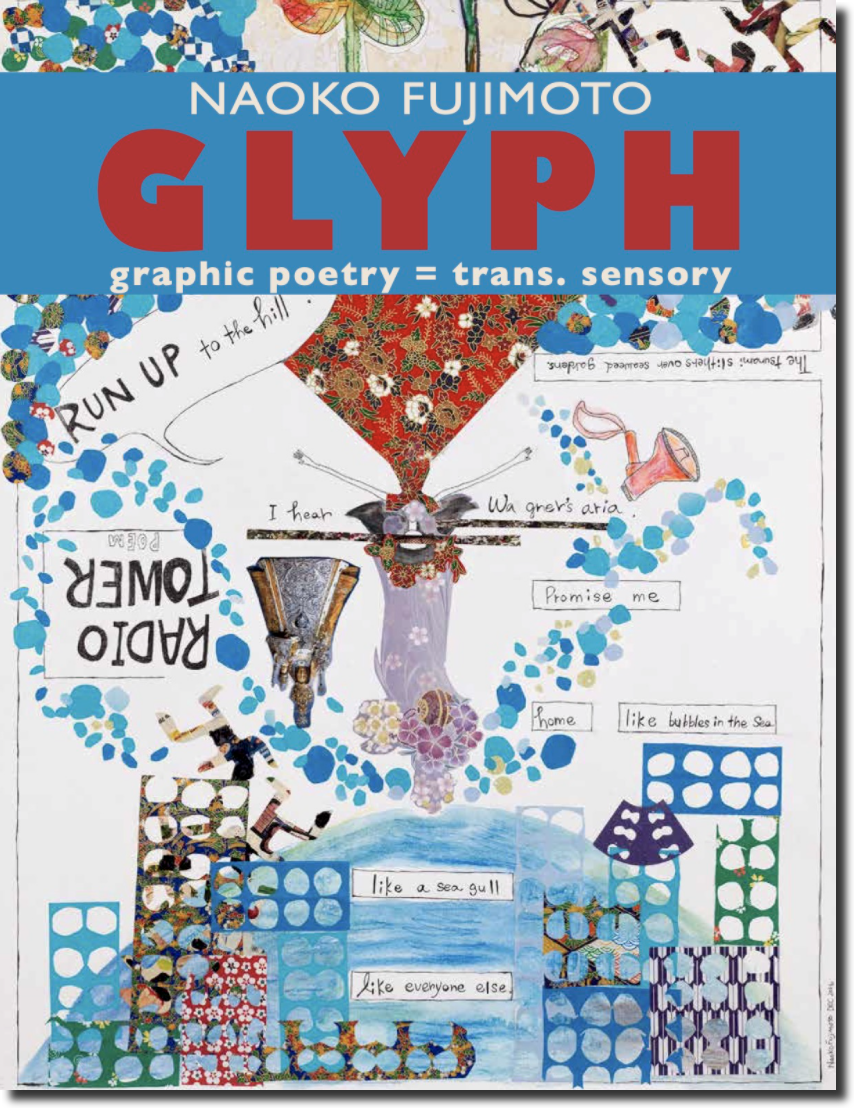
“I was wandering around the house of poetry and this book showed me to a door I didn’t know existed. Now, on the other side, nothing is the same. By layering and arranging found art, original drawings, washi, photos, paint, and bits of leaf, Naoko Fujimoto has created a stunning contemporary emaki engaged with Japanese heritage, the horrors of war, and daughterhood, offering us a dynamic accumulation on the page that feels as delightful and devastating as life itself.”
—Gabrielle Bates
| | |
|
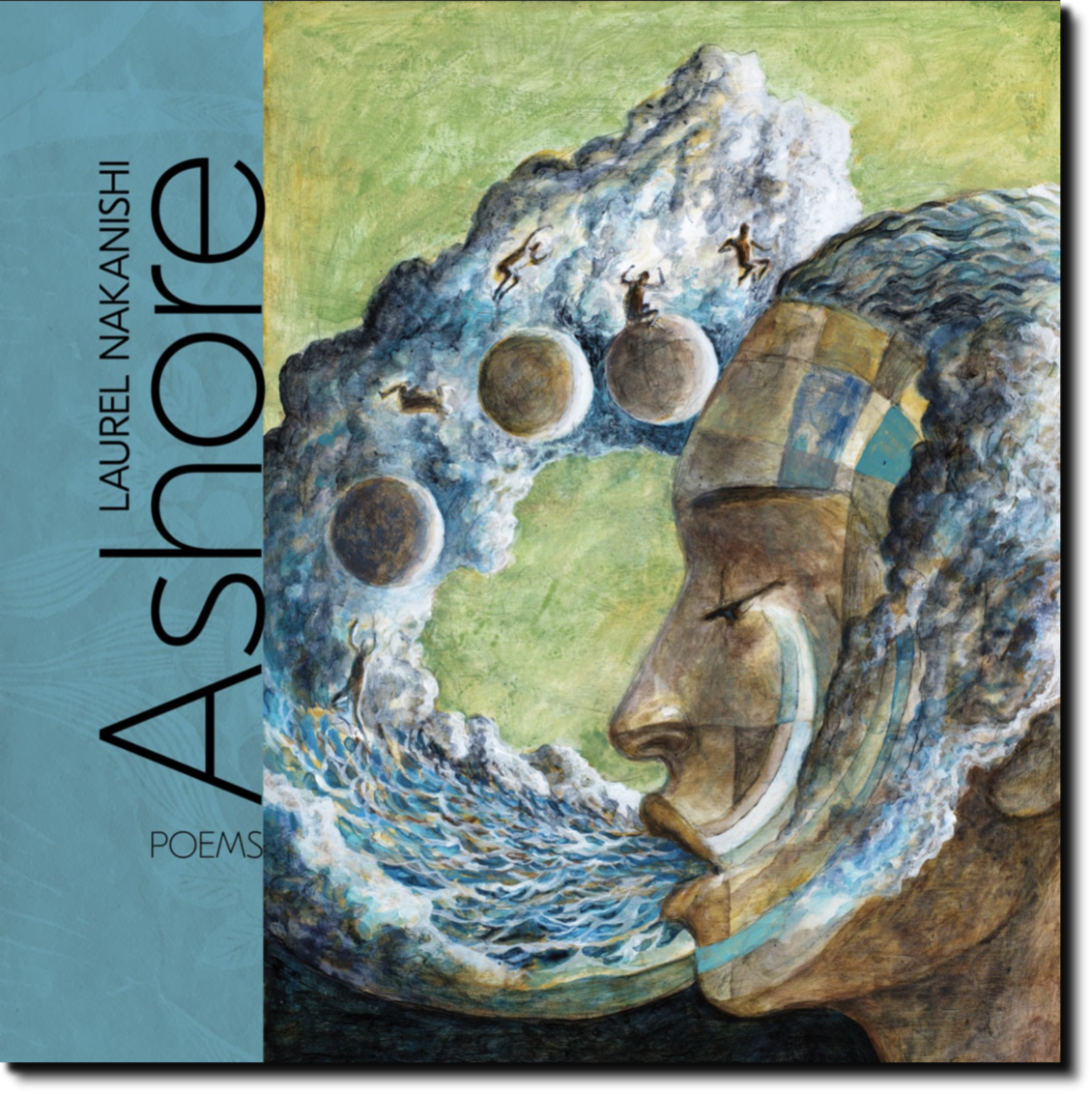
From the waters of Waikīkī, to the forests outside Honolulu, and across the Pacific ocean, the poems in Laurel Nakanishi’s debut collection consider the relationships between place and story. In estrangement and intimacy, at home and away, on the surface and in the depths, these poems level a steady gaze on the world and ask, “And yet, what do I really know?” The answer comes in memory and geography, in old songs and moments folded into a larger time. These poems ask us to live deeply on the earth, to attend to the “stories at work in us,” and known ourselves anew. | | |
|
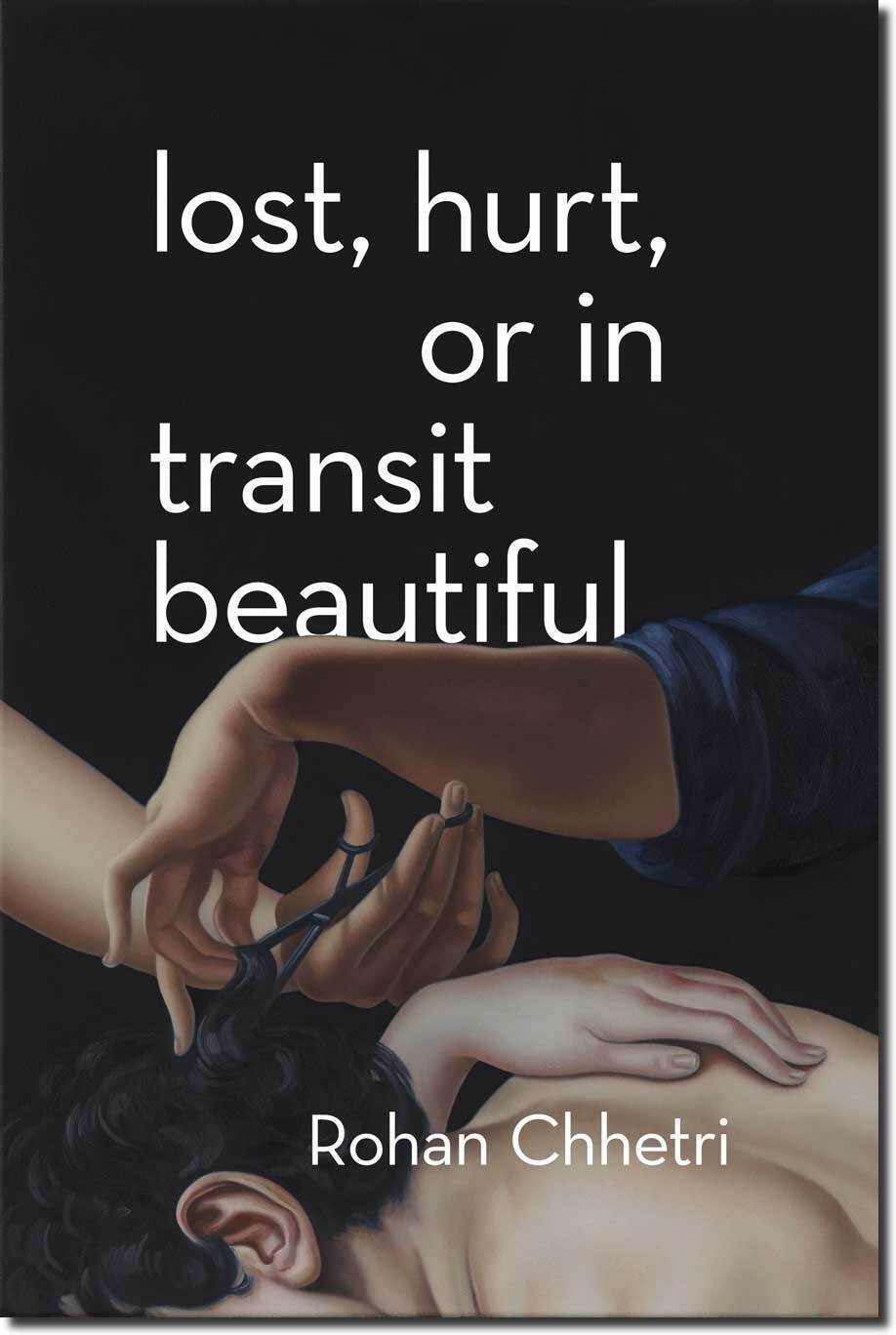
“In Rohan Chhetri’s Lost, Hurt, or in Transit Beautiful, inherited literary forms— the ode, the lyric, and pristine tercets— are juxtaposed with gorgeously fractured and stylistically daring hybrid pieces. The end result is a work in which poetic technique is brought to bear on lingering questions of identity, artistic tradition, and the cruelty implicit in language itself. Here, form, grammar, and syntax function as a kind of containment, but also, a ‘ruined field’ that is rife with possibility. Chhetri dramatizes and resists the ways language, and its implicit logic, limit what is possible within our most solitary reflections, defining even those ‘vague dreams’ that in the end we greet alone. ‘This is just how violence enters poems,’ he explains, ‘through a screen door / crawling & Mother asleep on the couch.’ These pieces are as lyrical as they | |
are grounded, and as understated as they are ambitious. ‘In my language, there is a name for this music,’ he tells us. As his stunning collection unfolds, Chhetri reminds us, with subtlety and grace, that the smallest stylistic decisions in poetry are politically charged. This is a haunting book.”
—from the Judge’s Citation by Kristina Marie Darling
| | |
|
There’s an undeniable audacity in a poet using the word “joy” in our beleaguered world. In her new book, Karen An-hwei Lee combines scientific precision and an appetite for far-flung vocabularies with a fascination for the sources of rapturous emotion.
In poems that roam from the intimacy of prayer to the art of brewing tea, from bamboo-related famine to quasars, the globe’s minor seas, and the nuptial flight of ants, Phyla of Joy reaches toward ecstasy.
| |
Ardor by Karen An-hwei Lee
| | |
|
Ardor is a book-length poem comprised of lucid dreams, letters, and prayers with the sensual feminine awareness of C.D. Wright, the radiant spirituality of Fanny Howe, the playful erudition of Anne Carson, and the linguistic play of Myung Mi Kim. Ardor employs ecstatic utterances, linguistic migrations, silences, and women’s voices in a feminine consciousness lingering on the mystery of love and glossolalia, speaking tongues in the context of a lyric postmodern aesthetic.
| | |
|
“In The Mynah Bird’s Own Words is a remarkable volume. An assemblage of lined poems and prose poems, it is a compact and concentrated, lyrically delicious collection that comes very close to having the sweep of a novel. The long, central sequence, Rosary, is astonishing. It builds a powerful narrative arc, and yet its each part, each impeccable verse paragraph is discrete and beautiful. Things in these poems take on symbolic values that loom ever larger as we see how each connects and returns us to the larger story. And yet, even the poems outside the centerpiece sequence are part of that same whole, so that by the time we reach the concluding poem, Art, in which a woman practices the craft of what one might
| |
call seductive invisibility, we are made to see that poem, and that woman’s craft, as very like this poet’s art. This collection is part sleight of hand, but all highly crafted. It is, in a word, magic.”
—Robert Wrigley, Judge, First Annual Tupelo Press Chapbook Competition
| | |
|
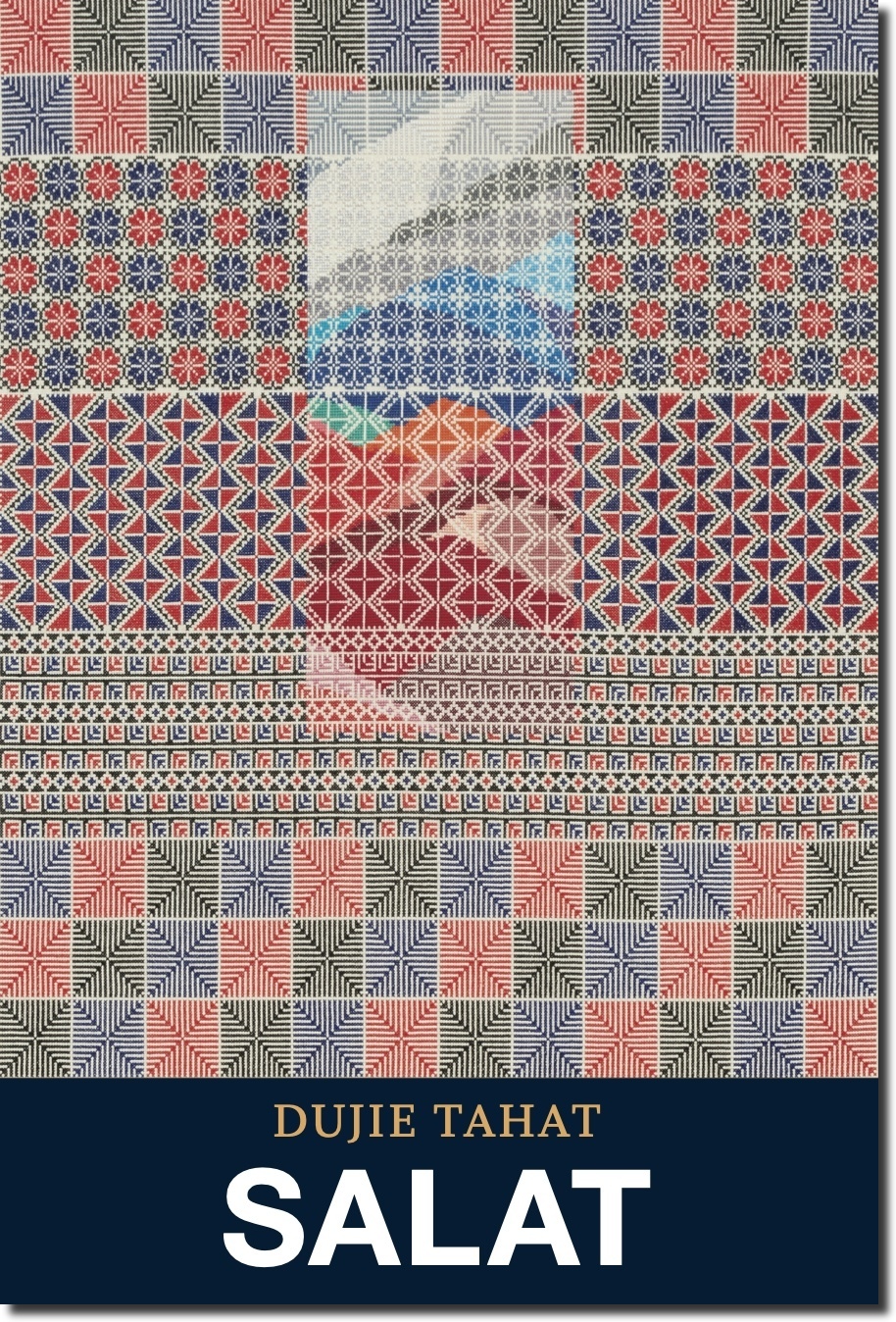
‘Dujie Tahat’s Salat is a book of poems written in a compelling new form of the poet’s own invention that participate, fully — they praise, weep, spit, beg, laugh, choke, sing. In this murderous age it is increasingly unconscionable to be inert, in one’s living or in one’s art. Tahat tells us: “There’s a river in heaven, and I am the star that belongs to it.” Salat is boisterously, resoundingly alive.’
— Kaveh Akbar
| | |
|
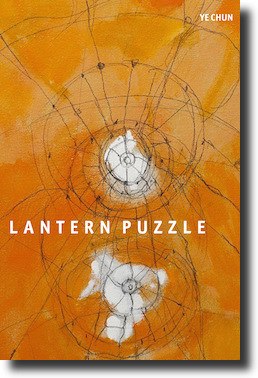
‘As she moves from her native Chinese to English (she’s published one novel in Chinese and the poetry collection Travel Over Water), Ye Chun moves from one world to another, from dragon boats, amulets, and “white flowers [hung] on bones/ rustling” to migrant workers and the Pacific Ocean, which “shovels coals in the distance.” She blends them elegantly, creating a voice all her own, visually vibrant yet cleanly, perfectly sifted. Winner of the Tupelo Press First/Second Book Award.’
— Barbara Hoffert, Library Journal, “Top Spring Indie Poetry”
| | |
|
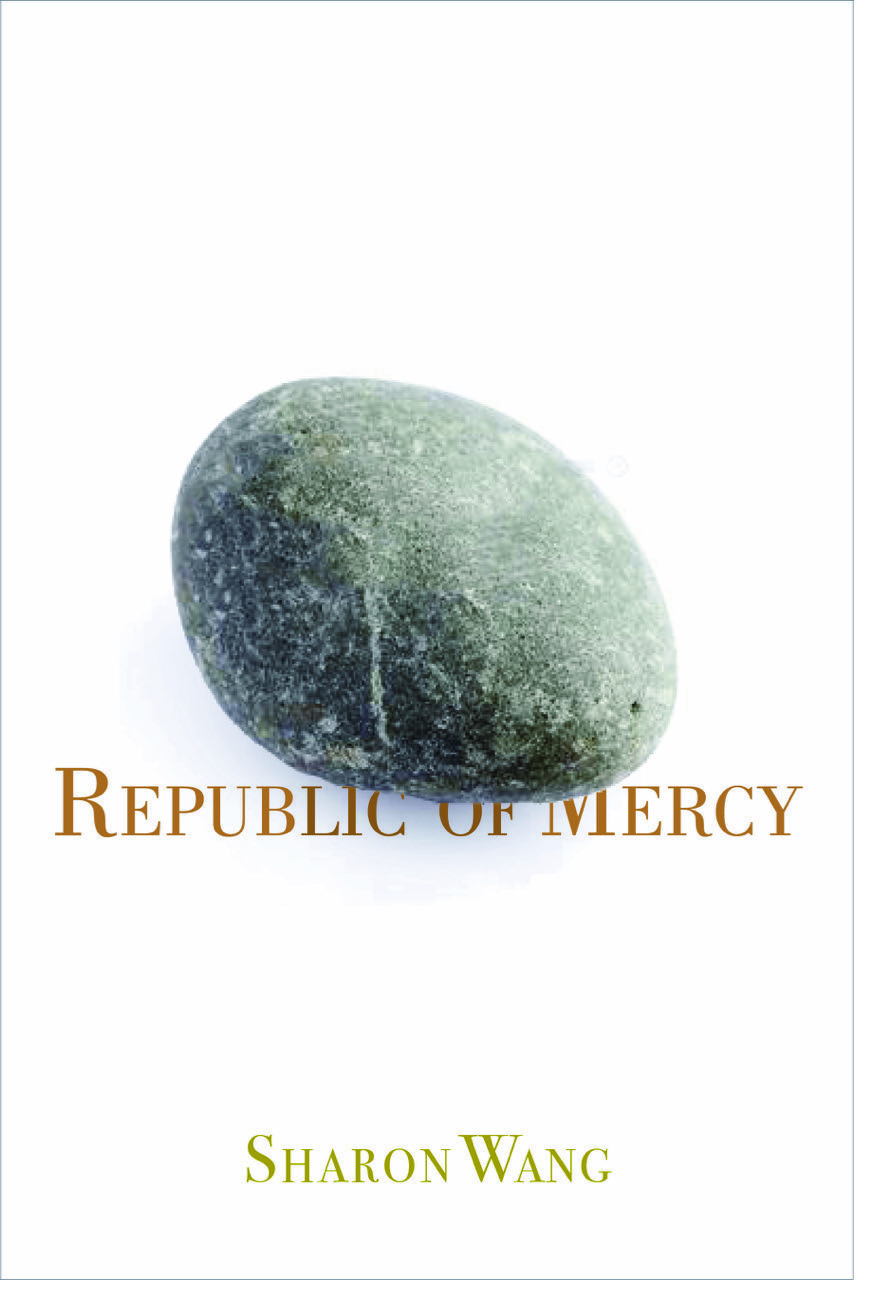
In Sharon Wang’s thrilling and corporeal geometry, touch dominates, if often in its ‘aftermarks’: singes, whiffs, folds of fabric, echoing gestures between bodies. With generous language and quicksilver intelligence, Wang expresses ‘a hunger so large it stops the mouth.’ Her poems describe what is ‘hard and brilliant,’ the spaces between objects, and what’s left in the wake of losses.
| | |
|
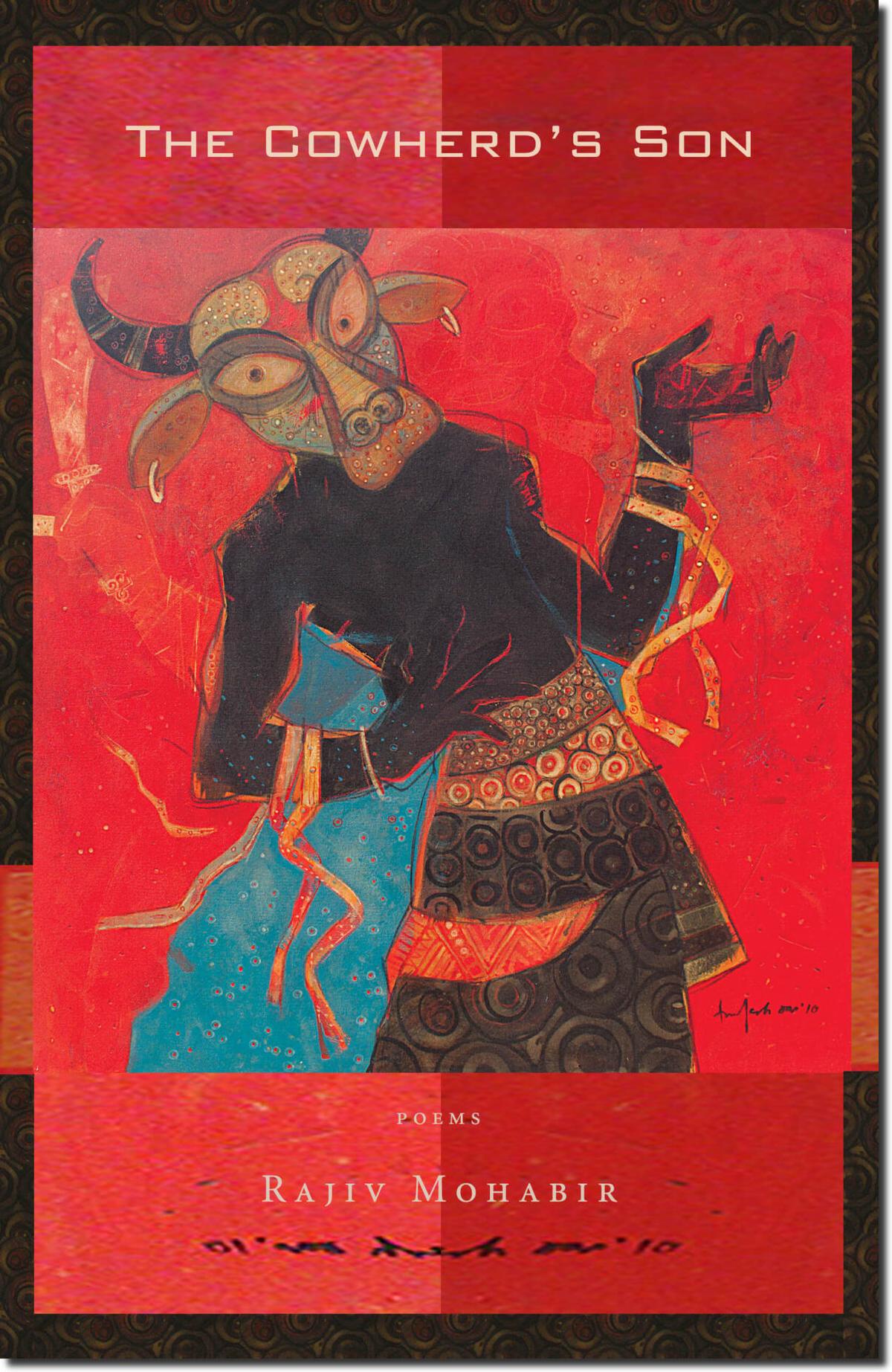
Rajiv Mohabir uses his queer and mixed-caste identities as grace notes to charm alienation into silence. Mohabir’s inheritance of myths, folk tales, and multilingual translations make a palimpsest of histories that bleed into one another. A descendant of indentureship survivors, the poet-narrator creates an allegorical chronicle of dislocations and relocations, linking India, Guyana, Trinidad, New York, Orlando, Toronto, and Honolulu, combining the amplitude of mythology with direct witness and sensual reckoning, all the while seeking joy in testimony.
| | |
|
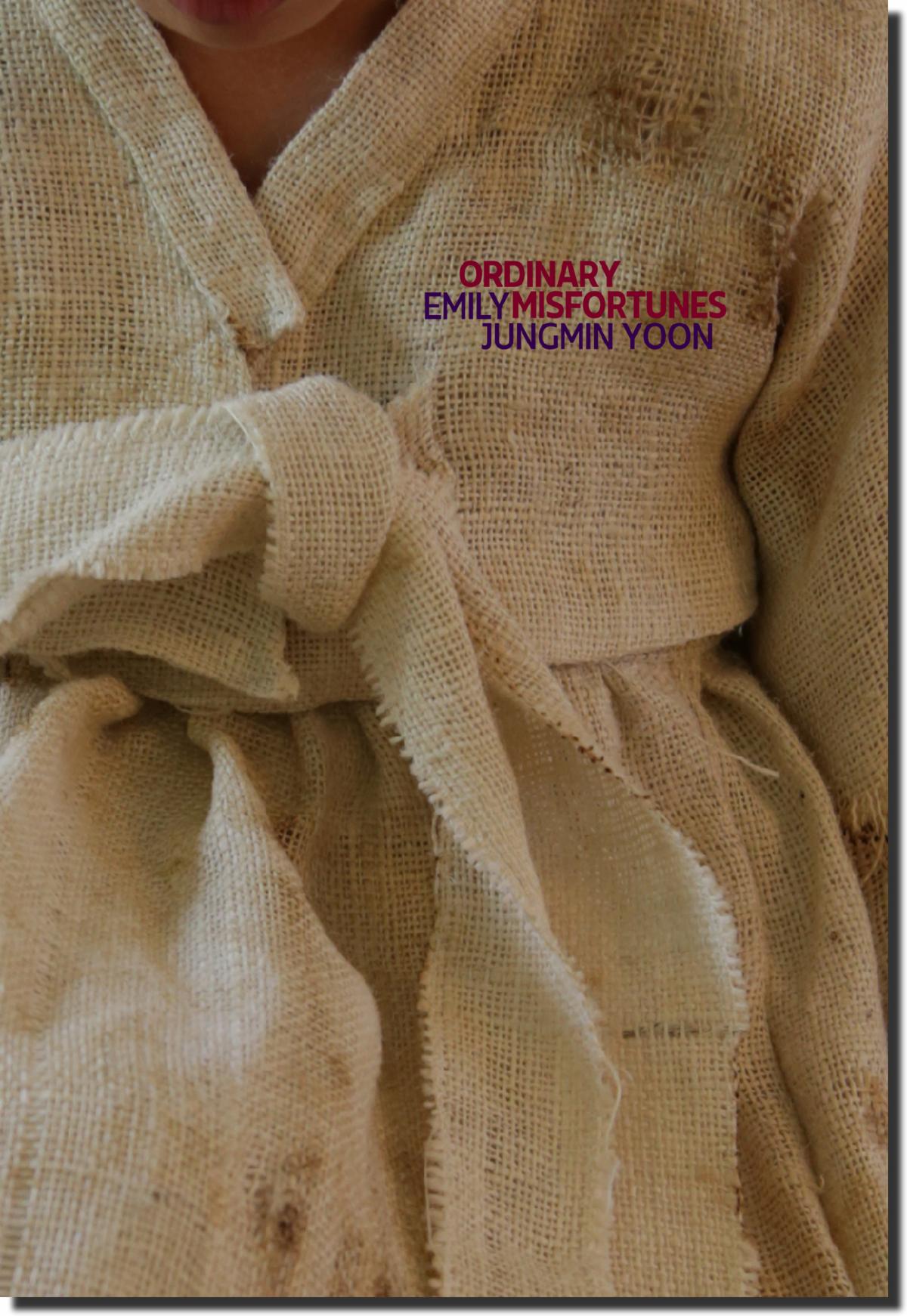
Korea continues to grapple with the shared memory of its Japanese and US occupations. The poems in Ordinary Misfortunes incorporate actual testimony about cruelty against vulnerable bodies—including the wianbu, euphemistically known as “comfort women”—as the poet seeks to find places where brutality is overcome through true human connections. Emily Jungmin Yoon asks Why do we write poems amid such violence? What can I, and what can poetry, do? Her response to those tough questions is a sequence of reverberating poems that blend documentary precision with impassioned witness, bringing to bear both scholarship and artistry.
| | |
|
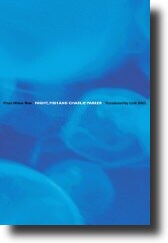
The work of exile poet Phan Nhien Hao, although he is not permitted to publish in his native Vietnam, is exceptionally well known there. Swaying between poems of the immigrant experience and poems that recollect his homeland’s trauma after the war, his strong, sometimes surreal voice is always intoxicating.
| | |
|
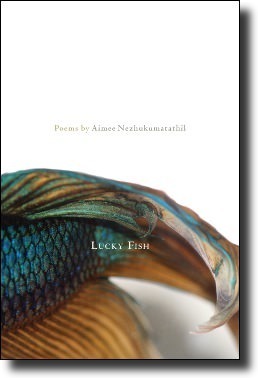
Lucky Fish travels along a lush current — a confluence of leaping vocabulary and startling formal variety, with upwelling gratitude at its source: for love, motherhood, “new hope,” and the fluid and rich possibilities of words themselves. With an exuberant appetite for “my morning song, my scurry-step, my dew,” anchored in complicated human situations, this astounding young poet’s third collection of poems is her strongest yet.
| | |
|
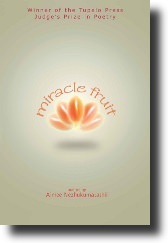
As three worlds collide, a mother’s Philippines, a father’s India, and the poet’s contemporary America, the resulting impressions are chronicled in this collection of incisive and penetrating verse. The writer weaves her words carefully into a wise and affecting embroidery that celebrates the senses while remaining down-to-earth and genuine.
| |
by Aimee Nezhukumatathil
| | |
|
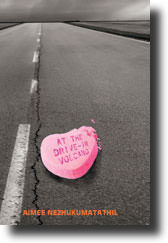
From the author of the award-winning book of poems, Miracle Fruit, comes the eagerly anticipated second collection, At the Drive-In Volcano. In this new and imaginative follow–up, Aimee Nezhukumatathil examines the full circle journey of desire, loss, and ultimately, an exuberant love—traveling around a world brimming with wild and delicious offerings such as iced waterfalls, jackfruit, and pistol shrimp. From the tropical landscapes of the Caribbean, India, and the Philippines to the deep winters of western New York and mild autumns of Ohio, the natural world Nezhukumatathil describes is dark but also lovely—so full of enchantment and magic. Here, worms glow in the dark, lizards | |
speak, the most delicious soup in the world turns out to be deadly, and a woman eats soil as if it were candy. Her trademark charm, verve and wit remain elemental and a delight to behold, even in the face of a crumbling relationship. These poems confront delicate subjects of love and loss with an exacting exuberance and elegance not hardly seen in a writer so young. | | |
|
Mong-Lan’s second book of poems, Why Is The Edge Always Windy?, is a book of revelations, nightmares, and love poems, cross-cultural and historically compelling. Imagistic, surreal and penetrating, her writing cuts to the quick. Whether writing of Vietnam or 9/11, Mong-Lan’s language is inventive and muscular, at times philosophical and elegiac. Grounded in the rhythms of the heart and the world, the poems are lyrically intense with an edgy intelligence. | | | | | |