Connecting

Dec. 10, 2024


Click here for the sound of the Teletype

Top AP News

Top AP Photos

AP Merchandise

AP Emergency Relief Fund

Connecting Archive

AP Newsletters

AP Books

AP News Tips

Colleagues,


Good Tuesday morning on this Dec. 10, 2024,


It was 1980 when a 19-year-old Dow Jones News Fund intern named Paula Froke showed up for work on the AP’s General Desk at 50 Rockefeller Plaza.


Her three-month internship was followed by nine months of vacation relief in Boston before she returned to State College to graduate from Penn State and join the AP’s Minneapolis bureau in 1984.


Her AP career spiraled upward from there in a multitude of positions, the final one as the AP’s Stylebook editor for the past eight years. In a few weeks, it will come to a close when she retires in early January after accepting the AP’s voluntary buyout offer.


She is profiled in today’s Connecting – part of an ongoing series of Connecting profiles of staffers who either took the buyout or whose jobs were eliminated. If you are one of those, and would like to let your colleagues share in details of your career, please drop me a note.


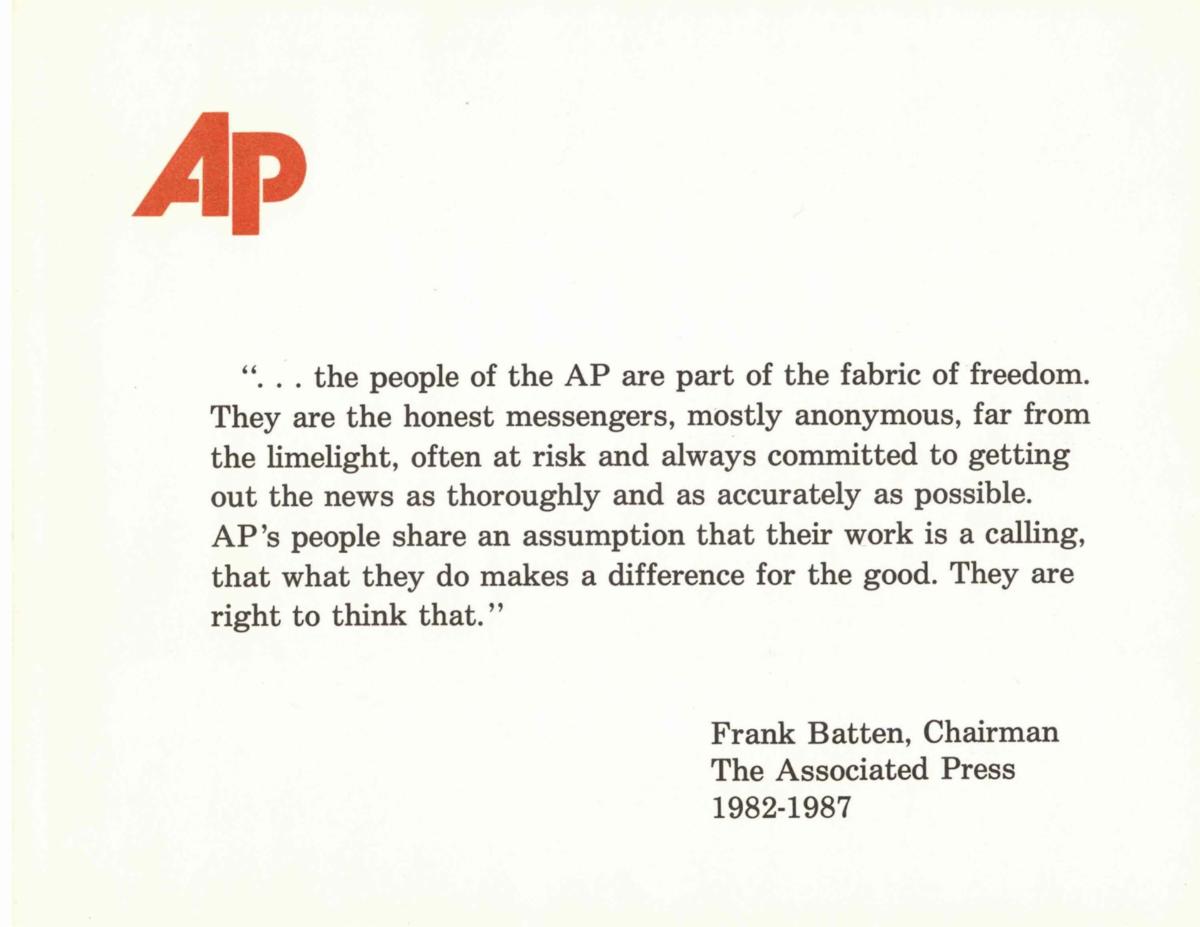
The message to AP staff above? It is one of our favorite quotes about the AP and Paula shared it for use with our story.


Congratulations to Mike Balsamo, national law enforcement editor for the AP, who was elected last Friday a the 118th president of the National Press Club president He will take office in January. 


Here’s to a great day – be safe, stay healthy, live it to your fullest.


Paul


Connecting retirement profile – Paula Froke

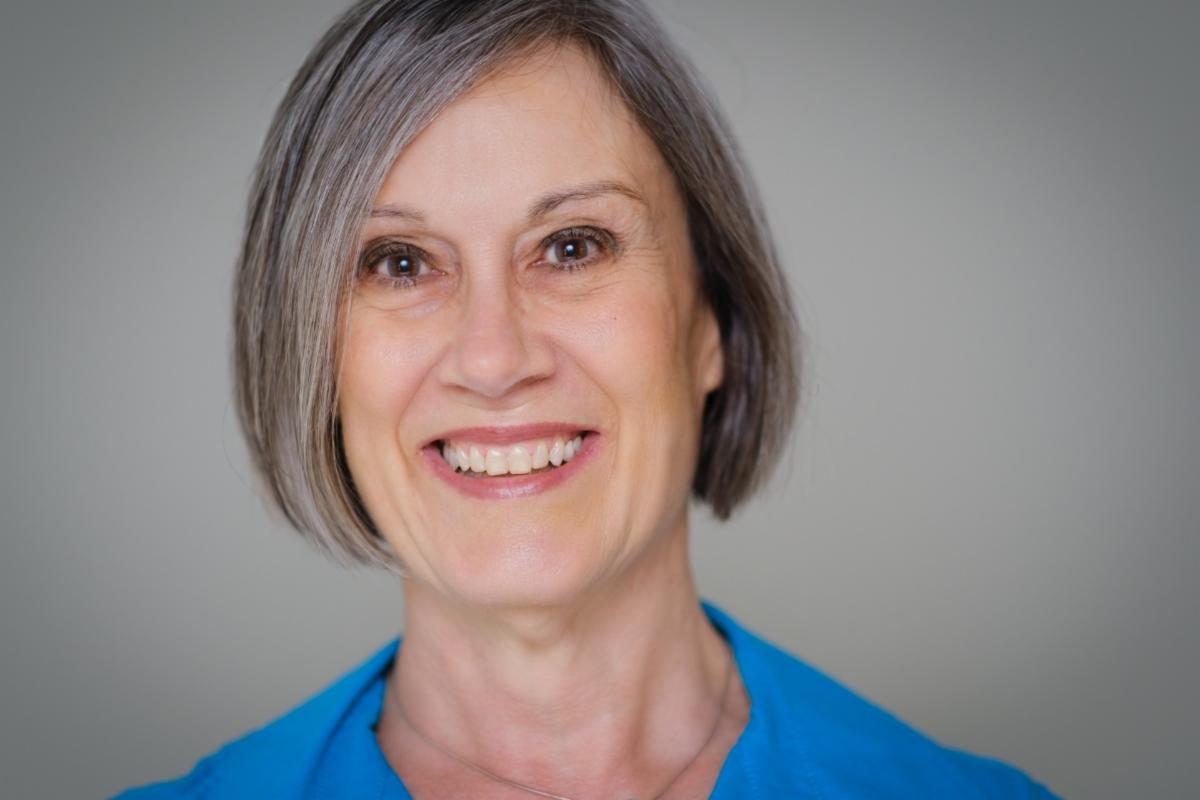
Our colleague Paula Froke has accepted a buyout offer from the AP and retires Jan. 3 after a 40-year career.


She has been AP Stylebook editor since 2016, and a member of the Stylebook team since 2013. She started with the AP in 1980 at age 19 as a Dow Jones News Fund intern on what was then the General Desk. After three months in New York and nine more months as vacation relief in Boston, she graduated from Penn State and joined the Minneapolis bureau in 1984. She went on to become Minnesota news editor; Michigan news editor; projects editor at headquarters; deputy national editor; assistant managing editor/nights; AP embedded editor at MSN News in Richmond, Washington; APME executive director; and a member of the Standards team.


Here are her thoughts on leaving the AP:


For more than 40 years, I have had the enormous privilege of working with the most dedicated, talented and caring journalists – who also happen to be the greatest human beings – you could ever hope to know.


Every single day I’ve marveled at the grit, grace and perseverance of my colleagues around the globe as they relentlessly push through every personal and professional challenge imaginable to report the world’s news factually and fairly.


I’ve marveled each day, as well, at the tenacity of my equally talented and committed colleagues behind the scenes, the anonymous editors and supervisors studying every detail to ensure that the words and visuals are precise, fair and accurate, and that the AP’s exacting ethical standards are maintained.


And my thanks go out to the tech and administrative support staff – those folks are the truly unsung heroes who make it possible for journalists to do our jobs every day.


Starting Jan. 4, I will no longer be part of that group, at least from the inside. Retirement – in the form of AP’s buyouts to cut staff by 8% – is upon me.


Retirement is virtually impossible to imagine. The AP has been part of me since I was 19, starting with an internship after my sophomore year in college.


But, the fortuitously timed trip to Aruba showed me that for sure, life can be quite nice when it involves travel, scenery and new-to-me cultures rather than deadlines and stress. (I’d planned that trip back in February, when I knew I’d be losing both my childhood home and my breasts this year. Little did I know I’d also be losing my job.)


So now, more time on the bike. More time in the woods and the beach. Much more travel. Maybe swim lessons. (Snorkeling in Aruba was intoxicating, though more than a bit nerve-wracking given my lack of swimming ability.)


As I look back on four decades, I take particular pride in the great journalists that I got to hire, train, or both, back in the day when I was hiring and training. I treasure my work with my brilliant colleagues past and present on the AP Stylebook team as we worked to add more substance, as well as style, to our guidance. I thank my customer colleagues in APME, ASNE and MSN News for all that they taught me and shared with me. And I thank my colleagues on the Standards team, who have made these past few years so very meaningful and inspiring.


On to the future …


Lest we forget…


Norm Abelson - It is an event that lights up my memory every December 7, commemorating the Japanese surprise attack on the U.S. Navy's Pacific fleet in Hawaii.


My memory goes back to 1963 when we and our friends, the Keefe's, were vacationing in Hawaii, and our moving visit to one of Pearl Harbor's most well-known – and saddest – World War II monuments; Jimmy Keefe and I, as staff members for a United States senator, and our wives, were given special attention, under the care of a Marine major duded up in a formal uniform.


One hot and sunny day on a small Navy craft that cut through the waves, we moved ever closer to our destination in mid-harbor; It was the U.S.S. Arizona memorial, where these 83 years after the attack, more than 900 crew members remain buried in the battleship on the ocean's floor. Besides paying tribute to those young sailors, there was another, more personal, reason we were there.


Jimmy's wife, Janet, began sobbing softly as we left the boat and stepped onto the concrete surface. Our Marine guide led us into a room where the names of each of the sailors buried below were inscribed. Janet moved slowly to the wall of names, looked them over, as the four of us exchanged not a word. slowly stopped her hand at one spot.


It was the name of her youngest brother.


A Nascent Effort Dashed by AI


Tammalene Mitman - In November, I quit my part-time job at the University of Southern Maine and began the rest of my life.


On the short list of goals was finding a way to help news organizations survive. Surely I could do something as a volunteer, I thought.


To explore those opportunities, I already had attended the Maine Press Association (MPA) fall conference in October. There, in the first session of the day, I heard state editors talk about AI, and how and when it should be used.


Toward the end of the session, one editor pointed out that there aren't enough working reporters to attend all the municipal meetings that should be covered. Couldn't AI be used to do that?


Another editor said that an organization called Documenters (documenters.org) had figured out how to train laypeople to cover meetings. She was interested, she said, in adopting their model in Maine.


I raised my hand and said that I had come to the MPA meeting because I was starting my second act. Maine has a lot of very smart old folks, I said. Couldn't we pull together a volunteer network of seniors trained in covering meetings on behalf of their local news organizations?


A third editor raised her hand and said she was interested in that, too. We exchanged information and agreed, later, to get together on Zoom on Dec. 2.


I was psyched about the prospect of organizing a volunteer senior corps to cover meetings in Maine for news organizations.


But then, on Nov. 20, I attended a presentation, "Democracy Diminished: Is Local News Dying?" It was put on by a Camden Conference panel. During the Q&A, two men arose to explain their new endeavor, civicsunlight.ai. They were, they said, using AI to turn video transcripts of municipal meetings into summaries. Anyone could sign up to receive their summaries, they said.


Later, I went up to their website, looking for more information, but found none. It wasn't until the morning of my meeting with the editors that I discovered a new posting by the Camden Rotary, a video of a presentation made in late November by the Civic Sunlight founders.


I watched the video and concluded the game was over.


The founders, who are extremely accomplished men, appear to have a winning technical model. They are indeed using AI and other software to turn municipal meeting transcripts into summary reports that can be emailed out. To pay for it, they plan to ask news organizations to buy their summaries at $20 a pop. They're already talking to publishers.


I shared the link to the Camden Rotary video with the editors at our Dec. 2 meeting. I told them I was sure the Sunlight founders would be successful. I would look for another way, I said, to help out.


I wonder what Connecting readers think about all this. The Sunlight founders seem sincere in their effort to create a robust system for accurately creating meeting summaries. Their plan includes a feedback loop for local folks to correct errors, for example. 


It's notable, though, that unlike The Maine Monitor, which shares its reports for free with state news organizations (and also has a relationship with The AP), the Sunlight founders are going to make news organizations pay for their content. So perhaps, despite their effort's lofty title, profit is at the bottom of their model.


Of course, the original newspaper model succeeded because of its positive profit profile.


We'll see.


AP's Balsamo elected 118th president of the National Press Club


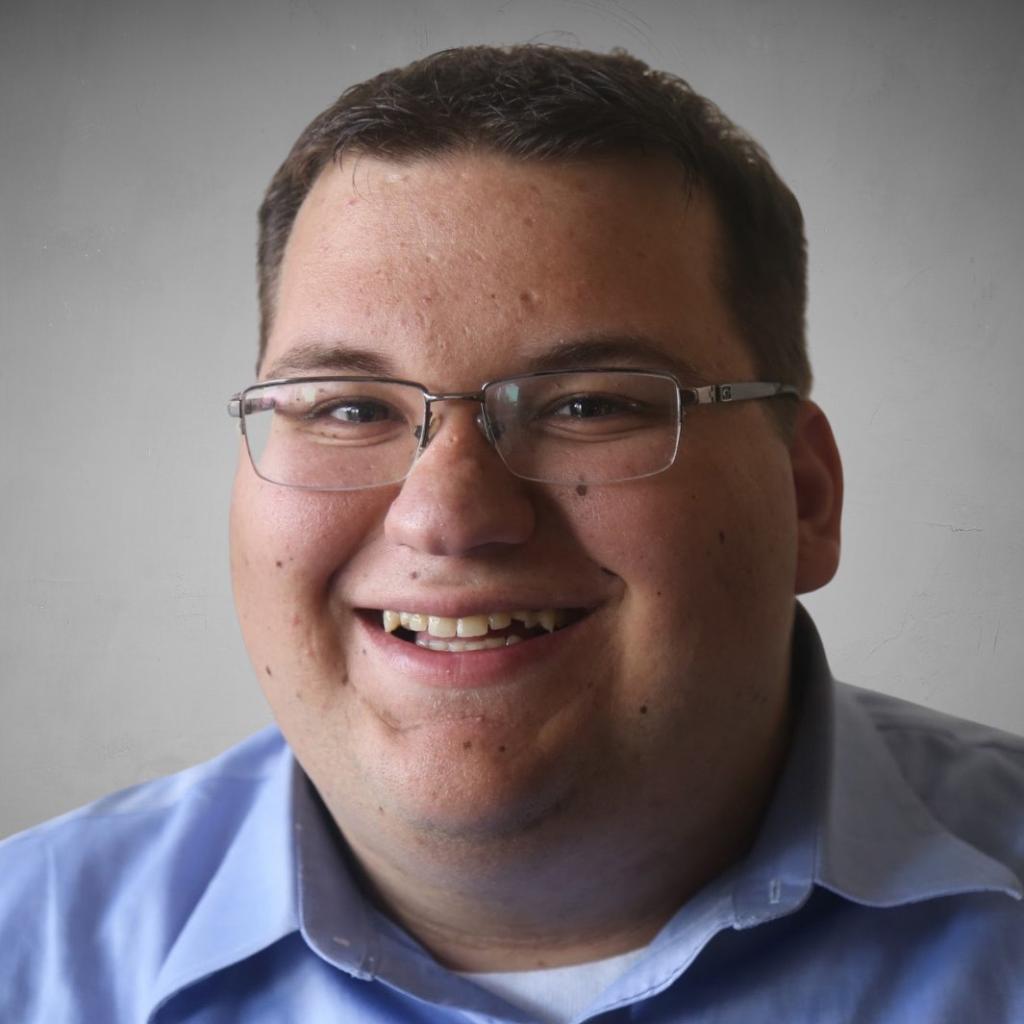
Pat Host - Mike Balsamo, national law enforcement editor for The Associated Press, was elected on Dec. 6 as the 118th president of the National Press Club.

Balsamo ran unopposed and received 238 votes.


He vowed to continue fighting to free Austin Tice, a freelance journalist kidnapped in Syria in 2012. He said the Club owes it to Tice, his family and journalism principles to continue fighting until Tice is free.


“We are not just journalists and communicators, we are defenders of democracy,” Balsamo said. “We are protectors of truth. And this Club...is our sanctuary and our sword.”


In other results, Alisa Parenti of Bloomberg News, who ran unopposed, was elected vice president with 238 votes. Poonam Sharma of Global Strat View, who also ran unopposed, was elected treasurer with 229 votes.


Mark Schoeff Jr. of CQ Roll Call defeated Sarah Clune Hartman of the PBS NewsHour, 127-117, to become the Club's secretary. Steve Reilly of CBS News, who ran unopposed, was elected to be the next membership secretary with 240 votes.


Tara Copp of the AP and Herb Jackson of Bloomberg Industry Group were elected to three-year journalist seats on the Board of Governors. Copp received 217 votes while Jackson received 178. Steven Herman of Voice of America defeated Sarakshi Rai of The Hill, 147-96, for the one-year unexpired journalist governor position.


Maria Rodriguez of Vanguard Communications defeated Erin Geraghty of the Association of Governing Boards of Universities and Colleges for a three-year communicator seat on the Board. Rodriguez received 91 votes to Geraghty's 50.


Balsamo said his term will focus on expanding press freedom work and building out club infrastructure and skills development for journalists. He said the Club has an opportunity with its new Press Freedom Center to be successful in areas other press freedom organizations have failed, especially with exiled journalists and reporters detained outside the U.S.


The Club will install additional security improvements, he said, and will look at improving the quality of headliners speakers who come to the Club. Balsamo sais he will discuss creating more vibrant and engaging events for young members who have had their membership grow recently.


Balsamo said the Club is talking with its Journalism Institute about another career day. He also he was talking with the institute about how journalists can protect themselves against threats.


“The key here is everyone is working together,” Balsamo said. “The Club, the center and the institute are really aligned on the strategic mission of trying to make things better for our members and journalists.”


Click here for link to this story. Shared by Bill McCloskey.


Punctuation


Steve Graham - Cranial Cardio answer: Doug Pizac shares the answer to Friday’s question: “The 14 punctuation marks in English grammar are: period, comma, colon, semicolon, dash, hyphen, apostrophe, question mark, exclamation point, quotation marks, brackets, parenthesis, braces, and ellipses.” 

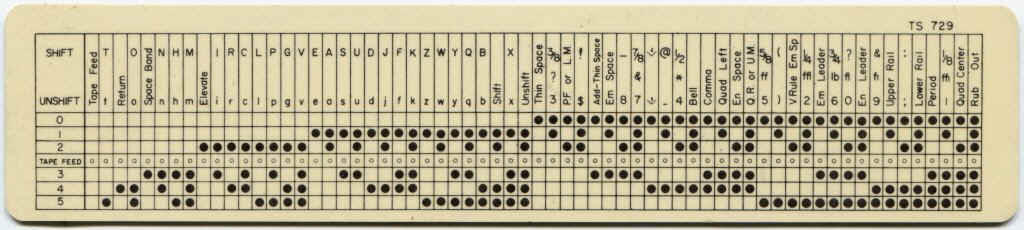
... but not at the AP where historically we have both single quotes and double quotes, EN dashes, EM dashes, quads left and don't use brackets '[]' and braces '{}' , etc. or at least we didn't back in the day. One of the reasons is that we replaced some punctuation with ems, ens, thins, fractions, etc.


All of this from the days of TTS (Teletypesetter)


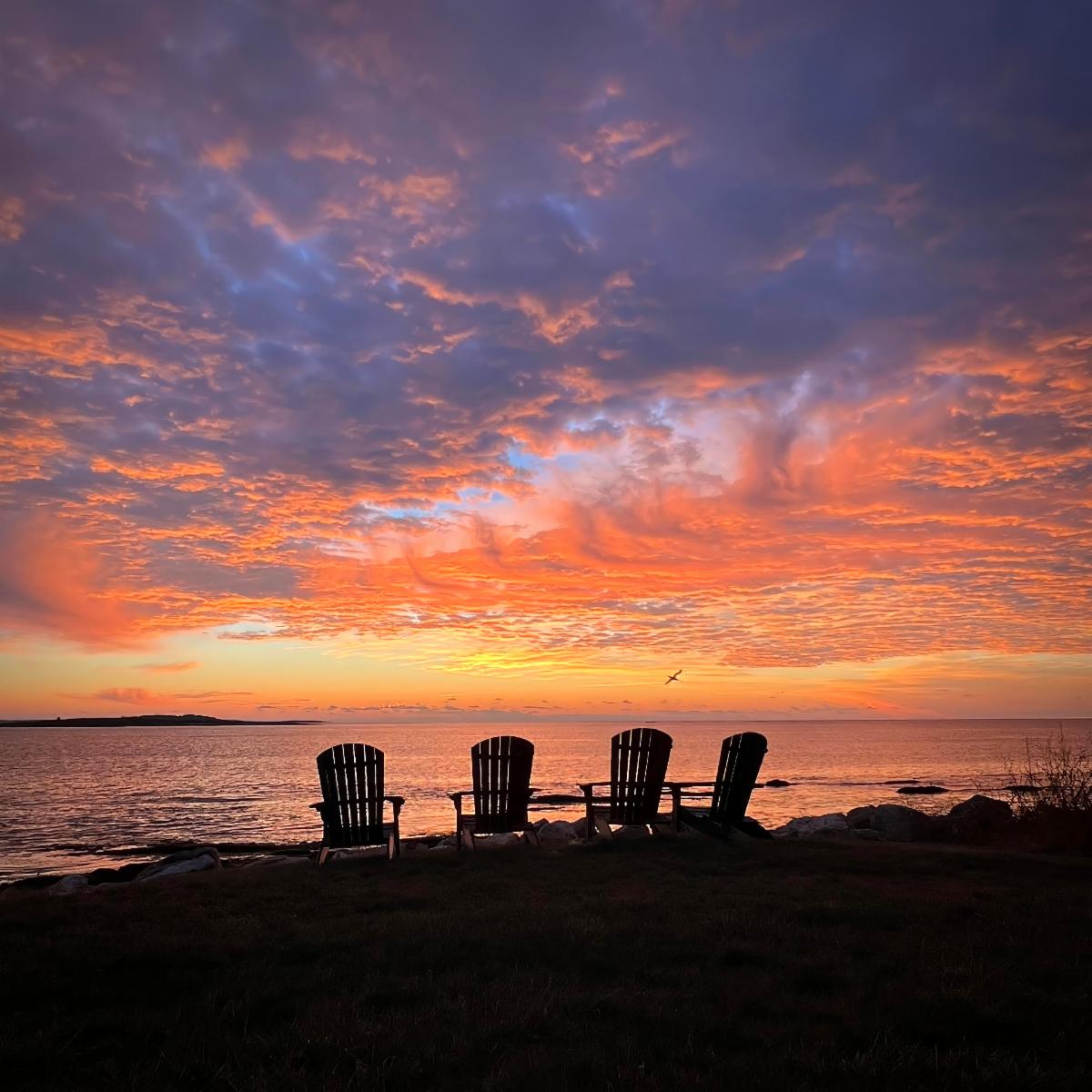
Connecting sky shot

Jim Gerberich - The early bird gets the worm! Monday morning's sky is on fire just before sunrise on Bailey Island, Maine.

Connecting wishes Happy Birthday

Rachel Ambrose


Ted Warren

Stories of interest


US hostage envoy in Beirut to seek information on missing journalist Austin Tice (AP)


By ASSOCIATED PRESS


WASHINGTON (AP) — The U.S. government’s top hostage negotiator is in Beirut in hopes of collecting information on the whereabouts of Austin Tice, an American journalist missing in Syria for 12 years, the State Department said Monday.


Roger Carstens, the special presidential envoy for hostage affairs, is talking to officials in the region following the overthrow of Bashar Assad’s government to find out where Tice is and “get him home as soon as possible,” State Department spokesman Matthew Miller told reporters Monday.


Lebanon has been involved for years in mediating talks about Tice.


President Joe Biden said Sunday that his administration believed Tice was alive and was committed to bringing him home, though he also acknowledged that “we have no direct evidence” of his status.


Tice, who has had his work published by The Washington Post, McClatchy newspapers and others, disappeared at a checkpoint in a contested area west of Damascus as the Syrian civil war intensified.


Read more here.


-0-


Pete Hegseth’s mother says The New York Times made ‘threats’ by asking her to comment on a story (AP)


By DAVID BAUDER


To The New York Times, it was a standard journalistic practice done in the name of fairness — asking someone involved in a story for comment. To the mother of the nominee for secretary of defense, it constituted a threat.


On Wednesday, Pete Hegseth’s mother accused the Times of making “threats” by calling about its story on an email she had sent to her son six years earlier that criticized his treatment of women.


Penelope Hegseth sought and received an interview on Fox News Channel to support her son, whose confirmation chances are threatened by a series of damaging stories about his personal conduct. At one point, she said she wanted to directly tell President-elect Trump that her son “is not that man he was seven years ago.”


She also called the Times “despicable” and attacked a basic tenet of journalism: giving someone the chance to speak for a story about actions that could be seen in a negative light.


Read more here.


-0-


Commissioner rejects Rupert Murdoch’s effort to change family trust (Washington Post)


By Jeremy Barr and Sarah Ellison


Rupert Murdoch has faced a setback in his bid to cement his son Lachlan’s future control of his media empire, after a Nevada probate commissioner rejected his bid to change his family’s trust, according to a source familiar with the case who spoke on the condition of anonymity because they are not authorized to speak publicly about the case.


Murdoch, 93, initiated the effort to change the terms of the trust last year to preserve the conservative orientation of his sprawling media empire, which includes U.S. businesses Fox News and the Wall Street Journal. As first reported by the New York Times this summer, the elder Murdoch was concerned that a “lack of consensus” among his three other older children would have financial consequences for the company.


But probate commissioner Edmund “Joe” Gorman Jr. ruled against the effort, deeming it a “carefully crafted charade,” the New York Times reported on Monday afternoon. The case will now move to a district judge who could choose to affirm the recommendation, deny it or send it back for additional inquiry.


Read more here. Shared by Dennis Conrad.


-0-


AI slop is already invading Oregon’s local journalism (OPB)


By Ryan Haas (OPB)


Silicon Valley’s latest hot technology is being used to further degrade the news available to Oregonians


If you believe the internet, in his first month at the Ashland Daily Tidings, reporter Joe Minihane skied the slopes of Mount Ashland, ate at 15 restaurants in Roseburg, hiked the Owyhee Canyonlands in Malheur County, took in Autzen Stadium and Multnomah Falls, and visited the Neskowin Ghost Forest on the Oregon Coast.


And sure, more than 1,200 miles of travel to write 10 stories in a month might seem excessive for a local outdoors reporter who was new to his Southern Oregon job, but who could argue with his output?


Minihane could.


“I mean, the bylines are just bizarre because they’re on topics a) of which I have no understanding and b) I’ve been to Oregon once in my life for a very, very lovely holiday in Portland,” the United Kingdom-based writer told OPB.


Read more here. Shared by Steve Graham.


The Final Word


A list of mispronounced words provides a retrospective of 2024, from Kamala to Chappell (AP)


By JAMIE STENGLE


DALLAS (AP) — Vice President Kamala Harris and breakout pop star Chappell Roan were among the year’s most talked-about people. Their names were also among the most mispronounced.


On Wednesday, the language-learning company Babbel and closed-captioning company The Captioning Group released a list of the words that news anchors, politicians and other public figures in the U.S. struggled with the most in 2024. The list also provides a retrospective of the year’s most discussed topics and people, from pop culture to politics.


“It’s a nice way to kind of look back into the year and see everything that has happened,” said Esteban Touma, a linguistic and cultural expert at Babbel.


Roan — whose hits include “Good Luck, Babe!” — shot to fame this year and is nominated for six Grammy awards. According to the list, her name is pronounced CHAP-uhl ROHN, not SHA-pel ROW-an.


Read more here. Shared by Lindel Hutson.

AP classes, by the year...


(EDITOR'S NOTE: This is a listing of Connecting colleagues who have shared the year and the bureau where they started with the AP. If you would like to share your own information, I will include it in later postings. Current AP staffers are also welcome to share their information.)


1951 - Norm Abelson (Boston)


1953 – Charles Monzella (Huntington, WVa)


1955 – Henry Bradsher (Atlanta), Paul Harrington (Boston), Joe McGowan (Cheyenne)


1957 - Louis Uchitelle (Philadelphia)


1958 – Roy Bolch (Kansas City)


1959 – Charlie Bruce (Montgomery)


1960 – Claude Erbsen (New York), Carl Leubsdorf (New Orleans)


1961 – Peter Arnett (Jakarta, Indonesia), Strat Douthat (Charleston. WVa), Warren Lerude (San Diego), Ed Staats (Austin)


1962 – Paul Albright (Cheyenne), Malcolm Barr Sr. (Honolulu), Myron Belkind (New York), Dave Mazzarella (Newark), Peggy Simpson (Dallas), Kelly Smith Tunney (Miami)


1963 – Hal Bock (New York), Jeff Williams (Portland OR)


1964 – Rachel Ambrose (Indianapolis), Larry Hamlin (Oklahoma City), John Lengel (Los Angeles), Ron Mulnix (Denver), Lyle Price (San Francisco), Lew Simons (New York), Arlene Sposato (New York), Karol Stonger (Indianapolis), Hilmi Toros (New York)


1965 – Bob Dobkin (Pittsburgh), Harry Dunphy (Denver), John Gibbons (New York), Bob Greene (Kansas City), Jim Luther (Nashville), Larry Margasak (Harrisburg), Rich Oppel (Tallahassee)


1966 – Shirley Christian (Kansas City), Mike Doan (Portland, OR), Edie Lederer (New York), Nancy Shipley (Nashville), Mike Short (Los Angeles), Marty Thompson (Seattle), Nick Ut (Saigon), Kent Zimmerman (Chicago)


1967 – Dan Berger (Los Angeles), Adolphe Bernotas (Concord), Lou Boccardi (New York), Linda Deutsch (Los Angeles), Don Harrison (Los Angeles), Frank Hawkins (New York), Doug Kienitz (Cheyenne), David Liu (New York), Bruce Lowitt (Los Angeles), Chuck McFadden (Los Angeles), Martha Malan (Minneapolis), Bill Morrissey (Buffalo), Larry Paladino (Detroit), Michael Putzel (Raleigh), Bruce Richardson (Chicago), Richard Shafer (Baltimore), Victor Simpson (Newark), Michael Sniffen (Newark), Kernan Turner (Portland, Ore)


1968 – Lee Balgemann (Chicago), John Eagan (San Francisco), Joe Galu (Albany/Troy), Peter Gehrig (Frankfurt), Charles Hanley (Albany), Jerry Harkavy (Portland, Maine), Herb Hemming (New York), Brian King (Albany), Samuel Koo (New York), Karren Mills (Minneapolis), Michael Rubin (Los Angeles), Rick Spratling (Salt Lake City), Barry Sweet (Seattle)


1969 - Ann Blackman (New York), Ford Burkhart (Philadelphia), Harry Cabluck (Pittsburgh), Dick Carelli (Charleston, WVa), Dennis Coston (Richmond), Ron Frehm (New York), Mary V. Gordon (Newark), Daniel Q. Haney (Portland, Maine), Mike Harris (Chicago), Brad Martin (Kansas City), David Minthorn (Frankfurt), Cynthia Rawitch (Los Angeles), Bob Reid (Charlotte), Mike Reilly (New York), Doug Tucker (Tulsa), Bill Winter (Helena)


1970 – Richard Boudreaux (New York), David Briscoe (Manila), Sibby Christensen (New York), Richard Drew (San Francisco), Bob Egelko (Los Angeles), Steve (Indy) Herman (Indianapolis), Tim Litsch (New York), Lee Margulies (Los Angeles), Chris Pederson (Salt Lake City), Brendan Riley (San Francisco), Larry Thorson (Philadelphia)


1971 – Harry Atkins (Detroit), Jim Bagby (Kansas City), Larry Blasko (Chicago), Jim Carlson (Milwaukee), Jim Carrier (New Haven), Chris Connell (Newark), Bill Gillen (New York), Bill Hendrick (Birmingham), John Lumpkin (Dallas), Kendal Weaver (Montgomery)


1972 – Hank Ackerman (New York), Rod Davis (Dallas), Bob Fick (St. Louis), Joe Frazier (Portland, Ore.), Terry Ganey (St. Louis), Mike Graczyk (Detroit), Denis Gray (Albany), Lindel Hutson (Little Rock), Brent Kallestad (Sioux Falls), Tom Kent (Hartford), Nolan Kienitz (Dallas), Kent Kilpatrick (Detroit), Andy Lippman (Phoenix), Ellen Miller (Helena), Mike Millican (Hartford), Bruce Nathan (New York), Ginny Pitt Sherlock (Boston), Lew Wheaton (Richmond)


1973 - Jerry Cipriano (New York), Susan Clark (New York), Norm Clarke (Cincinnati), Marty Crutsinger (Miami), Steve Fox (Los Angeles), Joe Galianese (East Brunswick), Merrill Hartson (Richmond), Mike Hendricks (Albany), Tom Journey (Tucson), Steve Loeper (Los Angeles), Jesus Medina (New York), Tom Slaughter (Sioux Falls), Jim Spehar (Denver), Paul Stevens (Albany), Jeffrey Ulbrich (Cheyenne), Owen Ullmann (Detroit), Suzanne Vlamis (New York), John Willis (Omaha), Evans Witt (San Francisco)


1974 – Norman Black (Baltimore), David Espo (Cheyenne), Dan George (Topeka), Robert Glass (Philadelphia), Steve Graham (Helena), Tim Harper (Milwaukee), Elaine Hooker (Hartford), Sue Price Johnson (Charlotte), Dave Lubeski (Washington), Janet McConnaughey (Washington), Lee Mitgang (New York), Barry Shlachter (Tokyo), Bud Weydert (Toledo), Marc Wilson (Little Rock) 


1975 – Peter Eisner (Columbus), Charles Hill (Charlotte), Jim Limbach (Washington), Bill McCloskey (Washington), David Powell (New York), Eileen Alt Powell (Milwaukee)


1976 – Brad Cain (Chicago), Judith Capar (Philadelphia), Dick Chady (Albany), Steve Crowley (Washington), David Egner (Oklahoma City), Marc Humbert (Albany), Steven Hurst (Columbus), Richard Lowe (Nashville), Mike Mcphee (Boston), John Nolan (Nashville), Guy Palmiotto (New York), Charlotte Porter (Minneapolis), Chuck Wolfe (Charlotte)


1977 – Bryan Brumley (Washington), Robert Burns (Jefferson City), Charles Campbell (Nashville), Carolyn Carlson (Atlanta), Dave Carpenter (Philadelphia), Solange De Santis (New York), Jim Drinkard (Jefferson City), Ken Herman (Dallas), Mike Holmes (Des Moines), Brad Kalbfeld (New York), Larry Kilman (Atlanta), Scott Kraft (Jefferson City), John Kreiser (New York), Peter Leabo (Dallas), Kevin LeBoeuf (Los Angeles), Ellen Nimmons (Minneapolis), Dan Sewell (Buffalo), Estes Thompson (Richmond), David Tirrell-Wysocki (Concord)


1978 – Vinnie D'Alessandro (Hartford), Tom Eblen (Louisville), Ruth Gersh (Richmond), Monte Hayes (Caracas), Doug Pizac (Los Angeles), Charles Richards (Dallas), Reed Saxon (Los Angeles), Steve Wilson (Boston)


1979 – Jim Abrams (Tokyo), Peter Banda (Albuquerque), Brian Bland (Los Angeles), Scotty Comegys (Chicago), John Daniszewski (Philadelphia), Frances D’Emilio (San Francisco), Pat Fergus (Albany), Brian Friedman (Des Moines), Sally Hale (Dallas), Susana Hayward (New York), Jill Lawrence (Harrisburg), Warren Levinson (New York), Barry Massey (Kansas City), Phillip Rawls (Nashville), John Rice (Carson City), Linda Sargent (Little Rock), Joel Stashenko (Albany), Robert Wielaard (Brussels)


1980 – Alan Adler (Cleveland), Christopher Bacey (New York), Diane M. Balk (Indianapolis), Jeff Barnard (Providence), Mark Duncan (Cleveland), Bill Kaczor (Tallahassee), Mitchell Landsberg (Reno), Kevin Noblet (New Orleans), Lee Perryman (Tampa), Jim Rowley (Baltimore), David Speer (Jackson), Hal Spencer (Providence), Jo Steck (Los Angeles), Carol J. Williams (Seattle)


1981 – Paul Davenport (Phoenix), Dan Day (Milwaukee), John Flesher (Raleigh), Debra Hale-Shelton (Little Rock), Len Iwanski (Bismarck), Ed McCullough (Albany), Drusilla Menaker (Philadelphia), Kim Mills (New York), Mark Mittelstadt (Des Moines), Roland Rochet (New York), Lee Siegel (Seattle), Marty Steinberg (Baltimore), Bill Vogrin (Kansas City)


1982 – Dorothy Abernathy (Little Rock), Al Behrman (Cincinnati), Tom Cohen (Jefferson City), John Epperson (Chicago), Ric Feld (Atlanta), Kiki Lascaris Georgio (New York), Nick Geranios (Helena), Mike Gracia (Washington), Howard Gros (New Orleans), Dan Juric (East Brunswick), Robert Kimball (New York), Rob Kozloff (Detroit), Bill Menezes (Kansas City), David Ochs (New York), Eric Risberg (San Francisco), Cecilia White (Los Angeles)


1983 – Elise Amendola (Boston), Edward L. Birk (Boston), Donna Cassata (Albany), Scott Charton (Little Rock), Sue Cross (Columbus), Mark Elias (Chicago), Doug Fisher (Columbus), Alan Fram (Newark), David Ginsburg (Washington), Lisa Hamm-Greenawalt, Diana Heidgerd (Miami), Sheila Norman-Culp (New York), Carol Esler Ochs (New York), Jim Reindl (Detroit), Amy Sancetta (Philadelphia), Rande Simpson (New York), Dave Skidmore (Milwaukee), Barbara Worth (New York)


1984 – David Beard (Chicago), Owen Canfield (Oklahoma City), Wayne Chin (Washington), Jack Elliott (Oklahoma City), Danny Johnston (Little Rock), Kelly P. Kissel (New Orleans), Joe Macenka (Richmond), Eva Parziale (San Francisco), Walt Rastetter (New York), Malcolm Ritter (New York), Keith Robinson (Columbus), Cliff Schiappa (Kansas City), David Sedeño (Dallas), Andrew Selsky (Cheyenne), Patty Woodrow (Washington)


1985 – Beth Grace (Columbus), Betty Kumpf Pizac (Los Angeles)


1986 – Joni Baluh Beall (Richmond), David Beard (Jackson), Tom Coyne (Columbia, SC), Dave DeGrace (Milwaukee), Alan Flippen (Louisville), Jim Gerberich (San Francisco), Howard Goldberg (New York), Mark Hamrick (Dallas), Sandy Kozel (Washington), Arlene Levinson (Boston), Robert Meyers (London), David Morris (Harrisburg), Susan Ragan (New York), Bob Seavey (Lima), Barbara Woike (New York)


1987 – Donna Abu-Nasr (Beirut), Jim Anderson (Mexico City), Dave Bauder (Albany), Bob Bellafiore (Albany), Chuck Burton (Charlotte), Beth Harris (Indianapolis), Lynne Harris (New York), Steven L. Herman (Charleston, WVa), Elaine Kurtenbach (Tokyo), Rosemarie Mileto (New York), John Rogers (Los Angeles)


1988 – Chris Carola (Albany), Peg Coughlin (Pierre), Frank Eltman (New York), Kathy Gannon (Islamabad), Steve Hart (Washington), Melissa Jordan (Sioux Falls), Bill Pilc (New York), Kelley Shannon (Dallas)


1989 – Charlie Arbogast (Trenton), Susan Boyle (New York), Ted Bridis (Oklahoma City), Paul Randall Dickerson (Nashville), Ron Fournier (Little Rock), Ann Gibson (Richmond)


1990 – Frank Fisher (Jackson), Dan Perry (Bucharest), Steve Sakson (Baltimore), Sean Thompson (New York)


1991 – Amanda Kell (Richmond), Santiago Lyon (Cairo), Lisa Pane (Hartford), Wayne Partlow (Washington), Ricardo Reif (Caracas), Bill Sikes (Buffalo)


1992 – Emery P. Dalesio (Trenton), Jennifer Garske (Washington), Kerry Huggard (New York)


1993 – Jim Salter (St. Louis)


1994 - Glen Johnson (Boston)


1995 – Elaine Thompson (Houston), Donna Tommelleo (Hartford)


1996 – Patricia N. Casillo (New York), John Khin (New York)


1997 – J. David Ake (Chicago), Martha Bellisle (Carson City), Pamela Collins (Dallas), Rachel La Corte (Miami), Madhu Krishnappa Maron (New York), Jim Suhr (Detroit), Jennifer Yates (Baltimore)


1998 – Alan Clendenning (New Orleans), Guthrie Collin (Albany), Mitch Stacy (London)


1999 – Melinda Deslatte (Raleigh), Laura Rauch (Las Vegas), Terry Spencer (Miami)


2000 – Carrie Antlfinger (Milwaukee), Gary Gentile (Los Angeles), Tom Tait (Las Vegas)


2001 - Mike Weissenstein (New York)


2004 - Jim Baltzelle (Dallas)


2005 – Ric Brack (Chicago), Frank Jordans (London)


2006 – Jon Gambrell (Little Rock)


2008 - Steve Braun (Washington)


2011 - Joseph B. Frederick (New York)


2013 - Alex Sanz (Atlanta)

Today in History - Dec. 10, 2024

By The Associated Press

Today is Tuesday, Dec. 10, the 345th day of 2024. There are 21 days left in the year.


Today in history:


On Dec. 10, 1906, President Theodore Roosevelt became the first American to win a Nobel Prize, winning the Nobel Peace Prize for helping to negotiate peace in the Russo-Japanese War.


Also on this date:


In 1861, the Confederacy admitted Kentucky as it recognized a pro-Southern shadow state government that was acting without the authority of the pro-Union government in Frankfort.


In 1898, a treaty was signed in Paris officially ending the Spanish-American War.


In 1964, Martin Luther King Jr. received his Nobel Peace Prize in Oslo, saying he accepted it “with an abiding faith in America and an audacious faith in the future of mankind.”


In 1967, singer Otis Redding, 26, and six others were killed when their plane crashed into Wisconsin’s Lake Monona; trumpeter Ben Cauley, a member of the group the Bar-Kays, was the only survivor.


In 1994, Yasser Arafat, Shimon Peres and Yitzhak Rabin received the Nobel Peace Prize, pledging to pursue their mission of healing the anguished Middle East. 


In 2007, former Vice President Al Gore accepted the Nobel Peace Prize with a call for humanity to rise up against a looming climate crisis and stop waging war on the environment.


In 2022, Morocco became the first African country to reach the World Cup semifinals by beating Portugal 1-0.


Today’s Birthdays: Actor Fionnula Flanagan is 83. Actor-singer Gloria Loring is 78. Sen. John Boozman, R-Ark., is 74. Actor Susan Dey is 72. Jazz musician Diane Schuur is 71. Actor-director Kenneth Branagh (BRAH’-nah) is 64. Actor Nia Peeples is 63. TV chef Bobby Flay is 60. Rock musician Meg White (The White Stripes) is 50. Actor Emmanuelle Chriqui is 49. Actor Raven-Symone is 39. Actor/singer Teyana Taylor is 34. Actor Kiki Layne is 33. NFL quarterback Joe Burrow is 28. Cyclist Jonas Vingegaard is 28.


Got a photo or story to share?

Connecting is a daily newsletter published Monday through Friday that reaches 1,900 retired and former Associated Press employees, present-day employees, and news industry and journalism school colleagues. It began in 2013. Past issues can be found by clicking Connecting Archive in the masthead. Its author, Paul Stevens, retired from the AP in 2009 after a 36-year career as a newsman in Albany and St. Louis, correspondent in Wichita, chief of bureau in Albuquerque, Indianapolis and Kansas City, and Central Region vice president based in Kansas City.


Got a story to share? A favorite memory of your AP days? Don't keep them to yourself. Share with your colleagues by sending to Ye Olde Connecting Editor. And don't forget to include photos!


Here are some suggestions:


- Connecting "selfies" - a word and photo self-profile of you and your career, and what you are doing today. Both for new members and those who have been with us a while.


- Second chapters - You finished a great career. Now tell us about your second (and third and fourth?) chapters of life.


- Spousal support - How your spouse helped in supporting your work during your AP career. 


- My most unusual story - tell us about an unusual, off the wall story that you covered.


- "A silly mistake that you make"- a chance to 'fess up with a memorable mistake in your journalistic career.


- Multigenerational AP families - profiles of families whose service spanned two or more generations.


- Volunteering - benefit your colleagues by sharing volunteer stories - with ideas on such work they can do themselves.


- First job - How did you get your first job in journalism?


- Most unusual place a story assignment took you.


Paul Stevens

Editor, Connecting newsletter

paulstevens46@gmail.com