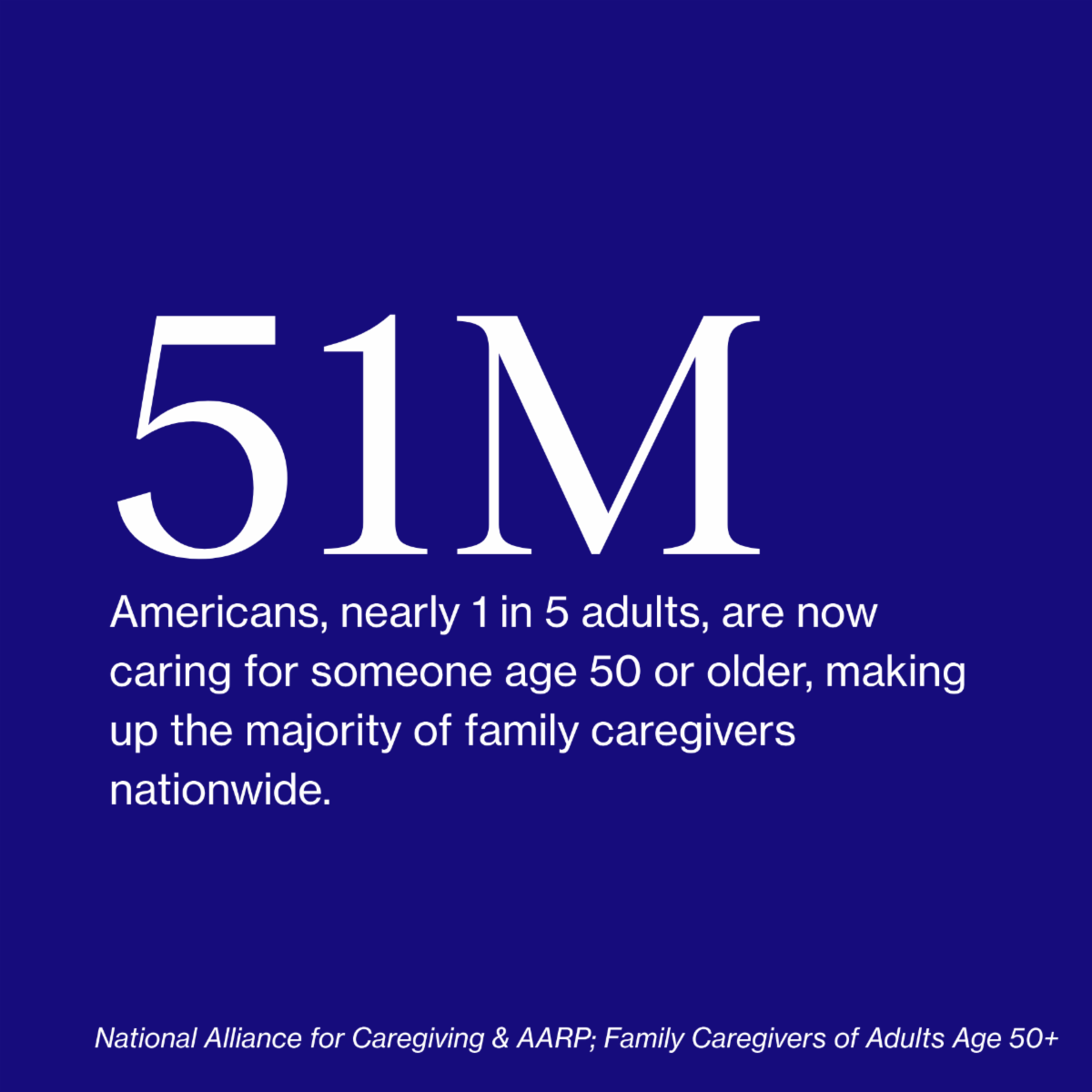
New Report: Family Caregivers of Adults Age 50+ | Who's caring for the people who once cared for us? A new companion report from The National Alliance for Caregiving and AARP, Family Caregivers of Adults Age 50+, answers that question — and the numbers are striking: more than 51 million Americans, nearly 1 in 5 adults, are now caring for someone age 50 or older, making up the majority of family caregivers nationwide. | | |
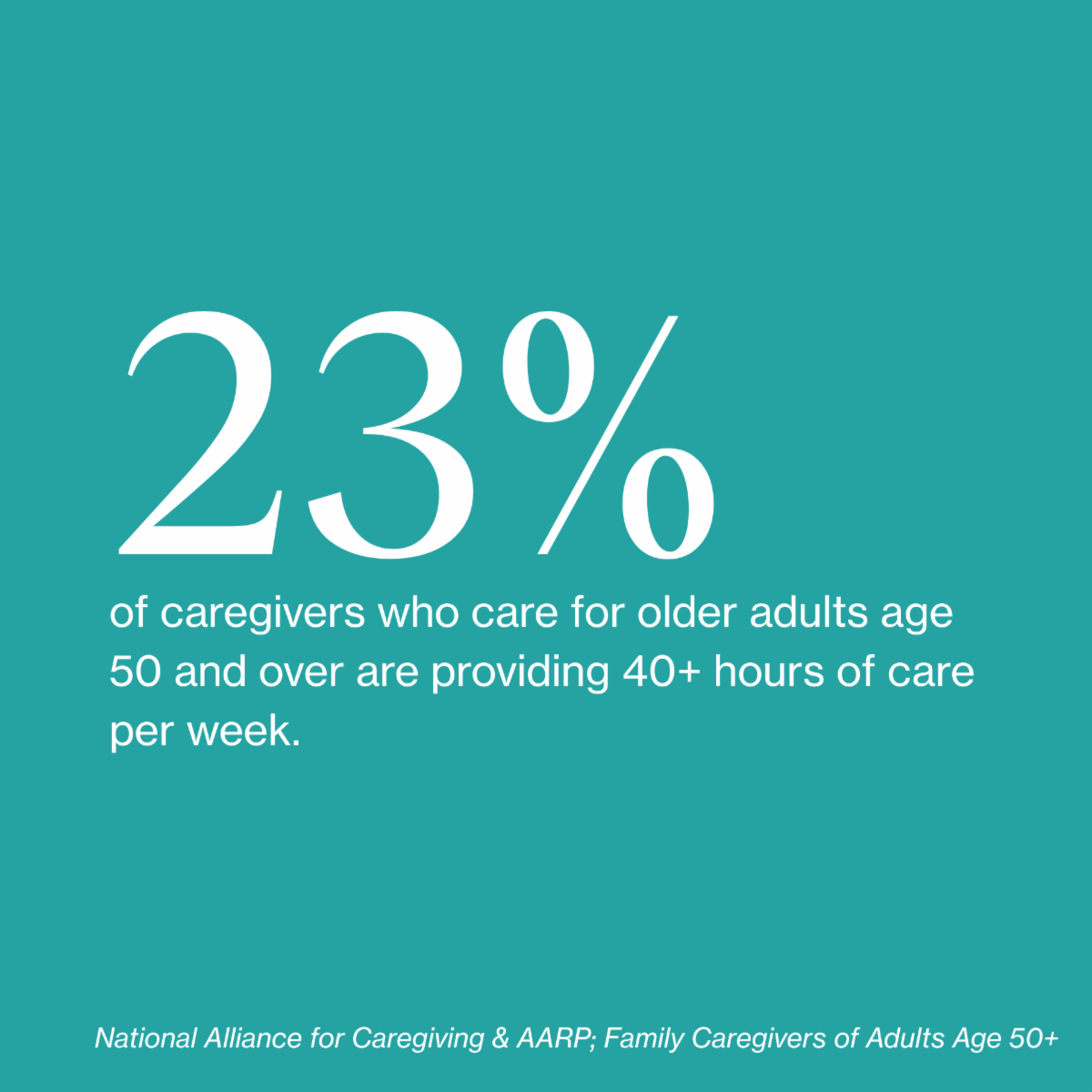
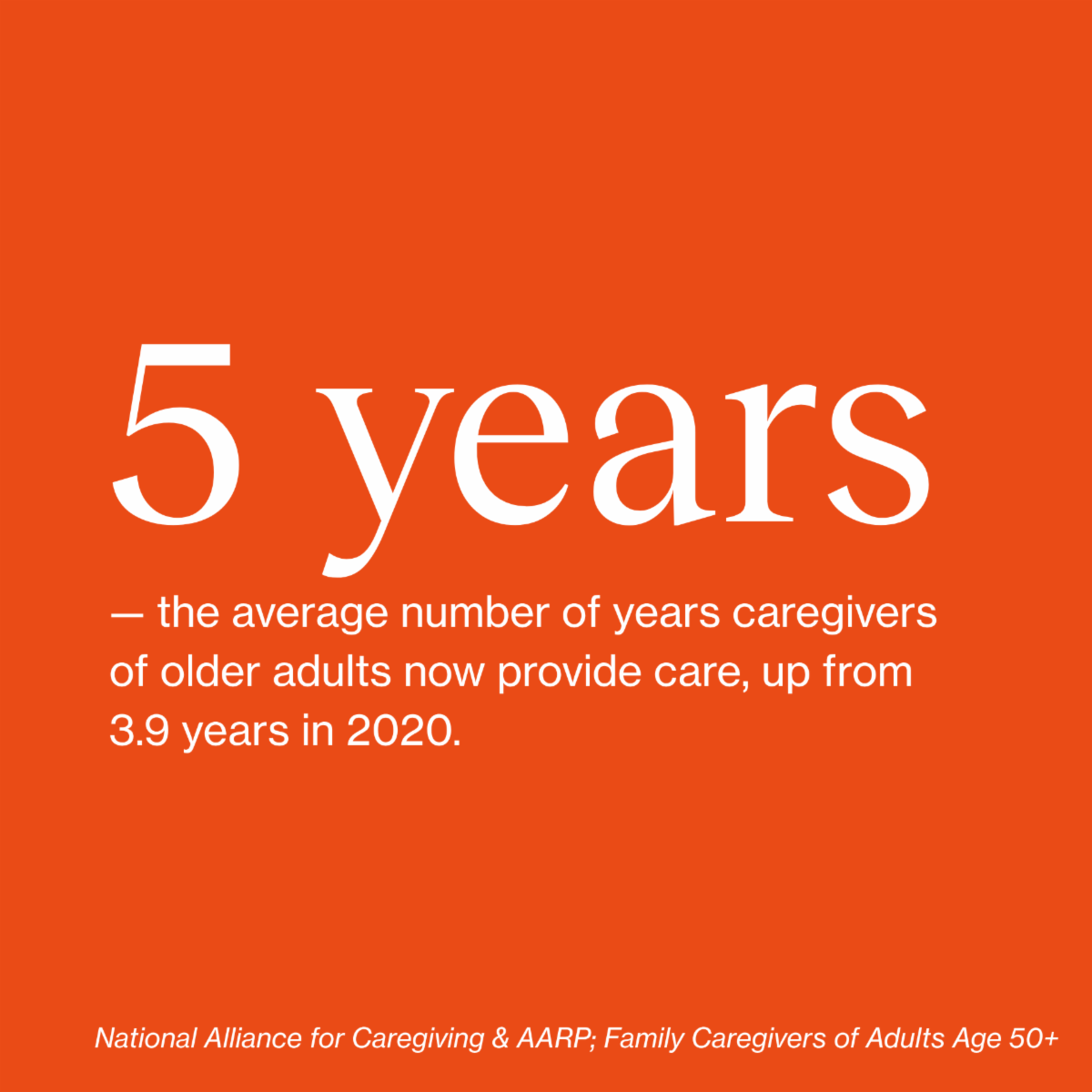
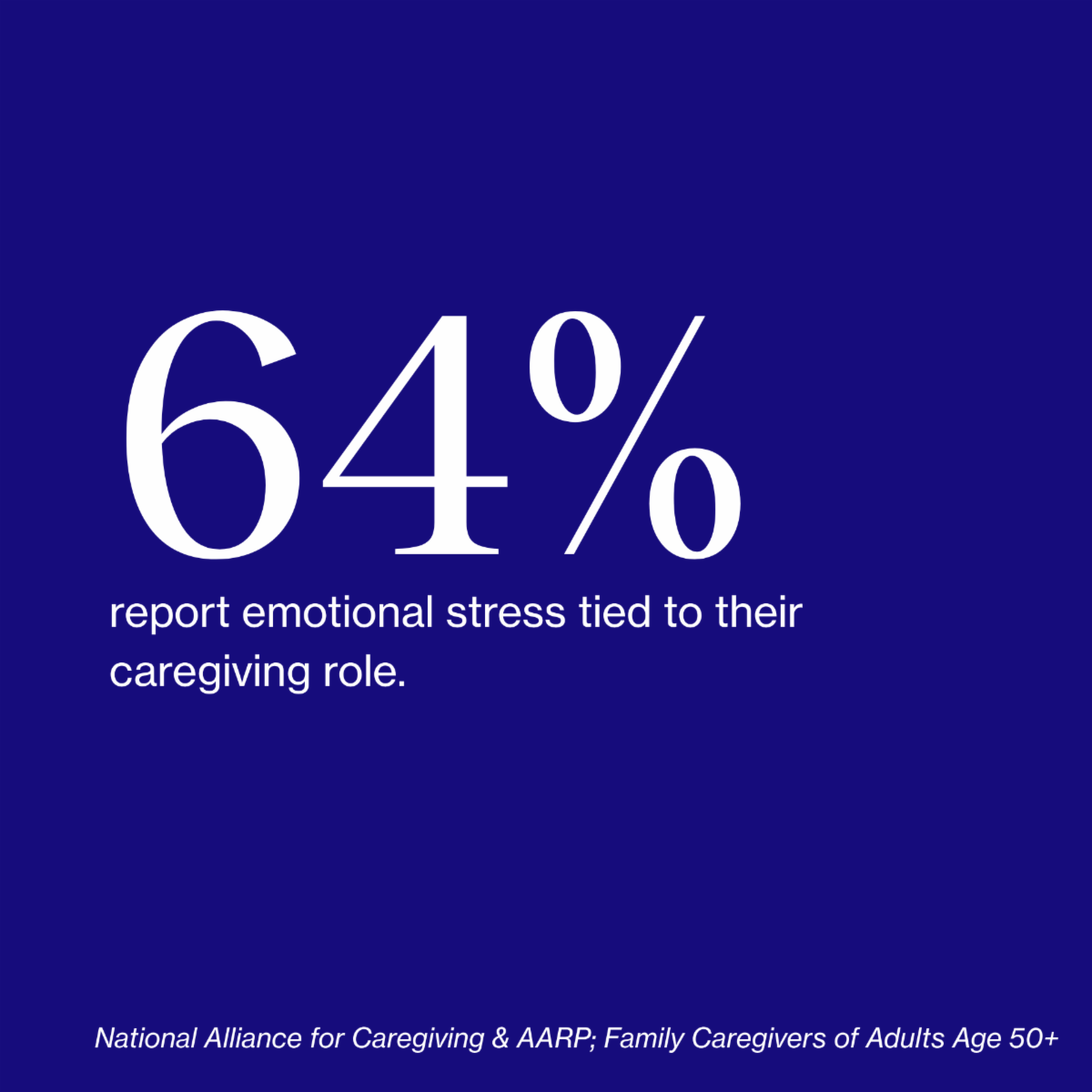
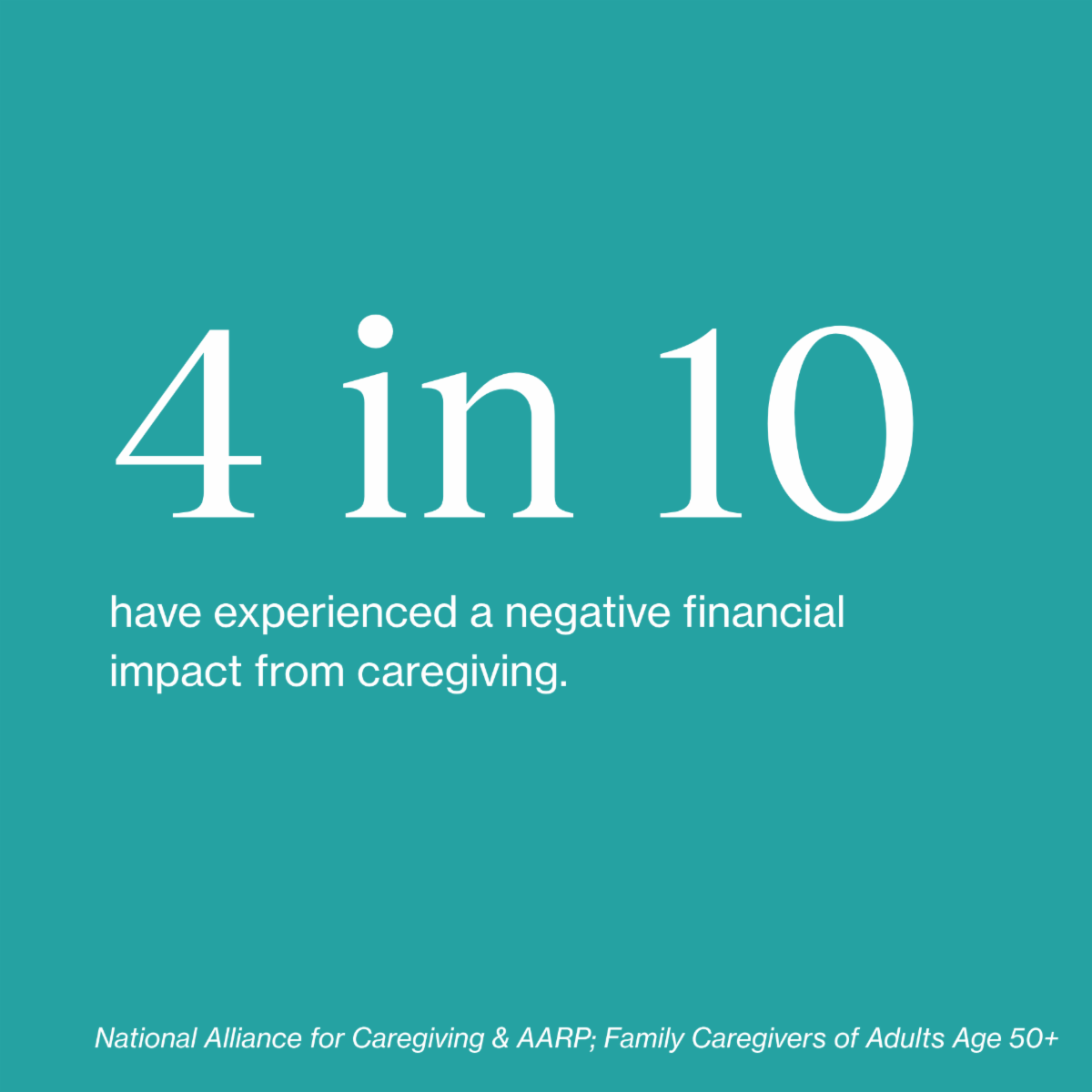
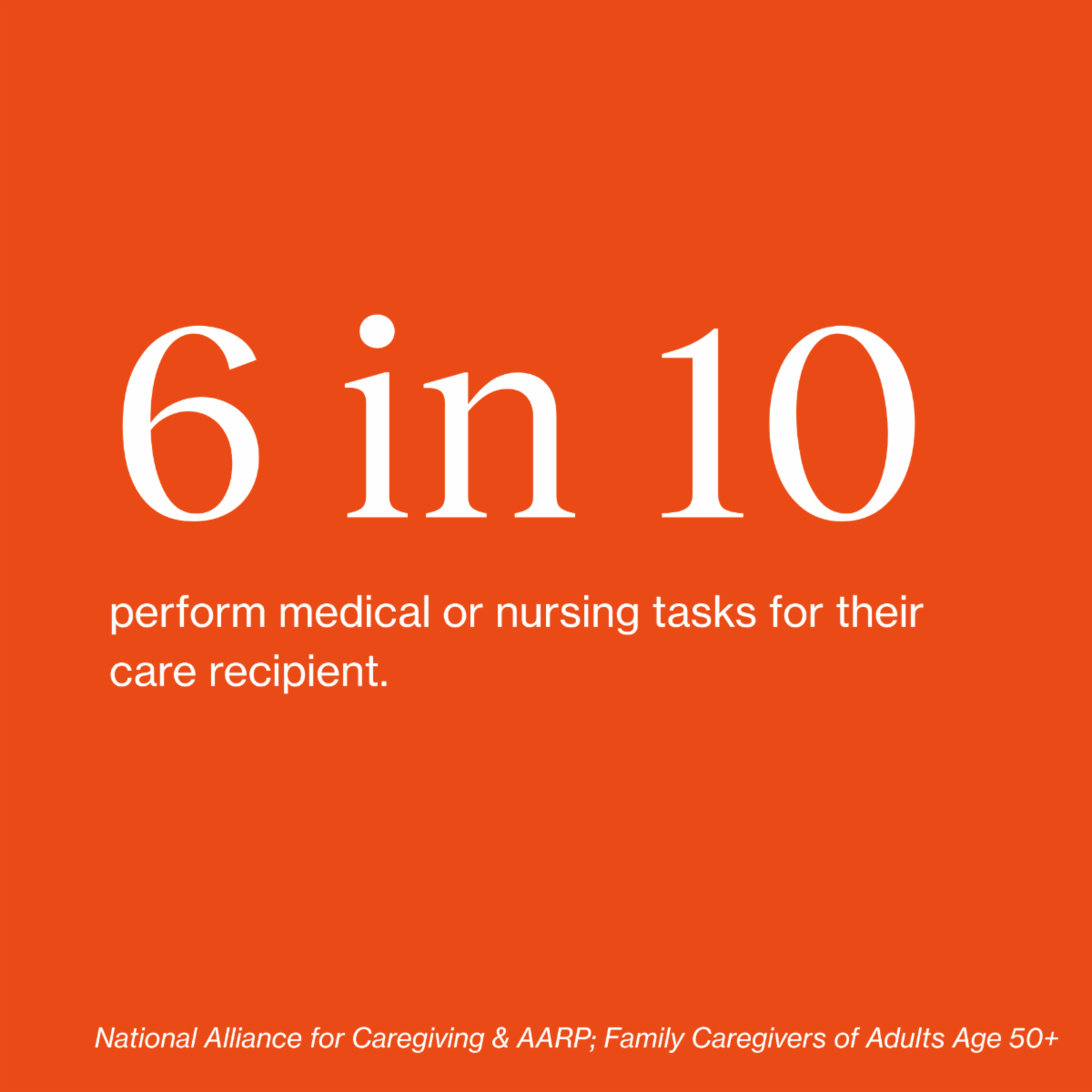
Among the findings: caregivers of older adults now provide care for an average of 5 years, up from 3.9 years in 2020, and 23% are providing 40+ hours of care per week. Six in 10 perform medical or nursing tasks for their care recipient, more than 4 in 10 have experienced a negative financial impact from caregiving, and 64% report emotional stress tied to their caregiving role. Still, caregiving carries meaning alongside the strain — about half of caregivers say they feel a real sense of purpose in the role.
This is the care holding up families and communities across the country. It's time policies and programs caught up.
| | National Immunization Awareness Month: NAC Responds to Changes to Vaccine Recommendations | |
August is National Immunization Awareness Month, and this year the observance lands amid real upheaval in the nation's vaccine recommendations — making the role family caregivers play in navigating immunization decisions more complicated, and more important, than ever.
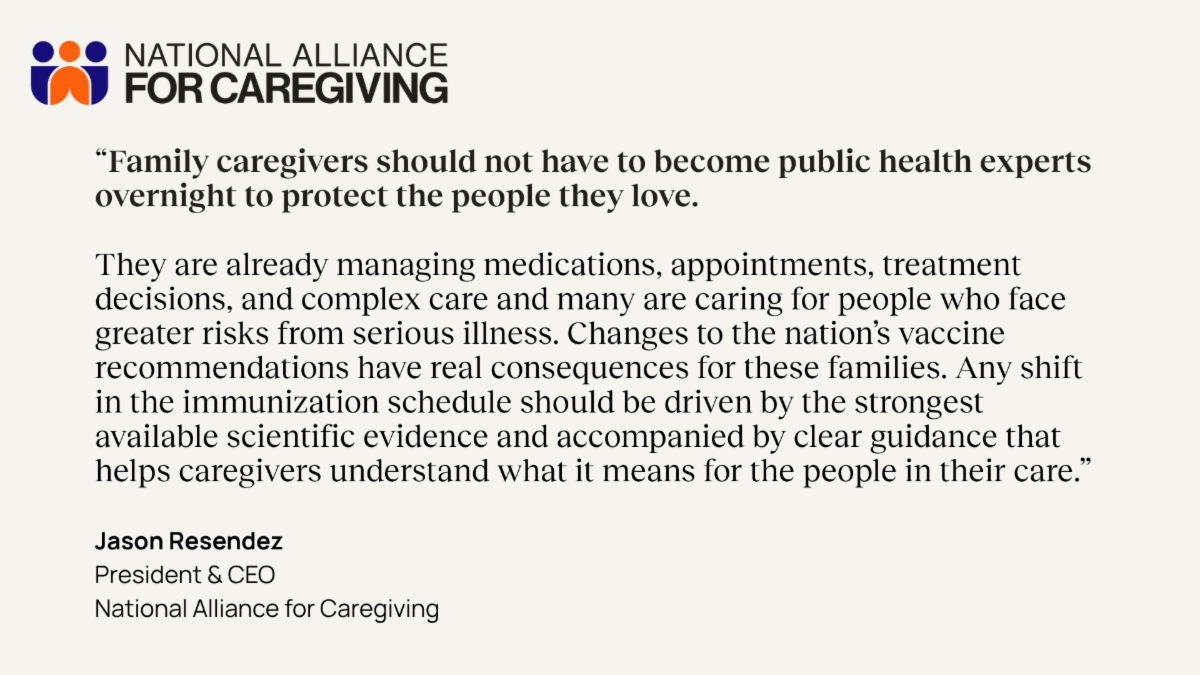
NAC President and CEO, Jason Resendez, issued a statement on the changes, emphasizing the impact on family caregivers already managing complex care for people at greater risk from serious illness. "Family caregivers should not have to become public health experts overnight to protect the people they love," Jason said. "They are already managing medications, appointments, treatment decisions, and complex care and many are caring for people who face greater risks from serious illness." Jason called for any shifts in the immunization schedule to be grounded in the strongest available scientific evidence and paired with clear guidance to help caregivers understand what the changes mean for the people in their care.
| | NAC Statement on Senate CR Passage | |
The Senate's passage of a Continuing Resolution keeps the federal government funded through December 11 — good news for the programs families and communities depend on, including those that support caregivers. NAC also praised senators for pushing back on a proposed OMB rule that would have opened federal grant funding up to political review and discretionary termination, a change that could have undercut the research base policymakers and health systems rely on to support family caregivers.
Still, NAC says funding alone won't cut it. The number of family caregivers keeps growing, the care they provide keeps getting more complex, and costs keep rising — while investment hasn't kept pace. With FY 2027 appropriations due by December 11, NAC is calling on Congress to use this next window to strengthen, not just maintain, these investments: finalizing appropriations on time, moving OAA reauthorization forward once the House returns from August recess, and rejecting a House proposal that would cut off federal funding for PCORI, a key source of research on what actually works in patient care.
Millions of families are already shouldering the day-to-day work of caregiving. NAC's message to Congress: federal policy needs to catch up.
| | NAC Submits Comments on Medicaid Community Engagement Requirement | |
NAC submitted formal comments to the Centers for Medicare & Medicaid Services (CMS) on the Medicaid Community Engagement Requirement Interim Final Rule, addressing a provision that directly affects the nation's 63 million family caregivers. While NAC welcomed CMS's decision to exclude family caregivers from Medicaid work requirements, the comments flagged remaining gaps in the rule that could still leave caregivers and care recipients without the protections Congress intended.
Among NAC's recommendations, CMS should adopt a standardized screening tool so states consistently identify eligible family caregivers, close the gap between how disability is defined for caregivers versus the people they support, strengthen the medical frailty standard to reflect real functional needs rather than diagnosis codes alone, and monitor and publicly report caregiver exclusion outcomes so eligible people don't fall through the cracks.
Family caregivers shouldn't have to choose between their own coverage and caring for a family member. NAC will continue pushing CMS to get this right.
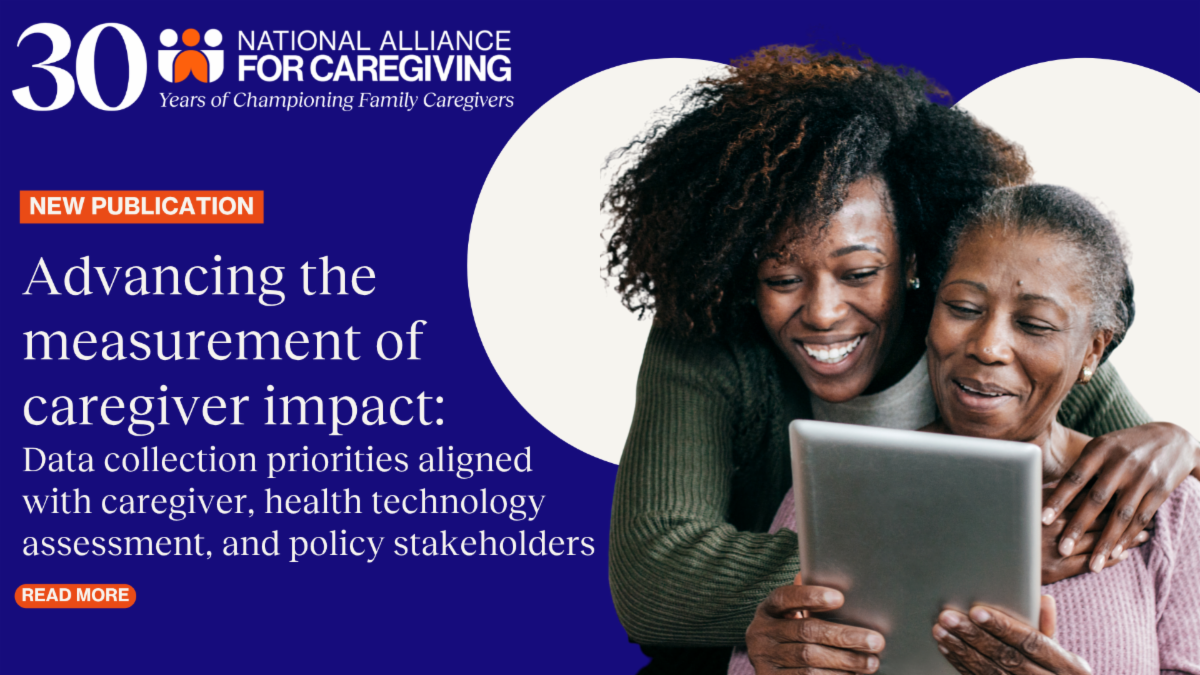
| | New Publication: Advancing the Measurement of Caregiver Impact | |
More than 63 million family caregivers provide essential support to someone living with aging-related needs, disability, or serious illness — yet the toll caregiving takes on health, finances, and daily life is still rarely captured in health care data or reflected in policymaking. NAC's Caregiver-Inclusive Value Initiative (CIVI) is working to close that gap, developing data collection resources that show how illness and treatment affect not just patients but the family members supporting them, and helping patient advocacy organizations build the capacity to collect and use caregiver-reported data.
The first phase of that work is now published in the Journal of Managed Care & Specialty Pharmacy.
Key takeaways:
- Caregiving is worth more than $1 trillion a year, yet remains largely invisible in the evidence behind coverage and value decisions
- Stakeholders broadly agree that financial strain, physical health, and emotional strain are the caregiver impacts most likely to influence policy
- The path forward is practical: standardized measures, an economic lens, and tracking impact over time — priorities that shaped a new survey tool patient advocacy organizations can use to collect consistent, policy-ready caregiver data
Congratulations to NAC's Yadira Montoya, Senior Director of Health Programs, and Jason Resendez, President and CEO, on the publication, and thank you to the Stage Analytics team and Stacy Koval at Genentech for their partnership on this work.
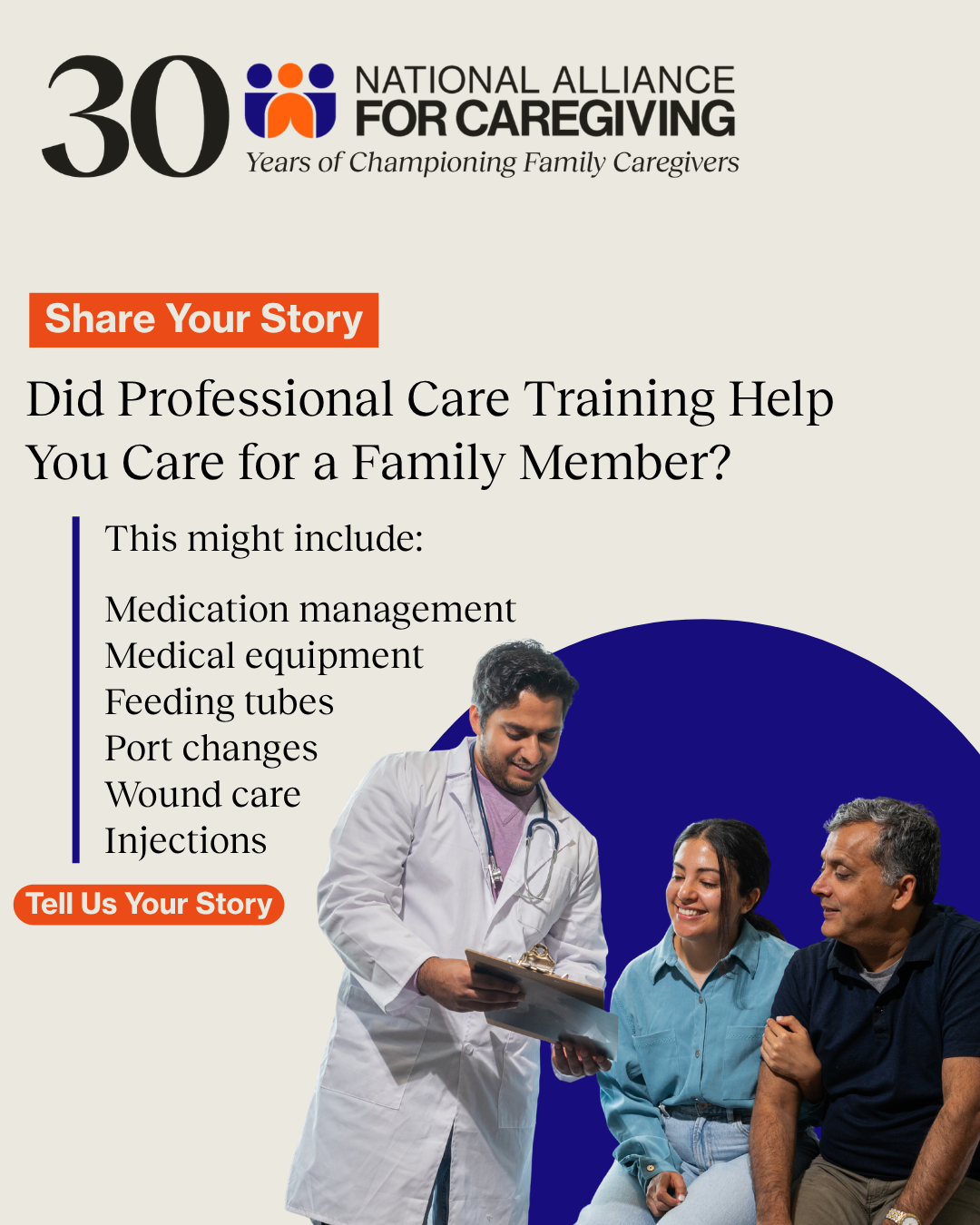
| | Share Your Story: Did Caregiver Training Make a Difference? | |
Family caregivers are often asked to take on complex medical tasks, from wound care and medication management to feeding tubes and operating medical equipment, frequently with little formal preparation. For those who did receive training, it can make all the difference between feeling overwhelmed and feeling confident.
We're collecting stories from family caregivers who received training to provide specific care for a family member, and what that training meant to them. Your story can help show policymakers why caregiver training matters and support efforts to expand access to these services.
It takes 3–5 minutes to complete.
| | |
Share Your Working Caregiver Story
| |
Genworth | CareScout, in partnership with Share More Stories, are inviting working caregivers to participate in a storytelling-based research project focused on the real experience of balancing work and caregiving.
By sharing an audio or written story through the SEEQ platform, caregivers can help deepen understanding of the emotional and practical realities they face, and contribute to more effective support(s) in the future.
Eligible participants receive a $25 gift card.
| | | | |
The New York Times published a letter to the editor from NAC President and CEO Jason Resendez, responding to the paper's coverage of new blood-based testing for Alzheimer's disease. Jason makes the case that reliable blood testing would give families something they rarely get now: time to access treatment, plan ahead, and protect their own health. The letter also points to the bipartisan ASAP Act, which would direct Medicare to cover routine blood-based screening once the FDA signs off.
Read Jason's letter here.
| | | | |
The New York Times spotlighted the estimated 4 million children in the U.S. caring for a sick, disabled, or aging family member, drawing on NAC's Caregiving in the U.S. 2025 report. The feature follows several young caregivers managing wound care, medications, and medical equipment — often while missing school and falling behind academically, with little formal system in place to identify or support them.
Read the full story here.
| | | | |
The Wall Street Journal explored the painful decisions family caregivers face when a loved one's dementia progresses to the point of self-neglect, featuring NAC President and CEO Jason Resendez. Jason spoke to why these moments are becoming more common as dementia advances, noting that safety decisions can move outside a person's own ability to judge — leaving that responsibility to fall to the family caregiver.
Read more here from The Wall Street Journal.
| | | | |
Business Insider reported on the growing number of adult children quietly covering gaps in their parents' retirement, often at the expense of their own financial future, featuring NAC President and CEO Jason Resendez. Jason spoke to how widespread and costly this toll has become, noting that about half of family caregivers report at least one negative financial impact from caregiving — one that hits retirement planning especially hard.
Read the full story here.
| | | | |
USA Today featured the story of a family caregiver whose father, eighteen months into Alzheimer's treatment, has shown almost no disease progression — highlighting how new treatments are reshaping the caregiving journey. The article drew on NAC's Caregiving in the US 2025 report, which found that of the 63 million family caregivers nationwide, 27% are caring for someone with Alzheimer's, dementia, or another memory-related condition.
Read more USA Today here.
| | | | |
Realtor.com examined how the "Sandwich Generation" is getting squeezed earlier than ever — now averaging age 34 — putting homeownership at risk just as younger adults are trying to save for their first home, featuring NAC's George Kueppers, Senior Research Manager. George spoke to why the financial impact hits sandwich caregivers especially hard, and the article drew on NAC data showing 58% experience a negative financial impact from caregiving and spend an average of $7,200 a year out of pocket.
Read more here.
| | | | |
The Washington Post published a piece by health services researcher Minakshi Raj examining how family caregivers manage complex diets for older relatives, often without formal nutritional guidance. The article cited NAC's Caregiving in the US research on the more than 63 million Americans providing family care, and noted that over 7 in 10 older adults manage multiple chronic conditions requiring their own dietary approach.
Read more from the Washington Post. Read the original in The Conversation.
| |
ICYMI: Senate Passes OAA Reauthorization Act Unanimously
| |
The Senate unanimously passed the Older Americans Act Reauthorization Act — but the job isn't done. The OAA funds the programs that help older adults stay independent and safe at home, including meal delivery, transportation, respite care, and caregiver support; reauthorization keeps them alive on paper, but funding is what makes them real for families. With nearly half of family caregivers reporting a negative financial impact from caregiving and 64% experiencing high emotional stress, per NAC's Caregiving in the US 2025 report, families can't afford for these programs to fall short.
The House still needs to complete reauthorization, and OAA programs need real funding to meet real demand.
| | | Resource: Managing Medicare Drug Costs | | CancerCare has released a new resource to help people with Medicare understand the Medicare Prescription Payment Plan (MPPP), which allows beneficiaries to spread prescription drug costs out over the year, as well as the new annual limit on Medicare Part D drug costs. Designed for patients, caregivers, and professionals alike, the resources include a one-pager and a companion webinar breaking down the basics. | | | | Welcoming AbbyCare, Elevance Health, and GSK to NAC | |
This month, we're welcoming three new organizations into the NAC member community: Abby Care, Elevance Health, and GSK.
Our member community brings together partners who share a common commitment: advancing the policy, system, and culture change needed to make family caregiving more sustainable, equitable, and dignified.
Interested in joining our membership program? Reach out to Yadira Cabrera, Director of Corporate & Foundation Relations, at dira@caregiving.org.
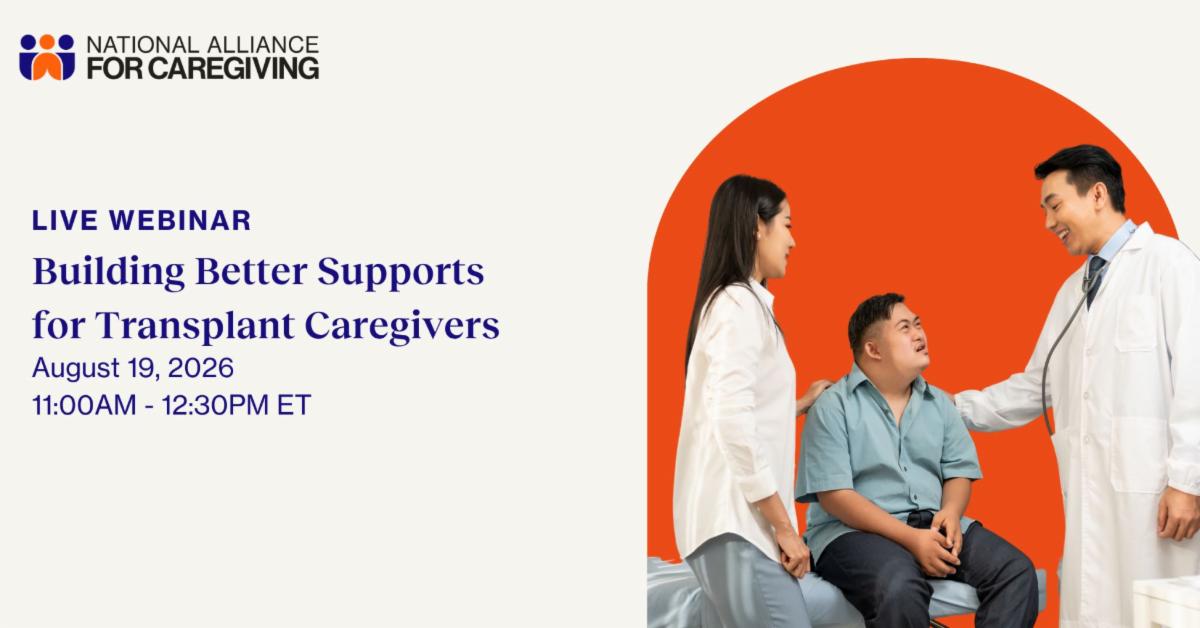
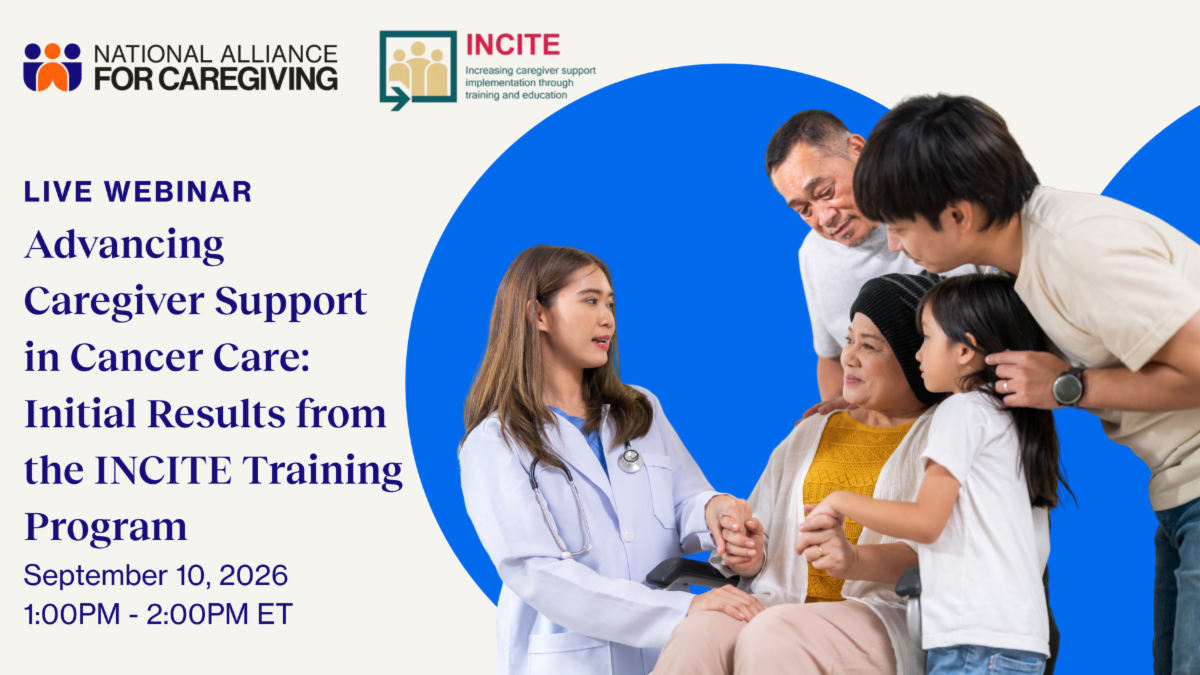
| | | | August Observances: Spinal Muscular Atrophy Awareness, National Immunization Awareness, and Breastfeeding Month | August spans several observances, including Spinal Muscular Atrophy Awareness Month, National Immunization Awareness Month, and Breastfeeding Month — each touching the lives of caregivers and the families they support. | | | | National Purple Heart Day | Recognizing wounded and fallen service members and the caregivers of military and veteran families. | | | | Live Webinar: Building Better Supports for Transplant Caregivers | NAC hosts an interactive forum exploring how transplant programs, researchers, and advocates can better support family caregivers throughout the transplant journey. The session builds on NAC's transplant caregiving research and will help inform the work of NAC's Transplant Caregiving Collaborative. Participants will engage in live polling and facilitated discussion to identify gaps and promising practices. | | | | Complex Cancer Caregiving ECHO Kickoff: The Modern Landscape of Cancer Caregiving | The American Cancer Society and CAPC launch a free ECHO series (Aug 2026–Jan 2027) for health care professionals supporting caregivers of patients with advanced cancers and novel targeted therapies. Sessions cover the unique challenges of immunotherapy, targeted treatments, and prolonged treatment trajectories, building competency in assessing caregiver burden and implementing caregiver-focused interventions. https://www.capc.orgNAC's Senior Director of Health Programs, Yadira Montoya, MSPH, will speak during the series on August 19th, from 2:00 PM - 3:00 PM ET. | | | | National Senior Citizen's Day | Honoring older Americans and the family caregivers who support them. | | | | Virginia Eubanks w/ Jason Resendez: A Guide to Open Water Lifesaving | Politics and Prose hosts author Virginia Eubanks for a conversation on caregiving, trauma, and survival, drawn from her new memoir A Guide to Open Water Lifesaving. NAC's President and CEO, Jason Resendez, will join Eubanks in conversation, drawing on his caregiving expertise to explore the book's themes of resilience, burnout, and the often-overlooked toll caregiving takes on those who give it. | | | | Recognizing the grief many caregivers carry, both during and after caregiving. | | | | Advancing Caregiver Support in Cancer Care: Initial Results from the INCITE Training Program | Allison Applebaum, PhD, and J. Nicholas Odom, PhD, RN, discuss early findings from the INCITE Training Program, a national initiative helping cancer center teams build sustainable, evidence-informed family caregiver support into routine care. The conversation will explore implementation successes, challenges, and lessons learned from participating cancer centers. | | | | Caregiver Nation Summit 2026 | |
The Caregiver Nation Summit brings together leading experts, frontline caregivers, and policymakers to turn research into real solutions for America's 63 million family caregivers. From revolutionizing healthcare to building transformative support systems, this is where bold ideas become action.
Stay tuned for registration details at https://www.caregivernationsummit.org/.
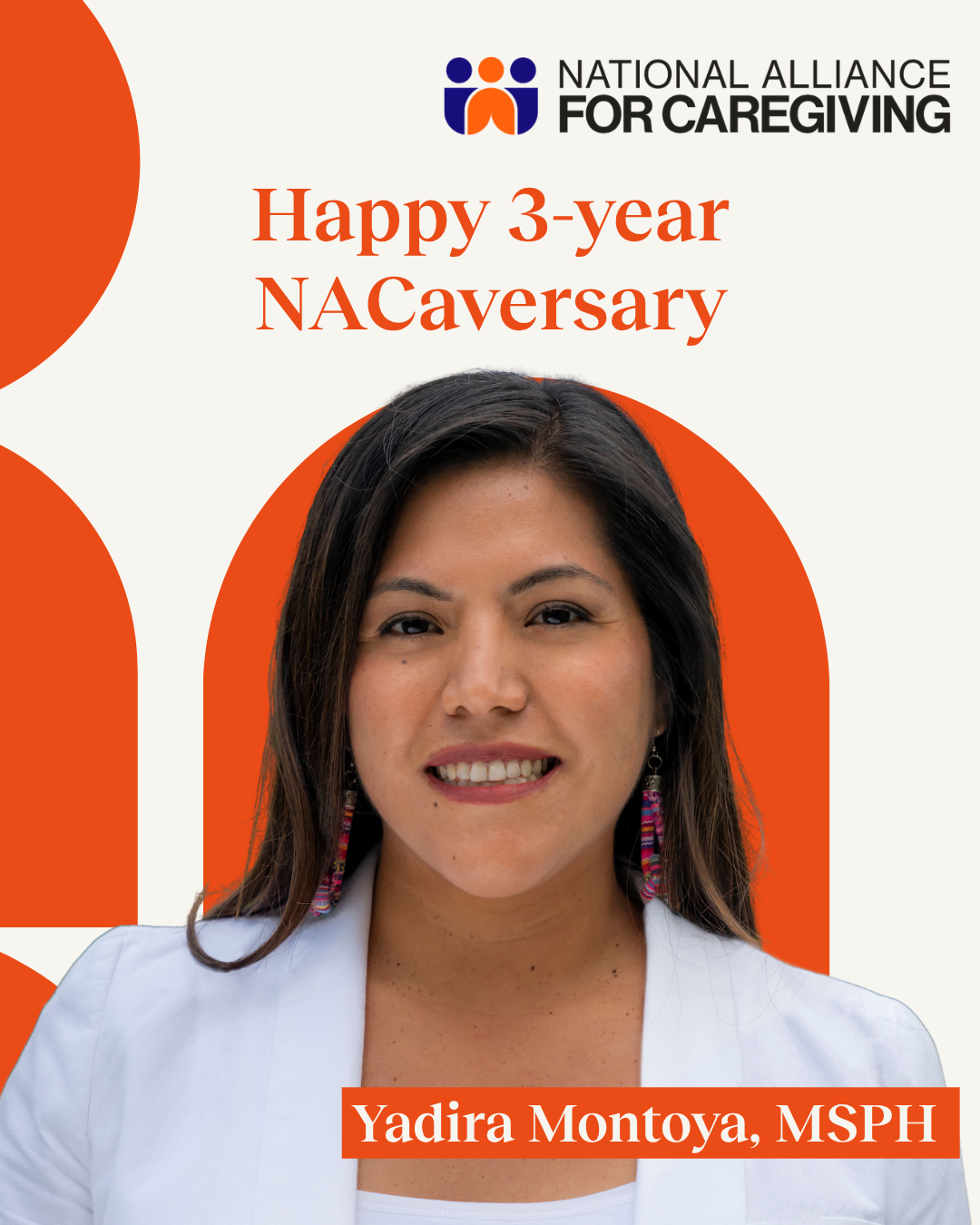
| | | | Celebrating 3 Years of Yadira Montoya, MSPH | |
This month, NAC celebrates three years of Yadira Montoya, MSPH, our Senior Director of Health Programs. Over the past three years, Yadira has helped shape NAC's work supporting family caregivers with a deep commitment to health equity and racial justice, bringing particular focus to the needs of Latinx communities and caregivers navigating dementia care.
Yadira brings a rare combination of research rigor, community roots, and policy insight to everything she does — and NAC is stronger for it. Thank you, Yadira, for three years of dedication and impact. Here's to many more!
| | George Kueppers Shares Research at USAging Conference and NCSC Webinar | |
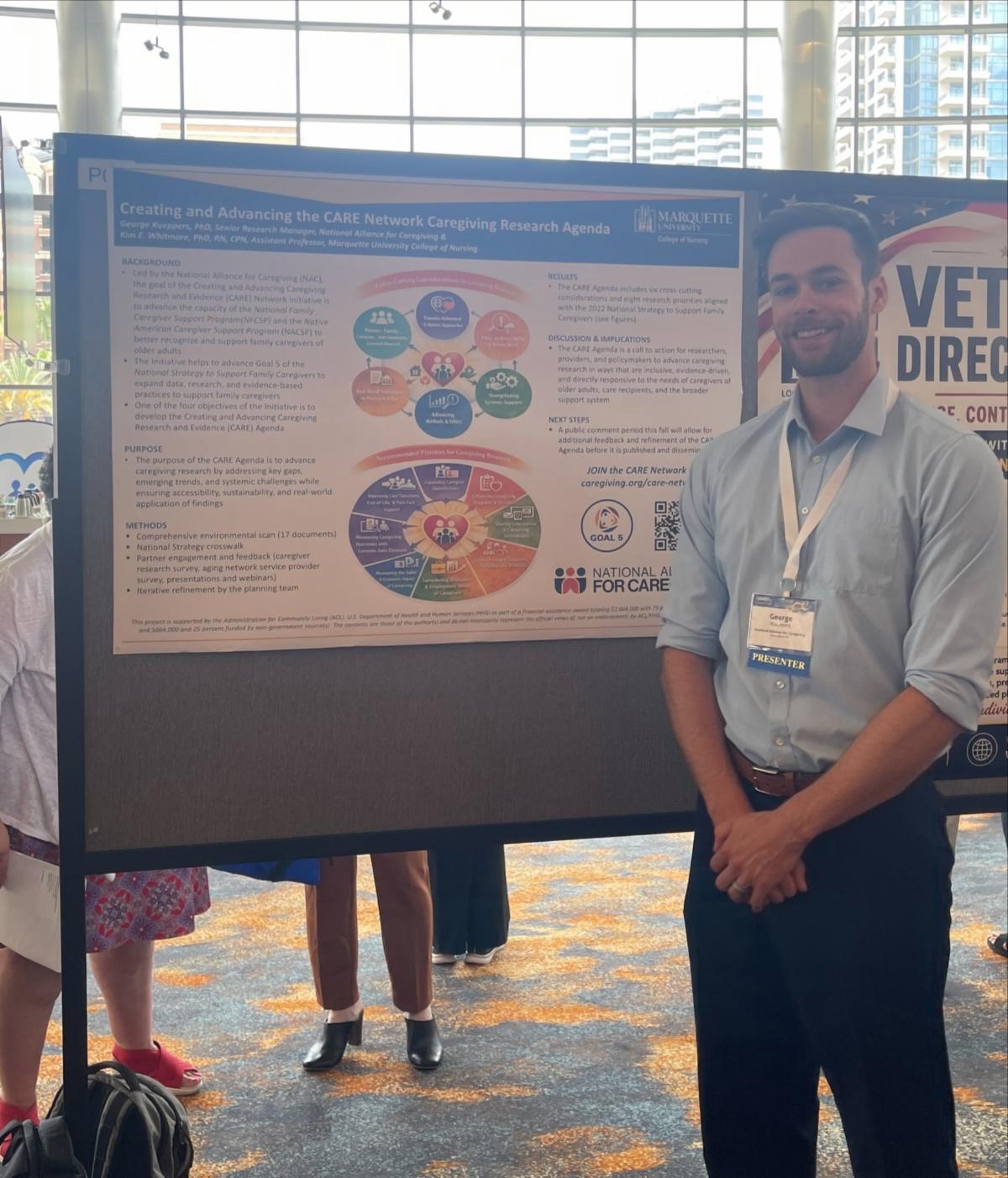
George Kueppers, PhD, NAC's Senior Research Manager, has been busy representing NAC at two recent events. He presented at the USAging conference in San Diego, sharing his session, "Creating and Advancing the CARE Network Caregiving Research Agenda." George was also a featured speaker at a webinar hosted by ACL's National Caregiver Support Collaborative (NCSC), exploring how emerging AI and digital tools are shaping aging network programs and caregiver support — with a focus on the evolving technology landscape, key considerations for organizations exploring AI platforms, and lessons learned from providers already implementing tech-based solutions, always in service of, not replacing, the human connection at the heart of caregiving.
Thank you to George for sharing his expertise with the caregiving and aging network community.
| | | | | Welcoming Hannah-Rose Mitchell, PhD | |
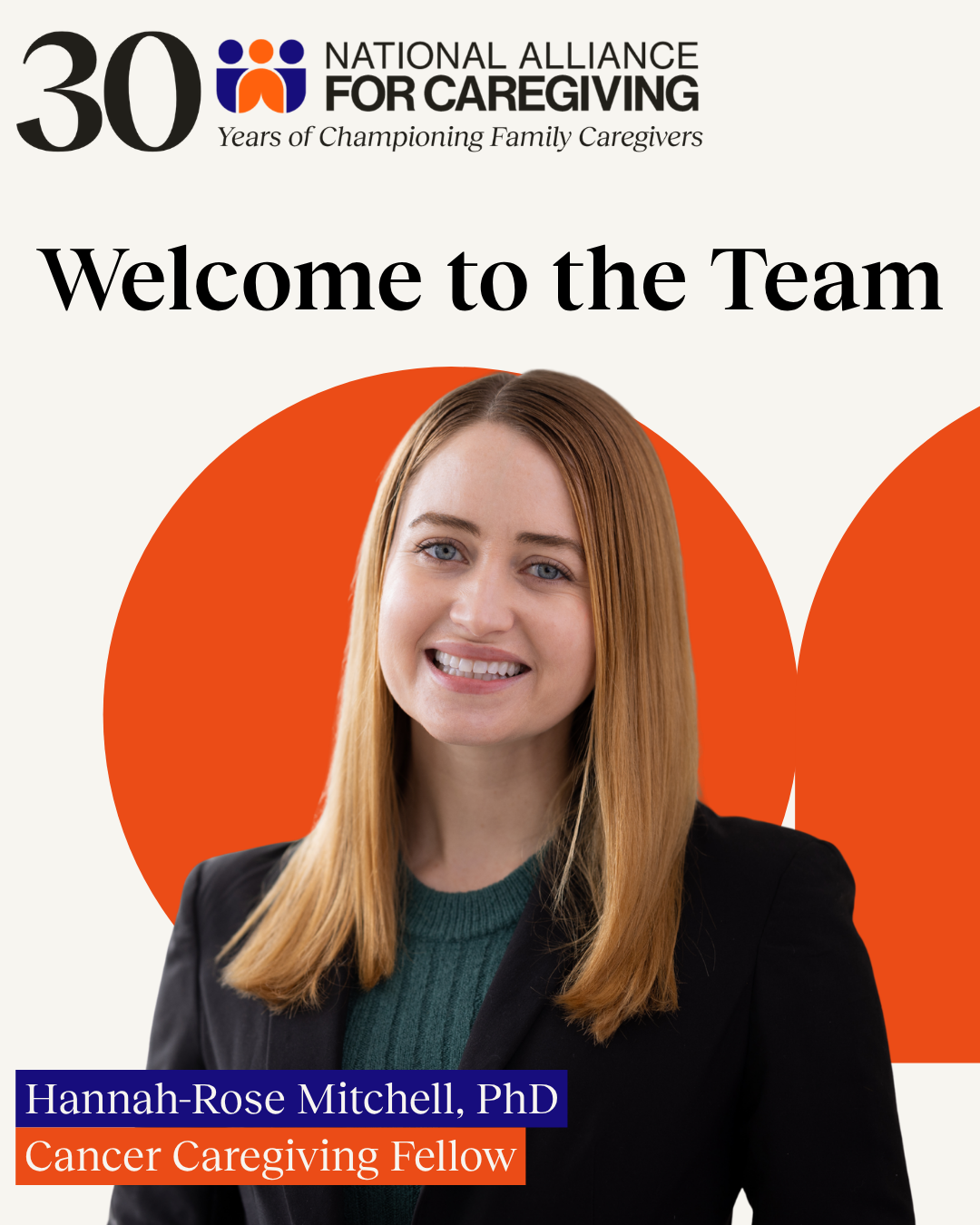
NAC is pleased to welcome Hannah-Rose Mitchell, PhD, as our inaugural Cancer Caregiving Fellow. Dr. Mitchell is a clinical health psychologist at Yeshiva University's Ferkauf Graduate School of Psychology and Albert Einstein College of Medicine, where she founded the Caring BOLDly Caregiver Research and Support initiative at Montefiore Einstein Comprehensive Cancer Center. Her research focuses on the psychosocial burden of cancer on patients and families, aiming to improve supportive care and reduce caregiver burden.
Dr. Mitchell brings over a decade of experience in cancer caregiving research, including prior work as a subject matter expert for NAC's Transplant Caregiving Collaborative. Welcome to the team, Hannah-Rose!
| | Connect with NAC on social media to get the latest updates on our policy & advocacy efforts, research, and events. | | Join our online community to support and uplift family caregivers nationwide. | | | | |