|
Have you ever had moments where you’re so absorbed in what you’re doing that time seems to disappear? You look up and realize two hours have passed in what felt like twenty minutes. What you were doing work felt challenging but manageable. Maybe it even felt effortless. And you were focused and energized. This is flow.
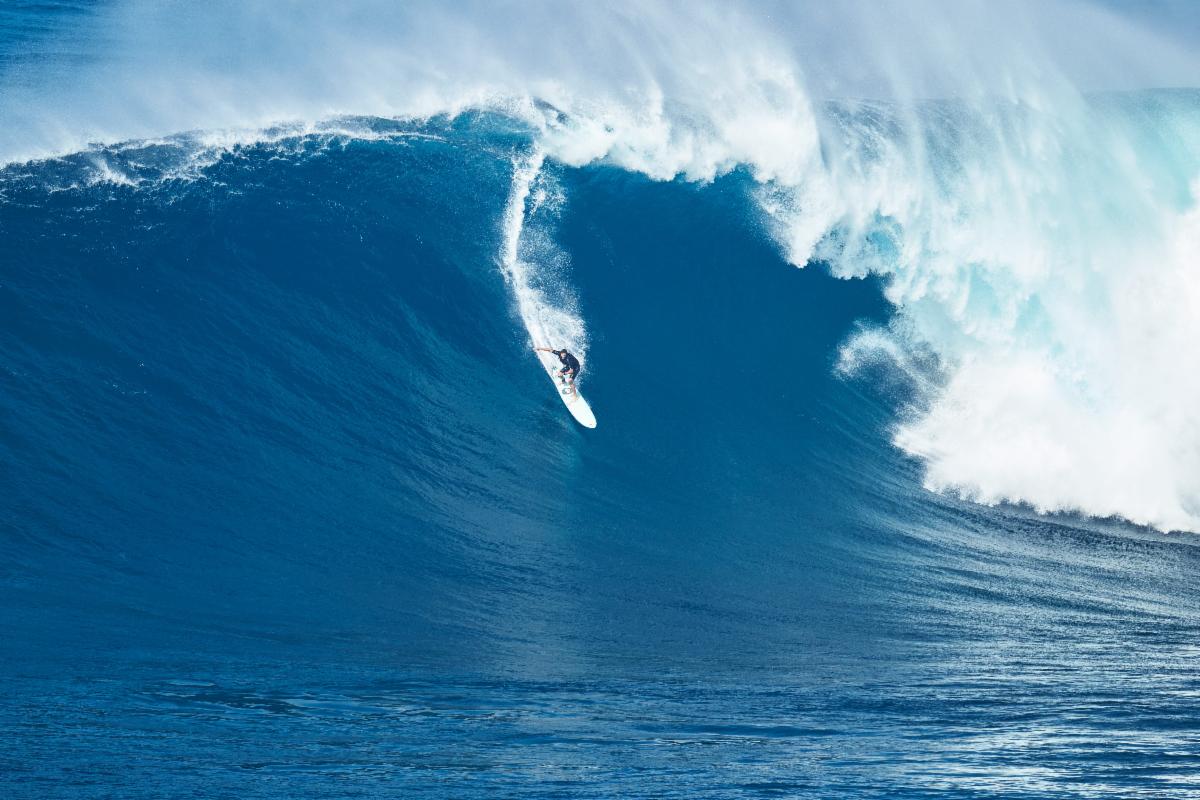
Psychologist Mihaly Csikszentmihalyi – message me if you can teach me how to pronounce his name – popularized this concept, and he described flow as a state of deep immersion where your skills are well matched to the challenge in front of you. When that balance is right, your attention locks in and distractions fade away. I’m not a surfer, but I would imagine that this is how they must feel when they catch a big wave.
We often believe that productivity requires discipline—forcing ourselves to grind through tasks, even when they’re not enjoyable. But flow suggests that our best work happens when the conditions are right, not just when we try harder. It makes work seem lighter, maybe even fun.
I’ve found that moments of flow are like seeking that runner’s high, and there’s a reason for that. Flow releases many of the same chemicals like dopamine, endorphins, and serotonin. Collectively, they sharpen our attention, increase our motivation, reduce the perception of effort, and make the experience feel intrinsically rewarding. For me, getting in a flow state is critical to my writing work.The words just spill out in those moments.
But how do you create the right conditions for flow?
One key ingredient is the challenge–skill balance. If something is too easy, we get bored. If it’s too difficult, we feel anxious or overwhelmed. Flow lives in between—when the task stretches you just enough. Think of writing a presentation you care about, solving a tricky problem, or working through a design idea that keeps evolving. Some people call this the Goldilocks Zone – not too easy, not too hard.
Another factor is clear goals. Flow is much easier when you know exactly what you’re trying to accomplish. Setting specific objectives, like “Write the chapter on x” will be more effective than “Do some writing.”
Focus also matters. Flow almost never happens in environments full of interruptions. Every notification, text, email, or meeting request pulls your brain out of the concentration required to reach that deeper state. (Family chatter also doesn’t help, which I am experiencing as I write this now.) Protecting even short blocks of uninterrupted time can make a big difference.
Finally, flow tends to appear when the work feels meaningful. When we care about the outcome—whether it’s helping a co-worker, solving a coding problem, or creating something new—we’re far more likely to engage deeply.
The good news is that flow isn’t rare or mystical. It’s something you can design for. So try picking a task that matters, making the goal specific, removing distractions, and giving yourself a focused block of time. Start working and stay with it long enough to get past the initial friction. You might find that the hardest part isn’t the work itself. It’s simply getting to the point where flow can begin.
JR and the PathWise team
|