|
View as Webpage
The 31st season of The Luncheon Society™ begins in January.
| | |
TLS@31
Our 31st Season.
Maybe you joined us for some of these
Luncheon Society gatherings.
Maybe it was the infamous Christopher Hitchens post-luncheon bacchanal of a pub crawl in San Francisco, where he quoted Shakespeare while standing on a chair with
a glass of Johnny Walker in one hand
--and the rest of us were in rough shape.
Or when you heard Jane Goodall talk about chimpanzees
and later realized that her risqué joke sounded more far more refined with a British accent.
Or the time when former Secretary of State Warren Christopher clearly stated there were no Weapons of Mass Destruction
in Iraq, way back in 2003.
Or the time Buzz Aldrin joked that he didn’t watch his Apollo 11 moon landing on television--because he was “clearly out of town.”
Or the time when Nobel Laureate Paul Krugman asked Linda Ronstadt to “sing her question” as opposed
to simply asking it.
Or the time when Dick Cavett was cracking jokes during the Lawrence O'Donnell gathering.
Or when Academy Award winning actress Lee Grant used her smarts, guile, and charm to outwit The Hollywood Blacklist.
Or the moments of consequential conversations with towering literary figures like Amy Tan or Isabel Allende.
Or the time when Garrison Keillor told us that he always prefers
a good limerick.
Or how NASA's legendary Mission Control Flight Director
Gene Kranz landed men on the moon and returned a stricken Apollo 13 safely back to the Earth
Or the time that a 90 year old former Mayor of San Francisco
drank us all under the table.
Or at the Roger Ebert gathering, 48 hours after the Academy Awards, where aspiring actors working as waiters slipped their headshots and screenplays under the dinner plates.
Or Temple Grandin on how she thinks.
Or when Ted Sorensen talked us through the dangers of the Cuban Missile Crisis and how close we all came to Nuclear Armageddon.
Or the Master Class in absolute courage with two members of
The Little Rock Nine.
Or the medical thoughts of Dr Anthony Fauci, who led this country through two major heralth crises.
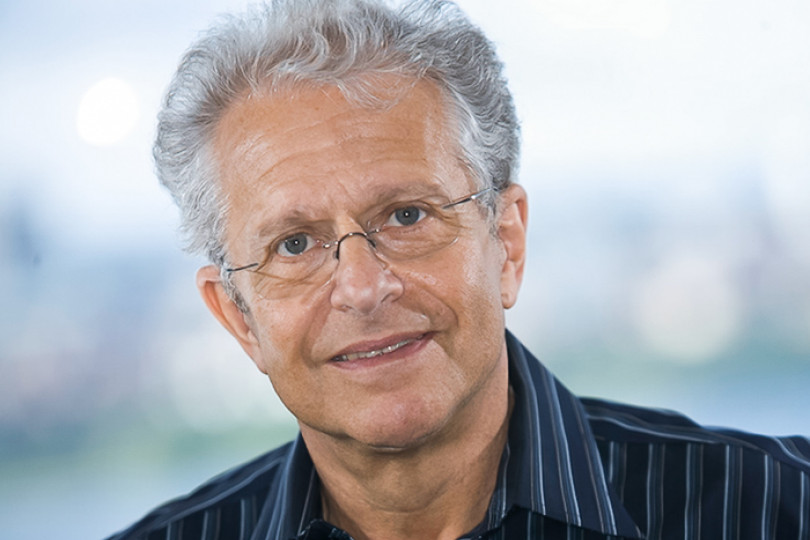
Or Harvard's foremost constitutional scholar Laurence Tribe on whether we are sliding into an authoritarian chapter.
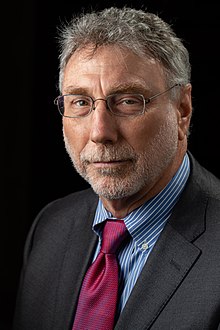
Or the conversation with Marty Baron on the state of the media where the conversation ping-ponged between Lawrence O'Donnell, Jonathan Alter, Marvin Kalb, Gary Hart, Ben Bradlee Jr., and others.
Or maybe you heard Joyce Carol Oates simply read her brilliant work.
Or maybe you came to enjoy the moment.
So join us for another great season.
Our 31st.
| | |
The Luncheon Society. A Short History.
In late 1996, we started off with three people in the restaurant of The Hotel Durant in Berkeley and we wondered how a hard-lefty third party presidential nominee could become a pioneering investment banker. It would be the first gathering of our 31seasons.
Since that modest little beginning, we found ourselves having these gatherings on a regular basis in San Francisco. A few years later, we tried started having these gatherings in Los Angeles. Soon New York and Boston were launched. In 2020, we have moved to Zoom; now everybody can join because our audience has globalized.
| | |
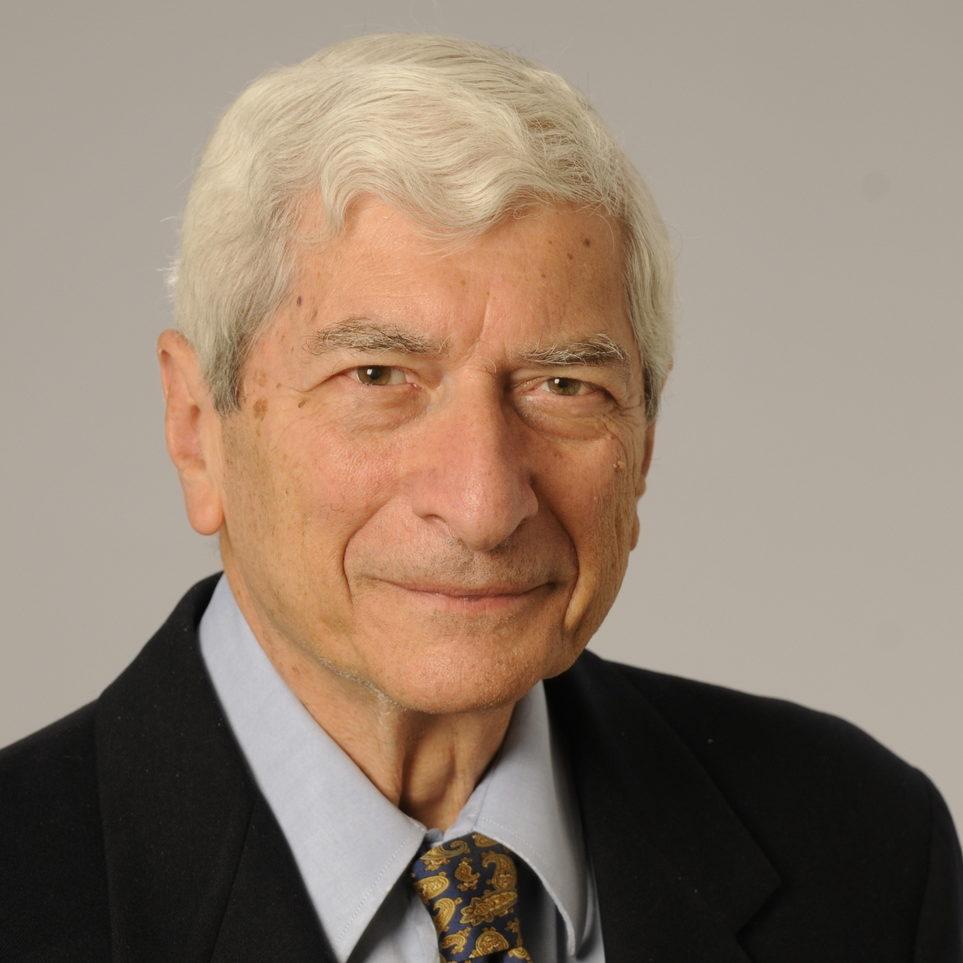
January 10
CBS News Legend Marvin Kalb.
His memoir, “A Different Russia—Khrushchev and Kennedy on a Collision Course."
Marvin Kalb, the award-winning journalist who has written extensively about the world he reported on during his long career, now turns his eye to the most dangerous moments of The Cold War. In quick succession, Americans dealt with The Bay of Pigs, the Vienna Summit, The Berlin Crisis and The Cuban Missile Crisis. In the early 1960's, the darkest, most dangerous years of the Cold War, Marvin Kalb brought the curiosity and excitement of a young American journalist to Moscow, where he kept a record of his daily CBS broadcasts on the building confrontation between Soviet leader Nikita Khrushchev and American President John F. Kennedy. In the early 1960's, the darkest, most dangerous years of the Cold War, Kalb brought the curiosity and excitement of a young American journalist to Moscow, where he kept a record of his daily CBS broadcasts on the building confrontation between Soviet leader Nikita Khrushchev and American President John F. Kennedy. Kalb had taught Russian history at Harvard University, spoke the language and traveled from one end of the communist world to the other, meeting ordinary Russians but also those, like Khrushchev, who chose to confront Kennedy at such risky places as the Bay of Pigs, the Vienna summit, the building of the Berlin Wall and the Cuban missile crisis, when the threat of nuclear war hovered over the world. This unusual memoir, very personal but also professional, intimately recaptures this fascinating moment in Russian-American relations. Eye-catching is the surprising comparison it evokes with the modern, perilous Putin era, when a Kremlin leader regularly turns his back on the West rather than, like Khrushchev, leader of a "different Russia," pursues his aims, yet open to compromise and hope for better times.
| | |
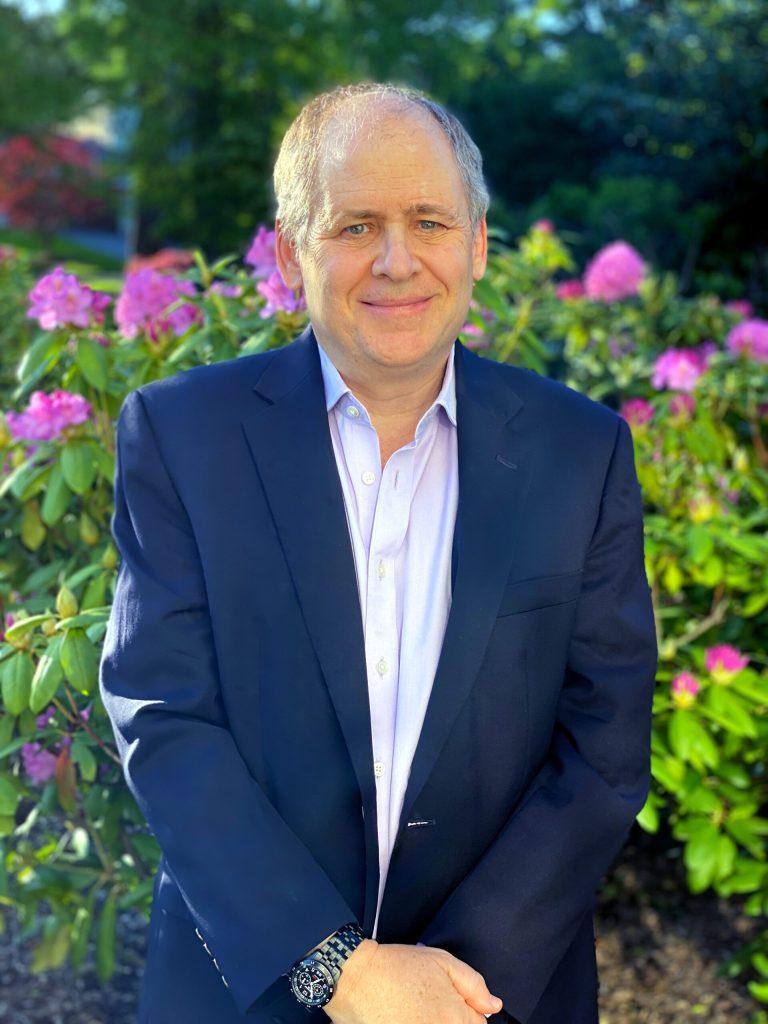
January 31
Jonathan Alter
Jimmy Carter (1924 – 2024), an appreciation.
His Carter biography "His Very Best Life, Jimmy Carter, a Biography"
Jonathan Alter tells the epic story of an enigmatic man of faith and his improbable journey from barefoot boy to global icon. Alter paints an intimate and surprising portrait of the only president since Thomas Jefferson who can fairly be called a Renaissance Man, a complex figure-ridiculed and later revered-with a piercing intelligence, prickly intensity, and biting wit beneath the patented smile. Here is a moral exemplar for our times, a flawed but underrated president of decency and vision who was committed to telling the truth to the American people. Growing up in one of the meanest counties in the Jim Crow South, Carter is the only American president who essentially lived in three centuries: his early life on the farm in the 1920s without electricity or running water might as well have been in the nineteenth; his presidency put him at the center of major events in the twentieth; and his efforts on conflict resolution and global health set him on the cutting edge of the challenges of the twenty-first. Drawing on fresh archival material and five years of extensive access to Carter and his entire family, Alter traces how he evolved from a timid, bookish child-raised mostly by a black woman farmhand-into an ambitious naval nuclear engineer writing passionate, never-before-published love letters from sea to his wife and full partner, Rosalynn; a peanut farmer and civic leader whose guilt over staying silent during the civil rights movement and not confronting the white terrorism around him helped power his quest for racial justice at home and abroad; an obscure, born-again governor whose brilliant 1976 campaign demolished the racist wing of the Democratic Party and took him from zero percent to the presidency; a stubborn outsider who failed politically amid the bad economy of the 1970s and the seizure of American hostages in Iran but succeeded in engineering peace between Israel and Egypt, amassing a historic environmental record, moving the government from tokenism to diversity, setting a new global standard for human rights, and normalizing relations with China among other unheralded and far-sighted achievements. After leaving office, Carter eradicated diseases, built houses for the poor, and taught Sunday school into his mid-nineties.
| | |
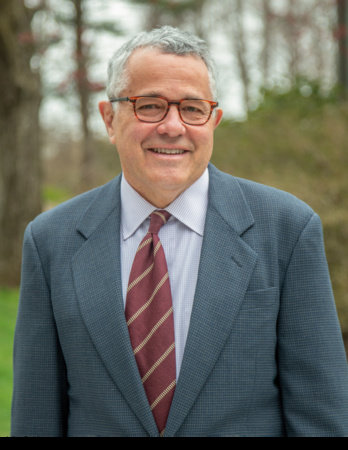
February 13
CNN Legal analyst Jeffrey Toobin
His new book, “The Pardon.”
"The Pardon," by acclaimed journalist, legal scholar, and New York Times best-selling author Jeffrey Toobin arrives just as the topic of presidential pardons is front-of-mind for all of us. In the waning days of his Administration, President Joe Biden pardoned his own son, Hunter and issued preventive pardons for members of the January 6th Committee, and other presumed targets of Donald Trump. At the very start of his second administration, Donald Trump commuted the sentences or fully pardoned all of the January 6th rioters, including some charged with violent crimes, mostly against police officers, committed during the insurrection to deny the certification of the 2020 election. The power of the presidential pardon has our national attention now more than ever before. In The Pardon, New York Times bestselling author and CNN legal commentator Jeffrey Toobin provides a timely and compelling narrative of the most controversial presidential pardon in American history—Gerald Ford’s pardon of Richard Nixon, revealing the profound implications for our current political landscape, and how it is already affecting the legacies of both Presidents Biden and Trump. In this deeply reported book, Toobin explores why the Founding Fathers gave the power of pardon to the President and recreates the behind-the-scenes political melodrama during the tumultuous period around Nixon’s resignation. The story features a rich cast of characters, including Alexander Haig, Nixon’s last chief of staff, who pushed for the pardon, and a young Justice Department lawyer named Antonin Scalia, who provided the legal justification. Ford’s shocking decision to pardon Nixon was widely criticized at the time, yet it has since been reevaluated as a healing gesture for a divided country. But Toobin argues that Ford’s pardon was an unwise gift to an undeserving recipient and an unsettling political precedent. The Pardon explores those that followed: Jimmy Carter’s amnesty for Vietnam draft resisters, Bill Clinton’s pardon of Marc Rich, and the extraordinary story of Trump’s unprecedented pardons at the end of his first term. The Pardon is a must-read for anyone interested in American history, the complex dynamics of power within the highest office in the nation, and the implications of presidential mercy.
| | |
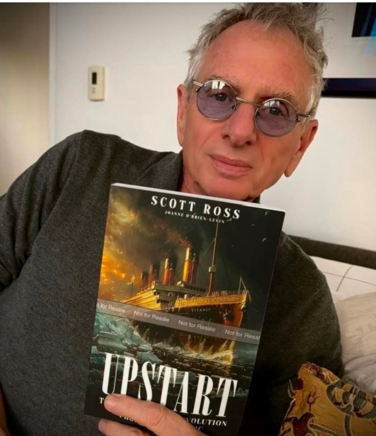
February 20
Digital Media Pioneer Scott Ross
His memoir “Upstart”
Its our annual Hollywood gathering on the eve of the Academy Awards. Over the last couple of decades, a new generation of startups born from creative industries but enabled through new technologies has invaded the world of business, stamping their mark in fields as varied as virtual to human avatars, augmented reality, video games, and even artificial intelligence. Upstart sheds light on the many successes and some of the challenges involved in navigating a top creative business in an ever-changing technological landscape. While it provides insights for those within the industry, this book also offers broader lessons intended for all entrepreneurs and business leaders.
The key questions it explores include:
- How does one manage the unmanageable in a tech-driven, fast-paced environment?
- What can the rise of this new industry reveal about business models and the assumptions that underpin them?
- How might creative tech businesses begin to challenge traditional business paradigms?
Scott Ross, former general manager of Industrial Light and Magic (ILM), Sr Vice President of Lucasfilm and co-founder of Digital Domain, brings unmatched experience to this discussion. Under his leadership, ILM transitioned into the world's leading digital VFX Company, winning five Academy Awards. Founding Digital Domain with partners James Cameron (Avatar, Titanic) and Stan Winston (Jurassic Park) Ross led the company to three Oscar wins for Titanic, What Dreams May Come, and The Curious Case of Benjamin Button. While many see the VFX revolution as a technological milestone, Upstart places equal emphasis on another critical dimension: the human factor. Ross explains how the character of those wielding the technology makes all the difference in the impact created—much as King Arthur's character defined the legend of Excalibur. This book dives into the blend of technology, human imagination, and leadership, presenting insights that are humorously engaging, honestly incisive, and aimed at a vision for a better world.
| | |
March 6
Harvard Constitutional Scholar Laurence Tribe
Are we now at a Constitutional Crisis?
What happened if President Trump chooses to ignore the courts? What Happens next? Laurence Tribe is a constitutional scholar and professor emeritus at Harvard Law School. He served as counsel to Democratic presidential candidate Al Gore in the contested presidential election in 2000. As a lawyer, Tribe has argued around three-dozen cases before the Supreme Court.
Below--Excerpted Interview: John Heilemann of Puck. February 11, 2025
John Heilemann: Yale historian and scholar of authoritarianism Timothy Snyder wrote the other day, about what Team Trump is doing, “Of course it’s a coup.” Do you agree?
Laurence Tribe: I think it is obviously a coup, an inside coup, and not only by people in power who are now consolidating their power, but by people who were never elected to power. It has to be called a coup because it meets all the criteria; it is an attempt to use the instruments of power to displace the entire structure of government that we have nurtured and inherited over two centuries. And it’s happening at blinding speed, so it’s very hard to see exactly where it’s going.
One of the surprising things is that it’s happening so quickly and with so little systematic planning that it is quite possible that it will collapse on itself. Courts, one after another, are going to strike this stuff down; we see it all the time. The legal questions are easy, and that’s one of the things that makes the situation so strange. It’s not as though there are exotic, difficult legal questions. I think there’s a good chance that even the handpicked Supreme Court that Trump is counting on to allow these things to go forward will say, No, that’s a bridge too far. And then what? That’ll be a fork in the road. On one hand, Trump may dismiss anything the courts say. And because, thanks partly to him, the courts have lost lots of their credibility, it may be that Trump can get away with that, and that will mean that we really don’t have a legal system anymore. On the other hand, he [could] obey the courts, blame them, and say that they’re part of what we have to displace. Either way, it’s going to be chaos.
John Heilemann: What do you say to those who say that talk of coups, at least at this stage, is little more than liberal hyperbolizing, catastrophizing, or both?
Laurence Tribe: You have to define what you think the United States of America is. Is it whatever happens as a result of an election, as long as people are warned? Or is it something that has certain structural characteristics? It’s not important what label you give it. What [is happening] is a complete tossing aside of our whole country, our government. Yes, it’s true that people voted for Donald Trump, and it’s true that he warned people through Project 2025 and occasional statements about how he would terminate the Constitution if necessary. In a sense, you could say we got what we asked for. But it doesn’t mean that it’s not a radical, revolutionary scrapping of the whole system. Talk about impeachable offenses—virtually everything that has happened since he was inaugurated the second time is an impeachable offense.
| | |
April 10
Martin Baron
Former Executive Editor of the Washington Post
"Where Jeff Bezos Went Wrong With The Washington Post."
"The day the world learned that Jeff Bezos would buy The Washington Post, the Amazon founder offered assurances that he would not cower when faced with threats from a vengeful president and his appointees." He summoned memoires of Richard Nixon’s attorney general, John Mitchell, who warned that the legendary publisher Katharine Graham was “gonna get her tit caught in a big fat wringer” if the Post published one of its Watergate stories. “While I hope no one ever threatens to put one of my body parts through a wringer,” Bezos wrote to the paper’s anxious journalists in August 2013, “if they do, thanks to Mrs. Graham’s example, I’ll be ready.” I led the newsroom at the time Bezos bought the Post. For a long while, he fulfilled his promise to the paper and its readers, exceeding my expectations. Then he faltered badly. Now we know that Bezos is no Katharine Graham. It has been sad and unnerving to watch Bezos fall so terribly short of her standard as he confronts the return of Donald Trump to the White House. It’s been infuriating to observe the damage he has inflicted in recent months on the reputation of a newspaper whose investigative reporting has served as a bulwark against Trump’s most transgressive impulses. All the signs lately point to a determined effort by Bezos to either placate Trump or please him outright: quashing an editorial that backed Kamala Harris for president only 11 days before the election and ending a decades-long tradition of presidential endorsements. A gushing postelection message of congratulations to Trump on his “extraordinary political comeback,” with no mention of Trump’s sordid resistance to the peaceful transition of power, which marked a historic low in presidential politics. Having Amazon join other tech companies in donating $1 million to the inauguration fund. Making a pilgrimage to Mar-a-Lago for a late-night dinner with Trump, where Bezos and Melania Trump discussed a documentary about her—a chat that led to a $40 million licensing deal with Amazon, reportedly nearly three times the offer of the next-highest bidder. Sitting on the dais, as Trump’s showpiece, during the inauguration ceremony. And, last week, a Bezos memo prohibiting any opinion articles in the Post that aren’t aligned with his own ideology of “personal liberties and free markets,” an imperious intervention that caused the editorial-page editor to resign. Trump himself disclosed that he’d dined with Bezos the very evening the Post owner issued his latest dictate."
| | |
April 18
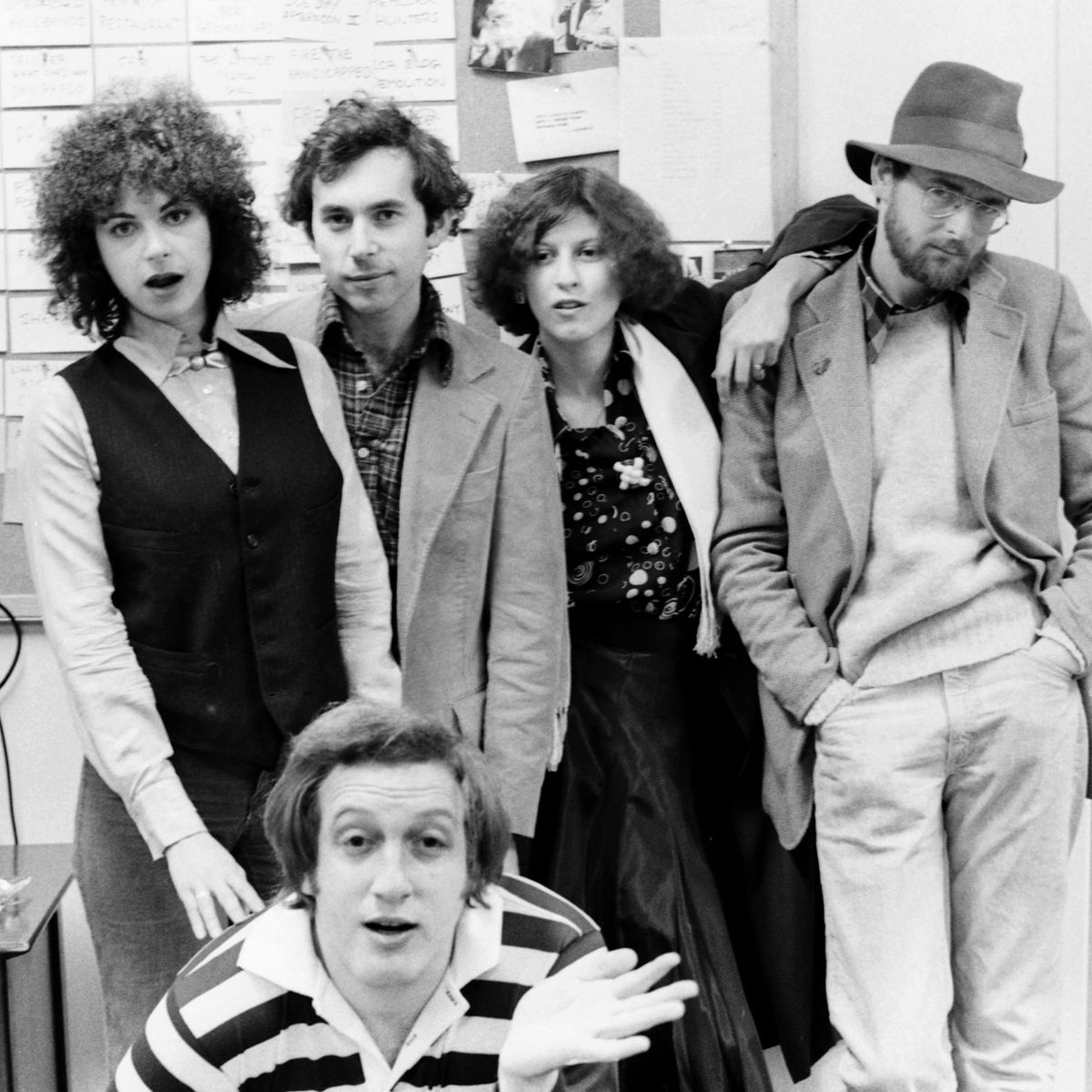
Original "Saturday Night Live" Legends Laraine Newman, Rosie Shuster, and Alan Zweibel
SNL at 50
Every Legend has its own Origin Story. With the 50th anniversary of "Saturday Night Live," let’s look back at how it happened. They say you fall in love with the SNL cast--when you turned 15. I turned 15 in 1977. That's why "The First Generation" is still my favorite cast. And we all got to see it all……“Live from New York” and it was unlike anything anybody had every seen.
In 1975, the very first episode of “Saturday Night Live” (then called Saturday Night), premiered with George Carlin as host, Billy Preston and Janis Ian as musical guests, which starred a group of then-unknowns comedy icons who would blossom into national figures, as members of “The Not Ready for Prime Time Players.”
However, it was more than the writers and the actors. It was the cultural moments. They Were Present at The Creation. And That Matters. Period.
Why does the First Generation of SNL remain so important?
-
It was a revolution in TV comedy. Before it, there was nothing quite like it—live sketch comedy, edgy political satire, and an unpredictable vibe. It felt dangerous and rebellious in a way that resonated with the cultural mood of the 70s.
They Reflected the Times Perfectly
- The 70s were weird: post-Vietnam, Watergate disillusionment, the energy crisis, cultural shifts. SNL didn’t shy away from any of it—it leaned in. They skewered politicians, mocked the media, and gave voice to a generation that didn’t trust authority.
The Cast was Astonishingly Great.
-
The First Generation wasn’t just funny—they were stars in the making, and their chemistry was lightning in a bottle.
The Writers were Phenomenal
-
The original SNL writers weren’t just comedy writers—they were comedy revolutionaries. They helped create a whole new language of satire that still influences sketch comedy today.
The Music Was Iconic
-
The musical guests were just as cool as the cast—The Rolling Stones, Patti Smith, Prince, David Bowie, Simon & Garfunkel, etc. Lorne Michaels brought legit musical talent that gave the show credibility and edge.
They Had That Raw, Live-TV Energy
-
There was no safety net. It was chaotic, sometimes messy—but thrilling. Sketches could bomb spectacularly or become instant classics. You never knew what you were going to get, which made it must-watch TV.
It Mattered.
-
The first generation of SNL wasn’t just about comedy—it was a cultural moment. Later generations have had incredible talent and brilliant sketches, but that first era had the magic of being first. It felt important, not just funny.
And with its ups and downs over the past 50 years, its why SNL still matters today.
| | |
May 2
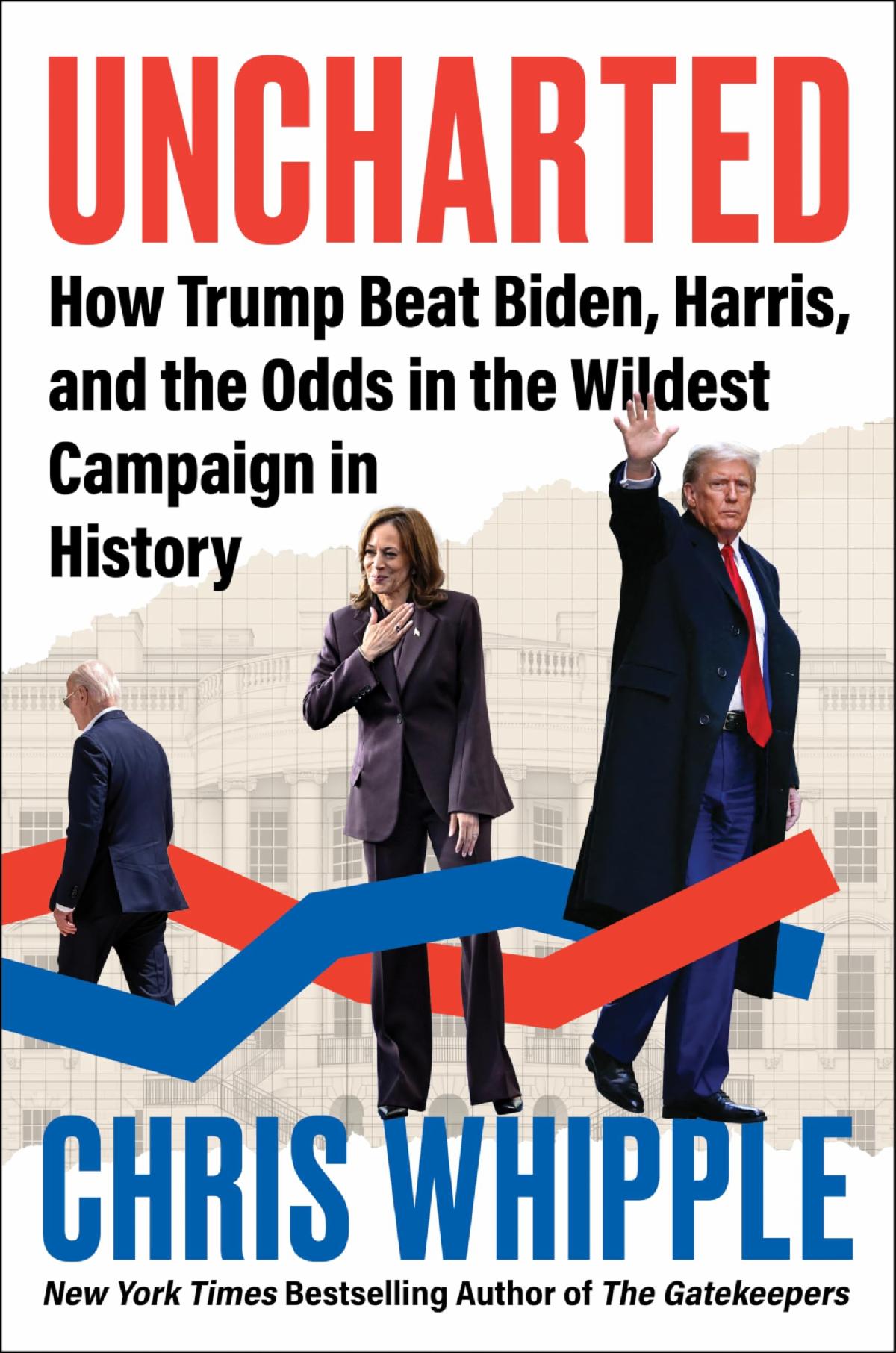
New York Times Best-selling author Chris Whipple
Uncharted: How Trump Beat Biden, Harris, and the Odds in the Wildest Campaign in History
A disastrous debate, a would-be assassin’s bullet, an electrifying eleventh hour candidate swap, dramatic and surprising VP selections, betrayals behind closed doors, charges of a stolen election, game-changing blunders—the history-making 2024 presidential election is a political saga of Shakespearean proportions. In minute-by-minute detail, esteemed White House historian and political analyst Chris Whipple chronicles the unprecedented drama as it unfolds, documenting the true story of the Harris and Trump campaigns and the difficult, urgent decisions made in the back rooms of power, with the future of American democracy at stake. Alternating between the Biden/Harris/Walz and the Trump/Vance camps, Whipple tells the fly-on-the-wall story of campaign 2024, drawing on his unique access to exclusive sources on both sides, including conversations with members of the candidates’ inner circles. Whipple goes behind the scenes of every headline-making moment to reveal how a post-debate intra-party rebellion forced Biden to step aside, how the nomination of Vice President Harris at a thrilling convention reshaped the race, how Harris rallied excited voters across generations and demographics, but ultimately could not overcome the underlying weaknesses of her campaign. Whipple also burrows inside Donald Trump’s campaign to reveal startling new insights into how he overcame primary opponents and multiple prosecutions, rebranded his base to appeal to Gen Z voters, and forged powerful alliances with Silicon Valley CEOs like Elon Musk. An intimate portrait of American politics on the edge, filled with previously untold stories, anecdotes, and insights, Uncharted is the authoritative account of this pivotal chapter in American politics. As he brings to life the most dramatic and important presidential campaign of the modern age and puts it into historical perspective, Whipple exposes how ambition, conviction, and resilience collide at the highest echelons of power, offering a deeper understanding of the forces that define a divided nation.
| | |
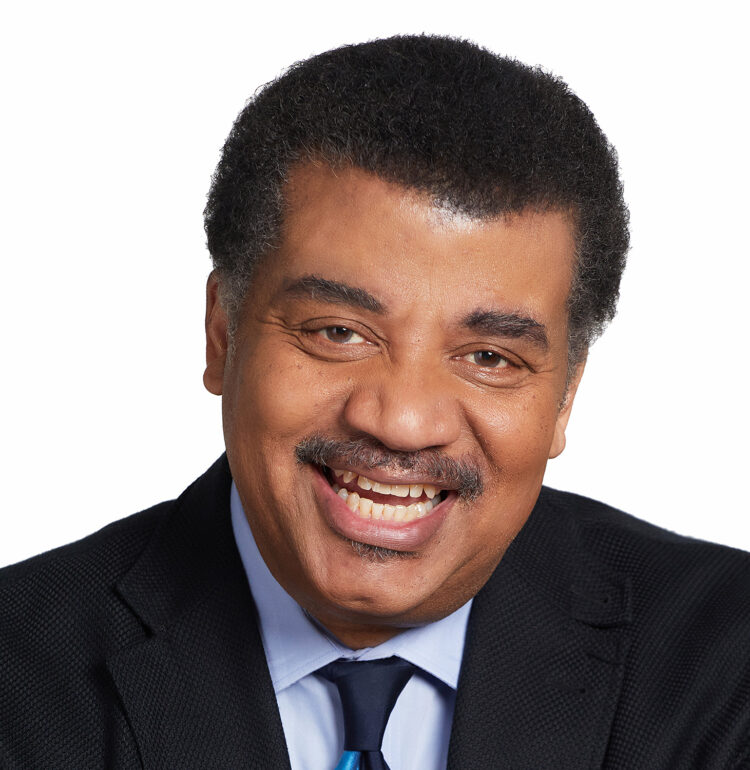
Astrophysicist
Neil deGrasse Tyson
May 13
His new book, “Starry Messenger.”
"I know of no time in human history where ignorance was better than knowledge."
--Dr Neil deGrasse Tyson
Neil deGrasse Tyson is known for making complex scientific ideas accessible to the public. He has been a prominent figure in the fight against the erosion of trust in science, often speaking out against pseudoscience and misinformation. Dr. Tyson believes that scientific literacy is essential for a functioning democracy. He argues that when citizens and leaders ignore scientific consensus, especially on critical issues like climate change, it endangers society. Through platforms like television, podcasts, books, and social media, Dr. Tyson has actively promoted the value of science in everyday life. He hosted the reboot of Cosmos, a science documentary series originally created by Carl Sagan, aiming to inspire a new generation to embrace scientific thinking. In numerous interviews and public appearances, he has criticized the rejection of scientific facts in favor of personal beliefs or political agendas. Tyson sees this trend as a significant threat to rational decision-making. He coined the phrase "the good thing about science is that it's true whether or not you believe in it," emphasizing the objectivity of scientific truth. Dr. Tyson often points out that science is not a political ideology, but a method of understanding the natural world through evidence and testing. He’s especially concerned about how misinformation spreads quickly in the digital age, often outpacing accurate scientific communication. In response, Dr. Tyson stresses the importance of education systems that teach critical thinking and the scientific method. He has also highlighted the need for scientists to be better communicators and more visible in public discourse. Tyson frequently explains that many of humanity’s greatest achievements—from space exploration to modern medicine—are rooted in scientific discovery. He warns that if society continues to undervalue science, progress will stall and major problems will go unsolved. Dr. Tyson’s approach is not just about defending science, but also about inspiring curiosity and wonder. He often uses humor and storytelling to connect with broader audiences, making science feel relevant and exciting. He believes that rekindling a sense of awe about the universe can help combat scientific apathy. Dr. Tyson has expressed frustration when public policies are shaped by ideology rather than by data and expert analysis. In his view, the war against science isn’t just about rejecting facts; it’s about rejecting the processes that help us find truth. Dr. Tyson encourages individuals to question claims, seek evidence, and remain intellectually humble. He believes that a society grounded in scientific thinking is better equipped to solve problems and adapt to future challenges. Ultimately, Neil deGrasse Tyson sees the defense of science as essential not just for scientists, but for the health and survival of civilization itself.
| | |
May 29
Amy Tan
"The Backyard Bird Chronicles."
Last year, Amy Tan joined The Luncheon Society during the book launch of her wonderful book, "The Backyard Bird Chronicles." Since then the book has become a runaway New York Times best seller. She has graciously agreed to return--because so many Luncheon Society members have requested it.
In 2016, Amy Tan grew overwhelmed by the state of the world: Hatred and misinformation became a daily presence on social media, and the country felt more divisive than ever. In search of peace, Tan turned toward the natural world just beyond her window and, specifically, the birds visiting her yard. But what began as an attempt to find solace turned into something far greater—an opportunity to savor quiet moments during a volatile time, connect to nature in a meaningful way, and imagine the intricate lives of the birds she admired.
Tracking the natural beauty that surrounds us, The Backyard Bird Chronicles maps the passage of time through daily entries, thoughtful questions, and beautiful original sketches. With boundless charm and wit, author Amy Tan charts her foray into birding and the natural wonders of the world.
| | |
June 6
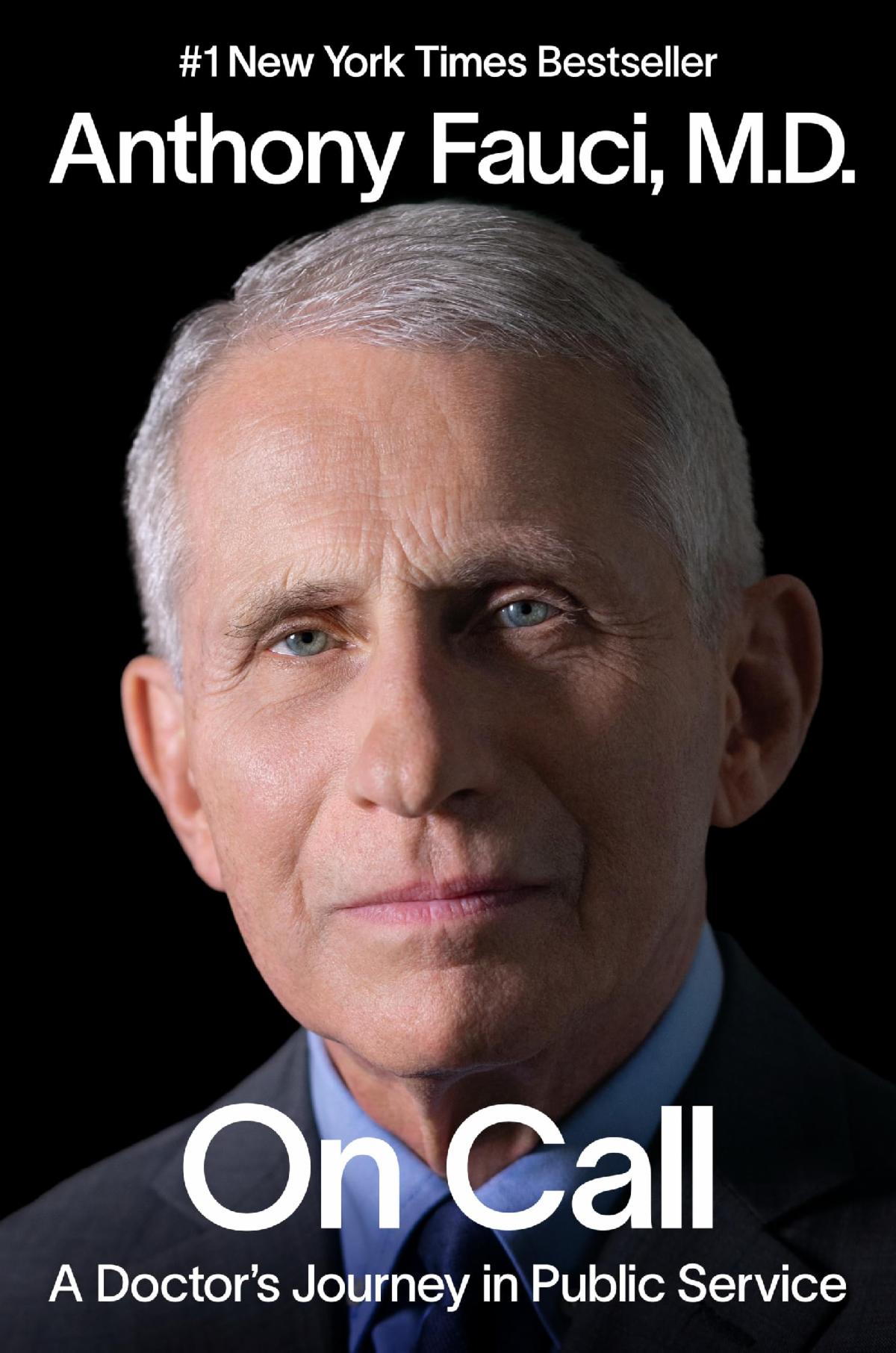
Dr Anthony Fauci
His memoir “On Call: A Doctor's Journey in Public Service.”
Anthony Fauci is arguably the most famous – and most revered – doctor in the world today. His role guiding America sanely and calmly through Covid (and through the torrents of Trump) earned him the trust of millions during one of the most terrifying periods in modern American history, but this was only the most recent of the global epidemics in which Dr. Fauci played a major role. His crucial role in researching HIV and bringing AIDS into sympathetic public view and his leadership in navigating the Ebola, SARS, West Nile, and anthrax crises, make him truly an American hero.
His memoir reaches back to his boyhood in Brooklyn, New York, and carries through decades of caring for critically ill patients, navigating the whirlpools of Washington politics, and behind-the-scenes advising and negotiating with seven presidents on key issues from global AIDS relief to infectious disease preparedness at home. ON CALL will be an inspiration for readers who admire and are grateful to him and for those who want to emulate him in public service. He is the embodiment of “speaking truth to power,” with dignity and results.
| | |
June 27
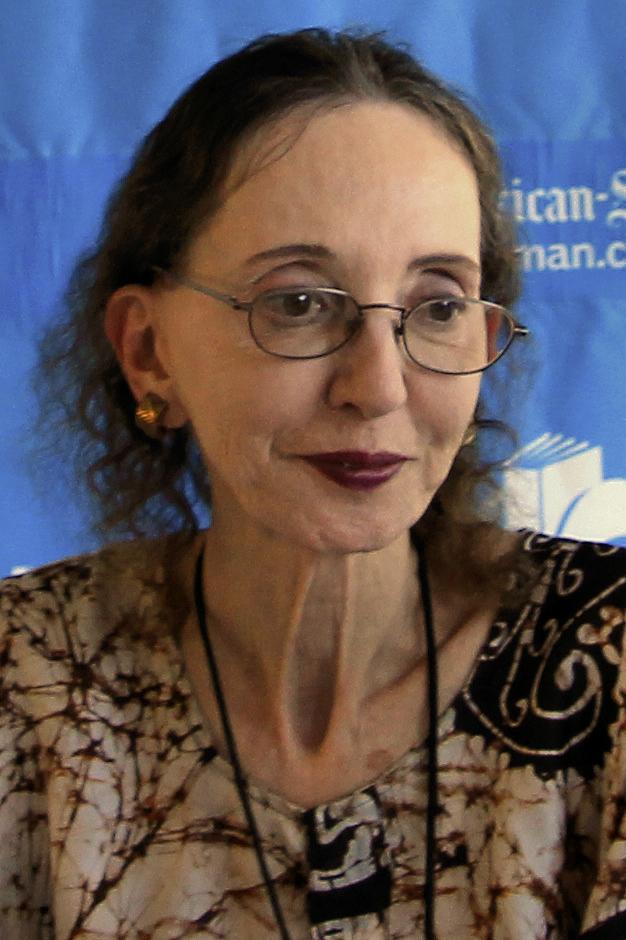
Joyce Carol Oates
Her latest acclaimed novel “Fox.”
Who is Francis Fox? A charming English teacher new to the idyllic Langhorne Academy, Fox beguiles many of his students, their parents, and his colleagues at the elite boarding school, while leaving others wondering where he came from and why his biography is so enigmatic.
When two brothers discover Fox’s car half-submerged in a pond in a local nature preserve and parts of an unidentified body strewn about the nearby woods, the entire community, including Detective Horace Zwender and his deputy, begins to ask disturbing questions about Francis Fox and who he might really be.
A hypnotic, galloping tale of crime and complicity, revenge and restitution, victim vs. predator, Joyce Carol Oates’s Fox illuminates the darkest corners of the human psyche while asking profound moral questions about justice and the response evil demands. A character as magnetically diabolical as Patricia Highsmith’s Tom Ripley and Vladimir Nabokov’s Humbert Humbert, Francis Fox enchants and manipulates nearly everyone around him, until at last he meets someone he can’t outfox.
Written in Oates’s trademark intimate, sweeping style, and interweaving multiple points of view, Fox is a triumph of craftsmanship and artistry, a novel as profound as it is propulsive, as moving as it is full of mystery.
| | |
July 10
PBS Travel Writer Rick Steves
His travel memoir, “On the Hippie Trail”
Stow away with PBS Travel Host and New York Times Best-Selling author Rick Steves for a glimpse into the unforgettable moments, misadventures, and memories of his 1978 journey on the legendary Hippie Trail.
In the 1970s, the ultimate trip for any backpacker was the storied “Hippie Trail” from Istanbul to Kathmandu. A 23-year-old Rick Steves made the trek, and like a travel writer in training, he documented everything along the way: jumping off a moving train, making friends in Tehran, getting lost in Lahore, getting high for the first time in Herat, battling leeches in Pokhara, and much more. The experience ignited his love of travel and forever broadened his perspective on the world. This book contains edited selections from Rick’s journal and travel photos with a 45-years-later preface and postscript reflecting on how the journey through Turkey, Iran, Afghanistan, Pakistan, India, and Nepal changed his life.
You know Rick Steves. Now discover the adventure of a lifetime that made him the travel writer he is today.
| | |
July 24
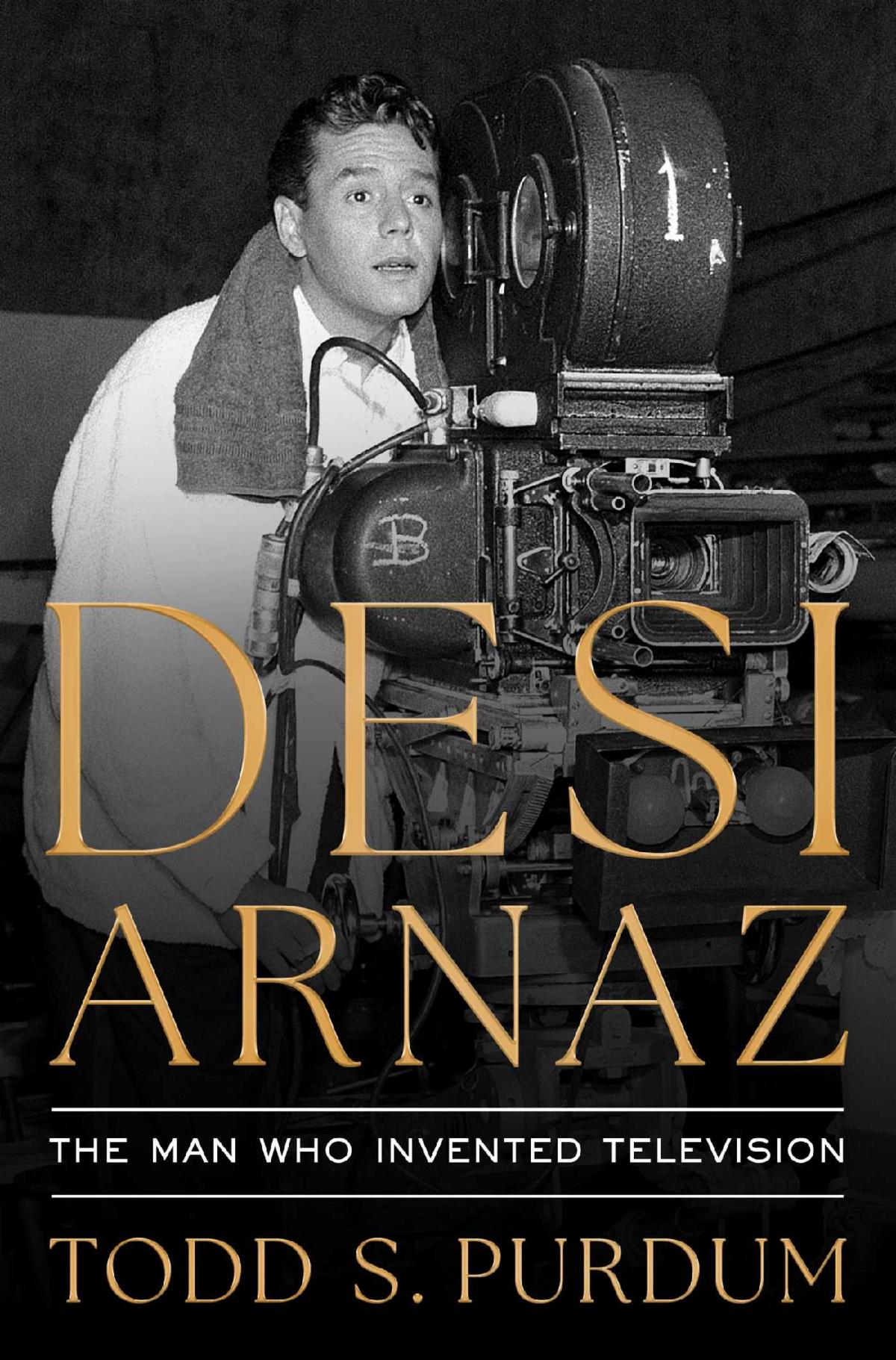
New York Times Best-seller Todd Purdum
Author of the acclaimed "Desi Arnaz--The Man Who Invented Television"
An illuminating biography of Desi Arnaz, the visionary, trailblazing Cuban American who revolutionized television and brought laughter to millions as Lucille Ball’s beloved husband on I Love Lucy, leaving a remarkable legacy that continues to influence American culture today.
Desi Arnaz is a name that resonates with fans of classic television, but few understand the depth of his contributions to the entertainment industry. In Desi Arnaz, Todd S. Purdum offers a captivating biography that dives into the groundbreaking Latino artist and businessman known to millions as Ricky Ricardo from I Love Lucy. Beyond his iconic role, Arnaz was a pioneering entrepreneur who fundamentally transformed the television landscape.
His journey from Cuban aristocracy to world-class entertainer is remarkable. After losing everything during the 1933 Cuban revolution, Arnaz reinvented himself in pre-World War II Miami, tapping into the rising demand for Latin music. By twenty, he had formed his own band and sparked the conga dance craze in America. Behind the scenes, he revolutionized television production by filming I Love Lucy before a live studio audience with synchronized cameras, a model that remains a sitcom gold standard today.
During the early days of television, Desi Arnaz
- Pioneered the three-camera filming method: Arnaz and his team developed the three-camera filming technique. This method captured actors' performances from multiple angles simultaneously in front of a live studio audience. This approach preserved comedic timing and natural audience reactions, and it quickly became an industry standard.
- Filmed on 35mm film: Arnaz insisted on filming "I Love Lucy" on 35mm film, unlike most shows at the time. This higher-quality film stock improved episode preservation and enabled future innovations.
- Invented the rerun and syndication: Preserving "I Love Lucy" episodes on high-quality film led to the concept of the rerun. This allowed networks to rebroadcast popular shows and led to television syndication, creating a new economic model.
- Established Hollywood as the center of television production: "I Love Lucy's" success, combined with Arnaz's production innovations, helped shift the focus of network television production from New York to Hollywood.
- Co-founded Desilu Productions: Arnaz and Ball co-founded Desilu Productions, which produced several successful shows, including "The Andy Griffith Show," "The Untouchables," and "Star Trek".
Arnaz co-founded Desilu Productions which became an entertainment powerhouse. From 1951 to 1957, Arnaz directed, produced, and appeared in 181 episodes of “I Love Lucy,” the most popular television series in America at the time.) However, there is also another story of his own downfall. So much self-destruction is seeded into the life story of Arnaz that it’s painful to read of his downward plunge. Despite being underestimated due to his accent and origins, Arnaz’s legacy is monumental. Purdum’s biography, enriched with unpublished materials and interviews, reveals the man behind the legend and highlights his enduring contributions to pop culture and television. This book is a must-read biography about innovation, resilience and the relentless drive of a man who changed TV forever.
| | |
August 11
The New Yorker’s Ken Auletta
The State of the Media
The first question is this—when we look at the cancellation of the CBS Late Night franchise--
- How much of this is result of the slow death of network television, the collapse of viewership, and the reduction of advertising dollars?
- How much is this the result of a political payback for Colbert’s animus toward Trump or another example of Trump’s burgeoning victories over a free press?
The second question is this-- what do we make of Paramount's willingness to settle the Trump lawsuit for $16 Million Dollars in the form of a donation to some future Trump presidential library?
- What are we to make of the deal that injects Trump’s own political imperatives into the FCC approved deal, including:
- A “promise” to root out “bias” at CBS News
- An installation of an ombudsman to evaluate complaints of “bias or other concerns.”
- Reports that Skydance had made a “side deal” with Trump for an additional $15 million or more in airtime for public service announcements promoting Trump-aligned causes
What does this say about Paramount's expediency to close the Skydance deal?
Where does it all lead?
| | |
August 20
Jim Walden
Independent Candidate New York City Mayoral race
The Luncheon Society wades into the New York City Mayoral race .The question is this—in a campaign where a number of candidates either have excess political baggage or thin political resumes, can a truly moderate and independent good guy find a path to victory? Let's ask former Assistant US Attorney Jim Walden and find out.
Let's discuss.
Jim Walden has spent his career taking on some of the toughest legal battles in the country. As a nationally recognized trial lawyer, Jim has fought for justice at the highest levels, turning around cases where others failed and standing up for those who need a champion.
Summary:
-
A Proven Fighter for a Better New York: Walden discusses his background as a prosecutor who went after the mob and his decades of work fighting government misdeeds to protect communities.
-
No-Nonsense Solutions: Learn about his pragmatic policy proposals, including a “no-spoiler pact” to unite free-market candidates, a zero-tolerance policy for corruption, and a new public safety plan to deter out-of-state crime.
-
The Independent Outsider: Walden explains why he is the “dramatic change agent” New York needs, highlighting his commitment to not taking PAC money and his plan to get special interests out of City Hall.
-
A Champion of Transparency: He details his proposal to create a citywide corruption agency with the power to hold corrupt people accountable and restore public trust.
-
Confronting the Opposition: Walden provides an unflinching critique of his opponent Zohran Mamdani, arguing that he is a “paper thin candidate” who lacks real experience and has concerning anti-cop and anti-business views.
| | |
October 3
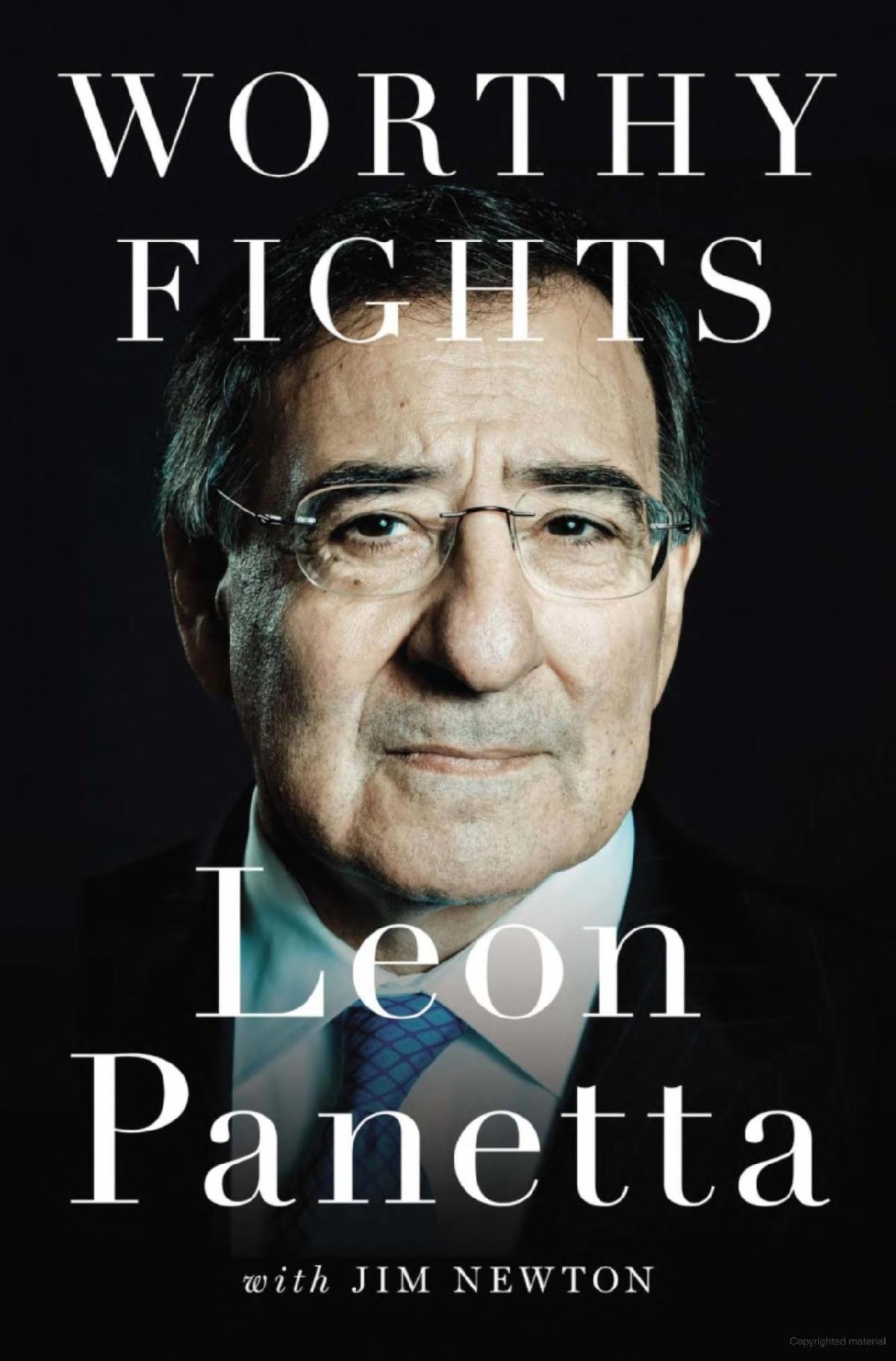
Fmr Secretary of Defense Leon Panetta
A conversation of geopolitical concern.
Only days before Secretary Panetta’s Luncheon Society appearance, Secretary of Defense Pete Hegseth ordered a large (and surreal) gathering of U.S. generals and admirals was held at Quantico. The reaction from the audience of military brass was stoned silence as both Hegseth and the present tried to turn the apolitical military into a MAGA rally.
It was stunning television. The real question is this: Are we playing with fire?
It could be said that Leon Panetta has had two of the most consequential careers of any American public servant in the past fifty years. His first career, beginning as an Army intelligence officer and including a distinguished run as one of the most powerful and respected members of Congress, lasted thirty-five years and culminated in his transformational role as Budget Czar and White House Chief of Staff in the Clinton administration.
But after a brief “retirement,” he returned to public service in 2009 as the CIA director who led the intelligence war that killed Osama Bin Laden and then became the U.S. secretary of defense, inheriting two troubled wars in a time of austerity and painful choices. Like his career, his decisions are a reflection of Panetta’s values. It is also a testament to a lost kind of political leadership that favors progress and duty to country over partisanship.
With the world rife with conflict that could boil over into greater wars, where do things go from here?
| | |
October 22
CNN Senior Legal Analyst Elie Honig
His new book: When You Come at the King
The Luncheon Society welcomes CNN Senior Legal Analyst Elie Honig to talk about the relationship between the DOJ, The White House and the Presidency. The Question is this: How do you investigate your own boss—who also happens to be the most powerful person on the planet?
Imagine you’ve been put in charge of investigating your own boss—who also happens to be the most powerful person
on the planet.
You might unearth information that will be politically, professionally, and personally devastating to your subject, and you alone hold the power to indict and potentially imprison him. At the same time, the boss can fire you and end the case—and might even turn the tables and launch an inquiry aimed at you. As the lone-wolf assassin Omar put it in The Wire: “You come at the king, you best not miss.” That’s the crucible for any Special Counsel. For decades, the Department of Justice has appointed outside prosecutors to handle our highest-stakes cases. But do these independent investigations lead to just results?
In When You Come at the King, CNN senior legal analyst Elie Honig delivers a fast-paced, insider’s account of the most important Justice Department investigations of the past fifty years, based on dozens of on-record interviews with firsthand participants. A Watergate prosecutor reveals she hid copies of key documents at home to guard against potential destruction of evidence by the president’s allies. A member of the Iran–Contra prosecution team explains why they made a shocking election-eve revelation. A defense lawyer for Donald Trump details his private meeting with Jack Smith just days before Trump was indicted.
From Ken Starr’s investigation of Bill Clinton to modern cases involving Patrick Fitzgerald, Robert Mueller, Jack Smith, and more, Honig charts how the Special Counsel system developed and evolved over time. We know the maxim that a nation can be measured by how it treats its weakest members. This book explores an inverse corollary: A nation reveals much about itself by how it holds accountable its most powerful leaders when they’ve done wrong. Now, with the future of Special Counsels in doubt, When You Come at the King addresses the most important question of all: Can the system evolve to better serve the call for justice?
| | |
November 18
Best Selling author Amy Wallace
Co author (with the late Virginia Guiffre) Nobody’s Girl
The unforgettable posthumous memoir by the late Virginia Roberts Giuffre, the woman who dared to take on Jeffrey Epstein and Ghislaine Maxwell. Amy Wallace spent four years working with Virginia Roberts Giuffre on her New York Times
#1 bestseller, Nobody’s Girl as her ghostwriter.
The world knows Virginia Roberts Giuffre as Jeffrey Epstein and Ghislaine Maxwell’s most outspoken victim: the woman whose decision to speak out helped send both serial abusers to prison, whose photograph with Prince Andrew catalyzed his fall from grace. But her story has never been told in full, in her own words—until now.
In April 2025, Giuffre took her own life. She left behind a memoir written in the years preceding her death and stated unequivocally that she wanted it published. Nobody’s Girl is the riveting and powerful story of an ordinary girl who would grow up to confront extraordinary adversity.
Here, Giuffre offers an unsparing and definitive account of her time with Epstein and Maxwell, who trafficked her and others to numerous prominent men. She also details the molestation she suffered as a child, as well as her daring escape from Epstein and Maxwell’s grasp at nineteen. Giuffre remade her life from scratch and summoned the courage to not only hold her abusers to account but also advocate for other victims. The pages of Nobody’s Girl preserve her voice—and her legacy—forever.
Nobody’s Girl is an astonishing affirmation of Giuffre’s unshakable will—first, to claw her way out of victimhood, and then to shine light on wrongdoing and fight for a safer, fairer world. Equal parts intimate and fierce, it is a remarkable narrative of fortitude in the face of depravity and despair
| | |
November 21
Best Selling author Jeffrey Kluger
Author Gemini: Stepping Stone to the Moon
Without Gemini, there would be no Apollo. Before Apollo 11 could ever land on the moon, NASA had to learn how to fly in space, rendezvous and dock with another spacecraft, walk in space, and handle the dangers of long-duration space travel. Every Gemini astronaut (except one) would be assigned to an Apollo mission. Six Gemini astronauts would walk on the Moon.
Few authors have had as big an impact on space journalism as Jeffrey Kluger. Jeffrey's 1994 book "Lost Moon" (co-authored with Astronaut James Lovell), was the basis for the 1995 film "Apollo 13," which starred Tom Hanks and was directed by
Ron Howard.
After we first launched Americans into space but before we touched down on the moon’s surface, there was the Gemini program. It was no easy jump from manned missions in low-Earth orbit to a successful moon landing, and the ten-flight, twenty-month celestial story of the Gemini program is an extraordinary one. There was unavoidable darkness in the program―the deaths and near-deaths that defined it, and the blood feud with the Soviet Union that animated it.
But there were undeniable and previously inconceivable successes. With a war raging in Vietnam and lawmakers calling for cuts to NASA’s budget, the success of the Gemini program―or the space program in general―was never guaranteed. Yet against all odds, the remarkable scientists and astronauts behind the project persevered, and their efforts paid off. Later, with the knowledge gained from the Gemini flights, NASA would launch the legendary Apollo program.
Told with Jeffrey Kluger’s signature cinematic storytelling and in-depth research and interviews, Gemini is an edge-of-your-seat narrative chronicling the history of the least appreciated―and most groundbreaking―space program in American history. Finally, Gemini’s story will be told, and finally, we’ll learn the truth of how we landed on the moon.
| | |
December 12
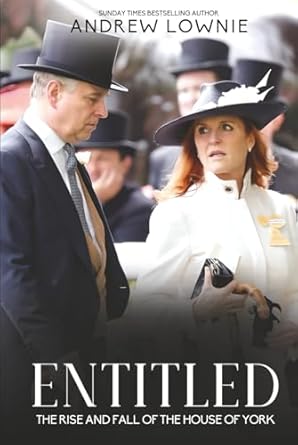
British Historian and Best Selling author Andrew Lownie
Entitled: The Rise and Fall of the House of York
This explosive biography of the Duke and Duchess of York - - Prince Andrew and his ex-wife, Sarah Ferguson – exposes the secrets and scandals behind their extravagant lives and troubled marriage.
Entitled presents an unvarnished and meticulously researched account of two of the most controversial figures in modern royal history. Based on years of investigation, extensive Freedom of Information requests and more than a hundred interviews with previously silent sources, acclaimed royal expert Andrew Lownie delivers an authoritative and deeply revealing dual portrait of the Duke and Duchess, whose lives and relationship have been marked by privilege, controversy, and public fascination. Tracing their stories from childhood through their high-profile courtship and marriage, dramatic divorce, and enduring connection as “the happiest divorced couple in the world,”
Entitled digs deeper than ever before into a pair that has long been a source of scrutiny. Lownie examines Prince Andrew’s trajectory from a celebrated naval officer to a disgraced royal accused of sexual assault and stripped of his public duties and unpacks the truth of his lavish lifestyle and the enduring fallout from his association with Jeffrey Epstein.
More than just a story of personal failings or royal scandal Entitled examines the broader context of a monarchy navigating public accountability and the pressures of modernity. The result is a compelling and nuanced portrait of a flawed couple whose lives have defined and defied the expectations of royalty in the 21st century, and whose actions continue to resonate far beyond the palace walls.
| |
|
The Luncheon Society™
began as a series of private luncheons and dinners that take place in San Francisco, Los Angeles, Manhattan, and Boston. In 2020, we moved to Zoom. Discussions center on politics, art, science, film, culture, and whatever else is on our mind. Think of us as "Adult Drop in Daycare." We've been around since 1996 and we're purposely understated. These gatherings takes place around a large table, where you interact with the main guest and conversation becomes end result. There are no rules, very little structure, and the gatherings happen when they happen. Join us when you can.
2026 will be our 31st season.
Hope you can join us.
Bob McBarton
bob.mcbarton@comcast.net
The Luncheon Society
cell 925.216.9578
Twitter: @LuncheonSociety
| | | | |